

Savannah, Georgia, sits draped in Spanish moss and steeped in supernatural lore like no other American city. For centuries, locals and visitors have whispered about phantom footsteps echoing through cobblestone squares, mysterious orbs floating through historic mansions, and unexplained cold spots that send shivers down spines on sweltering summer nights. But what if science could map these ghostly encounters? What if there’s more to Savannah’s haunting reputation than just old tales and overactive imaginations? Modern researchers are now using cutting-edge technology, environmental monitoring, and psychological studies to create what they call a “ghost map” of the city – a scientific approach to understanding why certain locations consistently produce paranormal experiences. The results are more fascinating than fiction.
The Birth of Scientific Ghost Hunting in America’s Most Haunted City
Scientists didn’t always take ghost stories seriously, but Savannah changed that perspective. The city’s consistent paranormal reports caught the attention of researchers who realized they had a unique laboratory for studying unexplained phenomena. Teams of physicists, psychologists, and environmental scientists began arriving in the 1990s, armed with electromagnetic field detectors, infrared cameras, and sophisticated audio recording equipment. They weren’t looking to prove or disprove ghosts – they wanted to understand why certain locations triggered such consistent supernatural experiences. The Savannah Ghost Research Society became one of the first organizations to apply rigorous scientific methods to paranormal investigation, setting standards that are now used worldwide.
Electromagnetic Anomalies Reveal Hidden Patterns
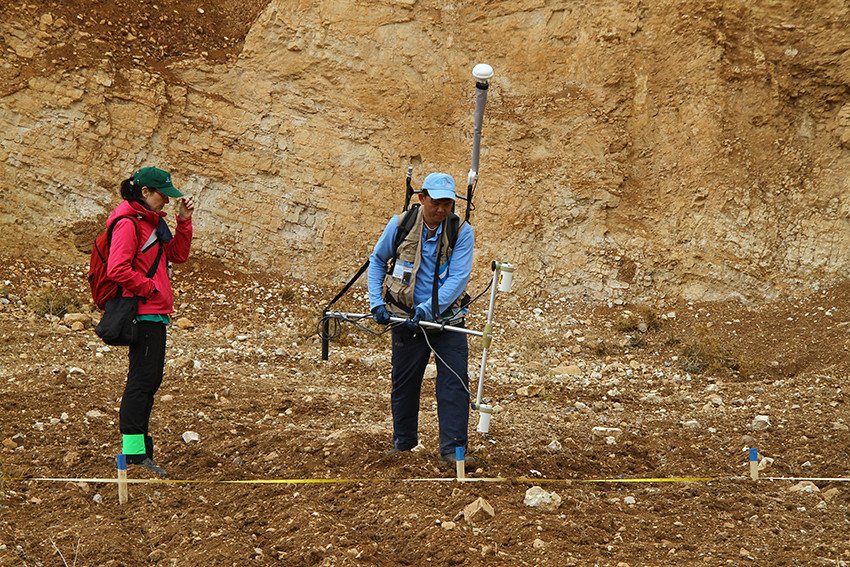
One of the most surprising discoveries came from mapping electromagnetic fields throughout Savannah’s historic district. Scientists found that locations with the highest ghost activity reports consistently showed unusual electromagnetic signatures. The old Colonial Park Cemetery, for instance, displays magnetic field fluctuations that don’t match surrounding areas, possibly due to underground iron deposits or historical electrical infrastructure. These electromagnetic anomalies can affect human brain function, potentially triggering hallucinations or feelings of unease that people interpret as ghostly encounters. It’s like having invisible currents of energy flowing through the city, creating hotspots where our brains might misinterpret natural phenomena as supernatural experiences.
The Role of Infrasound in Supernatural Sensations

Sound waves below human hearing range, called infrasound, turned out to be crucial in Savannah’s ghost map. These low-frequency vibrations, often produced by wind moving through old buildings or underground water systems, can cause feelings of dread, chest pressure, and even visual disturbances. The Sorrel Weed House, one of Savannah’s most haunted locations, sits directly above a series of underground tunnels that create perfect conditions for infrasound generation. When tourists report feeling watched or experiencing sudden anxiety in certain rooms, they’re actually responding to sound waves their ears can’t detect but their bodies definitely feel. It’s nature’s own horror movie soundtrack, playing at frequencies that bypass conscious awareness.
Historical Trauma and Environmental Memory

Researchers discovered that Savannah’s most haunted locations correlate strongly with sites of historical trauma. The old slave markets, Civil War battlefields, and yellow fever burial grounds show up repeatedly on both historical maps and modern paranormal activity reports. While science can’t prove that emotions leave permanent imprints on physical locations, environmental psychologists suggest that knowledge of a place’s tragic history primes our brains to interpret ambiguous sensory input as supernatural. It’s similar to how knowing a movie is supposed to be scary makes you jump at shadows that wouldn’t bother you otherwise. The human mind, armed with historical context, becomes incredibly creative at finding patterns in random events.
Temperature Variations Create Spectral Hotspots

Thermal imaging revealed that Savannah’s “ghost zones” often correspond with areas of unusual temperature fluctuations. The city’s unique architecture, with its underground tunnels, thick stone walls, and shaded squares, creates microclimates that can vary by 10-15 degrees within short distances. These temperature differences cause air currents that can move objects, create sounds, and produce the famous “cold spots” that paranormal investigators associate with spiritual activity. The Mercer Williams House, scene of the famous “Midnight in the Garden of Good and Evil” events, shows particularly dramatic temperature gradients that correlate with reported ghostly encounters. What feels like an icy ghostly touch might actually be a pocket of cool air created by the building’s unique thermal properties.
The Psychology of Expectation in Haunted Locations

Scientists studying Savannah’s visitors found that expectation plays a massive role in paranormal experiences. People who arrive knowing about a location’s haunted reputation are significantly more likely to report supernatural encounters than those who visit without prior knowledge. Researchers conducted blind studies where volunteers explored reportedly haunted locations without being told about their ghostly reputations – the number of paranormal reports dropped by over 70%. This doesn’t mean the experiences aren’t real to those who have them, but it suggests that our brains are remarkably good at creating the reality we expect to find. It’s like having a supernatural placebo effect.
Air Quality and Atmospheric Pressure Influences

Savannah’s coastal location creates unique atmospheric conditions that may contribute to its haunted reputation. Barometric pressure changes, high humidity levels, and salt air can all affect human perception and behavior in subtle ways. Low pressure systems, common before storms, have been linked to increased sensitivity to electromagnetic fields and heightened emotional responses. Many of Savannah’s most dramatic ghost sightings occur during periods of atmospheric instability, when the air itself seems to hold more tension. The city’s location at the convergence of river and ocean creates a natural laboratory for studying how environmental factors influence human perception of the supernatural.
Ground-Penetrating Radar Uncovers Hidden Structures
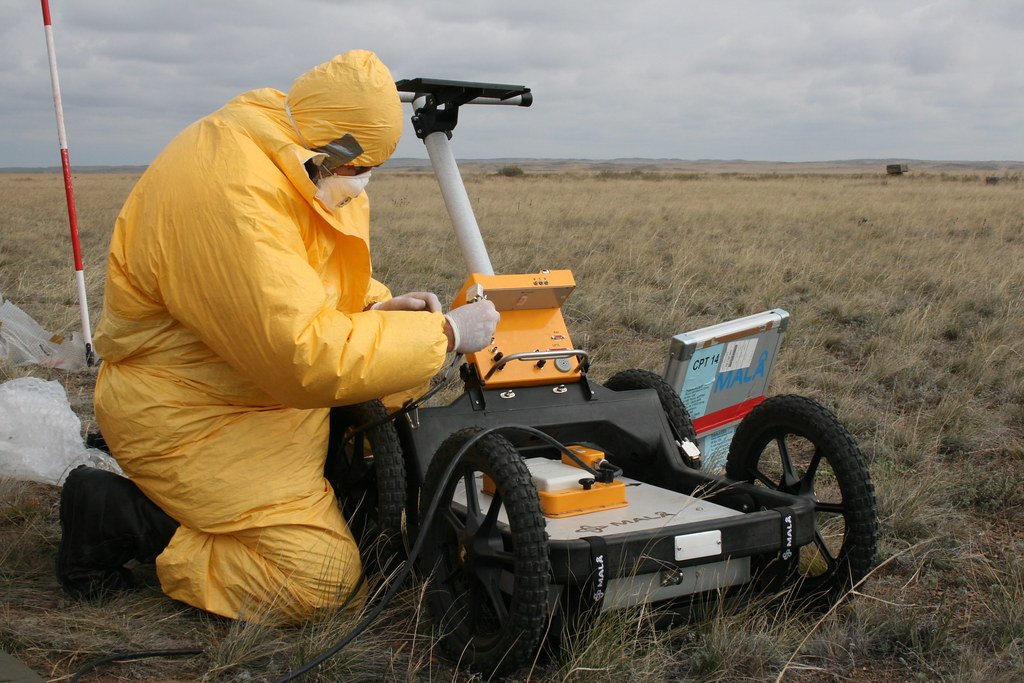
Modern technology revealed that many of Savannah’s haunted locations sit above forgotten underground structures. Ground-penetrating radar showed networks of tunnels, sealed wells, and buried foundations that create acoustic and electromagnetic anomalies. The famous Pink House restaurant, where diners regularly report ghostly encounters, sits above a complex of underground chambers that amplify sounds and create unusual resonance patterns. These hidden structures act like natural amplifiers for both sound and electromagnetic energy, creating the perfect conditions for unexplained phenomena. It’s as if the city has a secret underground architecture that influences the world above in ways we’re only beginning to understand.
Plant Life and Electromagnetic Conductivity
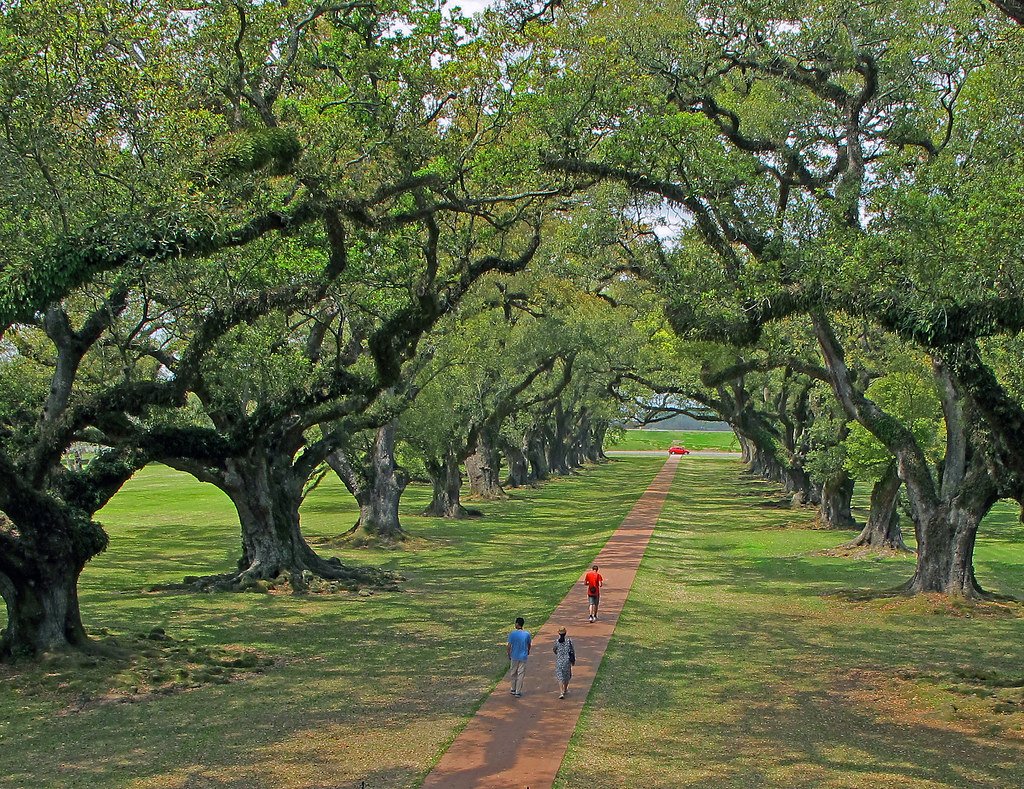
Savannah’s abundant plant life, particularly its famous live oaks draped in Spanish moss, plays an unexpected role in the city’s supernatural reputation. These trees, some over 300 years old, create complex electromagnetic fields due to their size and mineral content. Spanish moss, which isn’t actually moss but an air plant, can conduct electricity and may contribute to the atmospheric electrical activity that sensitive individuals interpret as paranormal. The trees also create natural sound chambers with their massive canopies, amplifying whispers and footsteps in ways that can seem supernatural. Walking through Forsyth Park at night, you’re not just moving through a garden – you’re navigating a living electromagnetic maze.
Water Systems and Geological Influences

The underground water systems flowing beneath Savannah create another layer of the city’s ghost map. Ancient springs, underground streams, and the proximity to the Savannah River create areas of high electromagnetic activity and unusual acoustic properties. Moving water generates negative ions, which can affect mood and perception, potentially making people more susceptible to supernatural experiences. Geologists found that many of Savannah’s most haunted locations sit above intersections of underground water flows, creating natural energy convergence points. The Olde Pink House, built over a natural spring, shows electromagnetic readings that fluctuate with tidal patterns, linking the restaurant’s paranormal activity to the moon’s gravitational pull.
Chemical Signatures in Historic Building Materials
Analysis of building materials in Savannah’s historic structures revealed another piece of the ghost puzzle. Many 18th and 19th-century buildings contain lead-based paints, mercury, and other substances that can affect human neurological function when they off-gas in certain conditions. The combination of old materials, high humidity, and temperature fluctuations can create chemical environments that alter perception and mood. Some researchers suggest that chronic low-level exposure to these substances in certain buildings may contribute to the consistent supernatural experiences reported by staff and visitors. It’s like the buildings themselves are creating a mild altered state of consciousness in the people who spend time within their walls.
Crowd Psychology and Collective Experience

Scientists studying group ghost tours discovered fascinating patterns in how collective belief amplifies individual experiences. When groups of people expect to encounter the supernatural together, they create a psychological environment where unusual events seem more likely and more significant. Tour guides unknowingly use techniques similar to those employed by hypnotists, creating suggestible states in their audiences through storytelling, controlled environments, and group dynamics. The famous ghost tours of Savannah aren’t just entertainment – they’re unintentional experiments in mass psychology. One person’s startled reaction can trigger a cascade of supernatural experiences throughout an entire group, creating shared memories of events that may have natural explanations.
Seasonal Patterns in Paranormal Activity

Data collected over decades reveals that Savannah’s ghost sightings follow distinct seasonal patterns. Activity peaks during autumn and winter months when humidity is lower, temperatures are more variable, and barometric pressure systems are more active. These environmental conditions create optimal circumstances for the electromagnetic and acoustic anomalies that seem to trigger supernatural experiences. The famous “ghostly season” in Savannah isn’t just about Halloween marketing – it corresponds to real environmental changes that make paranormal encounters more likely. Spring and summer show significantly fewer reports, possibly because stable weather patterns reduce the atmospheric conditions that contribute to unusual phenomena.
Digital Technology Reveals New Patterns

Modern smartphone apps and digital sensors have created an unprecedented database of Savannah’s paranormal activity. Tourists unknowingly contribute to the ghost map every time they report unusual electromagnetic readings, temperature drops, or audio anomalies through various ghost hunting apps. This crowd-sourced data reveals patterns that traditional investigations might miss, showing how different types of activity cluster around specific locations and times. The data suggests that some of Savannah’s supernatural reputation might be self-reinforcing – the more people look for ghosts in certain locations, the more likely they are to find them. Digital footprints are creating a new kind of ghost map, one built from thousands of individual experiences rather than scientific instruments alone.
The Influence of Urban Legends on Perception

Researchers tracking the evolution of Savannah’s ghost stories found that urban legends significantly shape where and how people experience the supernatural. Stories that spread through social media and word-of-mouth create expectation maps that influence visitor behavior and perception. The more famous a haunted location becomes, the more likely people are to report unusual experiences there, creating a feedback loop between legend and perceived reality. Some of Savannah’s newest “haunted” locations correspond not to historical events but to popular ghost stories that have gained traction online. It’s as if the city’s supernatural geography is being rewritten in real-time by collective storytelling and social media amplification.
Measuring the Economic Impact of Scientific Ghost Research

The scientific study of Savannah’s haunted reputation has created an unexpected economic phenomenon. Ghost tourism, once dismissed as mere entertainment, now attracts researchers, students, and science enthusiasts interested in the intersection of environment, psychology, and perception. Universities are offering courses in anomalous psychology and environmental influences on human behavior, using Savannah as a case study. The city has become a living laboratory where multiple academic disciplines converge to study how physical environments influence human experience. This scientific approach to the supernatural has elevated Savannah’s reputation beyond simple ghost stories, attracting a new category of informed tourists interested in the research rather than just the thrills.
Future Technologies and Expanding Research

Emerging technologies promise to add new layers to Savannah’s ghost map in the coming years. Artificial intelligence systems are being trained to recognize patterns in environmental data that might predict when and where paranormal experiences are most likely to occur. Advanced brain imaging techniques could reveal how electromagnetic fields and infrasound affect neural activity in real-time, providing objective measures of subjective experiences. Quantum sensors might detect energy fluctuations too subtle for current instruments, potentially revealing entirely new aspects of the environmental factors that contribute to supernatural experiences. The future of ghost research in Savannah looks less like ghost hunting and more like environmental psychology and atmospheric science.
What the Ghost Map Reveals About Human Nature

Perhaps the most profound discovery from Savannah’s scientific ghost research isn’t about the supernatural at all – it’s about human nature. The ghost map reveals how extraordinarily sensitive we are to environmental cues we don’t consciously perceive. Electromagnetic fields, infrasound, temperature variations, and atmospheric pressure all influence our emotions, perceptions, and behaviors in ways we’re only beginning to understand. Savannah’s haunted reputation may be less about ghosts and more about the city’s unique ability to amplify these subtle environmental influences. The research suggests that we’re all natural detectors of environmental anomalies, interpreting unusual conditions through the lens of our cultural understanding of the supernatural.
The Intersection of Science and Wonder

Savannah’s ghost map doesn’t diminish the wonder of supernatural experiences – it reveals the remarkable complexity of the forces that create them. Understanding the science behind ghostly encounters doesn’t make them less meaningful to those who experience them. Instead, it opens up new questions about consciousness, perception, and the subtle ways our environment shapes our reality. The city continues to challenge the boundaries between rational explanation and mysterious experience, proving that some of the most interesting discoveries happen when science meets the unexplained. Whether you believe in ghosts or not, Savannah’s ongoing research reveals just how much we still don’t understand about the relationship between our minds and our environment.
The ghost map of Savannah tells a story that’s simultaneously more mundane and more wondrous than simple supernatural explanations. It reveals a city where electromagnetic fields dance through Spanish moss, where underground rivers create acoustic anomalies, and where centuries of human emotion have layered meaning onto every cobblestone and corridor. The research doesn’t solve the mystery of Savannah’s haunted reputation – it deepens it, showing us that reality is far stranger and more complex than we imagine. In trying to map the ghosts, scientists discovered something even more intriguing: the incredible sensitivity of human consciousness to forces we barely understand. What do you think is more fascinating – the possibility of actual ghosts, or the discovery that our world is filled with invisible influences that shape our every experience?


