Imagine stumbling upon a stone forest, where ancient trees stand frozen in time, their trunks turned to rock by the slow, mysterious hand of nature. Deep beneath the bustling streets of São Paulo, Brazil’s economic powerhouse, lies a prehistoric secret: fossilized forests that whisper tales of a vanished world. These petrified clues aren’t just geological oddities—they’re time capsules, crammed with stories of lush, primeval landscapes and the life that once flourished there. For anyone captivated by the mysteries of Earth’s past, São Paulo’s fossil forests are more than relics—they’re portals to a lost Brazilian ecosystem, as vivid and wild as any fantasy. Let’s embark on a journey through stone and memory, and see what these ancient giants have to tell us.
The Unexpected Discovery Beneath São Paulo
It’s hard to imagine a hidden world of ancient trees under a metropolis teeming with life. Yet, in outcrops and quarries scattered around São Paulo state, sharp-eyed geologists and fossil hunters have uncovered the petrified remains of forests that thrived over 250 million years ago. These discoveries often happen by chance—during construction, mining, or even routine roadwork, when a flash of strange, wood-like stone emerges from the earth. The first time someone recognizes a tree trunk in solid rock, it’s a moment of awe and wonder. This realization sparks a rush of curiosity: how did these trees come to be here, turned to stone, in a place now dominated by concrete and steel?
What Exactly Is a Fossil Forest?
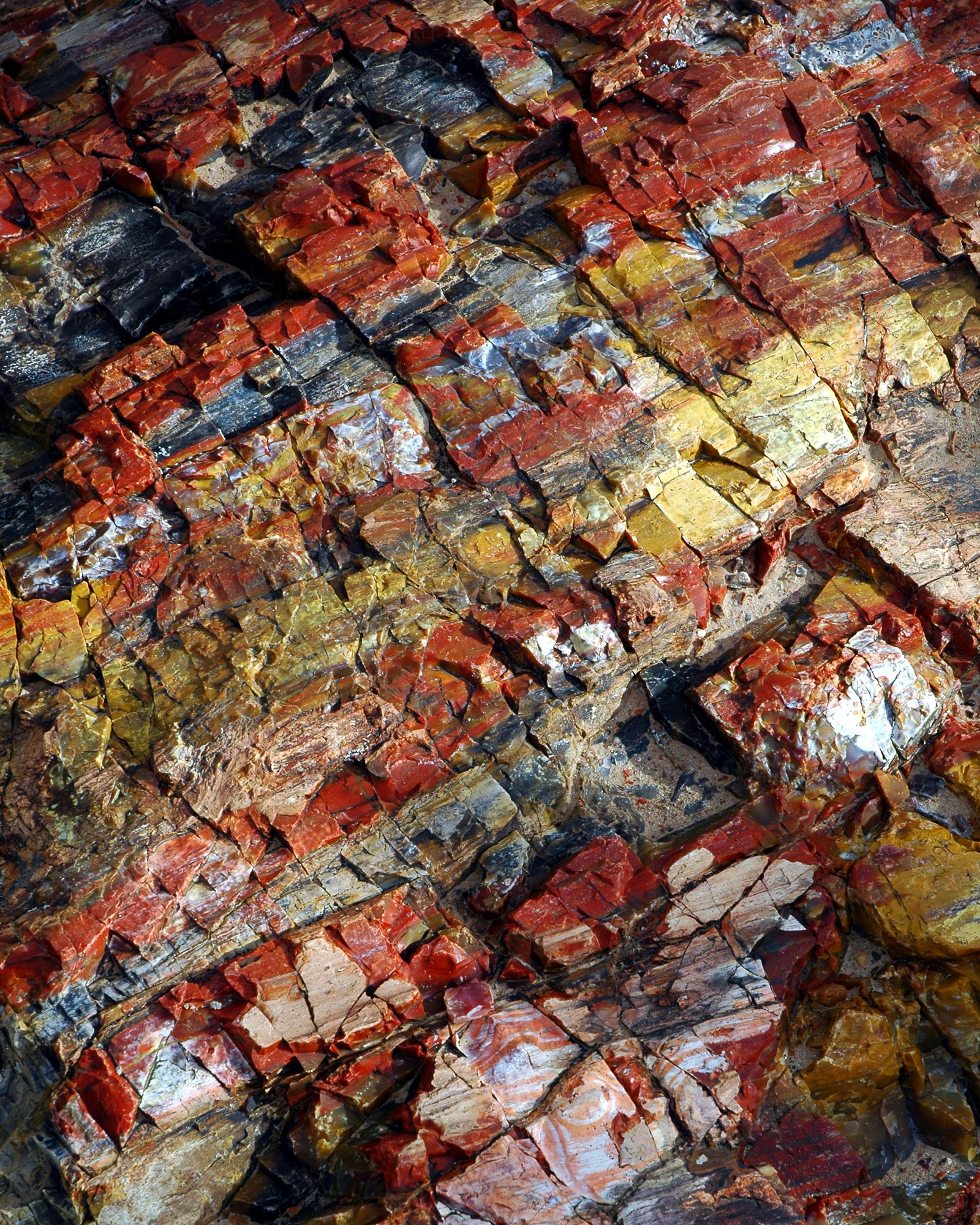
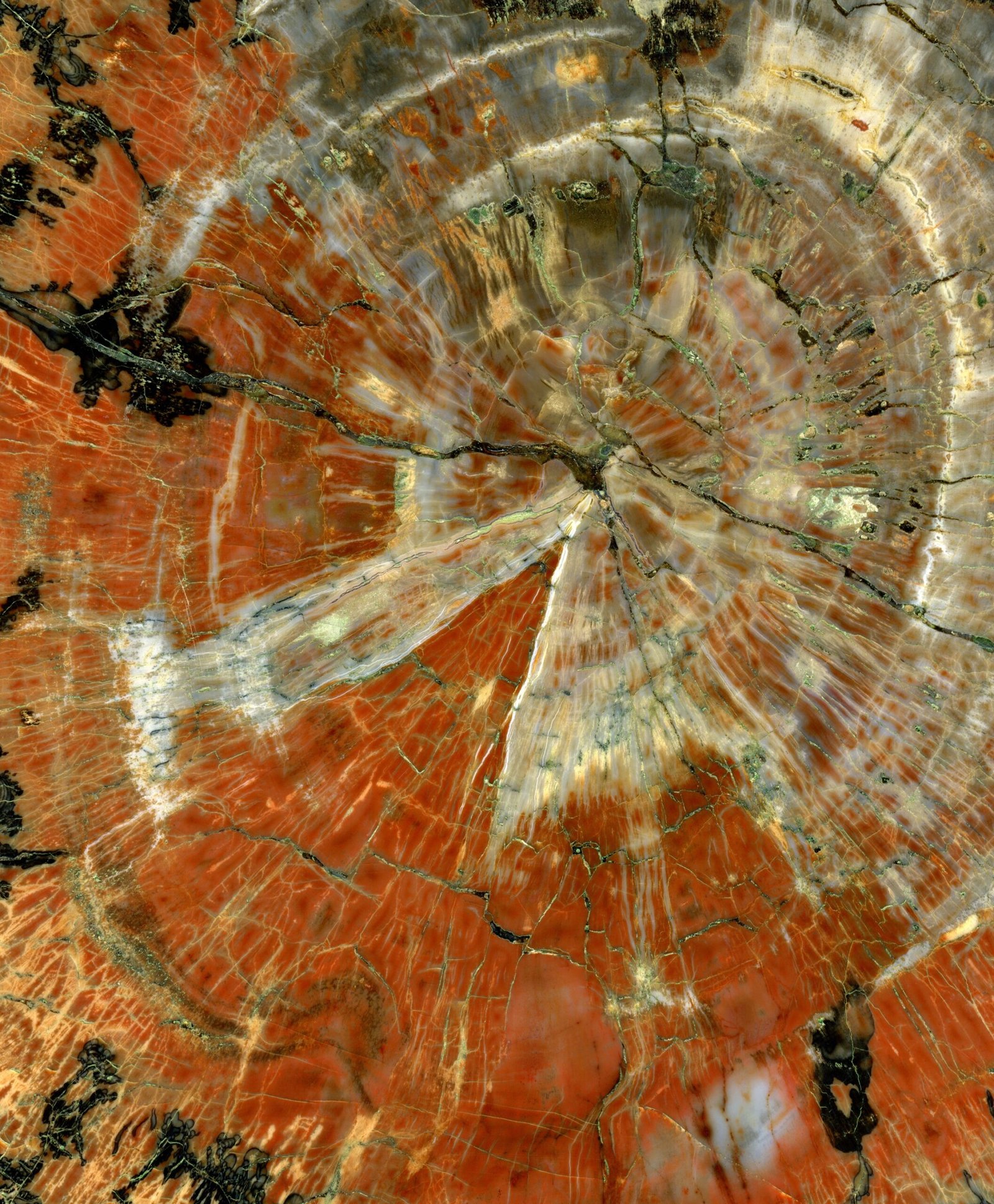
A fossil forest isn’t a forest in the way we know today. Instead, it’s a collection of tree remains that have undergone petrification—a process where organic material is slowly replaced by minerals, preserving the structure of the wood in stone. Imagine an entire woodland, swept by floods or volcanic ash, buried, and then transformed over millions of years. In São Paulo, these fossilized logs and stumps lie scattered, some upright as if still growing, others toppled and buried in layers of ancient sediment. Holding a piece of petrified wood feels like touching time itself, each ring and groove a silent record of Earth’s deep history.
A Glimpse Into the Permian Period
The fossil forests of São Paulo date back to the Permian period, more than 250 million years ago. This was an age when Brazil was part of the vast supercontinent Gondwana, and the land was covered by lush, swampy forests filled with ferns, towering lycopods, and early seed-bearing trees called glossopterids. These forests teemed with life, from giant insects to primitive reptiles. The climate was wildly different—think humid, warm, and often stormy. The petrified trees found today give us a direct window into this lost world, showing what kinds of plants dominated and how they adapted to their environment.
The Petrification Process: Nature’s Slow Alchemy
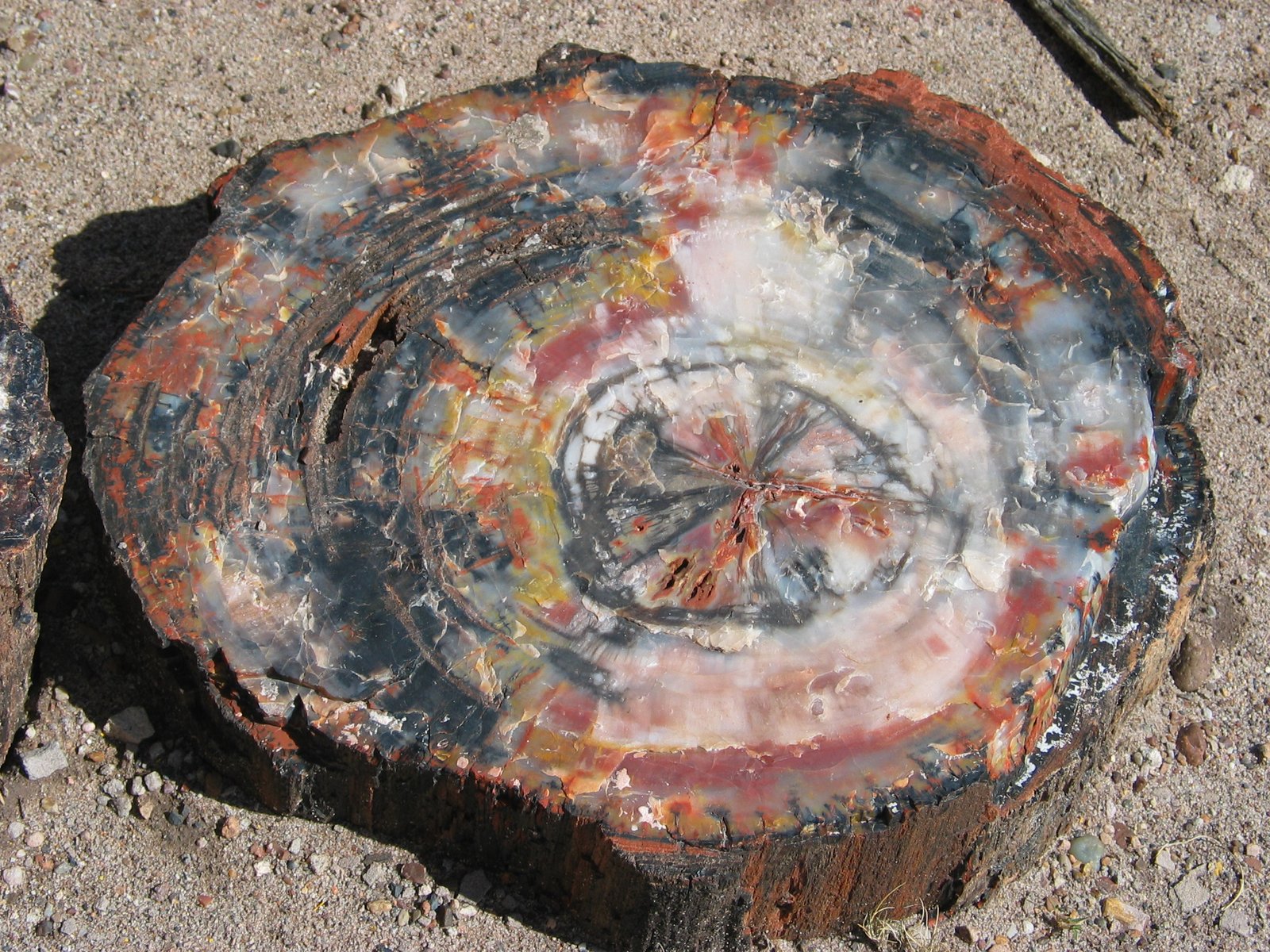
Petrification doesn’t happen overnight. It’s a slow dance between water, minerals, and time. When ancient trees were buried by flooding rivers or volcanic ash, groundwater rich in minerals seeped in, gradually replacing the organic tissues with silica, calcite, or other minerals. This process preserved even the smallest details—rings, bark, and sometimes even cellular structures. In São Paulo’s fossil forests, each stone log is a masterpiece of nature’s patience, capturing a moment from the deep past. It’s a bit like nature’s own printing press, stamping the memory of an ecosystem into solid rock.
Clues in Stone: What Fossil Wood Reveals
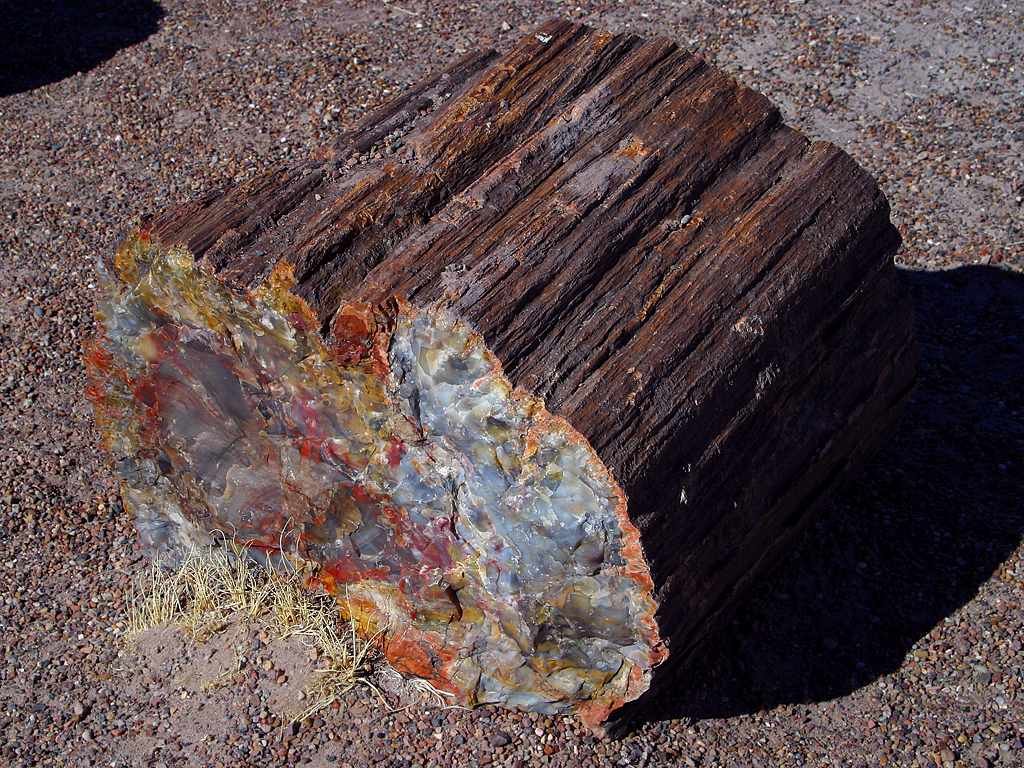
Fossilized wood isn’t just beautiful—it’s a treasure trove of scientific information. By examining the structure of petrified trees, paleobotanists can identify extinct species, track evolutionary changes, and even guess at the climate and soil conditions of ancient São Paulo. Growth rings tell stories of years with plenty of rain or harsh droughts. The presence of certain minerals can hint at the chemistry of ancient groundwater. In some cases, fossilized fungi or insect borings are preserved too, painting a richer picture of the ecosystem’s complexity. Each log is a puzzle piece in the grand story of life on Earth.
Glossopteris: The Signature Tree of a Lost Age
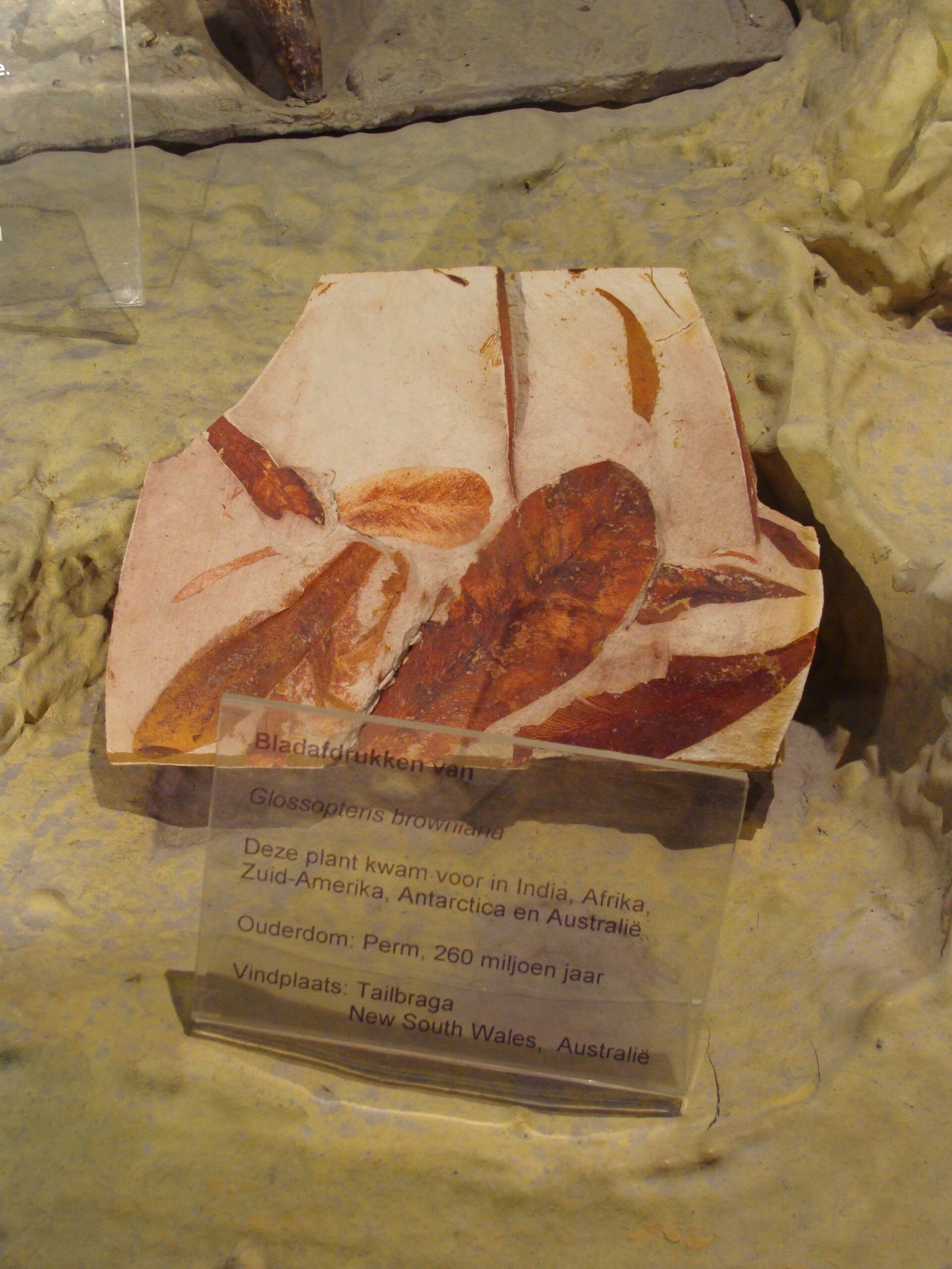
Perhaps the most famous plant fossil found in São Paulo’s petrified forests is Glossopteris, an ancient tree with tongue-shaped leaves. Glossopteris was a superstar of the Permian landscape, spreading across Gondwana and leaving its mark in fossil beds from South America to Antarctica. Its remains were key evidence for the theory of continental drift, showing that these continents were once connected. In the fossil forests, Glossopteris trunks and roots are often found intertwined with other plants, hinting at dense, tangled woodlands. Its presence tells us that São Paulo was once part of a thriving, interconnected world.
Insects, Fungi, and Ancient Interactions
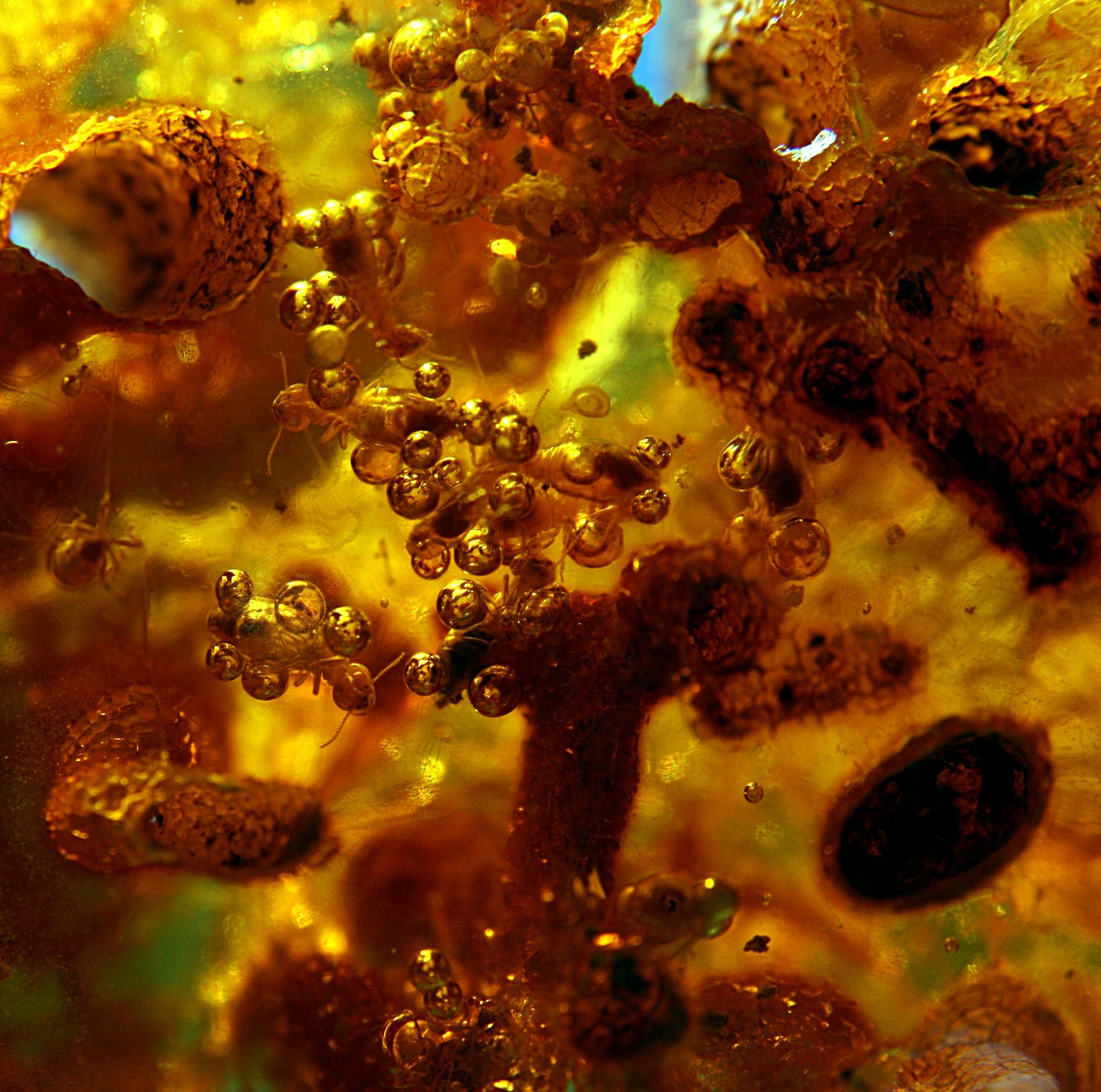
It’s not just trees that get preserved. Sometimes, the stone forests of São Paulo yield fossils of the creatures that lived among the trees. Impressions of ancient insects—giant dragonflies, beetles, or even early termites—reveal a teeming ecosystem. Traces of fungal growth, visible as strange patterns in the petrified wood, show how decay and renewal were already part of nature’s cycle. These fossils hint at a web of life as intricate as any modern rainforest, with plants, insects, and microbes locked in an endless dance of survival and change.
Climate Clues Locked in Wood
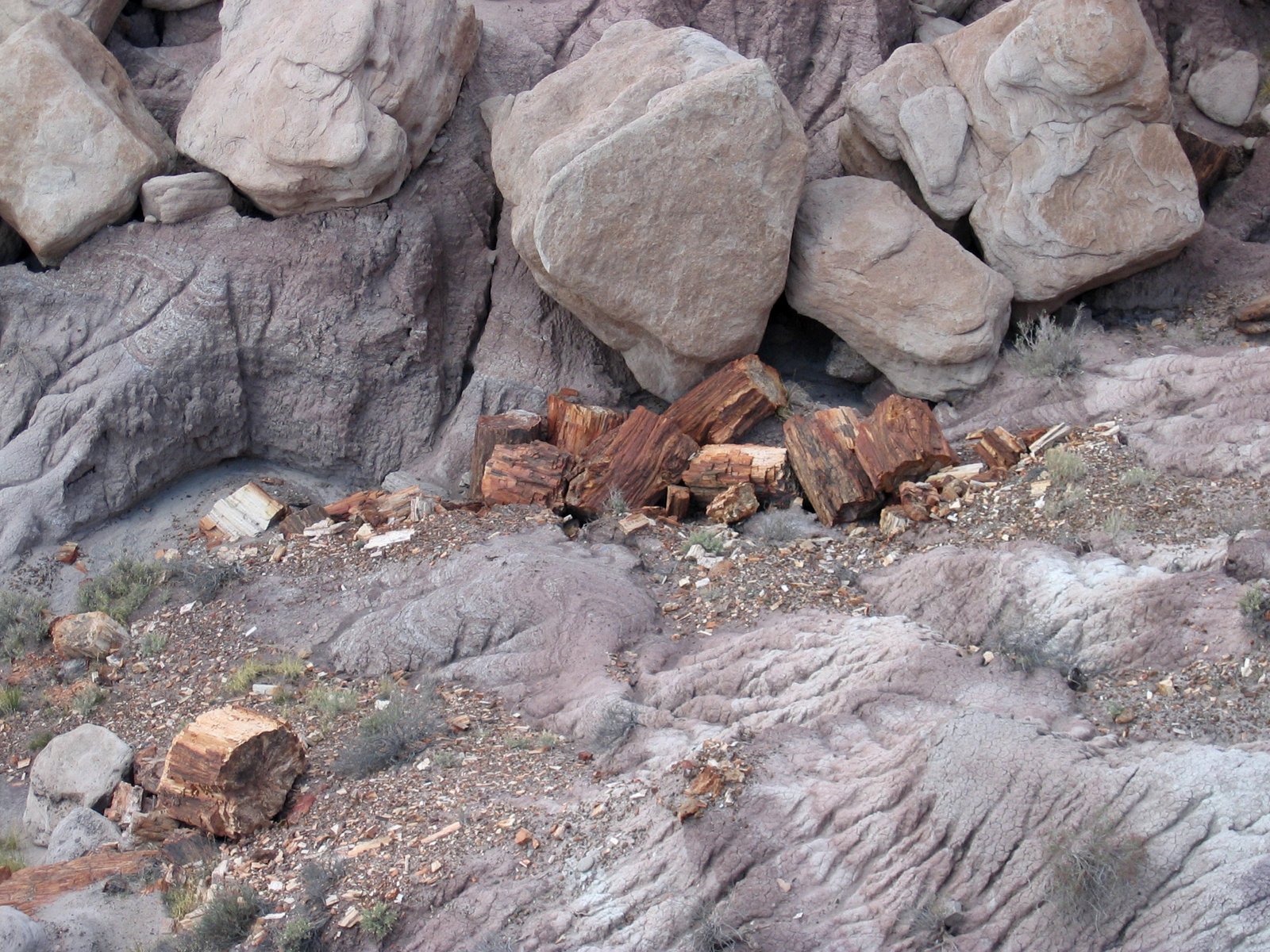
Examining São Paulo’s petrified forests is like reading a prehistoric climate diary. The width and pattern of growth rings in fossil wood can reveal periods of drought or plenty. Mineral stains sometimes hint at flooding, volcanic eruptions, or changes in groundwater chemistry. Scientists have used these clues to reconstruct the region’s ancient climate, showing that it swung between humid, swampy intervals and cooler, drier spells. This information helps us understand not just the past, but also how ecosystems respond to climate change—a lesson more relevant than ever today.
Catastrophe and Preservation: How the Forests Turned to Stone
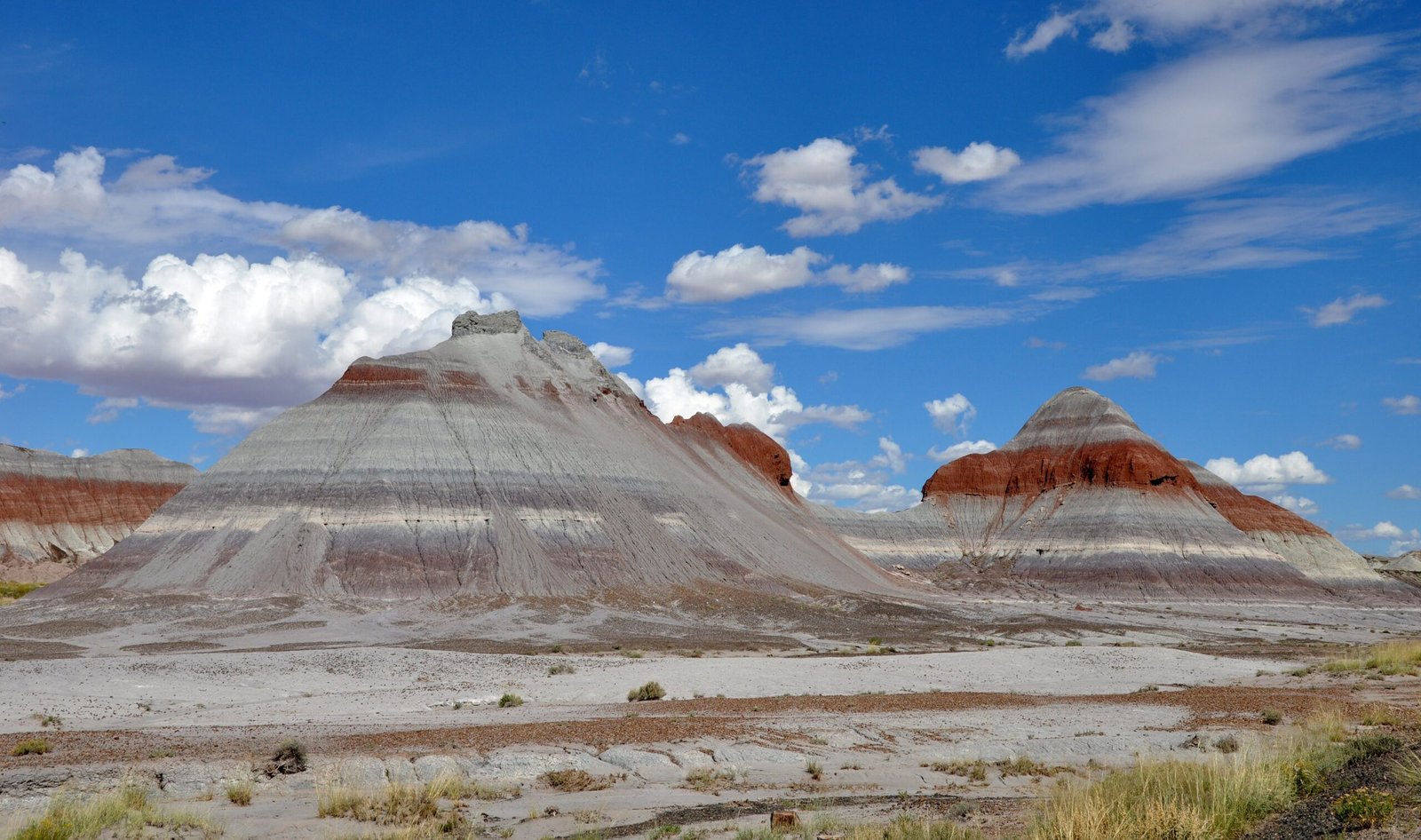
The journey from living forest to petrified monument often began with disaster. Catastrophic floods, volcanic eruptions, or sudden burial events could wipe out large swaths of trees, trapping them under layers of mud and ash. Cut off from air, decay slowed down, and mineral-rich water started the petrification process. In São Paulo, these cataclysms were both destructive and creative, turning tragedy into preservation. The result is a landscape where devastation was etched in stone, giving future generations a chance to witness a world otherwise lost to time.
Digging for Answers: The Work of Paleobotanists
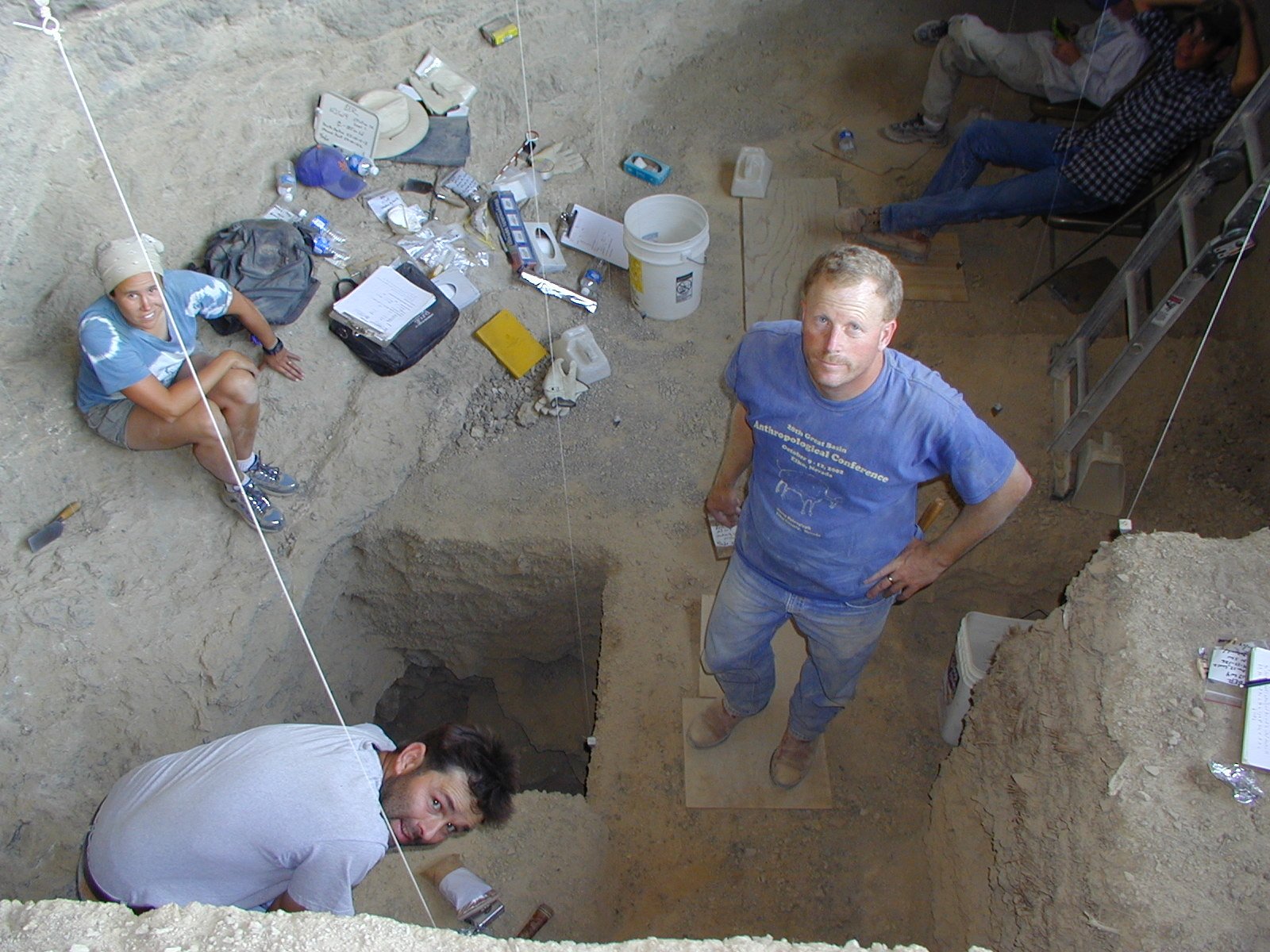
Behind every fossil forest discovery is a team of dedicated scientists, braving mud, dust, and the occasional snakebite to uncover buried treasures. Paleobotanists painstakingly excavate fossil logs, often using delicate tools to avoid damaging the fragile stone. In laboratories, they slice thin sections to examine under microscopes, revealing details invisible to the naked eye. Each find must be cataloged, compared, and sometimes reclassified as new discoveries come to light. It’s slow, patient work, but every new fossil adds another verse to the song of São Paulo’s ancient forests.
Comparisons to Other Petrified Forests Worldwide
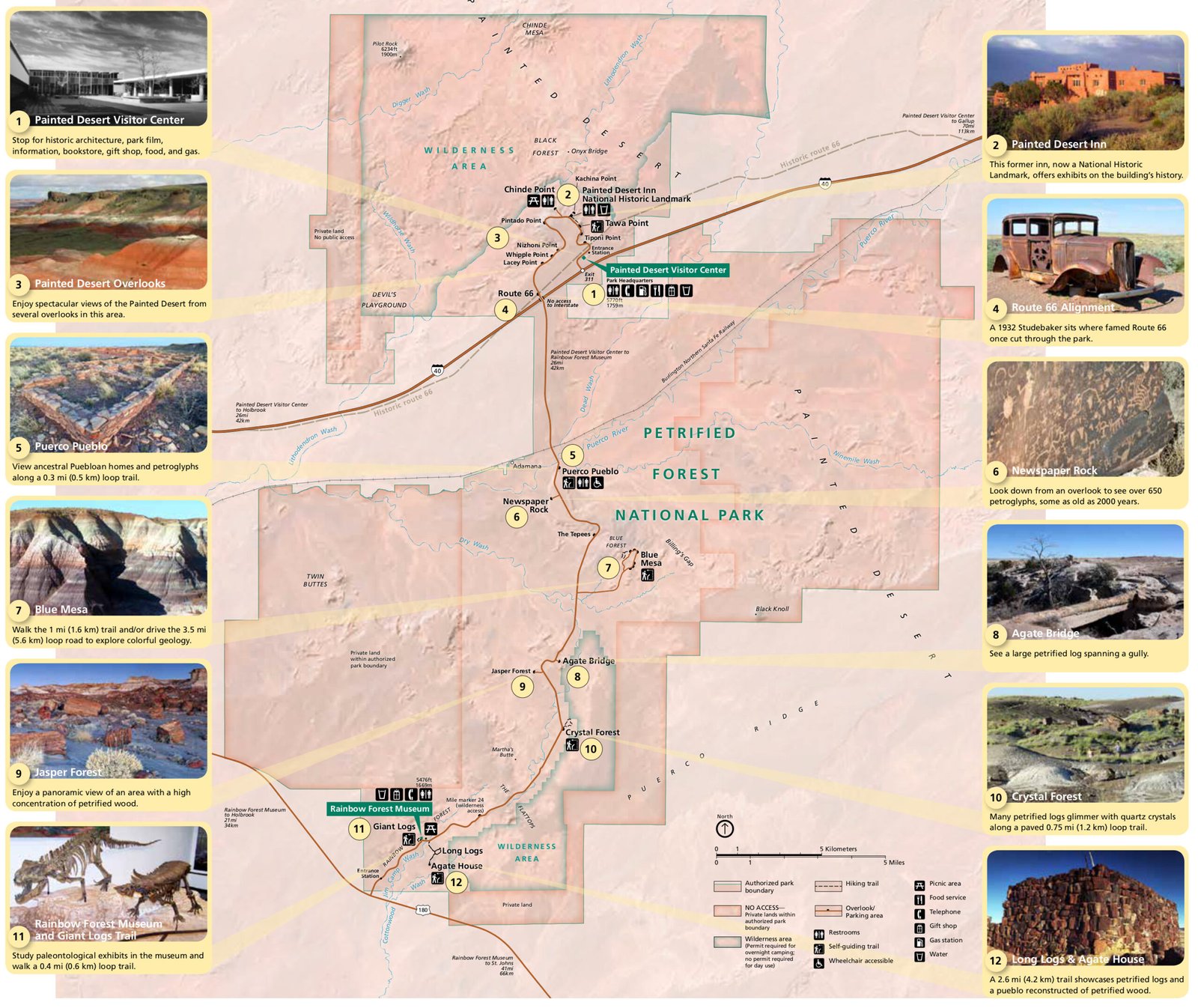
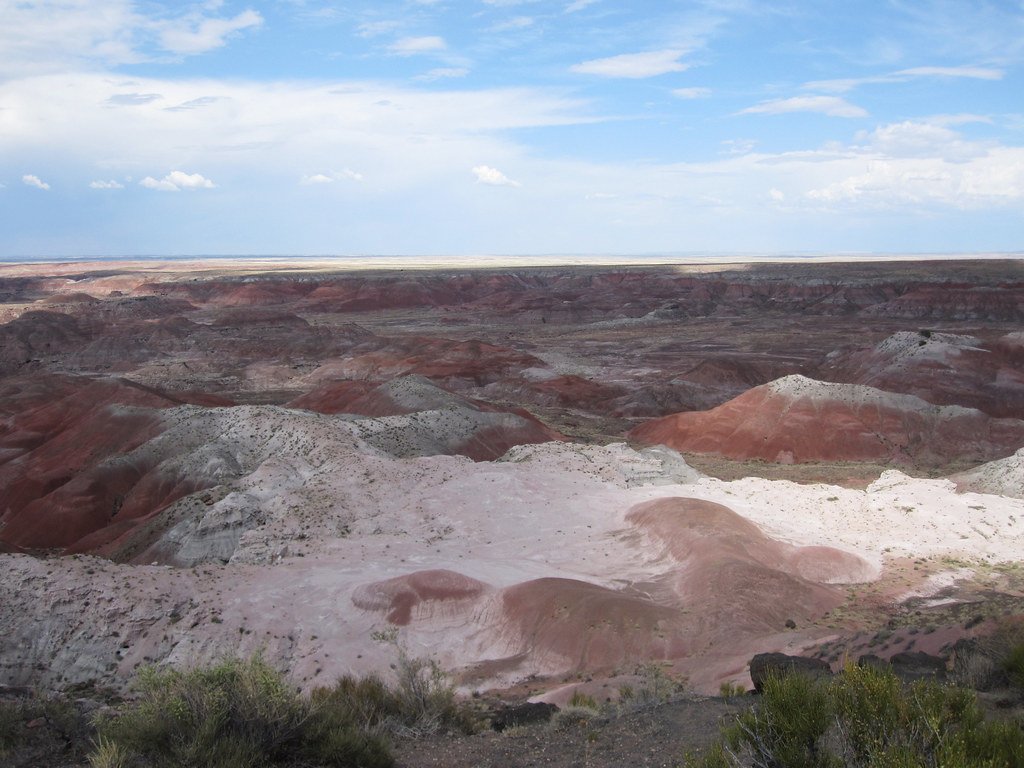
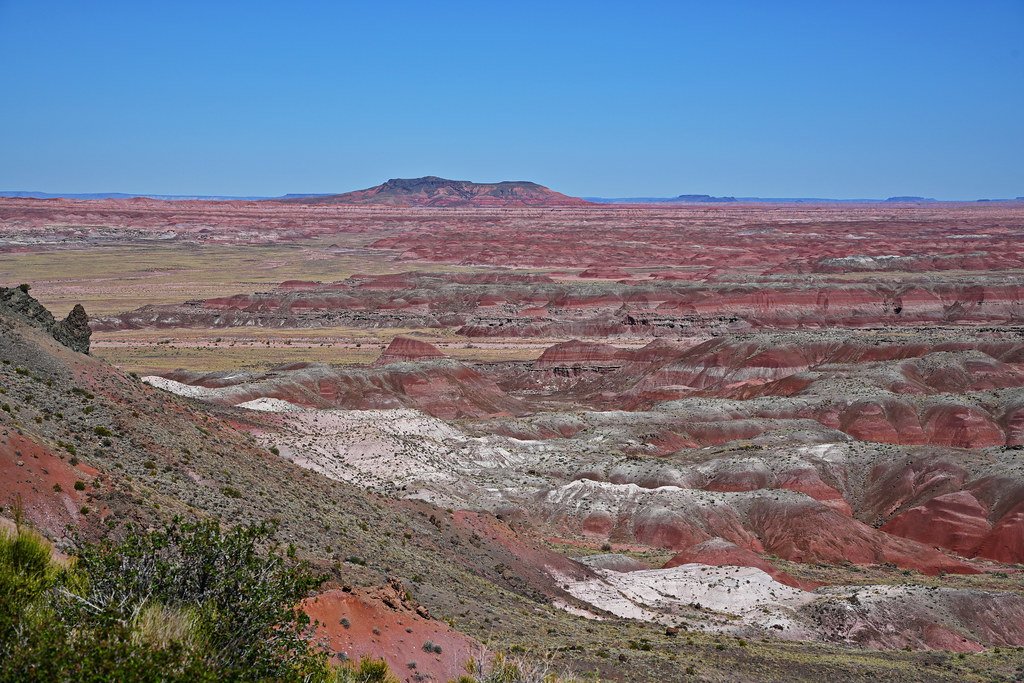
While São Paulo’s fossil forests are remarkable, they’re part of a global network of petrified woodlands. From Arizona’s Petrified Forest National Park to the fossil forests of Argentina and India, these sites share striking similarities—and fascinating differences. Comparing São Paulo’s finds with those elsewhere helps scientists piece together the puzzle of ancient continental drift, climate change, and plant evolution. It’s like connecting the dots on a map that stretches across millions of years and thousands of miles, revealing the interconnectedness of Earth’s history.
Modern São Paulo: Urbanization and the Fossil Record
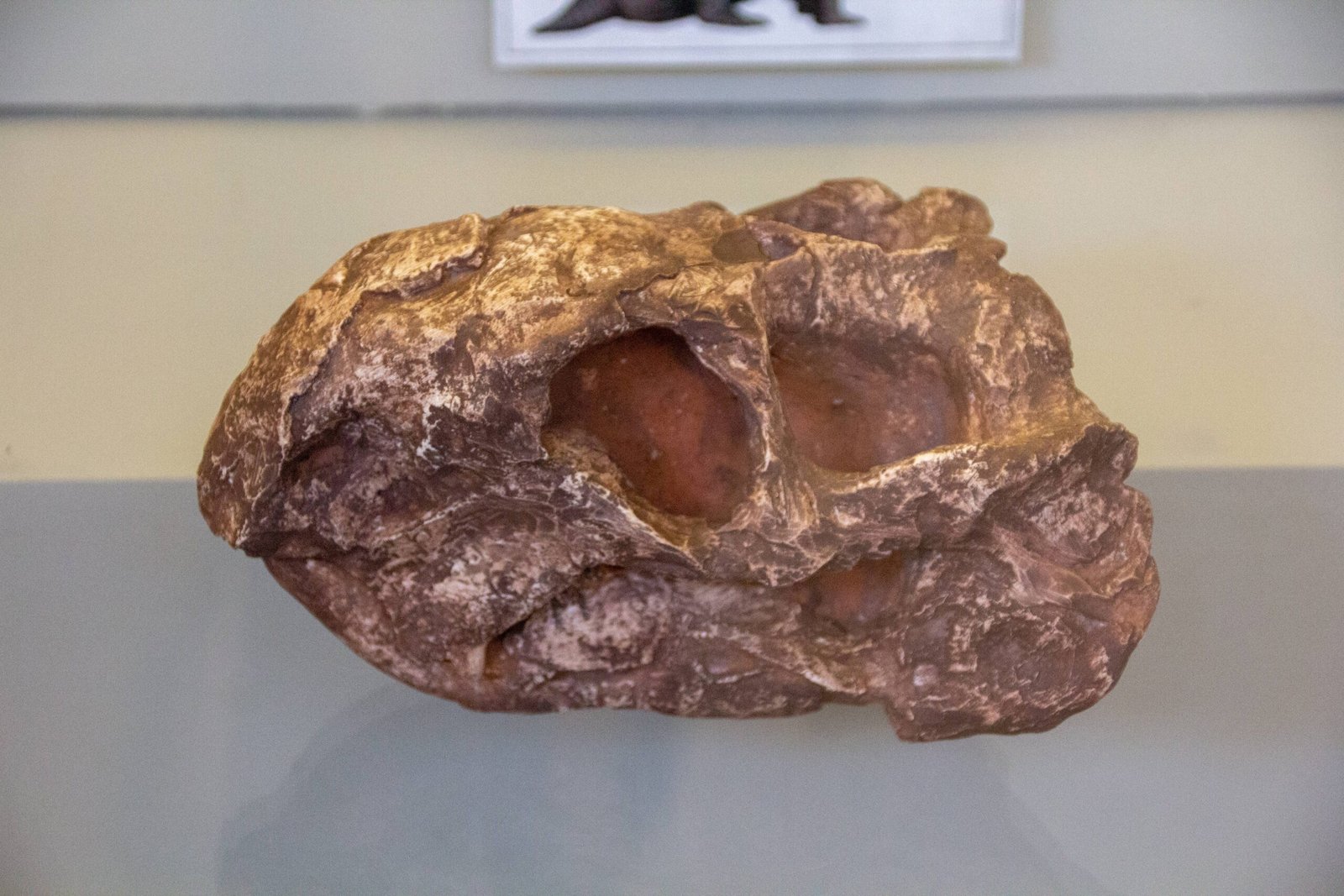
Ironically, the rapid growth that defines modern São Paulo threatens its ancient treasures. Construction and mining can destroy fossil beds before they’re even discovered. Yet, at the same time, these activities sometimes lead to new finds—unexpected glimpses of the past beneath the city’s foundations. Efforts to protect and study these fossil sites are growing, but challenges remain. Balancing economic development with the preservation of irreplaceable natural heritage is a struggle familiar to many cities worldwide.
The Role of Museums and Public Awareness
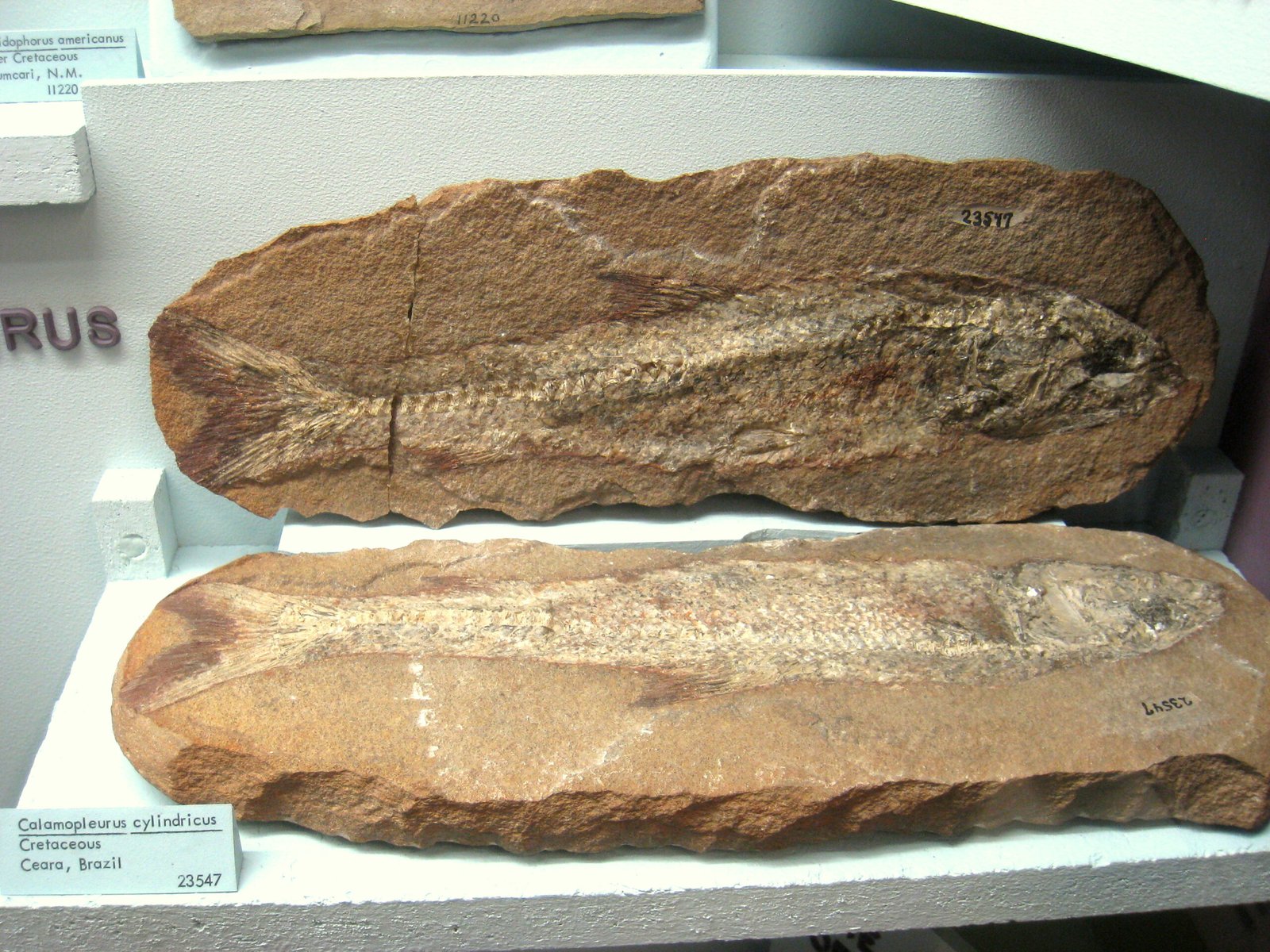
Museums in São Paulo and beyond play a crucial role in bringing the story of the fossil forests to life. Carefully curated exhibits display petrified logs, fossil leaves, and reconstructions of ancient landscapes, allowing visitors to walk among giants from the deep past. Outreach programs and educational workshops spark curiosity in young minds, inspiring future scientists and nature lovers. By sharing the wonders of the fossil forests, museums help ensure that these petrified clues aren’t forgotten in the rush of modern life.
The Ongoing Mystery: Unanswered Questions
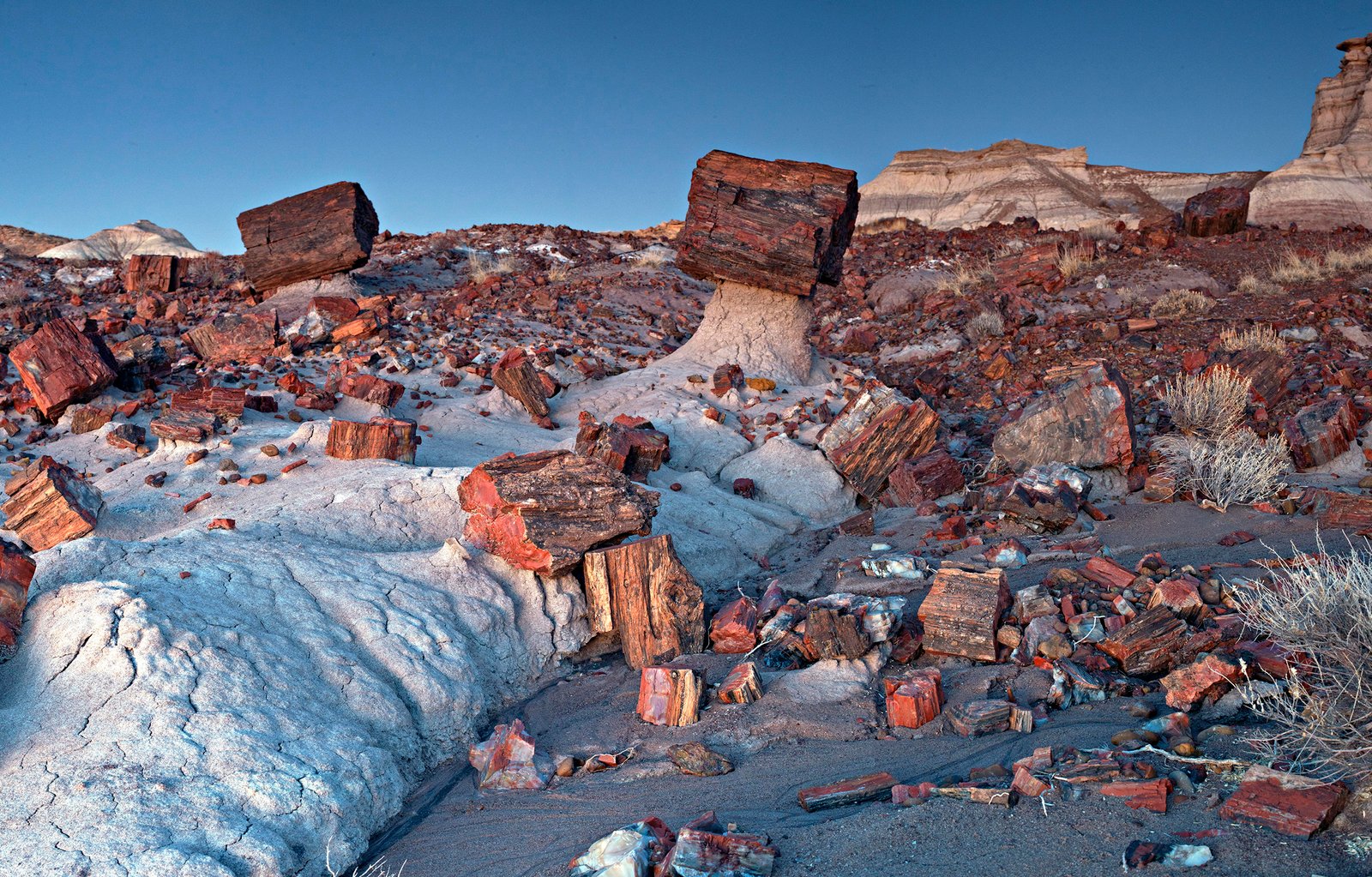
Despite decades of research, many mysteries remain. Why did some forests petrify while others vanished without a trace? What triggered the catastrophic events that led to their preservation? Are there undiscovered fossil beds still hidden beneath São Paulo’s soil? Each new discovery brings fresh questions, reminding us that science is a never-ending journey. The fossil forests are both a record and a riddle, urging us to keep digging, questioning, and exploring.
Lessons for Today: Ecosystem Change and Resilience
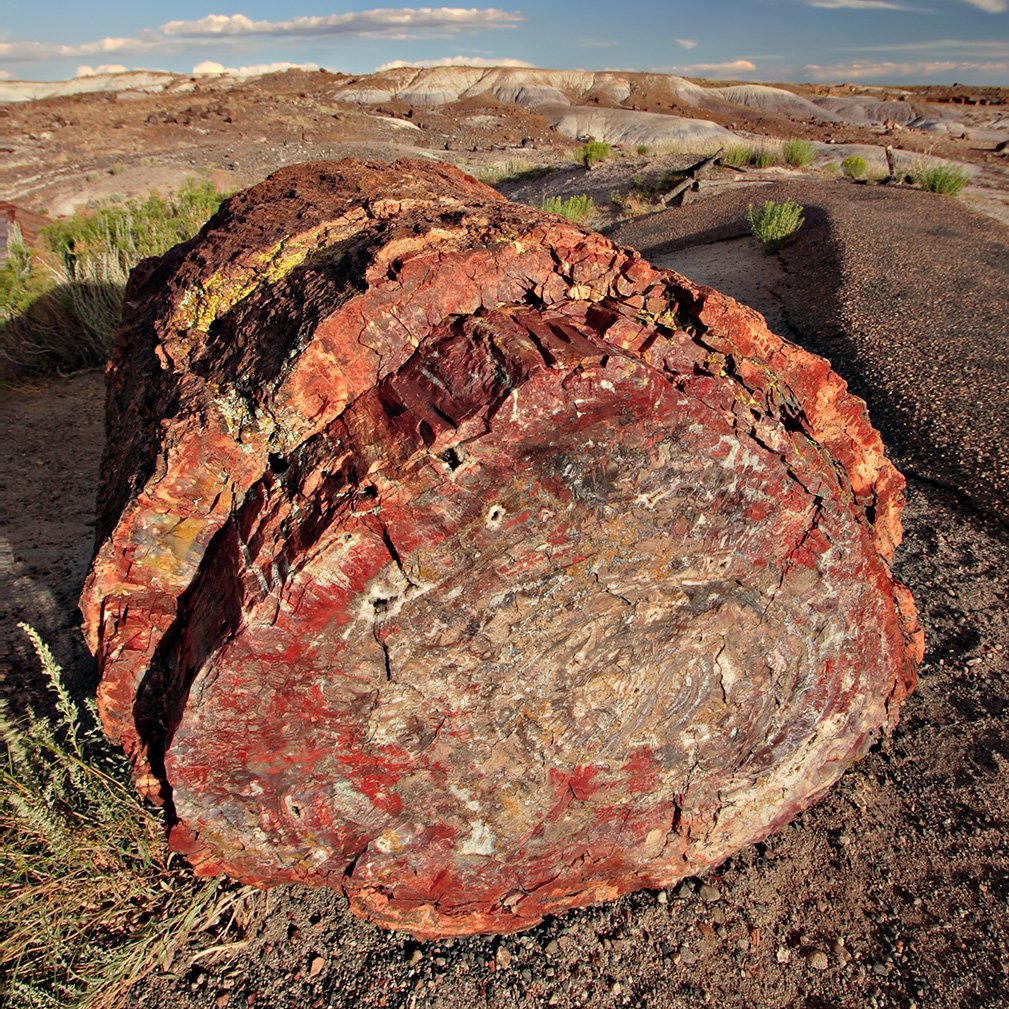
The story of São Paulo’s fossil forests is more than ancient history—it’s a mirror for our own times. These petrified clues show how ecosystems can thrive, change, and sometimes collapse in the face of shifting climates and natural disasters. By understanding the forces that shaped these lost worlds, we gain insight into the challenges facing our forests today. The resilience and fragility of ancient woodlands remind us of how quickly nature’s balance can tip, and how precious our living ecosystems truly are.
Preservation Efforts and the Future
Protecting São Paulo’s fossil forests is an urgent mission. Scientists, local governments, and passionate citizens are working together to map fossil sites, create protected areas, and raise awareness about their importance. New technologies—like ground-penetrating radar and 3D imaging—are making it easier to find and study fossils without damaging them. The dream is to preserve these petrified giants for generations to come, ensuring that their stories continue to inspire wonder and curiosity.
Personal Encounters: Awe in the Face of Deep Time
Standing before a petrified log, it’s impossible not to feel small—and strangely connected to the sweep of history. I remember my first time seeing a fossil forest: the sensation was electric, as if I’d stepped into a time machine. The thought that these stone trunks once rustled with leaves, shaded strange animals, and felt the touch of ancient rain is humbling. For many visitors and researchers, these moments ignite a lifelong fascination with the deep past, reminding us that the world we inherit is built on layers of vanished wonder.
Inspiring a New Generation of Explorers
Every child who marvels at a piece of petrified wood, every student who puzzles over a fossil leaf, is a potential explorer of Earth’s mysteries. São Paulo’s fossil forests offer a gateway to science, curiosity, and imagination. By sharing their story, we invite new generations to ask questions, seek answers, and fall in love with the natural world. The petrified trees are silent teachers, urging us to look deeper, dream bigger, and protect the wonders that still lie hidden.
Why São Paulo’s Fossil Forests Matter
The fossil forests of São Paulo are more than scientific curiosities—they’re part of our shared heritage, a testament to life’s endurance and change. They remind us that even in the heart of a sprawling city, the ancient past is never far away. Every petrified log is a message from a world long gone, yet profoundly relevant to our own. These stone sentinels challenge us to cherish the present, learn from the past, and imagine the future.
Enduring Stories Written in Stone
Through São Paulo’s fossil forests, we glimpse a lost Brazilian ecosystem—lush, wild, and teeming with life. Their petrified trunks and roots are not just relics, but storytellers, whispering of storms, sunshine, and survival against the odds. In a world racing toward the future, these ancient clues call us to pause, listen, and wonder. Will we heed their lessons, or let them be buried once more beneath the weight of progress?