In the far northwest corner of South Africa, where the Orange River meets the Atlantic Ocean, lies a landscape so ancient it predates complex life on Earth. The Richtersveld isn’t just another desert wilderness—it’s a geological time machine that holds secrets spanning nearly half of our planet’s existence. Here, beneath the scorching sun and among the twisted succulent plants, rocks tell stories that began when Earth was still a young, violent world. Every weathered cliff face, every boulder field, every seemingly barren mountain slope contains chapters of an epic tale that stretches back 2 billion years. This isn’t just geology—it’s the autobiography of our planet, written in stone.
The Richtersveld’s Geological Significance

The Richtersveld stands as one of Earth’s most important geological archives, containing rock formations that span from the Archean Eon to recent times. This remarkable region preserves evidence of continental collisions, ancient ocean basins, and volcanic eruptions that shaped our planet when it was fundamentally different from today. The diversity of rock types found here is staggering—from some of the oldest granites on Earth to younger sedimentary layers that document the rise of life.
What makes this area truly exceptional is the quality of preservation. Unlike many ancient terrains that have been heavily altered by subsequent geological events, the Richtersveld’s rocks retain their original characteristics with remarkable clarity. Scientists can read the geological record here like pages in a book, each layer telling its own story of environmental conditions, climate changes, and biological evolution. The region serves as a natural laboratory where researchers can study processes that occurred billions of years ago.
Ancient Foundations: The Archean Basement
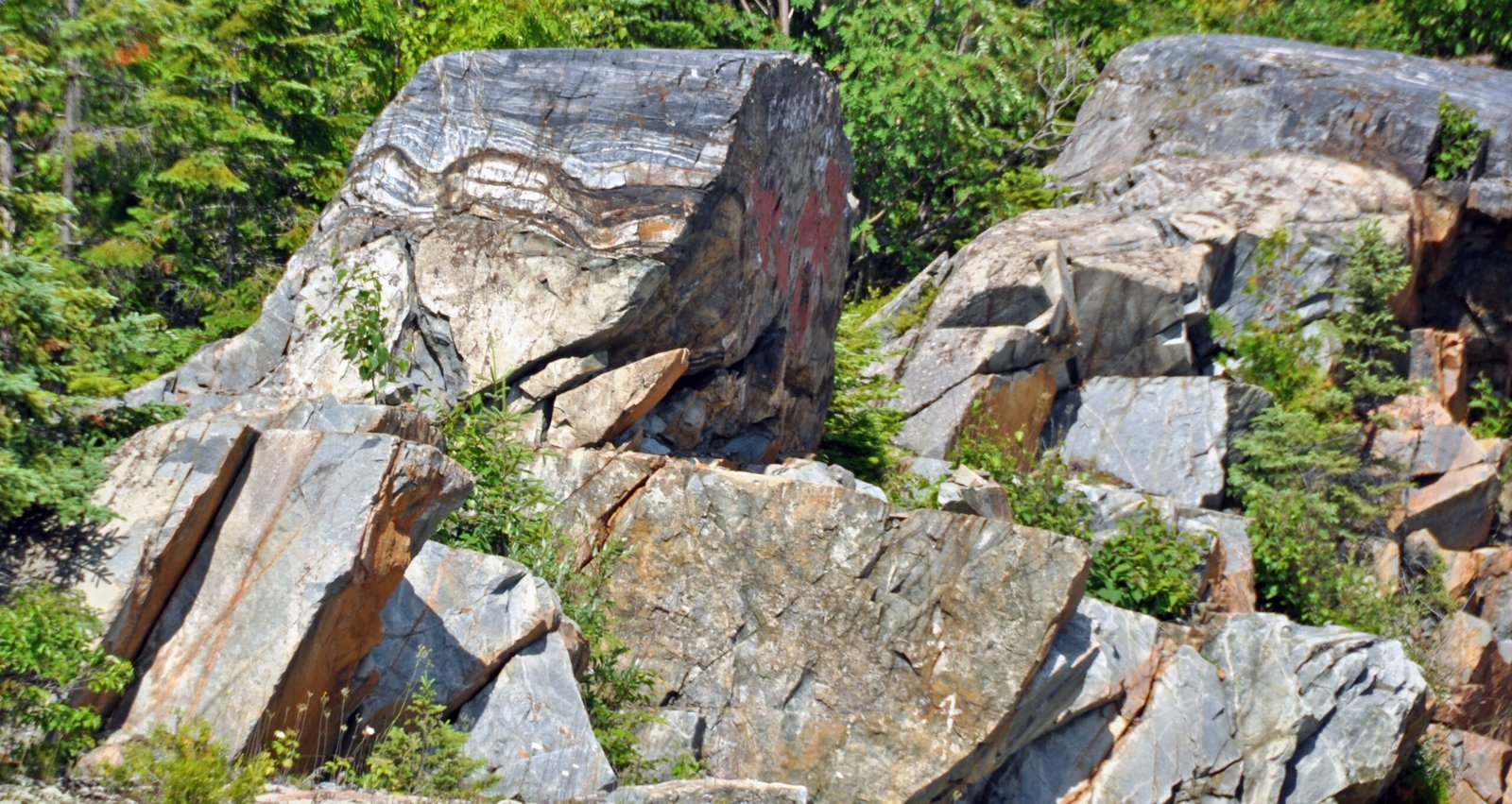
At the very foundation of the Richtersveld lie rocks that formed during the Archean Eon, between 2.5 and 4 billion years ago. These ancient foundations represent some of the earliest continental crust ever formed on Earth. The basement rocks consist primarily of granitic gneisses and migmatites that bear witness to the intense heat and pressure conditions of the early Earth.
These basement rocks formed during a time when our planet was still cooling from its initial formation. The atmosphere contained virtually no oxygen, and the surface was bombarded by meteorites and comets. The granite compositions reveal that even in these early times, the processes of partial melting and crustal differentiation were already operating. Understanding these ancient rocks helps scientists piece together how the first continents formed and evolved.
The Namaqua-Natal Belt: A Continental Collision Zone
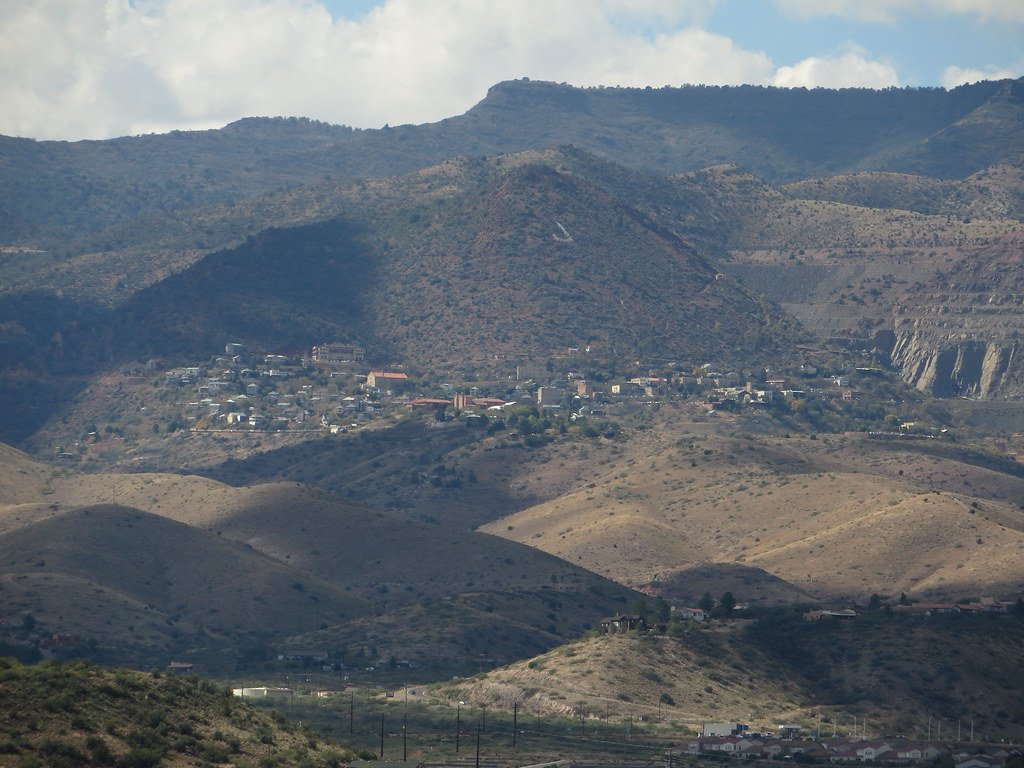
One of the most significant geological features of the Richtersveld is its position within the Namaqua-Natal Belt, a massive zone of ancient mountain building that occurred around 1.2 billion years ago. This belt represents one of the most extensive and well-preserved examples of Mesoproterozoic orogenic activity on Earth. The collision that created this belt was comparable in scale to the modern Himalayan orogeny, but it occurred when supercontinents were first forming.
The rocks within this belt show clear evidence of the immense forces involved in continental collision. Folded and faulted rock layers, metamorphic minerals that form only under extreme pressure, and intrusive igneous bodies all tell the story of this ancient mountain-building event. The Namaqua-Natal Belt extends for over 1,000 kilometers and represents one of the key pieces of evidence for understanding how ancient supercontinents assembled and broke apart.
Volcanic Chronicles: Evidence of Ancient Fire

Throughout the Richtersveld, volcanic rocks provide dramatic evidence of ancient fire and fury. These volcanic sequences, some dating back nearly 2 billion years, preserve records of massive eruptions that would dwarf anything witnessed in human history. The variety of volcanic rocks—from basaltic flows to rhyolitic ash deposits—tells us about the composition of ancient magmas and the conditions under which they erupted.
Some of the most spectacular volcanic features are the ancient volcanic necks and dike swarms that cut through the landscape. These represent the plumbing systems of long-extinct volcanoes, now exposed by millions of years of erosion. The chemical composition of these rocks provides insights into the nature of the Earth’s mantle billions of years ago, when it was hotter and more active than today.
Sedimentary Storytellers: Ancient Environments Preserved
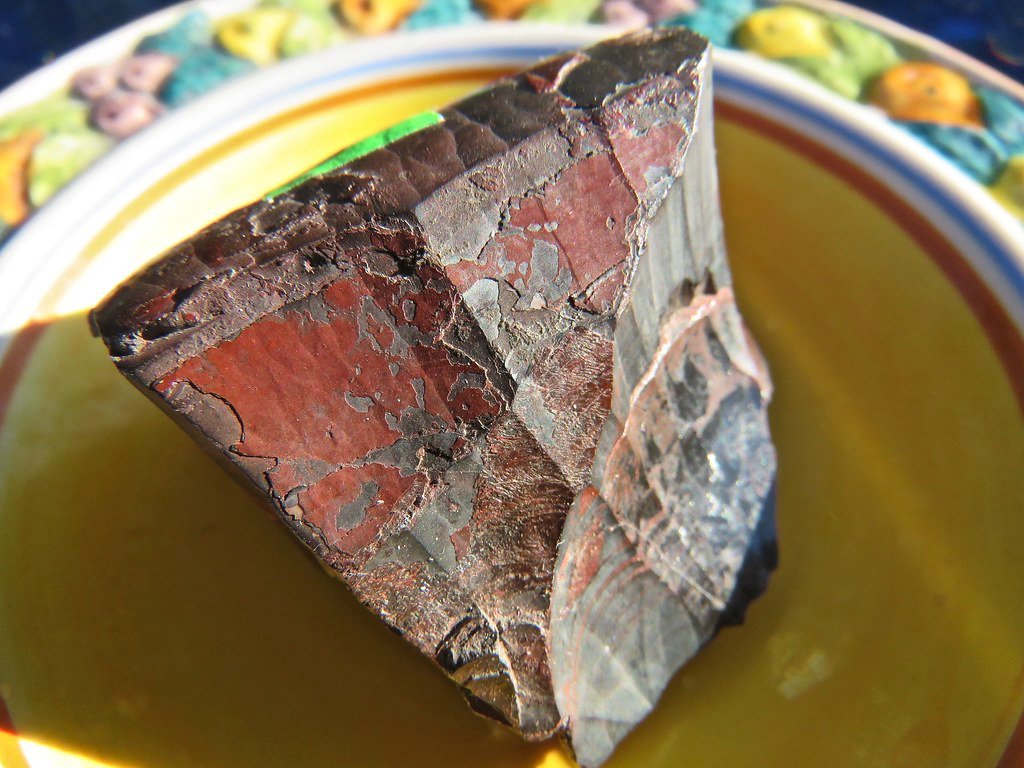
The sedimentary rocks of the Richtersveld are like pages from an ancient diary, recording environmental conditions that existed billions of years ago. These rocks formed in a variety of settings—from deep ocean basins to shallow coastal environments—and their characteristics tell us about ancient climates, sea levels, and atmospheric conditions. Some of the most important sedimentary sequences include banded iron formations, which record the dramatic changes in ocean chemistry that occurred during the Great Oxidation Event.
Limestone and dolomite formations provide evidence of ancient shallow seas and the earliest forms of life that began to influence geological processes. The presence of stromatolites—layered structures formed by ancient bacterial mats—shows that even 2 billion years ago, life was beginning to leave its mark on the geological record. These sedimentary rocks also contain some of the earliest evidence for seasonal climate variations and tidal cycles.
Metamorphic Transformations: Pressure and Heat Through Time

The Richtersveld’s rocks have been subjected to multiple episodes of metamorphism, each leaving its own signature in the mineral assemblages and textures we see today. High-grade metamorphic rocks, including granulites and amphibolites, formed under conditions of extreme temperature and pressure deep within ancient mountain belts. These rocks provide insights into the thermal structure of the early Earth and the processes that operated in the deep crust.
The metamorphic history is complex, with some rocks showing evidence of multiple metamorphic events separated by hundreds of millions of years. This overprinting allows geologists to reconstruct the thermal evolution of the region and understand how crustal processes have changed over geological time. The presence of index minerals like garnet, sillimanite, and cordierite provides precise temperature and pressure constraints on these ancient processes.
Mineral Treasures: Economic Geology of Deep Time
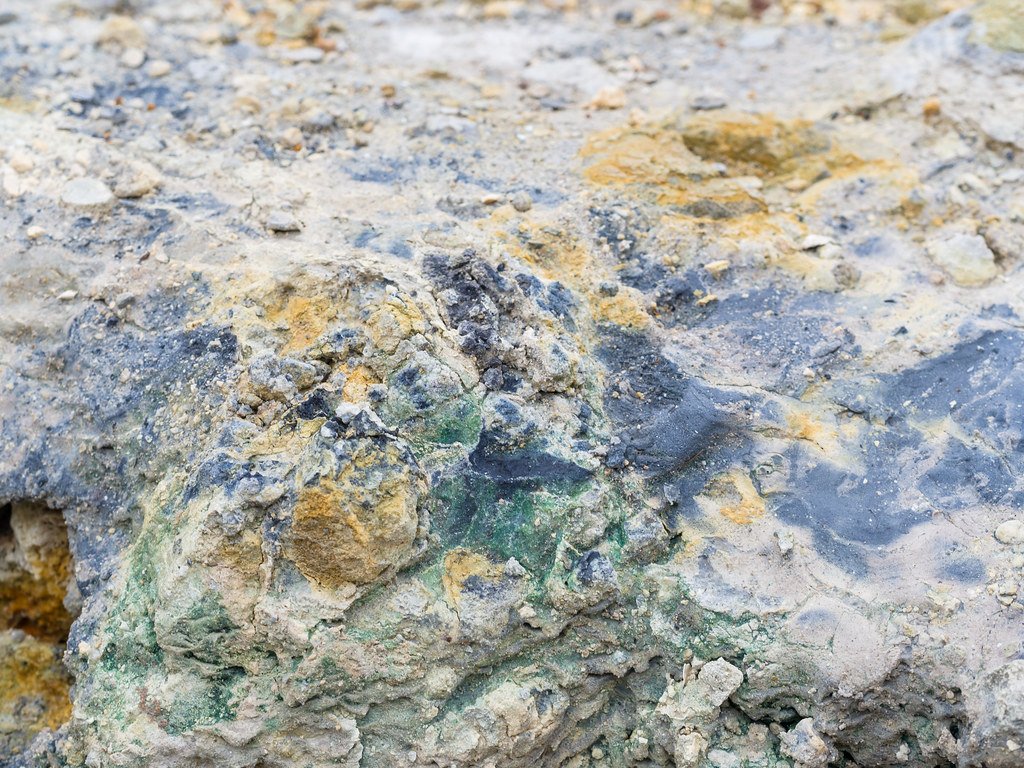
The Richtersveld is not only scientifically important but also economically significant due to its mineral wealth. The region contains deposits of copper, lead, zinc, and other metals that formed through various geological processes over billions of years. These mineral deposits are closely linked to the geological history of the region, with many forming during specific episodes of volcanism, sedimentation, or metamorphism.
The famous Broken Hill mine, located within the Richtersveld, has been producing lead and zinc for over a century. The ore deposits here formed through complex hydrothermal processes that were active during ancient mountain-building events. Understanding the geological context of these deposits helps guide modern exploration efforts and provides insights into how mineral deposits form and are preserved over geological time.
Structural Geology: Deformation Through the Ages
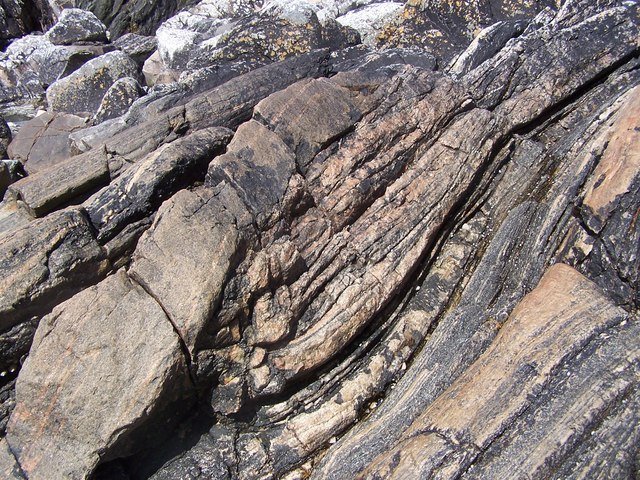
The rocks of the Richtersveld bear the scars of multiple episodes of deformation that have affected the region over billions of years. Folds, faults, and shear zones record the immense forces that have shaped the landscape through geological time. Some of these structures are so large they can only be appreciated from satellite images, while others are visible in individual rock outcrops.
The structural geology reveals a complex history of compression, extension, and lateral movement that reflects the changing tectonic environment over geological time. Major fault systems, some extending for hundreds of kilometers, show evidence of repeated movement over millions of years. These structures not only tell us about past geological processes but also influence present-day landscape evolution and seismic activity.
Ancient Atmospheres: Reading Chemical Clues

The rocks of the Richtersveld contain chemical signatures that provide insights into the composition of ancient atmospheres and oceans. Isotopic ratios preserved in ancient minerals can tell us about oxygen levels, carbon dioxide concentrations, and other atmospheric constituents that existed billions of years ago. These chemical clues are crucial for understanding how Earth’s atmosphere evolved from the reducing conditions of the early Earth to the oxygen-rich atmosphere we know today.
The presence of red beds—iron-rich sedimentary rocks—indicates that by about 2 billion years ago, free oxygen was becoming abundant in the atmosphere. This represents one of the most significant changes in Earth’s history, as it set the stage for the evolution of more complex life forms. The chemical composition of these rocks also provides information about ancient weathering processes and the cycling of elements between the atmosphere, hydrosphere, and solid Earth.
Paleomagnetic Records: Ancient Magnetic Fields

The rocks of the Richtersveld preserve records of ancient magnetic fields that provide insights into the behavior of Earth’s magnetic field over geological time. When rocks form, they can record the direction and intensity of the magnetic field at that time, creating a permanent record of past magnetic conditions. These paleomagnetic records are essential for understanding how Earth’s magnetic field has changed over billions of years.
Some of the most important paleomagnetic discoveries in the Richtersveld relate to the apparent polar wander paths that help reconstruct the positions of continents through time. This information is crucial for understanding plate tectonics and continental drift over geological time scales. The paleomagnetic data also provide insights into the strength and stability of Earth’s magnetic field in the past, which has important implications for understanding the evolution of Earth’s core.
Precambrian Life: Earliest Biological Signatures

While complex life is largely absent from rocks older than 600 million years, the Richtersveld contains subtle but important evidence of early life forms. Stromatolites, chemical biosignatures, and other indirect evidence of biological activity provide insights into the earliest chapters of life’s evolution on Earth. These ancient life forms were primarily microbial, but they played crucial roles in shaping the chemical composition of the atmosphere and oceans.
The carbon isotope signatures preserved in ancient organic matter provide evidence for photosynthesis and other biological processes that operated billions of years ago. These chemical fingerprints are some of the most reliable indicators of ancient life, as they record the preferential use of specific carbon isotopes by living organisms. The study of these early life forms helps us understand the conditions under which life first evolved and how it began to influence geological processes.
Tectonic Evolution: Supercontinents and Plate Motions
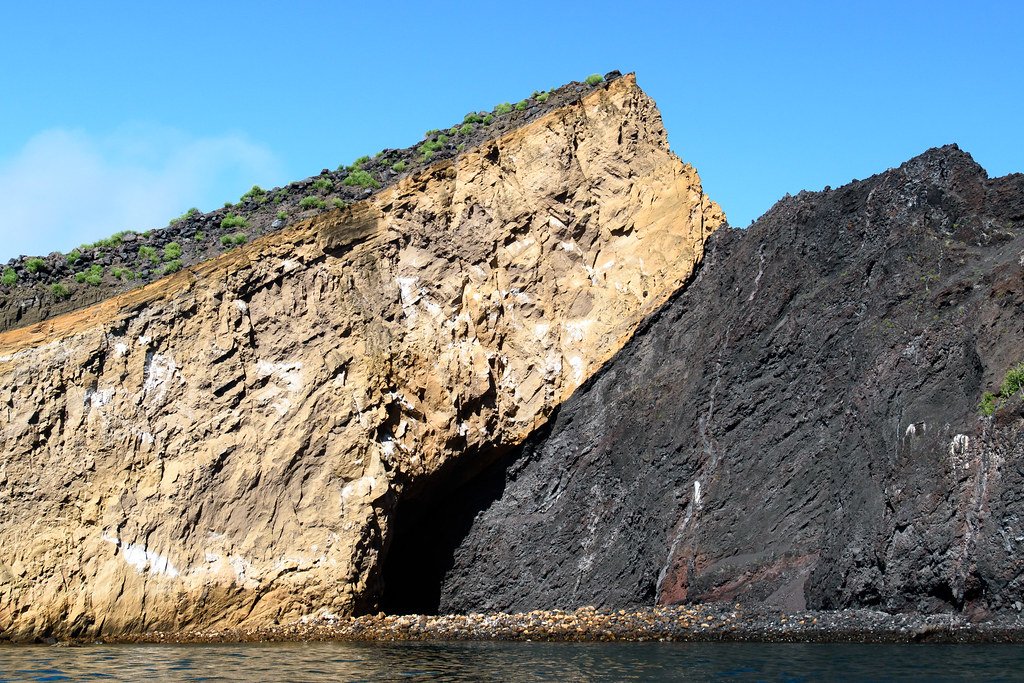
The geological record of the Richtersveld provides important constraints on the assembly and breakup of ancient supercontinents. The region was involved in several major continental collision events that contributed to the formation of supercontinents like Rodinia and earlier configurations. Understanding these ancient tectonic processes helps us appreciate how plate tectonics has operated over geological time and how it has influenced the evolution of life and climate.
The structural relationships between different rock units provide evidence for the timing and nature of major tectonic events. Cross-cutting relationships, unconformities, and metamorphic overprinting all help establish the sequence of events that shaped the region. This information is crucial for understanding how ancient mountain belts formed and evolved, and how they compare to modern plate tectonic processes.
Climate Chronicles: Ancient Weather Patterns
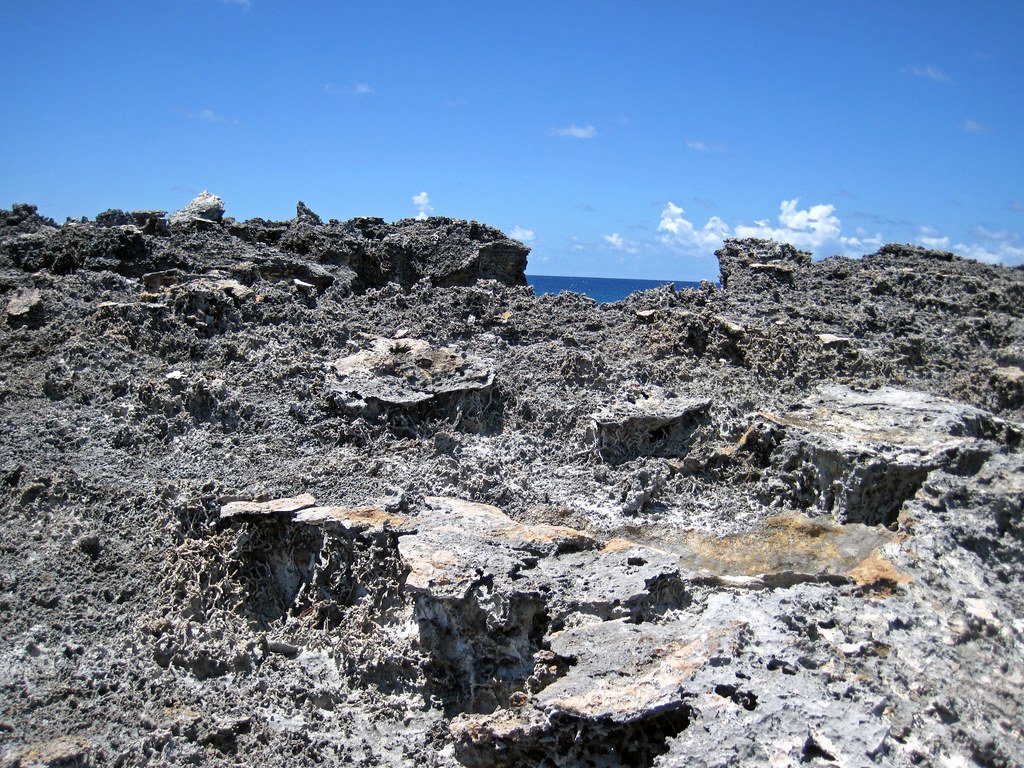
The sedimentary rocks of the Richtersveld preserve evidence of ancient climate conditions that existed billions of years ago. Glacial deposits, evaporite sequences, and other climate-sensitive rock types provide insights into how Earth’s climate system has evolved over geological time. Some of the most dramatic climate events recorded in these rocks include ancient ice ages and periods of extreme greenhouse conditions.
The presence of tillites—ancient glacial deposits—indicates that even in the Precambrian, Earth experienced major ice ages. These snowball Earth events were among the most extreme climate conditions our planet has ever experienced, with ice covering the entire surface. The recovery from these events is recorded in cap carbonates and other distinctive rock types that formed as the climate warmed and the ice melted.
Geochemical Evolution: Chemical Changes Through Time

The chemical composition of rocks from the Richtersveld provides a record of how Earth’s chemical systems have evolved over geological time. Changes in the composition of igneous rocks reflect the evolution of the mantle and crustal processes, while sedimentary rocks record changes in weathering patterns and ocean chemistry. These chemical records are essential for understanding how Earth’s various systems have interacted and evolved over billions of years.
Trace element signatures in ancient rocks provide particularly sensitive indicators of changing geological processes. The rare earth element patterns in different rock types can tell us about the source regions of magmas, the degree of crustal recycling, and the evolution of plate tectonic processes. These chemical fingerprints are often the only way to understand processes that operated in the deep Earth billions of years ago.
Modern Research: New Discoveries and Techniques

Contemporary research in the Richtersveld employs cutting-edge analytical techniques to extract new information from these ancient rocks. High-precision geochronology allows scientists to date events with unprecedented accuracy, while advanced geochemical analysis can reveal subtle chemical signatures that were previously undetectable. These new techniques are revolutionizing our understanding of early Earth processes and the timing of major geological events.
Recent discoveries include evidence for even earlier episodes of crustal formation and new insights into the timing of major tectonic events. Advanced microscopy techniques are revealing details of ancient mineral textures that provide new constraints on pressure and temperature conditions. The integration of field geology with laboratory analysis and numerical modeling is providing a more complete picture of how these ancient systems operated.
Conservation and Protection: Preserving Deep Time

The Richtersveld’s geological heritage faces various threats from mining, development, and natural erosion. Protecting these irreplaceable geological records requires careful balance between economic development and scientific preservation. The establishment of protected areas and the development of sustainable tourism help ensure that future generations can continue to study and appreciate these ancient rocks.
Educational initiatives and public outreach programs are crucial for raising awareness about the importance of geological heritage. By helping people understand the significance of these ancient rocks, we can build support for their protection and ensure that the stories they tell continue to be available for scientific study. The Richtersveld represents a unique window into deep time that must be preserved for future generations.
Global Significance: A Planetary Perspective
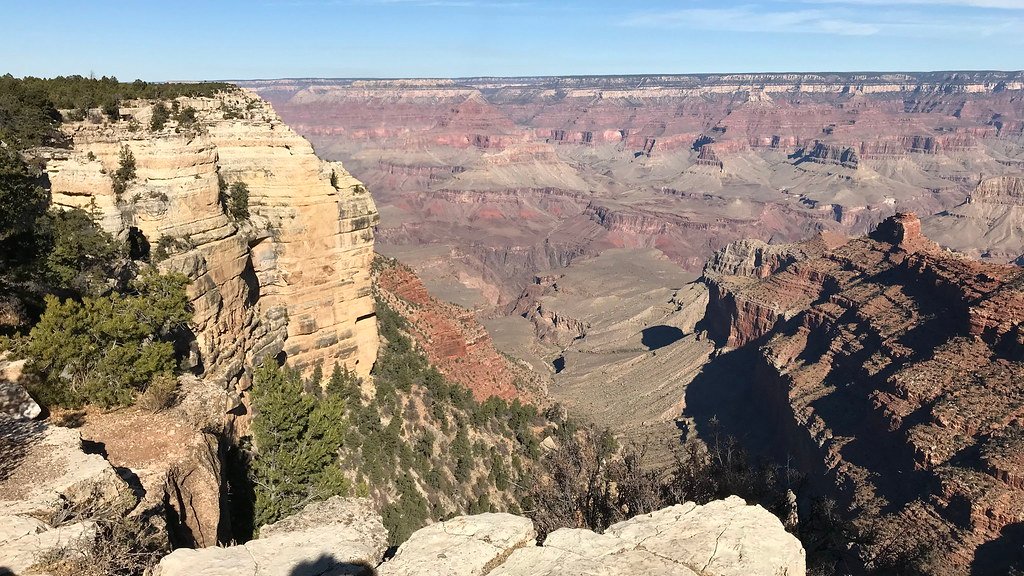
The geological record of the Richtersveld is not just important for understanding local or regional geology—it provides insights into fundamental processes that have operated throughout Earth’s history. The region serves as a natural laboratory for studying how planets evolve over geological time scales and how life and geology interact. These insights are relevant not only for understanding Earth’s past but also for interpreting the geology of other planets and moons.
Comparative studies with similar terrains on other continents help us understand global patterns of crustal evolution and the operation of plate tectonics through time. The Richtersveld’s geological record contributes to our understanding of how rocky planets evolve and how conditions suitable for life develop and are maintained. This research has implications for astrobiology and the search for life on other worlds.
Future Frontiers: Unanswered Questions

Despite decades of research, many questions about the Richtersveld’s geological history remain unanswered. The exact timing and mechanisms of early crustal formation, the nature of ancient tectonic processes, and the environmental conditions that prevailed billions of years ago are all active areas of research. New analytical techniques and theoretical frameworks continue to reveal new aspects of these ancient systems.
Future research directions include more detailed studies of early life signatures, improved understanding of ancient climate systems, and better constraints on the timing of major geological events. The integration of geological data with insights from other fields, including geophysics, geochemistry, and biology, will continue to provide new perspectives on these ancient processes. The Richtersveld will undoubtedly continue to yield new discoveries that enhance our understanding of Earth’s deep history.
Conclusion: Lessons from Deep Time

The Richtersveld stands as one of Earth’s most remarkable geological archives, preserving 2 billion years of planetary history in its weathered rocks and ancient formations. From the earliest continental crust to evidence of the first life forms, from massive volcanic eruptions to continental collisions that built mountain ranges, this landscape tells the epic story of our planet’s evolution. The scientific insights gained from studying these ancient rocks have fundamentally changed our understanding of how Earth works and how it has changed over geological time.
The region’s significance extends far beyond academic interest—it represents a unique record of planetary processes that shaped the world we inhabit today. The oxygen we breathe, the continents we live on, and the complex web of life that surrounds us all have their origins in the deep time processes recorded in these ancient rocks. Understanding this history helps us appreciate our place in the cosmic story and provides crucial insights for addressing present-day environmental challenges.
As we face an uncertain future marked by rapid environmental change, the lessons from deep time become increasingly relevant. The Richtersveld reminds us that Earth is a dynamic, evolving system that has undergone dramatic changes throughout its history. What story will the rocks of the future tell about our time on Earth?