
In a handful of labs around the world, scientists are doing something that once belonged strictly to mythology: they are not just editing life, but attempting to write it from scratch. DNA, long treated as nature’s untouchable script, is becoming programmable code in the hands of genetic engineers and synthetic biologists. The promise is dizzying – microbes that devour pollution, crops that shrug off drought, even cells that outsmart cancer – but so is the potential for misuse and unintended consequences. As the tools sharpen and the costs drop, the question is shifting from whether we can design new life to why, how, and on whose terms we should. The answers could redefine what we mean by evolution, responsibility, and even what it takes to be alive.
The Leap From Editing to Writing Life
For most of the past decade, CRISPR dominated headlines as the molecular scalpel that lets scientists snip and tweak existing DNA with startling precision. That alone felt revolutionary, like finally being able to fix a typo in a book that had been printed for billions of years. Now, the frontier has moved beyond editing toward de novo design: instead of correcting nature’s sentences, researchers are starting to draft entirely new pages. That means building genomes – sometimes streamlined, sometimes expanded – whose sequences have never existed in any organism that evolved on Earth. The philosophical shift is profound; it is less like gardening and more like engineering a new ecosystem from the blueprint up.
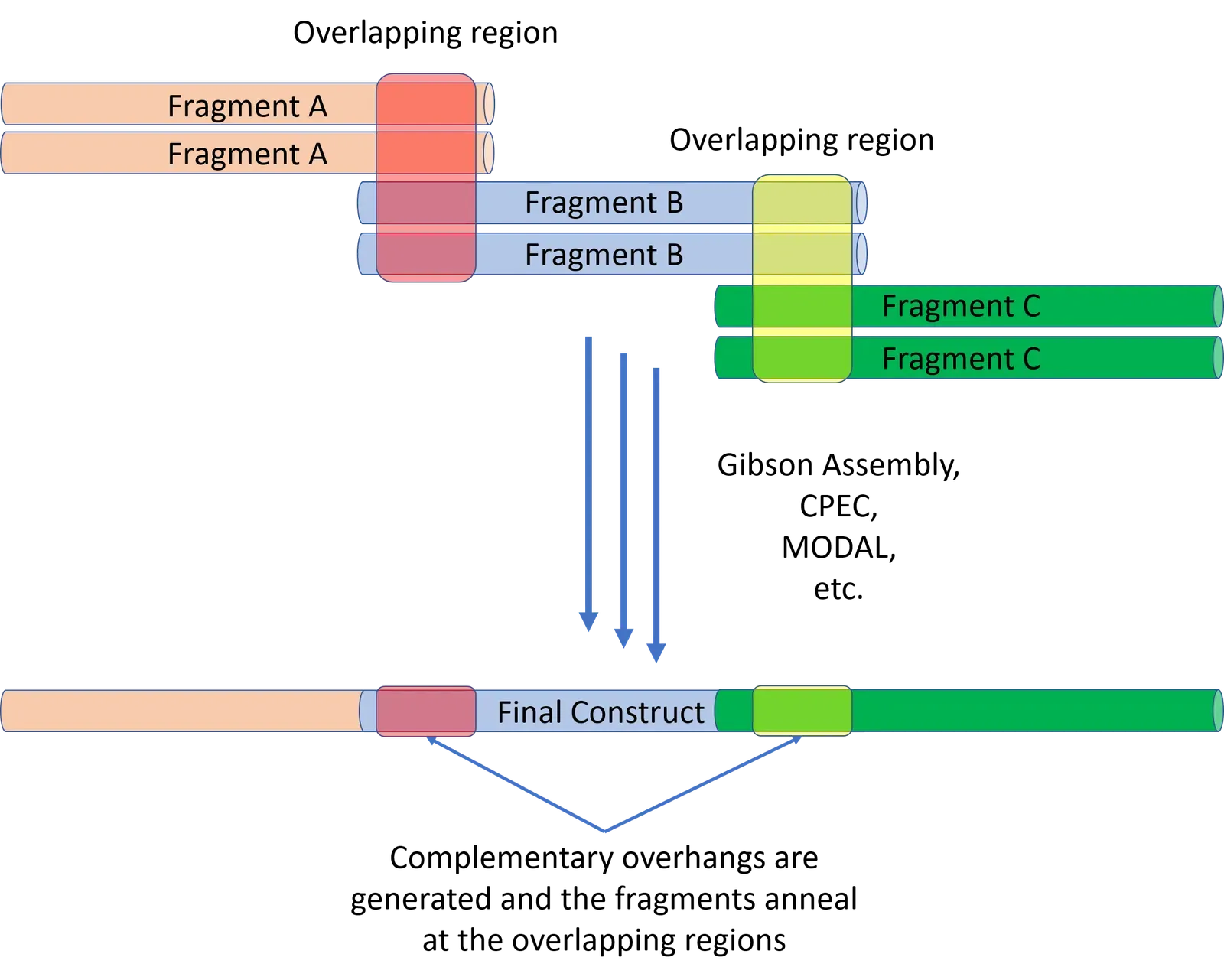
In practice, this leap looks surprisingly methodical rather than cinematic. Teams sketch DNA sequences on computers, simulate how they should fold into proteins, then order strands from DNA synthesis companies as if they were buying specialized parts for a custom machine. These synthetic genomes are stitched together and installed into living cells, which suddenly begin behaving in line with their artificial instructions. It is trial-and-error, often frustrating, occasionally spectacular: a failed construct may do nothing at all, while a successful one might turn a bacterium into a miniature chemical factory. What once required huge consortia and years of effort can now be attempted by compact teams with the right mix of wet-lab skill and computational firepower.
The Hidden Clues in Nature’s Own Hacks
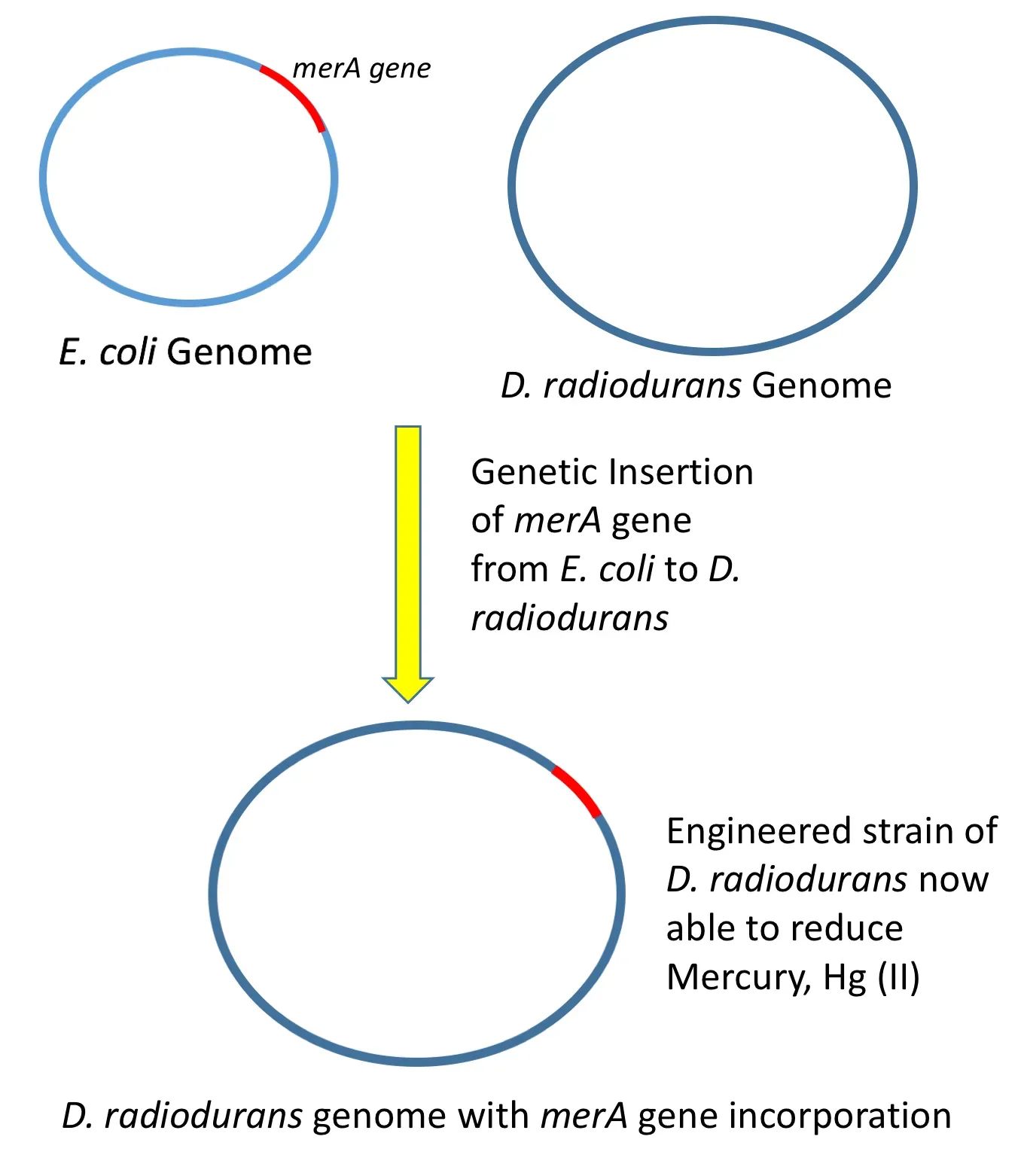
Designing new life is not starting from a blank page; it is more like remixing an ancient library of biological tricks. Evolution has already run countless experiments, leaving behind organisms that eat metals, survive in boiling springs, or glow in the deep sea. Synthetic biologists raid this diversity for parts – genes that act like switches, promoters that set expression levels, circuits that flip on only under certain conditions. These components, once mapped and characterized, become the vocabulary and grammar of an emerging biological programming language. The more we learn from nature’s hacks, the bolder the designs become.
One striking example is the idea of expanding the genetic alphabet itself. Natural life relies on four DNA letters, but researchers have demonstrated cells that can incorporate extra synthetic bases, effectively adding new “letters” to the code of life. That opens theoretical space for entirely novel proteins and materials that are invisible to normal biology. Similarly, efforts to build minimal cells – organisms stripped down to only the genes essential for survival – offer a kind of blueprint for the simplest viable life. These stripped-down systems reveal which genes are negotiable and which are non‑negotiable, offering hidden clues about how far we can push redesign before life simply stops working.
From Ancient Tools to Modern Genetic Engineering
In some ways, humans have been nudging evolution for thousands of years without calling it by that name. Selective breeding turned wolves into lapdogs, wild grasses into corn, and bitter almonds into sweet snacks, all by patiently choosing which organisms reproduced. That kind of slow, generational editing is a crude ancestor of the precision we now wield in genetic engineering. Where farmers once waited seasons to see results, a researcher can now alter a gene in a lab dish and measure the impact within days. What used to happen in fields and barns now unfolds inside incubators and sequencing machines.
Modern tools stack on top of one another in accelerating layers. First came recombinant DNA and basic gene splicing, then more refined methods like zinc-finger nucleases and TALENs, and finally the CRISPR revolution that swept through biology in the mid‑2010s. Synthetic biology adds yet another layer, treating biological parts as standardized modules that can be snapped together to perform logical functions. That shift – from tinkering with one gene at a time to designing networks and pathways – mirrors the evolution of electronics from discrete components to integrated circuits. The comparison is imperfect, but it captures the ambition: to go from repairing biological systems to architecting them.
How Scientists Are Actually Designing New Life
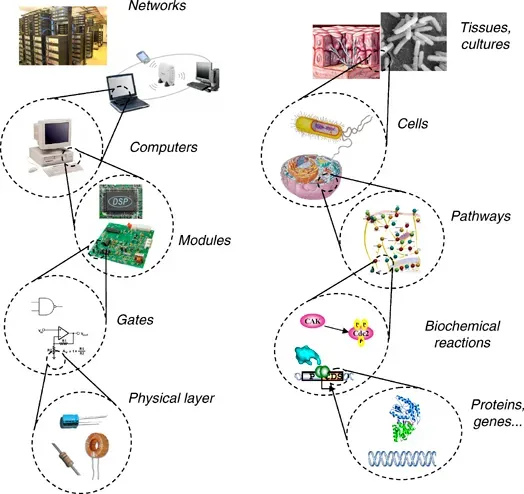
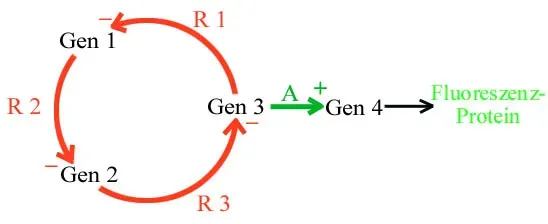
Despite the dramatic implications, much of synthetic biology looks, at first glance, like very careful plumbing. Researchers design genetic circuits that sense a specific molecule, process that signal, and then trigger a response – perhaps turning on a fluorescent protein or releasing a therapeutic compound. These circuits can include feedback loops, timers, and logic gates that resemble the “if–then” structure of computer programs. A cell might be engineered to say, in effect: if you detect high glucose and low oxygen, then start producing insulin. The cell’s own machinery then executes that code relentlessly, as long as the circuit remains stable.
Outside the petri dish, these engineered life forms are already creeping into practical use. Engineered microbes help manufacture medicines, detergents, flavors, and biofuels more sustainably than some traditional chemical routes. In agriculture, gene-edited crops promise resistance to pests and climate stress without requiring the introduction of foreign DNA, blurring political lines around genetically modified organisms. Experimental projects harness engineered bacteria to clean up oil spills or capture carbon dioxide from the atmosphere. Under the surface, the same principles apply: specify a task, design the genetic instructions, build, test, and iterate. The extraordinary part is that the “machines” executing these instructions grow, reproduce, and evolve.
Why It Matters: Power, Risk, and Responsibility
The ability to rewrite evolution matters because it shifts who holds power over the most fundamental infrastructure of life. If a small group of technologists can design organisms with traits never seen in nature, then decisions about what counts as acceptable risk or desirable progress become both urgent and political. Traditional safety assumptions – like the idea that harmful traits would be diluted over generations – may not hold if an engineered organism is designed to spread rapidly through a population. Likewise, the boundary between therapy and enhancement blurs when we can tweak genomes before birth or even introduce synthetic genes that grant resistance to certain diseases. The stakes extend beyond individual bodies to ecosystems and future generations.
There are also unsettling asymmetries in who benefits and who bears risk. Wealthy nations and companies may profit from high‑value drugs, designer crops, and bio‑based materials, while vulnerable communities live downstream of field trials or industrial sites. Consider a few emerging realities often flagged by researchers and risk analysts: – A relatively small number of labs now have access to tools capable of building viruses from published sequences. – The cost of DNA synthesis has dropped dramatically, lowering technical barriers for both legitimate and malicious actors. – Regulatory frameworks struggle to keep pace with technologies that can jump from concept to proof‑of‑principle in just a few years. Together, these trends mean that designing new life is not just a scientific question; it is a test of whether our ethical and governance systems can evolve as fast as our tools.
Global Perspectives and Uneven Regulations
Different countries are making very different bets on how far to push synthetic biology. Some regions have leaned into permissive environments to attract startups and investment, arguing that economic growth and innovation depend on flexibility. Others emphasize precaution, slowing or halting experiments that involve human embryos, gene drives that could alter wild populations, or large-scale environmental releases. These divergent approaches can create a patchwork world where an experiment banned in one jurisdiction simply hops to another. For technologies that do not respect borders – like airborne organisms or altered insects – that patchwork starts to look less like policy diversity and more like a global vulnerability.
Public attitudes are equally fractured. In some places, enthusiasm for biotech framed as climate‑friendly or medically essential softens resistance; in others, distrust of institutions and industry fuels skepticism or outright rejection. High‑profile controversies, including rogue experiments and high‑stakes bioethical debates, have sharpened calls for stronger international norms. Yet meaningful global agreements are difficult when economic incentives and cultural values tug in different directions. The result is a paradox: the tools to design life are becoming more universal, while the rules that govern their use remain stubbornly local. That tension will shape whose visions of the future get built into genomes – and whose concerns are ignored.
The Future Landscape of Designed Life
Looking ahead, the line between “natural” and “synthetic” organisms is likely to blur until it becomes more philosophical than practical. Scientists are already sketching concepts like chassis organisms, standard host cells that can be loaded with different genetic programs the way we install apps on a smartphone. Artificial intelligence is being brought into the loop to propose new enzyme designs, predict protein structures, and optimize metabolic pathways much faster than human trial‑and‑error. In parallel, efforts to digitize biology – storing genetic designs in cloud platforms and printing DNA on demand – suggest a future where living systems are part of a global software ecosystem. It is an alluring, and faintly unsettling, vision of biology as a downloadable service.
Yet that landscape is riddled with hard technical and ethical questions. Engineered organisms can mutate or exchange genes with wild relatives, challenging assumptions about containment and control. Intellectual property battles over synthetic genomes could entrench corporate power over basic biological functions, from seeds to microbes that process waste. On the other hand, open‑source biology movements argue for shared toolkits and community labs, hoping to democratize access while nurturing responsible norms. Whether the future of designed life resembles a tightly controlled industrial network, a messy creative commons, or something in between will depend on choices being made now – often before the full consequences are clear.
How We Can Engage With a Designed Future
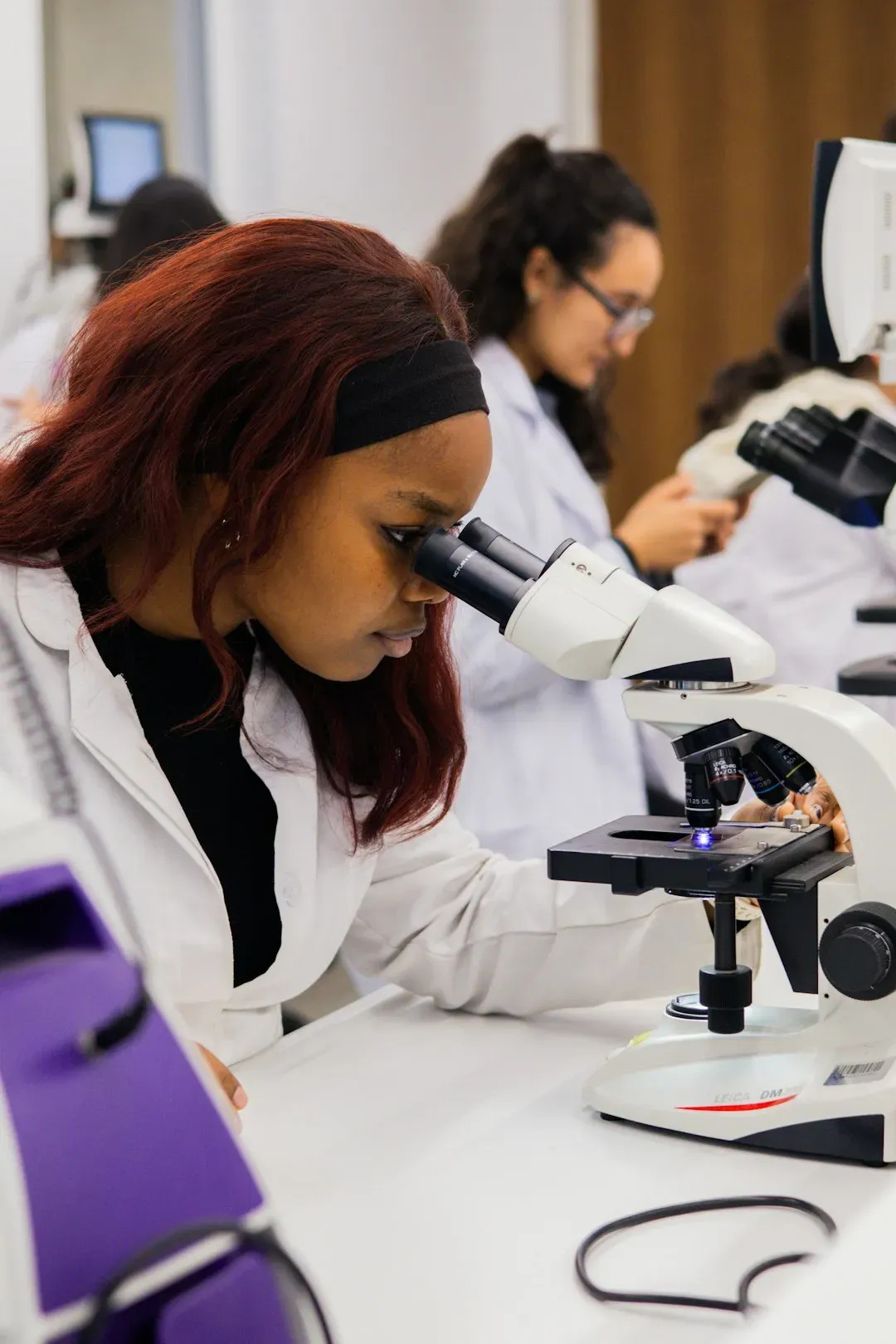
For most people, synthetic biology still sounds like something that happens in distant labs, but it is already shaping everyday products and policies. Engaging does not require a PhD; it starts with paying attention and asking sharper questions. When a new genetically edited crop is introduced or a biotech company touts a microbe-based solution to pollution, we can look beyond the marketing to ask who evaluated the risks, who stands to gain, and what safeguards are in place. Supporting journalism, education programs, and citizen science projects that explore these issues helps broaden the conversation beyond experts and investors. Even small acts – like showing up to a local forum on biotech regulation or reading the fine print on a climate plan – can nudge decisions toward greater transparency.
There are also concrete ways to channel curiosity into constructive action. People who are excited about the potential of designed life can back organizations that prioritize responsible innovation, biosafety, and equitable access to benefits. Those who feel uneasy can push for stronger oversight, public consultation, and independent review of high‑risk projects without rejecting the entire field. Community labs and open‑hardware initiatives offer opportunities to learn how biology actually works, demystifying a domain that often feels opaque and elite. In the end, whether rewriting evolution becomes a story of shared progress or deeper division will hinge, in part, on how many of us choose to engage rather than look away.
Suhail Ahmed is a passionate digital professional and nature enthusiast with over 8 years of experience in content strategy, SEO, web development, and digital operations. Alongside his freelance journey, Suhail actively contributes to nature and wildlife platforms like Discover Wildlife, where he channels his curiosity for the planet into engaging, educational storytelling.
With a strong background in managing digital ecosystems — from ecommerce stores and WordPress websites to social media and automation — Suhail merges technical precision with creative insight. His content reflects a rare balance: SEO-friendly yet deeply human, data-informed yet emotionally resonant.
Driven by a love for discovery and storytelling, Suhail believes in using digital platforms to amplify causes that matter — especially those protecting Earth’s biodiversity and inspiring sustainable living. Whether he’s managing online projects or crafting wildlife content, his goal remains the same: to inform, inspire, and leave a positive digital footprint.