
Imagine stepping out onto the windswept tundra and locking eyes with a creature lost to time—an enormous, shaggy mammoth, its curled tusks glinting beneath an arctic sun. It sounds like the stuff of fantasy novels or blockbuster films, but today, scientists are on the brink of turning this wild dream into reality. The quest to resurrect the woolly mammoth, long extinct, has captured imaginations, sparked controversy, and ignited fierce debate across the globe. Is this a genuine shot at scientific progress, or are we watching an elaborate spectacle unfold? Let’s wander into the icy depths of this thrilling, polarizing, and sometimes downright bewildering scientific frontier.
The Mammoth’s Mysterious Disappearance
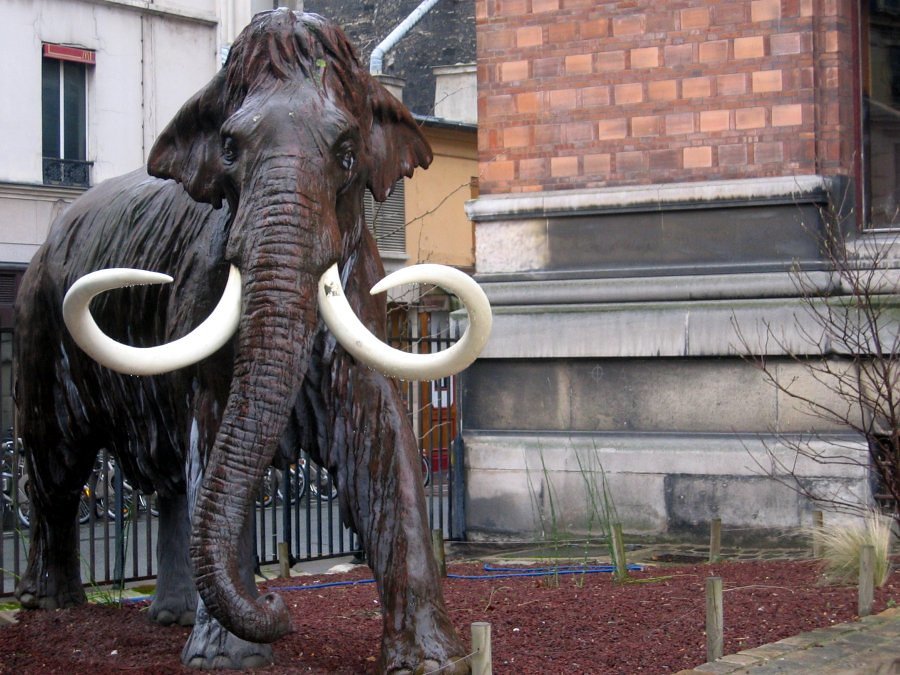
Woolly mammoths once thundered across the frozen plains of Eurasia and North America, their thick coats shielding them from the biting cold. But around 4,000 years ago, these giants vanished. Scientists are still piecing together exactly why. Was it climate change that melted their icy world? Or did human hunters, relentless and clever, deal the final blow? Some researchers believe a mix of both factors sealed the mammoth’s fate. What’s haunting is how recent their extinction is—when you think about it, a few thousand years is just a blink in Earth’s timeline. Their disappearance still echoes today, offering a chilling warning about extinction and our own role as stewards of the planet.
Why Bring Back the Mammoth?
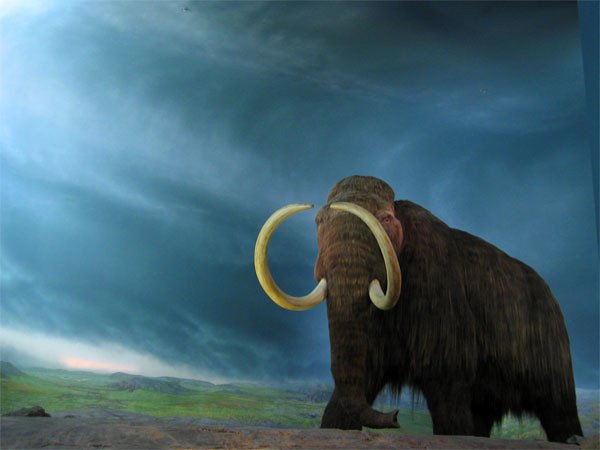
The idea of resurrecting the woolly mammoth is more than just scientific bravado. Some argue that bringing them back could help restore lost ecosystems. Mammoths were “ecosystem engineers”—their grazing, trampling, and dung fertilized arctic grasslands. Without them, the landscape changed, possibly accelerating permafrost melt and climate change. Imagine herds of mammoths helping to transform tundra back into vibrant grassland, potentially locking away more carbon in the soil. Others see this as a chance to right an ancient wrong, to resurrect what humanity may have helped destroy. But skeptics wonder if we’re just playing at being gods, with little thought for the consequences.
The Science of De-Extinction

Resurrecting a mammoth isn’t as simple as finding some frozen DNA and pressing “copy-paste.” The field driving this effort is called de-extinction. Scientists collect DNA from well-preserved mammoth remains—think frozen carcasses in Siberian permafrost. Then, using advanced gene-editing tools like CRISPR, they try to insert mammoth genes into the DNA of the mammoth’s closest living relative: the Asian elephant. The goal is to create a hybrid embryo with enough mammoth traits to survive in the cold. This is a delicate, step-by-step process, where success is measured not just in scientific breakthroughs, but in the hope of one day seeing mammoth calves take their first wobbly steps.
CRISPR: The Genetic Game-Changer

Until recently, editing DNA was slow and imprecise. CRISPR changed everything. This revolutionary technology acts like molecular scissors, allowing scientists to snip out genes from one species and splice them into another with remarkable accuracy. For the woolly mammoth, this means targeting genes responsible for thick fur, fat storage, and cold tolerance. The dream is to create an animal that looks and behaves like a mammoth—though, technically, it would be an elephant-mammoth hybrid. CRISPR’s power is breathtaking, but it’s also a double-edged sword: the more we can do, the more we have to ask if we should.
Finding Mammoth DNA in the Ice
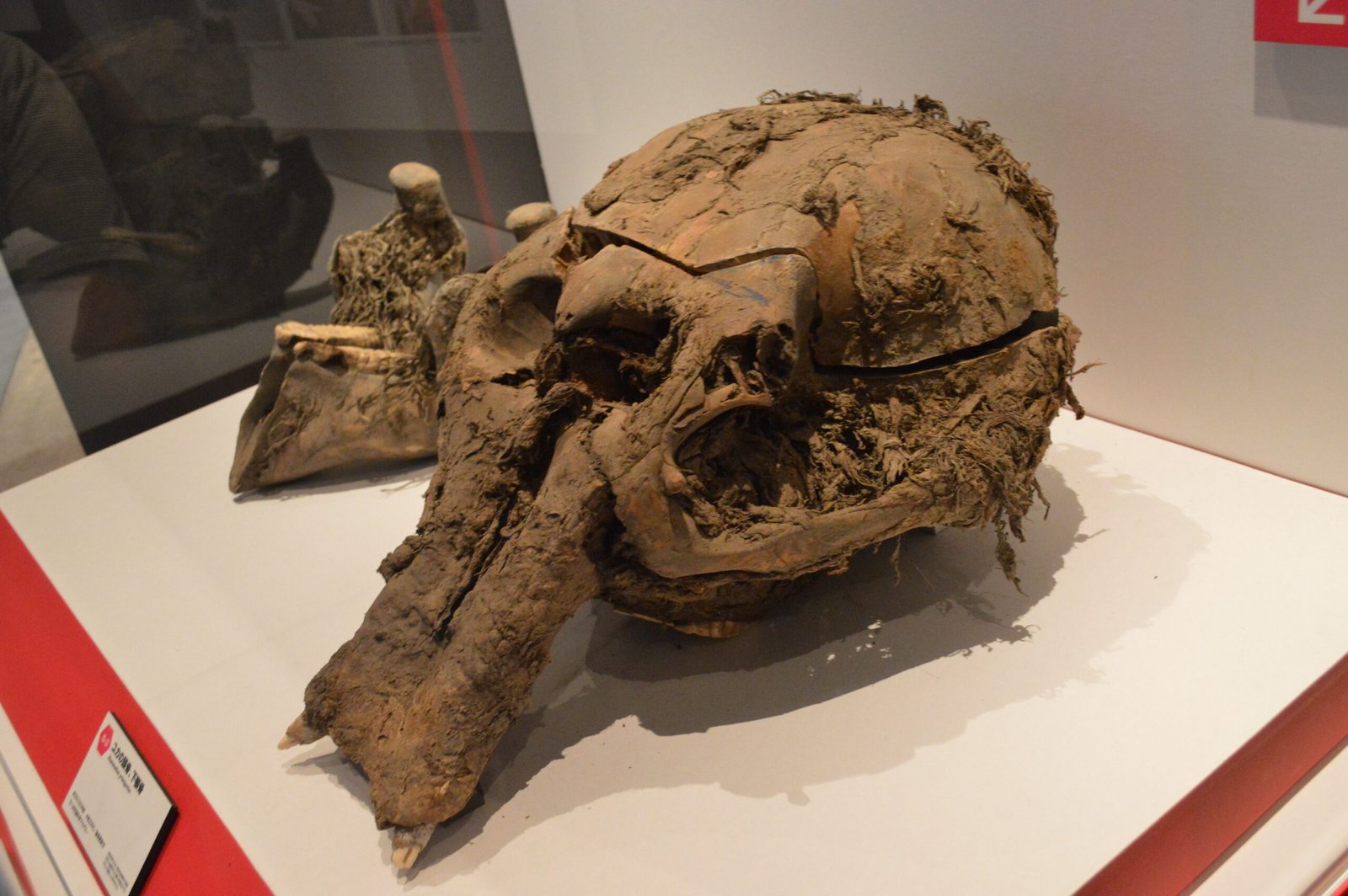
The Siberian permafrost is one of the world’s most fascinating freezers. Sometimes, it coughs up ancient wonders—a perfectly preserved mammoth calf, its hair still soft, its stomach full of Ice Age grass. These remains are a treasure trove for scientists hunting for intact DNA. But DNA is fragile, and after thousands of years, most is broken into tiny fragments. Extracting usable genetic material is painstaking work, a bit like trying to reconstruct a book from scattered, faded pages. Every new discovery in the ice brings a surge of hope—and a fresh wave of scientific challenges.
Asian Elephants: Mammoth Surrogates
Elephants are mammoths’ closest living relatives, sharing over 99% of their DNA. So, when it comes to bringing back mammoth traits, Asian elephants make the perfect starting point. Scientists hope to use elephant eggs, replacing their nuclei with mammoth DNA, or editing elephant embryos with mammoth genes. But this isn’t just a technical challenge—it’s an ethical one. Asian elephants are endangered themselves. Using them as surrogates for a de-extinction experiment feels, to many, like a risky trade-off. Yet, without them, the mammoth’s return would be impossible.
Cloning Versus Gene Editing

Cloning, made famous by Dolly the sheep, was once the hot ticket for de-extinction. But mammoth DNA is too degraded for direct cloning. Enter gene editing—a more precise, modern approach. Instead of replicating a mammoth outright, gene editing lets scientists “build” a mammoth from elephant DNA, piece by piece. This method offers more control, but it’s also more experimental. The resulting animal won’t be a pure mammoth, but a chimeric blend. Is that enough to call the species “resurrected,” or is it something entirely new?
The Role of Private Companies

In the last decade, private biotech companies have jumped into the mammoth resurrection race. Startups promise bold visions, splashy headlines, and big investment dollars. For some, this is the future of conservation—high-tech, entrepreneurial, and fast-moving. For others, it raises fears of science driven more by profit and spectacle than careful research or ethics. Private involvement has accelerated progress but also intensified debate about who should control the power to bring species back from the dead.
Ethical Dilemmas and Animal Welfare
Resurrecting an extinct animal isn’t just a technical feat. It’s an ethical minefield. Would mammoth-elephant hybrids suffer health problems? Where would they live, and how would we ensure their well-being? Is it fair to use endangered elephants in risky experiments? Critics argue that focusing on de-extinction distracts from saving living species facing extinction today. Supporters counter that breakthroughs here could benefit conservation everywhere. The tension is real, and so are the moral questions.
Environmental Impact: Healing or Harming?
Releasing mammoth-like animals into the Arctic could, in theory, trigger a chain reaction—flattening shrubs, fertilizing grasses, and even slowing permafrost melt. Some scientists dream of a “Pleistocene Park” in Siberia, where mammoths roam once more. But nature is unpredictable. What if these animals disrupt modern ecosystems, spread disease, or fail to thrive? The line between healing the earth and harming it is razor-thin. We have to ask: are we playing with fire, or planting seeds for renewal?
Public Fascination and Media Hype
There’s no denying the mammoth’s dramatic appeal. From Hollywood movies to children’s picture books, these shaggy giants have captured our collective imagination. News stories about their potential return often go viral, feeding dreams of a real-life Jurassic Park. But sometimes, the excitement drowns out the complexity. The science is slow and often frustrating. The mammoth’s revival is years—maybe decades—away. Yet, the public’s hunger for spectacle keeps the story alive, for better or worse.
Indigenous Perspectives and Cultural Significance
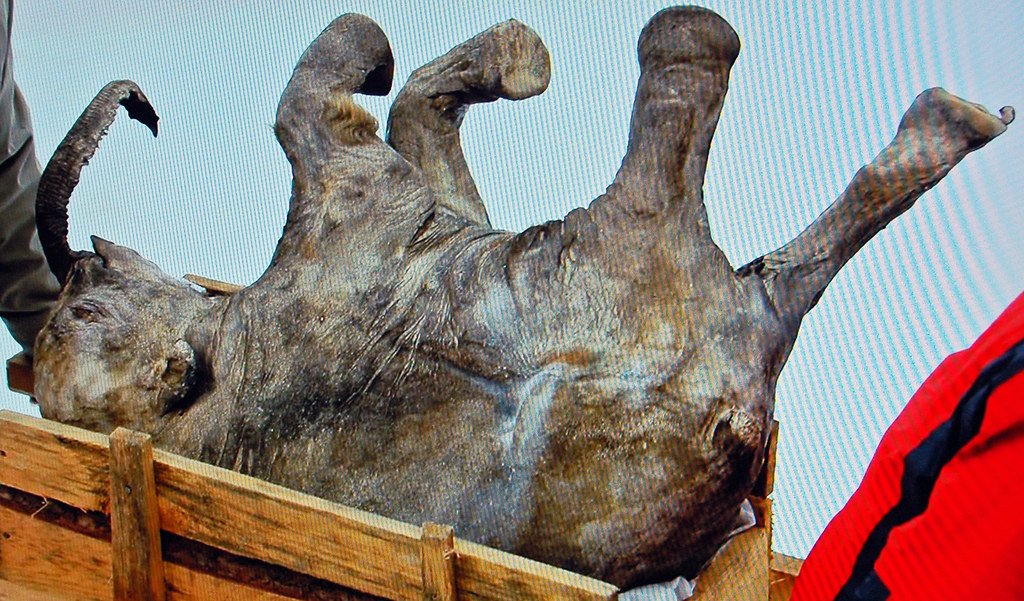
For some Indigenous communities in Siberia and North America, the mammoth is more than an extinct animal—it’s a symbol woven into stories, traditions, and identity. The prospect of bringing mammoths back is greeted with mixed emotions. Some see it as a reconnection with ancestral heritage; others view it with skepticism or even fear, wary of outside scientists meddling with the land and its history. Any resurrection effort must navigate this rich tapestry of meaning, respecting the voices of those who have coexisted with mammoth memory the longest.
Legal and Regulatory Hurdles

Creating a woolly mammoth isn’t just a lab experiment—it’s a legal puzzle, too. Every country has its own rules about genetic engineering, animal welfare, and wildlife release. There are questions about who “owns” recreated species, how they should be managed, and what happens if things go wrong. Without clear guidelines, mammoth resurrection could become a legal quagmire. Policymakers are scrambling to catch up, often reacting to breakthroughs after the fact rather than steering progress with foresight.
Learning from Past De-Extinction Projects
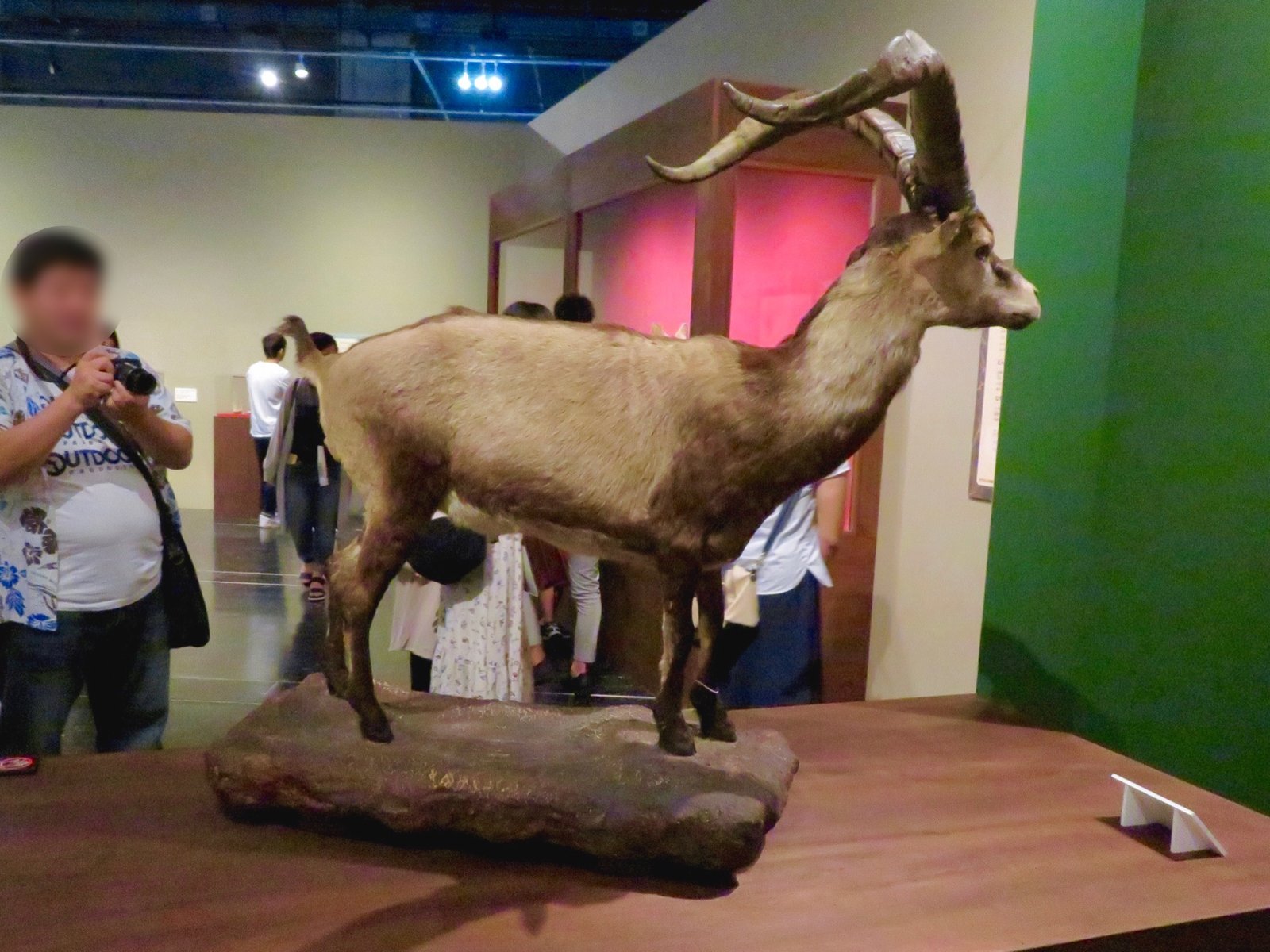
The woolly mammoth isn’t the first animal humans have tried to bring back. Scientists have attempted, with limited success, to clone extinct species like the Pyrenean ibex and the passenger pigeon. These projects have been fraught with setbacks—failed embryos, short-lived clones, and unforeseen complications. Each attempt offers lessons in humility and caution. De-extinction is not a straight road; it’s a winding path with plenty of obstacles and surprises.
Scientific Collaboration Across Borders

Mammoth resurrection is a truly global endeavor. Researchers from Russia, Japan, the United States, and beyond are pooling resources and expertise. This collaboration is inspiring—imagine a team of scientists, from wildly different backgrounds, united by a common goal. But it also comes with challenges: language barriers, political tensions, and competition for funding. When it works, it’s proof that scientific dreams can cross borders, forging unlikely alliances in the name of discovery.
The Cost of Mammoth Resurrection
Bringing a mammoth back isn’t cheap. The research demands millions of dollars, with no guarantee of success. Some critics argue the money would be better spent protecting existing wildlife or combating climate change directly. Supporters claim that the technological advances and public attention could actually boost conservation funding overall. The question remains: how much is one mammoth calf worth, and who decides whether the price is right?
The Emotional Pull of Extinction
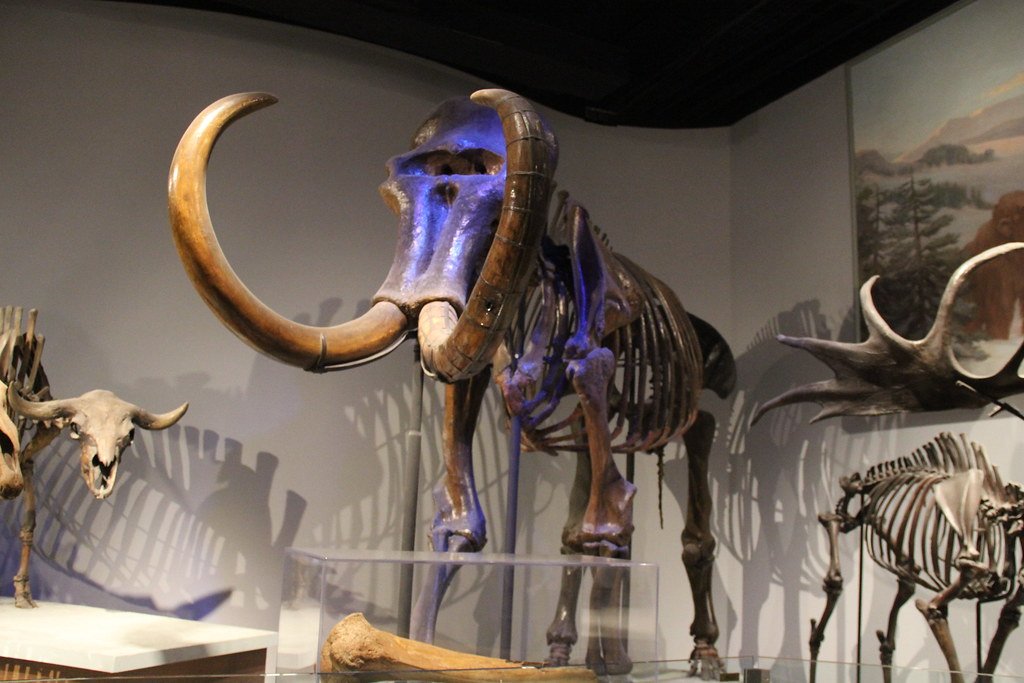
There’s something deeply emotional about extinction. When you see a child marvel at a mammoth skeleton, or listen to an elder recall legends of the great beasts, it’s clear that these animals hold a special place in our hearts. The prospect of undoing extinction tugs at our sense of hope—and our fear of loss. Are we searching for redemption, or just chasing a fantasy? This emotional current runs beneath every debate, coloring science with longing and wonder.
Imagining a Future with Mammoths
Picture the world in twenty years. Could mammoth herds really roam the tundra, their trumpeting calls echoing across the ice? Or will this story remain a tantalizing “what if”? The future is unwritten. Maybe resurrected mammoths will become ambassadors for biodiversity, reminding us what’s possible when science and imagination collide. Or perhaps they’ll serve as a cautionary tale about hubris and unintended consequences. Either way, the journey is already reshaping how we think about life, loss, and the boundaries of possibility.
Final Reflections on Science and Spectacle
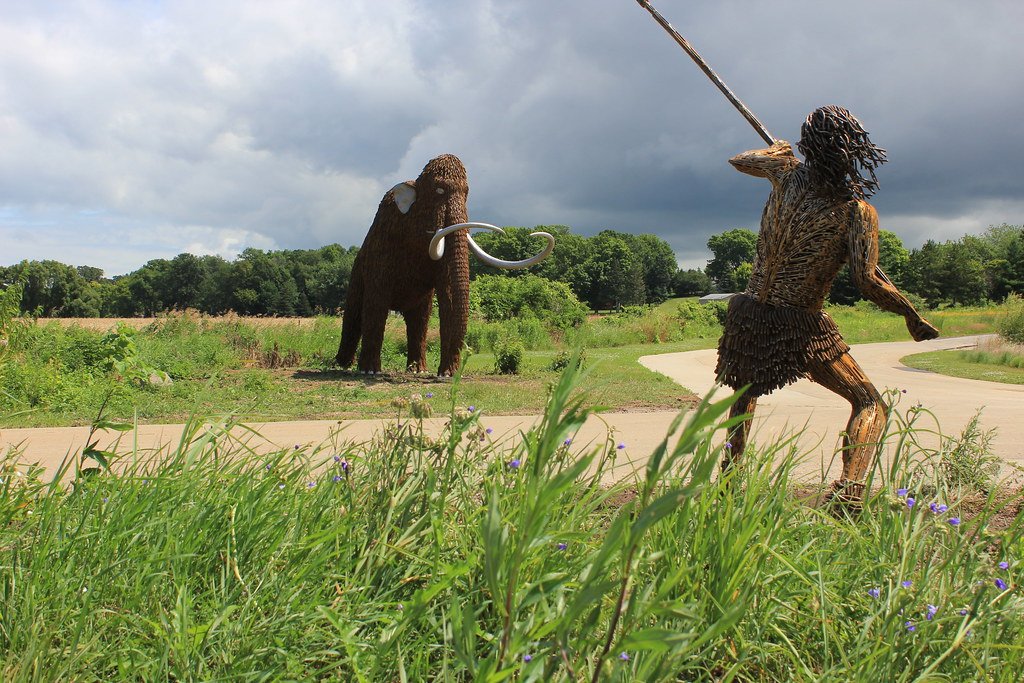
Resurrecting the woolly mammoth sits at the intersection of awe and anxiety, hope and hubris. This project is a mirror, reflecting our deepest desires and darkest fears about the limits of science. It forces us to confront tough questions: Should we bring back what’s gone, or focus on saving what’s left? Are we visionaries or showmen? Maybe the true value of the mammoth revival isn’t in the beast itself, but in how it challenges us to rethink our relationship with nature, technology, and the stories we choose to tell.