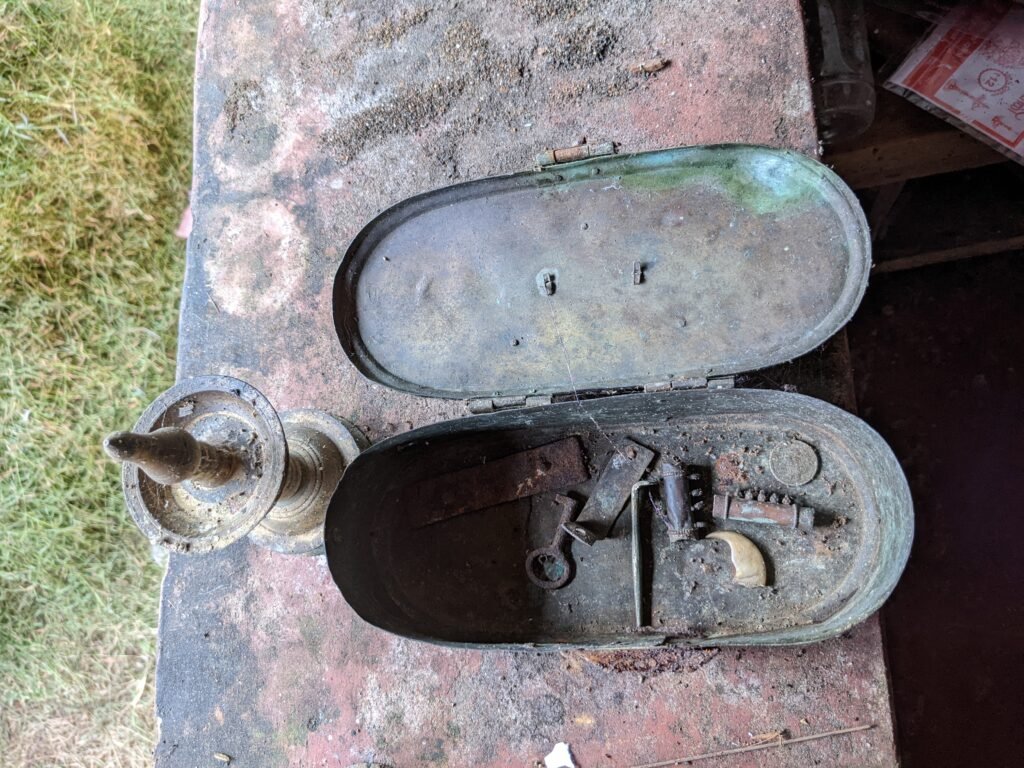

Imagine holding a fragment of a lost civilization in your hands—a mask carved by ancient hands, a tapestry woven long before your ancestors were born. Now, picture that precious piece sitting thousands of miles from its birthplace, behind glass in a foreign museum. The emotional power of cultural artifacts is undeniable; they are not just objects, but living links to identity, memory, and pride. Yet, the story of how these treasures traveled across continents is often tangled in history’s darker chapters. The struggle to return them, to heal old wounds and restore heritage, is a journey filled with dramatic victories and heart-wrenching setbacks.
The Heartbeat of a Nation: Why Artifacts Matter
Cultural artifacts are more than beautiful relics—they are the heartbeat of a people’s story. For many communities, these objects hold sacred meanings, embodying traditions, beliefs, and ancestral wisdom that have been passed down through generations. Losing them can feel like losing a piece of one’s own soul. Imagine an entire village gathering around an ancient drum, only to find it missing from their celebrations—replaced by a silent echo. The emotional impact is profound, and for some, only the return of these treasures can truly begin to mend the break in cultural continuity.
How Artifacts Ended Up Far From Home
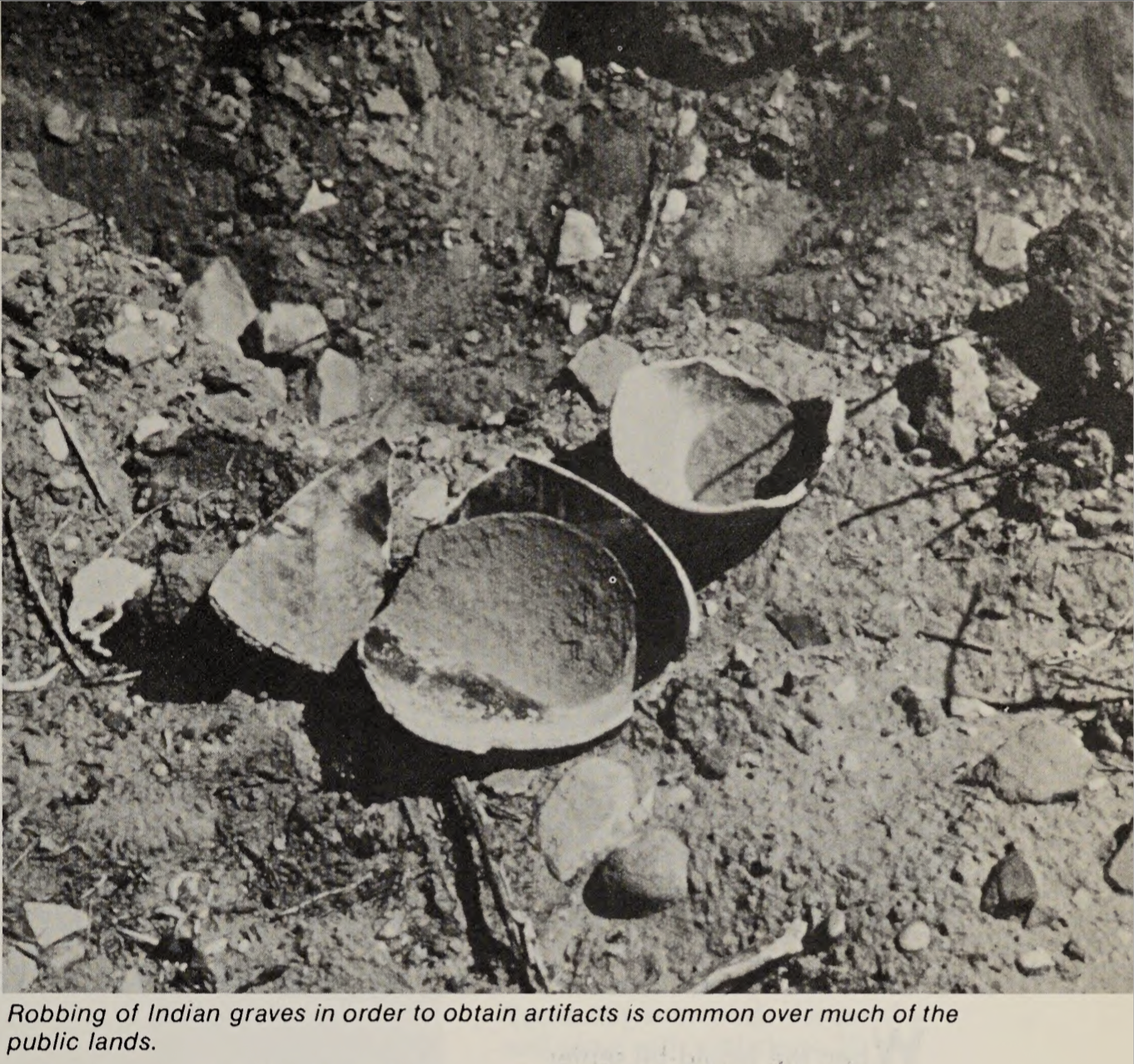
The journeys of cultural artifacts are often entwined with conquest, colonization, and exploration. Many treasures were removed during times of war, taken as spoils or under the guise of scientific study. Others were acquired through unequal exchanges, where local communities received little in return. Sometimes, objects were simply stolen in the chaos of political upheaval or natural disaster. Today, museums and collectors around the world house these items, fueling debates over ownership, ethics, and justice.
The Legal Tangle: Navigating International Laws

International agreements, such as the UNESCO Convention of 1970, aim to curb the illicit trade of cultural property and encourage the return of stolen items. However, navigating these laws is anything but straightforward. Each country has its own regulations and interpretations of what constitutes legal ownership. Even with treaties in place, disputes can drag on for decades, with claimants facing obstacles like lack of documentation or differing legal definitions. The legal maze is daunting, but it is a crucial battlefield for advocates of repatriation.
Moral Questions and Ethical Dilemmas

Beyond the letter of the law, questions of morality and ethics come into play. Is it right to keep an artifact in a museum thousands of miles from its origins, especially if it was taken under dubious circumstances? Some argue that these objects are part of “world heritage” and should be accessible to all. Others insist that true stewardship means honoring the wishes of the cultures that created them. The tension between universal access and cultural rights often sparks heated debate, with no easy answers in sight.
The Power of Successful Returns
There have been inspiring stories of cultural treasures making their way back home. The return of the Makonde Mask to Tanzania and the Benin Bronzes to Nigeria stand as powerful examples. These moments are more than symbolic victories—they can trigger a wave of healing, pride, and renewed cultural expression. When an artifact is repatriated, it often becomes a catalyst for education, tourism, and community revitalization. For many, seeing ancestral objects returned is a deeply emotional event, igniting hope for the future.
Science Steps In: Provenance Research
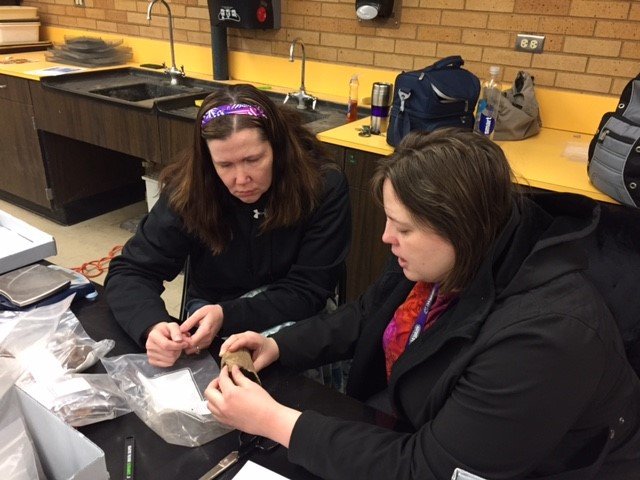
Scientific tools like radiocarbon dating, forensic analysis, and digital databases have revolutionized the search for artifact origins. Provenance research, which traces the ownership history of an object, is often a painstaking process involving detectives, historians, and scientists. Sometimes a tiny inscription or a hidden mark can unlock an artifact’s true story, providing the evidence needed for repatriation. These discoveries not only help in legal battles but also enrich our understanding of human history.
The Role of Museums: Gatekeepers or Partners?

Museums play a complex role in the repatriation debate. Some institutions have resisted returning artifacts, citing concerns about preservation or accessibility. Others have taken bold steps to collaborate with source communities, engaging in dialogue and sharing authority. Increasingly, museums are rethinking their missions, weighing the value of retaining objects against the benefits of fostering goodwill and cultural exchange. The public is also demanding more transparency, pushing museums to be accountable for the origins of their collections.
Economic and Social Impacts of Repatriation
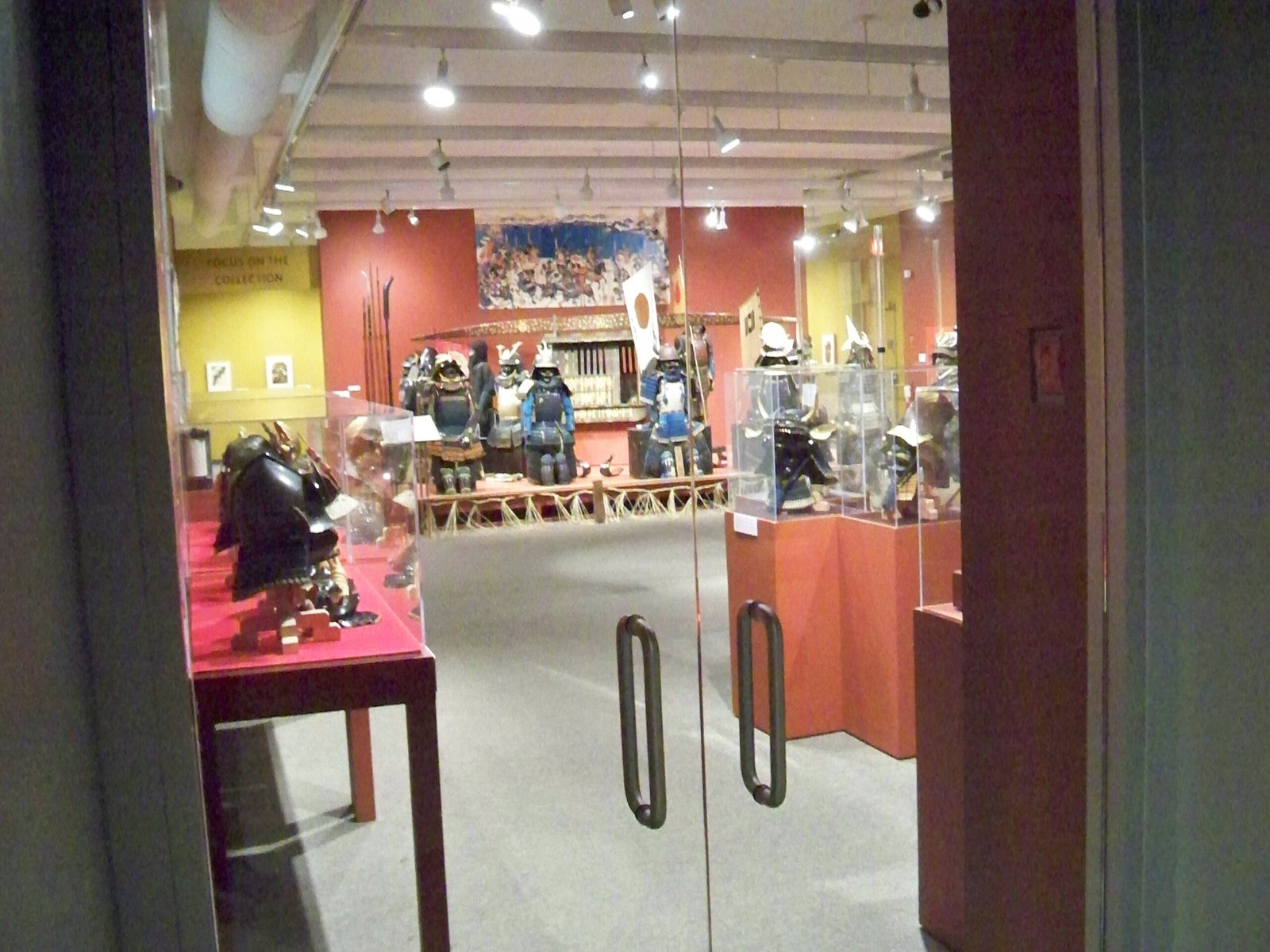
Returning cultural artifacts can have significant economic and social effects on source countries. Repatriated objects often become centerpieces of national museums, drawing tourists and generating revenue. They can inspire educational programs and cultural festivals that celebrate heritage. On a social level, the return of artifacts can help heal generational trauma and restore a sense of dignity to communities that were once marginalized or exploited. The ripple effects are felt far beyond museum walls.
Challenges That Still Remain
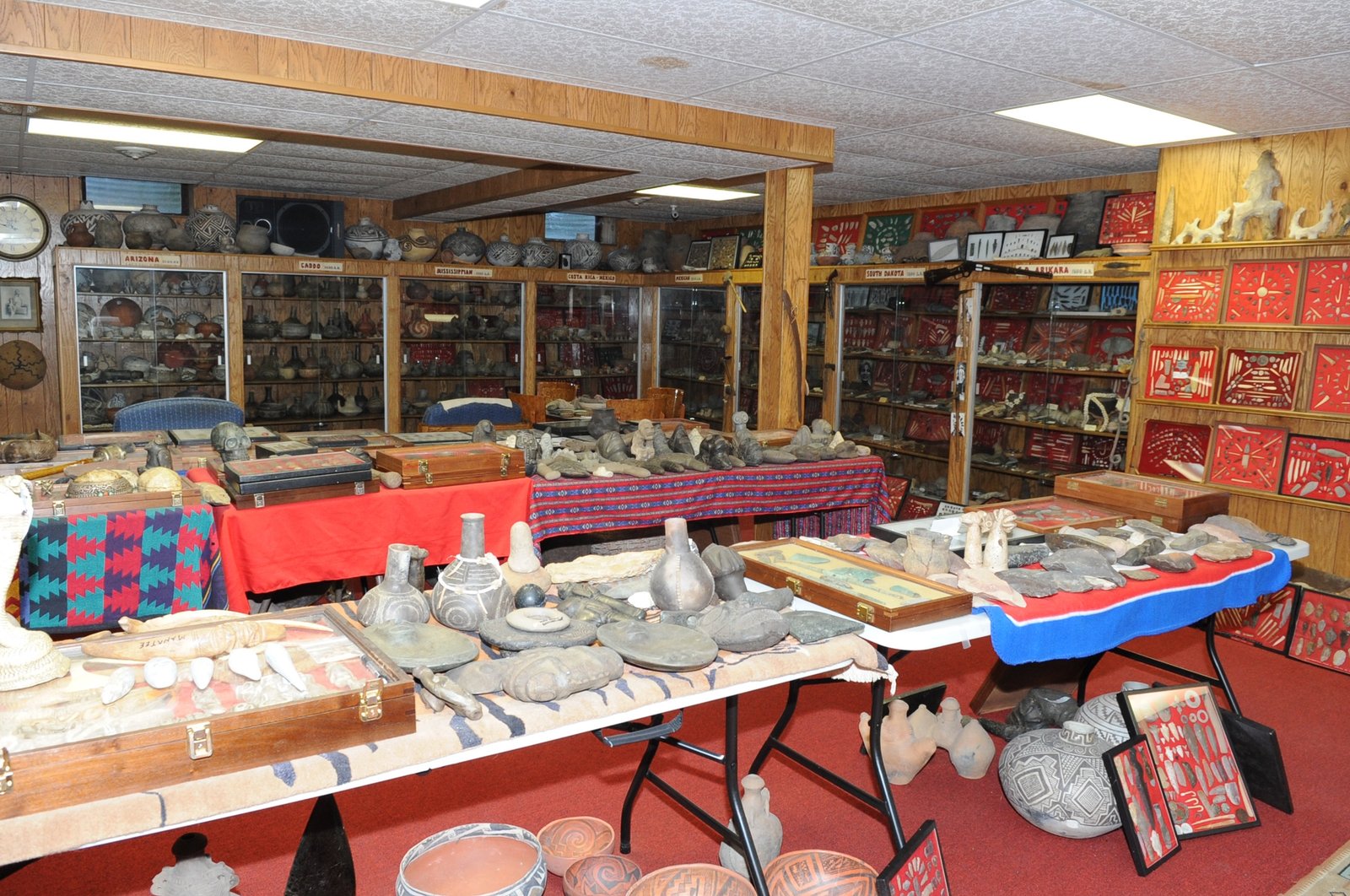
Despite progress, many obstacles persist. Some artifacts have been lost, destroyed, or illegally sold multiple times, making their recovery nearly impossible. Others remain in private collections, hidden from public view. Legal proceedings can be costly and time-consuming, discouraging smaller or less wealthy nations from pursuing claims. The lack of international consensus on certain issues, such as statutes of limitations and the definition of “cultural property,” continues to complicate efforts.
Looking Ahead: The Future of Repatriation
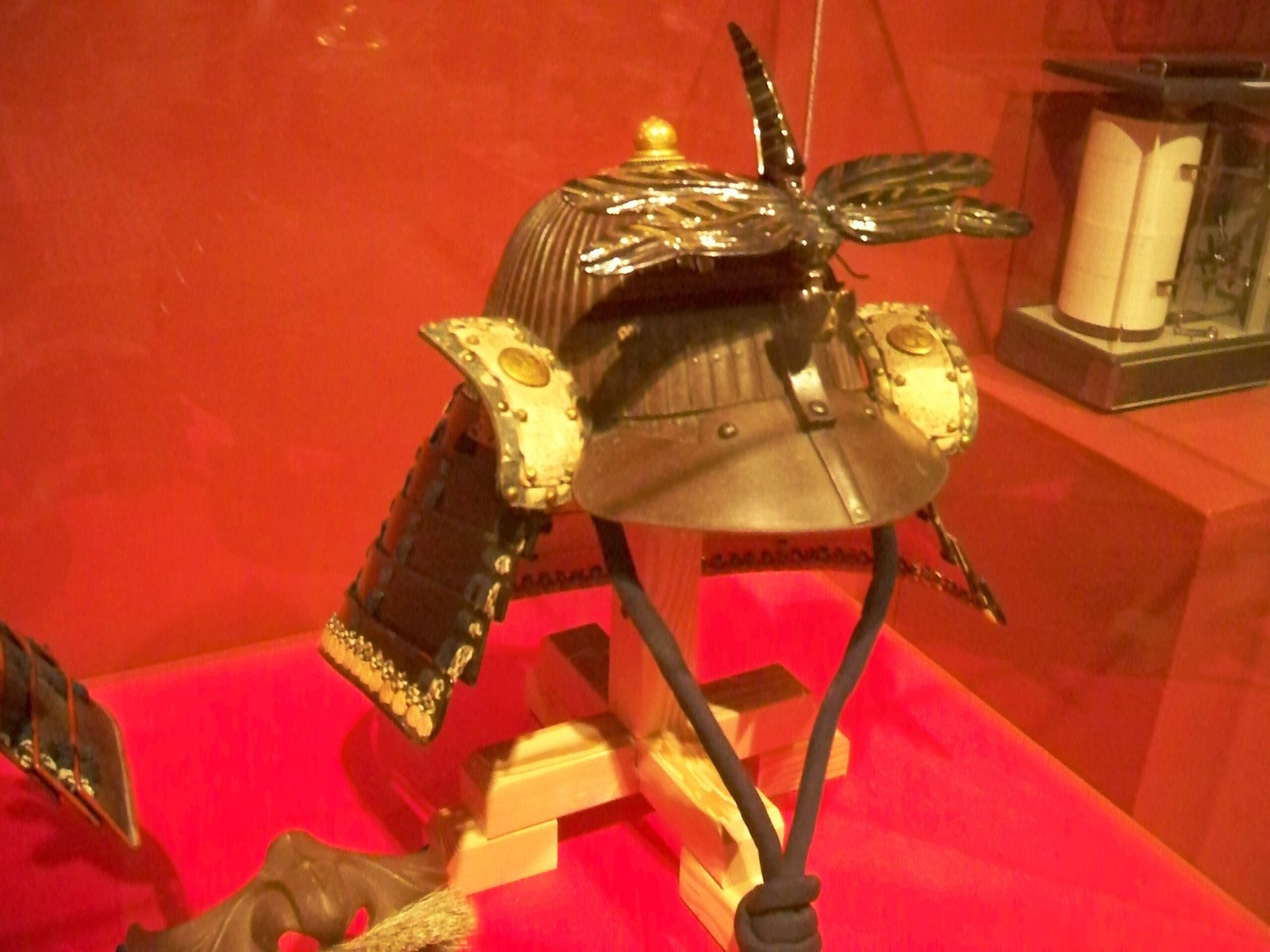
The movement to return cultural artifacts is gaining momentum, fueled by activism, new technologies, and shifting public attitudes. Younger generations are especially vocal, using social media to amplify calls for justice and transparency. Governments and institutions are beginning to listen, experimenting with new forms of partnership and restitution. While the path forward is uncertain, one thing is clear: the conversation about repatriation is far from over, and its outcome will shape not only museums but the very way we understand heritage and identity.
The fight to return cultural artifacts is as much about healing and hope as it is about history. Each object that finds its way home is a step toward justice, connection, and the promise of a more inclusive story for all.