
A Striking Orbital Discovery (Image Credits: Cdn.mos.cms.futurecdn.net)
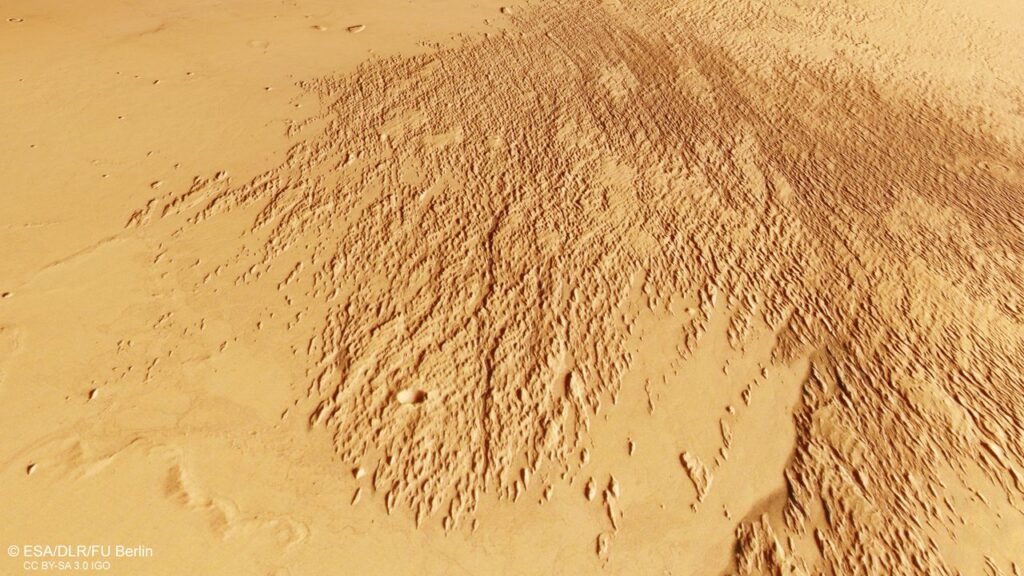
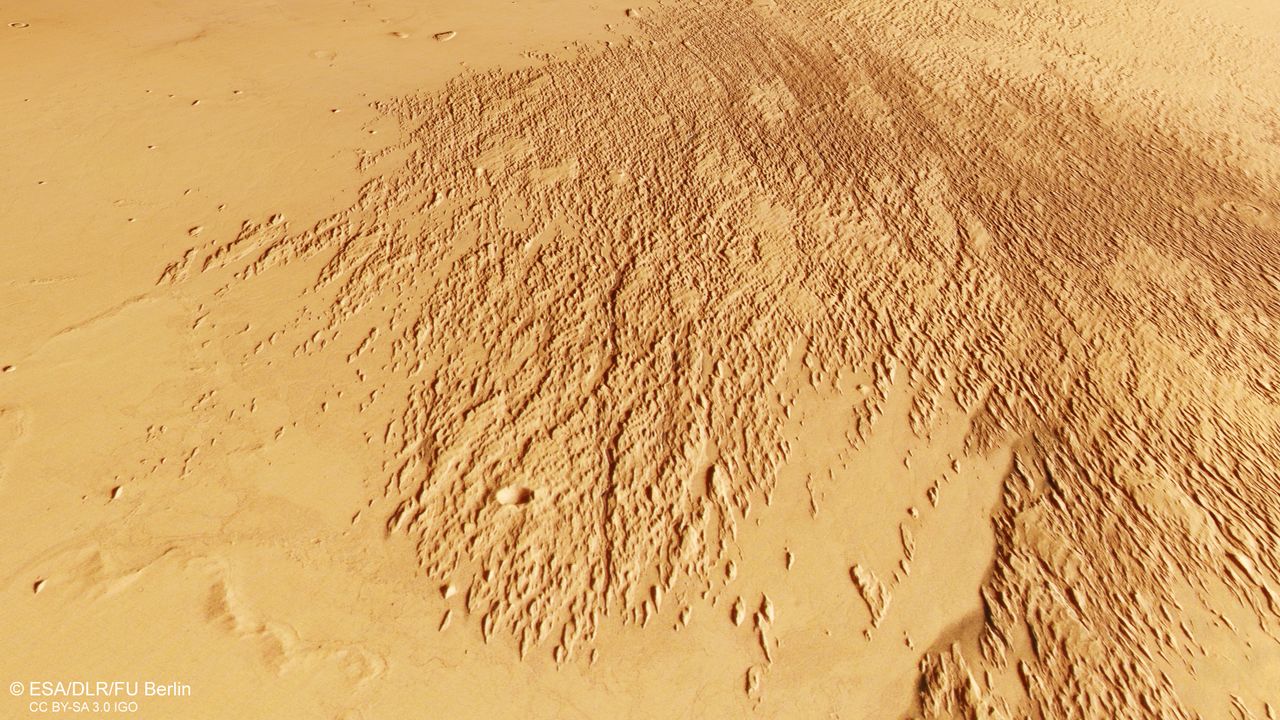
Mars – NASA’s Mars Reconnaissance Orbiter recently captured an intriguing view of the planet’s surface, revealing peculiar etchings carved into vast sand dunes that hint at the Red Planet’s dynamic wind processes.
A Striking Orbital Discovery
The image, taken on January 20, 2025, showcases a region where wind has sculpted the sandy terrain into unusual formations. These etchings appear as intricate lines and ridges, contrasting sharply against the smoother expanses of dunes. Scientists at NASA noted the patterns’ distinctiveness, suggesting they formed through persistent aeolian activity – winds that shape Mars’ landscape over time.
This sighting builds on years of observations from the orbiter, which has been circling Mars since 2006. The High-Resolution Imaging Science Experiment (HiRISE) camera aboard the spacecraft provided the detailed shot, highlighting how even subtle atmospheric movements leave lasting marks. Researchers emphasized that such features offer a window into the planet’s current environmental conditions, far from the ancient riverbeds explored by rovers.
Unraveling the Formation of These Etchings
Wind remains the primary architect on Mars, where thin air and frequent dust storms drive erosion. The observed etchings likely resulted from gusts channeling sand in specific directions, creating linear depressions and raised edges. Unlike Earth’s dunes, Martian ones can reach heights of hundreds of meters and migrate slowly under prevailing winds.
Experts point to similar patterns seen in other regions, such as megaripples – larger versions of ripples formed by coarser grains. In this case, the etchings’ odd geometry could stem from interactions between wind speed and surface composition. Data from the orbiter indicates these formations evolve seasonally, with stronger winds during global dust events accelerating the process.
To illustrate the variety of wind-driven features on Mars, consider these examples:
- Dark streaks from seasonal CO2 ice sublimation, exposing underlying darker sand.
- Circular dune fields in polar regions, stabilized by cold temperatures.
- Linear ridges in mid-latitude craters, aligned with dominant wind flows.
- Barchan dunes with crescent shapes, advancing across flat terrains.
- Transverse aeolian ridges, shorter and more uniform than full dunes.
Implications for Martian Climate and Exploration
These etchings provide clues about Mars’ atmosphere today, which is mostly carbon dioxide and about 1% as dense as Earth’s. Winds there can reach speeds of 60 miles per hour, sculpting the surface despite the low pressure. The patterns suggest active dust transport, which could affect future landing sites by altering terrain stability.
For ongoing missions like Perseverance, such observations guide navigation around hazardous dunes. The rover has encountered similar wind-swept areas, including megaripples that resemble frozen waves. Understanding these helps predict how dust might impact solar panels or mobility, crucial for long-term operations.
Moreover, the etchings underscore Mars’ geological youth in certain areas. While ancient features like dried river valleys dominate headlines, these modern formations remind scientists that the planet remains geologically alive. Future orbiters and sample-return missions will likely prioritize such sites to study wind erosion in detail.
Broader Insights from Decades of Observation
The Mars Reconnaissance Orbiter has amassed over 100,000 images since its launch, each contributing to a comprehensive map of the planet. This particular photo joins a gallery of wind-sculpted wonders, from surreal dunes to ripple fields. It highlights how orbital vantage points reveal large-scale processes invisible from the ground.
Comparisons with past images show subtle shifts in the etchings, indicating ongoing change. Scientists use these to model wind patterns, aiding climate simulations. For instance, a small table of key wind features observed over time:
| Feature Type | Typical Location | Formation Driver |
|---|---|---|
| Megaripples | Jezero Crater | Coarse sand transport |
| Sand Etchings | Mid-latitudes | Directional gusts |
| Dune Streaks | Polar regions | Seasonal ice melt |
Such data refines predictions for human exploration, where dust management will be essential.
Key Takeaways
- Mars’ winds actively shape dunes, creating etchings that evolve with seasons.
- Orbital images like this one enhance our understanding of current atmospheric dynamics.
- These patterns inform safer strategies for future rover and human missions.
As NASA continues to peel back Mars’ dusty veil, discoveries like these etchings affirm the planet’s enduring mysteries. They bridge the gap between its watery past and arid present, inviting deeper questions about habitability. What do you think these patterns reveal about Mars’ future? Share your thoughts in the comments.