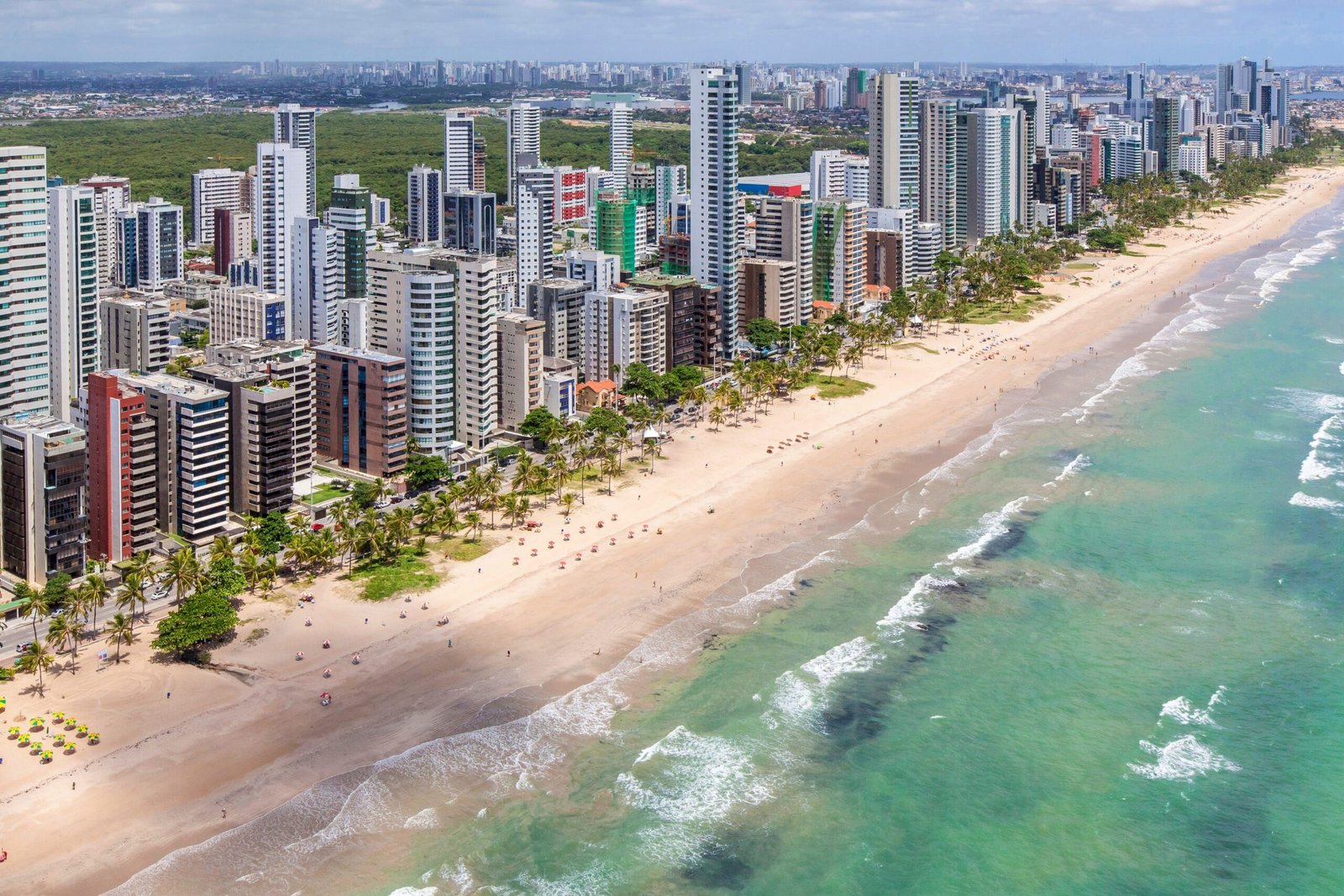
Imagine standing on the golden sands of Recife, feeling the Atlantic waves nipping at your toes—only to realize that the ground beneath you is literally slipping away, inch by inch, year by year. Recife, the vibrant heart of Brazil’s northeast coast, faces a battle that’s as old as the ocean itself, but now with a twist driven by the modern world: rising seas and relentless erosion are reshaping its coastline in ways that reveal not just a crisis, but an ancient mystery. What secrets are being uncovered as the waves eat away at the land? And what can Recife’s shifting shores teach us about the power of nature, the resilience of communities, and the stories etched deep beneath the surface?
A City Defined by Water
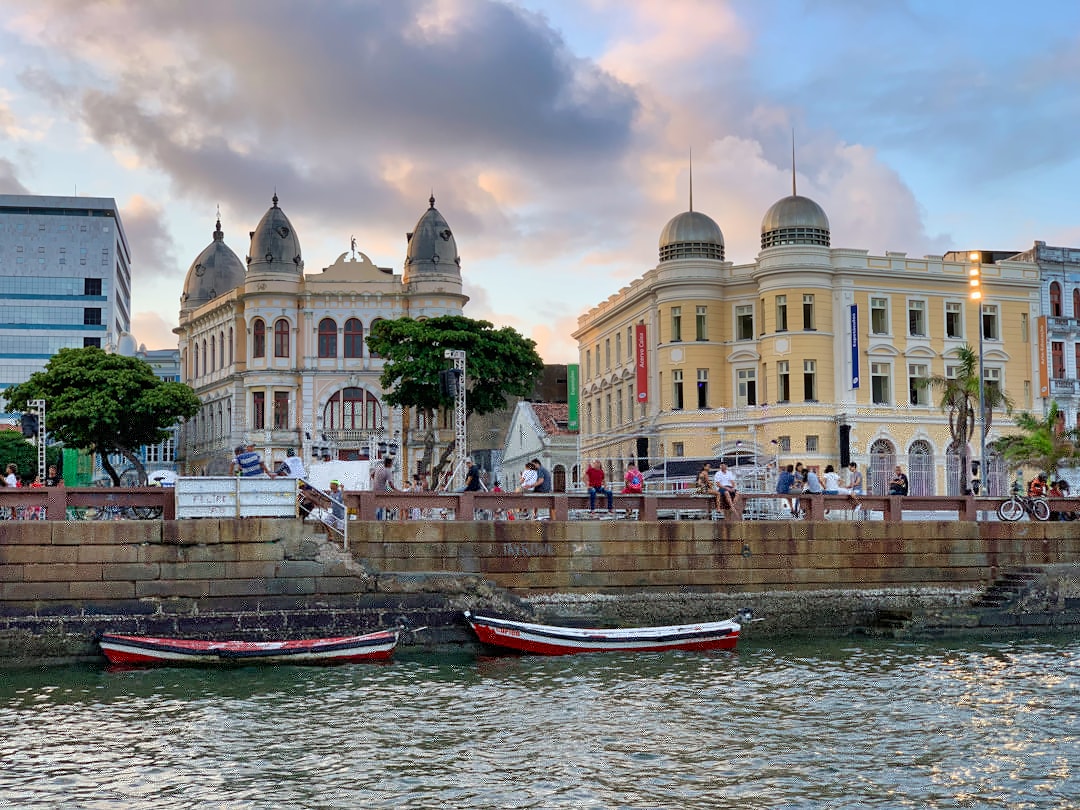
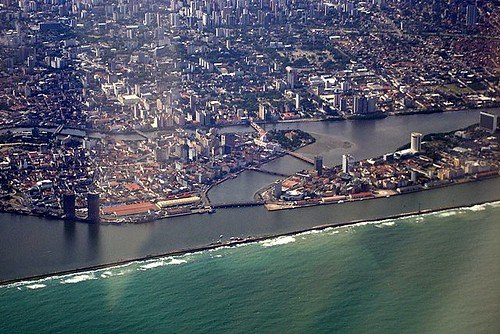
Recife’s very identity is entwined with water. Nicknamed the “Brazilian Venice,” the city is famous for its maze of rivers, bridges, and mangroves. These waterways have shaped not only Recife’s landscape but also its culture, commerce, and daily life. Historically, people settled here because the rivers and the Atlantic offered food, transportation, and trade. But today, the same waters that once made Recife prosperous now threaten its future. Residents feel an uneasy mix of pride and anxiety every rainy season, as flooding and erosion disrupt routines and leave lasting scars.
The Unseen Threat: Sea Level Rise
While Recife’s charm lies in its proximity to the sea, that closeness comes at a price. In recent decades, scientists have recorded a steady rise in sea levels along Brazil’s northeast coast, including Recife. This isn’t just a distant, abstract problem—it’s happening right now. As glaciers melt and thermal expansion accelerates, new data shows Recife’s sea level rising faster than the global average. This means storms hit harder, high tides reach farther, and the city’s defenses are being tested almost daily.
Understanding Coastal Erosion
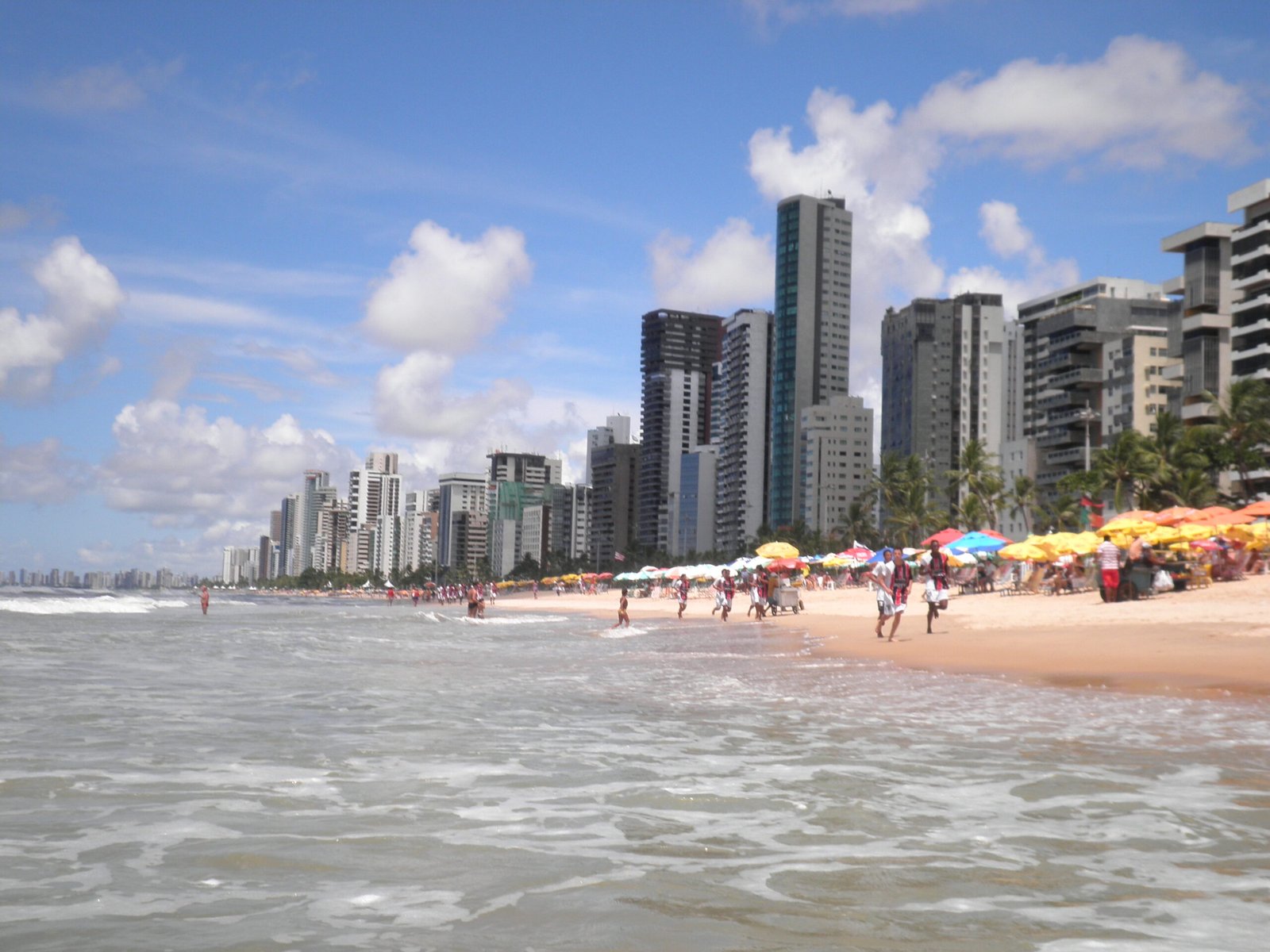
Coastal erosion is the process of land being worn away by the relentless attack of waves, currents, and tides. In Recife, this process is now turbocharged by climate change. The sand and soil along the beaches are lost faster than they can be replaced, making the coastline retreat. People living near the water watch as their homes, roads, and even memories vanish bit by bit. Erosion in Recife isn’t just about losing beaches—it threatens infrastructure, tourism, and the city’s soul.
Human Impact: More Than Just Nature
It would be easy to blame nature alone for Recife’s eroding coastlines, but human actions play a huge role. Urban development, the construction of port facilities, and the removal of mangroves have all disrupted the natural balance. When mangroves are cleared, the coast loses its best natural defense against erosion and flooding. Buildings and roads close to the shore block the natural movement of sand, worsening the problem. This cocktail of human interference and natural forces makes Recife’s situation uniquely challenging.
Storm Surges and Extreme Weather
Nothing brings the threat of rising seas into sharper focus than a powerful storm. In Recife, heavy rain events and storm surges are becoming more common and more destructive. When high tides coincide with storms, the result can be catastrophic flooding that inundates neighborhoods and damages infrastructure. Scientists warn that as the climate warms, these extreme events will become the new normal. For Recife’s residents, every dark cloud on the horizon carries an extra dose of anxiety.
How the Shoreline is Measured
Tracking the changes to Recife’s coastline isn’t as simple as strolling along the beach with a tape measure. Scientists use a combination of satellite imagery, aerial photography, and on-the-ground surveys to monitor erosion. High-tech tools like LIDAR help map the landscape in stunning detail, revealing patterns invisible to the naked eye. These studies show that some parts of Recife have lost dozens of meters of beach in just a few decades, painting a stark picture of a coastline in retreat.
Ancient Clues Beneath the Sand
As modern challenges reshape Recife’s present, they’re also exposing secrets from the past. Erosion and construction projects have uncovered evidence of ancient shorelines—remnants of beaches, shells, and sediments buried beneath the city. These clues tell scientists that Recife’s coastline has shifted dramatically over thousands of years. By studying these layers, researchers can piece together stories of ancient climates, sea levels, and even lost ecosystems that once thrived where the city now stands.
The Fossil Record: Snapshots of Lost Worlds
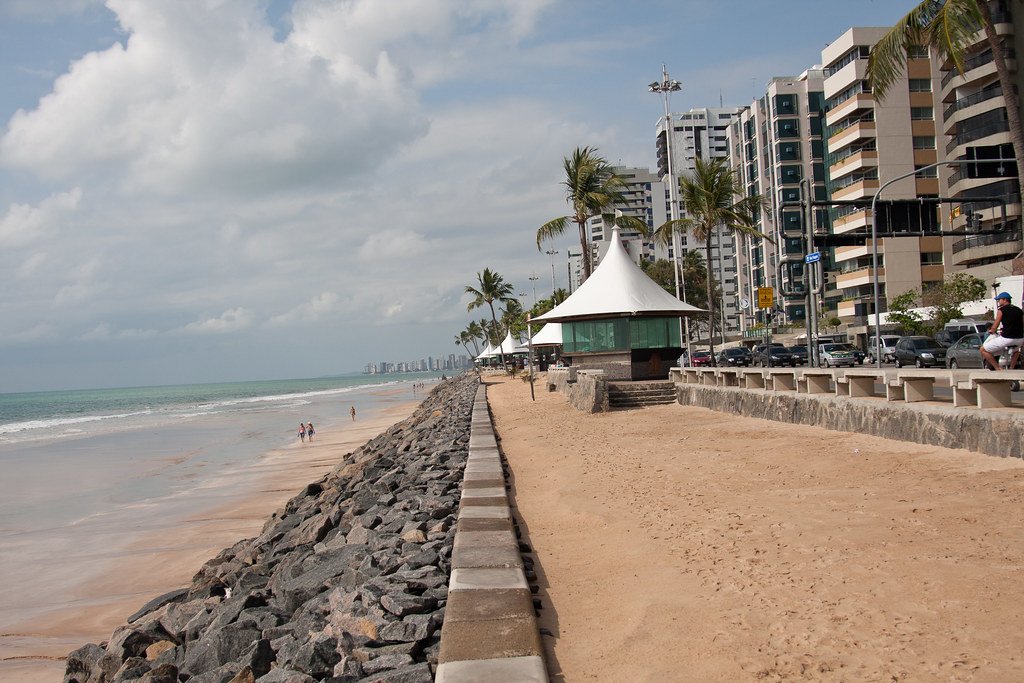
Hidden beneath Recife’s streets and beaches are fossils from long-gone eras. Shells, coral fragments, and even bones from extinct animals have been found in sediment layers that were once ancient beaches. These fossils act like time capsules, showing what life was like before humans arrived. They offer a sobering reminder: change is constant, and the landscape we know today is only the latest chapter in a much longer story.
Mangroves: Nature’s Coastal Guardians
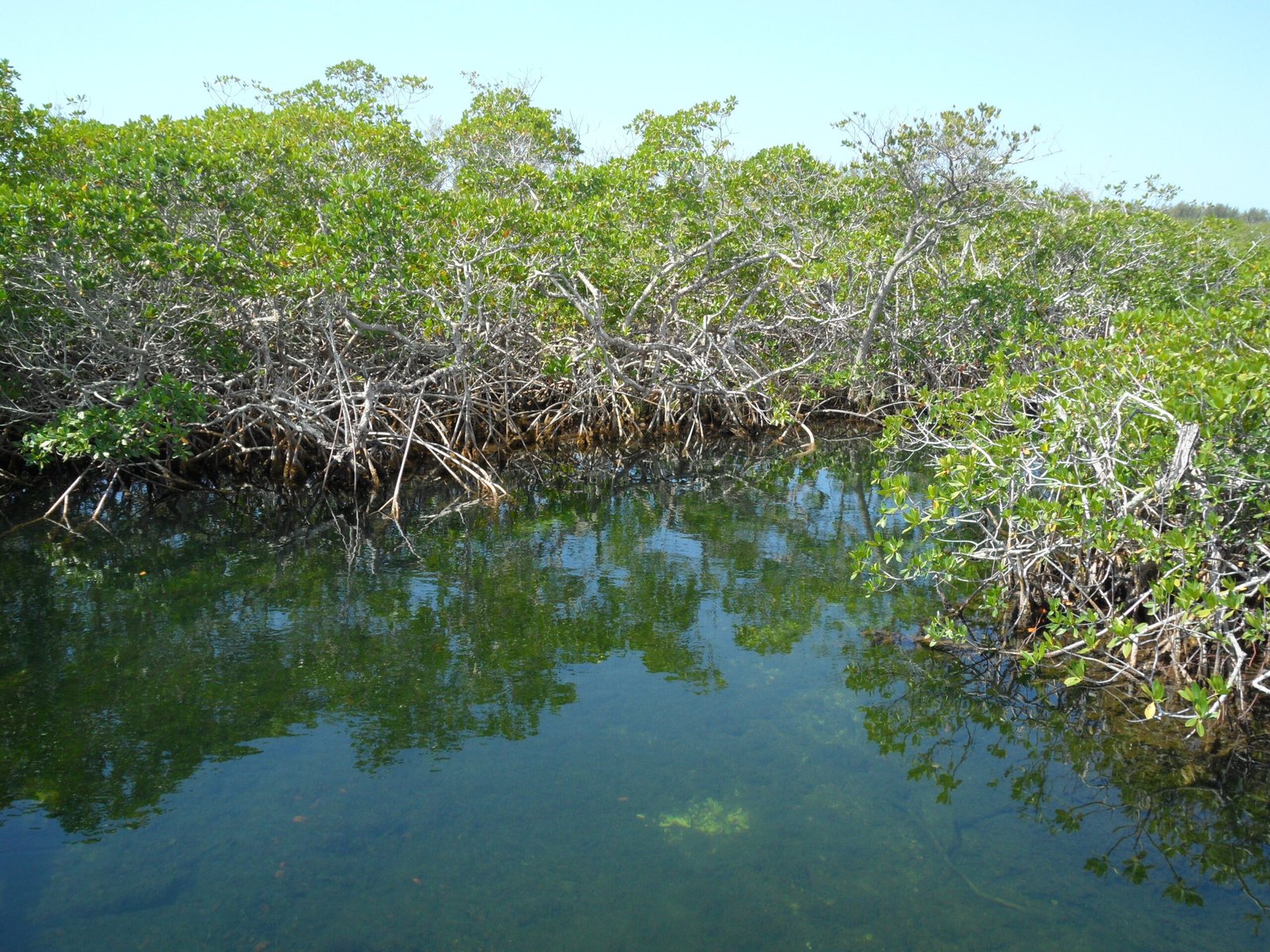
Mangroves are Recife’s unsung heroes. These tangled forests of salt-tolerant trees act as a buffer, absorbing wave energy and trapping sediment. Where mangroves thrive, the coastline is more resilient. But where they’ve been cut down for development, erosion gets a free pass. Protecting and restoring mangroves isn’t just good for wildlife—it’s one of the most effective ways to shield Recife from the worst effects of rising seas.
Engineering Solutions and Seawalls
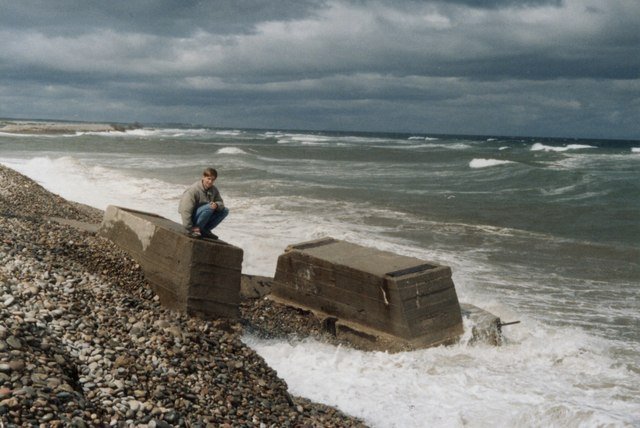
Faced with vanishing beaches and flooded streets, Recife has turned to engineering for help. Seawalls, breakwaters, and artificial reefs have been built to hold back the ocean. While these structures can buy time, they’re not a permanent fix. Sometimes, they even make erosion worse by redirecting wave energy to unprotected areas. The challenge is finding solutions that work with nature, not against it, to secure the city’s future.
The Role of Urban Planning
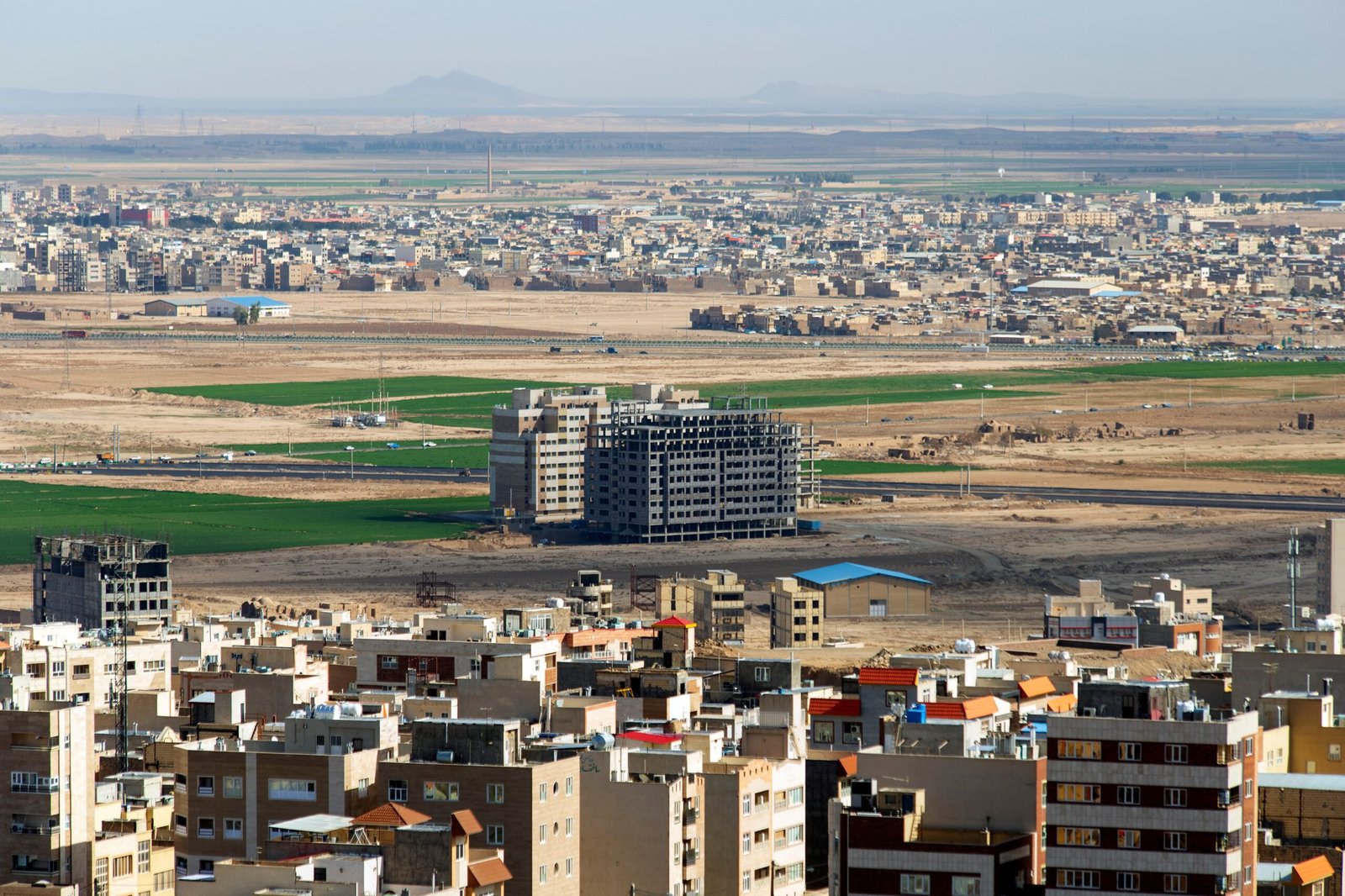
Urban planners in Recife are rethinking how and where the city grows. Some propose “managed retreat,” relocating vulnerable buildings farther inland. Others focus on designing flood-resistant infrastructure or elevating roads and houses. It’s a delicate balancing act: preserving the city’s bustling life while adapting to a shifting shoreline. Good planning today could mean the difference between thriving and merely surviving tomorrow.
Community Voices and Local Knowledge
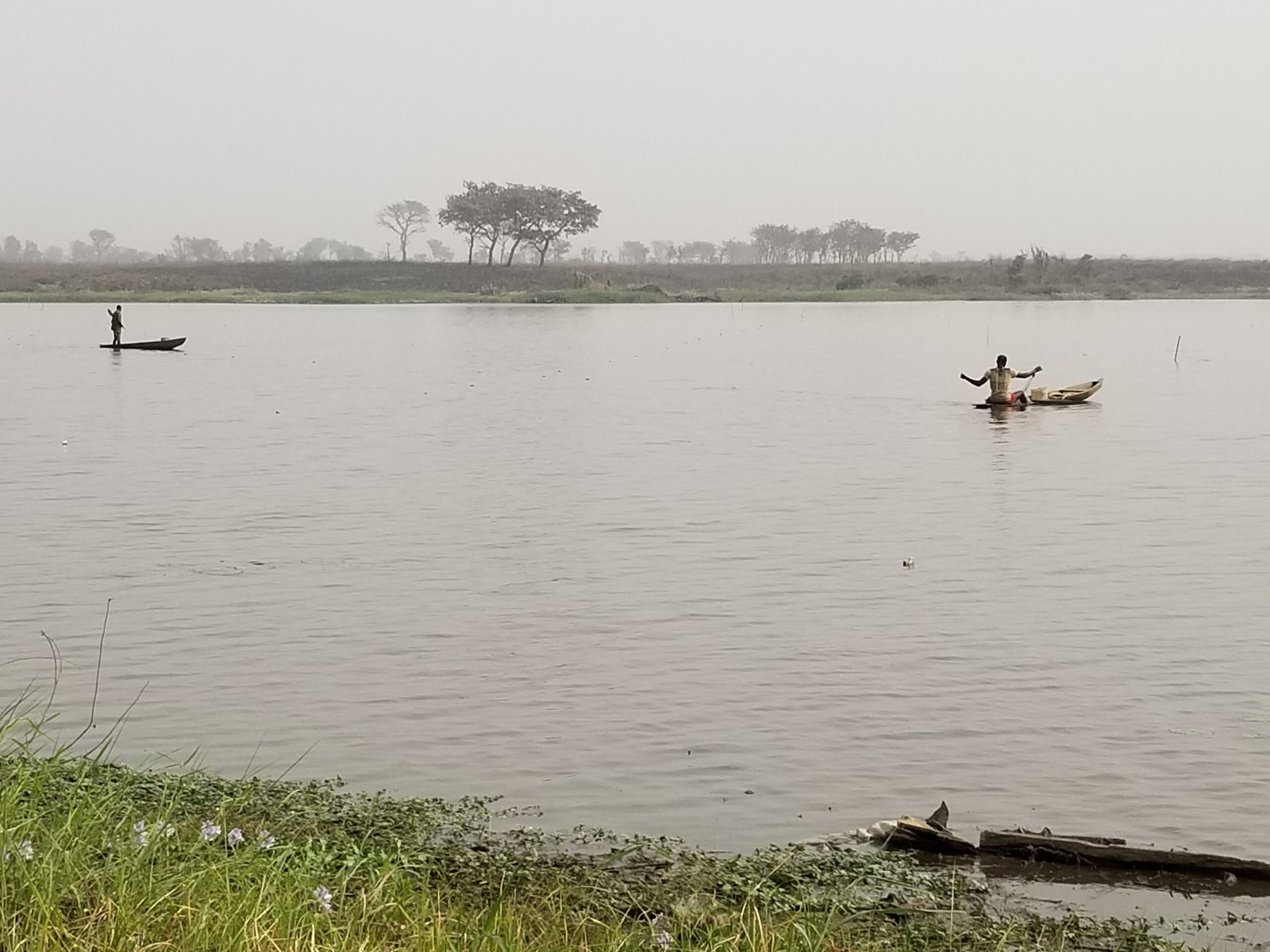
For those who call Recife home, the sea isn’t just a backdrop—it’s a neighbor, a threat, and a source of inspiration. Fishermen, beach vendors, and lifelong residents have stories that bring the science to life. Their memories of beaches lost, storms survived, and traditions threatened add a human face to the statistics. Local knowledge, passed down through generations, is proving invaluable in shaping practical, community-led responses.
The Economic Toll of Erosion
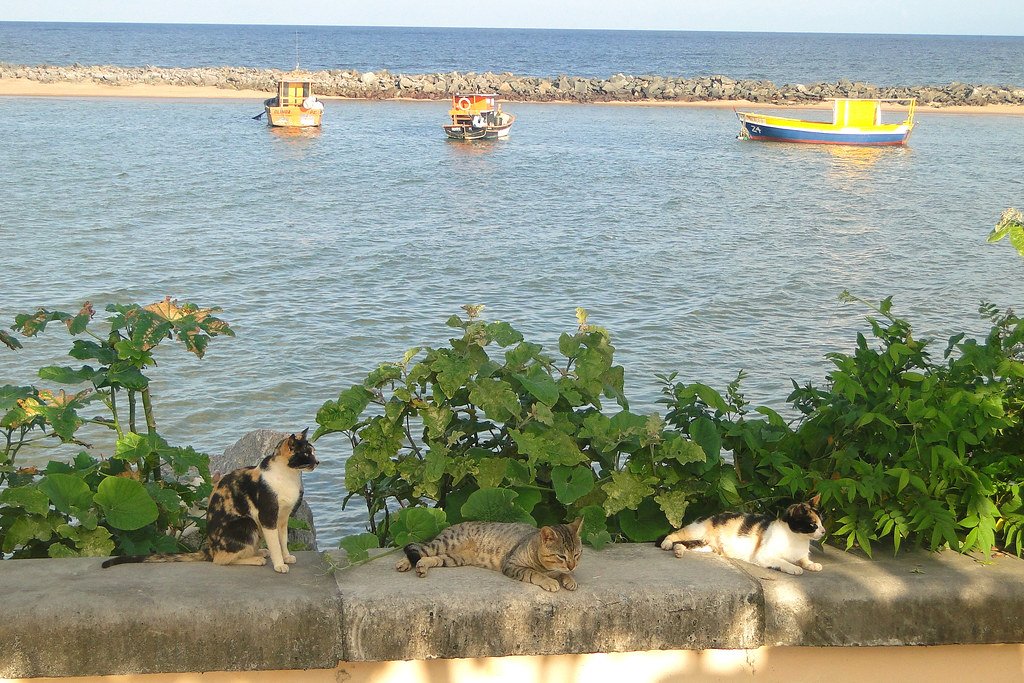
Erosion is more than an environmental issue—it’s an economic one, too. Tourism, a major source of income for Recife, depends on beautiful beaches and safe, accessible waterfronts. As the sea claims more land, hotels, restaurants, and businesses feel the pinch. Repairing roads, buildings, and seawalls costs millions each year. The city faces tough choices about where to invest limited resources for the greatest impact.
Biodiversity Under Threat
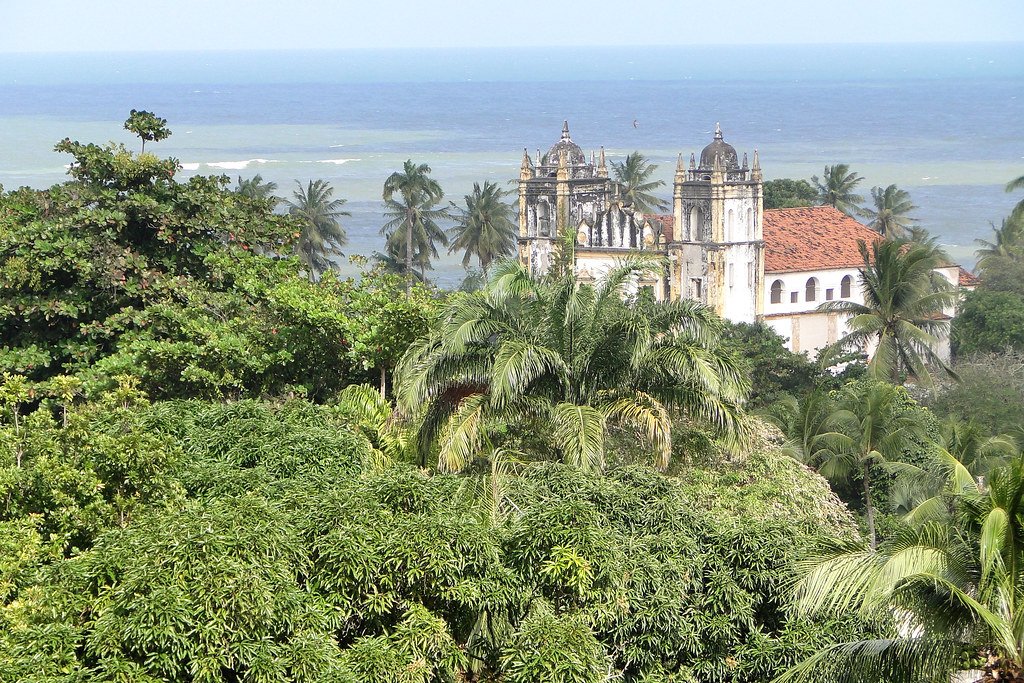
Recife’s coastal ecosystems are teeming with life, from colorful fish and crabs to rare birds in the mangroves. Erosion and rising seas threaten these habitats, disrupting food chains and pushing some species to the brink. When beaches disappear and mangroves are lost, so too is the web of life they support. Protecting biodiversity isn’t just about saving animals—it’s about preserving a way of life for future generations.
Education and Raising Awareness
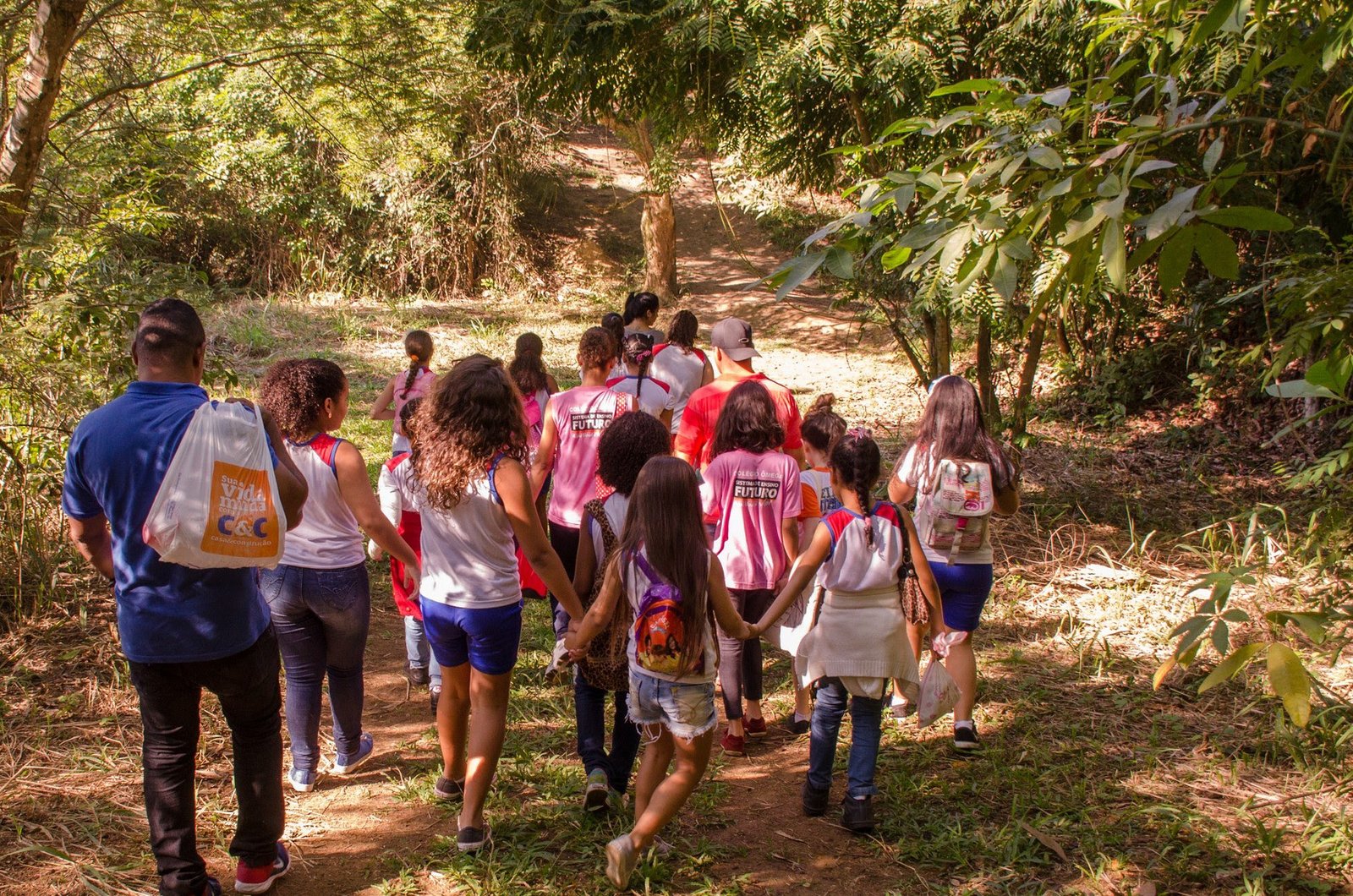
One of the most powerful tools Recife has is knowledge. Schools, museums, and community groups are working to educate people about the risks of coastal erosion and the importance of conservation. Field trips to threatened beaches, workshops on mangrove planting, and public art projects are sparking conversations and inspiring action. When people understand what’s at stake, they’re more likely to fight for their city’s future.
Global Connections: Recife Isn’t Alone
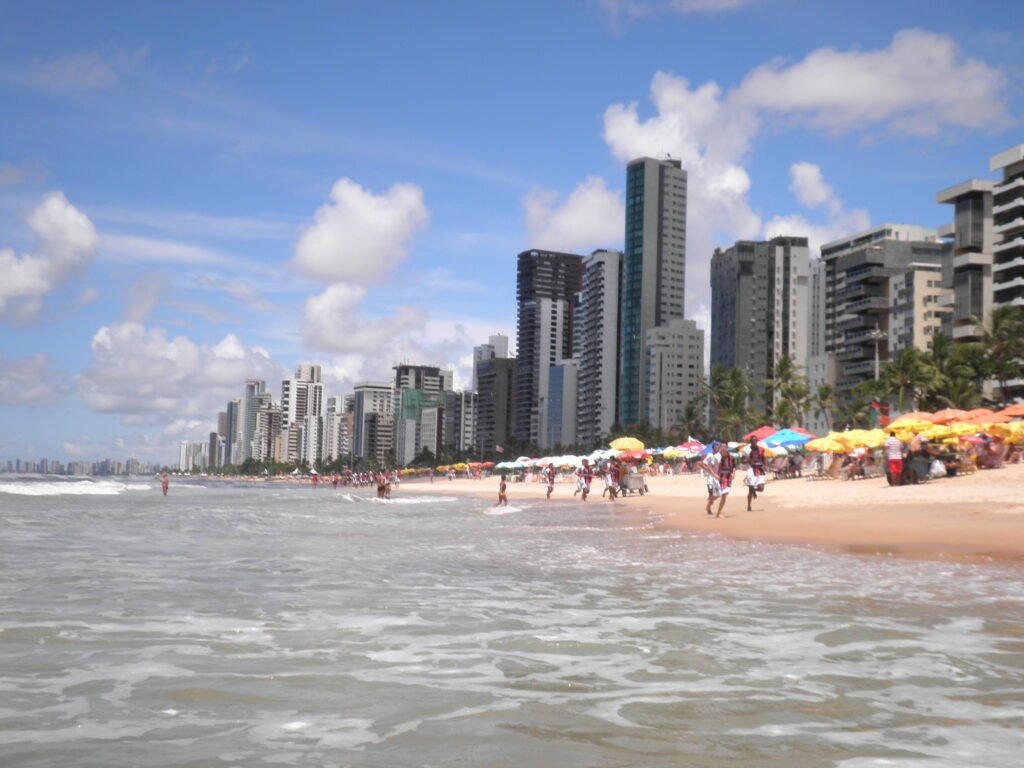
While Recife’s story is unique, it’s also part of a global crisis. From Miami to Manila, coastal cities everywhere are grappling with rising seas. Scientists and policymakers are sharing ideas, comparing notes, and learning from each other’s successes and failures. Recife’s challenges—and its creative solutions—could become a model for other cities facing similar threats.
Technology and Innovation
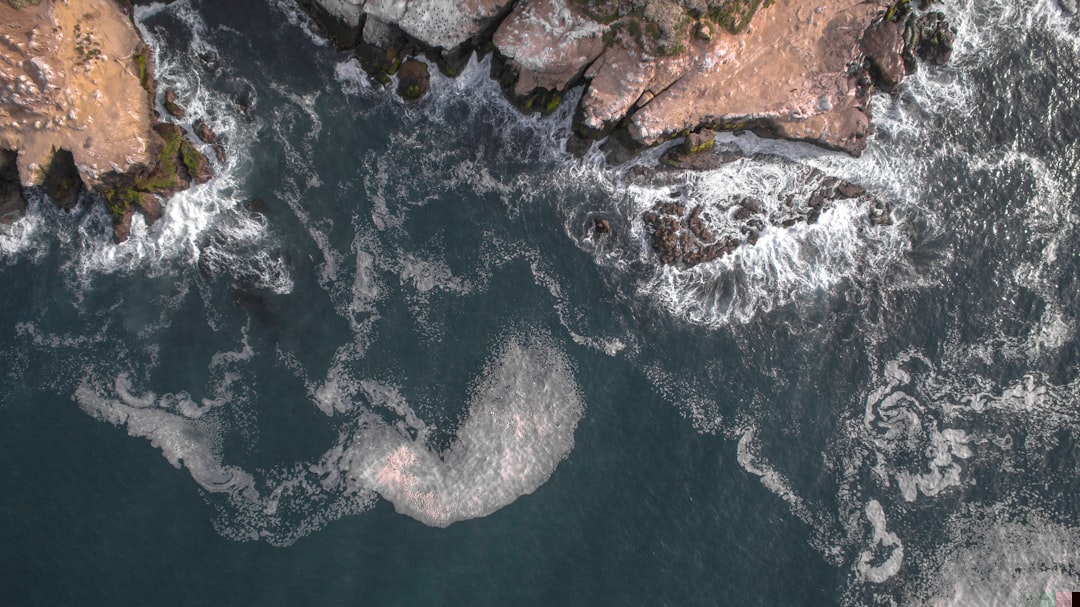
New technologies are changing the game for Recife. Drones, sensors, and computer models help scientists predict how the coastline will change in the coming years. Innovative projects, like floating parks and “living shorelines,” blend engineering with ecology. These forward-thinking approaches offer hope that people and nature can coexist, even as the seas rise.
Climate Change: The Bigger Picture
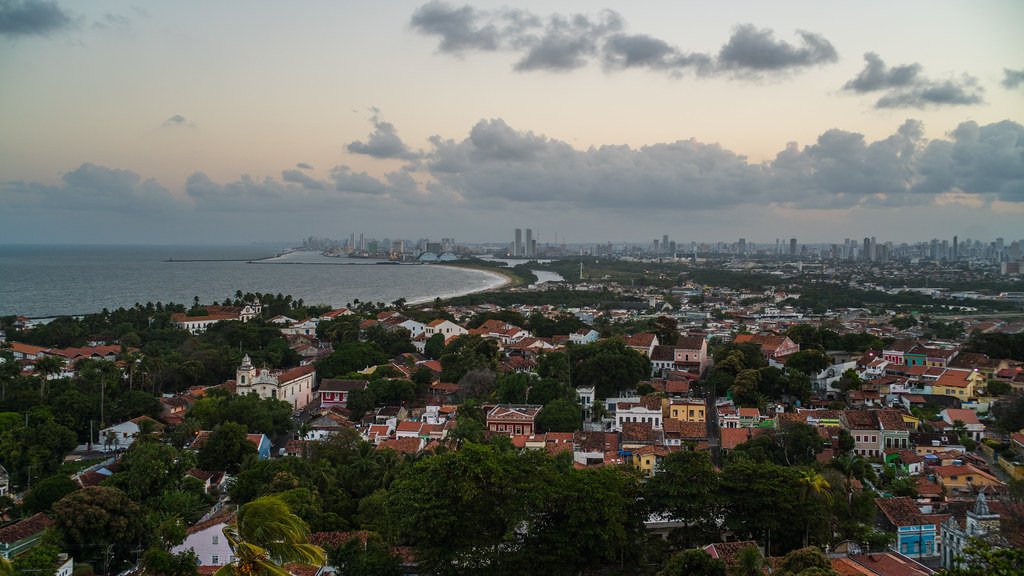
At its core, Recife’s struggle against rising seas is a story about climate change. The city’s fate is tied to global decisions about fossil fuels, carbon emissions, and environmental stewardship. Every ton of CO2 saved, every mangrove planted, and every conversation about adaptation matters. Recife stands as a vivid reminder that the impacts of climate change aren’t far-off—they’re happening right now, in real places, to real people.
Personal Stories: Life on the Front Lines
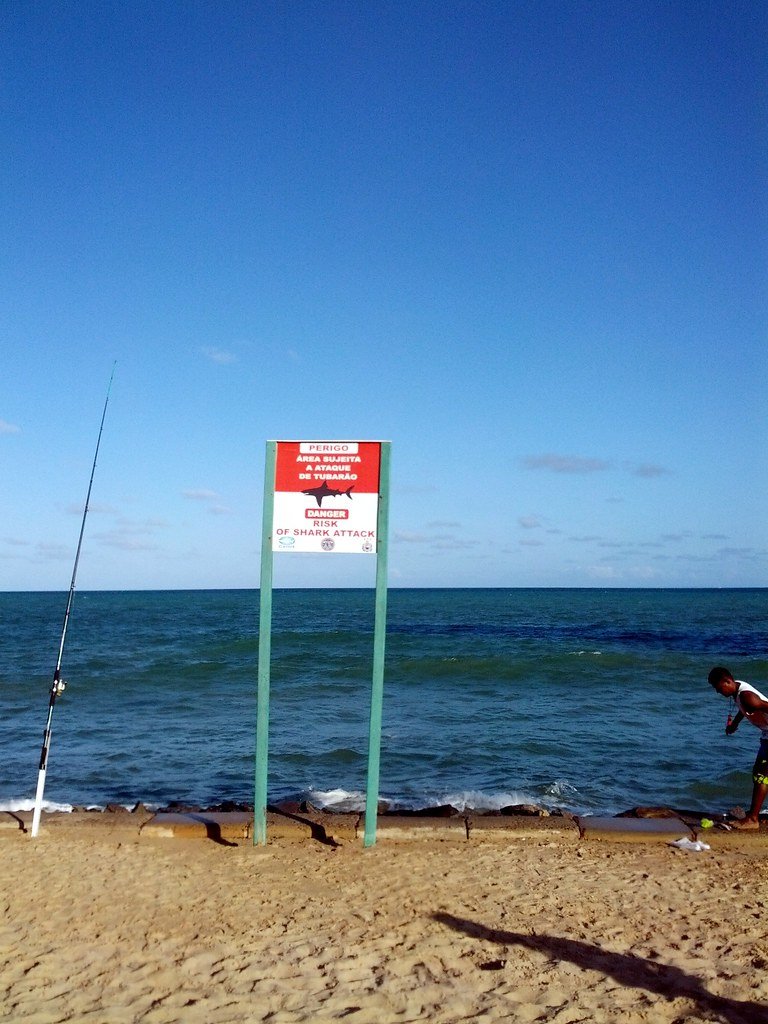
Behind every statistic is a person with a story. Take Dona Maria, who’s watched the beach outside her home shrink year after year, or João, a young surfer whose favorite break has disappeared beneath the waves. Their resilience and determination echo across Recife. These are stories of loss, but also of hope, ingenuity, and a deep-rooted love for the sea.
Looking to the Future
As Recife faces the future, the city stands at a crossroads. The choices made today—about development, conservation, and community—will shape the coastline for generations. The lessons hidden in ancient shorelines remind us that change is inevitable, but the way we respond is up to us. The waves will keep coming, but so will the people of Recife, determined to adapt, protect, and thrive.