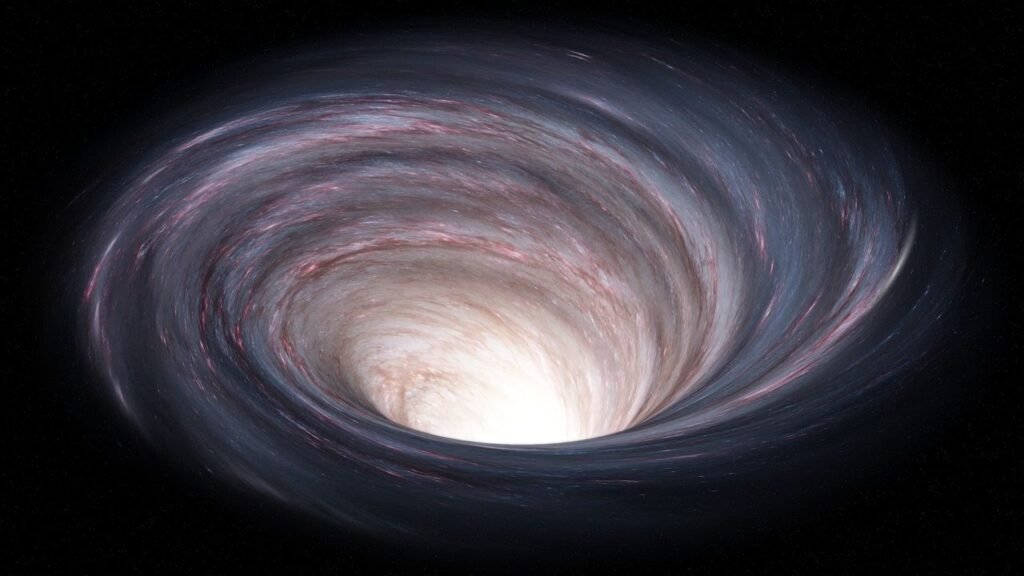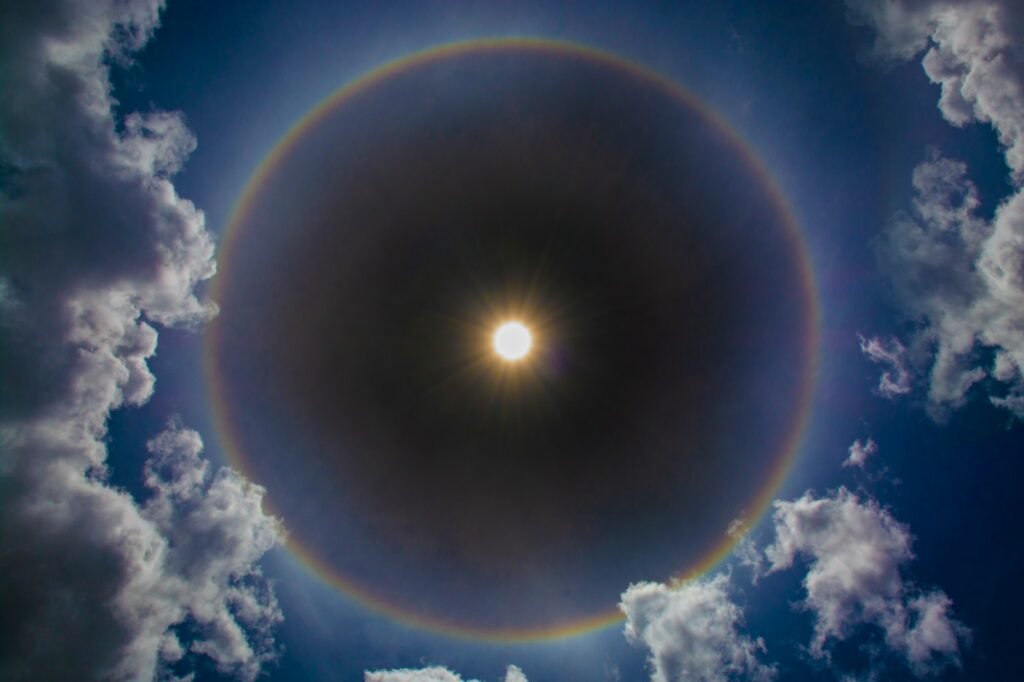

Hawaii’s skies have been putting on a show, and it’s not just the postcard rainbows everyone expects. In recent days, residents and visitors have shared photos of strange arcs, ghostly glows, and fleeting waves of light that look almost unreal. The scenes feel like something from a science fiction film, yet they’re powered by very real physics shaped by the islands’ unique winds, mountains, and ocean air. This is a story of the familiar turned extraordinary: sunlight and moonlight filtered through ice, mist, and motion to paint the sky in brief, breathtaking strokes. The mystery is not whether the phenomena are real – it’s why they appear here so often, and what they quietly reveal about a changing atmosphere.
The Hidden Clues
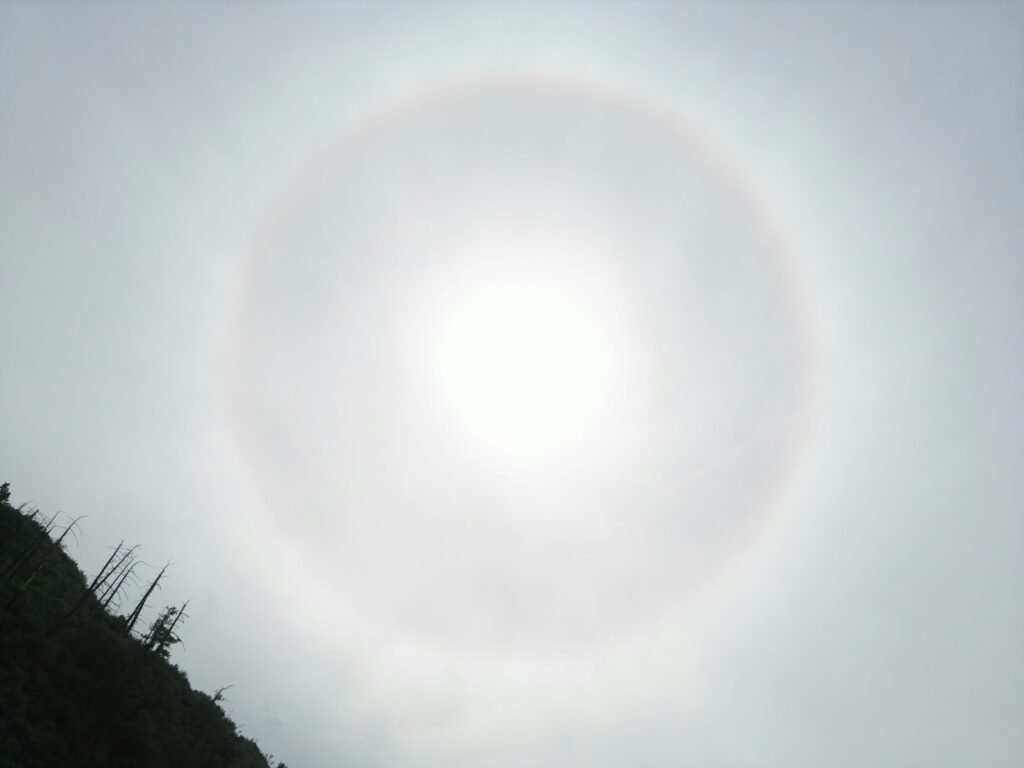
What if the strangest lights in Hawaii’s sky aren’t rare at all – but rarely noticed? Many of the week’s most talked-about displays were classic optical effects hiding in plain sight, only visible if you look at the right angle or for a few seconds longer than usual. Green flashes winked at sunset when warm air stacked like glass over the ocean rim, splitting sunlight into colors and tossing the emerald shard into view for a heartbeat.
Faint lunar crowns circled the moon as thin veils of cloud scattered light into delicate rings that looked hand-drawn. Even low, chalky rain shafts turned prisms when sunbeams sliced through gaps in the trade-wind deck, throwing pastel segments across the horizon. I’ve learned to treat these moments like tide pools in the sky – tiny windows that, once seen, keep pulling you back for another look.
Sunlit Prisms Over the Pacific
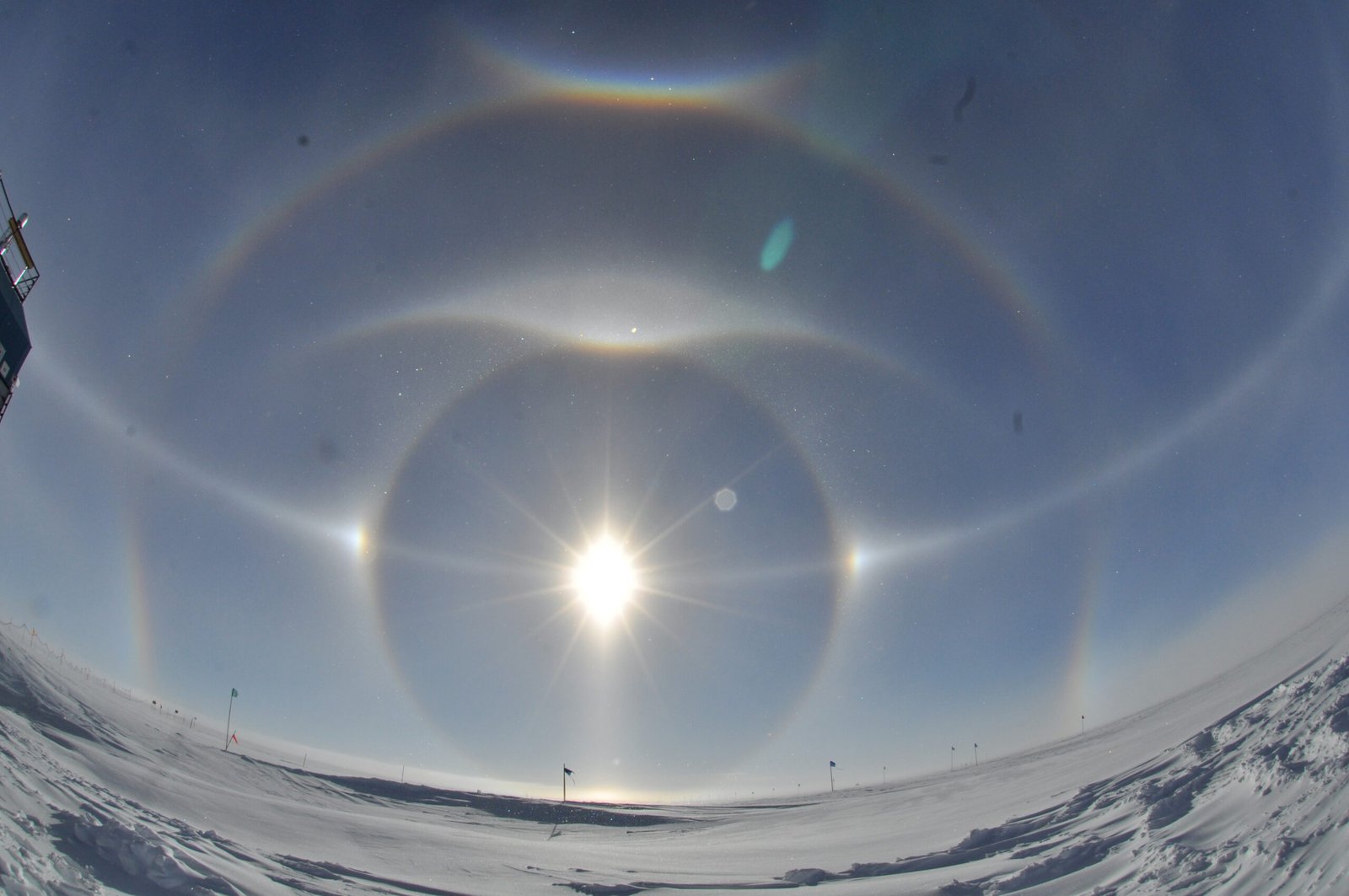
High above the islands, flat, plate-like ice crystals turn sunlight into geometry, and Hawaii’s latitude makes some of the flashiest patterns possible. Parhelia – those bright “sundogs” flanking the sun – often bookend a pale halo, while a circumzenithal arc can blaze overhead like an upside-down rainbow when the sun sits at just the right height. On hot-season afternoons, the sun climbs high enough that a circumhorizontal arc may appear, a ribbon so vivid it can be mistaken for spilled paint on the sky’s blue canvas. These arcs aren’t moisture rainbows; they’re refraction rainbows, with light bending through precise angles inside ice plates drifting in high, cold cirrus.
Because trade-wind inversions help keep tropical convection shallow, the upper sky stays clear enough for these thin crystal layers to sparkle instead of getting buried by towering clouds. The result feels like a slow-motion kaleidoscope, with physics as the choreographer.
Night Magic on the Volcano Slopes
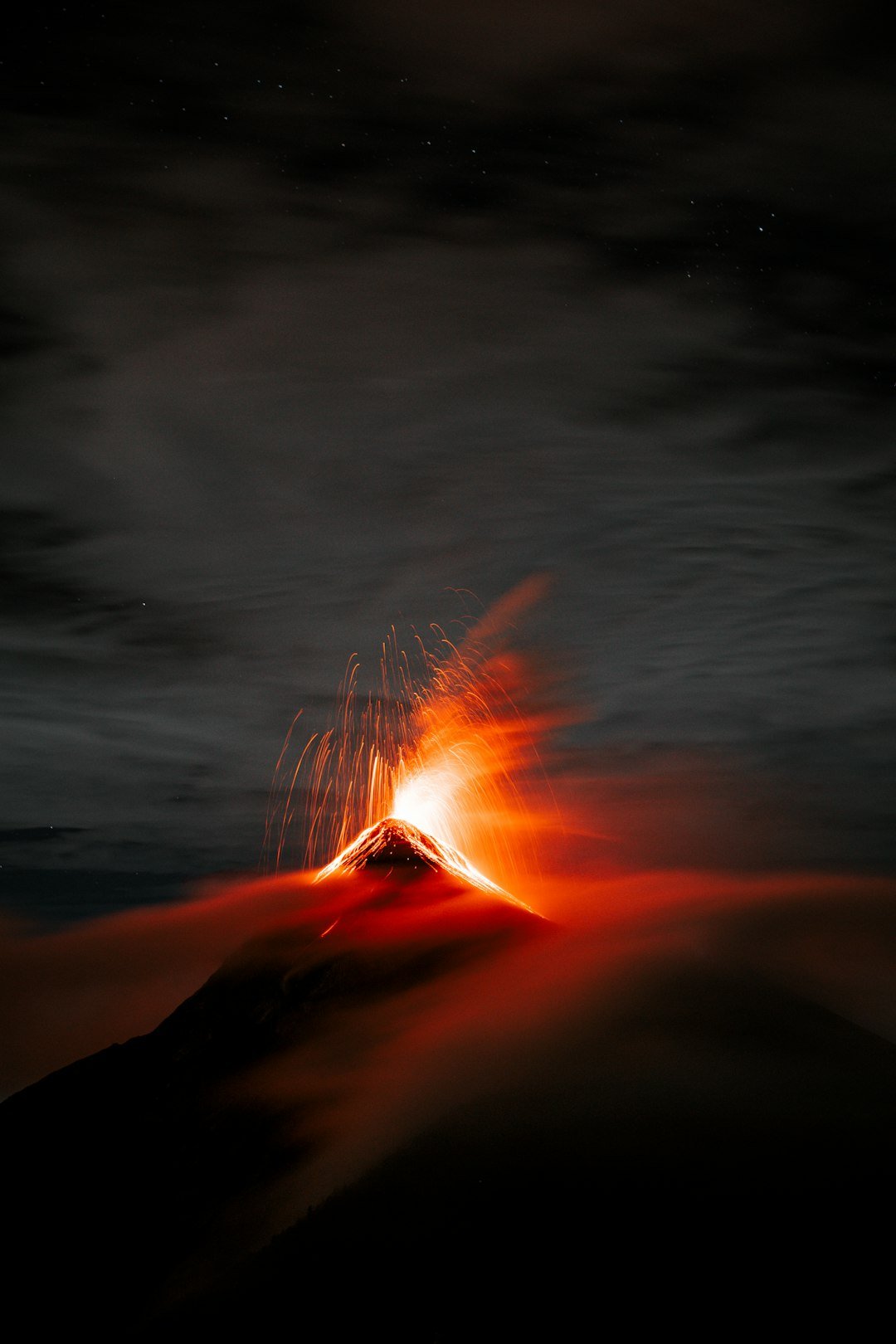
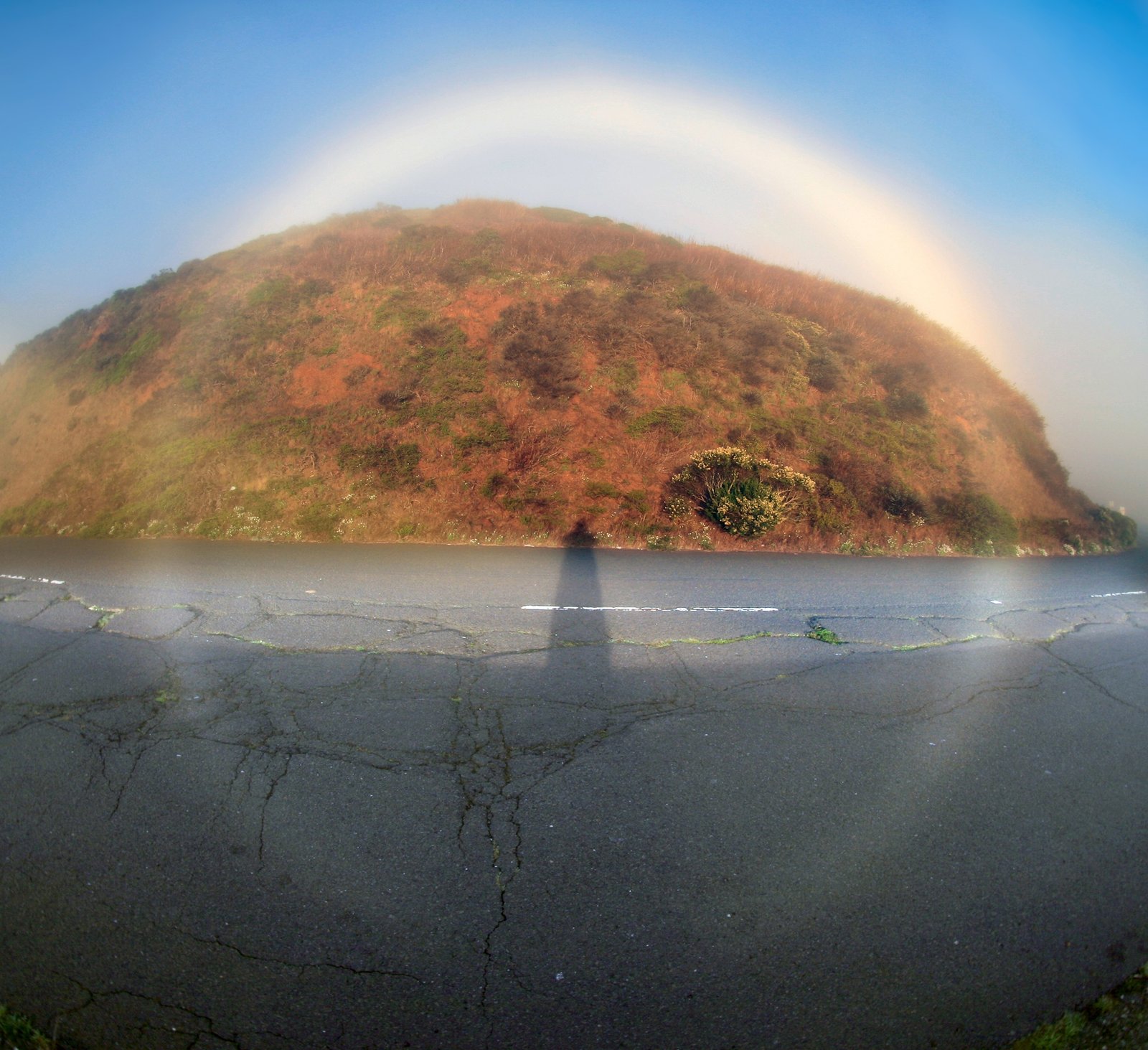
After sunset, the show changes character, and the dark helps the eye relax into subtler wonders. Moonbows form when moonlight, not sunlight, refracts through distant showers crossing the slopes of Maunakea or Haleakalā, a silver arc that can look almost metallic to the naked eye. Fogbows, wider and milkier than rainbows, bloom along crater rims and mountain roads when tiny droplets scatter light so thoroughly that colors melt into a ghostly white ring. Stand with your back to the moon on a misty ridge and a glory can encircle your shadow, a self-shaped halo that feels uncanny even after you know the optics.
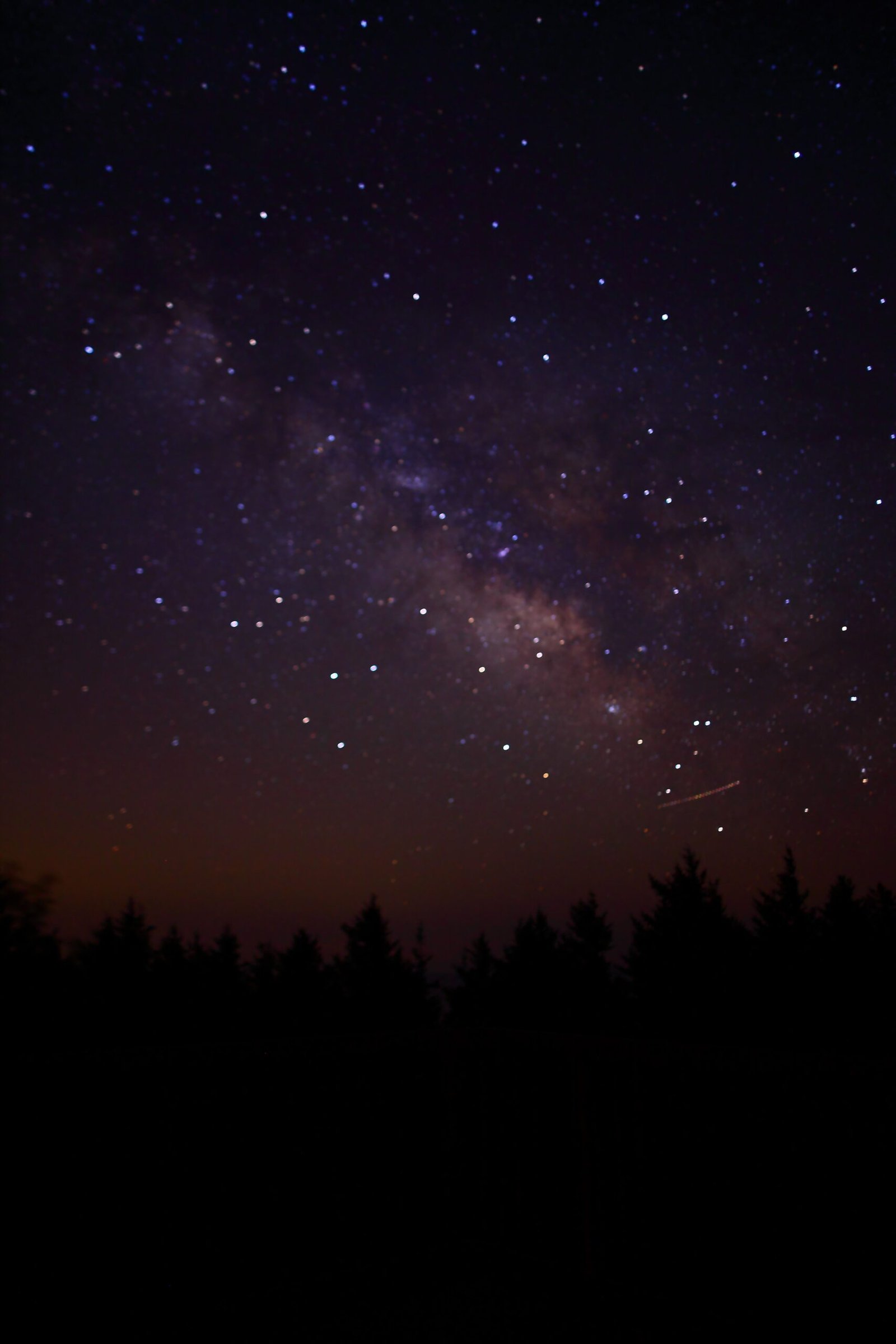
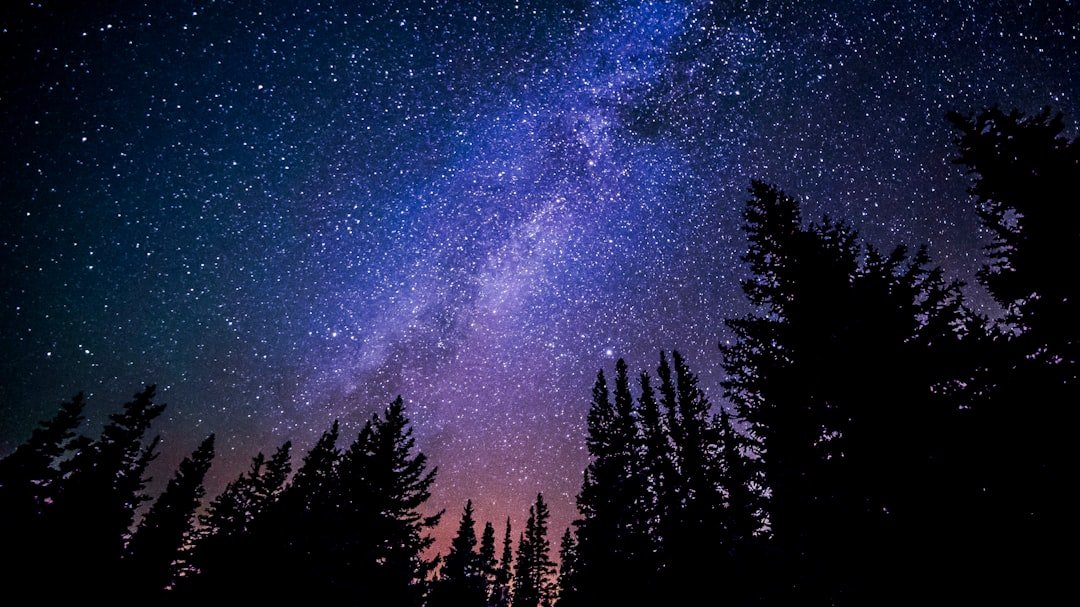
On especially clear nights, airglow ripples may shiver across the high atmosphere like faint surf lines, their greens and reds captured by long-exposure cameras, a reminder that the upper air is always moving. The islands’ limited light pollution in high places makes these delicate signals easier to see than in most of the modern world.
Waves in the Wind: Ruffles, Ripples, and Airglow
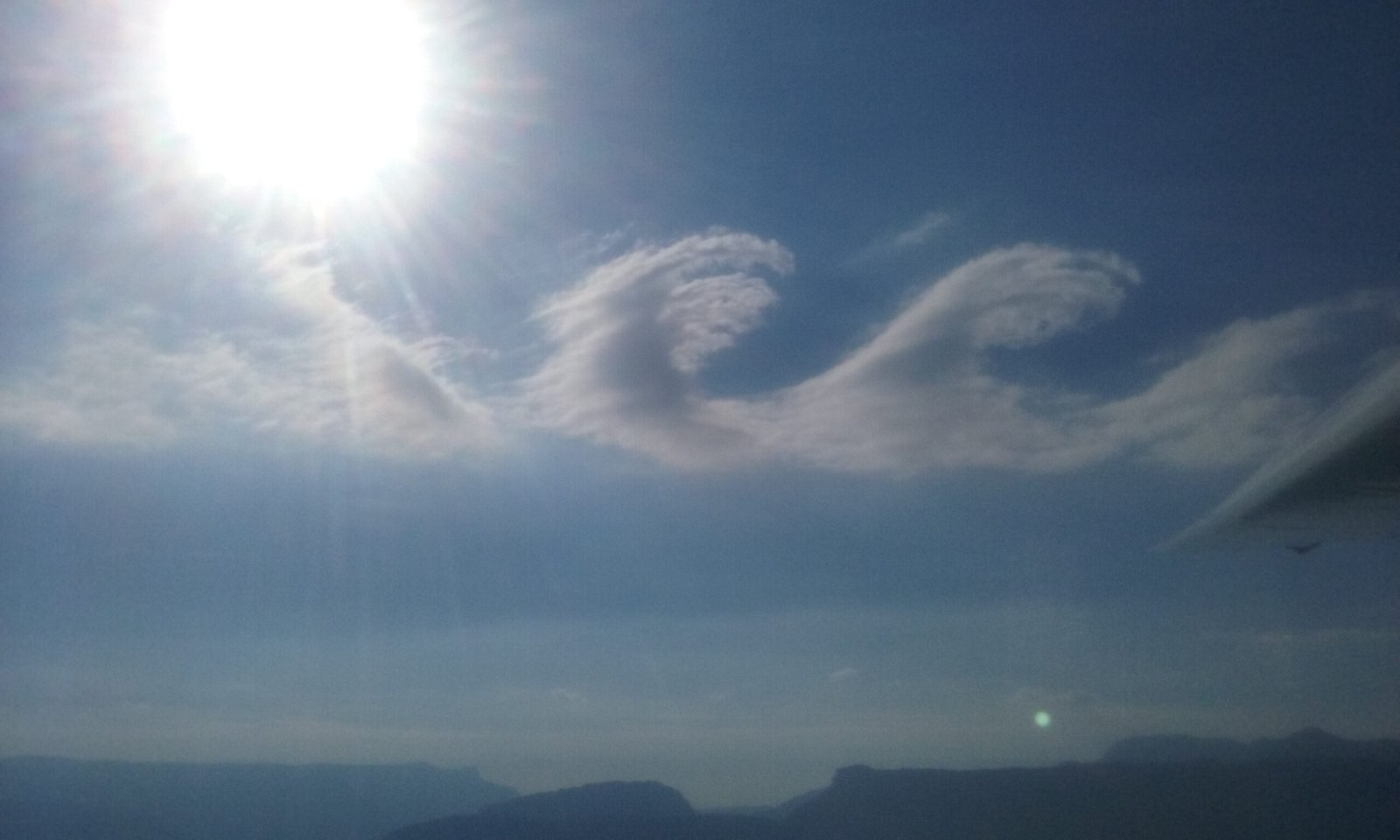
Some sky patterns are sketches of the wind itself, drawn where layers of air slide past each other. Along the trade-wind inversion, sharp shear can sculpt Kelvin–Helmholtz waves – cresting, scroll-like clouds that resemble ocean breakers frozen mid-topple. Lenticular clouds sometimes hover downwind of the volcanoes like smooth, stacked disks, born where airflow surges and rebounds over the mountains in standing waves.
Those same mountain waves can extend high into the upper atmosphere, where they modulate faint airglow, creating ripple trains that march across the stars. On rare, clear nights, cameras on the summits catch these ripples drifting faster than any cloud, too high to be part of the weather you feel but very much part of the weather above. It’s a stratified orchestra: low-level trades humming, middle-air waves beating time, and the upper atmosphere softly ringing in response.
Why It Matters
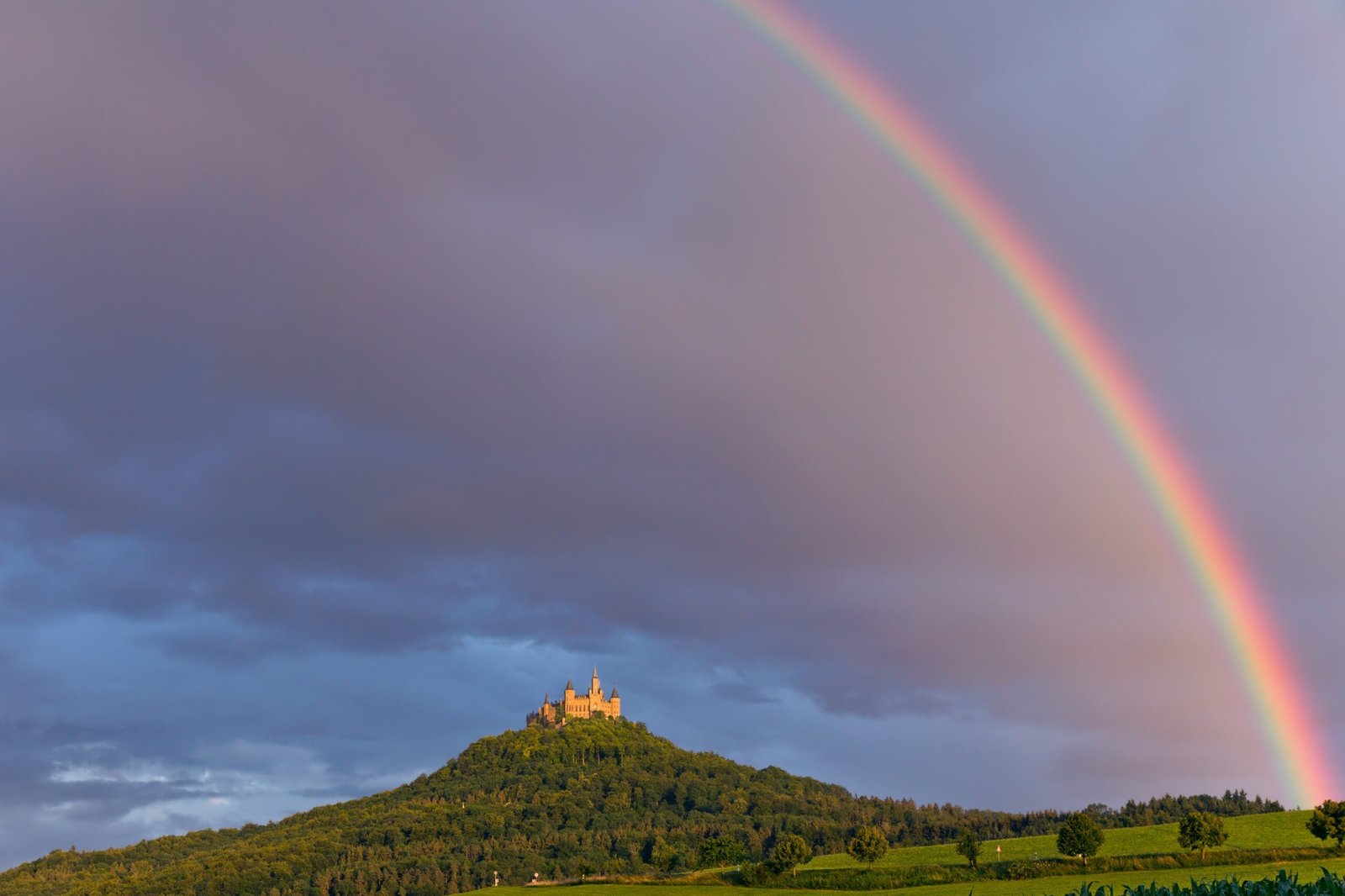
These spectacles are more than pretty; they’re diagnostics for an atmosphere in motion, pointing to humidity layers, wind shear, and aerosol loads that instruments also track. Halos hint at thin cirrus and ice crystal shapes that influence how much heat escapes to space, while mirage-friendly inversions say something about heat near the surface. Moonbows and fogbows speak to droplet sizes and clean air, which is crucial for both human health and ecosystem resilience.
Gravity-wave patterns flag energy moving upward from mountains and storms, affecting turbulence for aviation and the distribution of momentum in the upper air. Even the famed green flash is a tiny barometer of temperature gradients stacked above a warm ocean at day’s end. Seen together, these signals help link the small-scale beauty we notice at the beach to the big-picture climate we measure from satellites.
Global Perspectives
Hawaii’s mix of high peaks, stable inversions, and wide ocean horizons makes it a natural observatory, but the physics is portable and shows up worldwide. Cold, flat ice crystals produce sundogs over Arctic tundra just as surely as over tropical seas; mountain waves shimmer in Patagonia and the Alps as they do above Maunakea. Island chains from the Azores to the Canaries report mirages and green flashes where warm water meets sinking sun, proof that boundaries – between air layers and between day and night – breed spectacle.
Night-sky watchers from Namibia to New Zealand chase airglow and lunar halos under dark, dry air, mapping the same upper-atmospheric tides that drift past Hawaii. By comparing notes across latitudes, scientists tease apart what is local weather fingerprint and what is global atmospheric handwriting. The islands’ value lies in being both unique and universal, a laboratory that also doubles as a lighthouse.
The Future Landscape
Looking ahead, new tools could turn casual sky marvels into datasets that matter for forecasting and climate research. Smartphone photometry and low-light sensors are getting good enough to quantify halo brightness, airglow ripples, and moonbow arcs, especially when paired with timing and location metadata. Networks of all-sky cameras, already common at observatories, can be expanded to harbors and schools, capturing trade-wind wave clouds and inversion strength in near real time. Machine-learning classifiers trained on citizen images could flag unusual events – like rare circumhorizontal arcs or wave-induced ripples – and feed them to meteorologists as gentle alerts.
At the same time, shifts in aerosol loads from volcanic activity and long-range dust can change the canvas, altering how vibrant sunsets and halos appear. The likely outcome is a future where delightful sky-watching also quietly fills in gaps between balloons, radars, and satellites.
Conclusion
Turn sky-watching into a habit: keep a small log on your phone, note time, direction, and any odd arcs or ripples, and add a quick photo for context. Reduce local light pollution by shielding outdoor lights and choosing warmer bulbs, which makes lunar halos, airglow, and faint stars easier for everyone to see. Share observations with community science platforms that accept atmospheric optics or night-sky reports, and tag island locations so patterns can emerge over weeks and months. Follow daily discussions from local forecasters and observatories to learn when inversions, cirrus, or mountain waves might boost your chances.
If you’re on the water or a mountain road, build in a few minutes to pause at sunrise or sunset – the best shows often last less than the length of a song. Support dark-sky initiatives and school camera networks so the next surprising display is not only admired, but measured.
Suhail Ahmed is a passionate digital professional and nature enthusiast with over 8 years of experience in content strategy, SEO, web development, and digital operations. Alongside his freelance journey, Suhail actively contributes to nature and wildlife platforms like Discover Wildlife, where he channels his curiosity for the planet into engaging, educational storytelling.
With a strong background in managing digital ecosystems — from ecommerce stores and WordPress websites to social media and automation — Suhail merges technical precision with creative insight. His content reflects a rare balance: SEO-friendly yet deeply human, data-informed yet emotionally resonant.
Driven by a love for discovery and storytelling, Suhail believes in using digital platforms to amplify causes that matter — especially those protecting Earth’s biodiversity and inspiring sustainable living. Whether he’s managing online projects or crafting wildlife content, his goal remains the same: to inform, inspire, and leave a positive digital footprint.