
Neutrino Packs Unprecedented Punch (Image Credits: Upload.wikimedia.org)
Astronomers detected an unprecedented ultra-high-energy neutrino slamming into Earth in 2023, prompting physicists to propose it originated from the explosive demise of a primordial black hole.[1]
Neutrino Packs Unprecedented Punch
Researchers with the KM3NeT Collaboration recorded the particle carrying energy 100,000 times greater than the most powerful protons produced at the Large Hadron Collider.[1]
This neutrino stood out dramatically. The IceCube detector in Antarctica, a similar instrument, failed to register the event despite monitoring vast volumes of ice for cosmic particles. IceCube had never captured anything approaching even one-hundredth of this neutrino’s power.[1]
Such rarity fueled speculation. Physicists at the University of Massachusetts Amherst analyzed the data and linked it to theoretical models of black hole evaporation. The detection occurred amid ongoing searches for high-energy cosmic messengers that could reveal hidden universe processes.
Primordial Black Holes and Runaway Explosions
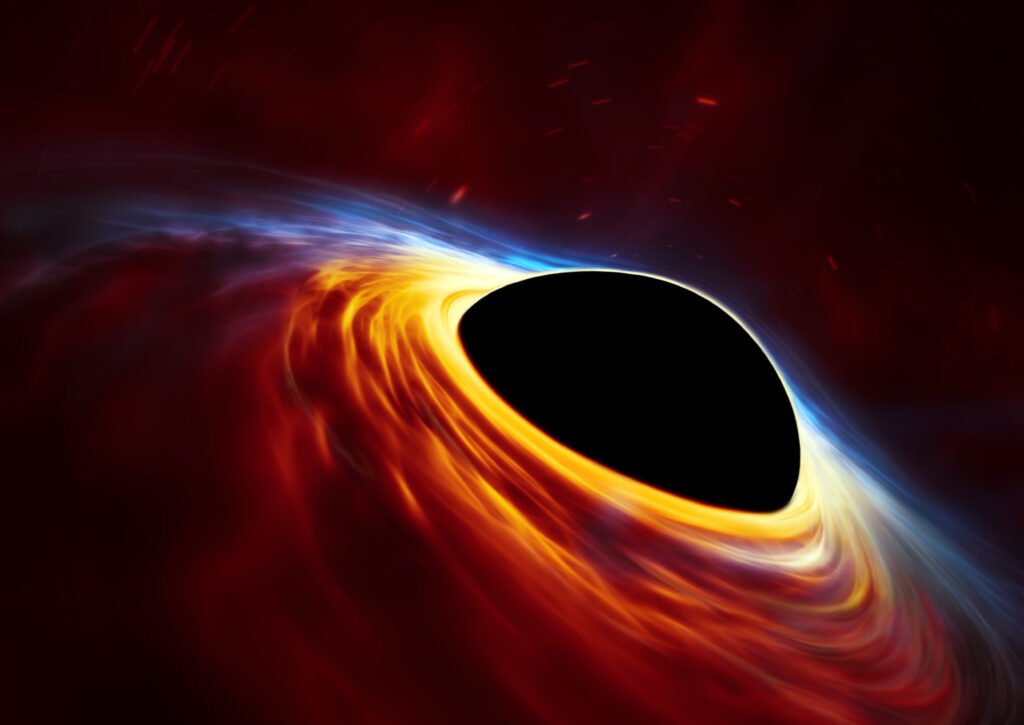
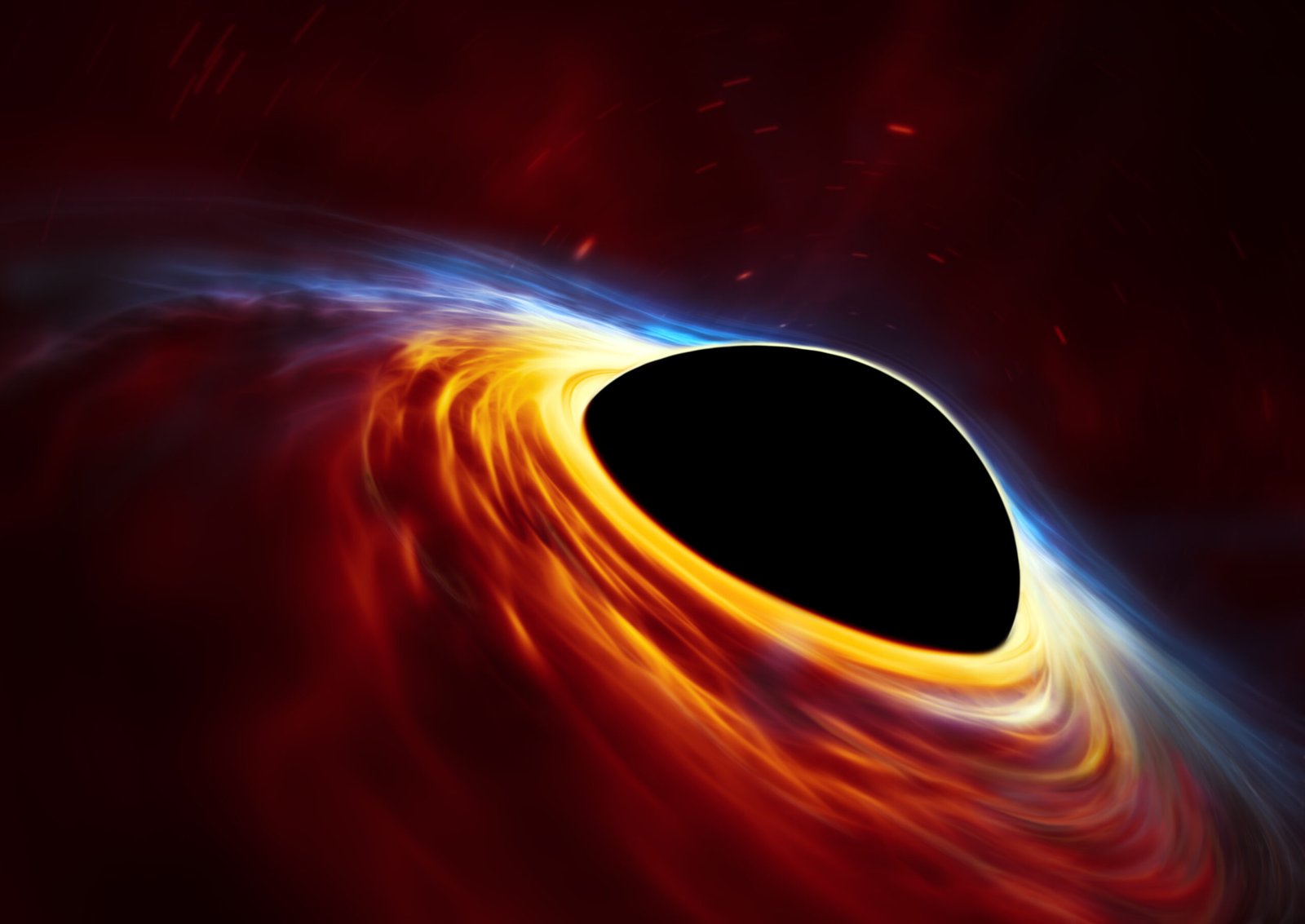
Physicists posit that primordial black holes, formed in the universe’s chaotic early moments, powered this neutrino through Hawking radiation.[1]
These tiny black holes lose mass over time by emitting particles. Lighter black holes heat up, accelerating the process into a runaway evaporation that culminates in explosion, according to Andrea Thamm of UMass Amherst. “The lighter a black hole is, the hotter it should be and the more particles it will emit,” she explained. “As primordial black holes evaporate, they become ever lighter, and so hotter, emitting even more radiation in a runaway process until explosion.”[1]
The team introduced “quasi-extremal” primordial black holes featuring a hypothetical “dark charge.” This charge, akin to a heavy dark electron, alters their behavior and matches the observed neutrino’s traits.
Linking Explosions to Dark Matter
The hypothesis extends to cosmology’s biggest puzzle: dark matter. Observations of galaxies and the cosmic microwave background indicate its presence, yet it remains undetected directly.[1]
A population of these charged black holes could account for all missing dark matter, researchers argue. Joaquim Iguaz Juan stated, “We think that primordial black holes with a ‘dark charge’ – what we call quasi-extremal primordial black holes – are the missing link.”[1]
Michael Baker added that simpler models fall short, but this complex one reconciles conflicting data from KM3NeT and IceCube. The theory also promises evidence for new particles beyond the Standard Model.
- Hawking radiation verification through explosion signatures
- Explanation for inconsistent neutrino detections
- Potential full accounting of dark matter via black hole populations
- Predictions of unique particle emissions from dark-charged holes
Expert Insights and Next Steps
The findings appeared in Physical Review Letters on December 18, 2025.[1]
Baker highlighted the breakthrough’s scope: “Observing the high-energy neutrino was an incredible event. It gave us a new window on the universe. But we could now be on the cusp of experimentally verifying Hawking radiation, obtaining evidence for both primordial black holes and new particles beyond the Standard Model, and explaining the mystery of dark matter.”[1]
Thamm emphasized the model’s distinct predictions. Future observations with upgraded detectors could confirm or refute the idea. Researchers anticipate more such events if quasi-extremal black holes abound.
Key Takeaways
- 2023 KM3NeT detection of record-energy neutrino defies prior observations.
- Quasi-extremal primordial black holes with dark charge offer unified explanation.
- Explosions could solve dark matter riddle and validate Hawking radiation.
This neutrino event challenges astronomers to rethink black hole endpoints and cosmic composition. As detectors grow more sensitive, the universe may soon yield more clues. What do you think about this theory? Tell us in the comments.