
Imagine stepping onto your city rooftop and plucking a juicy, tropical fruit straight from a leafy branch—one that once thrived deep in Malaysia’s ancient rainforests. In an age where concrete jungles threaten to disconnect us from our ecological roots, a new movement is sweeping across Malaysia’s cities: the cultivation of endemic edible plants in urban gardens. This isn’t just about growing food; it’s about rekindling relationships with wild flavors, reviving biodiversity, and transforming ordinary rooftops into lush, living sanctuaries. For science lovers, nature enthusiasts, and curious minds alike, the journey from rainforest to rooftop is filled with discoveries of taste, texture, and tradition.
The Magic of Endemic Edibles
Endemic edibles are plants native to a specific region—in this case, Malaysia’s rainforests—and are not naturally found elsewhere in the world. These species have evolved unique traits, adapting to Malaysia’s humid climate, monsoon rains, and rich soils over thousands of years. Their flavors and nutritional profiles are often unlike anything you’ll find in imported produce. By cultivating these plants on urban rooftops, gardeners not only enjoy rare ingredients but also support the preservation of unique local biodiversity. It’s a delicious way to keep centuries-old traditions alive, while introducing city dwellers to tastes that are deeply rooted in the land’s history.
Dabai: The Black Olive of Borneo
Dabai, or Canarium odontophyllum, sometimes called the “Sarawak olive,” is a fruit found exclusively in Malaysia’s Borneo region. Its glossy, jet-black skin encases a creamy, buttery flesh that’s both savory and subtly sweet—think of a cross between an avocado and an olive, with a touch of tropical flair. Traditionally, dabai is soaked in warm water to soften it before being tossed with soy sauce and sugar. Urban gardeners have discovered that dabai trees, with their moderate height and tolerance to partial shade, can thrive in large rooftop containers, bringing a taste of Borneo’s rainforests to metropolitan homes. Not only is dabai rich in antioxidants and healthy fats, but its cultivation also connects city dwellers with Borneo’s indigenous food heritage.
Bunga Kantan: The Torch Ginger That Lights Up Dishes
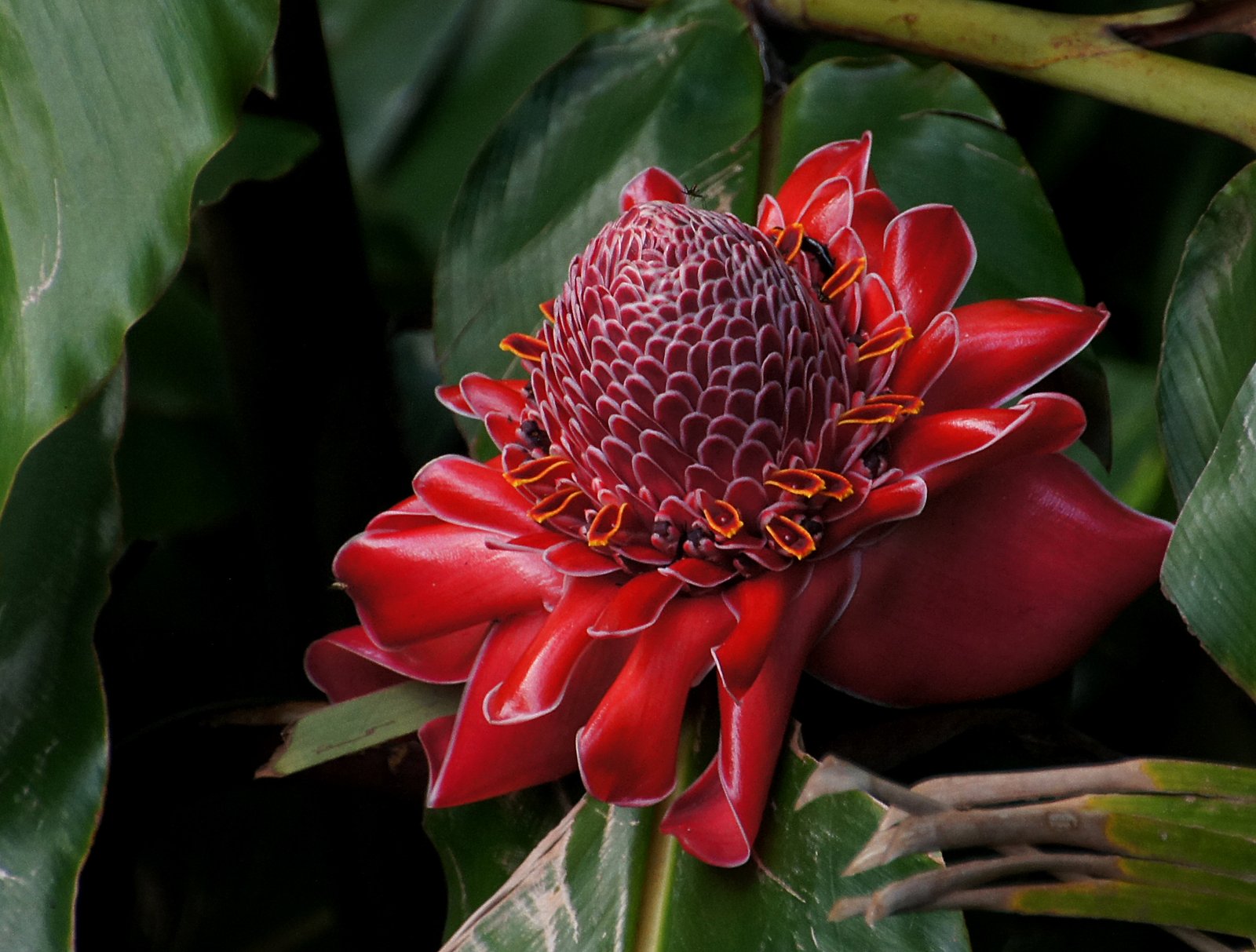
Bunga kantan (Etlingera elatior), also known as torch ginger, is a show-stopping plant both in the wild and on the rooftop. Its bright pink, torch-like flower buds are a staple in Malaysian cuisine, lending a sharp, citrusy aroma to dishes like asam laksa and nasi ulam. The plant’s dramatic blooms and lush foliage also make it a striking ornamental addition to urban gardens. Torch ginger thrives in well-draining containers and humid conditions, making it a natural fit for Malaysian rooftops. Beyond its culinary uses, bunga kantan supports local pollinators like butterflies and bees, weaving rooftop gardens into the urban ecosystem.
Pegaga: The Brain-Boosting Centella
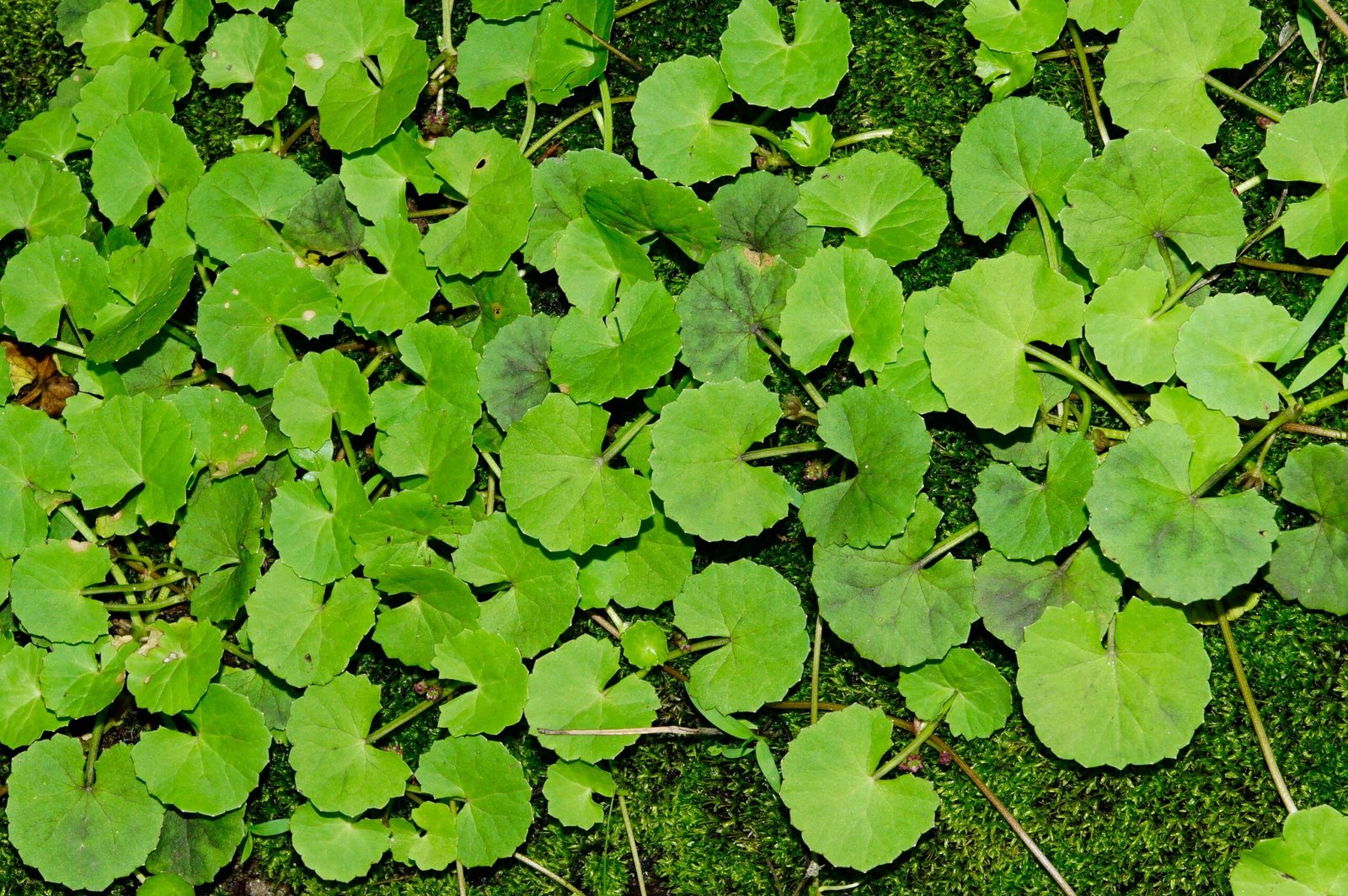
Pegaga, or Centella asiatica, is a low-growing herb with round, scalloped leaves that flourish across Southeast Asia’s forest floors. Revered in traditional medicine for its purported cognitive-boosting properties, pegaga is often eaten fresh in salads or blended into herbal drinks. Urban gardeners prize it for its hardiness—it grows happily in shallow containers and tolerates both sun and shade. Scientifically, pegaga contains compounds like asiaticoside and madecassoside, which have been studied for their anti-inflammatory and neuroprotective effects. Including pegaga in rooftop gardens not only brings a nutritional powerhouse to your plate but also celebrates a plant cherished by generations of Malaysians.
Ulam Raja: The King’s Salad Green
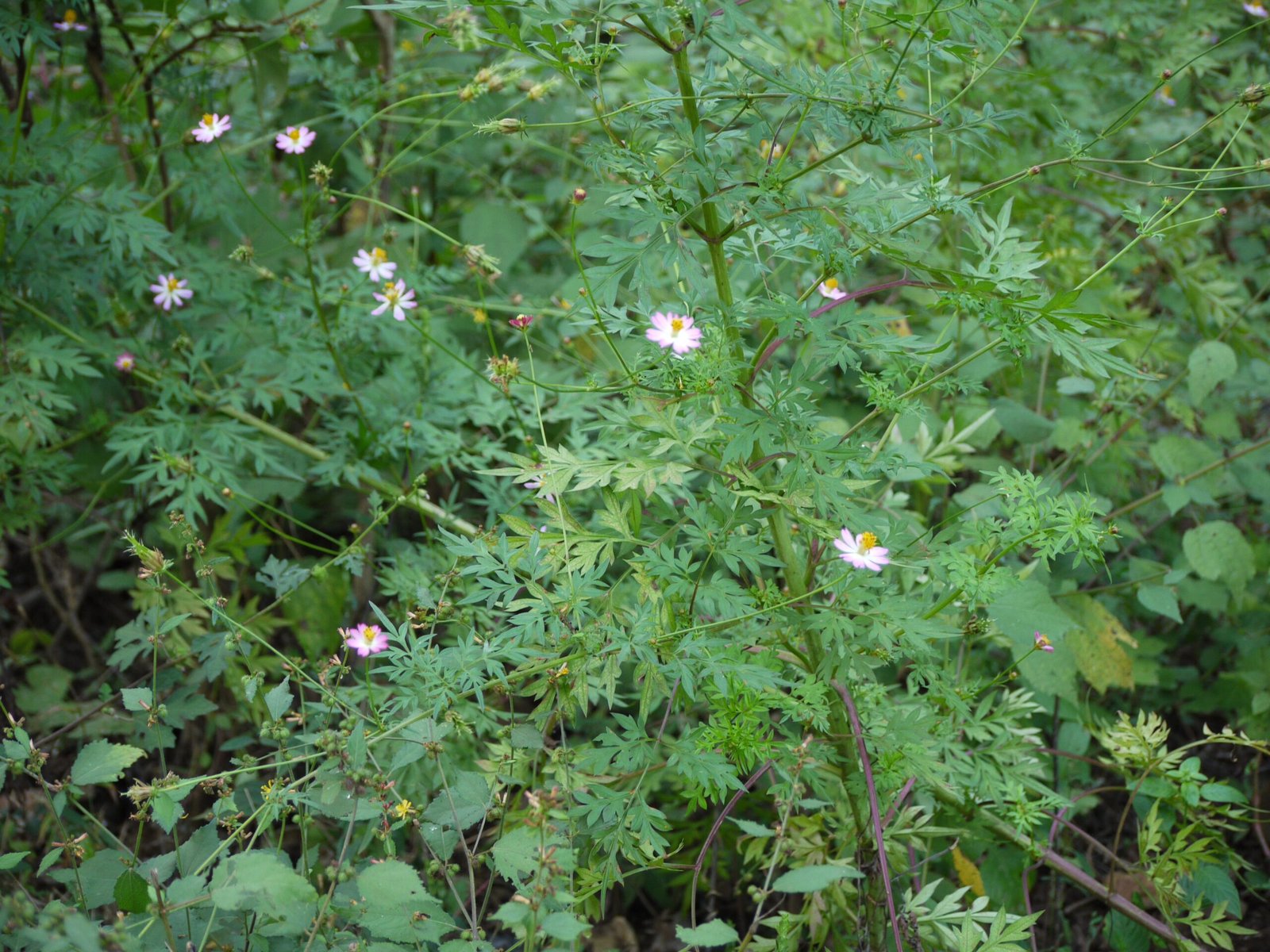
Ulam raja (Cosmos caudatus), sometimes called “King’s salad,” is a feathery, aromatic herb that adds a refreshing, slightly peppery bite to traditional Malay salads, or ulam. This fast-growing plant can be sown directly into pots or garden beds, needing little more than sunlight and regular watering. Ulam raja is packed with antioxidants, vitamin C, and minerals that support overall health. Its delicate leaves and vibrant purple stems make it as attractive as it is edible. Urban gardeners love how quickly ulam raja matures—often ready to harvest within weeks—making it a satisfying project for both beginners and seasoned green thumbs.
Kacip Fatimah: The Rainforest Remedy
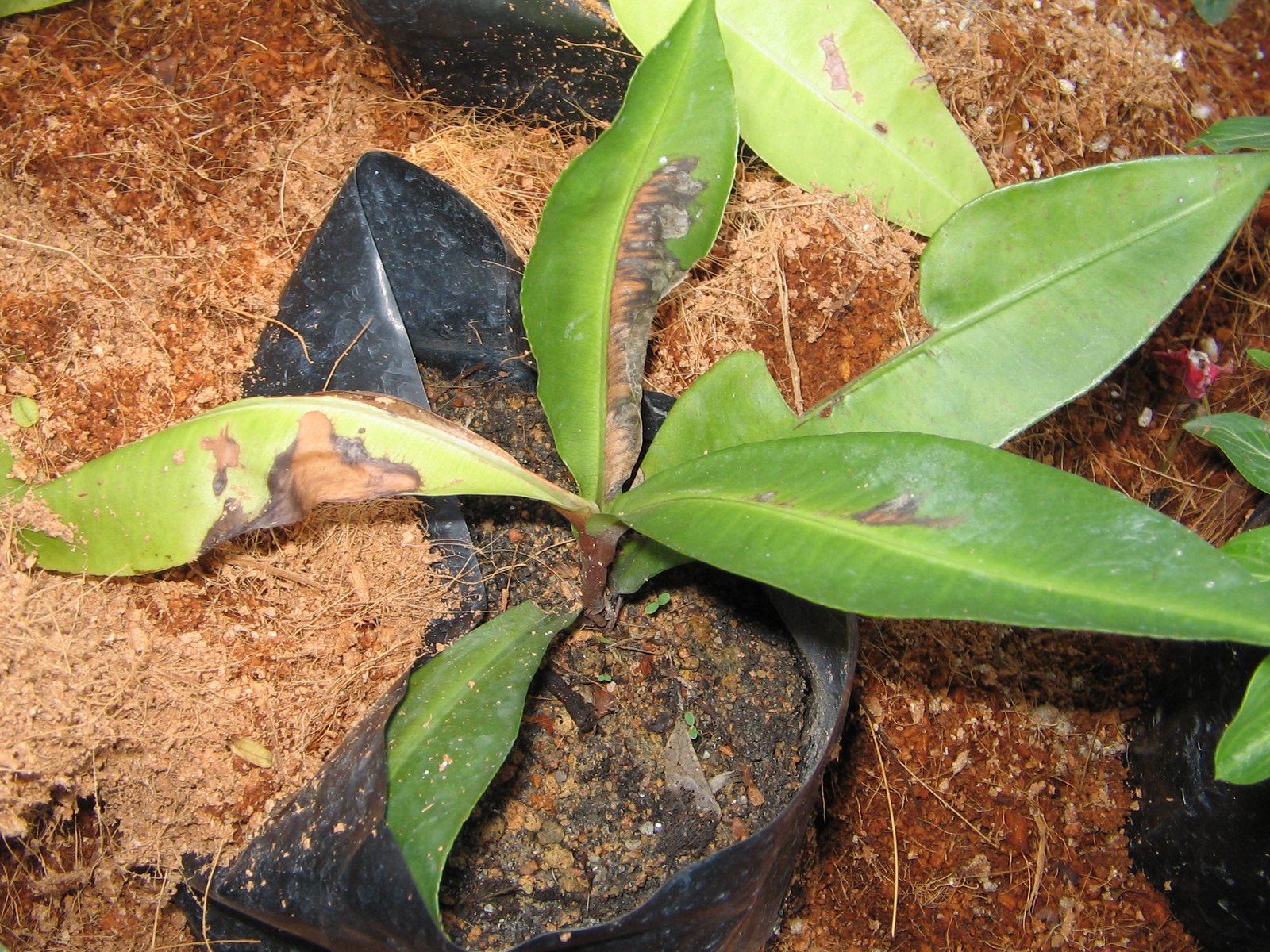
Kacip fatimah (Labisia pumila) is a shade-loving herb revered in Malaysian herbal traditions, especially among women. Its glossy leaves and small, delicate flowers make it a subtle yet beautiful addition to shaded rooftop corners. Traditionally, kacip fatimah is brewed into teas believed to support women’s health and hormonal balance. Growing this endemic herb at home ensures a steady, pesticide-free supply for personal use, all while helping preserve a plant that’s increasingly threatened by habitat loss. Its slow, steady growth mirrors the patience and care required to keep Malaysia’s botanical heritage alive in the heart of the city.
Belimbing Buluh: The Tangy Starfruit’s Wild Cousin
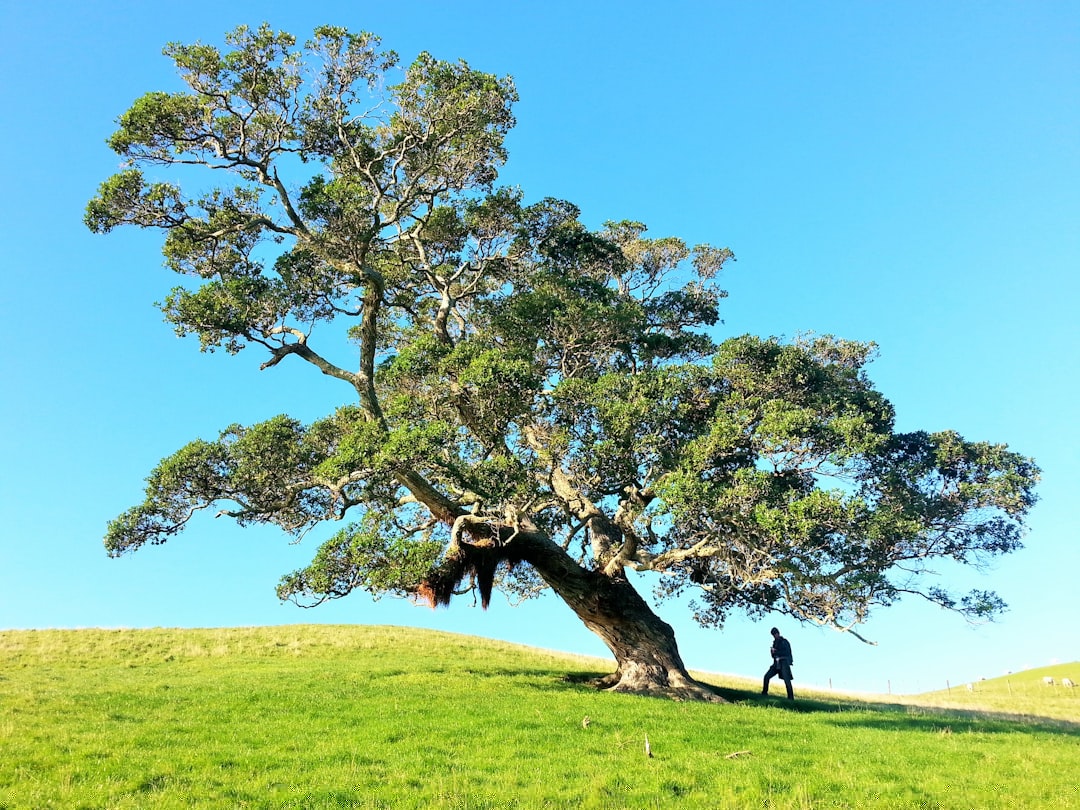
Belimbing buluh (Averrhoa bilimbi) is a small, cucumber-shaped fruit with a sour, crisp bite, often used to add tang to Malaysian curries and sambals. Unlike its star-shaped relative, belimbing buluh is less sweet but packs a punch when it comes to vitamin C and natural acidity. The tree’s compact size and resilience to urban heat make it suitable for rooftop cultivation in large pots. When the lime-green fruits dangle from the branches, they create a living chandelier effect, adding a touch of wild rainforest magic to city landscapes. Gardeners delight in using this endemic fruit to craft pickles, relishes, and refreshing drinks.
Daun Kesum: The Laksa Leaf Essential
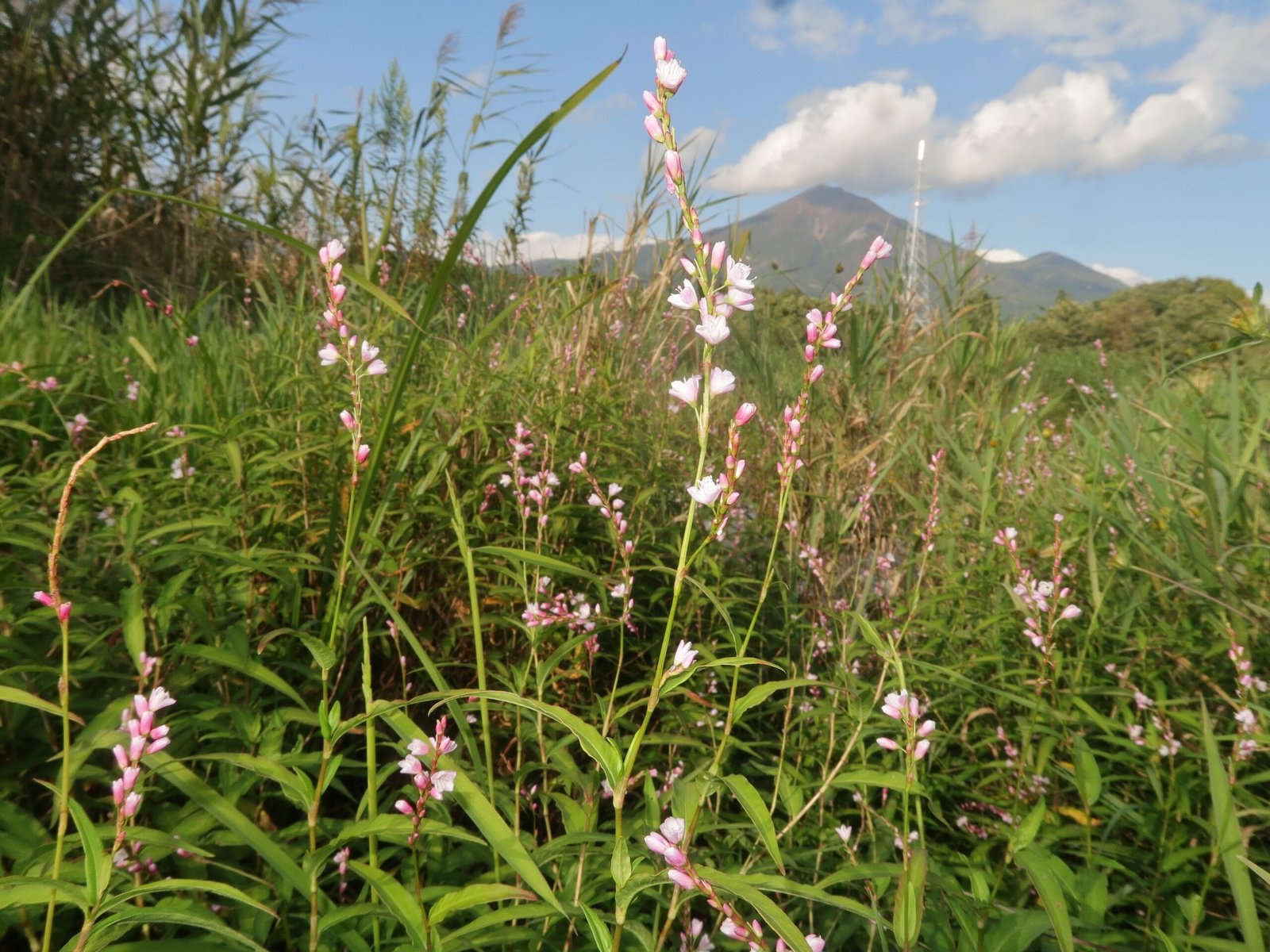
Daun kesum (Persicaria odorata), or Vietnamese coriander, is a must-have herb for any Malaysian kitchen, especially for making iconic dishes like asam laksa. Its pointed, glossy leaves emit a unique, citrusy aroma that instantly transports anyone to the bustling food markets of Penang or Kuala Lumpur. This tropical herb grows quickly in both soil and water, making it ideal for hydroponic rooftop setups. Daun kesum is rich in essential oils and antioxidants, supporting both culinary and health pursuits. By cultivating daun kesum, urban gardeners ensure a fresh, continuous supply of this rainforest herb that commercial markets often overlook.
Petai: The Love-It-or-Hate-It “Stink Bean”
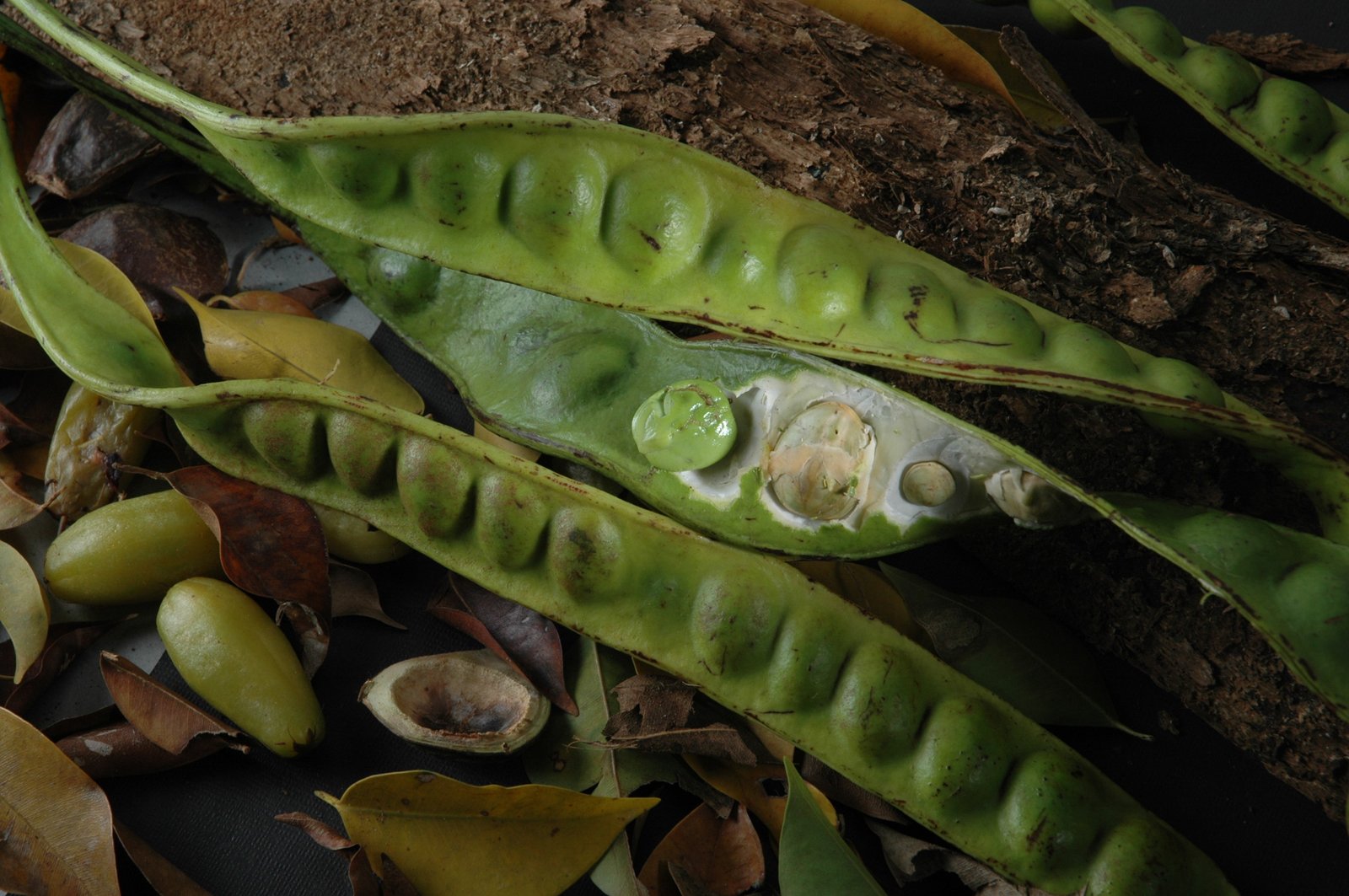
Petai (Parkia speciosa), nicknamed the “stink bean,” is a bold-flavored legume famous for its pungent aroma and crunchy texture. While its smell divides opinions, its nutritional benefits are undisputed—petai is high in protein, fiber, and micronutrients like iron and potassium. The tree itself can be grown in large containers and, with careful pruning, adapted to smaller rooftop spaces. For many Malaysians, eating petai stirs nostalgia for home-cooked meals and festive gatherings. Including this endemic edible in a rooftop garden is a statement of pride in Malaysia’s culinary diversity and a celebration of flavors that spark conversation.
Pandan: The Fragrant Green Jewel
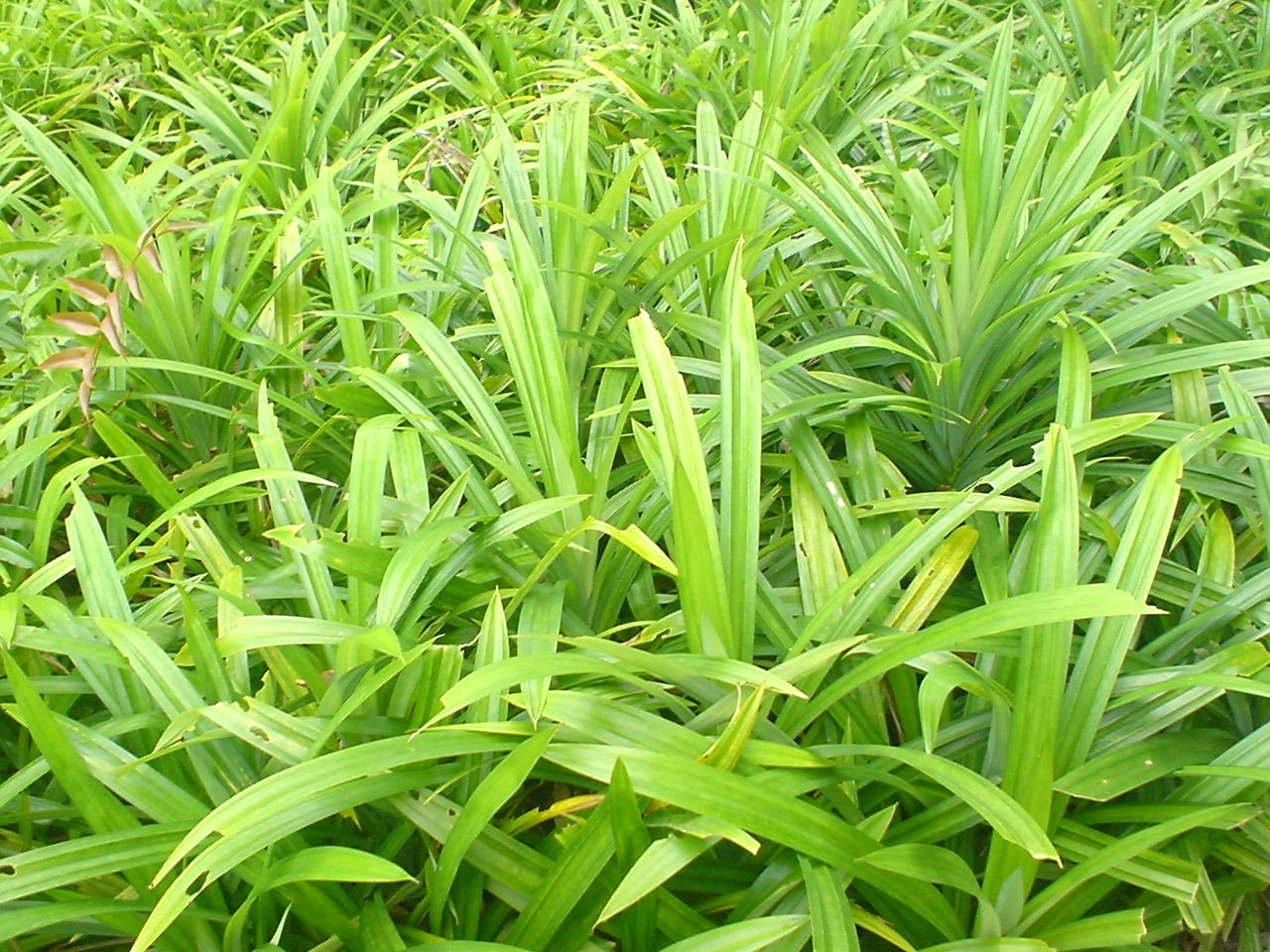
Pandan (Pandanus amaryllifolius) is a beloved plant in Malaysia, revered for its long, sword-shaped leaves that infuse desserts and drinks with a sweet, floral fragrance. Unlike many tropical plants, pandan grows happily in containers, forming dense clumps that offer both shade and aroma to urban gardens. The leaves are used to flavor rice, cakes, and even beverages, making pandan an indispensable rooftop crop. With minimal care, pandan thrives in the humid rooftop environment, rewarding gardeners with a steady supply of this versatile, endemic flavoring. Its lush greenery also helps cool down rooftop spaces, making them more welcoming on hot afternoons.
Jantung Pisang: Heart of the Banana Plant
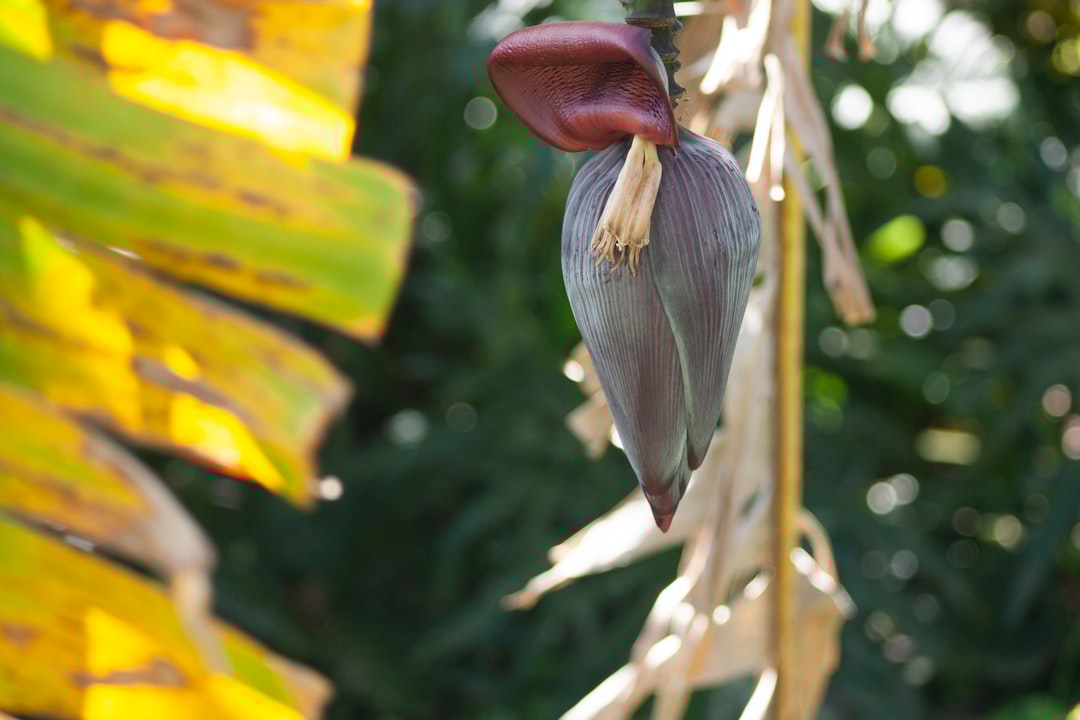
Jantung pisang, or banana blossom, is the bright purple, teardrop-shaped flower found at the end of a banana cluster. Often overlooked, this edible flower is packed with fiber, vitamins, and plant-based proteins, making it a nutritious addition to salads and curries. While banana trees may seem too large for rooftops, dwarf varieties have made it possible to cultivate them in urban containers. The dramatic silhouette of the banana plant, coupled with its practical yield, transforms city rooftops into miniature food forests. Harvesting jantung pisang brings a sense of accomplishment and a direct link to the tropical abundance of Malaysia’s rainforests.
Bringing the Rainforest Home: Challenges and Triumphs
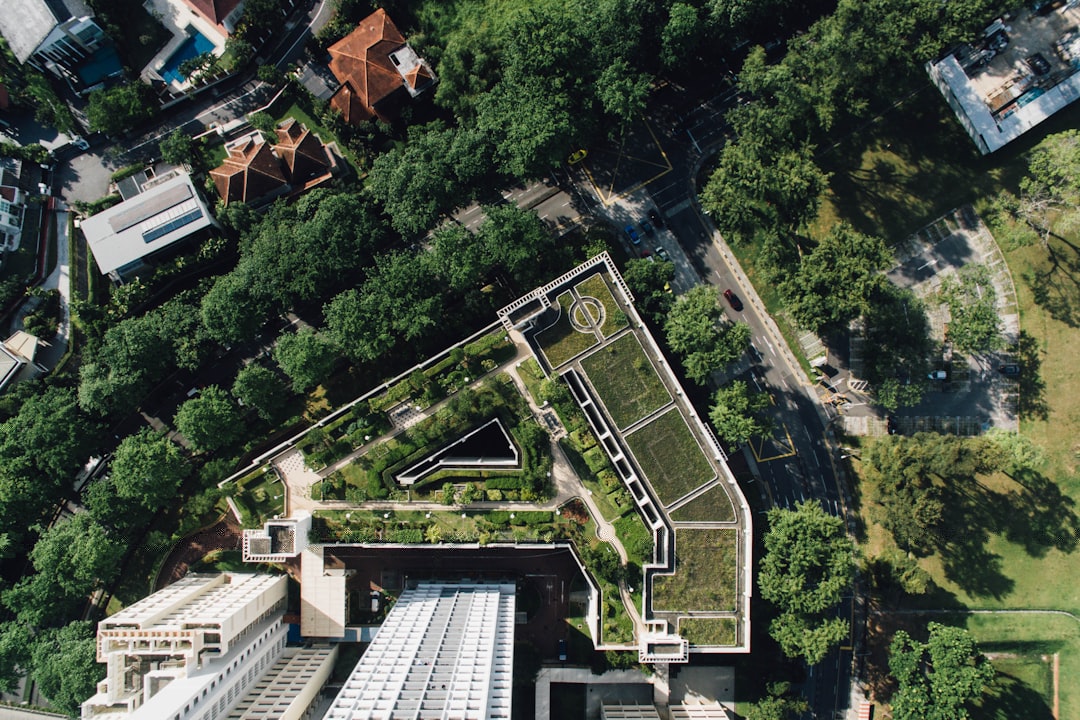
Turning rooftops into thriving gardens of endemic edibles is not without its hurdles. Urban growers must contend with limited space, unpredictable weather, and sometimes, a lack of gardening know-how. However, the rewards far outweigh the challenges. Modern innovations such as lightweight potting mixes, drip irrigation, and vertical gardening solutions make it easier than ever to nurture rainforest species above the city streets. Community workshops and online gardening groups have sprung up, sharing tips and seeds, and fostering a sense of shared purpose. Each successful harvest is a triumph—a small act of conservation, culture, and culinary adventure rolled into one.
Why Endemic Matters: The Heartbeat of Biodiversity
Cultivating endemic edibles isn’t just a gardening trend—it’s a crucial step toward preserving Malaysia’s botanical legacy. Many of these plants face threats in the wild, from deforestation to climate change. By growing them in urban environments, gardeners act as stewards, safeguarding rare genetics and traditional knowledge for future generations. These rooftop gardens can also serve as living classrooms, inspiring children and adults alike to marvel at the wonders of native plants. Every pot of pegaga or patch of ulam raja is a testament to the resilience and richness of Malaysia’s rainforests, echoing their heartbeat in the heart of the city.
The ancient flavors of Malaysia’s rainforests are finding new life on city rooftops, reviving biodiversity and reconnecting people with their botanical heritage. As more urban gardeners embrace endemic edibles, Malaysian cities are blossoming into vibrant mosaics of tradition, taste, and tropical wonder. Will your rooftop be the next to join this green revolution?