In late 2025, Russia revealed details about a nuclear-powered, autonomous underwater weapon known as Poseidon — a massive “supertorpedo” reportedly capable of evading defenses and striking targets across oceans with devastating force. The weapon, part of Moscow’s broader strategic nuclear modernization, has sparked intense debate among defense analysts, policymakers and arms-control experts about the future of naval warfare and global security.
Poseidon’s development reflects a shift in how major powers envision nuclear deterrence — moving beyond land-based missiles and bomber aircraft toward stealthy, hard-to-detect systems that can threaten coastal infrastructure anywhere in the world. With claims of unlimited range, deep-sea stealth and nuclear propulsion, the weapon challenges traditional defense frameworks and raises pressing questions about ethics, environmental risk and escalation in future conflicts.
A “Supertorpedo” Unlike Any Other
The Poseidon system, also known by its NATO reporting name Kanyon, is an unmanned underwater vehicle (UUV) that combines features of a torpedo, drone and autonomous weapon. Designed by Russia’s Rubin Design Bureau and under development for years, the roughly 20–24-meter long device is powered by a nuclear reactor, giving it an effective unlimited range and the ability to cruise silently through the deep ocean.
With speeds that reportedly reach up to 185 km/h (about 100+ knots) and the capacity to descend below 1,000 meters, Poseidon is intended to evade existing sonar and anti-submarine defenses — making detection and interception extremely difficult. In strategic terms, this capability positions it as a novel form of nuclear second-strike delivery, complicating both offensive planning and defense strategies.
Nuclear Punch — and Controversial Tsunami Claims
One of the most talked-about aspects of the Poseidon concept is its nuclear payload option. Analysts estimate that it could carry a warhead in the multi-megaton range, capable not only of obliterating military infrastructure but also of causing catastrophic damage to coastal cities and ports if detonated near shore.
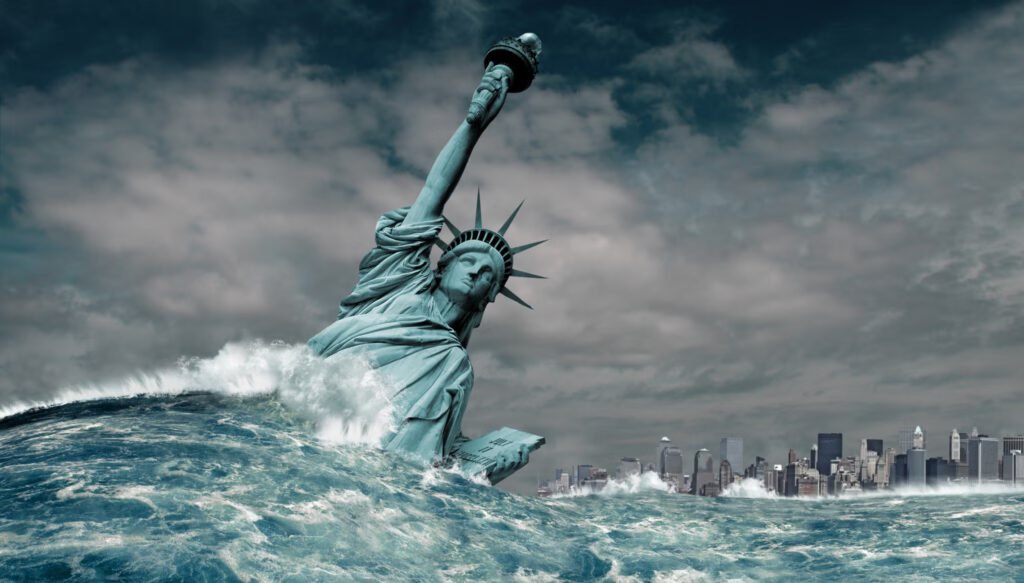
Some Russian officials and media have even suggested that a detonation underwater could generate massive, radioactive waves — sometimes described as “nuclear tsunamis.” While the physics of such effects remain debated among scientists, the imagery underscores how dramatic and psychologically potent the weapon’s potential impact is perceived.
Submarine Platforms and Deployment
The development of Poseidon isn’t happening in isolation; it’s closely tied to Russia’s evolving submarine fleet. Modern platforms like the Khabarovsk-class special mission submarine have been purpose-built to carry multiple Poseidon UUVs, enabling Moscow to deploy these weapons covertly from bastions along its northern and Pacific coasts.
The larger Belgorod submarine, converted for strategic missions, was earlier identified as a key Poseidon carrier and represents a significant departure from traditional ballistic missile submarines. Such platforms enhance the stealth and survivability of the torpedo system, extending its reach toward potential adversaries’ shorelines.
Strategic Implications and Global Reactions
Russia portrays Poseidon as a strategic deterrent, a means to ensure retaliation capability even if other elements of its nuclear arsenal are neutralized. Western defense analysts suggest this reflects a broader pivot toward next-generation deterrence systems designed to evade modern missile defenses.
However, details about the program remain tightly controlled, and international response has been cautious. Critics argue that such weapons blur the lines between conventional and nuclear warfare and could destabilize existing arms-control agreements by introducing unpredictable deployment scenarios.
Environmental, Legal, and Ethical Questions
Beyond strategic analysis, Poseidon’s development raises serious environmental and legal concerns. A nuclear-powered device operating in international waters — especially one designed to detonate near coastlines — brings risks of radiation contamination and long-term ecological harm that transcend national borders.
Treaties and international law governing nuclear weapons and their use were crafted in an era of land- and air-launched weapons. Poseidon’s unique nature places it in a legal gray zone, underscoring the urgent need for updated arms control frameworks that account for emerging technologies.
A Weapon of Innovation — or Escalation?
Russia’s Poseidon torpedo is a striking example of how innovation can outpace regulation in modern warfare. On paper, it provides Moscow with a stealthy, resilient form of nuclear deterrence that could evade many existing defenses and project power into new domains. Yet the weapon’s very existence — and the rhetoric surrounding it — amplifies fears of a new arms race where escalation could spiral beyond the safeguards of traditional treaties.
Rather than simply marveling at the technological leap, the global community should prioritize diplomatic dialogue and updated legal frameworks to prevent such systems from destabilizing security and inflicting irreversible environmental damage. Poseidon’s promise of unparalleled reach must be balanced against the stark reality of its destructive potential — and the collective responsibility to avoid a return to unchecked nuclear brinkmanship.