
Picture this: two male penguins huddling together on an Antarctic iceberg, raising a chick they’ve adopted together. Or imagine a pair of female dolphins swimming in perfect synchrony, engaging in intimate behaviors that scientists once dismissed as “aberrant.” These scenes aren’t anomalies or exceptions to nature’s rules—they’re glimpses into a reality that challenges everything we thought we knew about animal behavior.
For decades, researchers turned a blind eye to same-sex behaviors in the wild, often explaining them away as dominance displays or mislabeled mating attempts. But the truth is far more fascinating and complex than anyone imagined. From the depths of the ocean to the tops of trees, creatures across the animal kingdom are rewriting the textbook on what’s “natural” when it comes to sexuality and partnership.
The Penguin Paradox: When Two Dads Make Perfect Parents

In the icy waters of Antarctica, male emperor penguins have been observed forming lasting partnerships that go far beyond friendship. These pairs engage in courtship behaviors identical to those seen in male-female couples, including synchronized swimming, gift-giving of pebbles, and the distinctive trumpeting calls that signal romantic interest.
What makes these penguin partnerships truly remarkable is their parenting success. Same-sex penguin couples often adopt abandoned eggs or chicks, and research shows they’re just as successful at raising offspring as heterosexual pairs. Some of these partnerships last for years, with the same two males returning to each other season after season.
The most famous case involved two male chinstrap penguins at the Central Park Zoo who successfully hatched and raised a chick together. Their story became a symbol of how diverse family structures exist throughout nature, challenging our assumptions about what constitutes a “normal” family unit.
Dolphin Romance: Intelligence Meets Intimacy

Dolphins, with their remarkable intelligence and complex social structures, display some of the most sophisticated same-sex behaviors in the animal kingdom. Female bottlenose dolphins form intricate alliances that can last for decades, engaging in behaviors that scientists now recognize as deeply intimate rather than merely social.
These relationships involve elaborate courtship rituals, including synchronized swimming patterns, gentle touching with fins, and vocalizations that appear to be unique to each pair. The emotional depth of these bonds becomes apparent when partners are separated—dolphins have been observed showing signs of distress and actively searching for their companions.
Male dolphins also form strong same-sex partnerships, often creating complex alliance networks that serve both social and reproductive functions. These relationships demonstrate that dolphin sexuality exists on a spectrum much broader than researchers previously understood.
Bonobos: Our Closest Relatives Break Every Rule

If you want to understand how diverse animal sexuality can be, look no further than bonobos, our closest living relatives. These remarkable primates use sexual behavior as a tool for conflict resolution, social bonding, and stress relief—regardless of the gender of their partners.
Female bonobos engage in same-sex behaviors more frequently than almost any other animal species, with these interactions serving crucial social functions within their matriarchal society. These behaviors help establish alliances, reduce tension, and maintain group cohesion in ways that traditional male-female mating simply cannot.
Male bonobos also participate in same-sex behaviors, though less frequently than females. What’s particularly fascinating is how these interactions are seamlessly integrated into their social structure, suggesting that diverse sexual behaviors may have evolved as adaptive strategies for maintaining complex social relationships.
The Giraffe Connection: Neck-and-Neck in Love

Standing tall on the African savanna, giraffes engage in same-sex behaviors that are both tender and unmistakably romantic. Male giraffes participate in elaborate courtship rituals with other males, including the distinctive “necking” behavior where they intertwine their long necks in graceful, dance-like movements.
These interactions often lead to mounting behaviors and other intimate activities that mirror those seen in heterosexual giraffe pairs. What’s particularly striking is the duration of these relationships—some male giraffe pairs have been observed maintaining their bond for weeks or even months.
The frequency of same-sex behavior in giraffes is remarkably high, with some studies suggesting that up to 75% of mounting behaviors in certain populations occur between males. This statistic alone challenges any notion that such behaviors are rare or unnatural occurrences.
Swan Songs: Monogamy Redefined
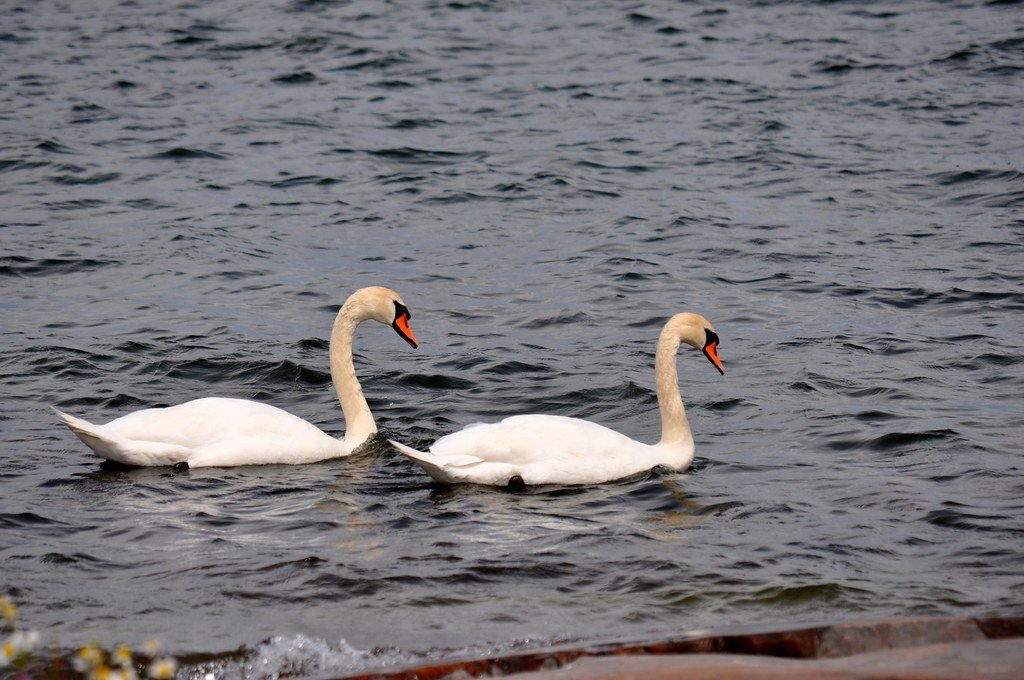
Swans, long celebrated as symbols of lifelong monogamy, have surprised researchers with the prevalence of same-sex partnerships in their populations. These elegant birds form bonds that are just as strong and enduring as their heterosexual counterparts, complete with elaborate courtship displays and synchronized swimming patterns.
Same-sex swan couples engage in nest-building behaviors and have been observed attempting to incubate eggs together, even when those eggs are infertile. Their dedication to their partnership and potential offspring demonstrates that parental instincts transcend traditional gender roles.
The emotional depth of these relationships becomes particularly evident when one partner dies—the surviving swan often shows signs of grief and may remain alone for extended periods, just as widowed swans in heterosexual partnerships do.
Elephant Intimacy: Gentle Giants, Complex Relationships

Elephants, known for their intelligence and emotional depth, display same-sex behaviors that reflect the complexity of their social structures. Female elephants form incredibly strong bonds with other females, engaging in behaviors that go far beyond simple friendship or alliance-building.
These relationships involve gentle touching with trunks, synchronized movements, and vocalizations that appear to be expressions of affection and intimacy. The emotional component of these bonds is unmistakable when you observe how elephants comfort each other during times of stress or loss.
Male elephants also form same-sex partnerships, though these relationships often differ from female bonds in their intensity and duration. Young male elephants, in particular, engage in exploratory behaviors with other males as they develop their understanding of social and sexual relationships.
Bison Brotherhood: Power and Passion on the Plains

On the American plains, bison bulls engage in same-sex behaviors that combine elements of dominance, social bonding, and genuine intimacy. These massive animals participate in mounting behaviors and other intimate activities that serve multiple functions within their complex social hierarchy.
What’s particularly interesting about bison same-sex behavior is how it changes throughout the year. During non-breeding seasons, these interactions become more frequent and appear to serve important social functions, helping maintain group cohesion and establish relationships that benefit the entire herd.
The strength and duration of these bonds can be remarkable, with some male bison pairs showing preferences for each other’s company over extended periods. These relationships demonstrate that even in species known for their ruggedness, tender and lasting connections can form between same-sex individuals.
Primate Diversity: Beyond Bonobos

While bonobos capture much of the attention, same-sex behaviors appear across the primate order in fascinating variations. Japanese macaques, for instance, form temporary but intense same-sex partnerships that can last for days or weeks, complete with courtship behaviors and exclusive pairing.
Mountain gorillas, despite their reputation for aggressive behavior, display surprisingly tender same-sex interactions, particularly among females. These relationships often involve grooming, play, and close physical contact that suggests deep emotional bonds.
Even our closest relatives, chimpanzees, engage in same-sex behaviors, though these interactions are often more complex and multifaceted than those seen in bonobos. These behaviors serve various functions, from conflict resolution to social bonding, highlighting the diverse roles that sexuality plays in primate societies.
Ocean Depths: Marine Mammals and Sexuality
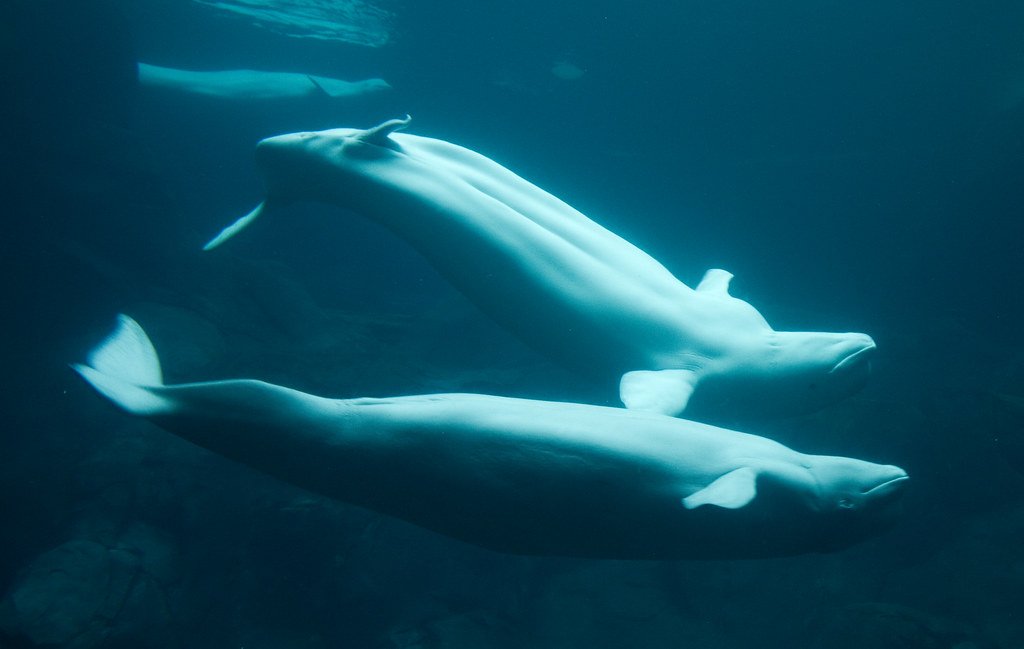
Beneath the waves, marine mammals demonstrate that same-sex behaviors are as diverse as the ocean itself. Whales, from massive blue whales to smaller pilot whales, engage in same-sex interactions that range from playful to deeply intimate.
Seals and sea lions form same-sex partnerships that can be both temporary and long-lasting, with some pairs showing remarkable loyalty to each other across multiple breeding seasons. These relationships often involve complex vocalizations and physical displays that mirror those seen in heterosexual courtship.
The aquatic environment seems to provide unique opportunities for intimate behaviors, with many marine mammals taking advantage of the three-dimensional space to engage in elaborate courtship rituals and bonding activities with same-sex partners.
Avian Affection: Beyond Penguins and Swans

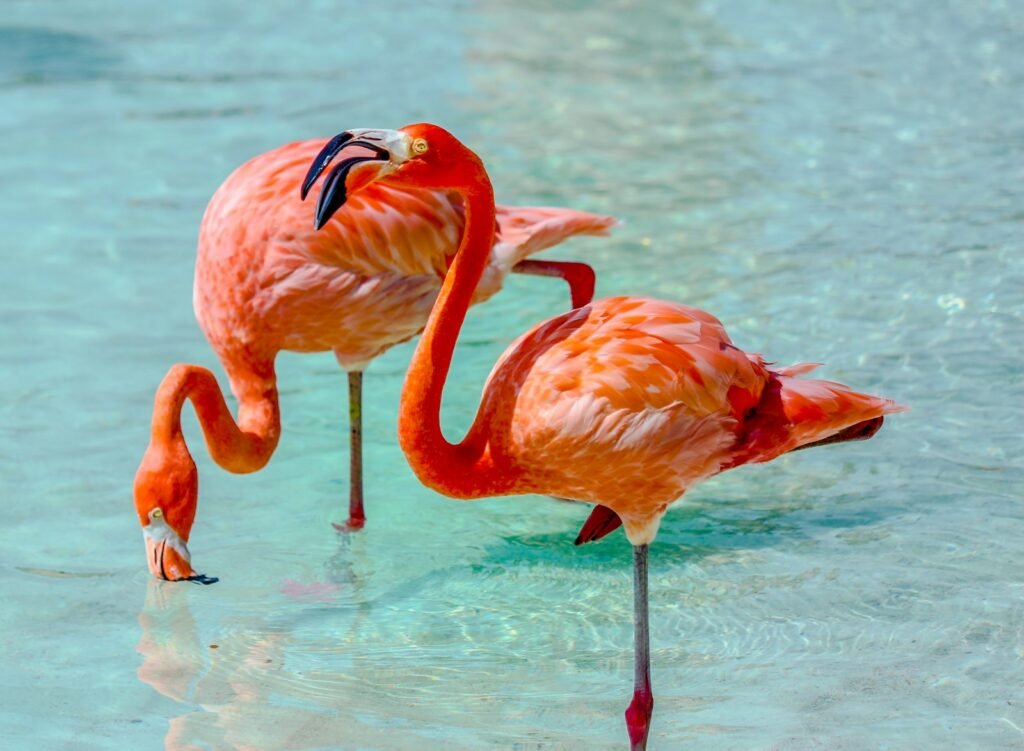
The bird world offers some of the most diverse examples of same-sex behavior across species. Flamingos form same-sex partnerships that can last for years, complete with synchronized dancing and nest-building behaviors that mirror those of heterosexual pairs.
Mallard ducks engage in same-sex mounting behaviors with surprising frequency, and these interactions often occur within the context of complex social dynamics that serve multiple functions within the flock. Geese, known for their strong pair bonds, sometimes form these connections with same-sex partners instead of opposite-sex ones.
Even songbirds participate in same-sex behaviors, with some species showing preferences for same-sex partners during certain seasons or life stages. These behaviors often involve elaborate singing displays and territory-sharing arrangements that demonstrate the depth of these relationships.
Insect Innovations: Small Creatures, Big Surprises

In the world of insects, same-sex behaviors take on unique characteristics that reflect the incredible diversity of this group. Dragonflies engage in same-sex mounting behaviors that appear to serve both social and potentially reproductive functions, challenging our understanding of insect sexuality.
Beetles, despite their reputation for simple behaviors, display complex same-sex interactions that can include courtship rituals, territorial sharing, and what appears to be genuine partner preference. These behaviors suggest that even in creatures with relatively simple nervous systems, the capacity for diverse sexual expression exists.
Fruit flies, those laboratory workhorses, have revealed genetic and neurological components to same-sex behavior that provide insights into the biological basis of sexual diversity across all animal species.
Reptilian Relationships: Cold-Blooded, Warm Hearts

Reptiles, often perceived as emotionally distant, surprise researchers with their capacity for same-sex bonding. Lizards engage in courtship behaviors with same-sex partners, including elaborate displays of color changes and territorial dances that mirror those used in heterosexual courtship.
Snakes, despite their solitary reputation, sometimes form same-sex partnerships during mating seasons, engaging in the complex intertwining behaviors typically associated with heterosexual mating. These interactions can last for hours and appear to serve important social functions.
Even turtles, known for their longevity and slow pace of life, form same-sex bonds that can persist for years. These relationships often involve synchronized swimming, shared basking spots, and what appears to be genuine companionship.
Amphibian Alternatives: Flexible Approaches to Love
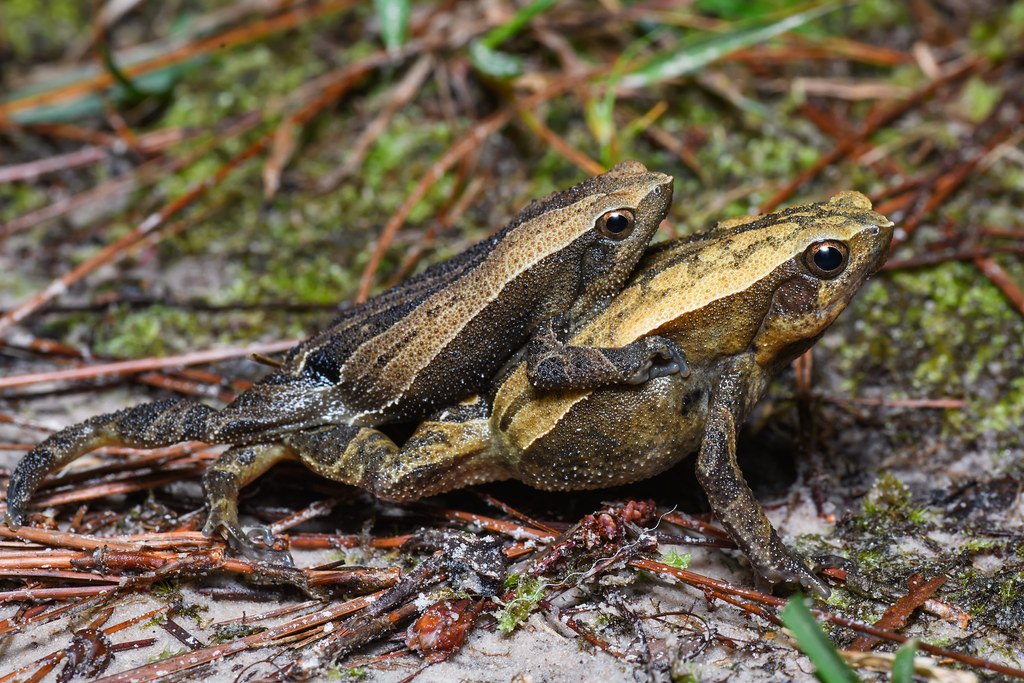
Frogs and toads demonstrate remarkable flexibility in their sexual behaviors, with many species engaging in same-sex mounting and courtship behaviors. These interactions often occur during breeding seasons and appear to serve multiple functions, from practice for heterosexual encounters to genuine same-sex bonding.
Salamanders display some of the most complex same-sex behaviors among amphibians, with elaborate courtship rituals that can involve synchronized swimming, chemical communication, and extended physical contact. These behaviors suggest that even in species with relatively simple social structures, the capacity for diverse sexual expression exists.
The aquatic nature of many amphibian breeding environments provides unique opportunities for same-sex interactions, with many species taking advantage of the three-dimensional space to engage in behaviors that would be impossible on land.
Fish Tales: Underwater Diversity

In the underwater world, fish display some of the most flexible approaches to sexuality in the animal kingdom. Many species engage in same-sex behaviors that range from temporary interactions to long-term partnerships, with some fish showing clear preferences for same-sex partners over opposite-sex ones.
Cichlid fish, known for their complex social behaviors, form same-sex pairs that engage in territory defense, nest building, and even parental care behaviors. These relationships can be just as stable and long-lasting as heterosexual pairs, challenging traditional notions of fish behavior.
Coral reef fish, living in some of the most biodiverse environments on Earth, display a kaleidoscope of same-sex behaviors that reflect the incredible diversity of their underwater world. From cleaning symbioses to elaborate mating displays, these behaviors demonstrate that sexual diversity is as natural as the coral reefs themselves.
Mammalian Marvels: Diversity Across Orders

Beyond the well-known examples of primates and marine mammals, same-sex behaviors appear across virtually every mammalian order. Sheep form same-sex partnerships that can be exclusive and long-lasting, with some rams showing consistent preferences for other males throughout their lives.
Horses and zebras engage in same-sex mounting and courtship behaviors that appear to serve both social and sexual functions. These interactions often occur within the context of complex herd dynamics and can help establish important social relationships.
Even solitary mammals like cats show same-sex behaviors, particularly during certain life stages or environmental conditions. These behaviors suggest that the capacity for diverse sexual expression is a fundamental characteristic of mammalian biology.
The Evolutionary Advantage: Why Same-Sex Behavior Persists

The widespread occurrence of same-sex behavior across the animal kingdom raises fascinating questions about its evolutionary significance. Rather than being a biological dead end, these behaviors appear to serve important functions that benefit both individuals and their communities.
Same-sex behaviors often strengthen social bonds, reduce conflict, and create alliance networks that improve survival chances for all involved. In some species, these relationships provide opportunities for individuals to practice parenting skills or gain experience in social interactions that prove valuable in other contexts.
The persistence of same-sex behaviors across evolutionary time suggests that they provide adaptive advantages that outweigh any potential reproductive costs. This understanding fundamentally changes how we view the role of sexuality in the natural world.
Breaking Scientific Barriers: How Research Has Evolved

For too long, scientific research ignored or dismissed same-sex behaviors in animals, often explaining them away as aberrant or pathological. This blind spot in scientific observation meant that countless examples of natural diversity were overlooked or misinterpreted.
Modern research techniques, including long-term behavioral studies and advanced genetic analysis, have revealed the true extent and complexity of same-sex behaviors in the animal kingdom. These discoveries have forced scientists to reconsider fundamental assumptions about animal sexuality and social behavior.
The shift in scientific perspective has been dramatic, moving from viewing same-sex behaviors as anomalies to recognizing them as natural variations that provide important insights into the evolution of sexuality itself. This change represents one of the most significant paradigm shifts in behavioral biology in recent decades.
Conclusion: Redefining Natural
The evidence is overwhelming: same-sex behavior is not an aberration or exception in the natural world—it’s a fundamental aspect of life itself. From the icy waters of Antarctica to the depths of tropical rainforests, animals across the globe are demonstrating that sexuality exists on a spectrum far more diverse than we ever imagined.
These discoveries challenge us to expand our understanding of what’s “natural” and to recognize that diversity in sexual behavior is not just normal—it’s essential. The animal kingdom teaches us that love, partnership, and intimacy take countless forms, each as valid and important as the next.
As we continue to study and learn from our fellow creatures, we’re not just uncovering the secrets of animal behavior—we’re gaining profound insights into the very nature of life itself. The next time you see two animals of the same sex interacting, remember that you’re witnessing millions of years of evolution in action, a testament to the beautiful complexity of the natural world.
What other secrets about animal behavior are we still waiting to discover?