Imagine standing on the edge of a vast, silent lake, knowing that beneath your feet lies the scar of an ancient, world-shaking catastrophe. Over two hundred million years ago, a cosmic boulder hurtled through Earth’s atmosphere and slammed into what is now Quebec, Canada. In a single moment, the world as it was changed forever. The scars of this dramatic event are still visible today, and the story buried in the rock is nothing short of breathtaking—a tale of destruction, survival, and transformation. Journey with me into the heart of the Manicouagan Crater, where science, history, and imagination collide in spectacular fashion.
The Colossal Impact: A Moment That Shook the Earth
It’s almost impossible to fathom the sheer power unleashed during the impact that created the Manicouagan Crater. Scientists estimate the asteroid measured about five kilometers across—about the size of a small mountain. When it struck, the energy released was equivalent to billions of tons of TNT. The shockwave raced around the globe, vaporizing rock, boiling lakes, and sending debris hurtling into the sky. In a heartbeat, landscapes were erased and new ones born. This was no ordinary collision; it was a moment of cosmic violence that left a mark visible from space.
Unveiling the Manicouagan Crater
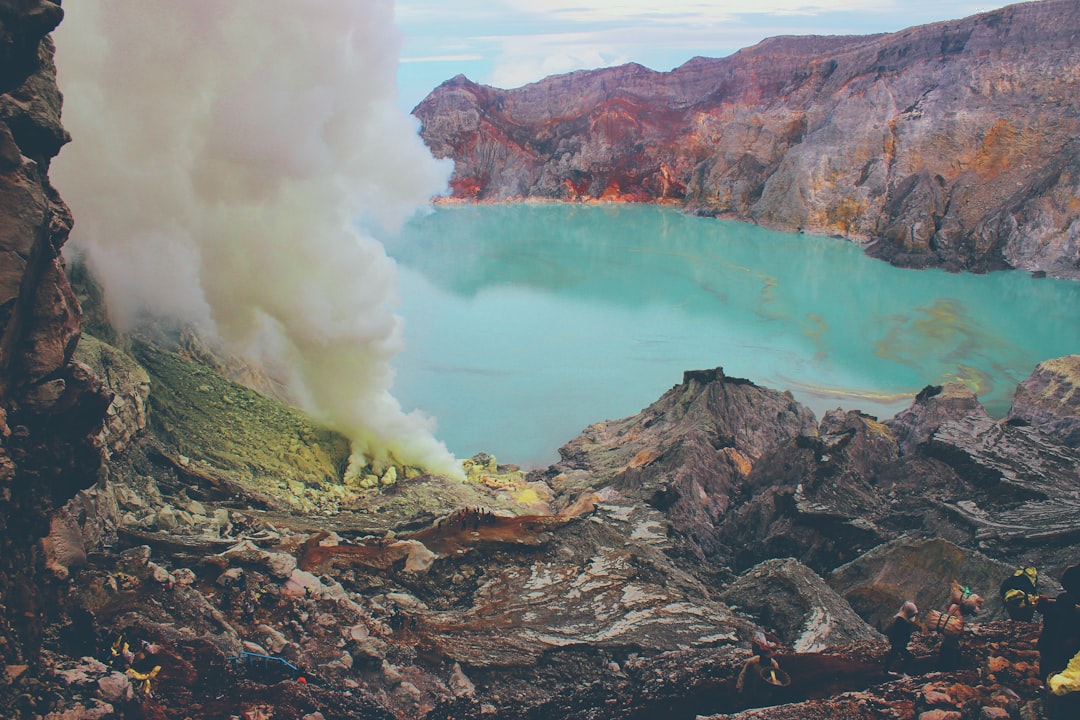
Today, the Manicouagan Crater stands as one of the largest and best-preserved impact craters on Earth. Its most striking feature is the annular lake—a massive ring-shaped body of water that circles the central island, René-Levasseur Island. With a diameter of about 100 kilometers, it is so vast that astronauts can easily spot it from the International Space Station. The crater’s structure is a geological masterpiece, revealing layers of rock that tell the story of the impact and the Earth’s recovery afterward.
The Asteroid: Visitor From the Depths of Space

Where did this world-shaping visitor come from? The asteroid that struck Quebec was likely a stray from the asteroid belt between Mars and Jupiter. These space rocks are leftovers from the birth of our solar system, remnants of failed planets and cosmic collisions. Every year, thousands of small meteoroids burn up in the atmosphere, but once in a while, a giant finds its way to Earth. The Manicouagan impactor traveled millions of years and untold distances before its final, catastrophic descent.
Devastation and Darkness: The Aftermath of the Impact
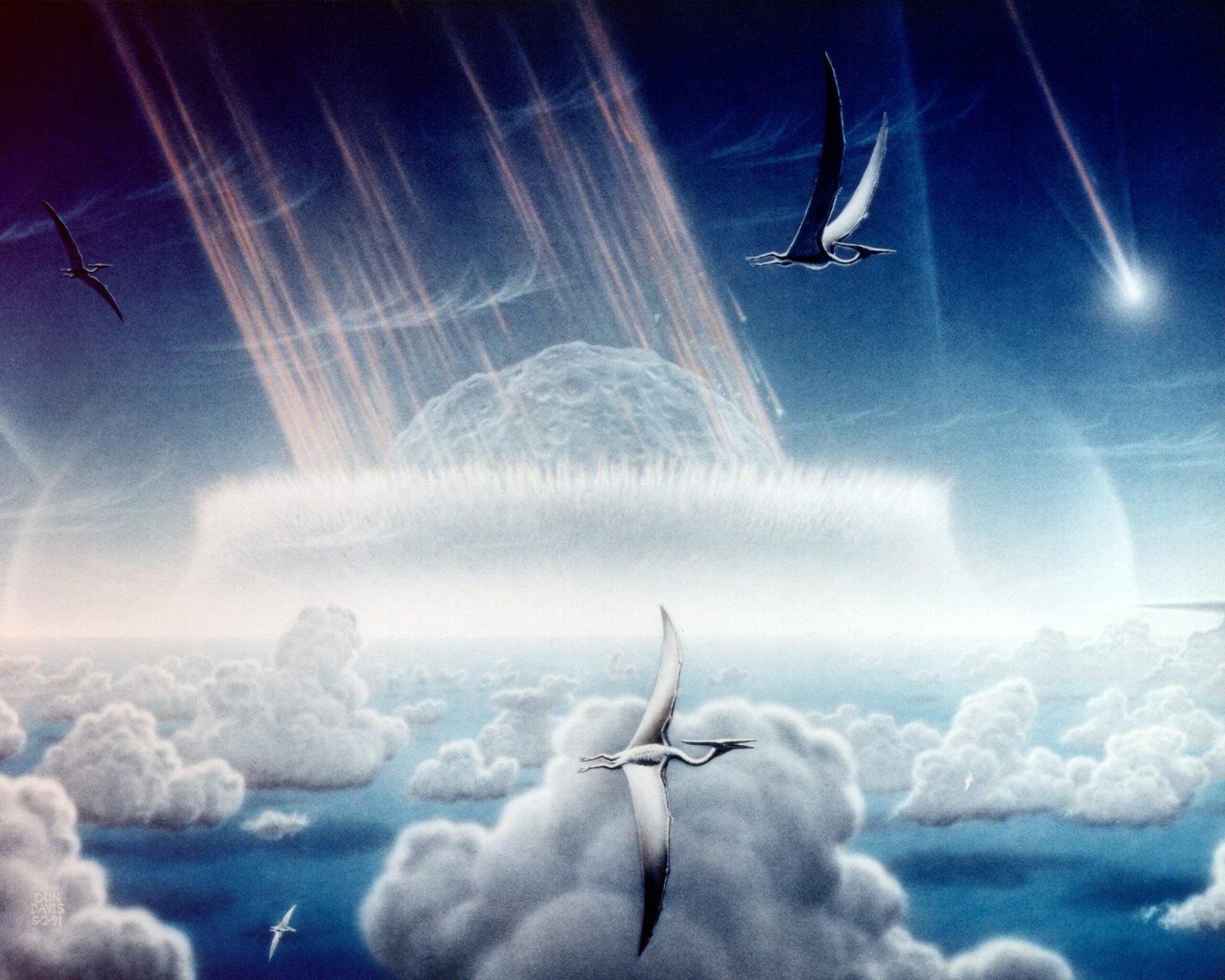
The first moments after the impact would have been apocalyptic. Temperatures soared, forests ignited, and shockwaves flattened everything for hundreds of kilometers. The debris thrown into the atmosphere blocked sunlight, plunging the region—and perhaps the world—into a prolonged darkness. This “impact winter” would have drastically altered climate, threatening ecosystems and life forms. For many creatures, the world became unrecognizable overnight, and survival was a matter of luck and adaptation.
A Window Into Deep Time
What’s truly awe-inspiring about Manicouagan is its ability to connect us to a time unimaginably far in the past. The rocks and minerals found within its walls are like pages from an ancient diary. Geologists can read these pages to reconstruct the events, from the split-second of the explosion to the slow healing of the Earth’s crust. Fossils found near the crater offer clues about which species lived, died, and adapted in the wake of disaster. It’s humbling to realize just how much our planet has endured—and overcome.
The Crater’s Unique Structure: Rings and Islands

Unlike many other craters, Manicouagan has a ringed appearance, making it instantly recognizable. The central peak, now René-Levasseur Island, was pushed up by the rebound of the Earth’s crust, like the splash in the center of a pond after a stone drops in. Surrounding this island, the annular lake formed as water filled the low-lying regions. This structure is rare and offers an exceptional example of how energy from impacts is distributed and stored in the Earth’s surface.
Manicouagan’s Ancient Witnesses: The Oldest Trees

The forests surrounding the crater today are home to some of Quebec’s oldest trees. These silent witnesses have roots stretching back centuries, growing atop soil that was once molten rock. The resilience of these ecosystems is astonishing—where once there was only devastation, life has returned in abundance. From towering conifers to delicate mosses, the flora of Manicouagan tells a story of recovery and renewal on a grand scale.
Evidence Hidden in Rock: Shocked Quartz and Melted Glass

Scientists often search for “shocked quartz” and melted glass, known as tektites, to confirm ancient impact sites. At Manicouagan, these materials are abundant. Shocked quartz forms under pressures far greater than those produced by volcanoes—only an impact can do the trick. The presence of these minerals is like a cosmic fingerprint, confirming the asteroid’s violent arrival. These clues help researchers unravel not just Manicouagan’s story, but the history of impacts across our planet.
Global Consequences: Did the Impact Trigger Extinctions?
When we talk about mass extinctions, the first event that comes to mind is the asteroid that wiped out the dinosaurs. But the Manicouagan impact predates that by 150 million years. Some scientists have wondered if this crater, and a cluster of other craters formed around the same time, contributed to the extinction at the end of the Triassic Period. The evidence is tantalizing but not conclusive—while some species disappeared, others thrived. Still, it’s a reminder that the cosmos has shaped the course of life on Earth more than once.
Manicouagan in the Modern World: Science and Industry
Today, the crater is not just a scientific wonder but an economic resource. The region is famous for its hydroelectric power, with dams harnessing the rivers that flow into the crater’s basin. The unique geology also makes it a target for mining, as impact events often bring valuable minerals closer to the surface. Yet, for many, the true value of Manicouagan lies in its ability to inspire awe and curiosity, reminding us of our planet’s unpredictable nature.
Indigenous Perspectives: Legends and Landscapes
Long before scientists arrived, Indigenous peoples lived in the shadow of the crater. For the Innu and other local groups, the land holds spiritual significance. Some legends speak of a “giant’s footprint” or a circle left by powerful beings. These stories offer a different but equally profound way of understanding the crater’s presence in the landscape. By blending scientific insight with Indigenous wisdom, we gain a richer appreciation of Manicouagan’s enduring legacy.
Exploring Manicouagan: Adventure Awaits
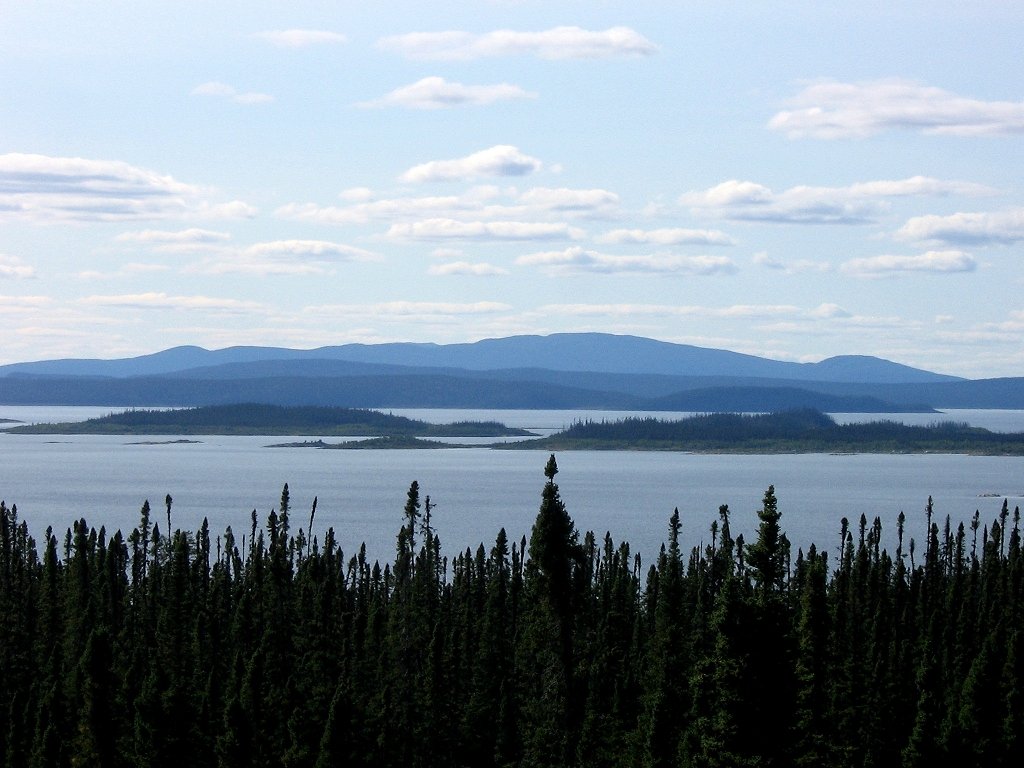
For those with a spirit of adventure, the Manicouagan region is a playground like no other. Hiking, canoeing, and fishing draw visitors from around the globe. Standing on the rim of the ancient crater, it’s easy to feel dwarfed by the immensity of what happened here. Whether you’re paddling across the ring lake or simply gazing at the stars above, the sense of connection to deep time is palpable. This is a place where science and wonder walk hand in hand.
Comparing Craters: Manicouagan and Chicxulub
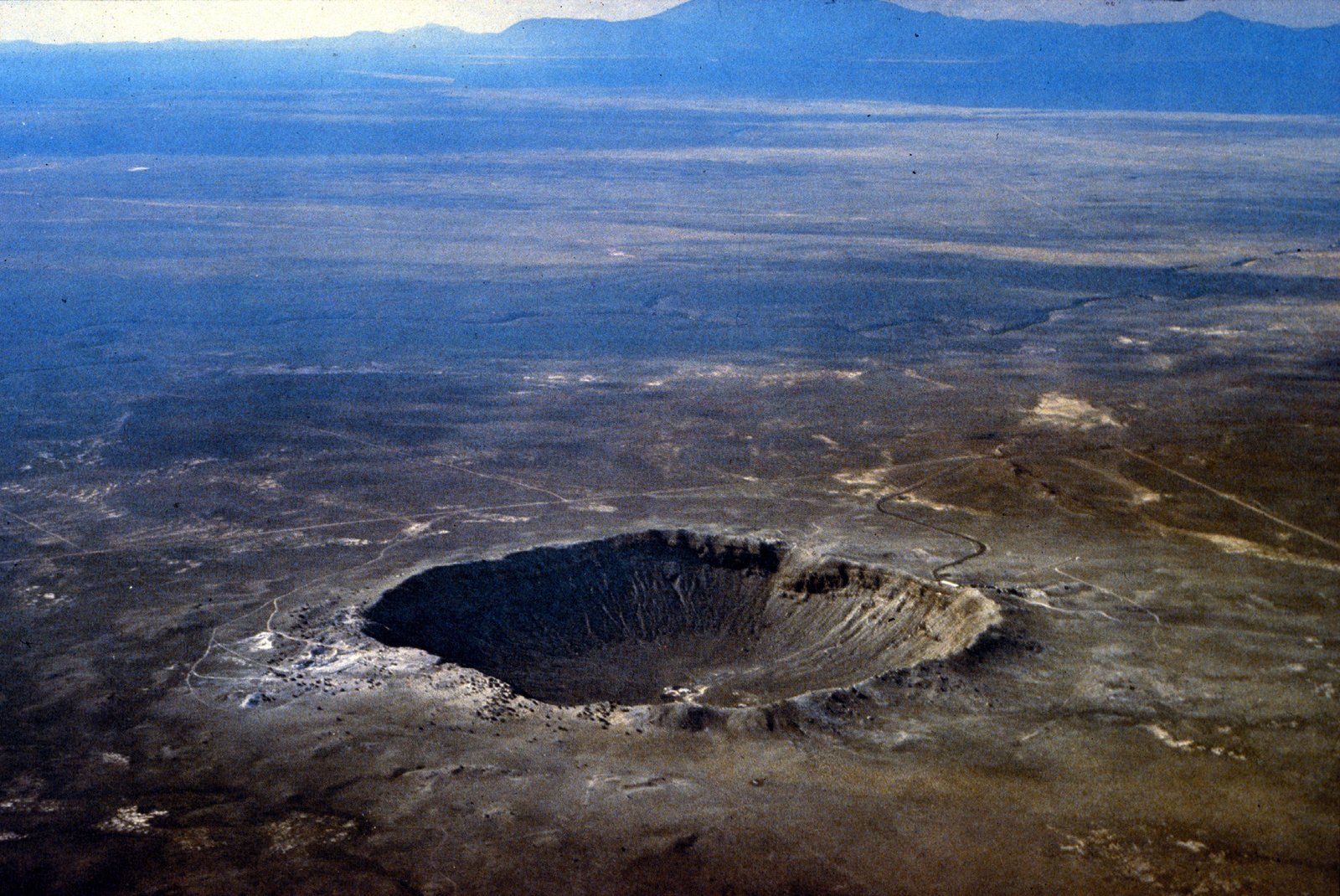
People often compare Manicouagan to the more famous Chicxulub Crater in Mexico. While Chicxulub ended the reign of the dinosaurs, Manicouagan’s story is less about destruction and more about endurance. Both craters are visible from space, and both have taught scientists how impacts shape planetary surfaces. Manicouagan’s pristine preservation, however, makes it a “textbook” example for geologists worldwide. Each crater tells a different chapter in our planet’s tumultuous history.
Cosmic Roulette: The Risk of Future Impacts
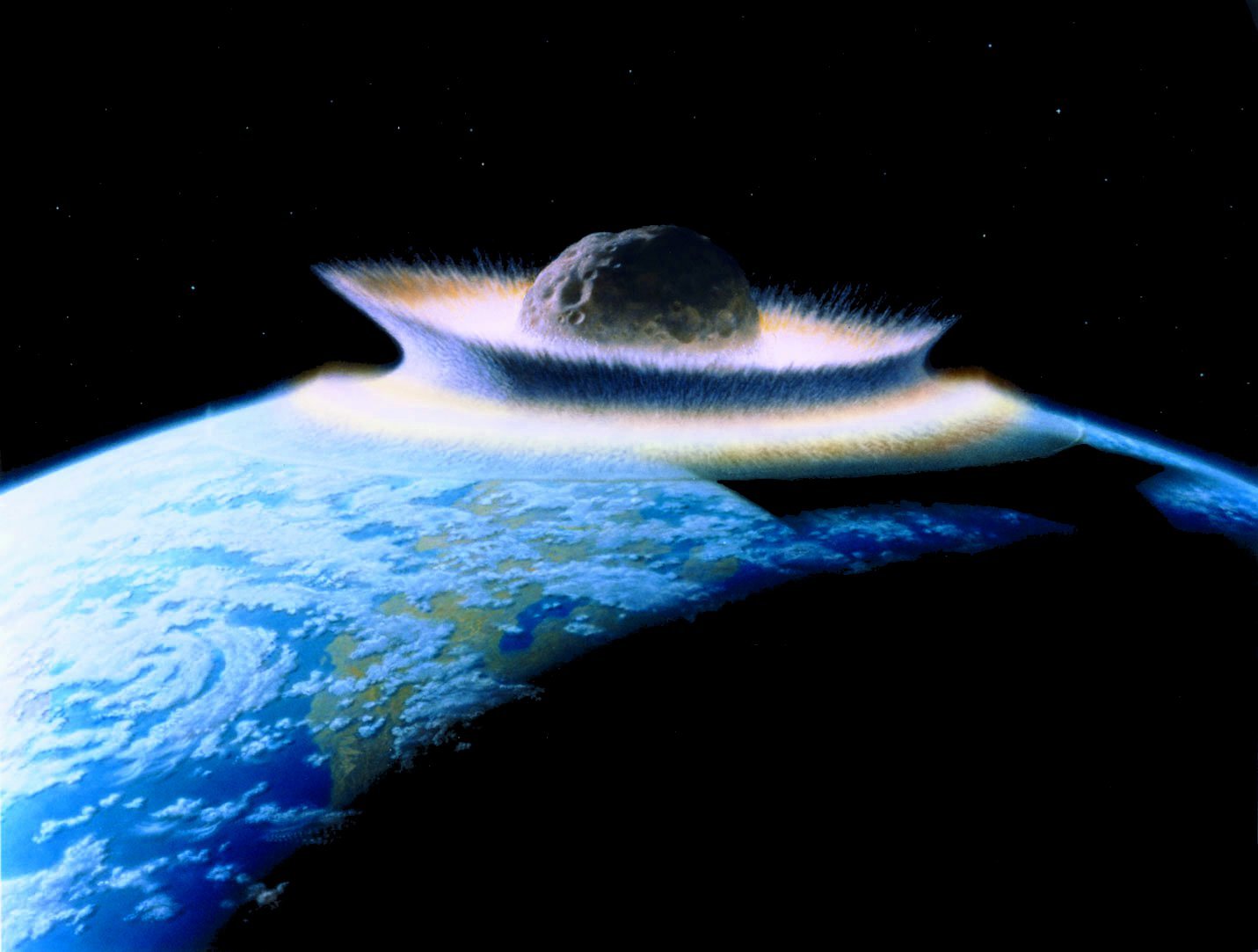
The Manicouagan Crater is a sobering reminder that Earth’s place in the cosmos is not always safe. While giant impacts are rare, they’re not impossible. NASA and other agencies constantly scan the skies, searching for potentially hazardous asteroids. The odds of a major impact in our lifetime are low, but not zero. By studying craters like Manicouagan, scientists learn how to predict, prepare for, and possibly prevent future disasters. It’s a cosmic roulette game—and we’re all players.
Lessons From the Past: Adapting and Surviving
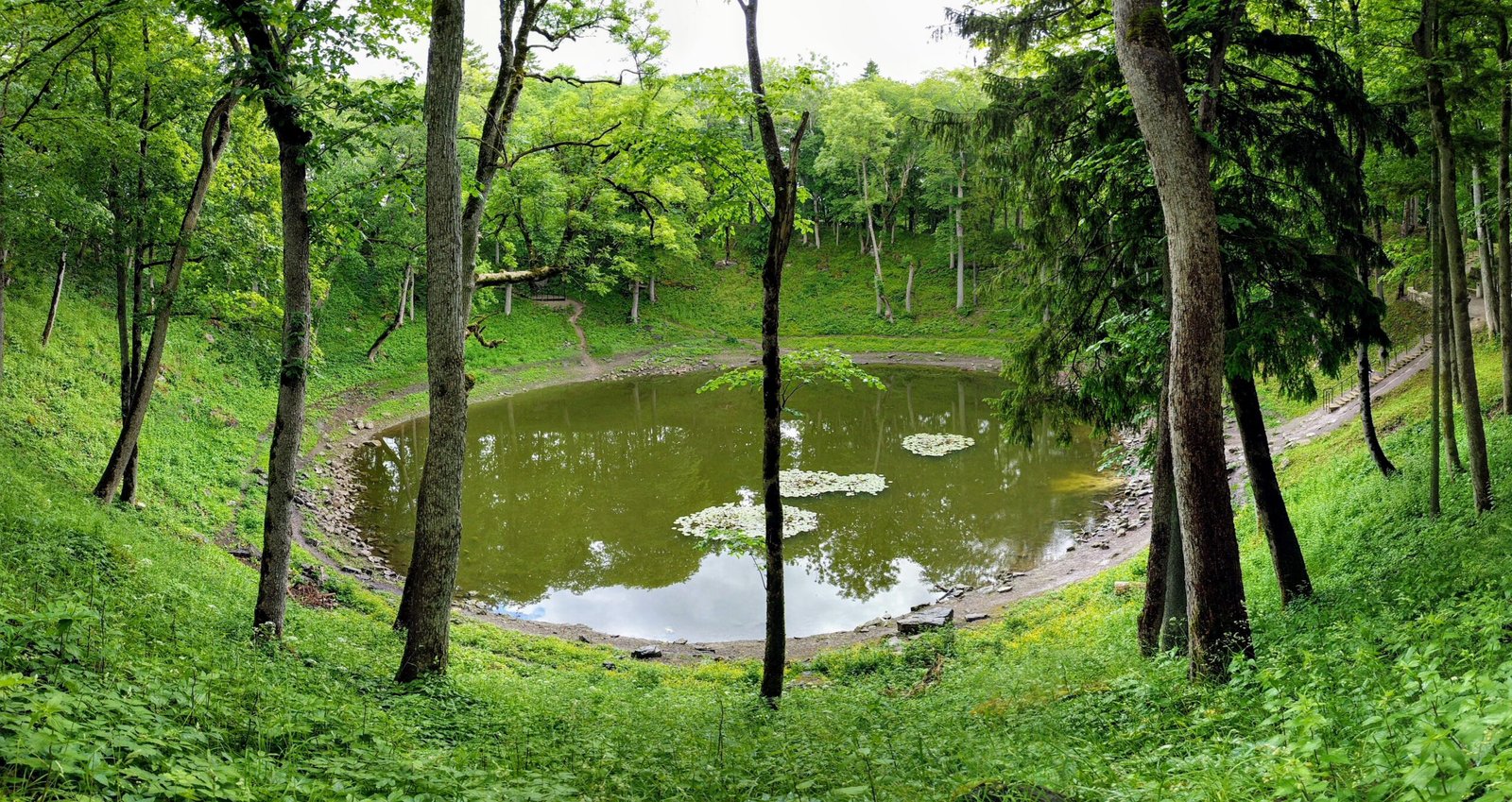
The story of Manicouagan is ultimately one of resilience. After the dust settled, life found a way to return and flourish. Species evolved, landscapes healed, and new ecosystems emerged. This pattern of destruction and renewal is repeated throughout Earth’s history. By understanding these cycles, we gain insight into our own ability to adapt and survive in the face of change. The crater reminds us that even after the worst catastrophes, there is hope.
Scientific Expeditions: Unlocking the Crater’s Secrets

Over the past century, countless scientific teams have traveled to Manicouagan to collect samples, drill into ancient rock, and map the crater’s features. Each expedition brings new discoveries—whether it’s a rare mineral, a fossilized plant, or an unexpected twist in the crater’s formation. The work is painstaking but deeply rewarding. Every core of rock pulled from the crater is a piece of our planet’s jigsaw puzzle, fitting together to reveal the full story of Earth’s past.
The Crater’s Influence on Popular Culture
The dramatic landscape of Manicouagan has inspired more than just scientists. Writers, filmmakers, and artists have drawn on its striking beauty and mysterious origins. Science fiction stories have imagined the asteroid’s arrival as the dawn of a new era or the end of an old one. The ringed lake appears in documentaries, novels, and even video games, serving as a symbol of nature’s power and unpredictability. In this way, the crater has become part of the human imagination—a reminder we are all shaped by cosmic events.
Preserving a Natural Wonder

With its unique geology and fragile ecosystems, the Manicouagan region faces challenges from development and climate change. Conservationists work to protect its forests, rivers, and wildlife, recognizing the crater’s value as both a natural laboratory and a living monument. Responsible tourism and sustainable industry can coexist, but it takes vigilance and care. By protecting Manicouagan, we safeguard a piece of Earth’s deepest history for future generations to discover and cherish.
Enduring Lessons From a Cosmic Collision
The story of Quebec’s asteroid impact site is one of transformation on a planetary scale. From devastation to renewal, from mystery to revelation, the Manicouagan Crater stands as a testament to Earth’s ever-changing nature. Its secrets, slowly uncovered by scientists and storytellers alike, continue to shape our understanding of the past and inform our hopes for the future.