

You’ve probably heard whispers about quantum computers changing everything, the next big leap that makes our current technology look like stone tools. It’s hard to say for sure, but what we’re seeing in laboratories and research facilities right now suggests this isn’t just hype. These machines work differently from the computers you’re using today, and that difference could reshape how we discover drugs, secure our data, and understand the universe itself.
The promise is enormous. Think about problems that would take supercomputers thousands or even millions of years to crack. Quantum machines might solve them in minutes. Let’s be real: this technology is still maturing, still finding its feet. Yet the momentum is undeniable, and the implications reach into every corner of our lives.
The Power Behind Quantum Advantage
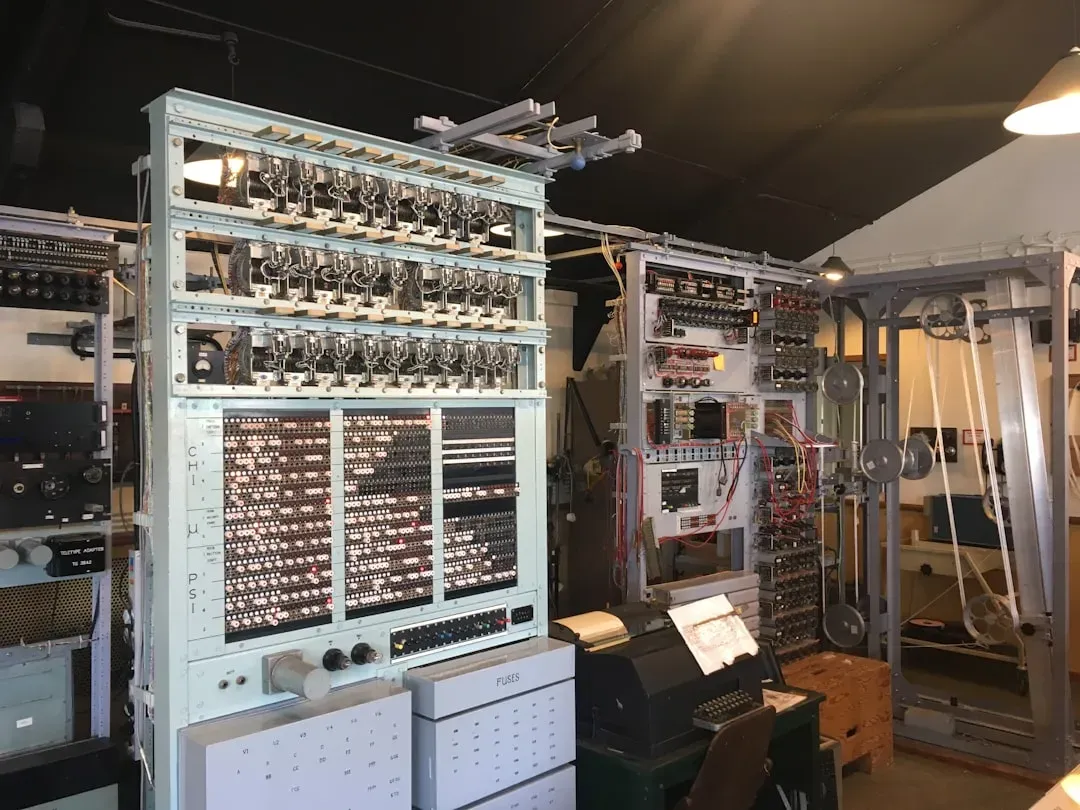
This year marks a crucial turning point, as customers can finally get their hands on error-corrected quantum computers. IBM anticipates that verified quantum advantage will be confirmed by the wider community by the end of 2026. What does that actually mean for you? Imagine computational power that doesn’t just add up linearly, but grows exponentially.
Google announced that their quantum computer ran a verifiable test where it was 13,000 times faster than the world’s fastest classical supercomputer, marking the first time in history this happened. Studies found Willow was able to solve a specific problem in five minutes that the most powerful conventional computers would take 10 septillion years to manage, a timescale longer than the universe is old. These aren’t abstract benchmarks. They’re proof that quantum advantage is transitioning from theoretical promise to measurable reality.
Breaking Through The Error Barrier
Here’s the thing about quantum computers: they’re fragile. The main trouble with today’s quantum computers is their propensity for noise, as quantum bits are inherently fragile and sensitive to environmental factors such as electric or magnetic fields, mechanical vibrations, or even cosmic rays. For years, this was the wall nobody could climb.
Perhaps the most significant development has been dramatic progress in quantum error correction, with Google’s Willow quantum chip achieving a critical milestone by demonstrating exponential error reduction as qubit counts increased, completing a benchmark calculation in approximately five minutes that would require a classical supercomputer 10^25 years to perform. That’s the breakthrough that changes everything. Recent innovations have led to systematic improvements in qubit coherence, with the best-performing qubits now reaching coherence times of up to 0.6 milliseconds, driven by optimized qubit designs and enhanced readout resonators.
Revolutionizing Drug Discovery And Medicine

The pharmaceutical industry faces a brutal reality: developing new drugs can take over a decade and cost billions of dollars. Designing effective drugs is one of the most complex and costly challenges in modern science, as it can take more than a decade to move a single treatment from concept to clinic. Classical computers struggle with the sheer complexity of molecular interactions.
Researchers at St. Jude and the University of Toronto showed that quantum computing, exploiting quantum effects such as superposition, entanglement, and interference, could boost machine learning-based drug discovery to find better molecules faster, including for previously “undruggable” targets, marking the first time quantum computing has been successfully used for a drug discovery project that includes experimental validation. Quantum computing, by optimizing processes such as ligand-protein binding and protein hydration, enables the design of more targeted and potentially more effective drugs, which could enhance clinical success rates.
Let’s be honest: this could save lives. Faster drug development means treatments reach patients sooner, potentially addressing diseases we currently can’t touch.
Transforming Financial Systems And Optimization
In 2026, the focus is shifting from laboratory breakthroughs to practical, real-world applications across finance, logistics and pharmaceuticals as industries get to work optimizing investment portfolios, running more accurate simulations and creating more efficient supply chains. Wall Street is watching closely, and for good reason.
The first industrial pilots are emerging in finance for financial portfolio optimization, pharmaceuticals for molecular simulation, and logistics for flow and operations optimization. Quantum computers excel at optimization problems, the kind where you need to find the best solution among countless possibilities. Think route optimization for delivery fleets, risk analysis for investment portfolios, or supply chain management across global networks.
Logistics and manufacturing apply quantum optimization to routing and scheduling, while finance explores faster risk and pricing models. The computational advantage here isn’t small; it’s transformative.
The Cryptography Crisis And Security Revolution

Now we get to the uncomfortable part. For governments and businesses in 2026, the race to prepare for a post-quantum world is now urgent, as technology that keeps much of the world’s sensitive data safe, like RSA and ECC encryption, could be defeated trivially by quantum computers with enough power. Everything you do online, from banking to messaging, relies on encryption that quantum computers could theoretically break.
Sometime around 2035 quantum computers are expected to become sufficiently powerful to compromise current widely used cryptographic standards, and with so many systems dependent on these standards, quantum cryptanalysis could literally break the internet. Data that is currently not quantum-safe may be compromised in the future by quantum computers through “harvest now, decrypt later” attacks, and authenticity will also be jeopardised. Adversaries could be collecting encrypted data right now, waiting for quantum machines powerful enough to crack it.
Fortunately, solutions are emerging. In 2024, the U.S. National Institute of Standards and Technology released final versions of its first three Post-Quantum Cryptography Standards.
Artificial Intelligence Gets A Quantum Boost
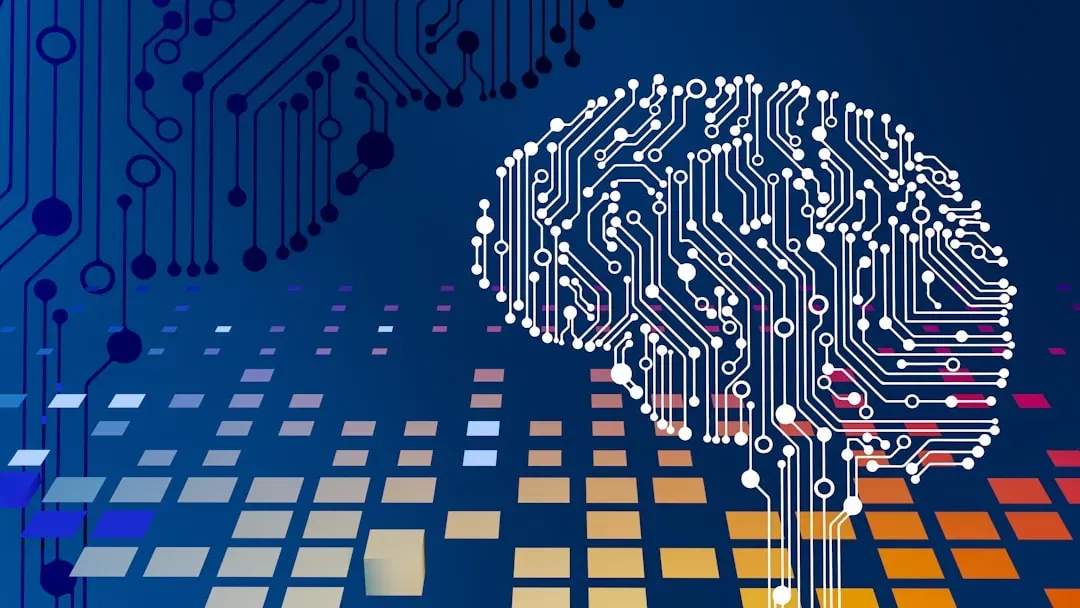
The alliance between classical and quantum processors is becoming central, accelerating AI model training, reducing energy consumption, and enabling work using smaller datasets, which opens new opportunities in finance, healthcare, and logistics where speed and efficiency are essential. Honestly, I think this convergence might be the most underestimated development.
Quantum computers could help AI systems learn from less data, tackle problems with more variables, and discover patterns invisible to classical algorithms. Entangled qubits perform operations that explore computations as waves, and just like waves on the ocean’s surface, these waves can interfere with each other, with the resulting waves representing a range of potential solutions to a problem rather than just one answer, all from a single run. This isn’t just faster computing; it’s a fundamentally different approach to problem-solving.
Materials Science And Climate Solutions

Understanding how materials behave at the molecular level is incredibly difficult. Pharma and materials use quantum simulation for molecule and material modeling. Classical computers simply can’t simulate quantum systems efficiently because they’re trying to model quantum behavior with non-quantum tools.
Quantum computers could help design better batteries for electric vehicles, more efficient solar panels, or catalysts for carbon capture. By calculating how certain drug candidates will interact with their targets and other biological molecules, quantum computers may help design more effective treatments, and in collaboration with pharma company Boehringer Ingelheim, researchers showed that quantum computers will be able to simulate a key structure of Cytochrome P450 with higher accuracy in less time than classical computers. The same principles apply to designing new materials with specific properties.
Think about it: if we could accelerate the development of sustainable materials or energy storage solutions, the impact on climate change could be enormous.
The Challenges That Remain
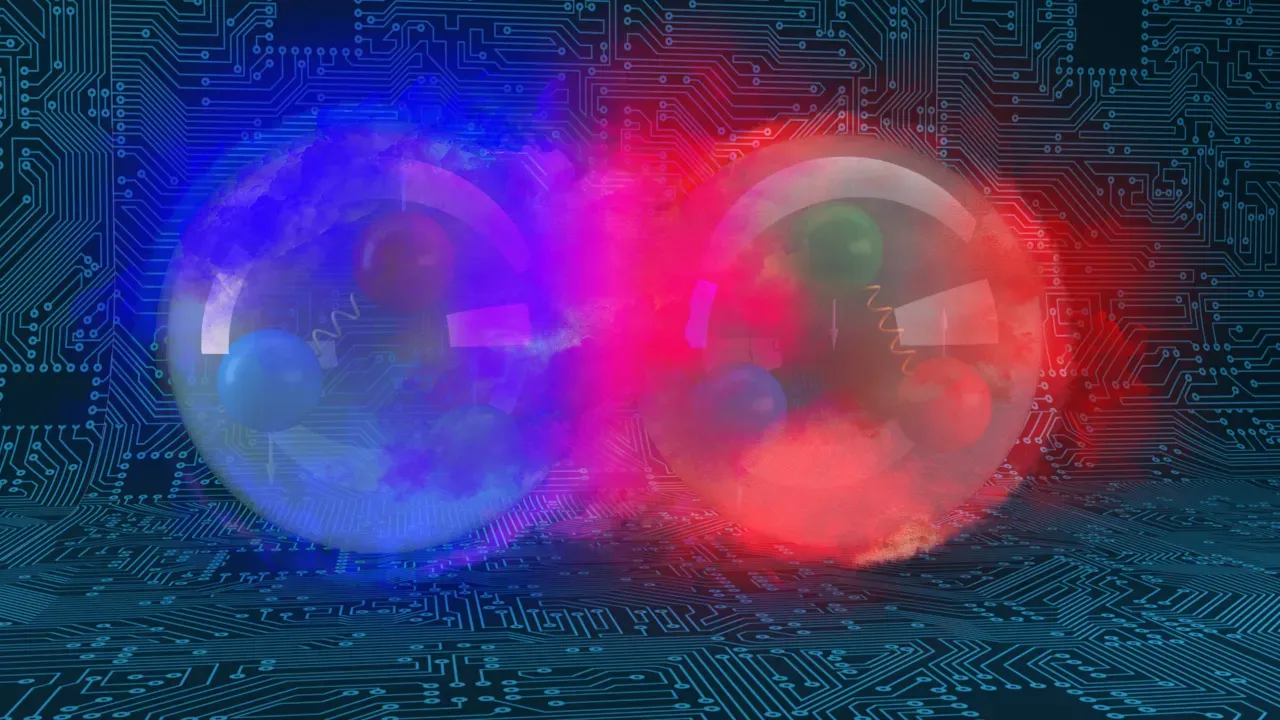
Let’s not pretend this is easy. The biggest quantum computing challenge is qubit decoherence, as qubits are extremely sensitive to their environment, and even small disturbances can cause them to lose their quantum properties. One of the barriers to practical quantum computing is that qubits must be kept at temperatures close to absolute zero to function, however recent breakthroughs such as IonQ’s trapped ion technology and photonic qubits demonstrated by Xanadu could make room-temperature quantum computing a reality in 2026.
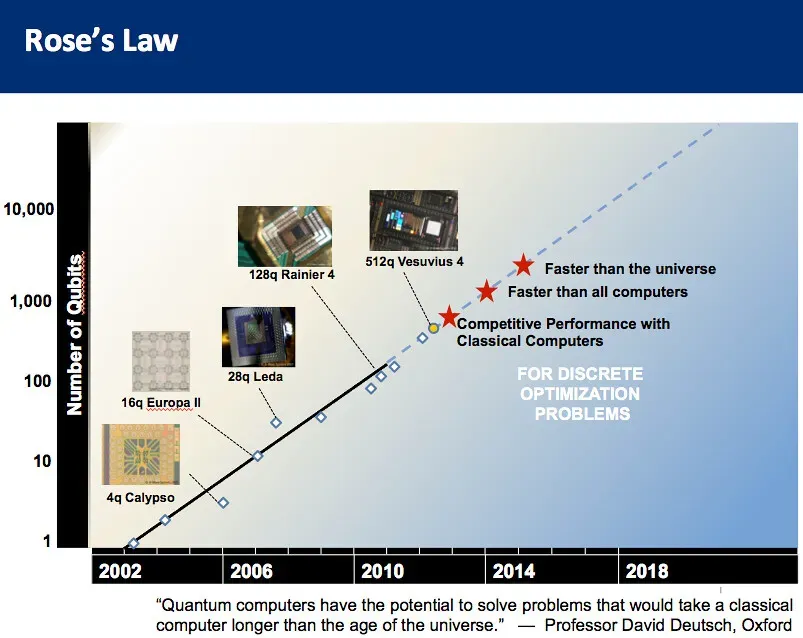
While quantum computers have shown impressive performance for some tasks, scaling up quantum computers to hundreds or thousands of qubits while maintaining high levels of coherence and low error rates remains a major challenge. Still, progress continues. The industry is moving towards improving coherence, connectivity, and overall system reliability rather than simply adding qubits, with increasing efforts made in grouping and controlling physical qubits to minimize errors and create more stable computation.
Real-World Applications Arriving Sooner Than Expected

In March 2025, IonQ and Ansys achieved a significant milestone by running a medical device simulation on IonQ’s 36-qubit computer that outperformed classical high-performance computing by 12 percent, one of the first documented cases of quantum computing delivering practical advantage over classical methods in a real-world application. This isn’t science fiction anymore. It’s happening in labs and companies right now.
Experts expect to see substantial advances in quantum platforms supporting fault-tolerant computation, as well as significant demonstrations of hybrid quantum-classical applications, with hardware demonstrations of more realistic applications using error correction with more complex operations than previous demonstrations. Businesses won’t have to bear the cost of quantum computers in 2026, as cloud giants including IBM, AWS, Microsoft and Google roll out pay-as-you-go access, which means quantum could be the next cloud battleground.
You don’t need to own a quantum computer to benefit from one, which dramatically lowers the barrier to entry.
The Road Ahead
In 2026, we can expect quantum to move from “potential technology” to “practical products”. 2026 marks the beginning of true quantum industrialization, with the momentum sparked by the International Year of Quantum now turning into concrete progress as digital QPUs are advancing with more efficient error-correction codes, while analog QPUs are taking a more central role by delivering practical advantages in targeted applications. The timeline is compressing faster than most people realize.
IBM unveiled fundamental progress on its path to delivering both quantum advantage by the end of 2026 and fault-tolerant quantum computing by 2029. Here’s the thing: we’re not waiting for some distant future. The quantum revolution is unfolding right now, in real time.
What does it all mean for you? Maybe quantum computers help create the medication that saves someone you love. Perhaps they secure your financial transactions in ways impossible today. They might solve climate challenges or unlock scientific discoveries we can’t even imagine yet. The impossible is becoming possible, and it’s happening faster than anyone expected. What will you do with a world where the previously unsolvable suddenly has answers? That’s the question we’re all facing, sooner than we thought.