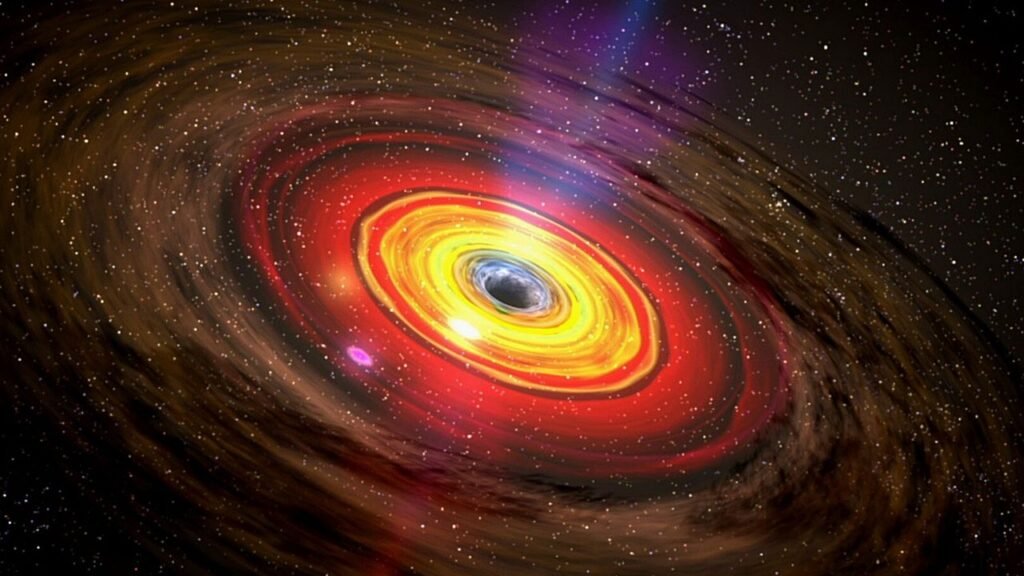

You might think you need to travel to Egypt to see pyramids, but southwest has its own version. These mountain peaks in Anlong county, Southwest ‘s Guizhou Province, have caused quite a stir on the internet, leaving people wondering if ancient civilizations left behind structures we’ve only just discovered. The truth turns out to be just as fascinating, though in an entirely different way.
In March, an aerial photography enthusiast Su Zhengqiang took a video of the pyramidal mountains in the suburbs of Anlong and posted it on ‘s video-sharing platform Douyin, and shortly after, it garnered over 4 million views and more than 1,000 comments. Yet while people on the ground marveled at these earthbound wonders, astronomers were making their own remarkable discovery about a celestial companion that’s been quietly following our planet for decades. An asteroid named 2025 PN7 now moves through space in step with Earth, and this tiny quasi moon will linger nearby for nearly six decades, staying with us until around 2083.
Nature’s Ancient Architecture Takes Center Stage

The discovery of several mountain peaks resembling the shape of pyramids in Anlong county sparked speculation about their origin, with some suggesting they are prototypes of actual pyramids, while others claim they are natural formations or even ancient tombs. The resemblance to Egyptian pyramids is genuinely striking when viewed from above. These aren’t small hills either.
After a thorough investigation, local authorities identified a total of 15 such pyramidal spots which are just 2 kilometers away from the county seat. The formations display sharp edges and layered surfaces that look remarkably like constructed blocks stacked by human hands. It’s easy to see why people’s imaginations ran wild with theories about lost civilizations and alien intervention.
What Science Reveals About These Mountain Marvels

According to Professor Zhou Qiuwen, a geologist from Guizhou Normal University, these pyramid-like mountains are neither man-made structures nor ancient tomb sites, and instead, they are remarkable examples of nature’s artistry. The explanation involves a geological process that spans an almost incomprehensible amount of time.
The pyramidal landscapes demonstrate a typical karst terrain, which started its geological evolution more than 200 million years ago when the county was still a shallow sea. Think about that for a moment. When these rocks were forming underwater, dinosaurs hadn’t even appeared yet. The rocks in Anlong are limestone formations dating back over 200 million years to the early to middle Triassic periods, and these rocks were formed in a marine environment, where minerals dissolved in water recrystallized to create distinct layers.
The pyramid shape itself comes from karst erosion processes. The karst topography of the region undergoes vertical erosion by water, resulting in the formation of independent units from the original rock mass, and continued erosion at the top layers and less erosion at the bottom lead to the sharp peaks and broad bases characteristic of the pyramid shape. Water carved these mountains over millions of years into their current form.
The Quasi Moon Revelation That Changed Our Perspective
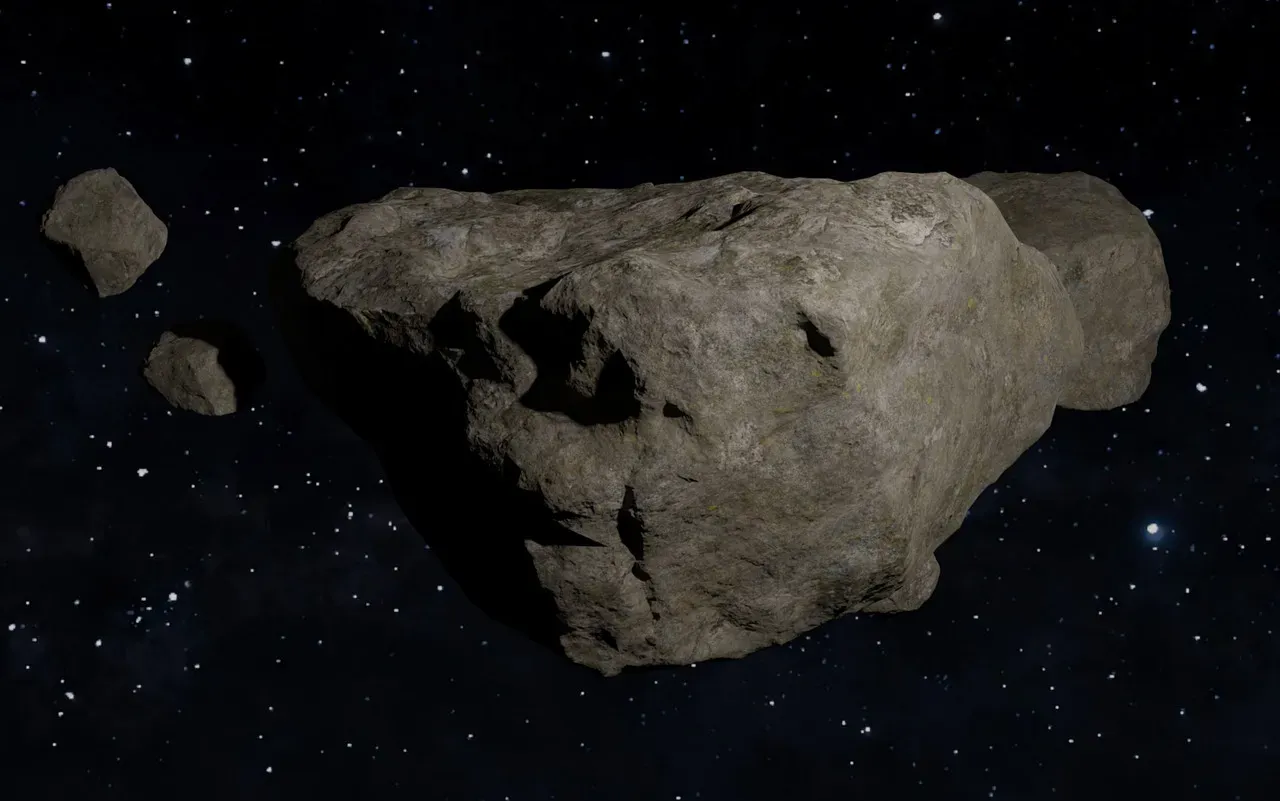
Just as drone footage revealed hidden pyramids on Earth’s surface, telescope surveys have revealed something equally surprising in our cosmic neighborhood. Astronomers recently discovered a tiny asteroid quietly following our planet around the Sun, acting like a second moon, called 2025 PN7, spotted on Aug. 2, 2025, by the Pan-STARRS telescope in Hawaii.
Here’s the thing that blows my mind about this discovery. Scientists estimate that the quasi-moon has been in this current orbit for 60 years, and that it will move in this pattern until 2083. This space rock has been our companion since the 1960s, yet we only just noticed it. This particular space rock is tiny, only about 50 to 100 feet wide, or roughly the size of a semi-truck or a small house, and it’s also extremely dim, which helps explain why it escaped detection until now.
Understanding Our Temporary Cosmic Companion
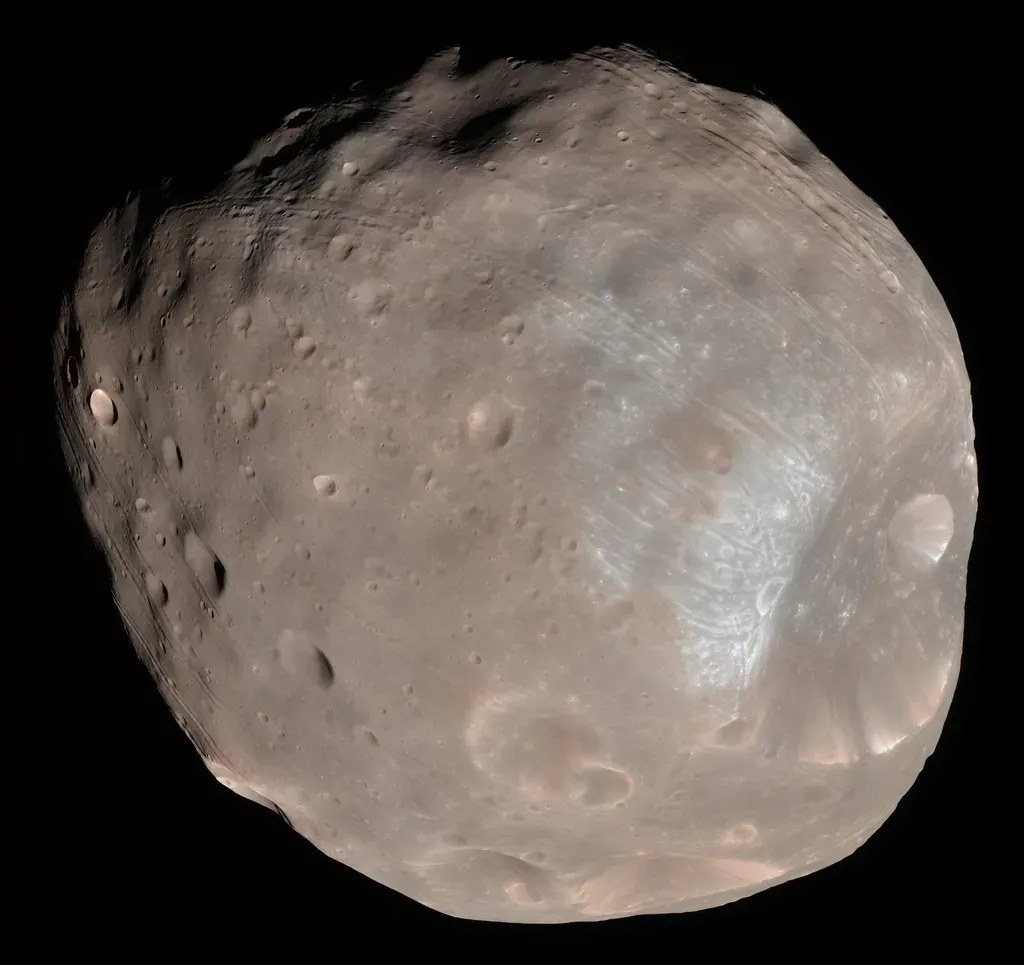
You might be wondering what exactly a quasi-moon is. A quasi moon is an asteroid that shares Earth’s year and appears to orbit us, however, it is not a true satellite, and it loops the Sun on a path that stays close to Earth’s, so from our viewpoint it seems to hang nearby for years. Think of it as a fellow traveler on the cosmic highway who happens to be going our same speed in the lane next to us.
2025 PN7 is part of a rare group of asteroids known as the Arjuna class, which have orbits very similar to Earth’s, and these asteroids make up what some scientists call a secondary asteroid belt, orbiting closer to Earth than any other known group. The space rock won’t stay with us forever, though. Subtle pulls from the Sun and planets eventually push the object away, but the near match in its year keeps it close for quite a while.
From Tourist Curiosity to International Sensation
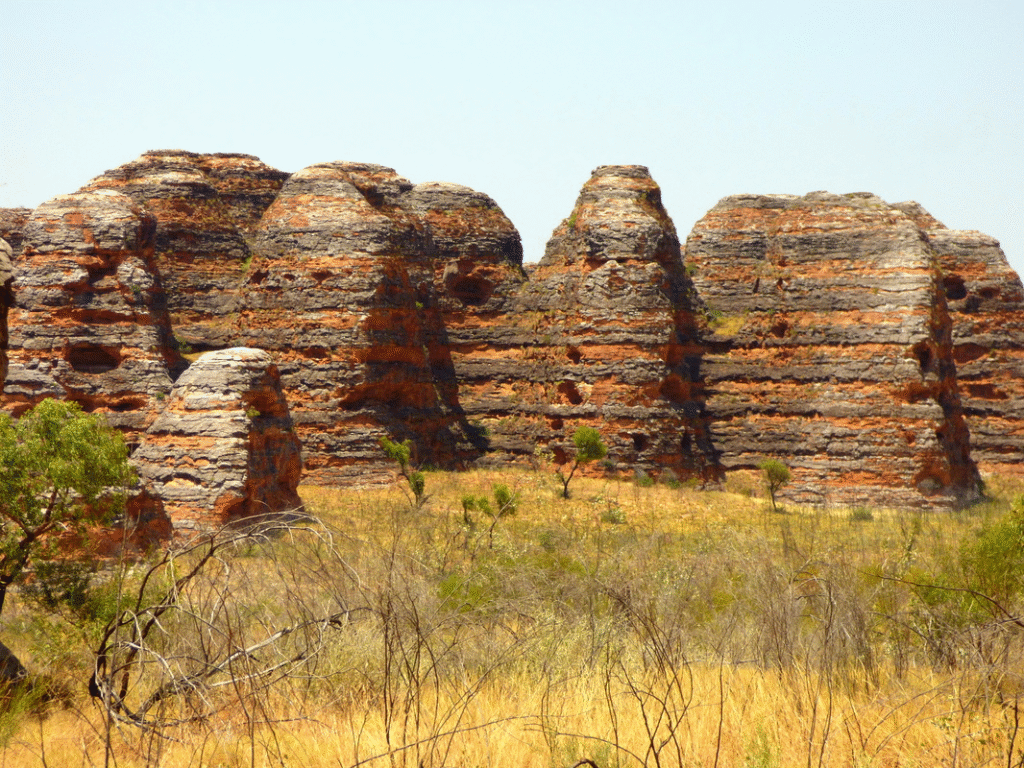
The Anlong pyramids have transformed from an obscure geological feature into a full-blown tourist phenomenon. The pyramidal mountains in Anlong County have become a popular attraction among tourists from across and around the globe in recent months. Local authorities moved quickly to capitalize on the viral attention.
With the natural wonder gaining online popularity, the local tourism department joined hands with several other departments to conduct patrols of the mountains to identify the best viewing spots, and Anlong promptly swung into action to upgrade the infrastructure, building viewing platforms, parking lots and service centers. It’s fascinating how a geological feature that existed for millions of years suddenly becomes valuable once enough people notice it exists. The mountains haven’t changed, but our perception of them certainly has.
Why These Discoveries Matter More Than You’d Think
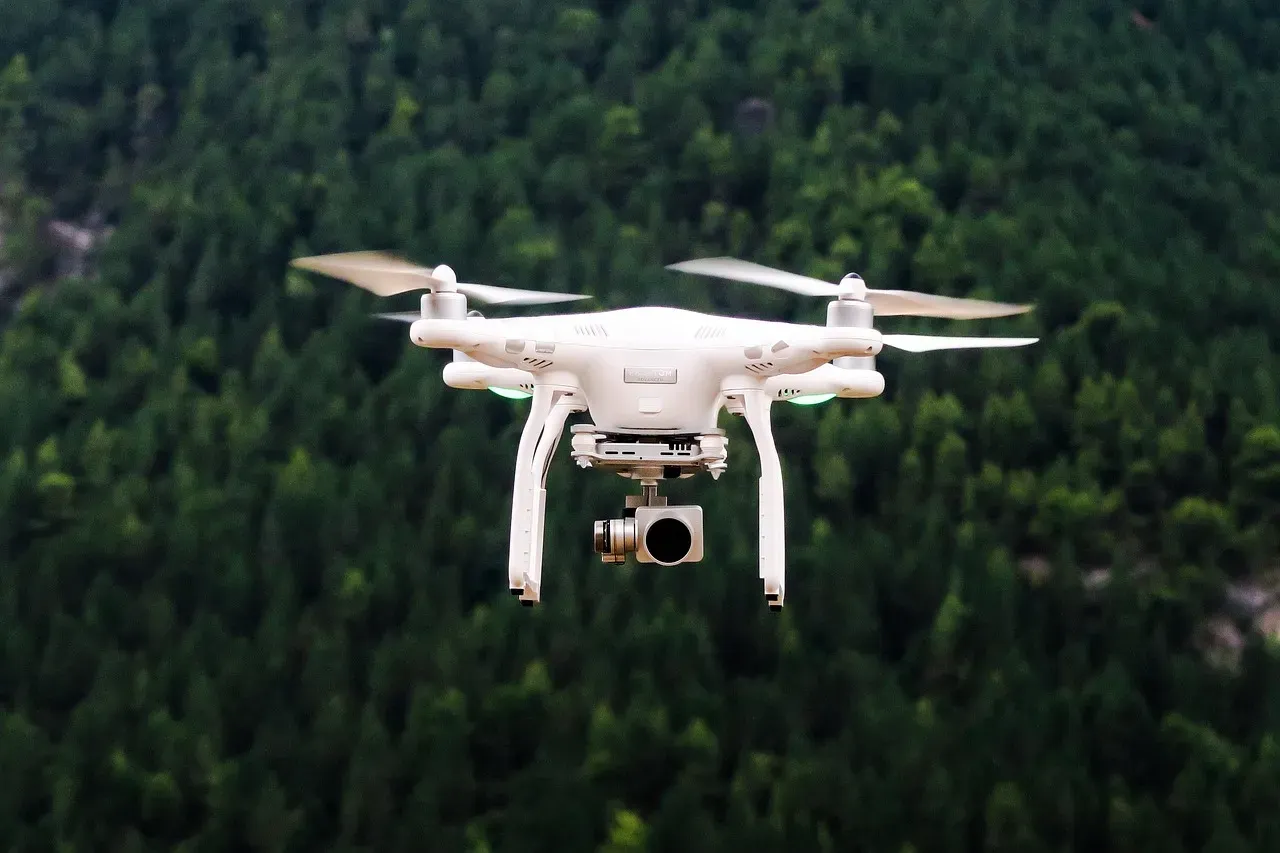
Both the Anlong pyramids and the quasi-moon discovery share something important in common. They challenge us to look more carefully at what’s been hiding in plain sight all along. Guizhou, a province in southwest , is characterized by numerous mountain ranges with steep peaks and deep valleys extending across the landscape, yet these particular formations went relatively unnoticed until drone technology made aerial surveys more accessible.
Similarly, There are other such partial, temporary or quasi moons hanging around the planet, and Northeastern University astrophysicists say there’s at least six other quasi-moons. The cosmos around us is busier than most people realize. Every new quasi moon adds a data point for how small bodies move in crowded gravitational neighborhoods, and these objects let scientists check their models for stability, close approaches, and safe operating zones for future spacecraft.
What Ancient Rocks and Space Rocks Tell Us
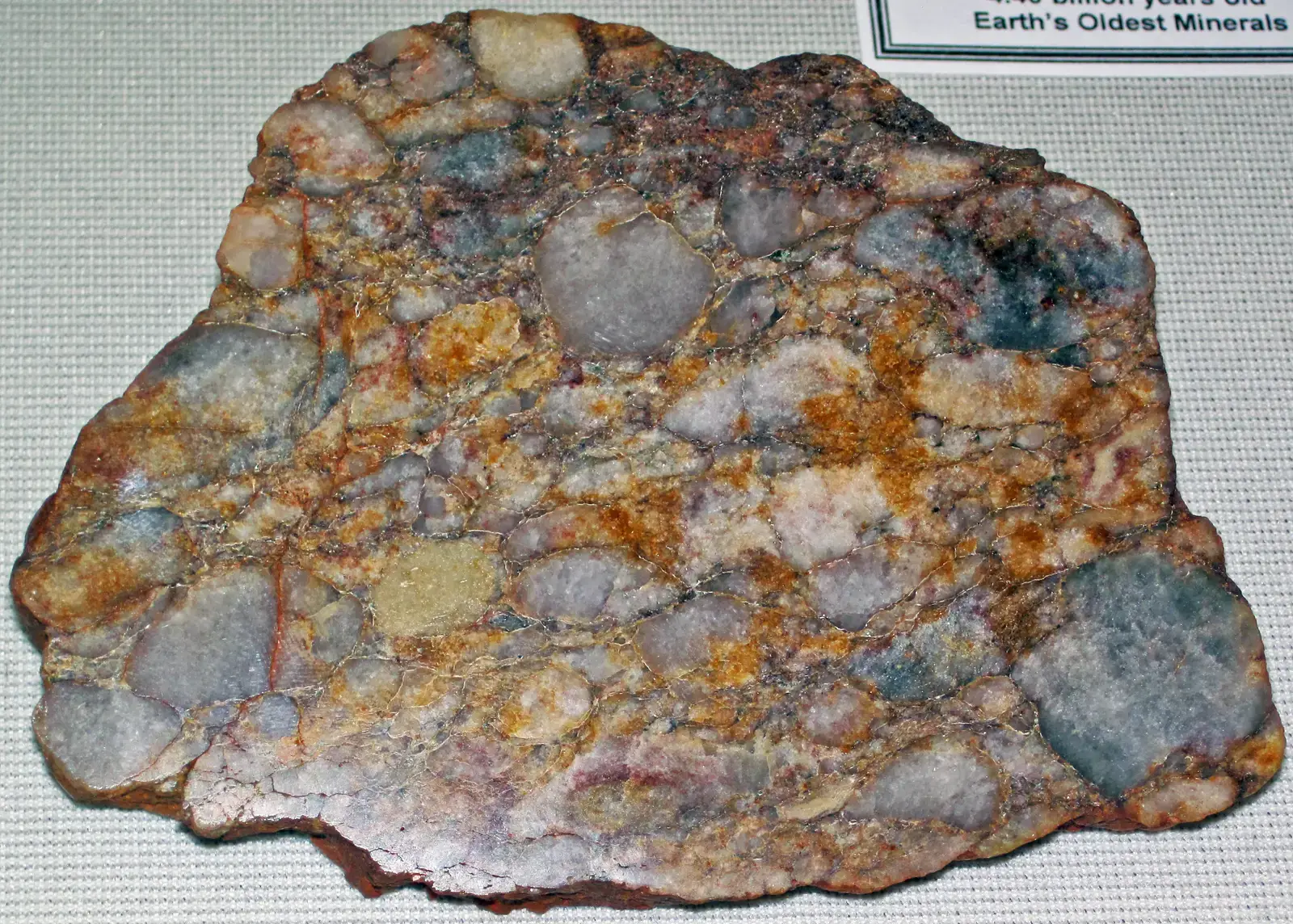
There’s something poetic about discovering both ancient geological formations and celestial bodies in the same year. Geological processes in karst landscapes can dissolve layered rocks into smaller blocks, giving the appearance of man-made structures, and small cracks within the rocks allow water to slowly erode them. Time and natural forces create patterns that look intentional.
Earlier research on Earth’s longer-lived quasi moon, Kamoʻoalewa, found lunar-like silicates in its surface spectrum, hinting that some of these companions may be fragments knocked free long ago. The universe is full of wanderers and remnants from ancient impacts. Whether we’re looking at mountains carved by water over millions of years or asteroids drifting through space, we’re witnessing the ongoing story of how our solar system evolved and continues to change.
The team of researchers at the University of Hawaii quickly realized that this speck was keeping a near-perfect pace with Earth’s orbit around the sun, and weeks of further observation concluded, with confirmation from NASA, that 2025 PN7 was a quasi-moon for Earth. Sometimes the most extraordinary discoveries come from simply paying closer attention to what’s already there.
A New Appreciation for Hidden Wonders

The Anlong pyramids will continue standing long after the current tourist boom fades. As the only province without plains in , Guizhou is home to numerous mountains and hills, where nature has created many wonders. These formations remind us that Earth’s surface holds countless marvels we haven’t fully catalogued yet.
Meanwhile, 2025 PN7 will keep circling the Sun alongside our planet for decades to come. The closest the asteroid has ever gotten to the Earth is still 10 times farther away than our moon circles the planet, so you won’t be able to see it without serious astronomical equipment. Yet knowing it’s there changes something about how we understand our place in space.
Both discoveries happened because people were looking. Su Zhengqiang pointed his drone camera at the right angle. Astronomers kept their telescopes scanning the sky night after night. The lesson seems clear enough. Whether you’re gazing up at the stars or down at Earth’s surface, there’s always more to discover if you’re willing to look carefully. What other wonders are waiting for us to notice them?
Hi, I’m Andrew, and I come from India. Experienced content specialist with a passion for writing. My forte includes health and wellness, Travel, Animals, and Nature. A nature nomad, I am obsessed with mountains and love high-altitude trekking. I have been on several Himalayan treks in India including the Everest Base Camp in Nepal, a profound experience.