
Anyone who has watched a dog wander through the house after a beloved animal companion dies knows the look: the searching eyes, the hesitation at a favorite shared spot, the quiet sigh as they lie down alone. For a long time, people brushed this off as us projecting human emotions onto our pets. But modern psychology and neuroscience are painting a very different – and honestly, heartbreaking – picture. It turns out that when a dog loses another pet in the home, their brain may light up in ways surprisingly similar to ours when we grieve the loss of someone we love.
This does not mean dogs sit around pondering the meaning of life like a philosopher in a fur coat, but it does mean their emotional world is richer and more complex than many people once believed. The same systems that fire in humans during attachment, separation, and bereavement are at work in dogs too. That shifts the conversation from “Is my dog really grieving?” to a more urgent question: “If they are, what responsibility do I have to support them?” Once you see grief in your dog’s behavior through this lens, you can’t really unsee it.
The Science of Canine Grief: What Brains and Behavior Reveal
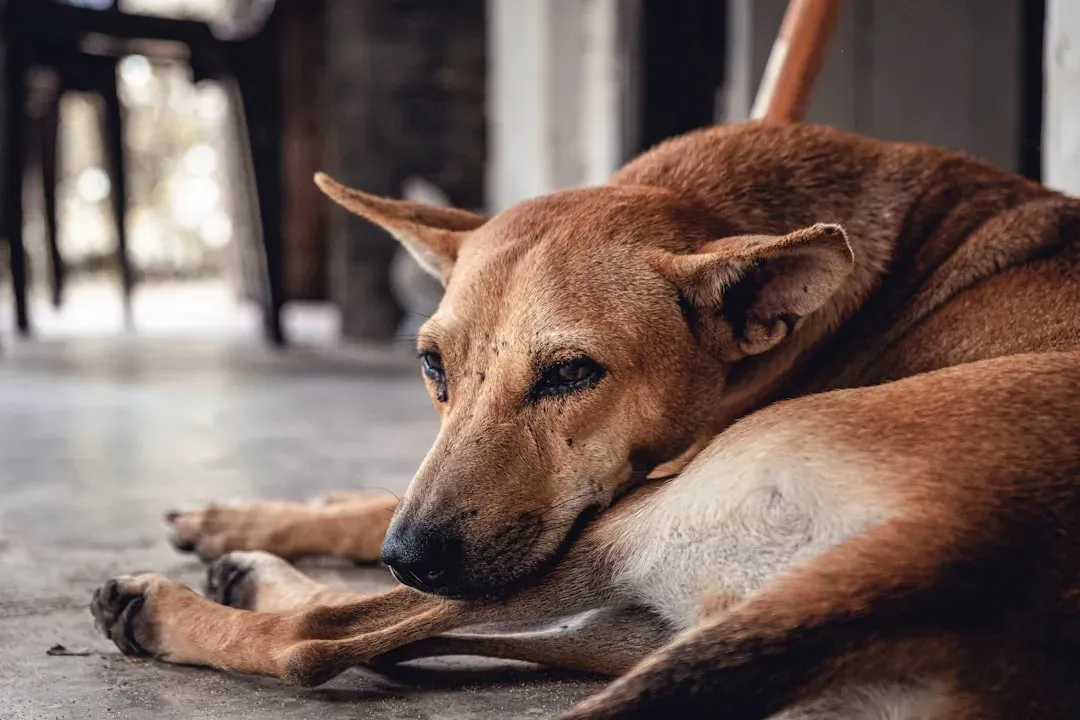
Psychologists and animal behavior researchers increasingly describe dog grief in terms of attachment and loss, not just habit disruption. When two dogs share a home, they often develop strong social bonds: they sleep near each other, synchronize routines, and even coordinate play in ways that look a lot like friendship. When one dies, the surviving dog may show changes in appetite, sleep, exploration, and vocalization that mirror classic human grief patterns like withdrawal, restlessness, or a loss of interest in previously enjoyed activities.
These observations are not just sentimental impressions; they’re consistent across many households and studies. Caregivers commonly report that a surviving dog appears more lethargic, more clingy with humans, or uncharacteristically vocal, almost like someone pacing the floor late at night after a funeral. While we can’t ask dogs to fill out a grief questionnaire, we can compare the patterns of change to human clinical descriptions of bereavement, and the overlap is striking. Behavior alone does not prove emotional equivalence, but it strongly suggests that something very close to grief is unfolding inside the dog’s mind.
Neurological Markers: How Dog Brains Echo Human Grief Circuits

When scientists look at human grief in the brain, key regions tend to show up again and again: areas involved in attachment, emotional regulation, and memory, like parts of the limbic system and the prefrontal cortex. In dogs, brain imaging and neurochemical studies have revealed surprisingly similar patterns of activation and neurotransmitter changes in response to separation from bonded humans and other dogs. The same emotional circuitry that helps them form deep attachments also appears to flare when those bonds are abruptly broken.
While researchers are careful about claiming a perfect one‑to‑one match with human grief, the parallels are hard to ignore. Systems related to stress hormones, reward and bonding neurochemicals, and social pain light up in ways that map onto our own experience of loss. Think of it like comparing two different musical instruments playing the same melody: the tone is a bit different, but the emotional tune is recognizably similar. The dog’s brain may not be processing grief with all the human cognitive layers, but the underlying emotional architecture is strikingly aligned.
Attachment, Oxytocin, and the Biology of “Missing Someone”

At the heart of both human and canine bonding is a powerful chemical story: oxytocin, often called the attachment hormone. In both species, eye contact, gentle touch, and shared routines increase oxytocin levels, reinforcing feelings of safety and closeness. Dogs do not just bond with their humans; they also bond with other dogs and even other animals in the home through this same biological pathway. Over time, another pet can become part of a dog’s emotional infrastructure, not just a playmate sharing the couch.
When that bonded companion disappears, the oxytocin-based comfort system is suddenly disoriented. The dog still expects the presence, scent, and sound of the lost companion, but those cues never arrive. This mismatch – the body expecting closeness and getting absence instead – is a recipe for emotional distress. It is similar to how people describe reaching for a loved one who is no longer there, feeling the body respond before the mind catches up. In dogs, this biology underlies behaviors that look like searching, waiting, or quietly withdrawing from their usual joys.
Behavioral Signs Your Dog May Be Grieving a Lost Pet
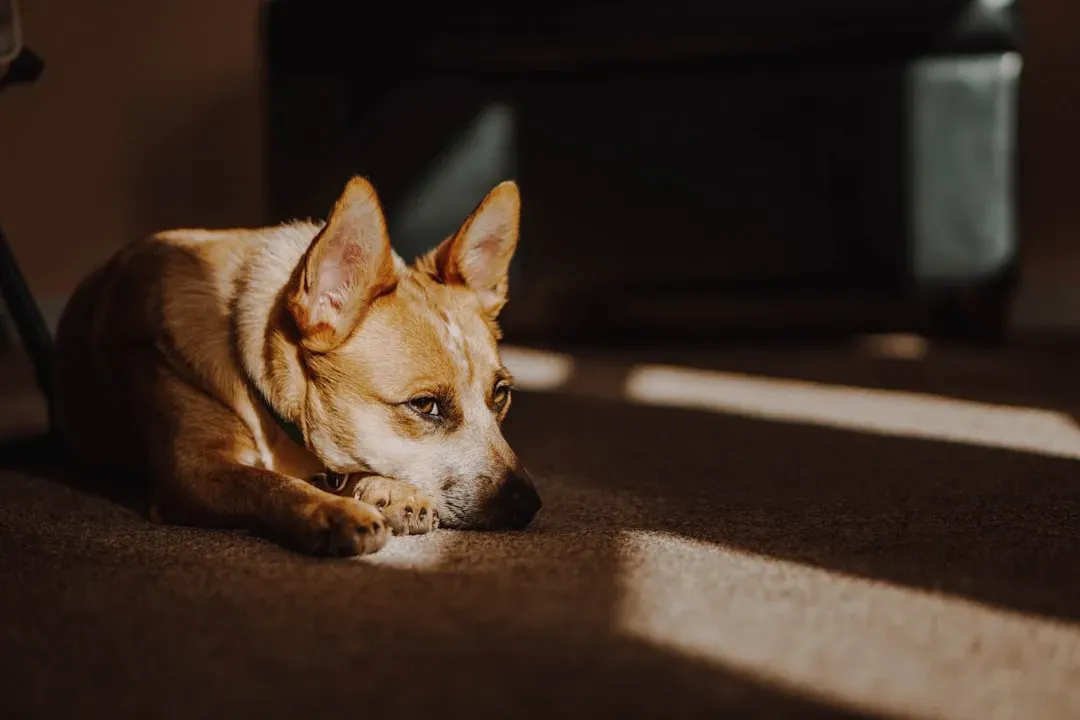
From the outside, canine grief often shows up in small, easy‑to‑miss details. A dog who used to race to the door for walks may now hesitate, as if expecting their missing companion to trot alongside them. They may sniff favorite sleeping spots more intensely, linger at the window, or avoid certain rooms where the other pet used to rest. Some dogs pace or whine more, while others curl up and sleep longer, like they are emotionally jet‑lagged and trying to recalibrate their world without their partner in it.
Changes in appetite and social behavior are also common. A normally ravenous dog might leave food untouched, or they may eat only when a human sits with them. Others become shadow‑like, following their person from room to room, unwilling to be alone in a house that now feels strangely empty. None of these behaviors prove grief in a laboratory sense, but when they cluster around the death of another pet, the pattern is hard to dismiss. It looks less like a random mood swing and more like the emotional equivalent of wearing black for a while.
Do Dogs Understand Death, or Just Absence?
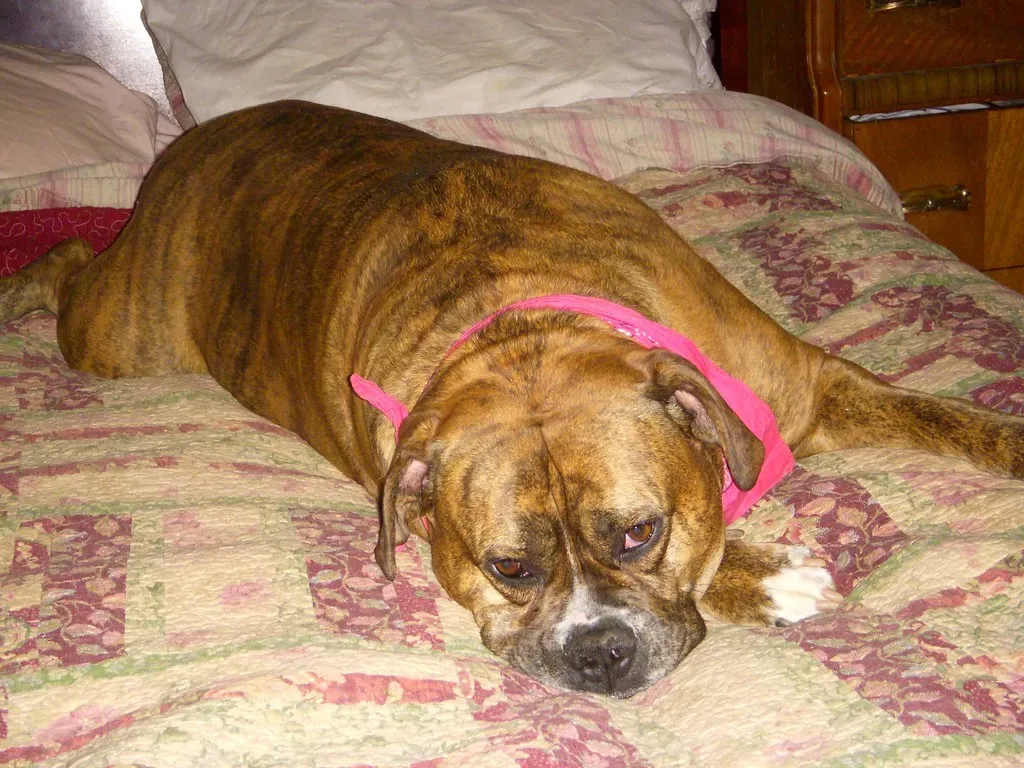
Here’s where the science gets more cautious – and where we need to be honest about what we know and what we don’t. Dogs almost certainly do not conceptualize death in the abstract way humans do. They are not pondering mortality, funerals, or the finality of life. Instead, they understand that someone who used to be here is gone, and their body and brain react intensely to that loss of presence. From a psychological point of view, dogs are experts in “here” and “not here,” and the emotional weight they attach to that difference can be immense.
Some caregivers notice that allowing a dog to see or smell the deceased pet’s body seems to reduce restless searching later, while others see little change. That suggests dogs can register a physical reality shift, but it does not prove they grasp the concept of death as humans do. Rather than arguing about whether dogs “truly” understand death, it may be more useful to focus on what they clearly show us: confusion, longing, and disrupted routines when a bonded animal vanishes. To me, that’s close enough to grief that splitting hairs over definitions feels more like a human comfort exercise than a dog‑centered question.
Helping a Grieving Dog: What Actually Makes a Difference
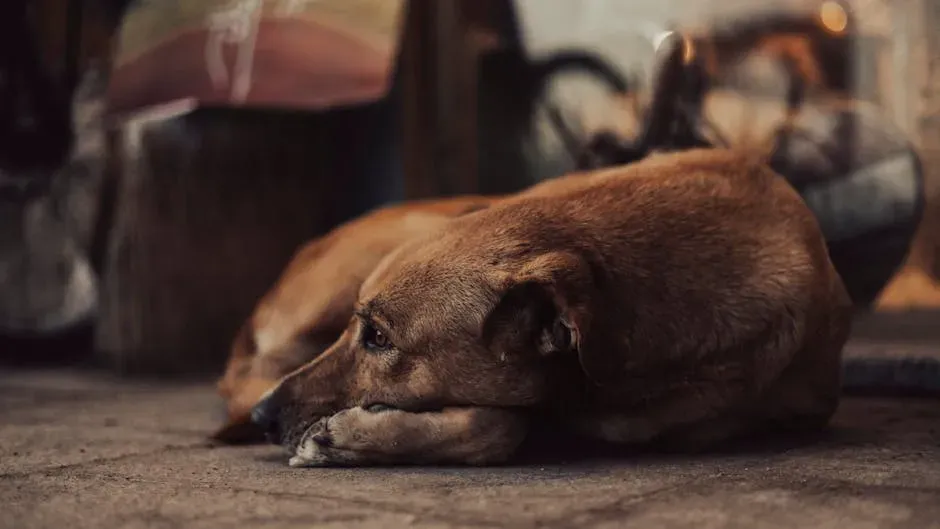
When a dog is grieving another pet, many people instinctively respond with extra affection – and that instinct is usually right. Maintaining stable routines, like feeding and walking times, gives the dog a sense of predictability when their social world has just been shaken. Gentle enrichment, such as sniffy walks, puzzle feeders, and low‑pressure play, can re‑engage their curiosity without forcing them to “cheer up” on command. Think of it as emotional physical therapy: small, consistent movements back toward normal life, not a sudden demand to bounce back.
At the same time, it’s important not to accidentally reward anxious behaviors by dramatically changing every household rule in response. The goal is calm, consistent support, not turning your dog into the fragile center of the universe. If sleep, appetite, or behavior remain seriously off for more than a few weeks, or if your dog shows signs of severe distress, a veterinarian or veterinary behaviorist should be involved. Just as with human grief, sometimes time and love are enough, and sometimes professional help is a sign of respect for the depth of the loss, not an overreaction.
Should You Get Another Pet Right Away – For Your Dog’s Sake?

This is one of the most emotionally charged decisions people face after a pet dies. Many well‑meaning friends say you should adopt another animal quickly so the surviving dog “won’t be lonely.” But for both humans and dogs, grief is not a vacancy that needs to be filled; it is a bond that needs to be honored. Some dogs seem energized and comforted by a new companion, while others react with stress, withdrawal, or even increased anxiety. There is no one‑size‑fits‑all answer, and rushing can sometimes backfire.
In practice, it often makes sense to let the surviving dog settle into a new rhythm before bringing in another animal. Watch how they adjust over several weeks: Are they starting to re‑engage with play, food, and walks, even if they still have sad moments? Or do they seem overwhelmed and brittle, barely coping with daily life? A new pet adds noise, energy, and complexity, which can be healing for a dog that’s ready or overwhelming for one that’s still emotionally raw. In my view, we should stop treating replacement as a solution and instead treat timing and temperament as the core of the decision.
Why Recognizing Dog Grief Changes How We See Them

Once you accept that dogs experience something neurologically and emotionally akin to human grief, it becomes nearly impossible to see them as “just pets” in the old, dismissive sense. They are not furry accessories reacting mechanically to routine changes; they are social mammals whose brains and hearts are wired for love, loss, and recovery. Understanding that their brains show the same kinds of markers associated with human grief moves the conversation from “Is this real?” to “How do we respond ethically?” That’s a big shift in responsibility on our side of the leash.
Personally, I think acknowledging canine grief is a test of how seriously we take our claim that dogs are family. Families do not shrug off loss; they sit with it, honor it, and adjust around it. Seeing your dog pace the hallway for a friend who is gone hurts in a very particular way, because you realize you’re not just managing your own grief experience – you’re shepherding theirs too. And maybe that’s the quiet, uncomfortable truth at the center of all this science: the closer dog psychology looks to our own, the less excuse we have for treating their pain as anything less than real.
Conclusion: If Dogs Grieve Like Us, We Owe Them More Than Comforting Stories
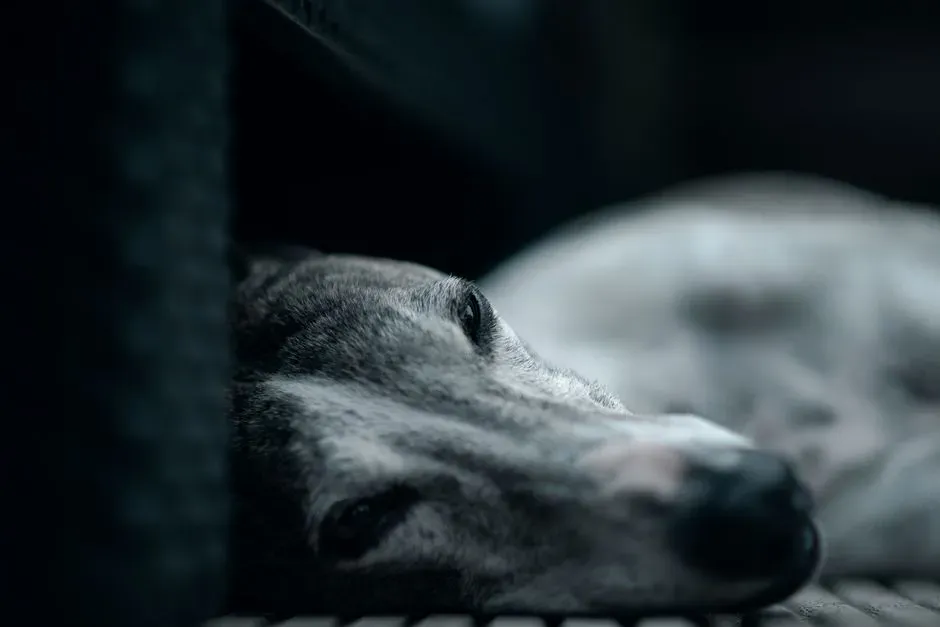
The emerging picture from psychology and neuroscience is not that dogs are little humans in fur, but that the architecture of their attachment and loss is far closer to ours than we used to admit. They form genuine bonds with other animals in the home, and when those bonds are torn away, their brains and behavior show the same signatures of distress that we would call grief in a person. That means their searching, their quiet withdrawal, their sudden clinginess are not random quirks but the echoes of a relationship that mattered deeply to them.
I think we need to stop debating whether this “counts” as real grief and start acting as if it does. That means giving dogs time to mourn, resisting the urge to “fix” the household with a quick replacement, and seeking help when their sorrow does not soften with time. It also means allowing ourselves to see their inner lives as richer, messier, and more vulnerable than any simple training manual suggests. If your dog is grieving another pet right now, maybe the most honest question is not whether they feel what you feel, but whether you’re willing to show up for their loss the way you wish someone would show up for yours.