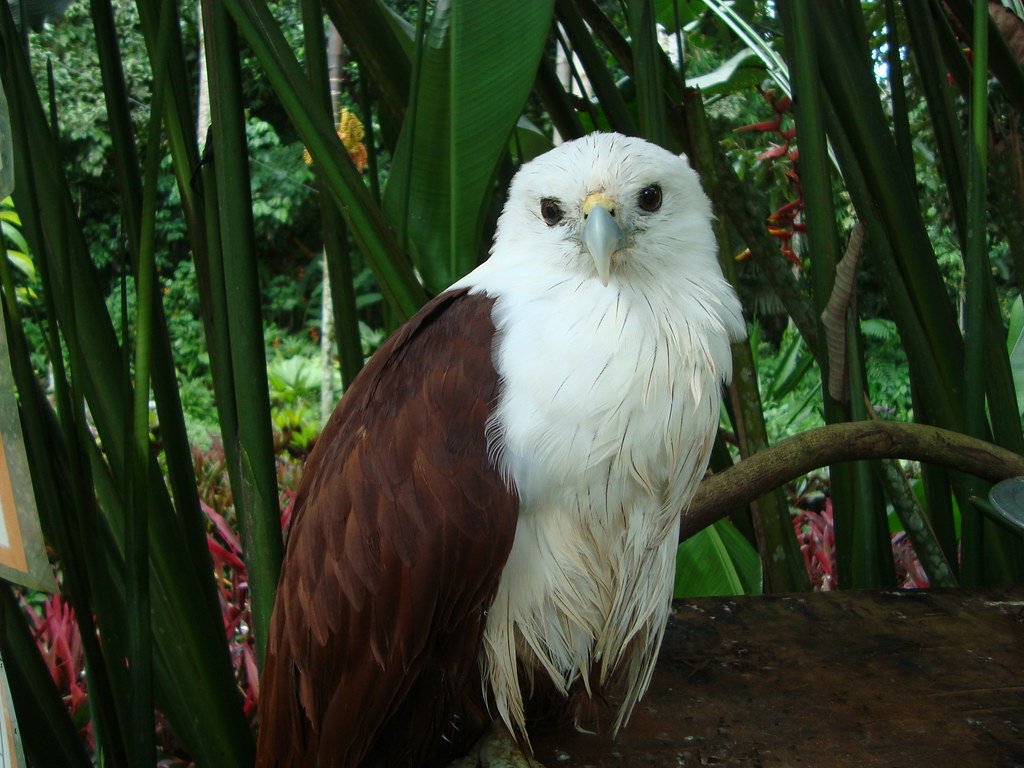

The Philippine Eagle, also known as the “Monkey-Eating Eagle,” stands as an emblem of national pride and a symbol of the Philippines’ rich biodiversity. With its striking appearance and formidable wingspan, it captures the imagination of bird enthusiasts and conservationists alike. However, this majestic bird faces a precarious future, teetering on the brink of extinction. As forests shrink and threats multiply, the survival of the Philippine Eagle relies heavily on dedicated conservation efforts. This article delves into the multi-faceted strategies employed to protect this irreplaceable national symbol and secure its future for generations to come.
The Majesty of the Philippine Eagle
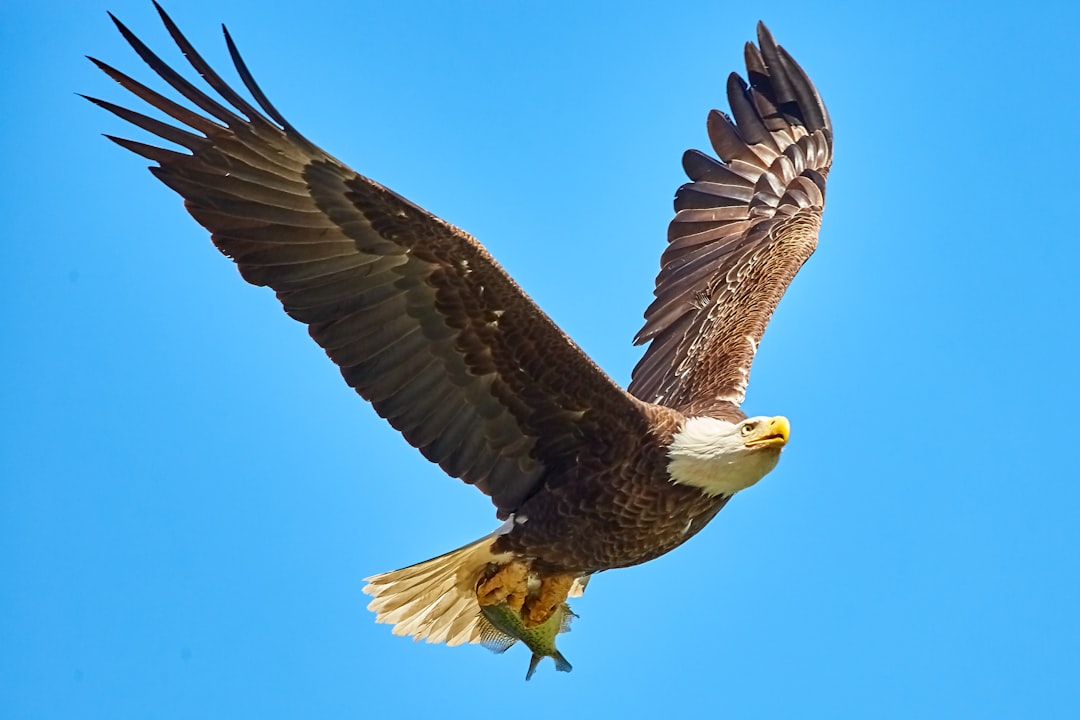
With feathers that cascade like a regal cloak and a piercing gaze that commands respect, the Philippine Eagle is truly a marvel of nature. It is one of the largest and most powerful eagles in the world, with wingspans reaching up to seven feet. These birds are not just predators but apex predators, playing a crucial role in maintaining the ecological balance of their forest habitats. Their presence is an indicator of a healthy ecosystem, making their conservation essential not just for their survival but for the health of the entire forest community. In the eyes of many Filipinos, the eagle is more than just a bird; it is a living symbol of the nation’s resilience and beauty.
Understanding the Threats
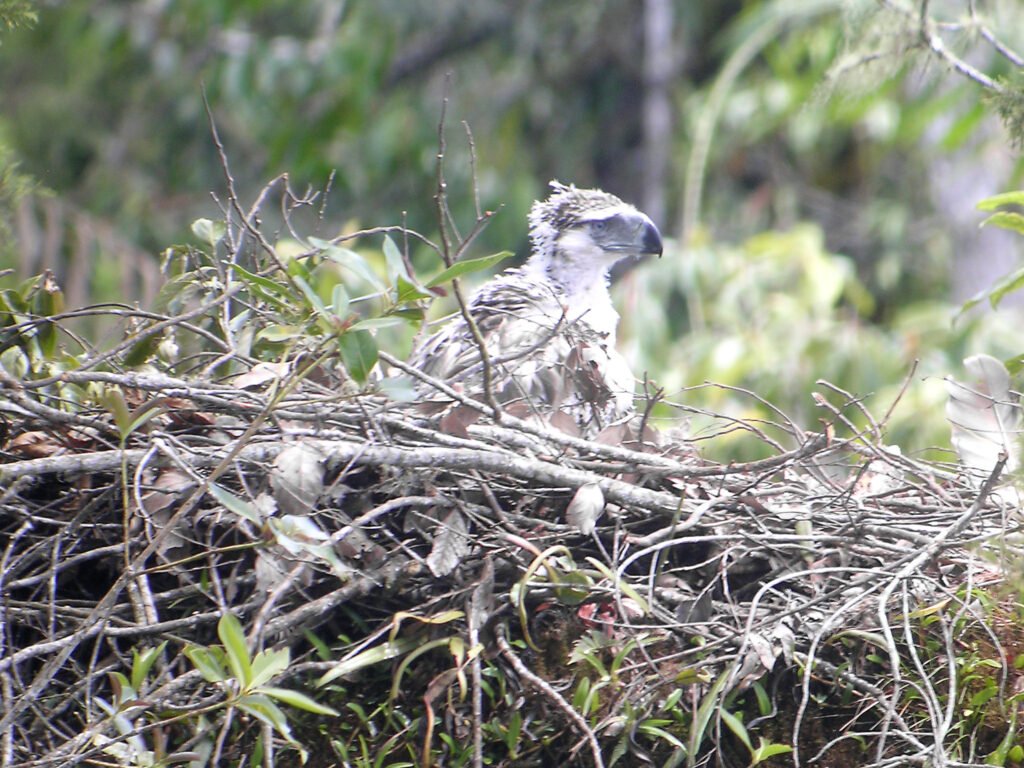
The Philippine Eagle faces numerous threats, most of which are human-induced. Deforestation is the primary threat, as it results in habitat loss and fragmentation, making it difficult for these eagles to find food and suitable nesting sites. Illegal logging and agricultural expansion continue to eat away at the forests these birds call home. Additionally, hunting and poaching pose significant threats, as the eagle is sometimes targeted for its feathers or captured for illegal wildlife trade. With an estimated population of only 400 pairs in the wild, these threats place immense pressure on their survival.
Conservation in Action
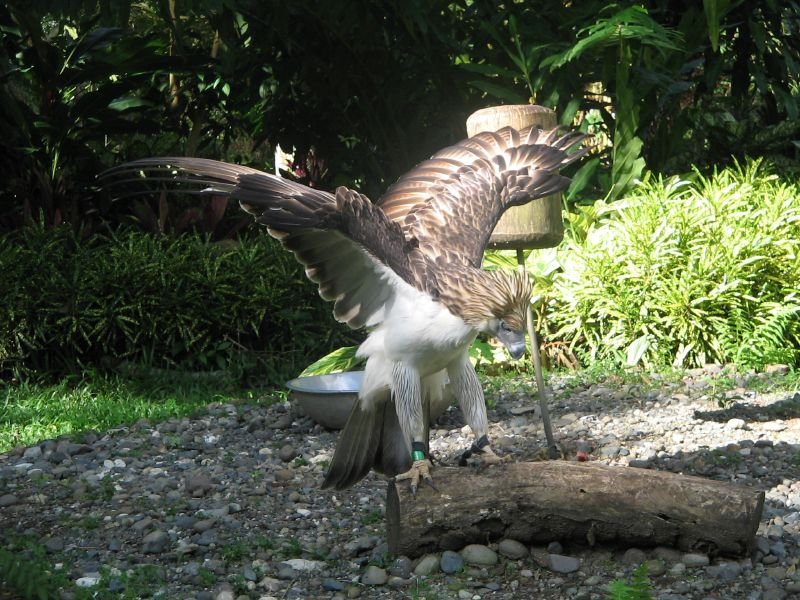
To combat these threats, a variety of conservation efforts have been implemented. The Philippine Eagle Foundation (PEF) has been at the forefront, working tirelessly to protect these magnificent birds. They focus on habitat protection, captive breeding, and public education to raise awareness about the eagle’s plight. Community involvement is crucial, as local people are encouraged to participate in conservation activities, fostering a sense of ownership and pride in protecting their natural heritage. By collaborating with government agencies, non-profit organizations, and local communities, the PEF aims to create a sustainable future for the Philippine Eagle.
Captive Breeding Programs
Captive breeding programs play a vital role in increasing the population of the Philippine Eagle. These programs aim to breed eagles in controlled environments and eventually release them into the wild. The Philippine Eagle Center in Davao City serves as a sanctuary for these birds, providing a safe haven where they can breed and thrive. Breeding in captivity is a challenging process that requires extensive knowledge of eagle behavior and biology. Yet, it has proven to be a successful strategy, with several eagles being released back into their natural habitats, contributing to population recovery efforts.
Educational Outreach and Awareness
Raising awareness about the Philippine Eagle is a critical component of conservation efforts. Educational outreach programs are designed to inform the public, particularly young people, about the importance of preserving this national treasure. By fostering a connection between individuals and the eagle, these programs cultivate a sense of responsibility and stewardship. Schools, museums, and media outlets are leveraged to disseminate information and inspire action. The more people understand the eagle’s role in the ecosystem, the more they are likely to support conservation initiatives.
Community Involvement and Empowerment
Empowering local communities is essential to the success of conservation efforts. Many initiatives focus on engaging indigenous and rural communities, who often live in close proximity to eagle habitats. By involving them in conservation activities, such as monitoring eagle populations and protecting nesting sites, these programs create opportunities for sustainable livelihoods. This mutual benefit fosters a cooperative relationship between people and wildlife, ensuring that conservation efforts are not only effective but also equitable.
Technological Innovations in Conservation

Technology has become an invaluable tool in monitoring and protecting the Philippine Eagle. Satellite tracking devices are used to gather data on eagle movements and behavior, providing insights that inform conservation strategies. Drones and remote cameras help researchers monitor eagle nests without disturbing the birds, offering a non-intrusive way to study these elusive creatures. These technological advancements allow for more precise and efficient conservation actions, ensuring that resources are used effectively to protect the eagle.
Legal Protections and Policies
Legal protections are paramount in safeguarding the future of the Philippine Eagle. The government has enacted laws and policies aimed at conserving wildlife and their habitats. The Wildlife Resources Conservation and Protection Act, for instance, provides a legal framework to protect endangered species like the Philippine Eagle. Enforcement, however, remains a challenge, as illegal activities persist. Strengthening these laws and ensuring their implementation is crucial for the long-term survival of the eagle.
International Collaboration
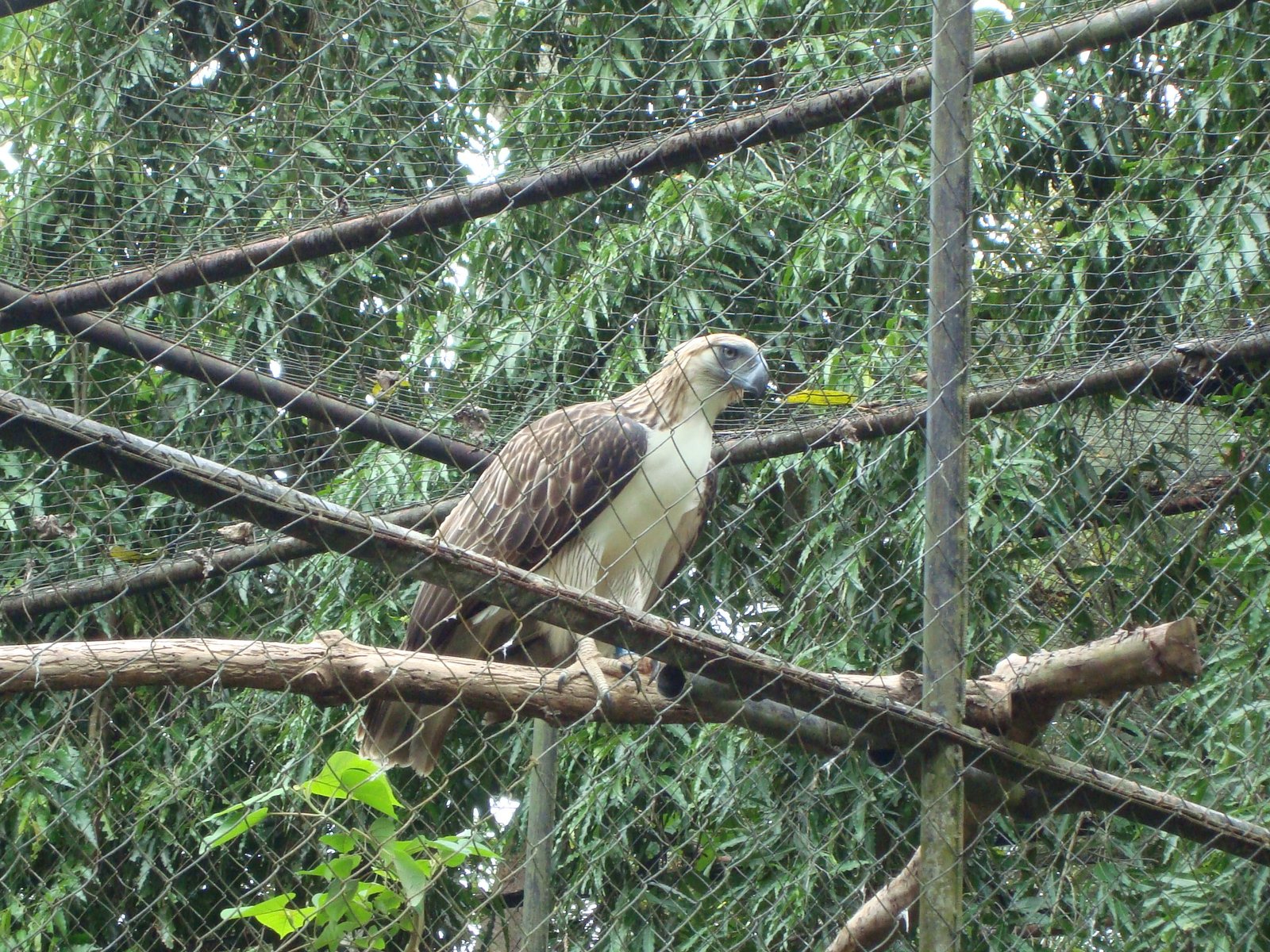
The plight of the Philippine Eagle has garnered international attention, leading to collaborations with global conservation organizations. These partnerships bring in expertise, funding, and resources that bolster local efforts. By sharing knowledge and best practices, international collaborations enhance the effectiveness of conservation initiatives. The global community’s involvement underscores the importance of the Philippine Eagle not only as a national symbol but as a species of international ecological significance.
The Road Ahead

The journey to save the Philippine Eagle is long and fraught with challenges, but it is a journey worth taking. Each step taken towards conservation is a step towards preserving not just a species, but a symbol of hope and resilience. The continued survival of the Philippine Eagle depends on the collective efforts of individuals, communities, organizations, and governments. As we strive to protect this majestic bird, we also protect the rich biodiversity of the Philippines and the delicate balance of its ecosystems. The fate of the Philippine Eagle is inextricably linked to our own, reminding us that in saving this national symbol, we save a part of ourselves.