
Stand on any U.S. shoreline long enough, and you start to feel it: the ocean is changing. The water is warming, storms are hitting harder, fish are moving, and the beaches we grew up with don’t always look or feel the same. For a long time, a lot of this felt distant or invisible, like a slow-motion problem for some future generation to handle.
But that illusion is breaking. From coral reefs in Florida turning ghostly white to crab fisheries in Alaska shutting down overnight, the warning lights are flashing across America’s coasts. The fight to protect our marine ecosystems is no longer just about saving pretty places or charismatic animals – it’s about food, jobs, culture, and the stability of communities that depend on the sea.
The Ocean Is Warming Faster Than We Thought
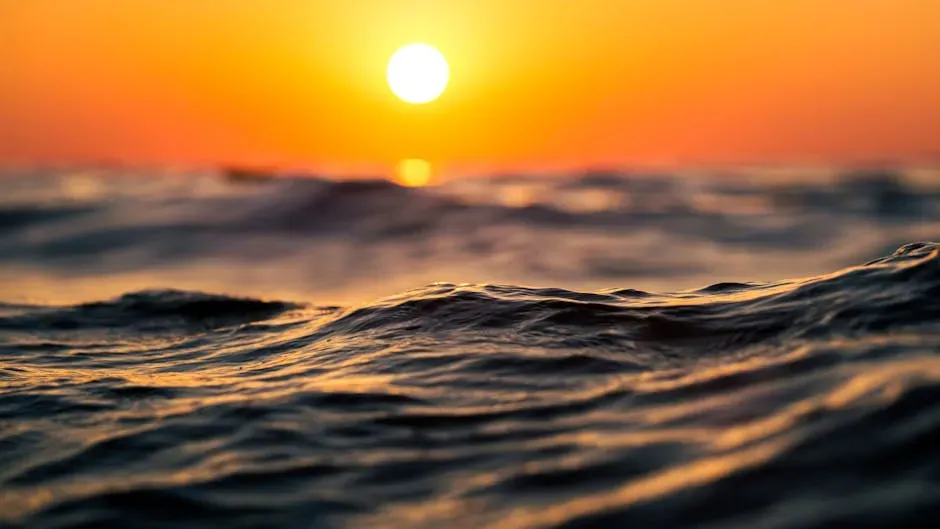
Here’s the gut punch: the vast majority of the extra heat trapped by human-made greenhouse gases ends up in the ocean, not in the air. That means even in years when air temperatures seem to “pause,” the ocean keeps quietly absorbing more and more energy, like a battery being overcharged. Sea surface temperatures around the United States have been hitting record highs more often, fueling brutal marine heatwaves that can last for months or even seasons.
These marine heatwaves are not just a bit of warm water; they reshuffle entire ecosystems. Fish and plankton shift north or move deeper, lobster and crab populations migrate, and kelp forests and coral reefs can collapse under the stress. I remember the first time I saw images of the Pacific “warm blob” a decade ago – it looked like a bruise spreading across the map, and it felt like a preview of where we were headed. We’re now living in that preview, and the bruises are multiplying.
Coral Reefs on the Brink: Florida and Beyond
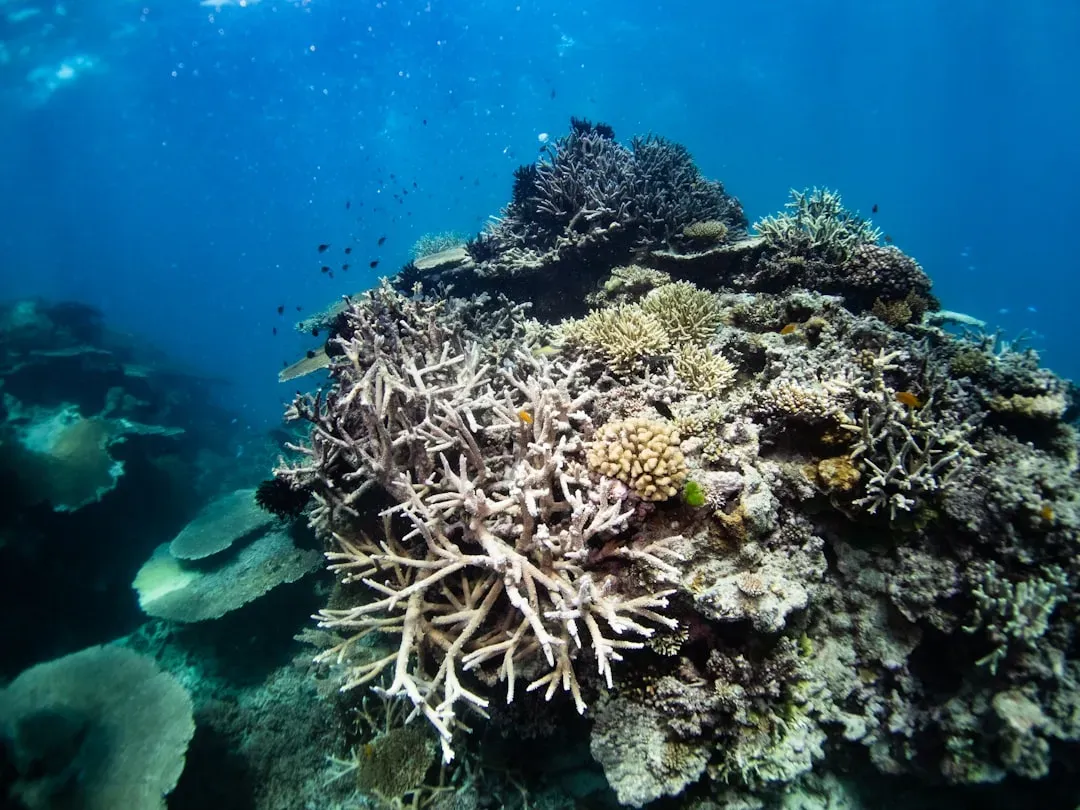
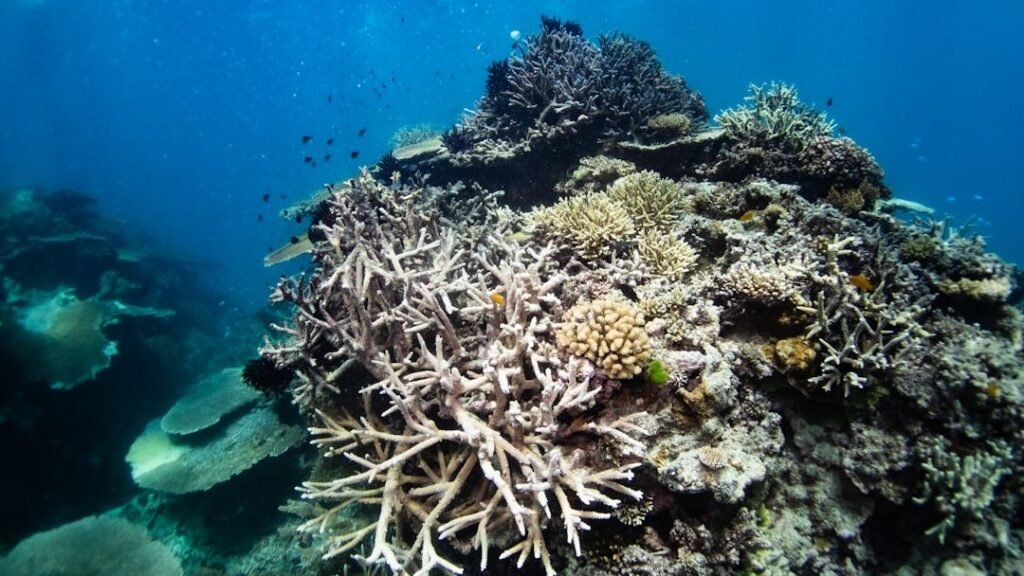
Few things are as shocking as seeing a vibrant coral reef turn into a chalk-white graveyard in a matter of weeks. That’s coral bleaching: when water gets too hot for too long, corals expel the tiny algae that feed them, losing their color and, if the stress continues, eventually dying. In recent years, Florida’s reefs – already stressed by pollution and disease – have faced record-breaking heat that pushed them to the edge like never before.
These reefs are often called underwater rainforests, and that’s not just poetic language. They support a stunning diversity of fish and invertebrates, many of which coastal communities rely on for food and tourism. When reefs die, the damage echoes outward: fisheries decline, tourism dollars shrink, and coastal protection weakens because dead coral doesn’t break waves the way healthy, growing structures do. Efforts like selective breeding of heat-tolerant corals and underwater nurseries offer some hope, but without reducing the warming itself, it’s like patching holes in a sinking ship while someone keeps drilling new ones.
Overfishing, Bycatch, and the Hidden Cost of Seafood
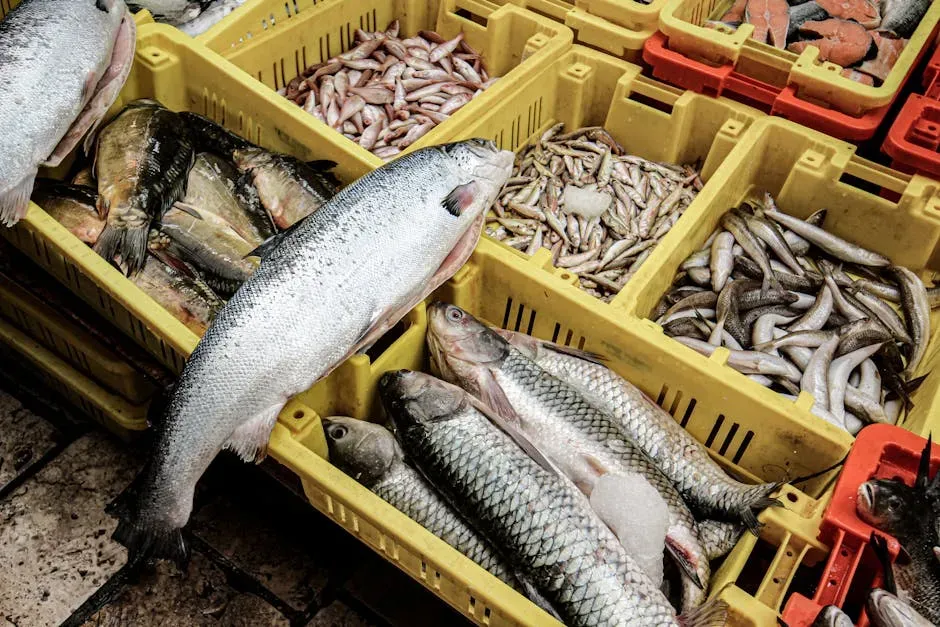
Walk through a supermarket seafood aisle and it seems like the ocean is infinite: shrimp, salmon, tuna, cod, all laid out in neat rows. The reality behind those fillets is far messier. Many fish populations off the U.S. coast have been heavily exploited for decades, and while some have recovered thanks to tough regulations, others remain in trouble. It’s easy to forget that every piece of fish represents a complex web of predators, prey, and habitats that can’t simply be “restocked” like a warehouse shelf.
Then there’s bycatch – the fish, turtles, seabirds, and marine mammals unintentionally caught and often killed by fishing gear. Certain gear types, like longlines and gillnets, can act like invisible walls in the water, catching anything unlucky enough to swim through. U.S. laws have pushed many fisheries toward better practices, with more selective gear and stricter monitoring, and that’s something this country actually does better than many others. Still, every time I see a cheap seafood special that seems too good to be true, I can’t help wondering what, and who, was lost along the way to make that price possible.
Plastic and Chemical Pollution: The Ocean’s Slow Poison
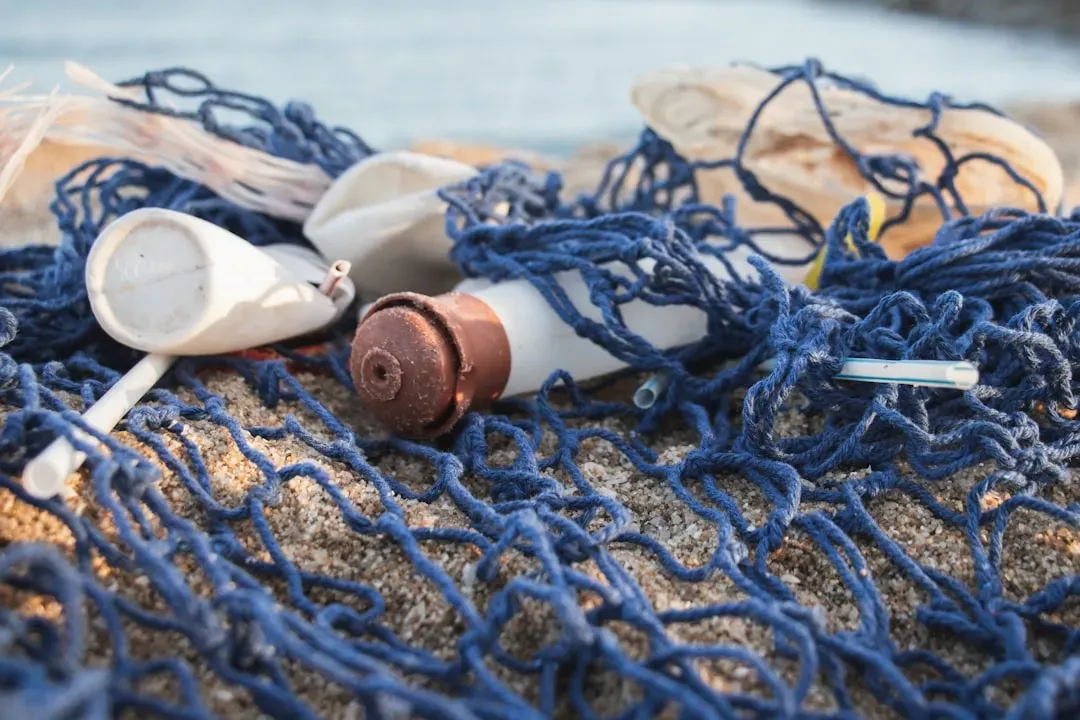
We’ve all seen photos of turtles tangled in plastic or birds with stomachs full of bottle caps. The visible trash is heartbreaking, but it’s only the tip of the iceberg. Over time, larger plastics break down into microplastics so tiny they’re found everywhere: in deep-sea sediments, on remote beaches, in fish tissue, and even in human blood and lungs. When I first read that microplastics had been found in snowfall in the Rockies and the Arctic, it hit me how inescapable this stuff has become.
On top of plastics, there are chemical pollutants like pesticides, heavy metals, and industrial runoff flowing down rivers into coastal waters. These contaminants can accumulate in the bodies of marine animals, especially top predators, and then move up the food chain to us. Harmful algal blooms, often fueled by nutrient pollution from agriculture and wastewater, can create dead zones where almost nothing can survive. The ocean is resilient, but it’s not a magic garbage disposal, and pretending it is has been one of our most dangerous collective illusions.
Ocean Acidification and the Threat to Shell-Builders
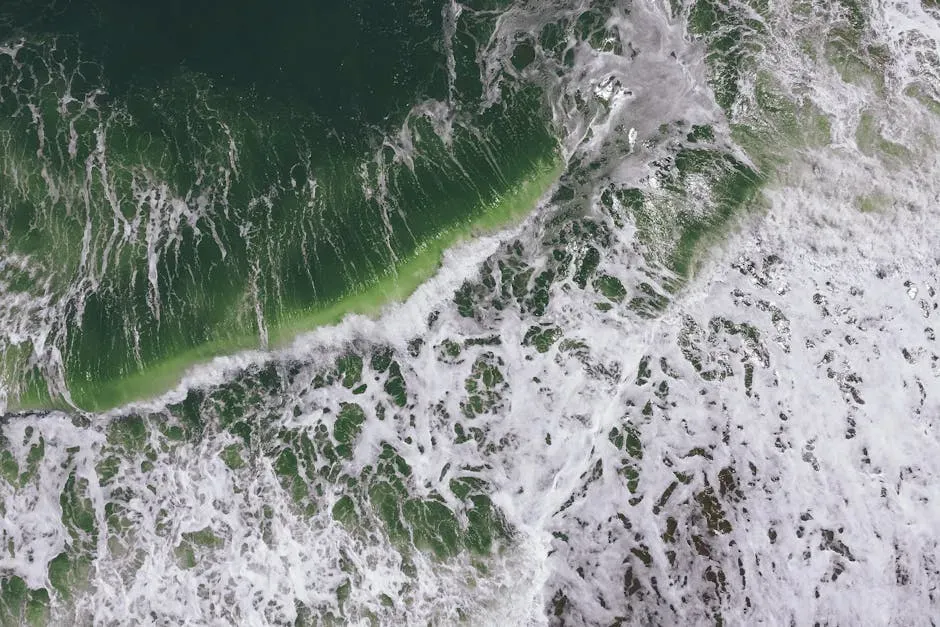
Even if the ocean looked crystal clear and calm, another invisible crisis would still be unfolding beneath the surface: ocean acidification. As the ocean absorbs more carbon dioxide from the atmosphere, its chemistry changes, making the water slightly more acidic. That might sound minor, but for organisms that build shells and skeletons from calcium carbonate – oysters, clams, corals, some plankton – it’s like slowly dissolving the very material they rely on to survive.
Shellfish growers in the Pacific Northwest started noticing trouble years ago, when oyster larvae began dying off in large numbers due to corrosive water reaching hatcheries. That was one of the first clear economic warning signs that this isn’t a distant, abstract issue. When tiny plankton that form the base of the food web struggle to build their shells, everything that eats them feels the impact sooner or later. It’s one of those changes you can’t easily see on a vacation beach, but it’s quietly rewriting the rules of life in the sea.
Coastal Communities on the Front Lines
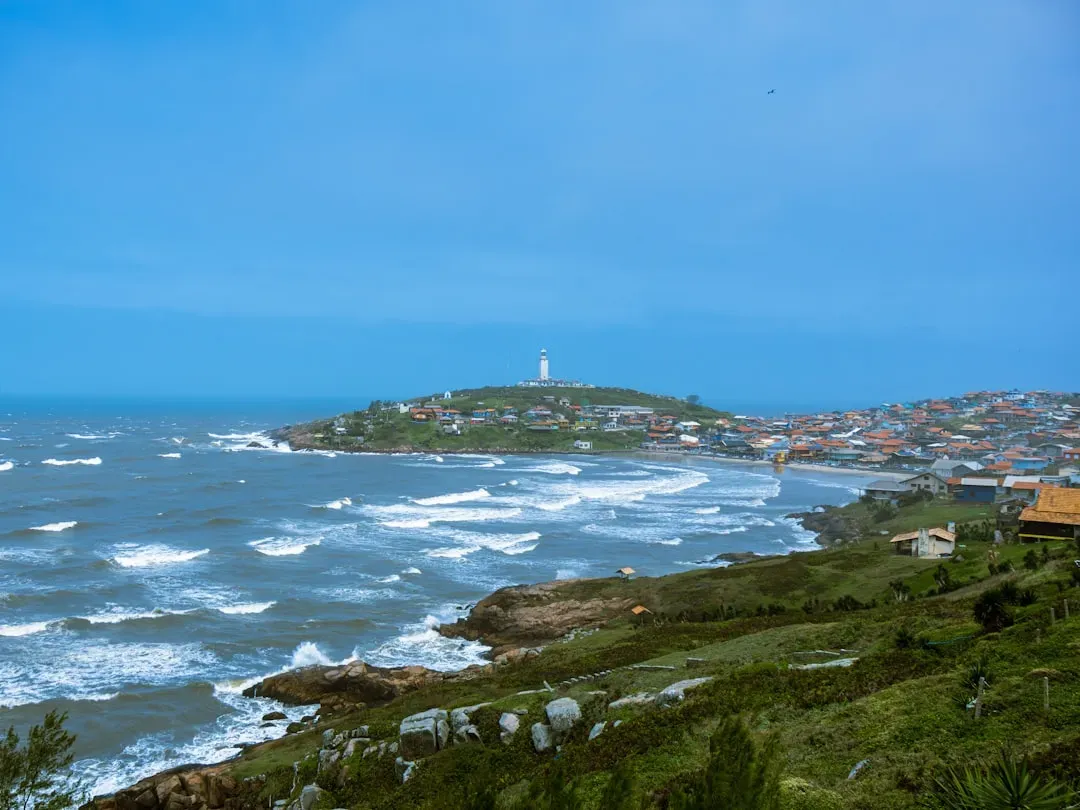
For millions of Americans, the ocean is not just scenery; it’s a paycheck, a pantry, and a piece of identity. From Native communities in Alaska that have harvested marine mammals and fish for generations to Gulf Coast shrimpers and New England lobstermen, entire cultures are bound up with the rhythms of the sea. When fish move away, coral reefs collapse, or storms and flooding become more frequent, it’s not just an ecological story – it’s about whether those communities can continue to exist as they are.
Sea-level rise adds another slow but relentless pressure. Higher water means more frequent “sunny day” flooding, saltwater creeping into drinking water supplies, and wetlands that can’t keep up and simply drown. Some coastal towns have already started talking seriously about managed retreat – moving buildings and infrastructure out of harm’s way – a phrase that would have sounded extreme not long ago. I think of it like watching your childhood home slowly flood in slow motion, knowing you can’t just bail it out forever. The emotional toll of that reality is harder to measure than property values, but no less real.
What Real Protection Looks Like: Policy, Parks, and Personal Choices
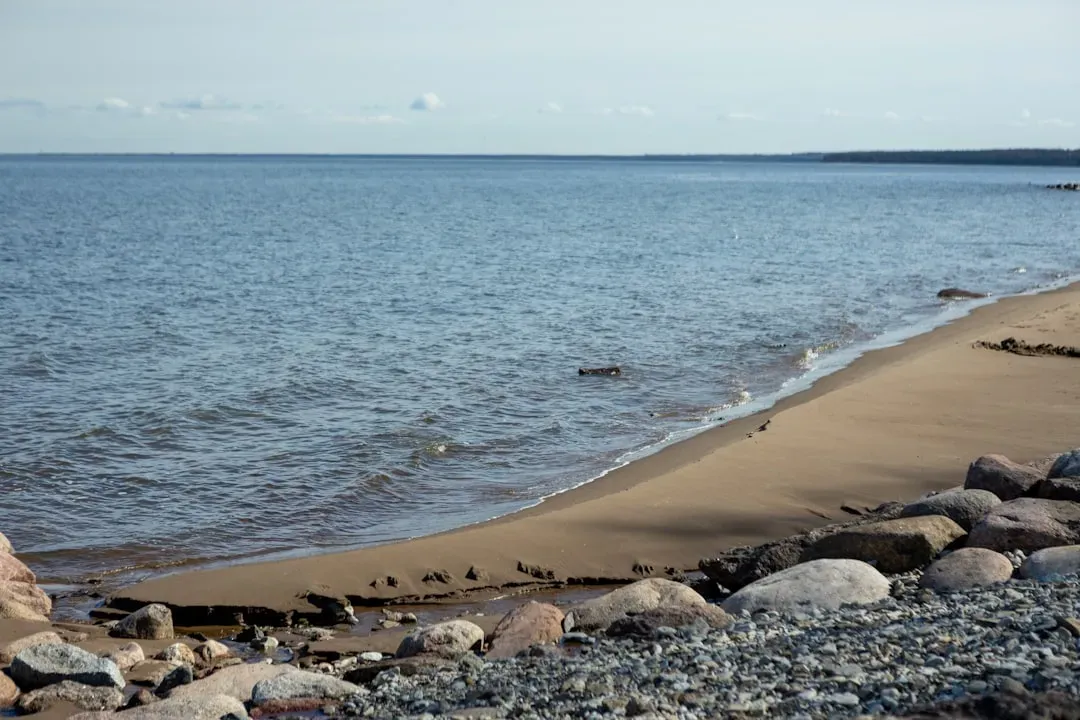
Protecting America’s marine ecosystems isn’t about a single silver-bullet solution; it’s more like weaving a safety net with many strands. On the policy front, strong laws that limit pollution, cut greenhouse gas emissions, and set science-based fishing limits are non-negotiable. Expanding and properly enforcing marine protected areas – underwater parks where human activity is limited – gives ecosystems breathing room to recover and build resilience. When these areas are well-designed and respected, fish populations inside them can rebound and spill over into surrounding waters, helping both nature and fisheries.
But laws and parks alone won’t fix everything. Personal choices matter too, even if they’re not the whole story. Choosing seafood from well-managed, certified sources, cutting back on single-use plastics, supporting coastal restoration projects, and voting for leaders who take ocean issues seriously all add up. I’ve found that once you really understand how much the sea gives us – food, oxygen, climate regulation, a sense of awe – it becomes harder to shrug off our impact on it. The fight for America’s marine ecosystems is ultimately a fight for our own future, and the question is not whether we’re part of it, but how actively we choose to be.