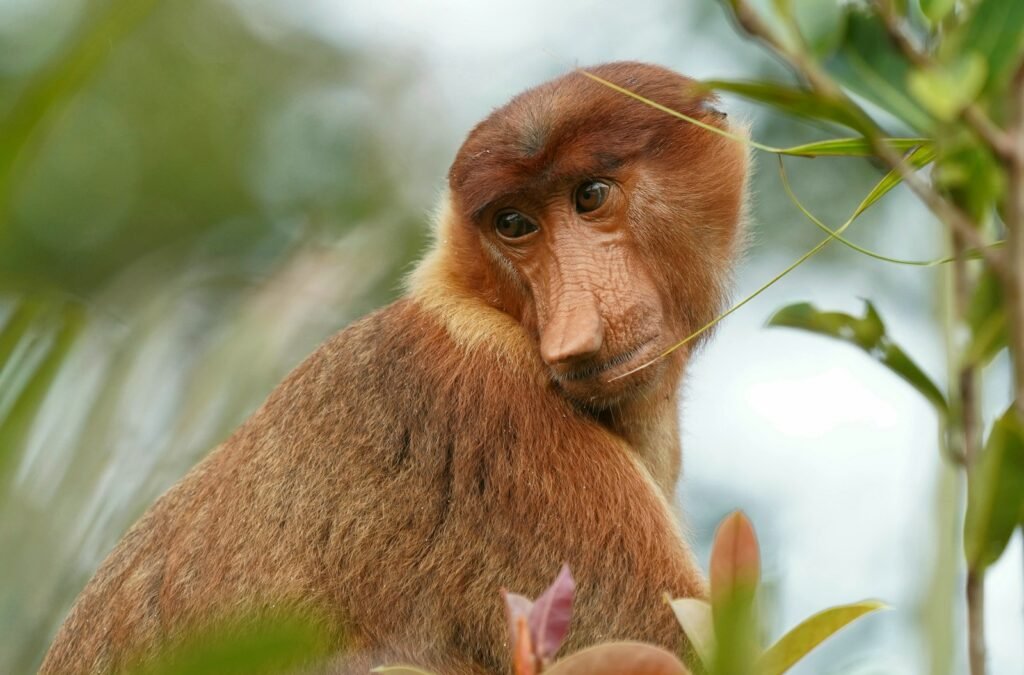

A nose so big it looks almost comical, a belly that jiggles like jelly, and a life spent along the winding rivers of Borneo—proboscis monkeys are living proof that nature has a wild sense of humor. But behind their oddball appearance lies a story pulsing with survival, adaptation, and the mesmerizing pull of their watery world. Step into the tangled mangroves and muddy banks, where science meets spectacle and the everyday becomes extraordinary. Prepare to be surprised, delighted, and maybe even a little envious of a creature whose nose is its calling card and whose home is always just a leap away from the river.
The Nose That Stole the Spotlight
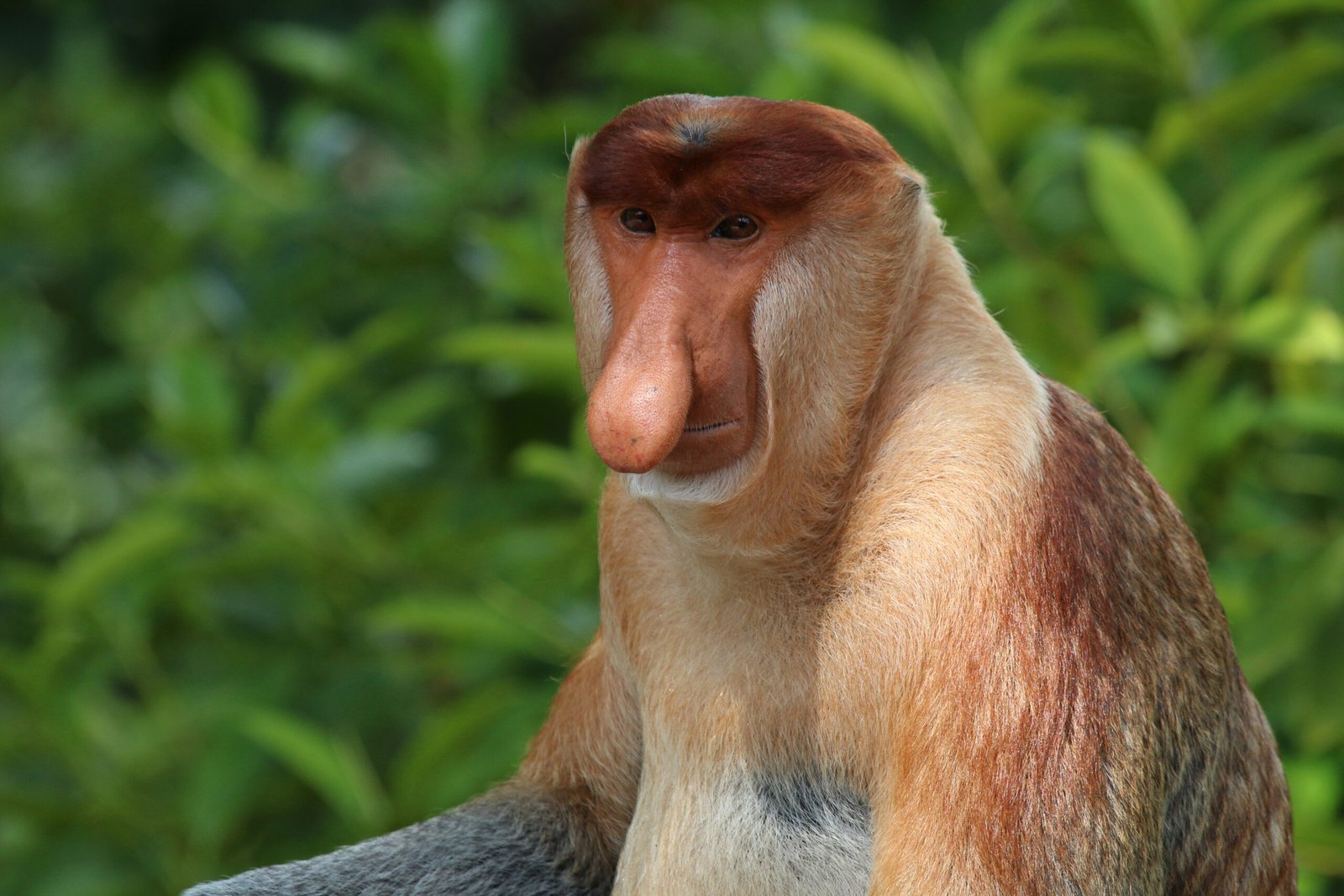
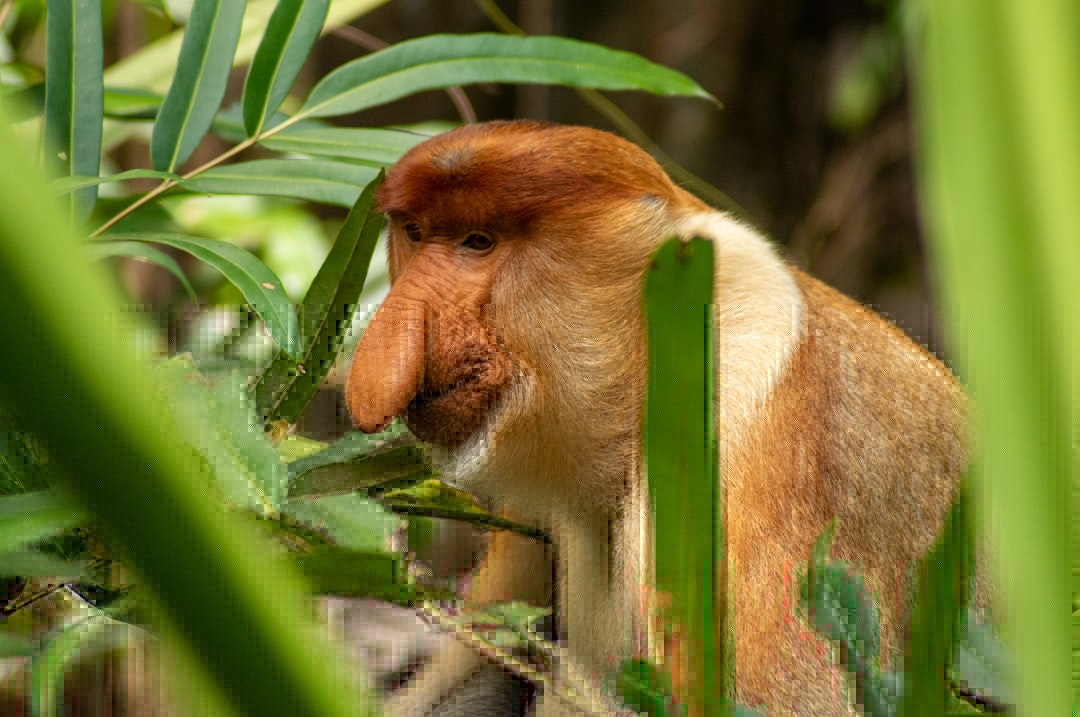
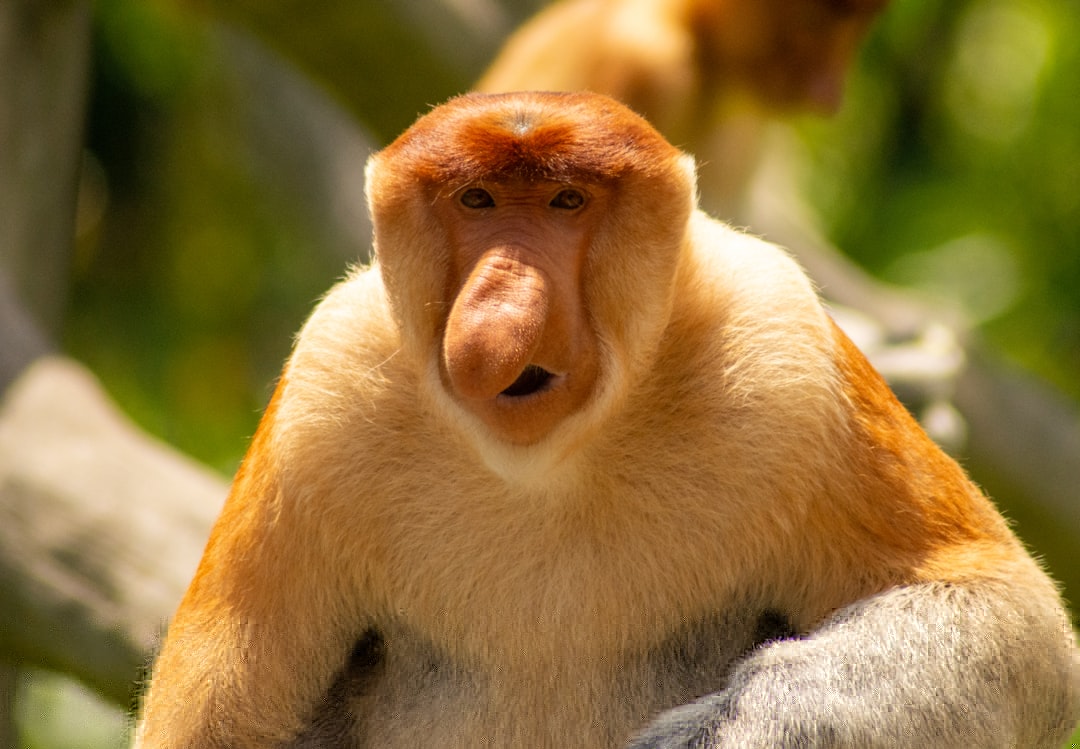
It’s impossible to talk about proboscis monkeys without starting with their most famous feature: that enormous, pendulous nose. For males, the nose can grow up to 7 inches long, often drooping over their mouths like a floppy pancake. This isn’t just for show—scientists believe it acts as a resonator, amplifying their honking calls through the jungle. The bigger the nose, the deeper the call, and the more impressive the monkey seems to rivals and potential mates. Females and juveniles have smaller, upturned noses, but even these are unmistakably unique. The nose has become a badge of identity for the species, leading local people to nickname them “Dutch monkeys” because early European colonizers apparently had similarly prominent noses.
Why Such a Big Nose? Theories and Science
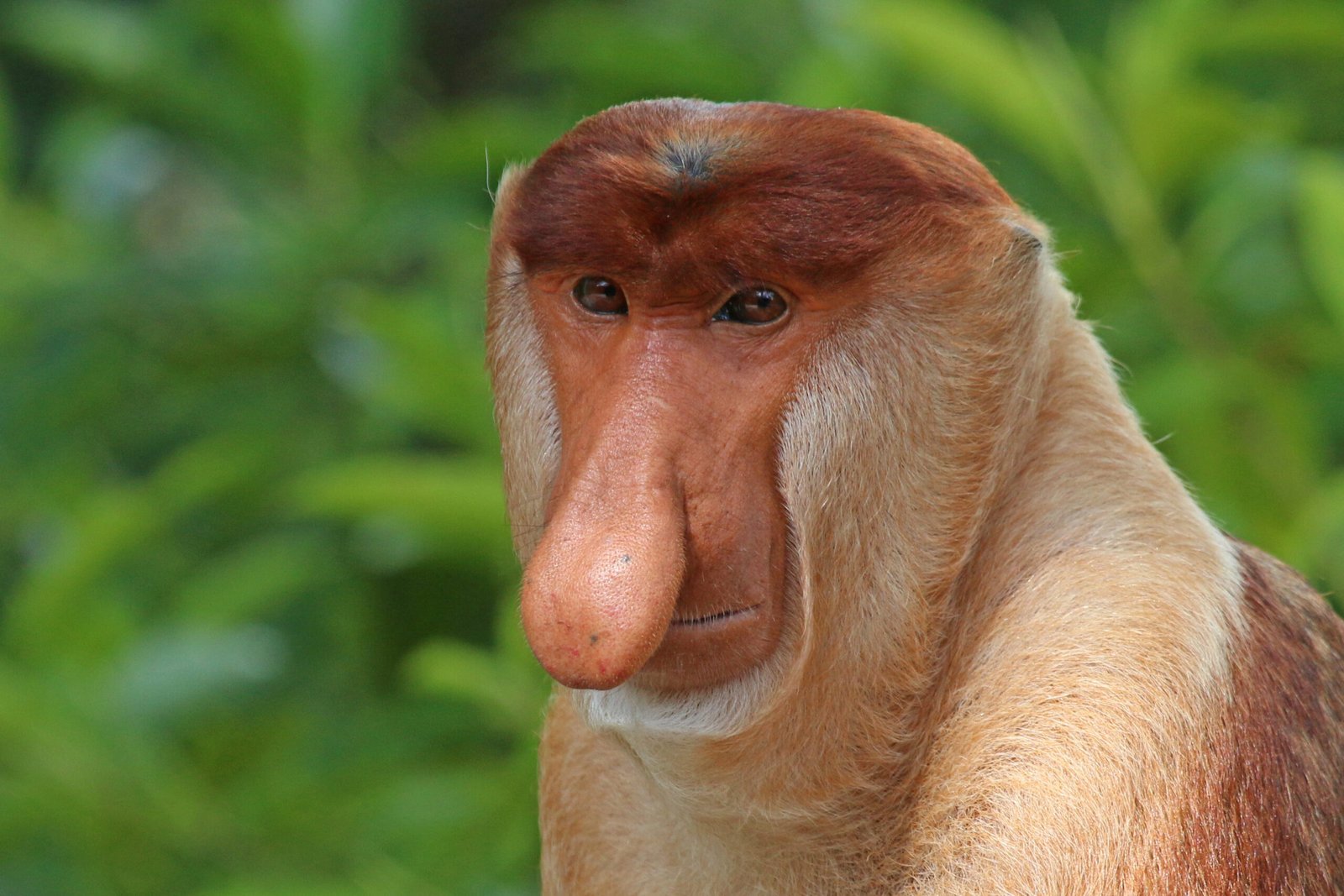
The evolutionary reason behind this spectacular schnoz has baffled biologists. One leading theory is sexual selection: females prefer males with large noses, associating them with good genes or social dominance. Another idea is that the nose helps in vocalization, making a male’s call carry farther—an acoustic billboard announcing his presence and strength. Some researchers even suggest the nose helps cool air before it enters the lungs, but this idea is less widely accepted. What’s clear is that the nose isn’t a hindrance. Instead, it’s become a strange but successful adaptation, a literal nose for success in the dense forests and riverbanks they call home.
Riverine Habitats: The Heart of Proboscis Life
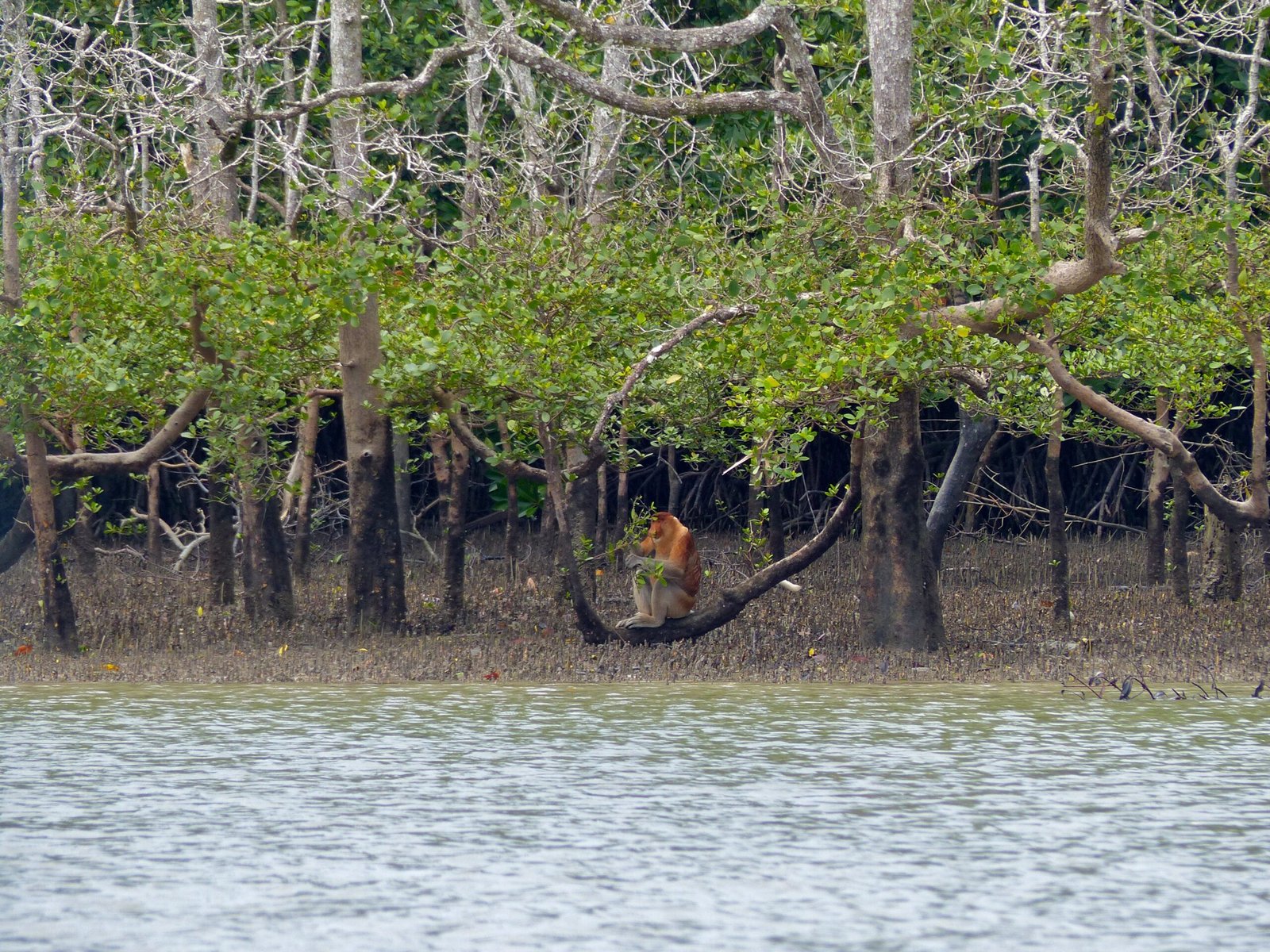
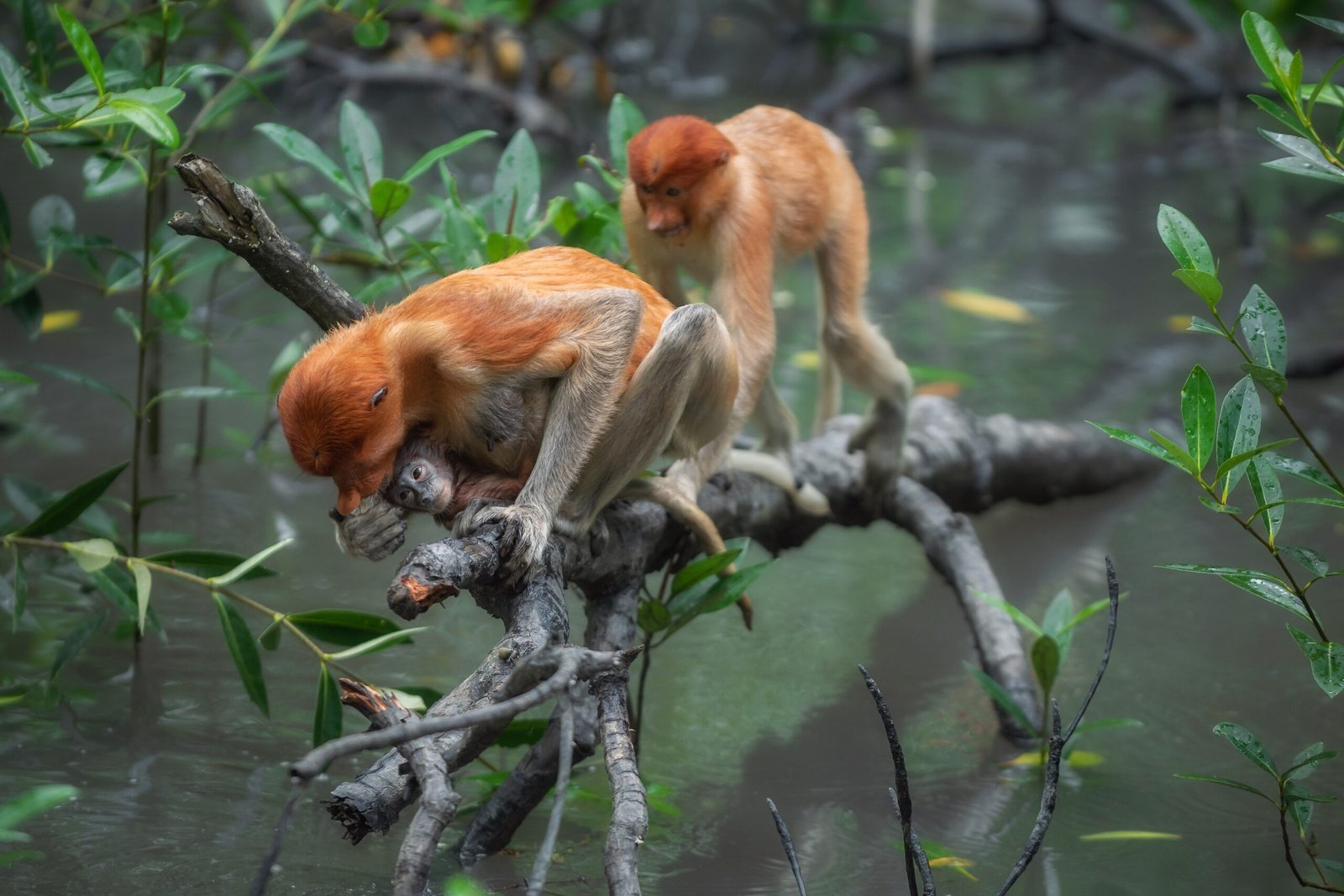
Proboscis monkeys are inseparably linked to water. Their preferred habitats are the twisting mangrove swamps, riverbanks, and lowland forests of Borneo. Unlike many primates, they rarely stray far from rivers. The waterways offer more than just a drink—they provide food, safety, and a quick escape from predators. The monkeys are outstanding swimmers, often plunging into the water to avoid danger, their webbed toes slicing through the current. You’ll spot them perched on branches overhanging the water, ready to leap or dive at a moment’s notice. Their lives are a constant dance between land and river, always within sight or sound of flowing water.
Swimming Champions of the Primate World
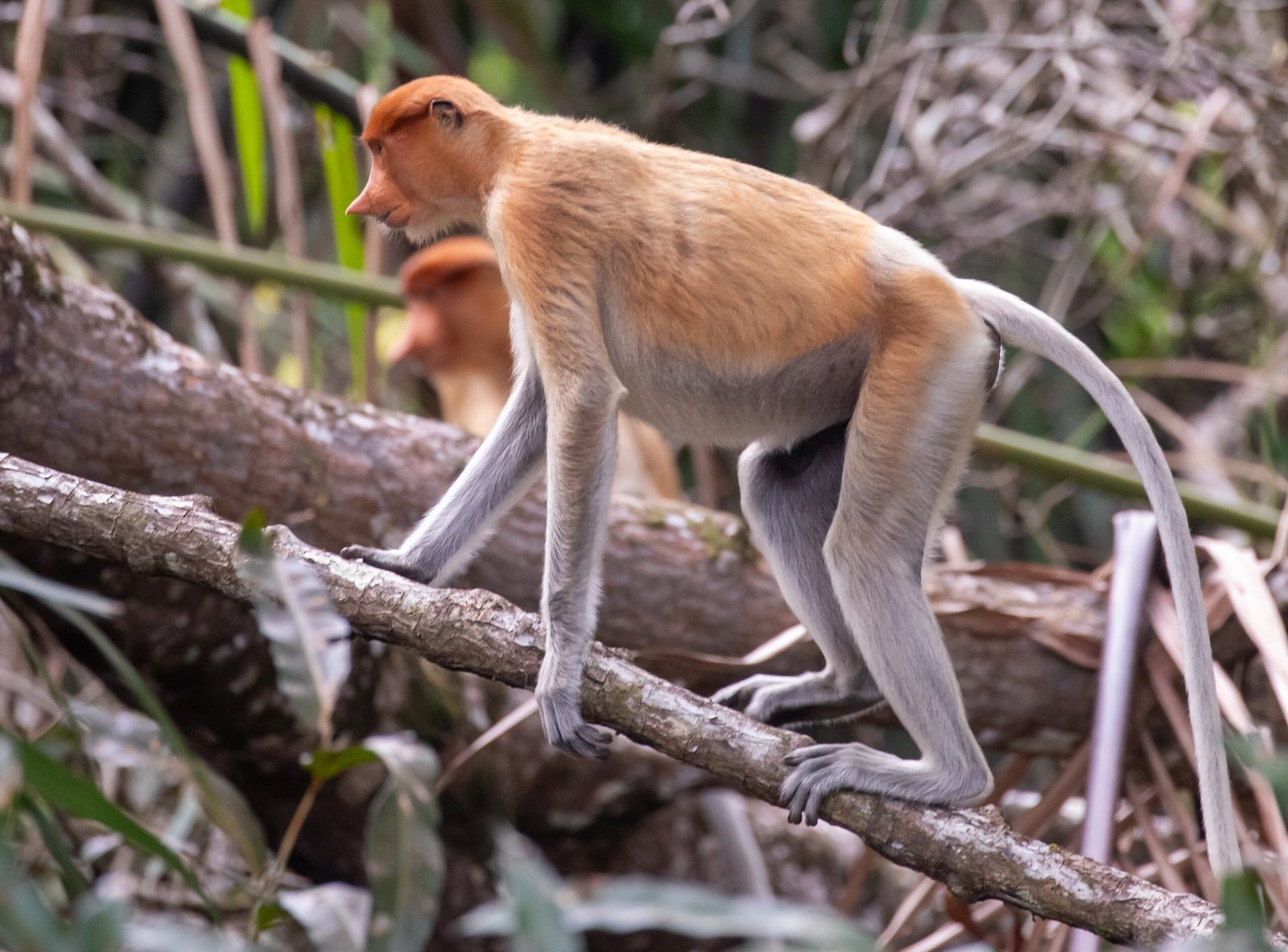
It’s not every day you hear about a monkey that loves to swim, but proboscis monkeys are naturals. They have partially webbed feet, which help them paddle across rivers and streams with surprising speed. Groups have been observed swimming distances of over 20 meters, sometimes even crossing broad, crocodile-infested rivers to reach new feeding grounds. Youngsters start learning the art of swimming early, often seen clinging tightly to their mothers as she makes the journey. This aquatic prowess keeps them safe and opens up food sources unreachable to other monkeys. Watching a troop leap into the water, splash, and bob along is a sight that never gets old.
Diet: Masters of the Mangrove Buffet
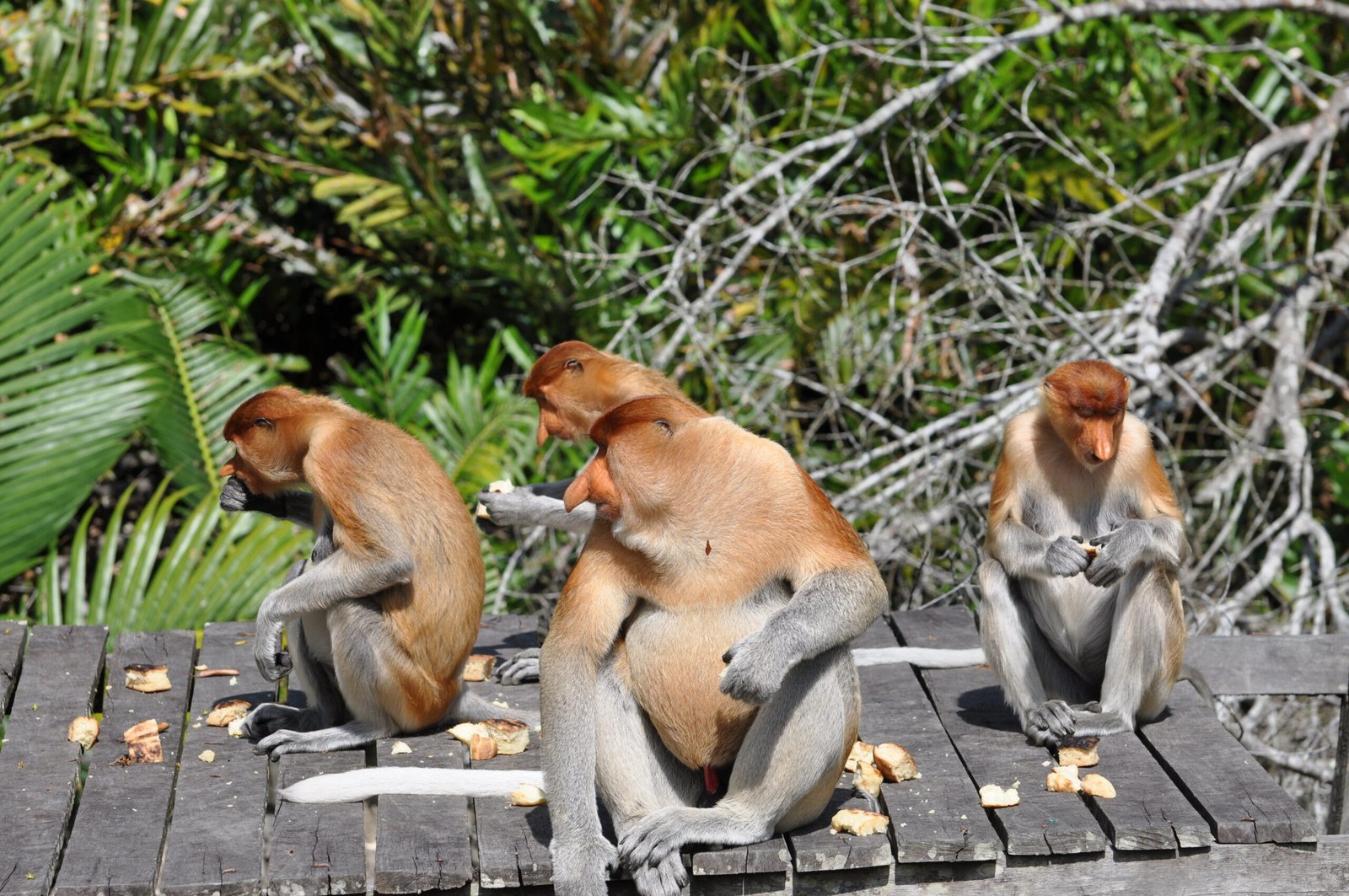
Proboscis monkeys are picky eaters with a taste for variety. Their diet revolves around leaves, seeds, unripe fruit, and occasionally flowers, all foraged from the mangroves and riverine forests. They avoid ripe fruit because the sugar can ferment in their specialized stomachs, causing discomfort or illness. Their stomachs are complex, multi-chambered organs teeming with bacteria that help break down tough plant fibers. This digestive superpower lets them thrive on foods other animals might find unpalatable or even toxic. You’ll often see them munching thoughtfully, taking their time as they select the perfect leafy meal.
Social Structure: Troops and Tensions
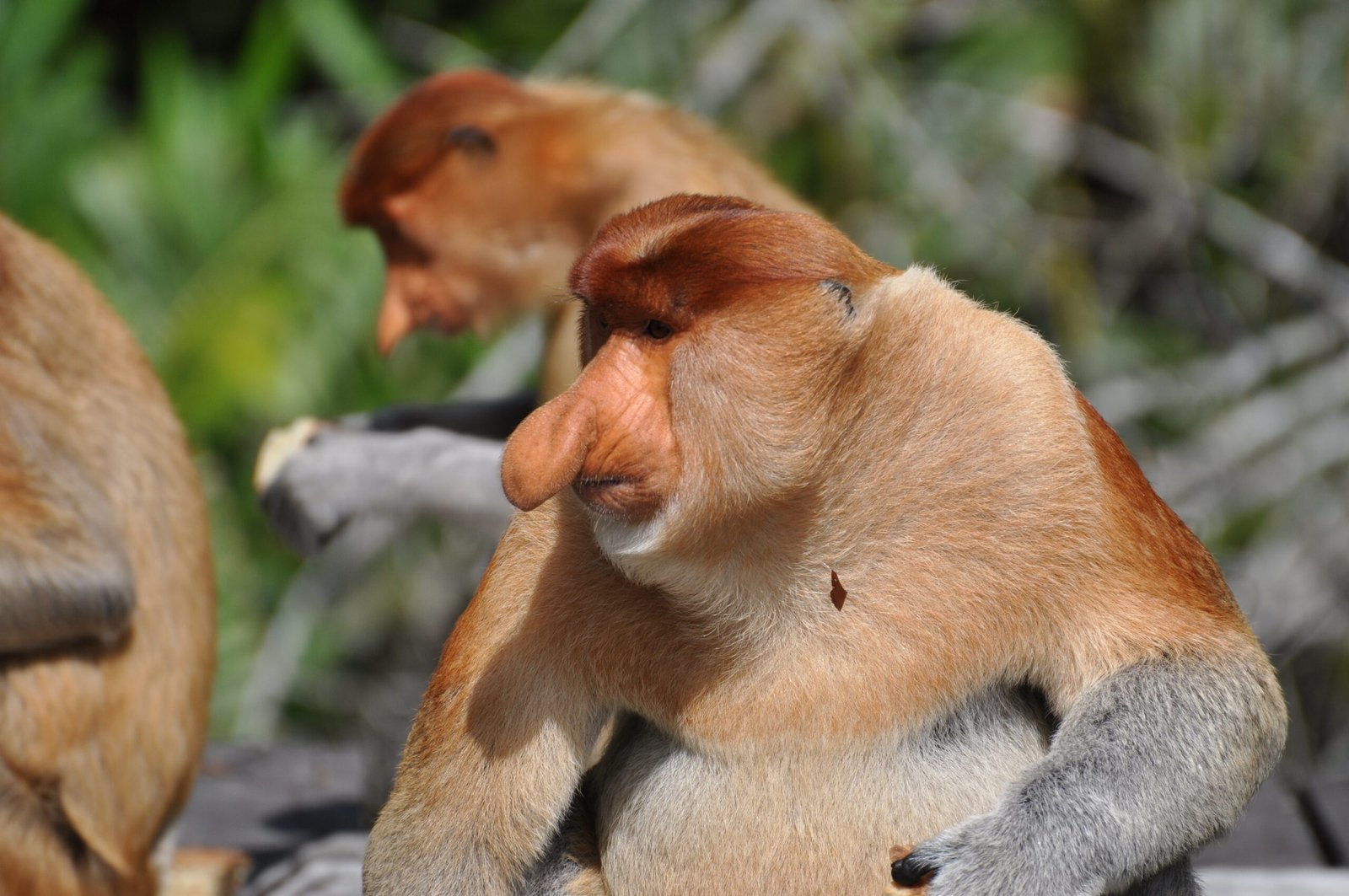
Life in a proboscis monkey troop is anything but dull. Groups usually consist of a dominant male, several females, and their offspring. The male’s job is to protect and lead, while females manage the day-to-day harmony. Social bonds are strong, with grooming, playing, and vocalizations keeping the group connected. Occasionally, bachelor groups of all-male monkeys roam the forests, waiting for a chance to challenge a dominant male or start a new troop. Tensions can flare, especially during the breeding season, but most disputes are settled with displays and calls rather than outright violence. Living with a big nose and a bigger family requires constant negotiation.
Communication: Honks, Squeals, and Belly Rumbles
Proboscis monkeys are some of the noisiest primates you’ll ever encounter. Their calls echo across the riverbanks—deep honks, sharp squeals, and rumbling grunts that can sound almost comical to human ears. Each call has meaning: warnings about predators, signals to regroup, or challenges to rivals. The male’s booming honk is the loudest and most distinctive, made possible by his oversized nose. Females and young monkeys use softer calls to stay in touch or comfort each other. In dense forests where visibility is low, sound becomes the glue that holds the troop together.
Predators and Threats: Life on the Edge

Living along the rivers brings both opportunity and danger. Proboscis monkeys must stay alert for crocodiles lurking in the water and clouded leopards stalking the shadows. Young monkeys are especially vulnerable, and mothers keep a close watch, ready to sound the alarm at the first sign of trouble. Troops often sleep high in trees overhanging the water, where it’s harder for ground-based predators to reach them. But the greatest threat isn’t a natural one—it’s humans. Deforestation and habitat loss are squeezing these monkeys into ever smaller patches of forest, making survival a daily struggle.
Reproduction: A Nose for Romance
Romance among proboscis monkeys is a spectacle of nose-flapping, vocal displays, and playful chases. Males use their noses to attract females, shaking their heads and making exaggerated honking sounds. Females seem genuinely interested, often selecting mates based on the size and resonance of their noses. Once a female chooses a partner, courtship is surprisingly tender, with grooming and gentle touching. After a six-month pregnancy, a single baby is born, its face already showing the beginnings of its signature nose. The troop rallies around new mothers, with older siblings and even other females helping to care for the infant.
Infancy and Growing Up in the Trees
Baby proboscis monkeys are born with blue faces and tiny upturned noses, looking more like little aliens than future nose champions. They cling to their mothers for the first few months, learning to navigate the branches and, eventually, the water below. Play is a huge part of growing up—youngsters chase each other, practice calls, and test their swimming skills under watchful eyes. The troop acts as a giant safety net, full of babysitters and playmates. By the time they reach maturity, their noses have taken center stage, and they’re ready to find their own place in the social puzzle.
Mangroves: The Unsung Heroes
The mangrove forests that cradle proboscis monkeys are ecological wonders in their own right. These tangled root systems filter water, buffer storms, and provide homes for countless species. For proboscis monkeys, mangroves are grocery stores, playgrounds, and fortresses rolled into one. The health of the monkeys is inseparable from the health of the mangroves. When these forests are cleared for development or palm oil plantations, the monkeys lose not just their homes but also their food and safety. Protecting mangroves means protecting an entire web of life, with the proboscis monkey as its most charismatic ambassador.
Adaptations Beyond the Nose
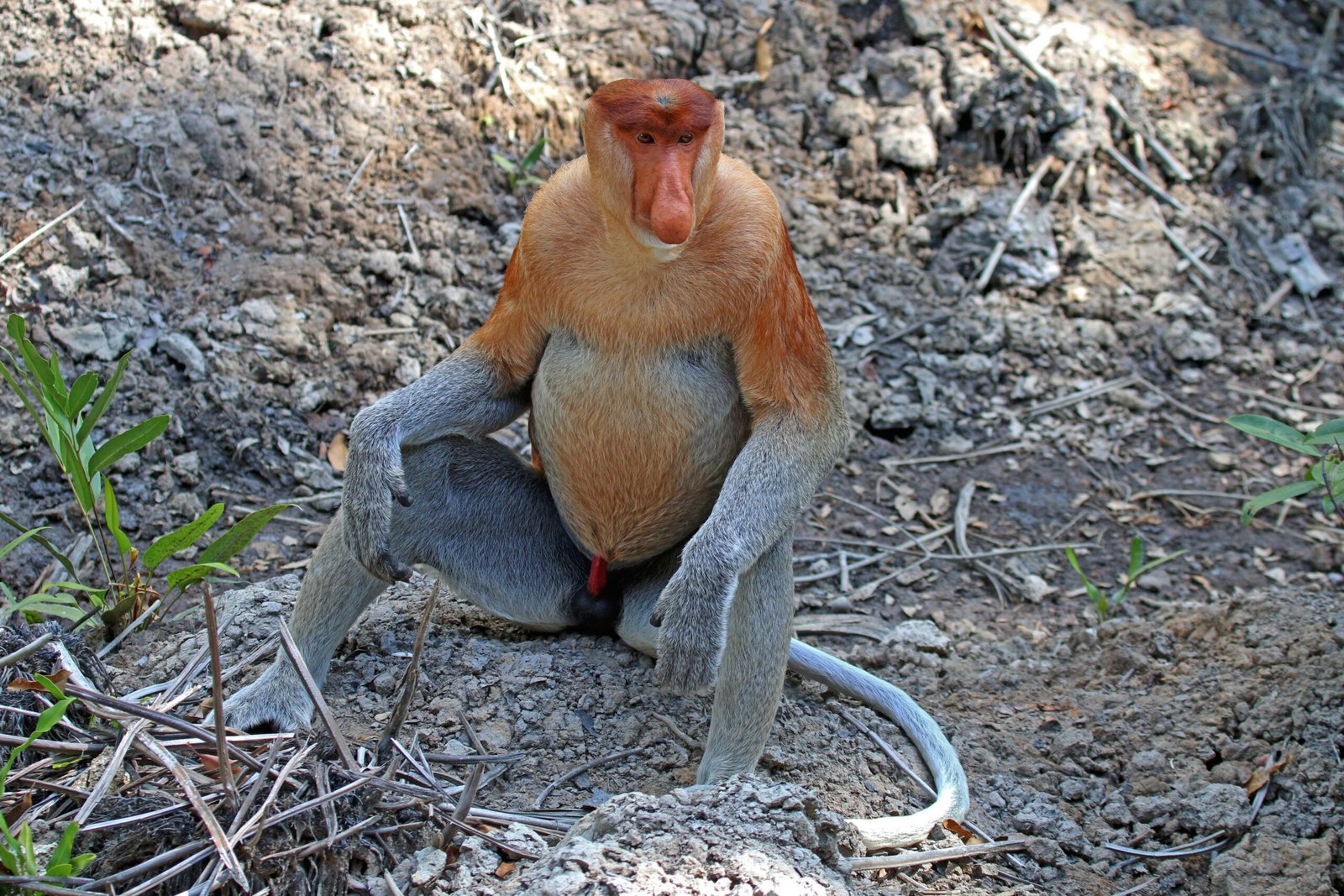
While the nose grabs all the headlines, proboscis monkeys are packed with other quirks. Their potbellies are a direct result of their complicated, bacteria-filled stomachs, which help them digest tough leaves. Their arms and legs are long and powerful, perfect for swinging through branches or launching themselves into the river. The fur on their backs is a warm reddish-brown, blending in with the forest shadows, while their pale bellies stand out like beacons. Every part of their body tells a story of adaptation, shaped by millions of years of evolution along Borneo’s rivers.
Daily Routine: From Dawn to Dusk
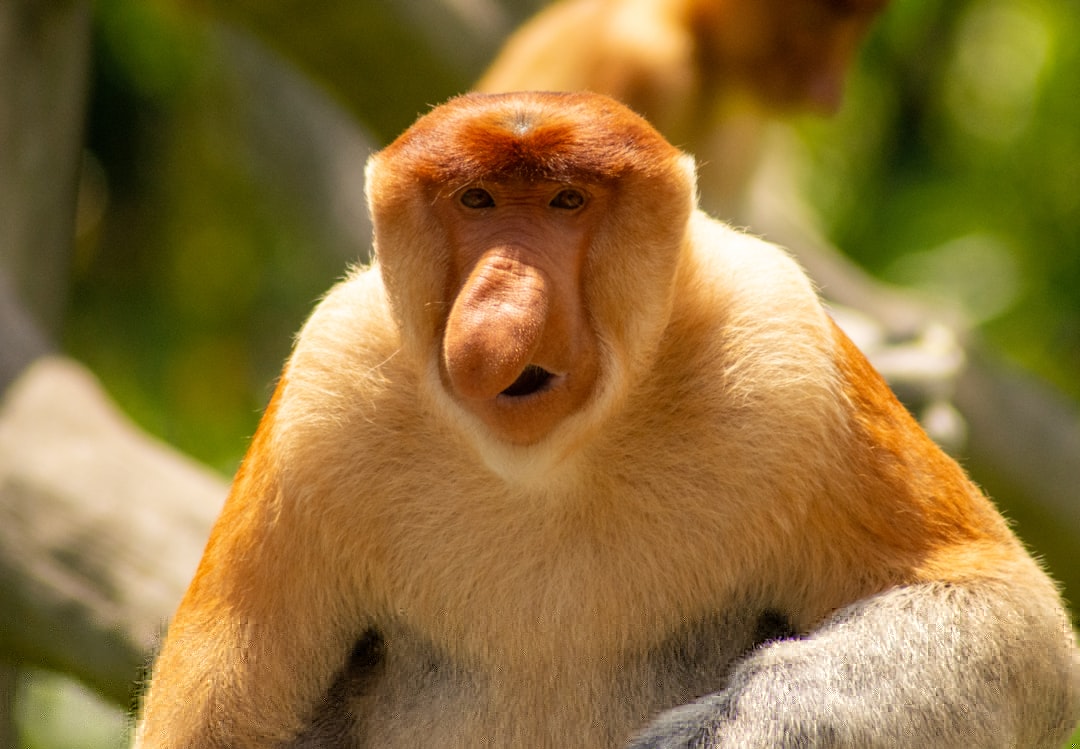
A day in the life of a proboscis monkey is a carefully choreographed routine. At dawn, the troop wakes in the treetops, stretching and grooming before heading off in search of breakfast. Foraging takes up most of the morning and afternoon, with frequent breaks for rest and play. They move slowly, conserving energy in the humid heat. As evening approaches, the monkeys return to the river’s edge, choosing a tall tree for the night. There, they settle in, watching the sunset paint the water gold, safe above the reach of prowling predators.
Interactions with Humans: Caution and Curiosity
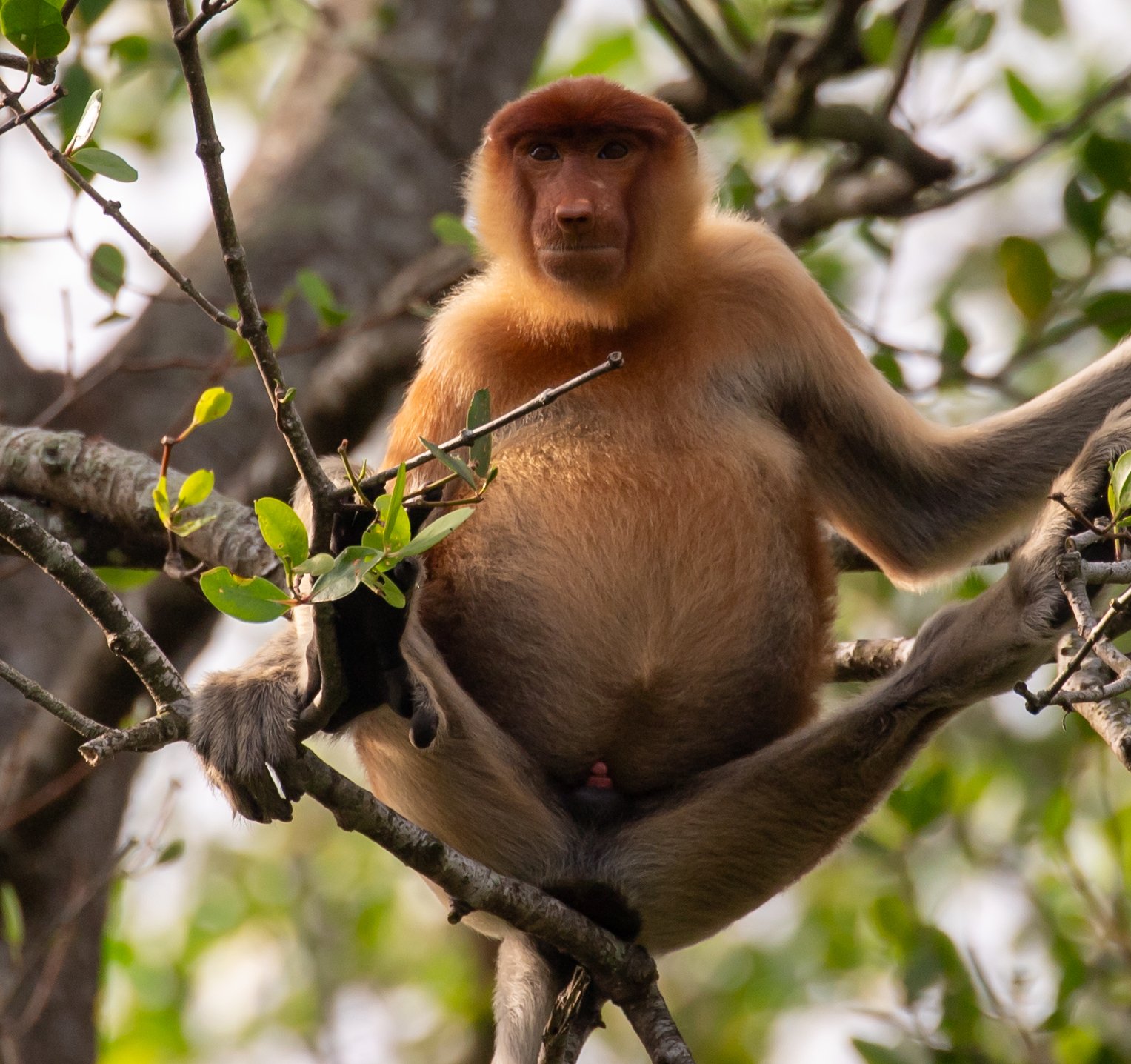
Proboscis monkeys are naturally wary of people, but in some areas, they’ve become minor celebrities. Ecotourism along Borneo’s rivers brings visitors hoping to catch a glimpse of these odd-nosed primates. While tourism can help raise awareness and funds for conservation, it can also disrupt the monkeys’ routines if not managed carefully. Some monkeys have become habituated to humans, losing their natural fear and sometimes even approaching boats. Balancing human curiosity with respect for wild spaces is a challenge that plays out every day along the riverbanks.
Conservation: Racing Against Time
The future of proboscis monkeys hangs in the balance. Their numbers have plummeted over the past few decades, with fewer than 7,000 thought to remain in the wild. Habitat destruction is the main culprit, as forests are cleared for agriculture and development. Hunting and illegal pet trade add to the pressure. Conservationists are fighting back—restoring mangroves, creating protected areas, and working with local communities to find sustainable solutions. Every troop that survives is a small victory, a stubborn refusal to let one of nature’s oddest experiments vanish without a trace.
Climate Change and Its Ripple Effects
Rising sea levels, unpredictable weather, and shifting river patterns threaten both the monkeys and the forests they depend on. Mangroves are especially vulnerable, as saltwater intrusion and storm surges can kill off trees and disrupt the delicate balance of life. Proboscis monkeys are resilient, but their specialized diet and habitat needs leave them exposed to even small changes. Scientists are racing to understand how climate change will reshape Borneo’s rivers and what it will mean for the future of these remarkable primates.
Scientific Curiosity: What We Still Don’t Know
Despite decades of research, proboscis monkeys still hold plenty of secrets. How do their noses really influence mate choice? What subtle chemical signals might be at play in their social lives? How do their swimming skills compare to other primates, and what can this tell us about primate evolution? Every field season brings new surprises, from unexpected behaviors to uncharted territories. The more we learn, the more we realize just how much remains hidden in the tangled forests and muddy rivers.
Personal Encounters: A Glimpse of the Wild
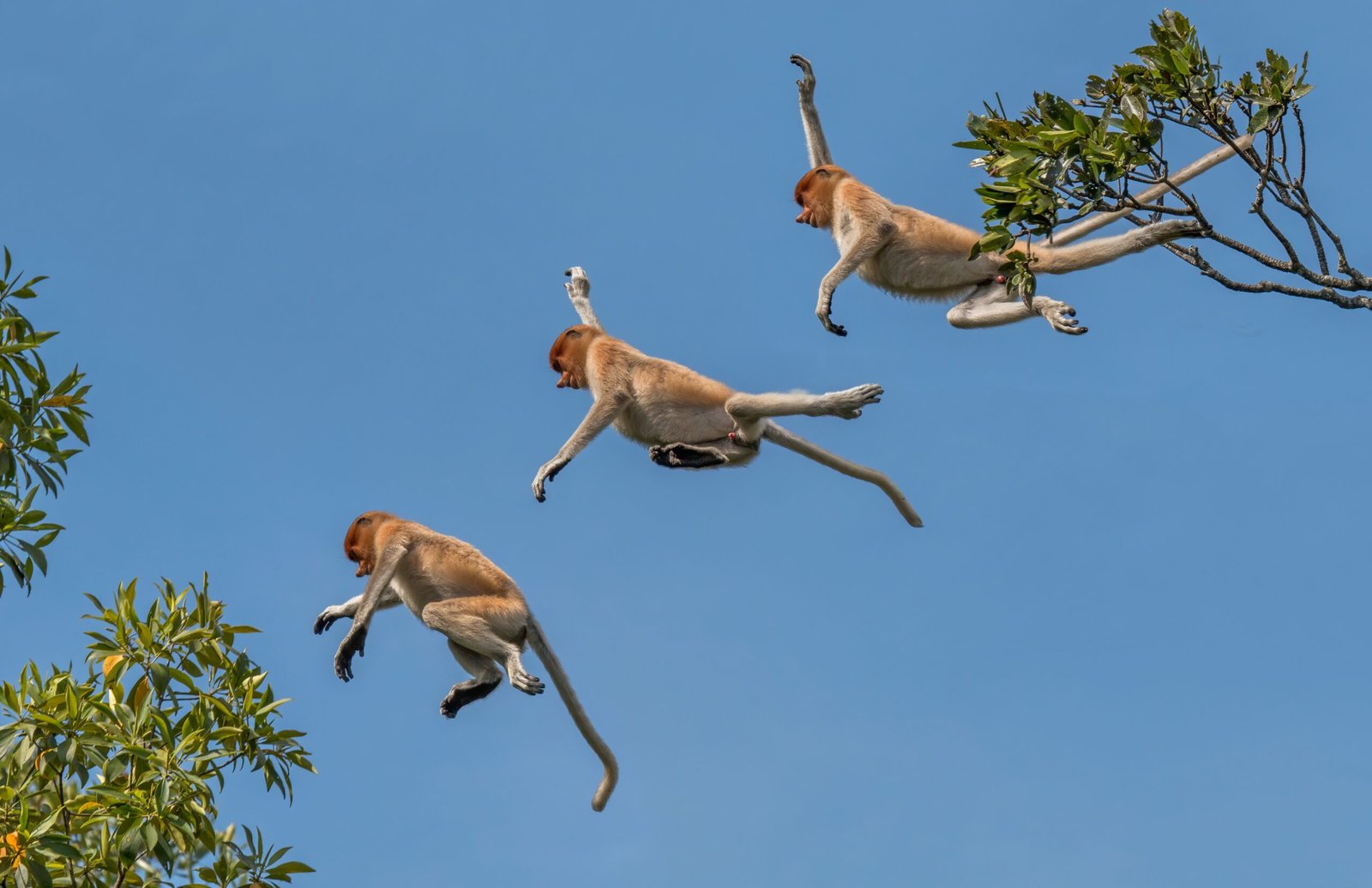
Seeing a proboscis monkey in the wild is a moment that sticks with you. There’s something almost magical about watching a troop leap from branch to branch, noses bobbing, calls echoing through the dawn mist. One traveler described it as “watching a living cartoon,” another as “a reminder that nature never runs out of surprises.” Even seasoned researchers admit to being captivated, year after year, by the monkeys’ antics and the peaceful rhythm of their river home. It’s a reminder that, sometimes, evolution’s strangest experiments are also its most beautiful.