
What if the oldest sky stories are really field notes in disguise, sketching who stalks, who hides, and who survives? Ecologists map relationships with GPS tags and camera traps; astrologers mapped them with symbols and myths. Neither proves fate, but together they offer a vivid lens on behavior: drive versus caution, solo hunters versus herd minds. In a world where wildlife is shrinking and cities sprawl like invasive vines, this lens can help us recognize our own instincts – when to chase, when to blend in, when to work as a pack. Consider it a thought experiment with teeth and heartbeat, one that links personality archetypes to real predator–prey dynamics without claiming the stars control a thing.
The Hidden Clues
Here’s the hook: every food web is also a story about risk, and every person knows that story in their bones. In the field, you see it instantly – some animals test the edge, others measure the middle, most learn fast where danger lives. That split-second calculus looks a lot like human decision-making, the same tug-of-war between curiosity and caution that pushes us forward or pulls us back.
Predators solve problems by moving first and adapting on the fly; prey solve problems by sensing patterns and surviving the long game. Optimal foraging theory, vigilance behavior, and group defense aren’t just textbook terms; they’re instincts we mirror at work, online, and in traffic. Framed through zodiac archetypes, the parallels snap into focus not as prophecy but as pattern recognition.
From Ancient Symbols to Modern Science

Astrology is a cultural map, not an evidence-based tool, yet its animal-rich symbolism pairs surprisingly well with behavioral ecology. Ancient sky stories emphasized boldness, loyalty, stealth, or stubborn staying power – the same traits biologists code in ethograms. That doesn’t make horoscopes scientific, but it does give journalists and educators a sticky language for talking about risk and cooperation.
Modern field methods, from accelerometers to acoustic arrays, now quantify the very traits our myths dramatized. We can measure sprint bursts, vigilance head-lifts, and hunting strategies, then translate those patterns into accessible narratives. It’s a bridge: one side art, the other data, with a clear sign that says inspiration this way, evidence that way.
Predator Archetypes: Speed, Strategy, and Appetite
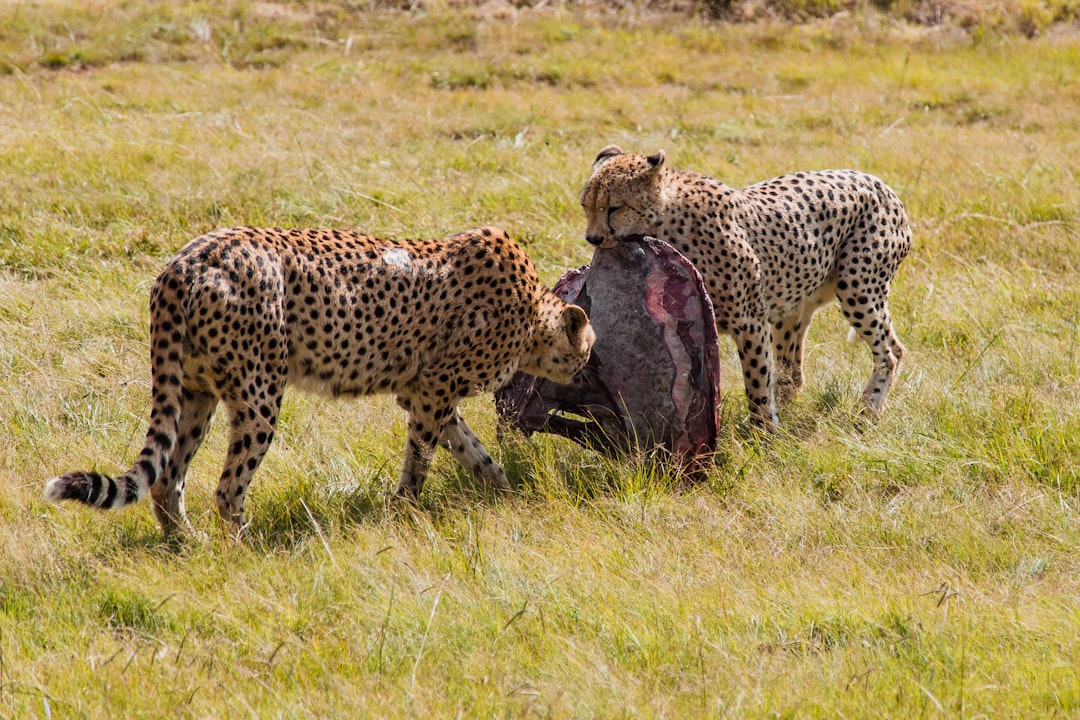
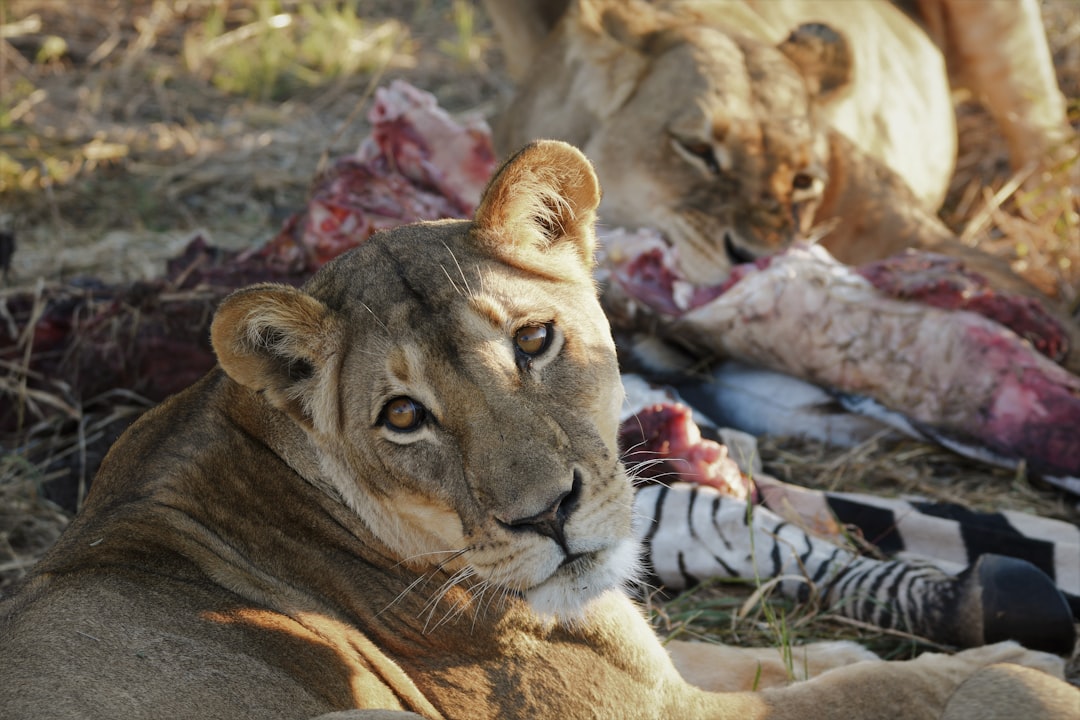
Aries reads as the gray wolf, testing boundaries and rallying a team when there’s ground to take; Leo is the lion, efficient when the stakes are high and pleased to own the open. Scorpio wears the orca’s toolkit – patient, social, and chillingly precise at the moment of strike. Sagittarius fits the peregrine falcon, wide-ranging and fearless, diving on an opportunity before anyone else has spotted it.
Gemini takes the red fox’s route, improvising with urban savvy and a knack for out-of-the-box hunting. Aquarius operates like the African wild dog, an innovator whose power comes from coordination and trust in the pack. Together, these six sketch a predator’s mindset: initiative first, feedback second, retreat only when the energy math no longer works.
Prey Archetypes: Vigilance, Camouflage, and Collective Power
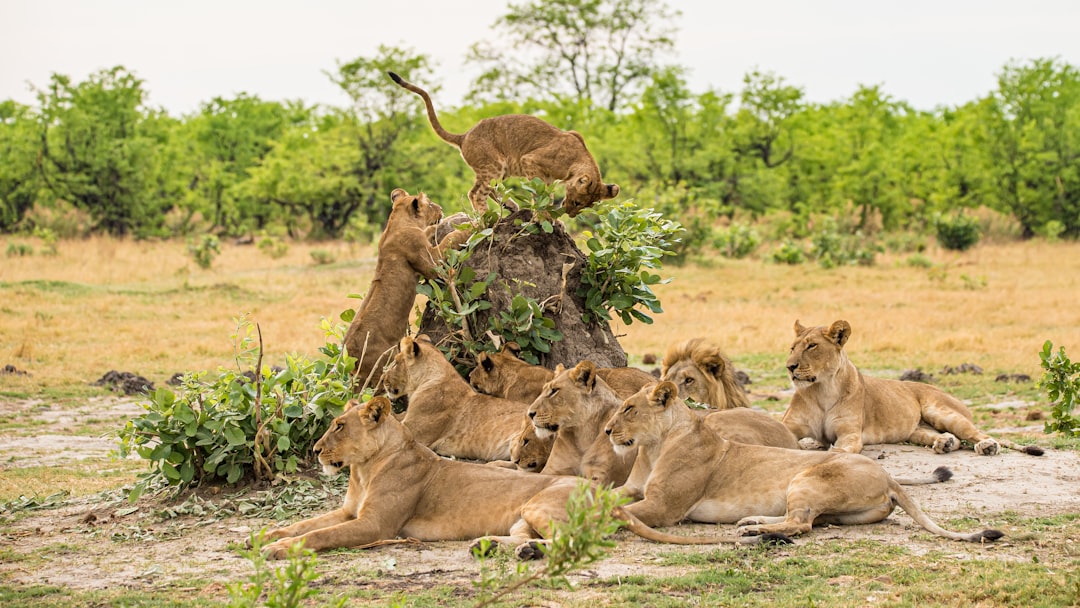
Taurus channels the bison, steady, resource-focused, and almost impossible to move once committed; Capricorn mirrors the mountain goat, calm on cliffs, trading speed for positional safety. Virgo resembles the meerkat, the sentinel soul who keeps notes on every shadow and loves a reliable alarm system. Libra moves like a plains gazelle, surviving by balance – reading the herd, splitting difference, and juking at the last heartbeat.
Pisces drifts into sardine territory, social and fluid, finding safety in numbers and the swirl of the shoal. Cancer becomes the shore crab, armored at home and shyer in the open, using refuge and sideways strategies to win. If predators broadcast confidence, these six broadcast awareness, proving that endurance and attention can be the sharpest teeth of all.
Global Perspectives
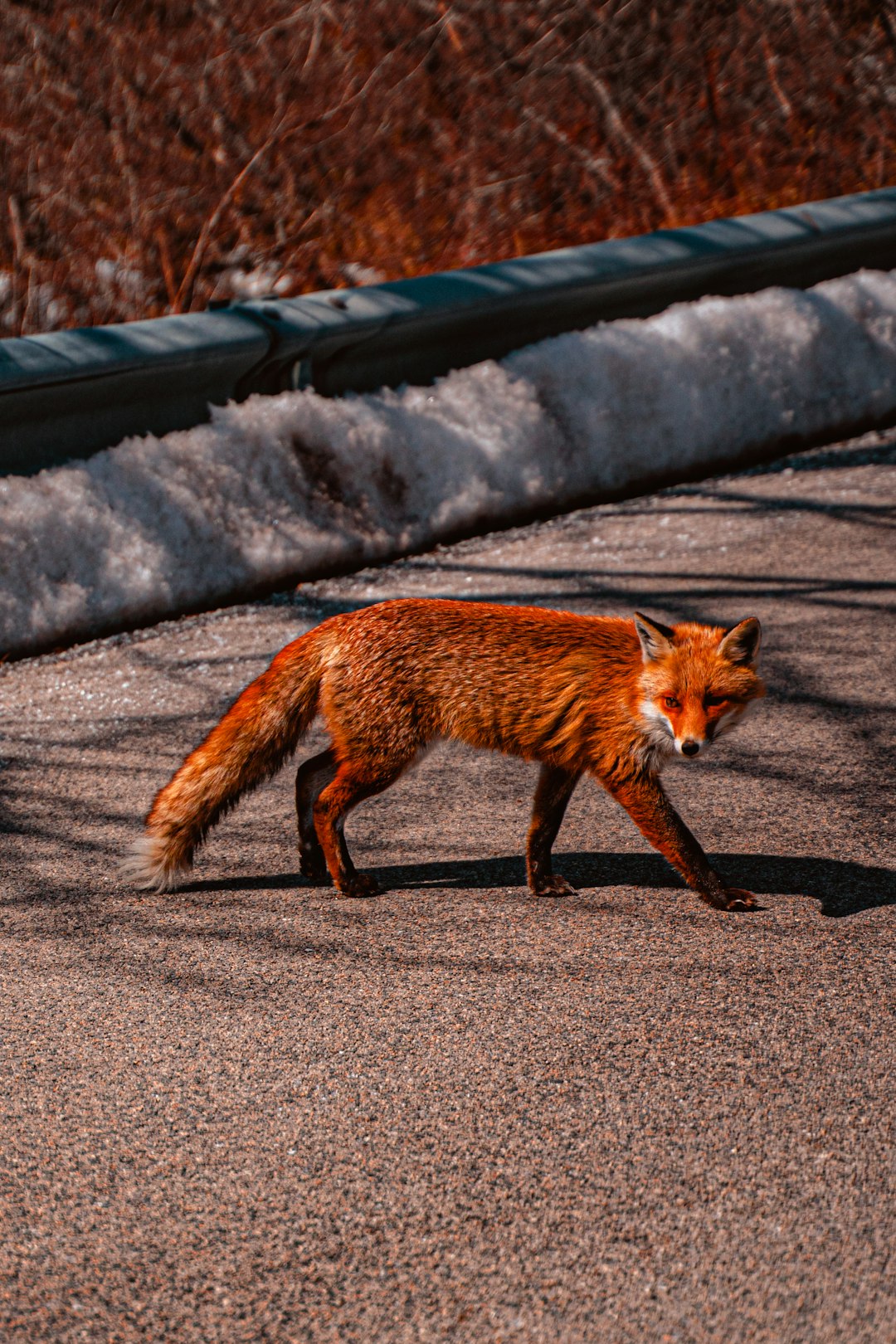
Food webs change with continents, and so do archetypes. A fox in London forages from bins at night; a fox in the Arctic parses lemming booms and busts, two distinct strategies wearing the same coat. Likewise, a “lion-like” leader in a stable office ecosystem may turn “gazelle” during layoffs, switching to vigilance and energy conservation overnight.
In savannas, open sightlines favor sprint-and-juke prey and ambush cats; in rainforests, close quarters reward stealth, scent, and vertical escape. Urban mosaics are their own biome, full of edge habitats where raccoons, coyotes, and corvids thrive on human patterns. I once watched a red fox slip through a grocery parking lot as if it were a hedgerow – same brain, new maze, perfect metaphor for how our archetypes flex with place.
Why It Matters
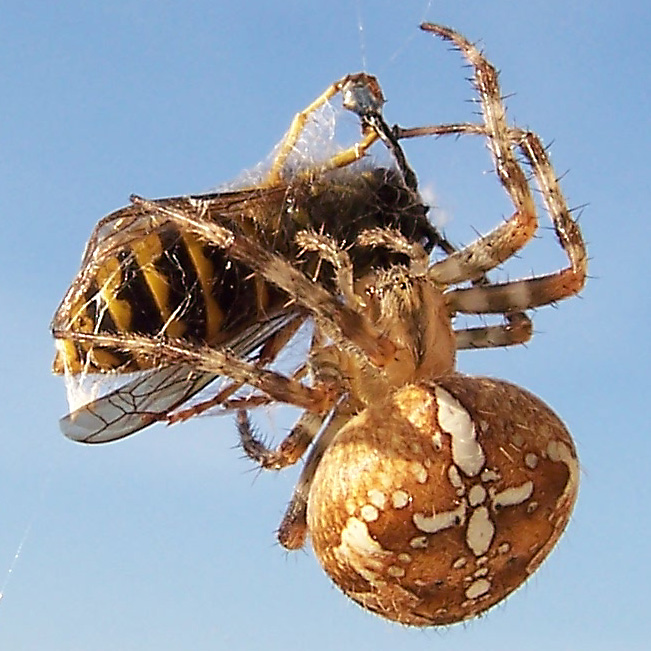
Predator–prey dynamics underpin everything from biodiversity to crop yields, and the same logic helps decode human systems. Remove top predators and you often get trophic cascades – overbrowsed forests, algal blooms, even altered river courses when herbivores multiply unchecked. Overload prey species with pressure and you disrupt pollination, seed dispersal, and the quiet housekeeping that keeps ecosystems breathing.
Think of decision-making styles the same way. A team stuffed with “predators” may chase every opportunity and burn out the energy budget; a team of “prey” may over-index on caution and stall innovation. The sweet spot is a mixed guild, like a resilient food web where redundancy and diversity buffer shocks. Framing personalities this way turns a horoscope into a conversation starter about balance, risk, and resilience.
The Hidden Clocks: Energy, Time, and Information
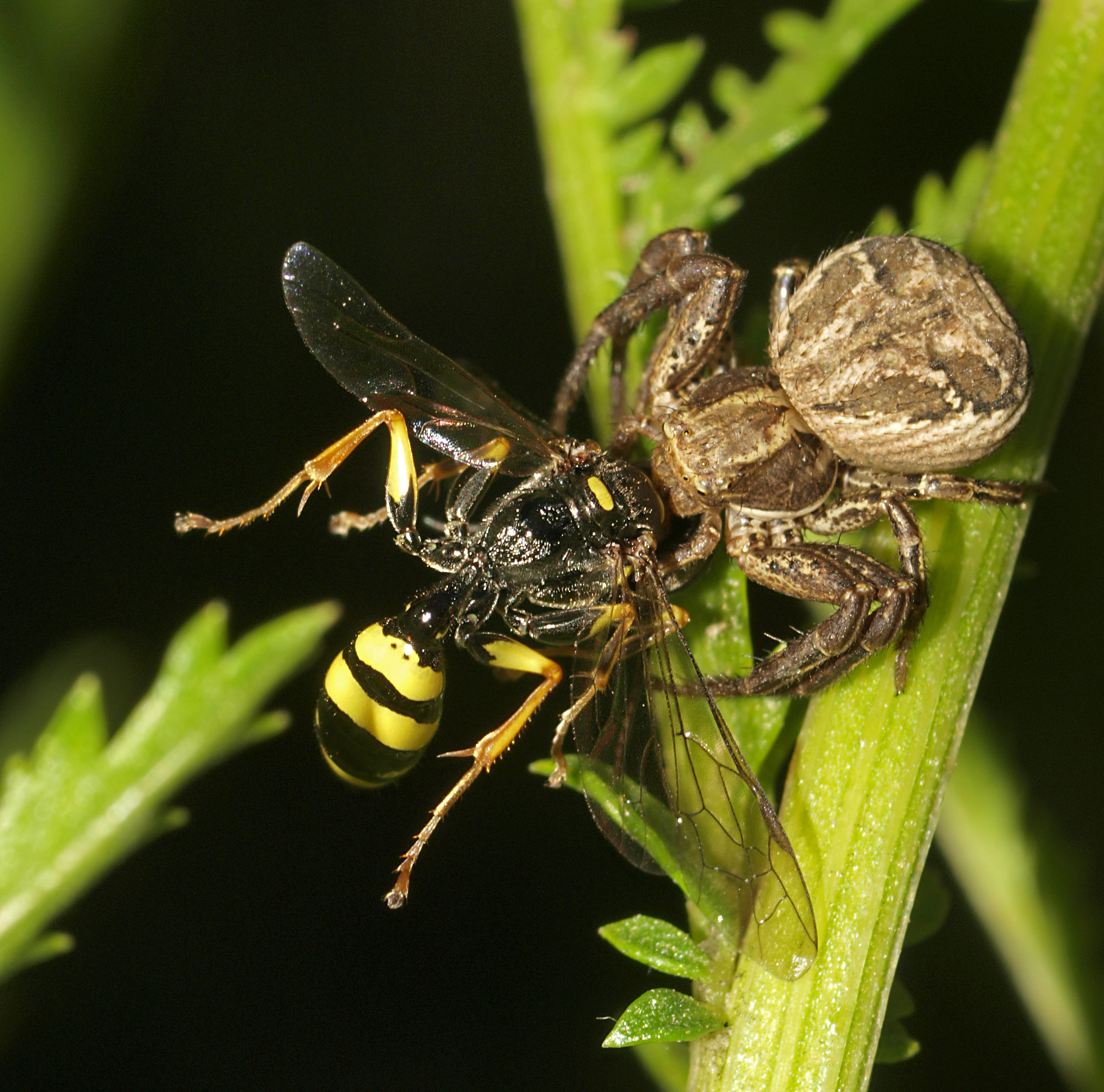
In the wild, every choice has an energy price tag and a deadline, and information is the only discount available. Predators gamble calories on high-reward moves; prey invest in surveillance and memory, cutting risk with knowledge. Humans do the same with attention – our scarcest resource – spending it on scans of the horizon or sprints toward a prize.
Technology now illuminates those hidden clocks: GPS collars show movement budgets, biologgers reveal sleep and stress, and machine vision tallies vigilance beats in herds. Translate that to daily life and the lesson is stark: conserve when the landscape is noisy, surge when you hold the informational high ground. Knowing your “” isn’t destiny; it’s a map for better timing.
From Ancient Tools to Modern Science
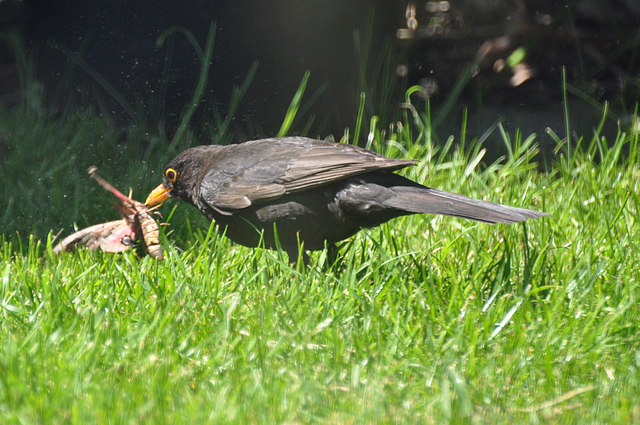
Our ancestors read omens; today we read datasets, but the curiosity is the same. Ethologists annotate chase sequences frame by frame, while data scientists train models on millions of animal positions to infer rules of motion. That combination exposes consistent strategies – flanking maneuvers in wild dogs, wave-like escape in fish schools, decoy tactics in shorebirds.
For readers, the takeaway is practical: pattern literacy beats hunches. If your nature is wolfish, build feedback loops that prevent tunnel vision; if you’re gazelle-like, schedule decisive sprints so vigilance doesn’t calcify into paralysis. The science says systems thrive when s complement each other, and that’s useful far beyond the savanna.
The Future Landscape
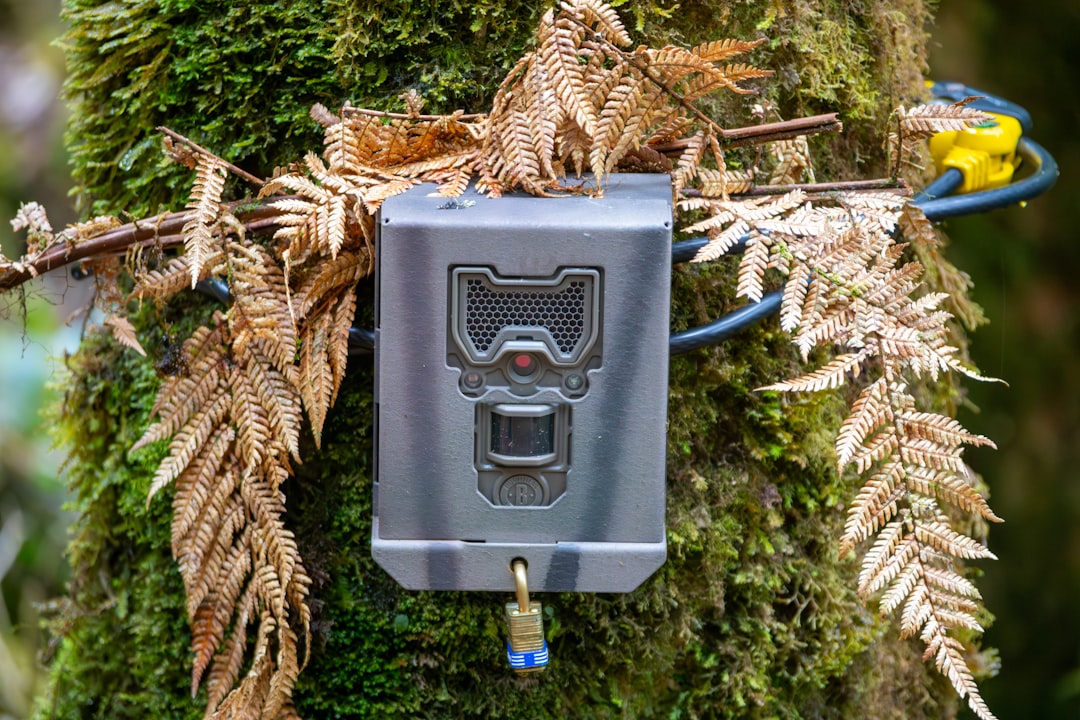
Emerging tools will make these metaphors sharper, not fuzzier. Edge AI on camera traps can flag predator–prey interactions in real time; low-cost biologgers measure heart rate, temperature, and micro-movements at scales once impossible. eDNA in rivers and city drains is already mapping who passed by and when, a noninvasive census for crowded habitats.
Expect policy decisions to lean on these insights, from rewilding top carnivores to designing wildlife corridors through megacities. The challenge is governance: privacy for people, welfare for animals, bias control for algorithms, and climate stresses that keep redrawing maps. Still, the arc is hopeful – better data, better timing, better odds of coexistence.
Conclusion
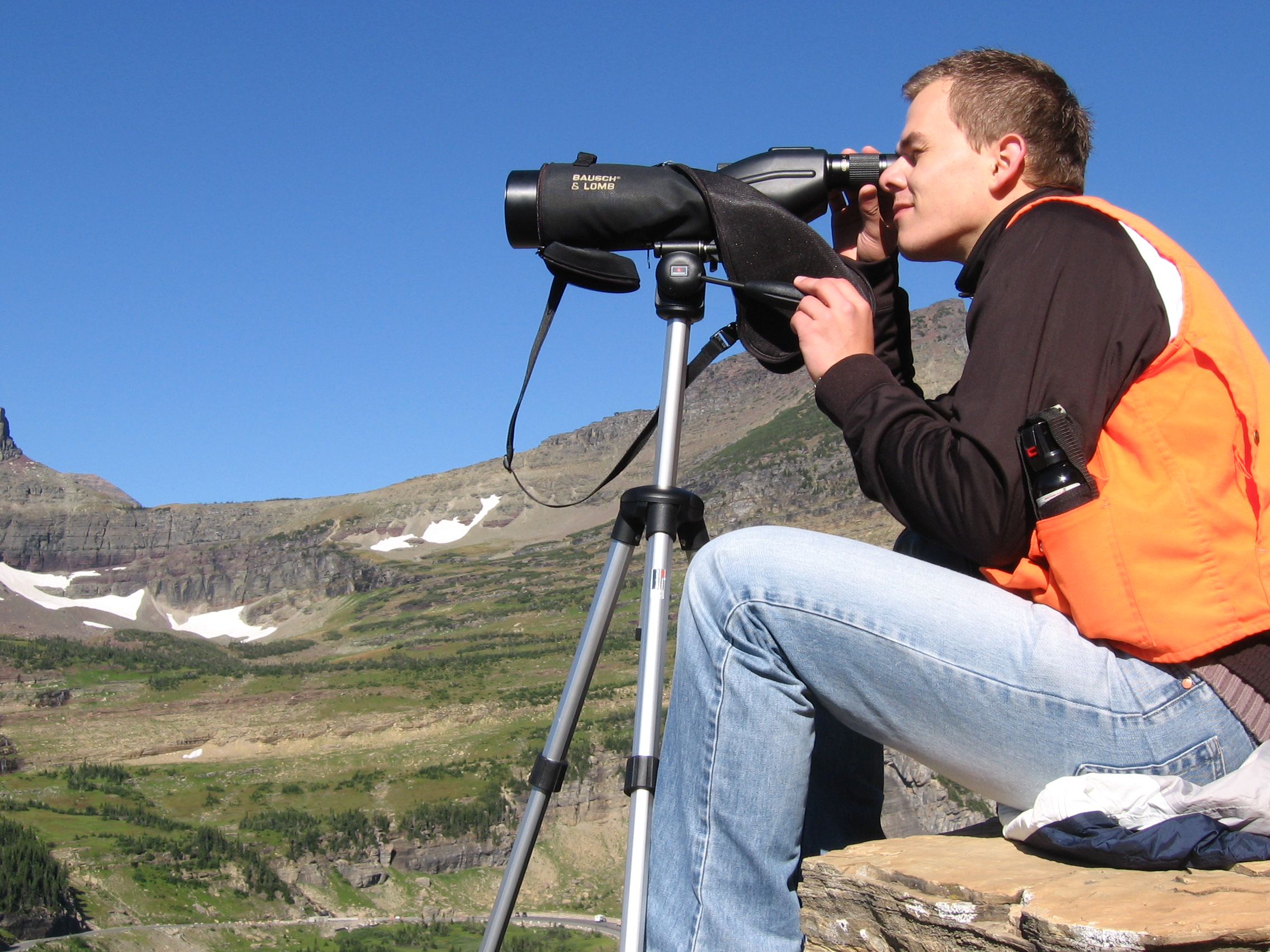
Try a simple field exercise this week: sit still for ten minutes in a park or on a balcony and log who moves first, who waits, and who watches whom. Notice your own default – do you surge like a falcon or settle like a crab – and experiment with the opposite for one decision that matters. Support local conservation groups restoring habitat edges where both hunters and hiders can do their jobs.
Join community science projects that count birds, track urban coyotes, or test stream eDNA, because shared data sharpens the whole picture. Most of all, treat the zodiac lens as a playful prompt to look harder at living systems, not as a verdict. If the wild is a mirror, what will you choose to play tomorrow?
Suhail Ahmed is a passionate digital professional and nature enthusiast with over 8 years of experience in content strategy, SEO, web development, and digital operations. Alongside his freelance journey, Suhail actively contributes to nature and wildlife platforms like Discover Wildlife, where he channels his curiosity for the planet into engaging, educational storytelling.
With a strong background in managing digital ecosystems — from ecommerce stores and WordPress websites to social media and automation — Suhail merges technical precision with creative insight. His content reflects a rare balance: SEO-friendly yet deeply human, data-informed yet emotionally resonant.
Driven by a love for discovery and storytelling, Suhail believes in using digital platforms to amplify causes that matter — especially those protecting Earth’s biodiversity and inspiring sustainable living. Whether he’s managing online projects or crafting wildlife content, his goal remains the same: to inform, inspire, and leave a positive digital footprint.