Beneath the endless blue skies of North America’s grasslands, something extraordinary unfolds just below the surface. Prairie dog towns, often mistaken for simple clusters of burrowing rodents, are in fact bustling underground cities teeming with life, drama, and survival. These intricate networks of tunnels and mounds don’t just belong to the prairie dogs—they shape the very heartbeat of an entire ecosystem. What if the fate of hundreds of animals, some rare and spectacular, hinged on the survival of these unassuming, chattering creatures? Let’s journey into the hidden world of prairie dog towns and discover the web of life that depends on their existence.
The Unique Architecture of Prairie Dog Towns
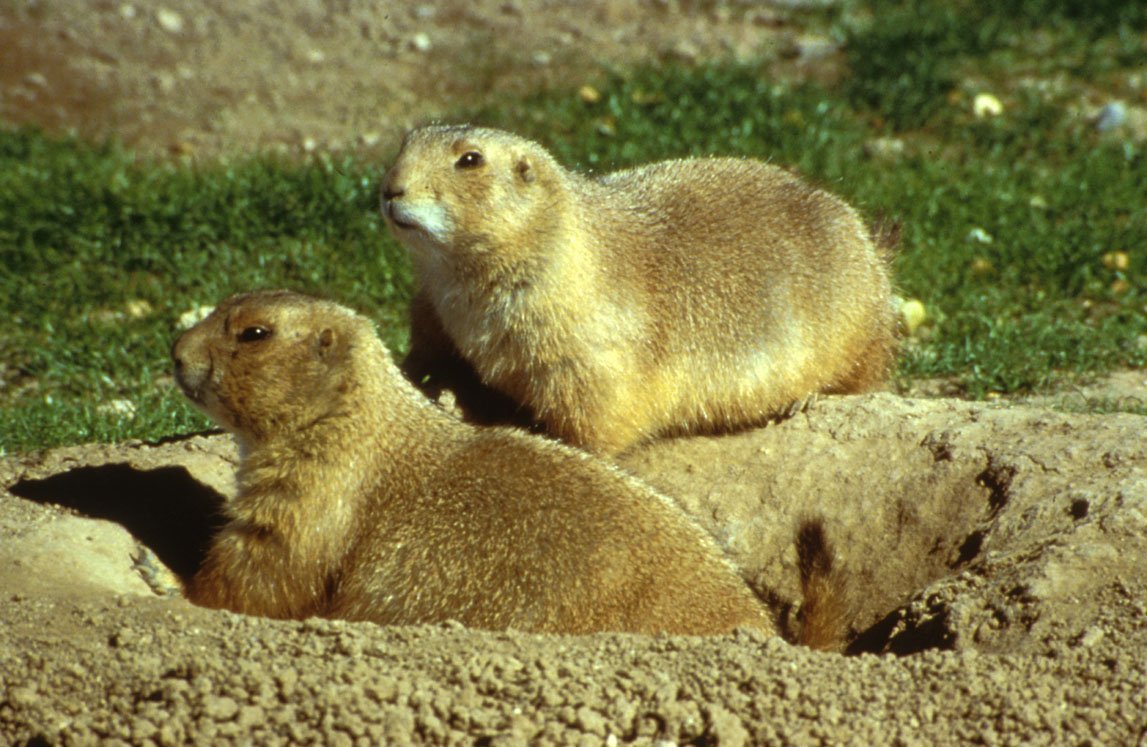
Prairie dog towns are marvels of natural engineering. Stretching across acres, these complexes feature a maze of tunnels, chambers, and entrances that provide shelter from predators and harsh weather. The mounds often seen dotting the landscape are like apartment buildings, safeguarding the prairie dogs against floods and offering lookout points. Imagine a miniature city bustling with activity, where every tunnel and mound serves a purpose. These structures can be so vast that they are visible from the air, with some historical towns estimated to have housed millions of prairie dogs. The interconnected tunnels not only shield the inhabitants but also create a safe haven for many other creatures.
Prairie Dogs: The Unsung Architects
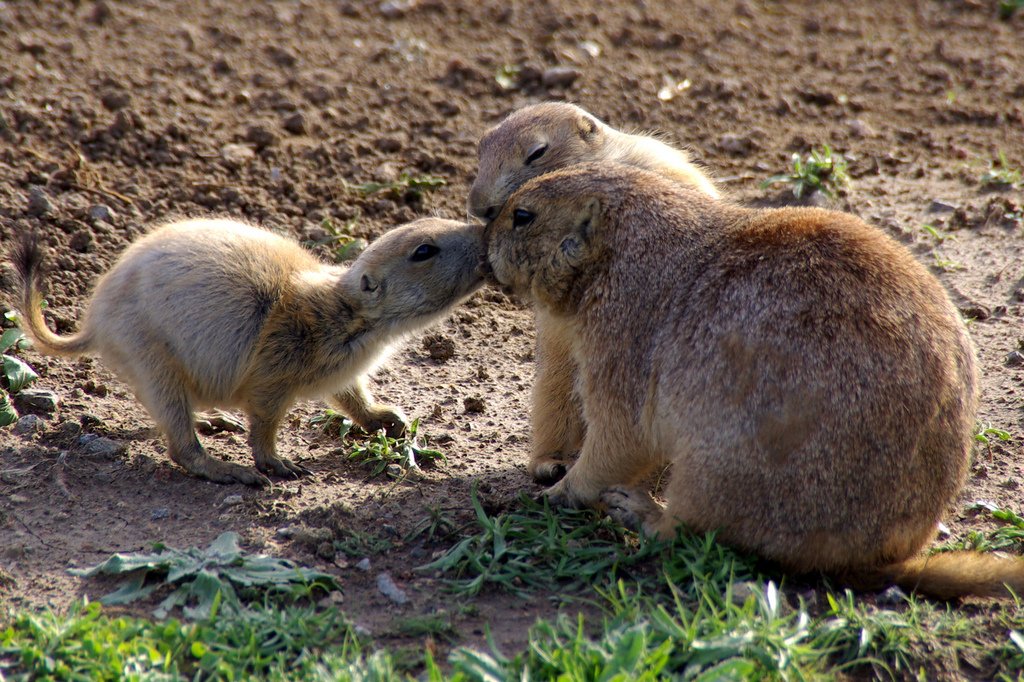
Prairie dogs are far more than mere residents—they are the architects and caretakers of their towns. Through their constant digging and clipping of vegetation, they dramatically shape their environment. Their activities aerate the soil, promote plant diversity, and even influence the types of grasses that grow. This constant maintenance ensures the health and sustainability of the prairie landscape. By keeping the grass short, prairie dogs make it easier for predators to spot prey and for other herbivores to find food. Their presence is so vital that scientists call them a “keystone species,” meaning the ecosystem would change drastically without them.
Burrowing Owls: Masters of Coexistence
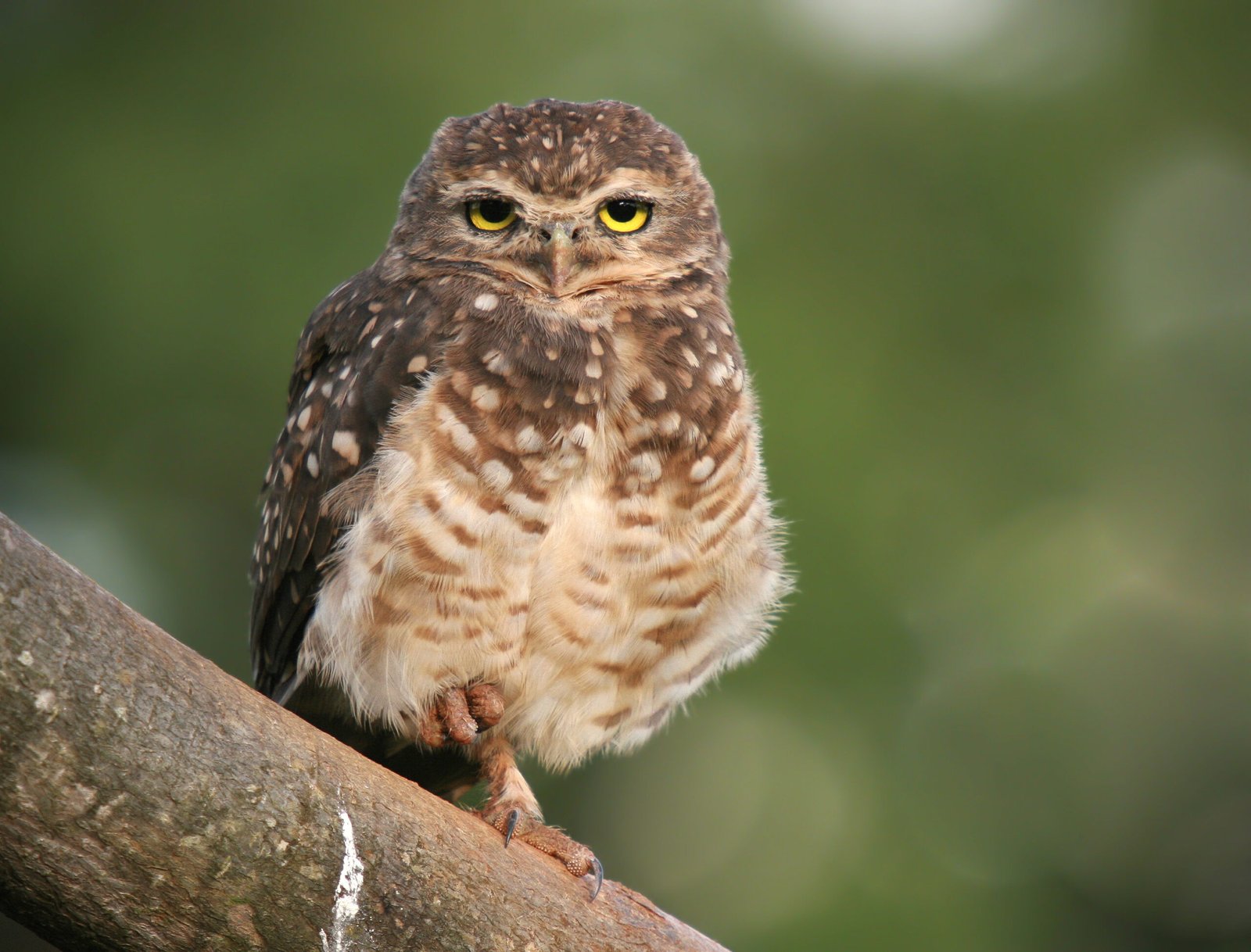
One of the most charming residents of prairie dog towns is the burrowing owl. Unlike other owls, these small, bright-eyed birds nest underground, often in abandoned prairie dog burrows. Burrowing owls rely on these tunnels for shelter and safe nesting sites, raising their young away from foxes, coyotes, and other threats. Their quirky habits—standing tall at burrow entrances and bobbing their heads—make them a delightful sight. In return, burrowing owls help control insect and rodent populations, maintaining a balance within the prairie dog town. When prairie dog numbers decline, these owls quickly vanish, highlighting just how intertwined their fates are.
Black-Footed Ferrets: The Rarest of the Rare
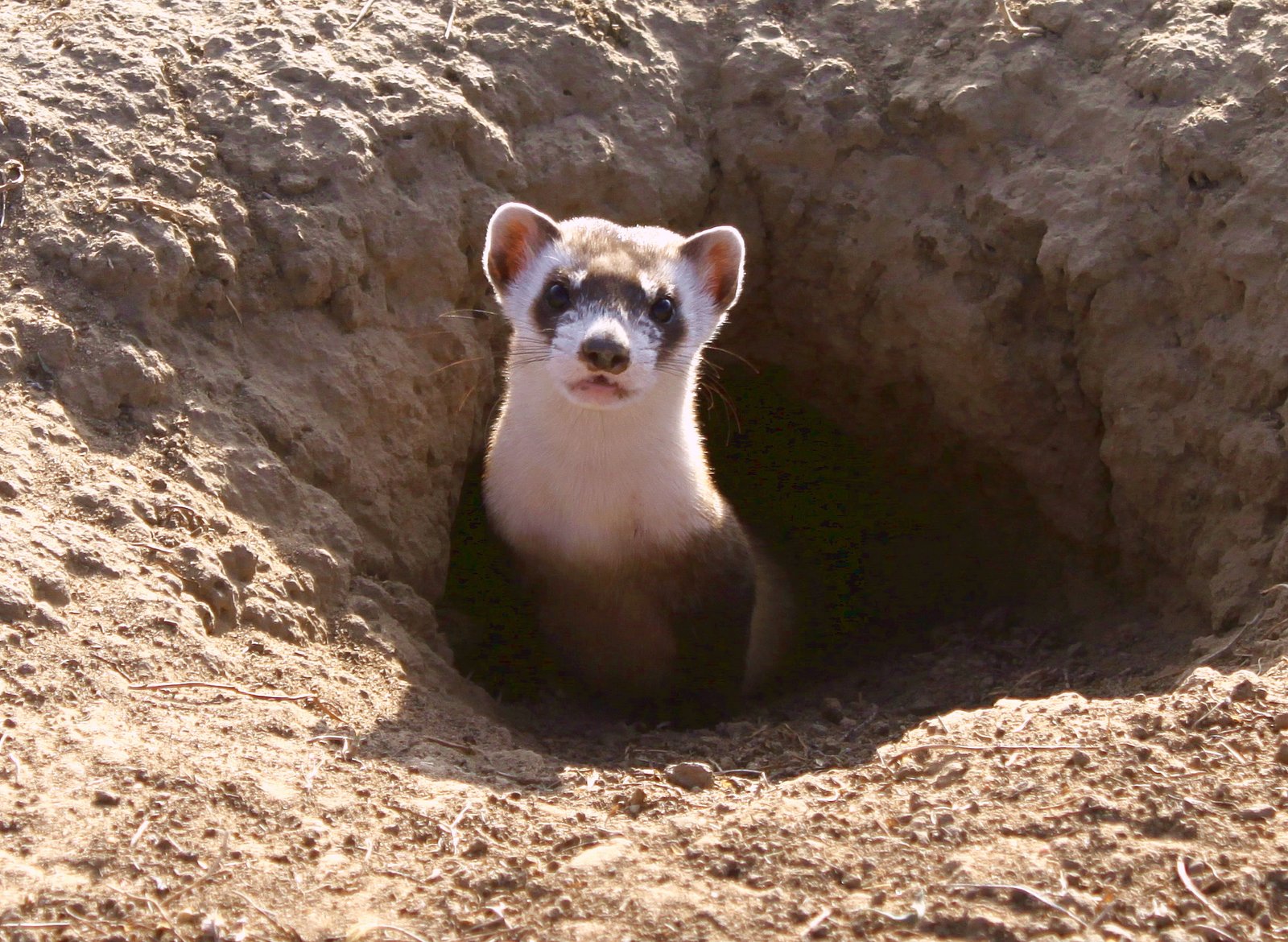
The black-footed ferret, North America’s most endangered mammal, owes its survival almost entirely to prairie dog towns. These sleek, nocturnal predators depend on prairie dogs for food and use their burrows for shelter and rearing their young. Once thought extinct, black-footed ferrets have made a comeback thanks to conservation programs focusing on prairie dog habitat restoration. Without healthy prairie dog populations, ferrets struggle to survive—no other environment supports their unique lifestyle. Each ferret may consume over a hundred prairie dogs a year, making these towns critical hunting grounds. Their story is a dramatic reminder of how fatefully the lives of different species can be linked.
Rattlesnakes and Prairie Dog Tunnels
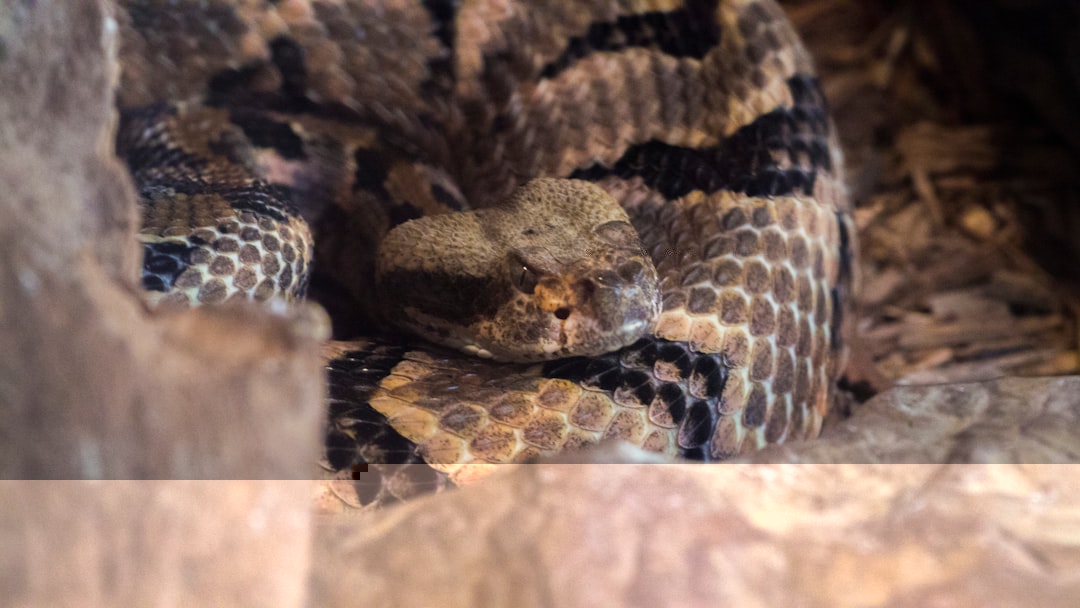
Even animals that might seem unwelcome find sanctuary in prairie dog towns. Western rattlesnakes, for example, use abandoned tunnels as safe retreats from scorching summer heat and freezing winters. These burrows offer rattlesnakes a place to hunt unsuspecting rodents and to hibernate in safety. While rattlesnakes might send chills down your spine, they play a vital role in controlling rodent populations and keeping the ecosystem balanced. Prairie dog towns become shared real estate, where predator and prey carve out their own niches in a tense but necessary coexistence.
Badgers: The Relentless Hunters
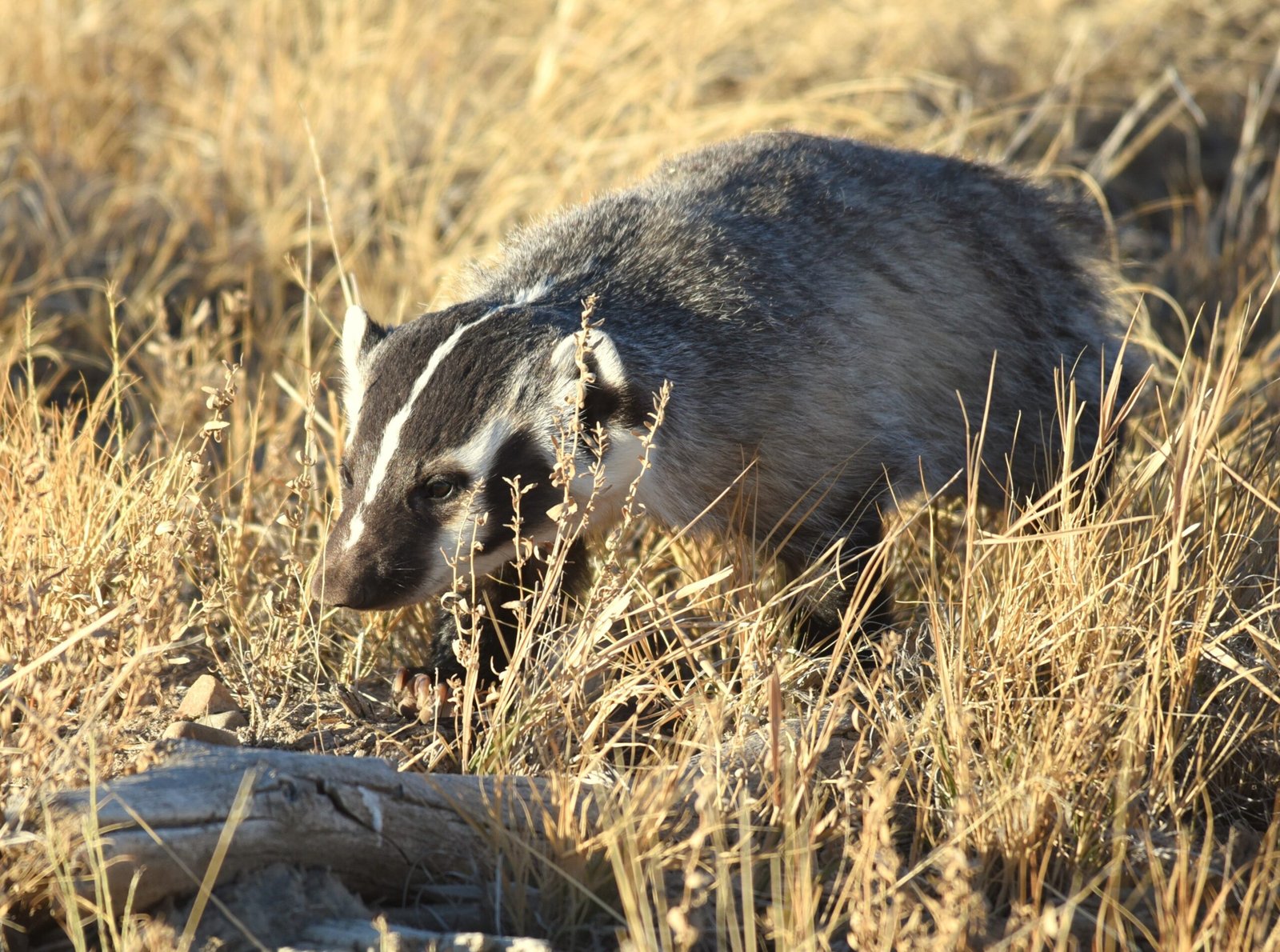
Badgers are formidable predators of the prairie, and prairie dog towns are their favorite hunting grounds. With powerful claws and a stocky build, badgers dig into burrows in search of prey, often reshaping the tunnels as they go. This digging doesn’t just affect prairie dogs—it also aerates the soil and helps seeds take root, continuing the cycle of life. Badgers rely on the abundance of prairie dogs and other small mammals that thrive in these bustling towns. Their presence is a testament to the food web’s complexity, where every player has a role in keeping the prairie healthy and dynamic.
Insects and Underground Allies
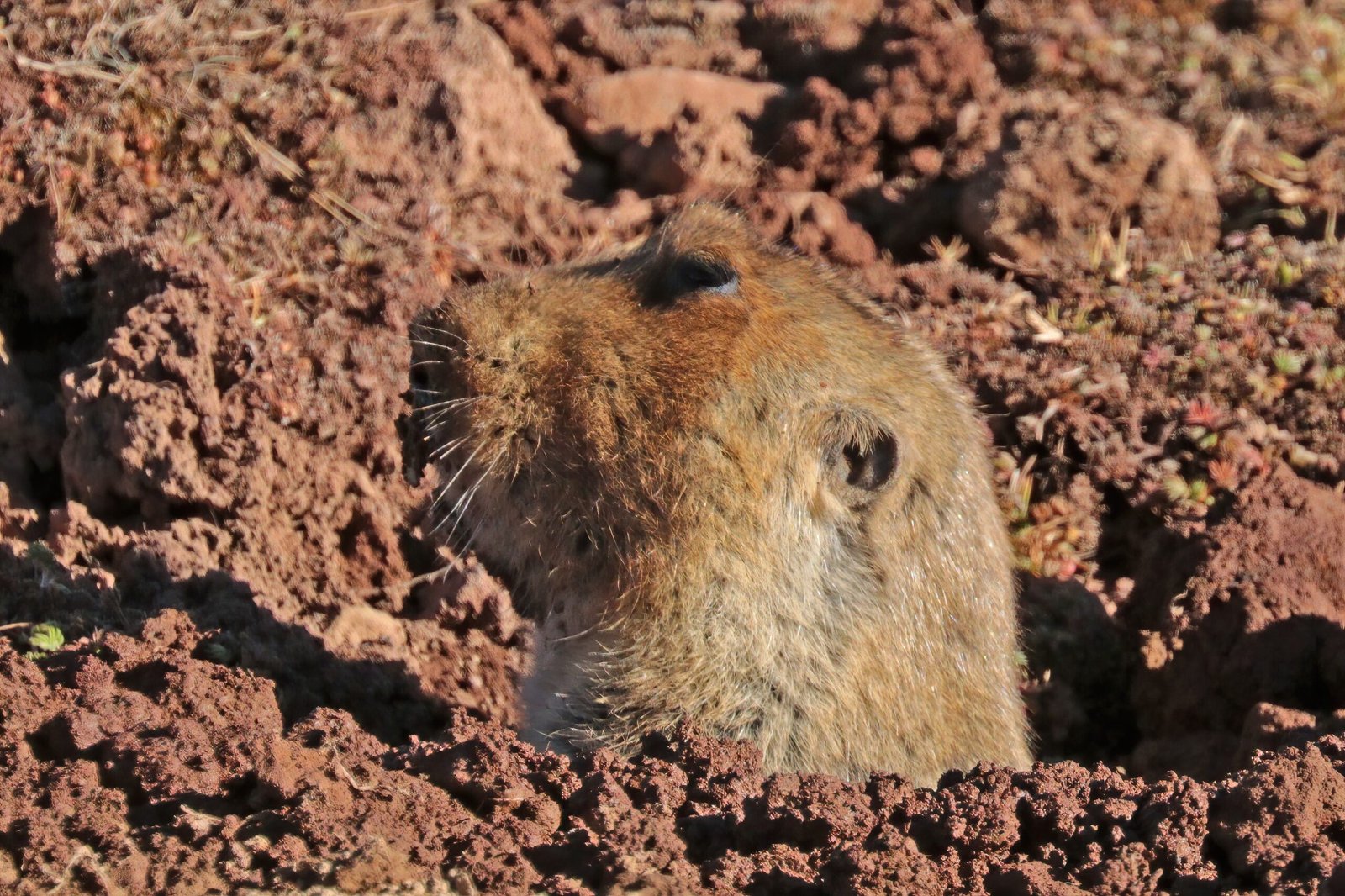
The underground world of prairie dog towns is alive with insects, worms, and other invertebrates. These tiny creatures break down plant material, aerate the soil, and form the foundation of the food chain. Beetles scuttle through tunnels, ants build their own colonies nearby, and earthworms mix the soil, promoting nutrient cycling. All of this underground activity supports the plants above, which in turn feed the entire prairie. It’s a hidden universe where small actions have big consequences, quietly sustaining life for the whole ecosystem.
Plants: Flourishing in the Wake of Prairie Dogs
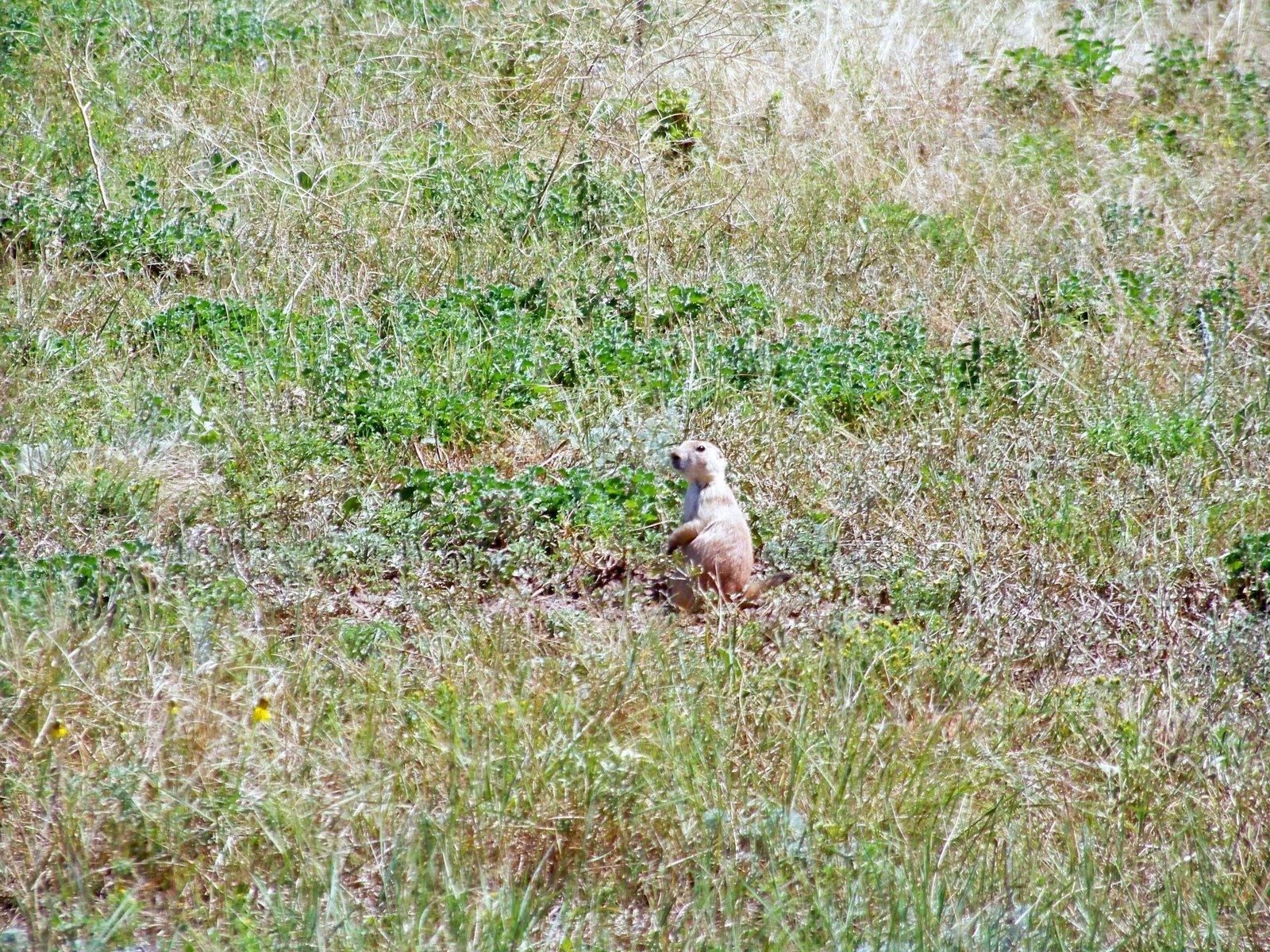
Prairie dog towns are hotspots of plant diversity. By constantly grazing and clipping vegetation, prairie dogs prevent any single plant species from dominating. This disturbance encourages a patchwork of grasses and wildflowers, creating a vibrant mosaic that attracts pollinators and herbivores alike. Studies have shown that areas with active prairie dog colonies host more plant species and healthier soils compared to those without. Their influence can be seen in the lush growth that springs up after a rain, painting the landscape with color and life.
Birds Beyond the Burrow
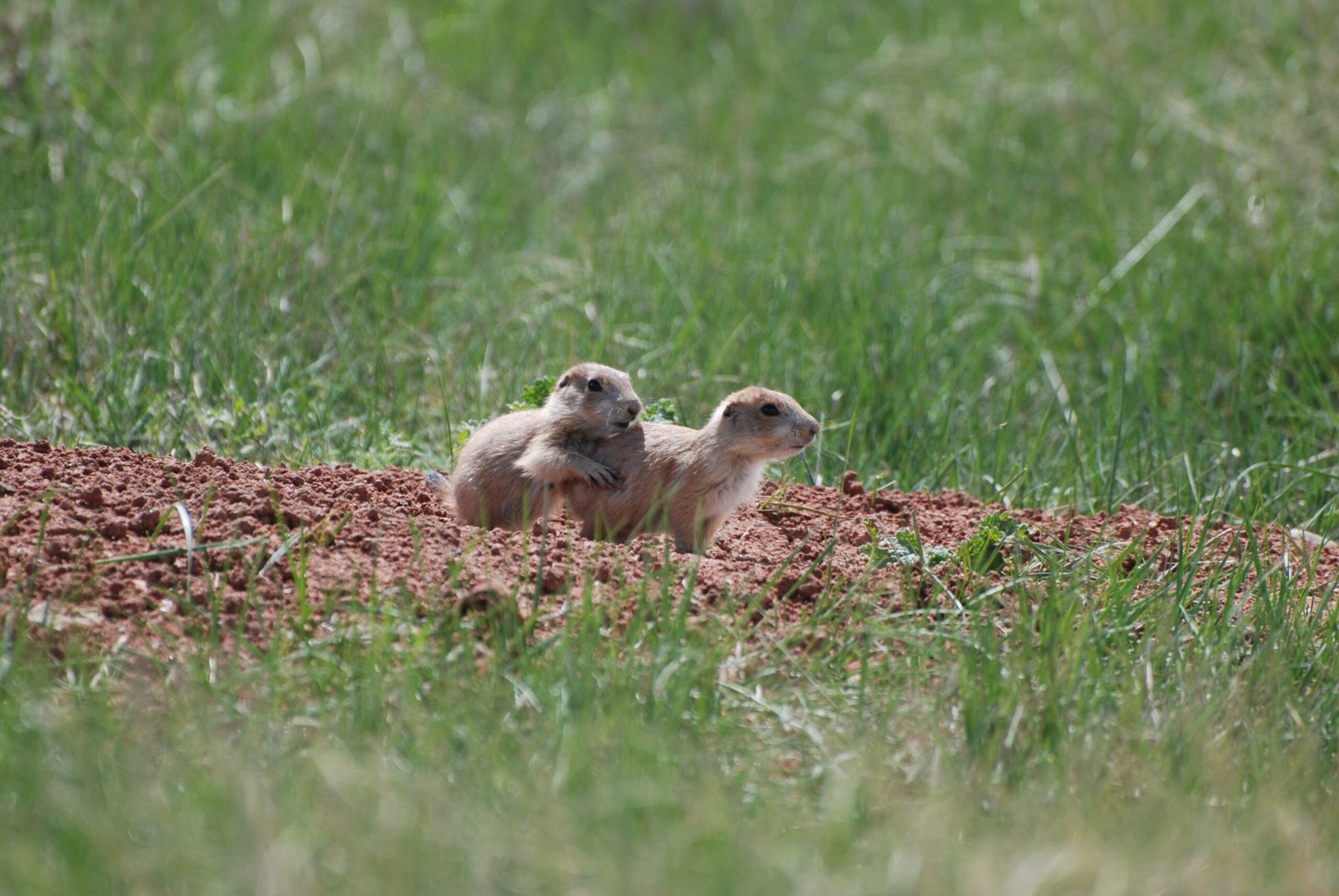
It’s not just burrowing owls that thrive in prairie dog towns. Grassland birds such as meadowlarks, horned larks, and mountain plovers are drawn to these open spaces, taking advantage of the short grass and abundant insects. Some, like the mountain plover, even nest in the bare earth created by prairie dog digging. These birds rely on the unique conditions found in and around prairie dog towns for breeding and feeding. Their melodies fill the air, adding another layer of vibrancy to this already bustling ecosystem.
Predators: Coyotes and Raptors on the Hunt
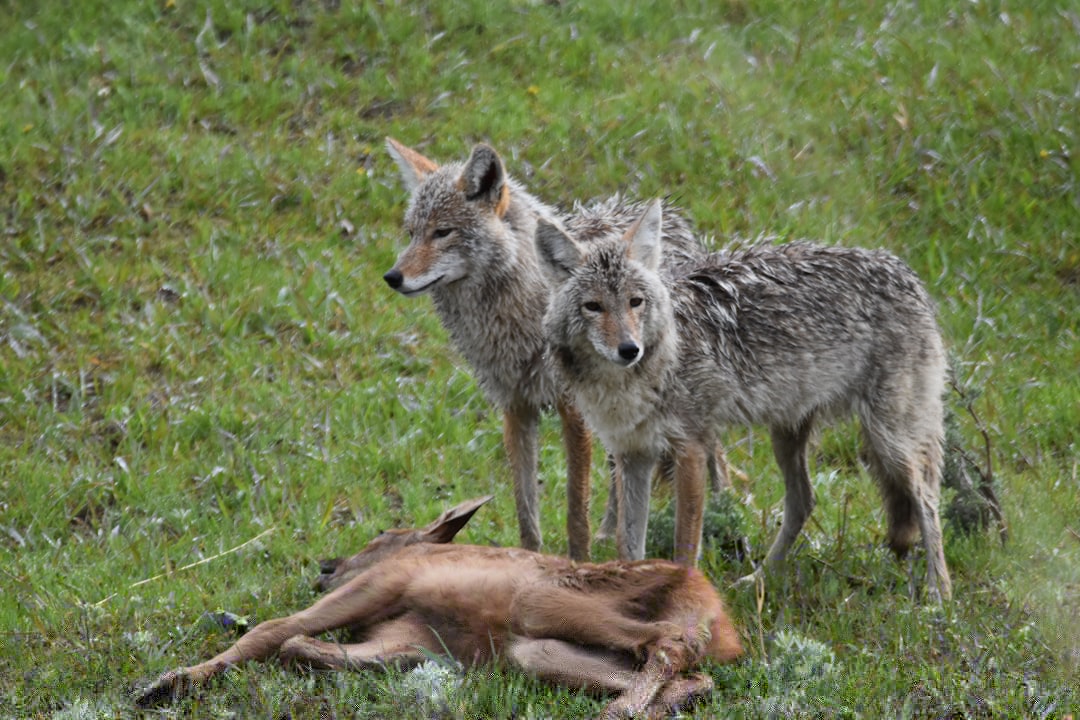
Top predators, including coyotes and birds of prey, are frequent visitors to prairie dog towns. Coyotes hunt prairie dogs and other small mammals, their presence keeping populations in check and preventing outbreaks of disease. Raptors like hawks and eagles soar overhead, using the open landscape to spot and swoop down on prey. The abundance of food attracts these hunters, making prairie dog towns critical feeding grounds. This dynamic predator-prey relationship is essential for maintaining ecological balance across the grasslands.
Prairie Dog Towns and Human Impact
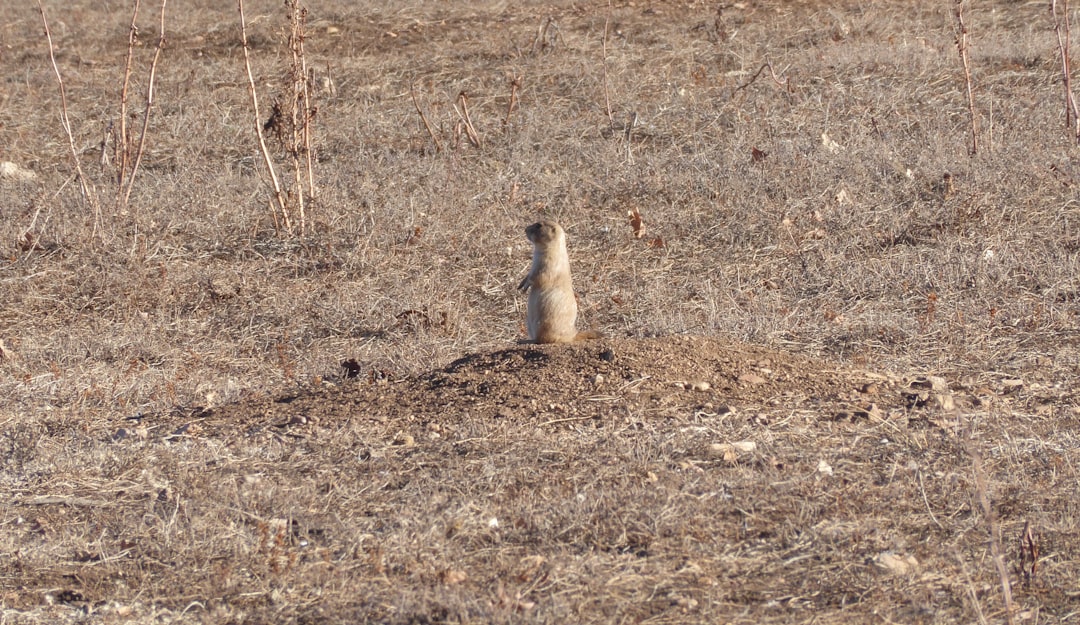
Human activity has dramatically altered the fate of prairie dog towns. Agriculture, urban development, and extermination campaigns have shrunk their range to a fraction of what it once was. Yet, these towns hold untapped potential for ecological restoration. Where prairie dogs return, so too do the species that depend on them, breathing life back into degraded prairies. Efforts to protect prairie dog colonies aren’t just about saving one species—they’re about preserving entire worlds of interconnected life. The resilience of prairie dog towns offers hope for the future of North America’s grasslands.