
What if I told you that beneath Portland’s quirky coffee shops and bustling bridges, there lies a hidden world no less astonishing than any legend whispered in the rain-soaked streets? Imagine walking downtown, unaware that a maze of ancient lava tubes, secret passages, and mysterious voids might snake beneath your very feet. For decades, stories of these enigmatic caves have captured imaginations, fueled wild rumors, and inspired explorers to chase shadows in the city’s underbelly. It’s a tale where geology, history, and myth collide—where science and storytelling dance in the dark. So, grab your flashlight and sense of wonder; we’re about to step into the unknown heart of Portland.
The Ancient Birth of Portland’s Lava Tubes
Long before Portland became a city famous for its food trucks and indie vibe, fiery rivers of molten rock carved tunnels beneath the landscape. Around 50,000 years ago, volcanic eruptions from Mount Tabor and Lava Butte poured lava across what would one day become neighborhoods and parks. As the outer layer of these flows cooled and hardened, the still-liquid lava inside continued to rush forward, eventually draining away and leaving hollow tubes behind. These natural passageways, called lava tubes, are like nature’s own secret subway system. Though partially collapsed or hidden by development, fragments of these ancient tunnels still sleep beneath the city, shaping the land in ways most Portlanders never realize.
Mysteries Hidden Below the City Streets
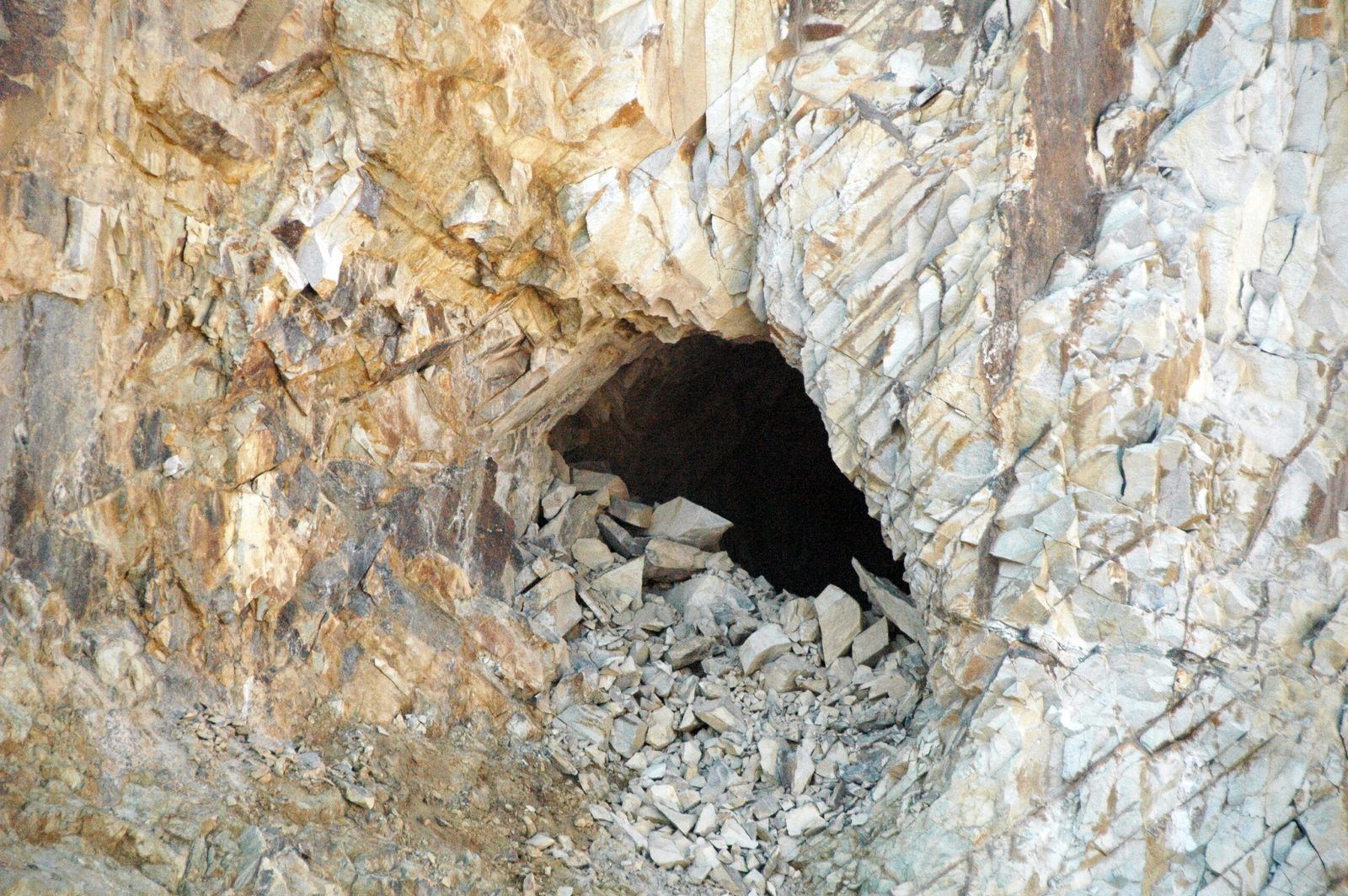
The idea of a labyrinth beneath Portland’s feet is more than just a story for campfires. Urban explorers have long whispered about secret entrances in forgotten basements and strange voids opening up during construction projects. Some claim to have found narrow crawlspaces that lead to pitch-black chambers lined with glassy basalt. While not every rumor holds water, geological surveys and ground-penetrating radar have confirmed the existence of several lava tube sections beneath the city. These discoveries have only deepened the allure, hinting that much more remains undiscovered, waiting for a curious soul to stumble across a hidden door.
Urban Legends and Spooky Stories
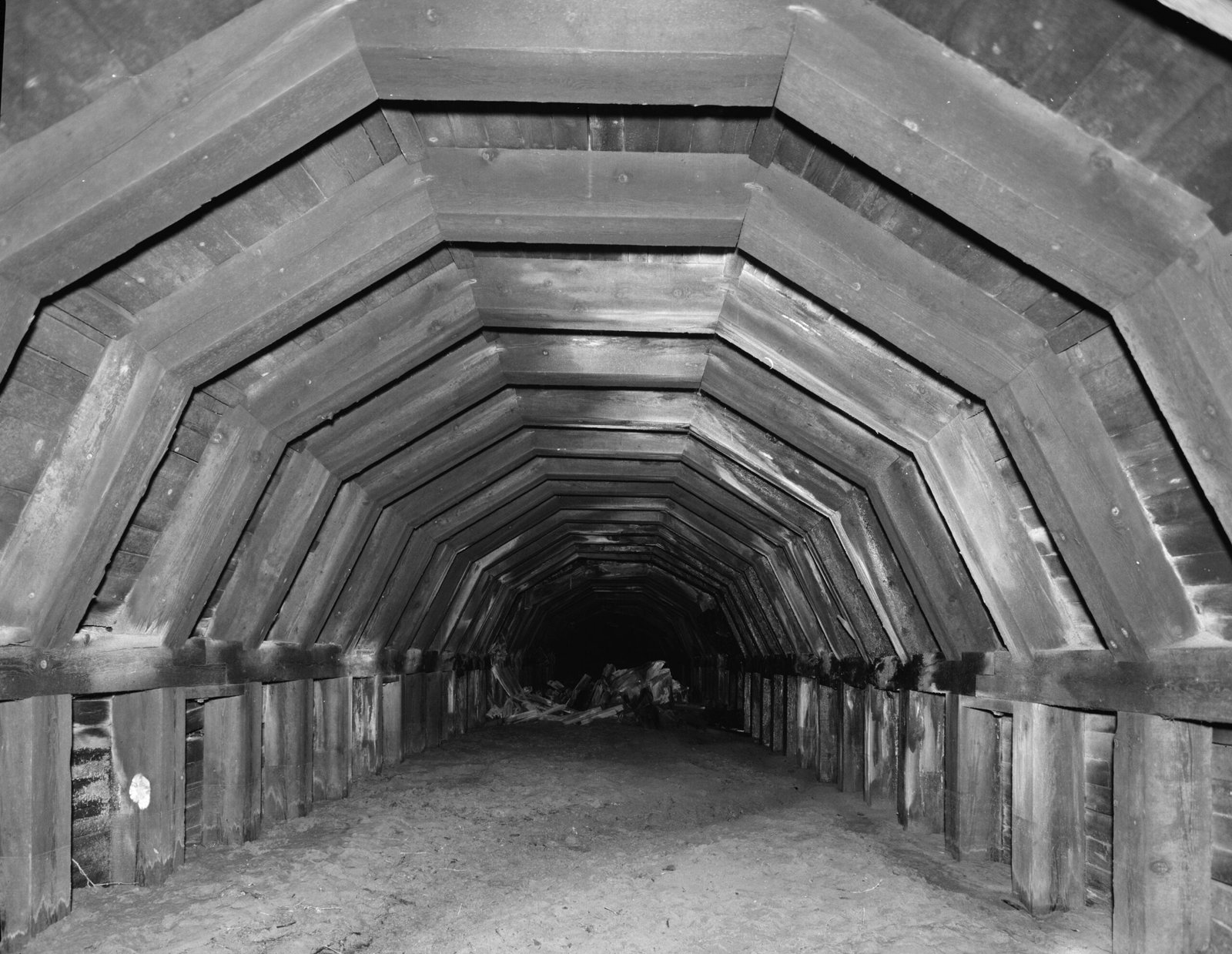
No mystery is complete without a little folklore, and Portland’s underworld is rich with chilling tales. Some say the city’s infamous Shanghai Tunnels—once used for smuggling and kidnapping—connect with even older volcanic passageways. Others speak of ghostly apparitions wandering the darkness, or of secret societies meeting in candlelit caverns. One persistent rumor suggests there’s a lost treasure stashed in a sealed-off lava tube, left behind by early settlers or Prohibition-era bootleggers. Whether these stories are fact or fiction, they add a layer of enchantment to the scientific reality, blurring the lines between what’s real and what’s imagined.
The Science of Lava Tube Formation
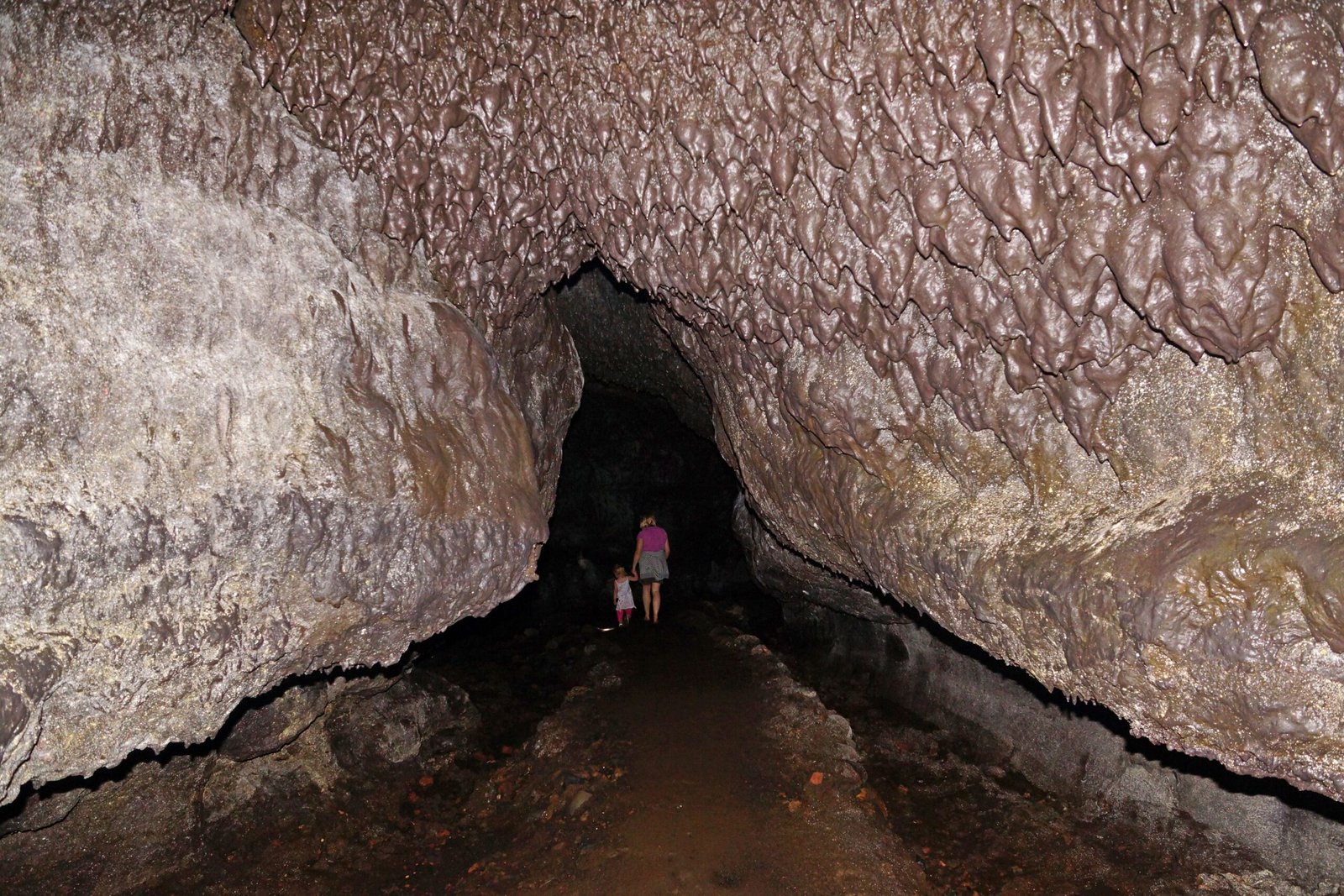
To understand Portland’s subterranean wonders, it helps to get a bit scientific. Lava tubes form during certain types of volcanic eruptions, when fluid basaltic lava flows across the landscape. As the surface cools, it insulates the hotter core, allowing the lava beneath to travel farther and faster. When the eruption ends, the molten rock drains away, leaving behind a tunnel that can stretch for hundreds of meters. These tubes are often surprisingly strong, with walls of hardened basalt that can resist collapse for thousands of years. In places like southeast Portland, geologists have mapped these ancient corridors, revealing patterns that follow the contours of prehistoric lava flows.
Exploring the Grottoes: What’s Really Down There?
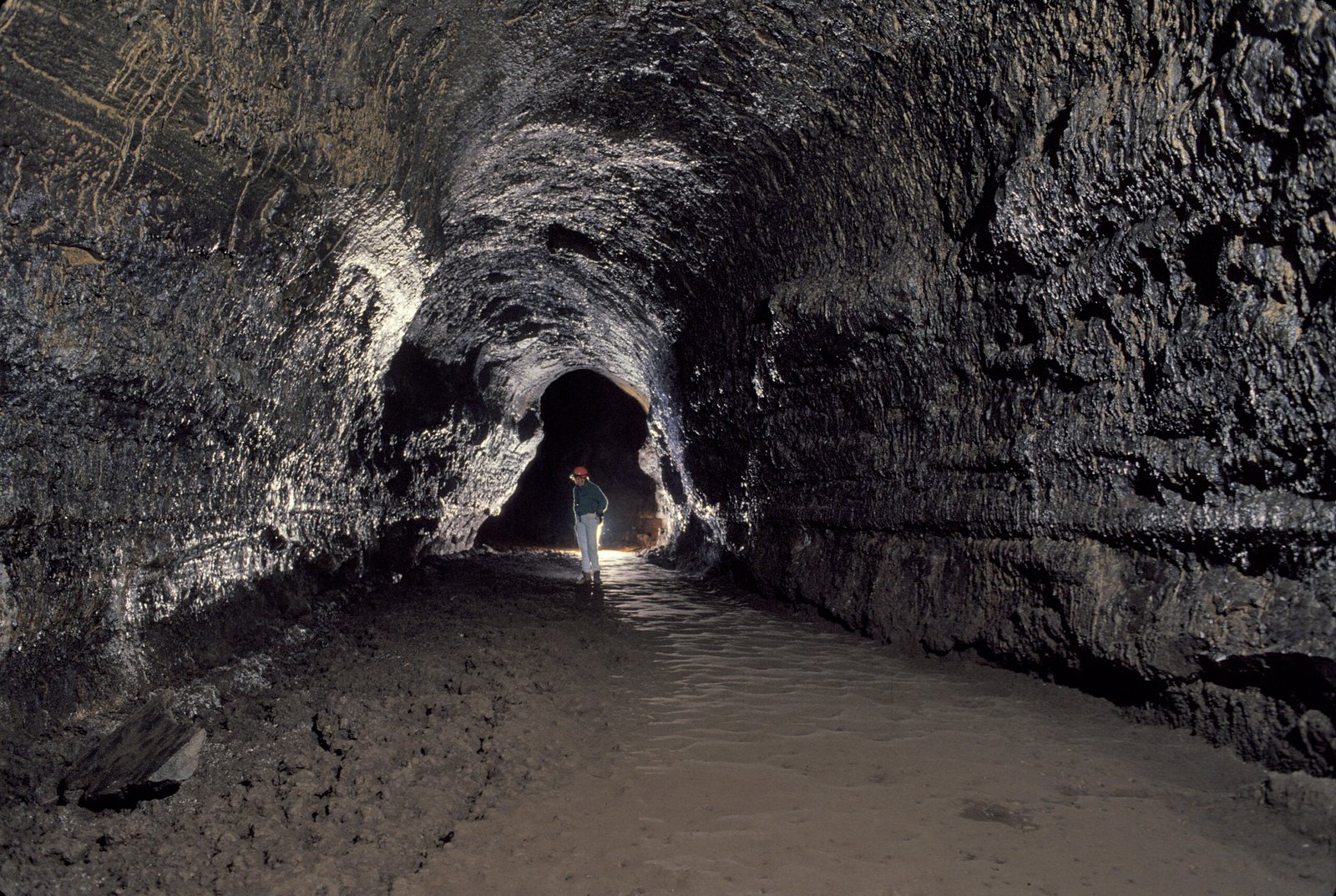
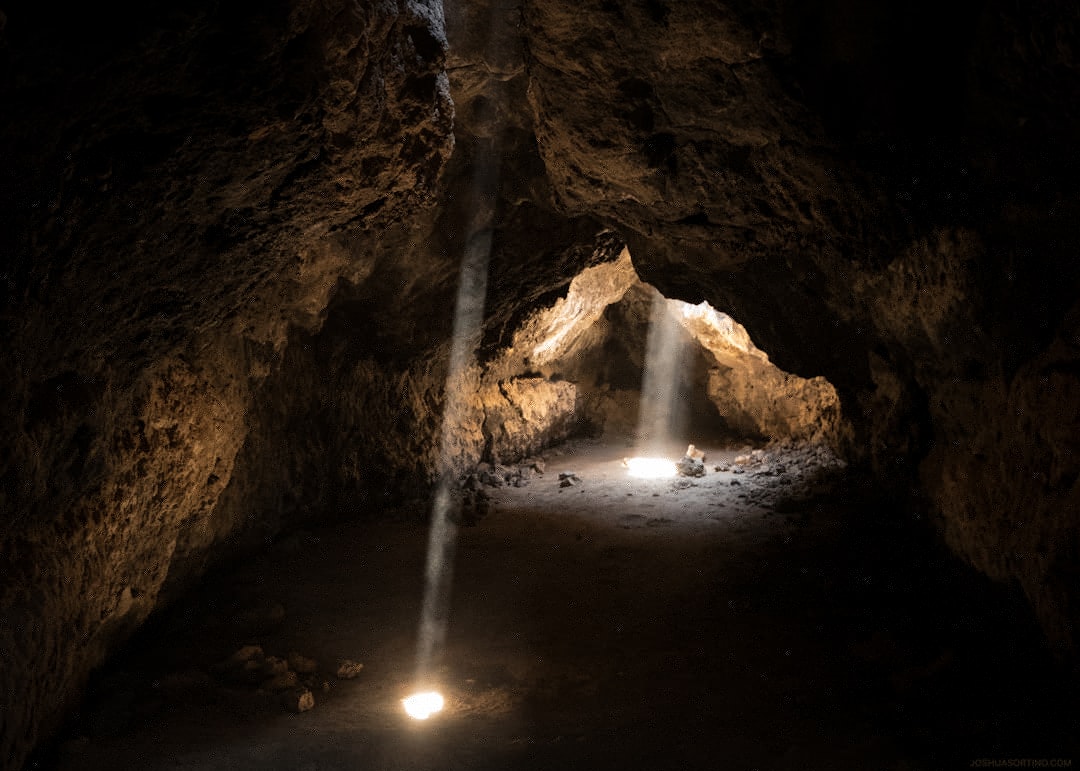
For those lucky enough to peek into Portland’s lava tubes, the experience can feel otherworldly. Imagine ducking through a narrow entrance into a cool, echoing chamber where walls shimmer with mineral deposits and ancient lava ripples shimmer under flashlight beams. Some tubes are spacious enough to walk through, while others require crawling on hands and knees. Stalactites of volcanic glass sometimes dangle from the ceiling, and the air is thick with the scent of damp earth and stone. Although many entrances are now sealed or obscured, a handful of urban spelunkers have documented their journeys with photos and videos, offering a tantalizing glimpse into this hidden world.
Portland’s Volcanic Past: More Than Just Mount St. Helens
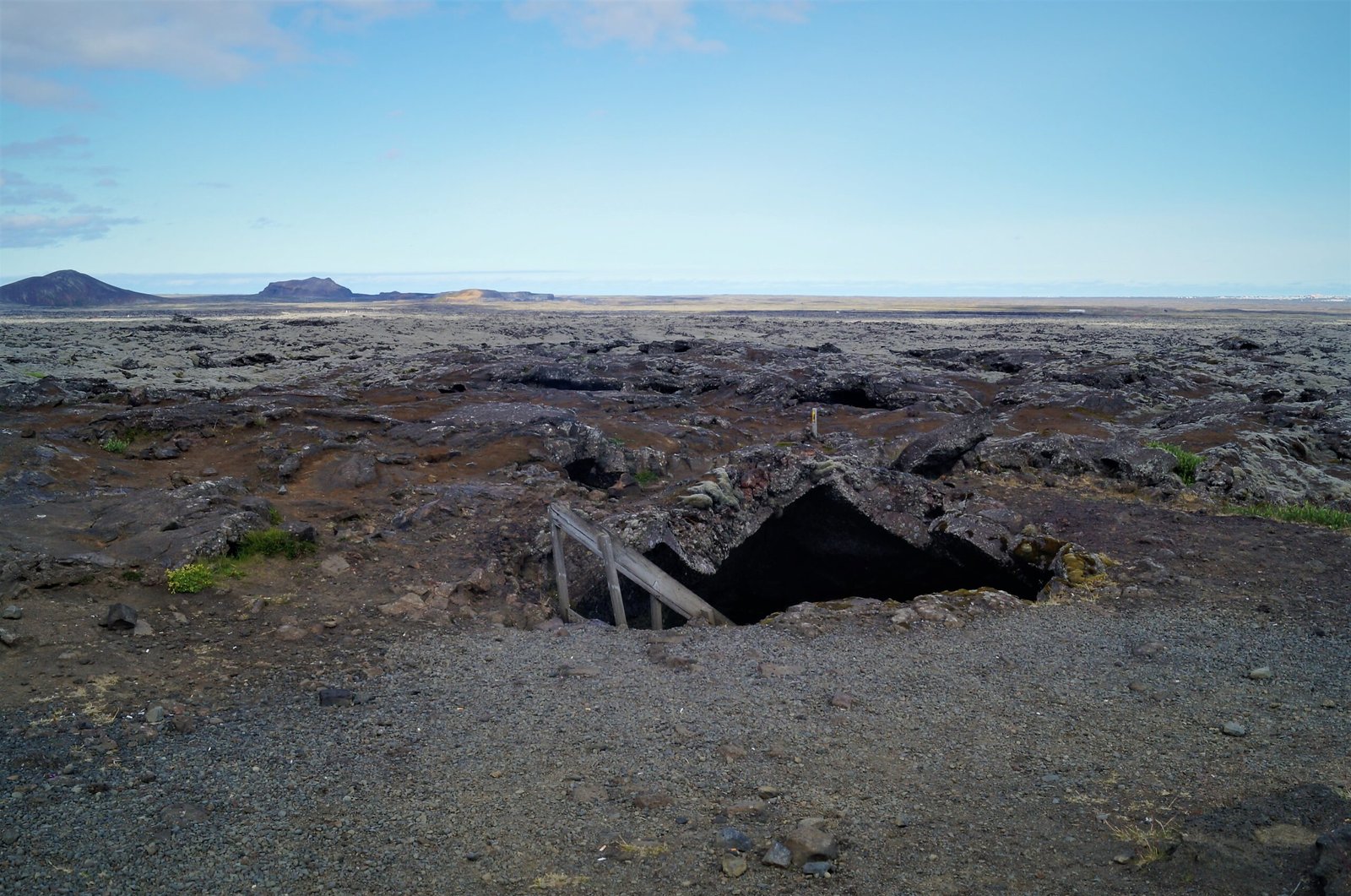
When most people think of volcanoes near Portland, Mount St. Helens comes to mind. But the city’s geological history is far more dramatic. Local volcanoes like Mount Tabor, Rocky Butte, and Powell Butte erupted multiple times in prehistory, shaping the region’s topography and laying the groundwork for today’s lava tubes. These eruptions spewed ash and lava across vast areas, creating fertile soil and unique rock formations. The Willamette Valley itself was influenced by these ancient forces, its hills and valleys molded by fire and flood. Understanding this volcanic legacy helps explain why Portland’s underground holds so many surprises.
Modern Myths: Separating Fact from Fiction
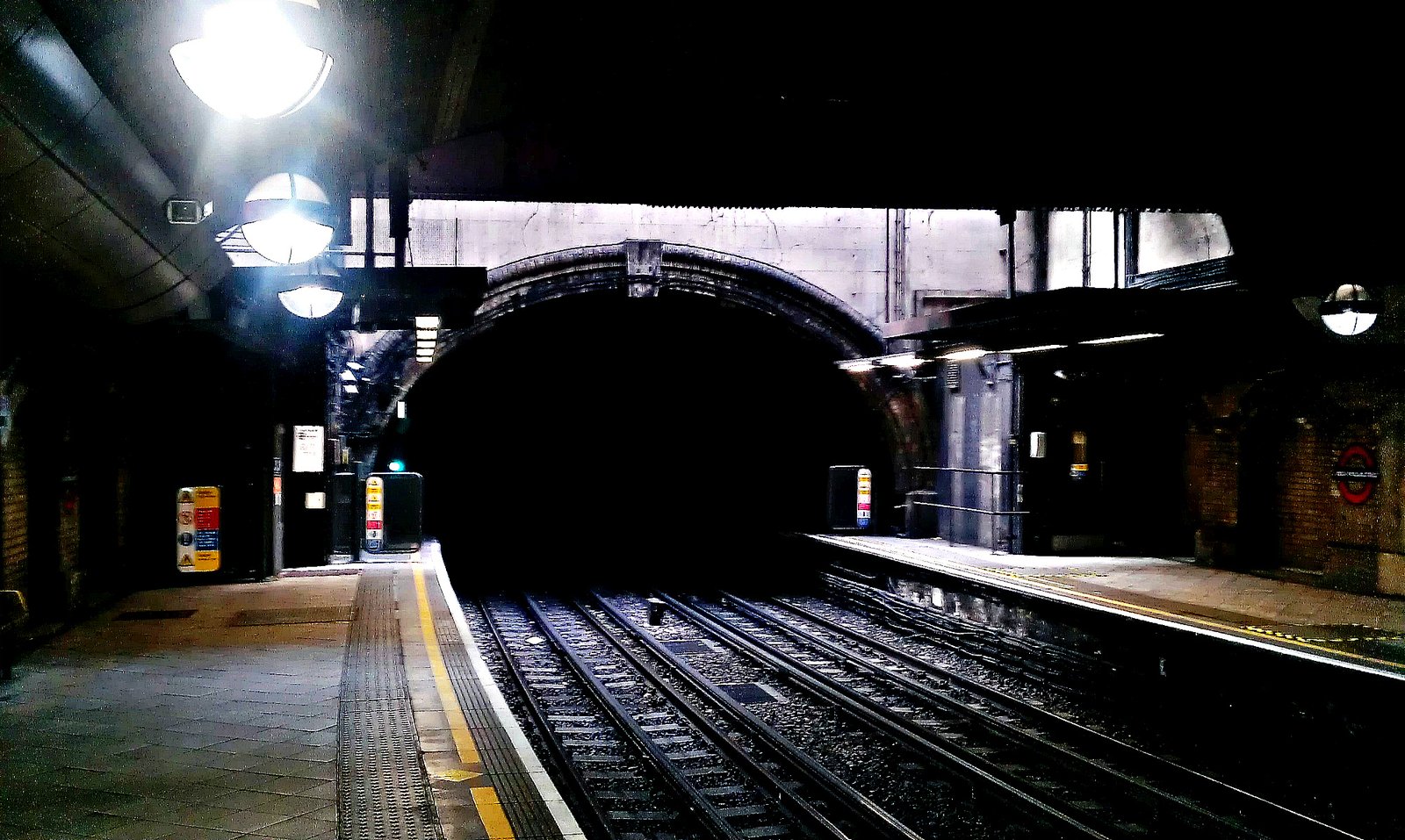
With every new discovery comes a fresh wave of speculation. Are there really tunnels connecting all of Portland’s oldest buildings? Did Prohibition-era gangsters really use lava tubes to move contraband? While some tales are rooted in truth, many are more fiction than fact. For instance, while the Shanghai Tunnels are real, their connection to natural lava tubes is unproven. Yet, the persistence of these myths speaks to the power of the unknown. People are drawn to mysteries, especially those close to home, and Portland’s caves offer an irresistible blend of science and storytelling.
Wildlife in the Shadows
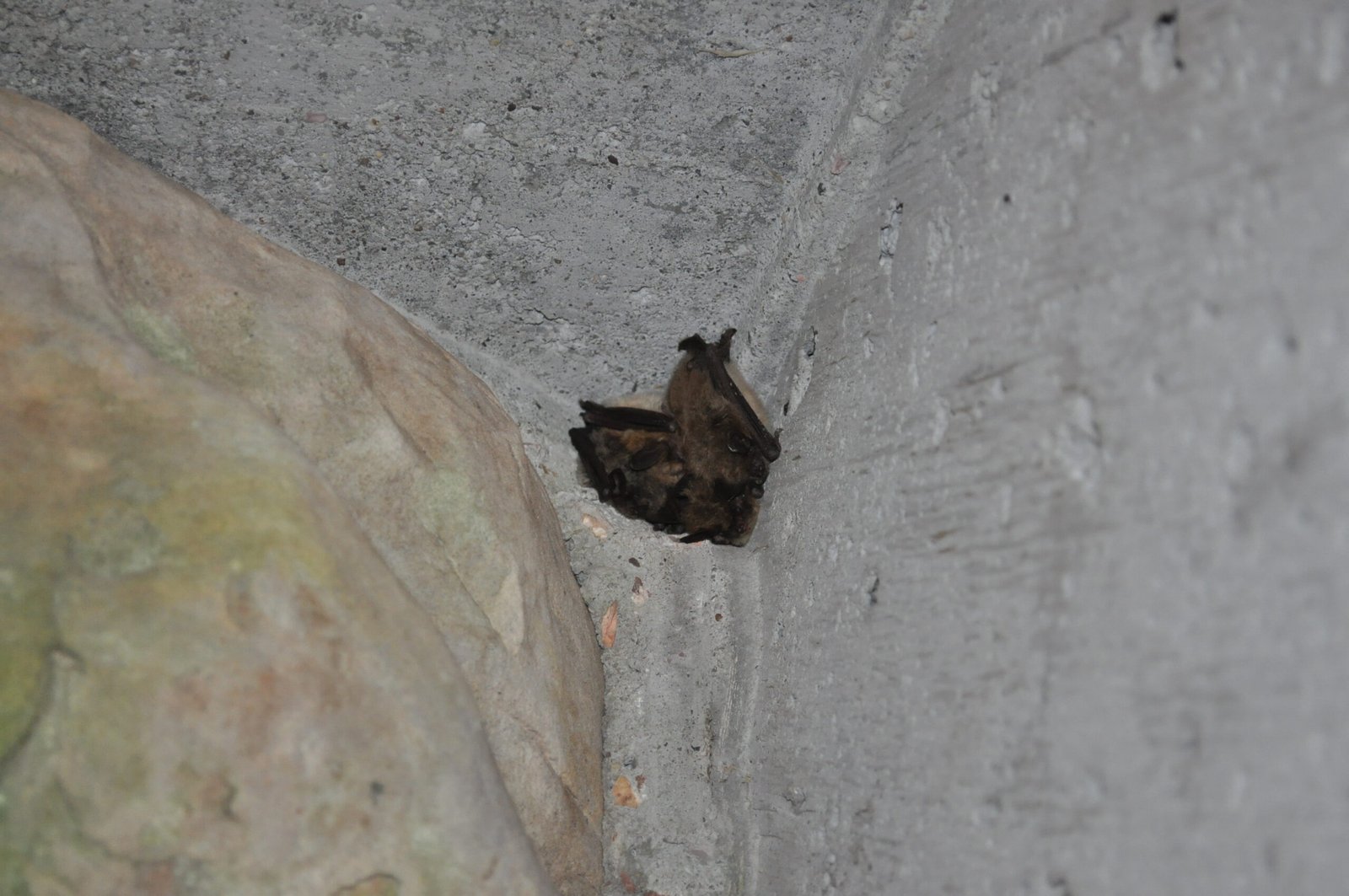
It’s not just human explorers who find their way into Portland’s lava tubes. Over the centuries, a variety of creatures have made these dark places their home. Bats, for example, love the stable temperatures and darkness, using the tunnels as daytime roosts or winter hibernation spots. Spiders, beetles, and even salamanders can be found in the damp recesses, feeding on whatever organic matter drifts in. For scientists, these underground habitats offer a rare glimpse at how life adapts to extreme environments, sometimes evolving unique traits found nowhere else.
Accidental Discoveries During Construction
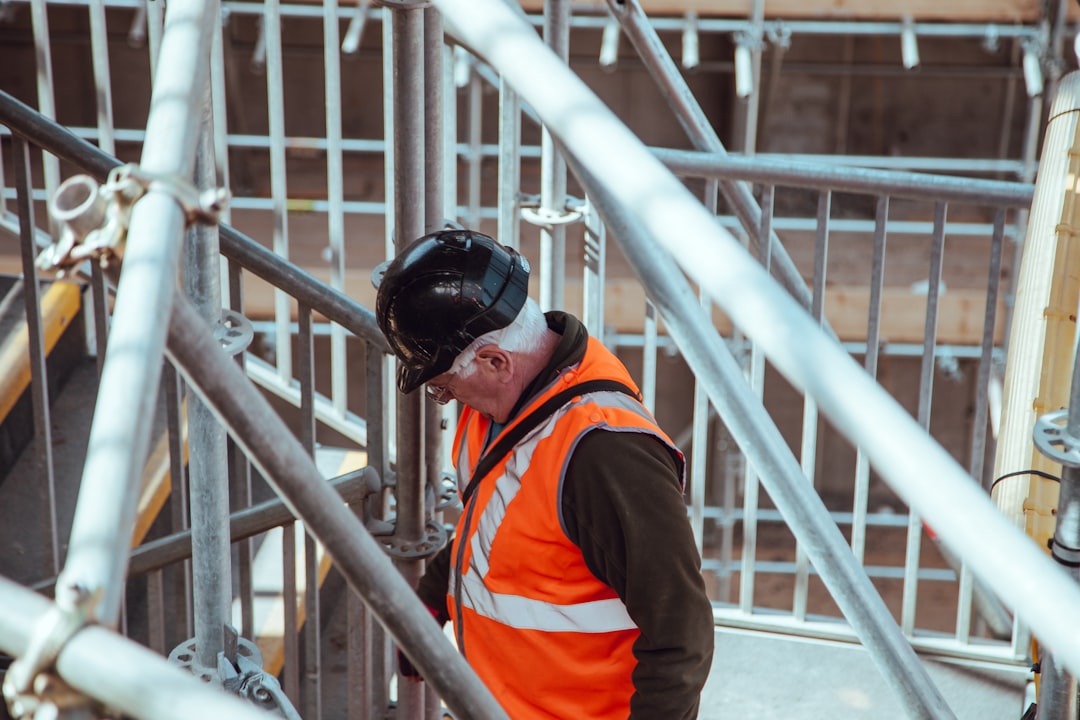
Every so often, a construction project in Portland hits an unexpected snag—literally. Workers have stumbled upon hollow spaces, crumbling voids, and mysterious tunnels during excavations for new buildings or roads. Sometimes these are remnants of old utility lines or cellars, but other times, they turn out to be genuine lava tubes. These accidental discoveries can delay projects and spark excitement among geologists and city historians. Each new find adds another piece to the puzzle, helping researchers map the extent of Portland’s underground labyrinth.
Mapping the Underground: High-Tech Tools
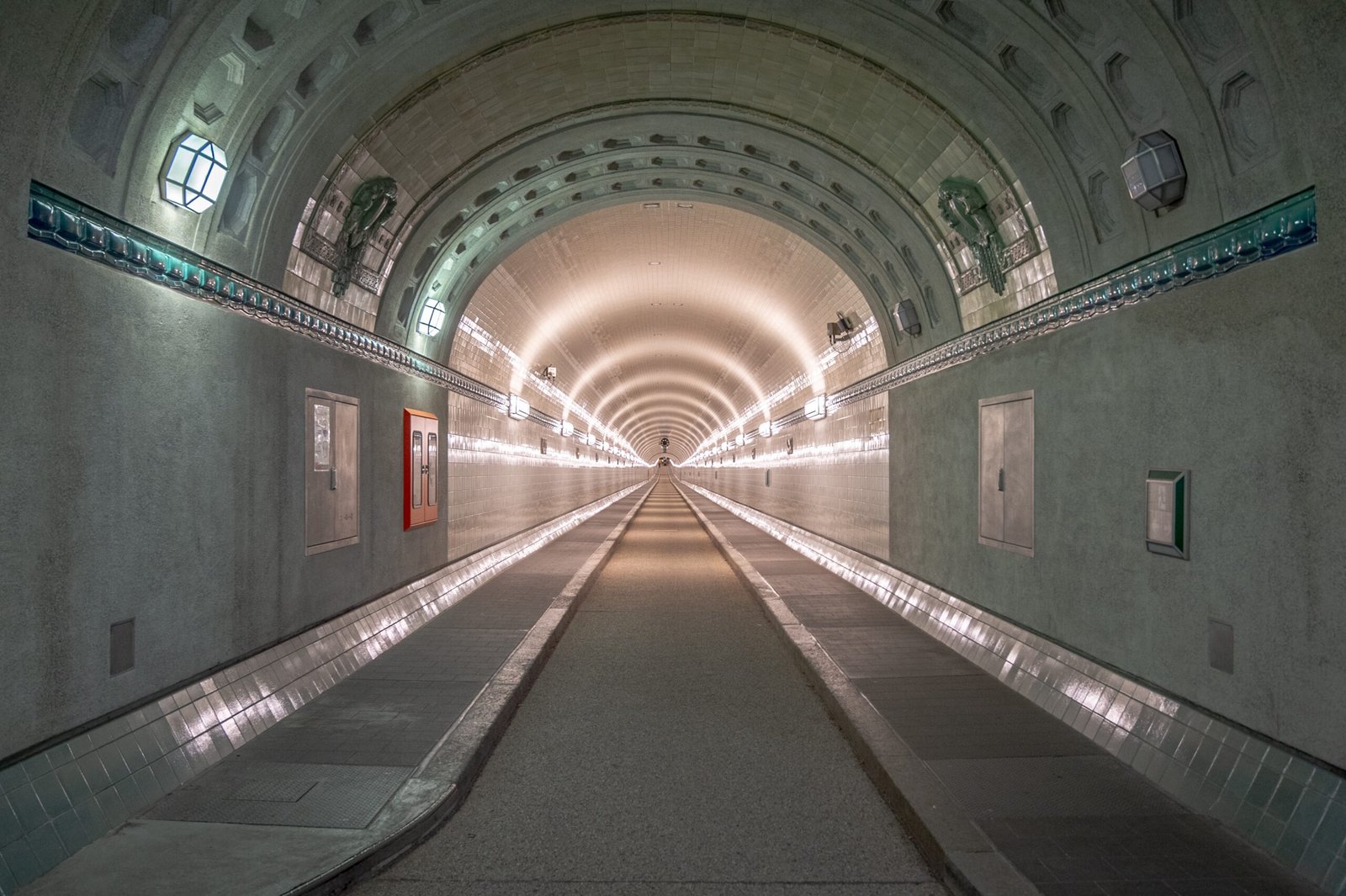
Gone are the days when exploring caves meant nothing more than a helmet and a sense of adventure. Today, scientists use sophisticated technology—like ground-penetrating radar, 3D imaging, and seismic sensors—to map Portland’s lava tubes. These tools can detect subtle shifts in density underground, revealing cavities and passageways without the need for digging. By combining these data with old maps and historical accounts, researchers are gradually building a virtual blueprint of the city’s hidden depths. The more they learn, the more questions emerge, keeping curiosity alive.
Preserving Portland’s Subterranean Heritage
As Portland continues to grow, its underground secrets face new threats. Construction, erosion, and urban sprawl can damage or destroy delicate lava tubes before they are properly studied. Local conservationists and geologists are calling for greater awareness and protection of these natural wonders. They argue that preserving lava tubes isn’t just about geology—it’s about honoring the city’s unique heritage and offering future generations a chance to marvel at what lies beneath. Efforts to document and safeguard these sites are gaining momentum, reminding everyone that the past is never truly buried.
Educational Adventures for All Ages

The allure of secret caves isn’t just for hardcore geologists or thrill-seekers. Portland’s lava tubes, real and rumored, offer an incredible teaching opportunity for kids and adults alike. School groups have toured surface outcrops and learned about volcanoes at local parks. Museums and science centers host workshops where families can model lava flows with melted wax or clay. These hands-on experiences ignite curiosity and make earth science feel immediate and exciting. After all, it’s one thing to read about volcanoes in a textbook—it’s another to know they shaped the ground right under your playground.
Art, Imagination, and the Underground
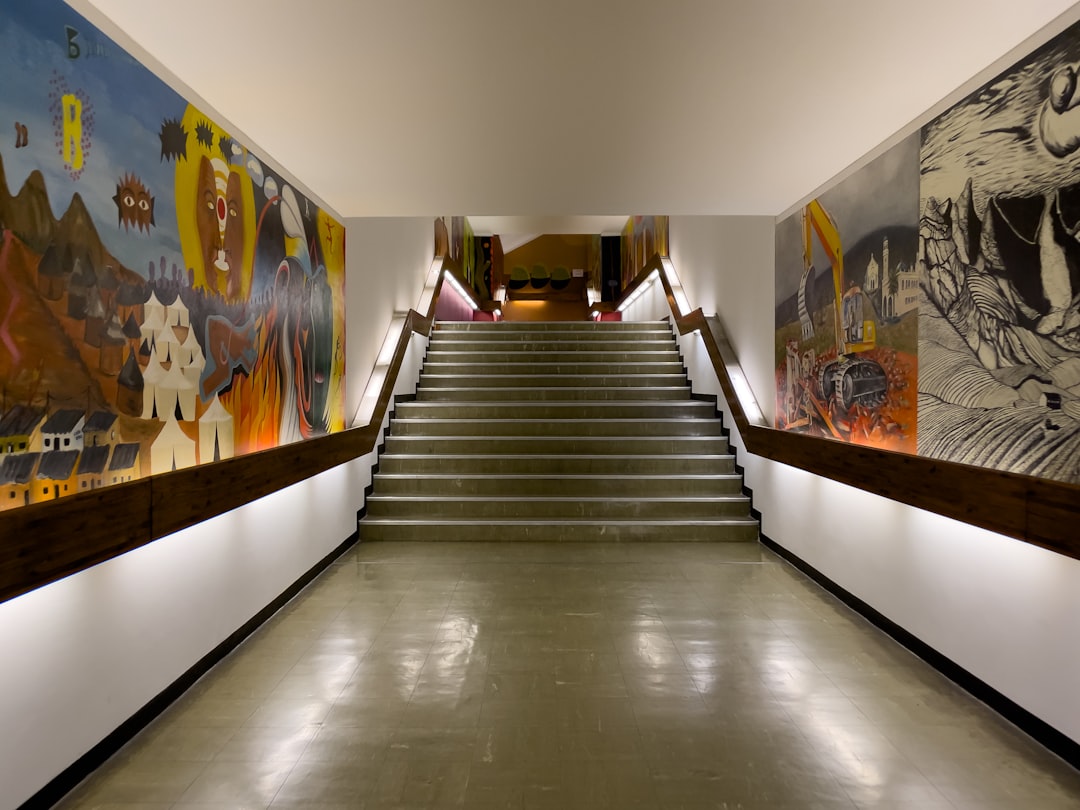
Portland’s caves have seeped into the city’s creative soul. Local artists have painted murals inspired by swirling lava and hidden caverns. Writers pen stories about secret societies in the shadows, while musicians compose songs that echo with the mystery of the deep. Even the city’s architecture sometimes hints at underground themes, with quirky basements and tunnel-like corridors. This artistic embrace of the unknown celebrates Portland’s restless spirit and invites everyone to look beyond the obvious, to imagine what wonders might be waiting just out of sight.
Tourism and Responsible Exploration
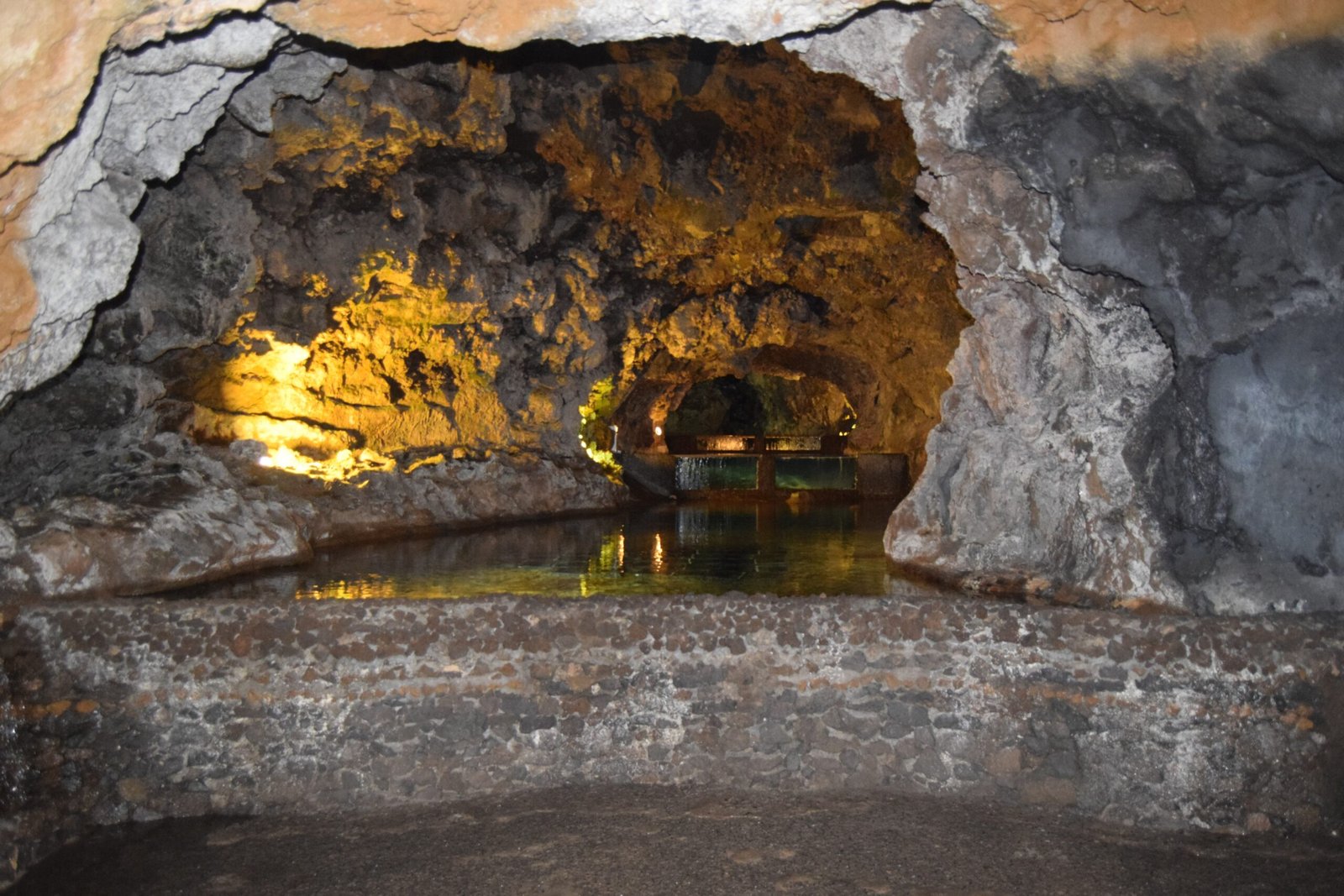
With all the intrigue surrounding Portland’s lava tubes, it’s no surprise that adventurous tourists hope to catch a glimpse. A few guided tours—strictly above ground—offer educational walks through volcanic parks and historic sites. However, most true lava tubes are off-limits, either sealed for safety or located on private property. Responsible exploration is key; fragile cave ecosystems can be damaged by careless visitors. Local organizations encourage would-be adventurers to learn, not loot, and to respect the delicate balance between discovery and preservation.
Comparing Portland’s Caves to Other Underground Wonders
Portland’s lava tubes may seem unique, but they’re part of a worldwide phenomenon. Lava tubes exist in places as diverse as Iceland, Hawaii, and the Canary Islands, each with their own quirks and legends. For example, Hawaii’s Kazumura Cave stretches over 40 miles, making it one of the longest lava tubes on Earth. Yet, Portland’s subterranean world has a charm all its own—shorter, more fragmented, but layered with urban history and Pacific Northwest mystique. Comparing these underground wonders reminds us how Earth’s fiery forces shape landscapes everywhere, connecting distant places with the same molten threads.
Climate and Cave Conditions
The environment inside Portland’s lava tubes is surprisingly stable. Temperatures remain cool year-round, often hovering near 50 degrees Fahrenheit, regardless of the weather outside. Humidity tends to be high, creating a damp, earthy atmosphere. These consistent conditions make the caves ideal for certain wildlife and preserve delicate mineral formations. But they also mean that anyone venturing inside must prepare for slippery floors and chilly air. This unique microclimate is part of what makes lava tubes fascinating to study—and challenging to explore.
Famous Discoveries and Local Legends
Over the years, a handful of discoveries have captured the public’s imagination. In the 1970s, a group of kids stumbled upon a partially collapsed lava tunnel in East Portland, sparking a wave of amateur spelunking. More recently, a construction crew unearthed a strange basalt chamber beneath a new apartment block, prompting a flurry of news stories and wild speculation. These moments, whether scientific breakthroughs or urban legends, fuel the city’s fascination with what lies beneath. They become part of Portland’s living folklore, shared in coffee shops and classrooms alike.
Scientists Weigh In: What’s Still Unknown?
Despite decades of study, much about Portland’s lava tubes remains mysterious. Geologists admit there could be undiscovered sections hidden beneath roads and houses, waiting for the right combination of curiosity and luck. Some researchers wonder if deeper, older tunnels lie far below the reach of current technology. Others are intrigued by the possibility of unusual mineral deposits or rare fossils preserved in the darkness. For scientists, every unanswered question is a call to keep digging—sometimes literally—in search of the next big discovery.
Personal Encounters: Stories from Portland Locals
Ask around, and you’ll find plenty of Portlanders with stories to tell about the city’s underground. A retired firefighter recalls stumbling into a lava tube while responding to a sinkhole call. A local historian speaks of old family tales about “the tunnels under the east hills.” Some residents even claim to hear strange echoes or see odd lights near known cave sites. While not every account is verifiable, these personal anecdotes add texture and humanity to the city’s geological saga, proving that the mystery of Portland’s caves is alive and well in the community.
A Future Full of Questions—and Possibilities
As Portland grows and technology advances, new opportunities to explore and understand the city’s underground world are sure to arise. Maybe future generations will map every inch of the lava tubes, or perhaps the biggest mysteries will always remain just out of reach, tempting dreamers and scientists alike. The real magic of Portland’s caves lies not just in their age or geology, but in the way they inspire wonder, curiosity, and a sense of adventure. What secrets might still be waiting in the shadows beneath our feet?