

Walk past a tree on your way to work and it just looks… still. Quiet. Almost boring. But hidden inside those leaves and roots is a world of information processing, long-term change, and even something that looks surprisingly like learning. The more scientists look, the less plants resemble passive green furniture and the more they look like living, adapting strategists.
That doesn’t mean plants think like we do, or that a fern is secretly plotting against you. But it does mean they sense, remember, and respond in ways that are far more complex than most of us were taught in school. Once you see how much is going on under the bark and beneath the soil, it’s hard to ever look at a forest, a houseplant, or even a weed in the sidewalk the same way again.
How Can a Plant “Remember” Without a Brain?
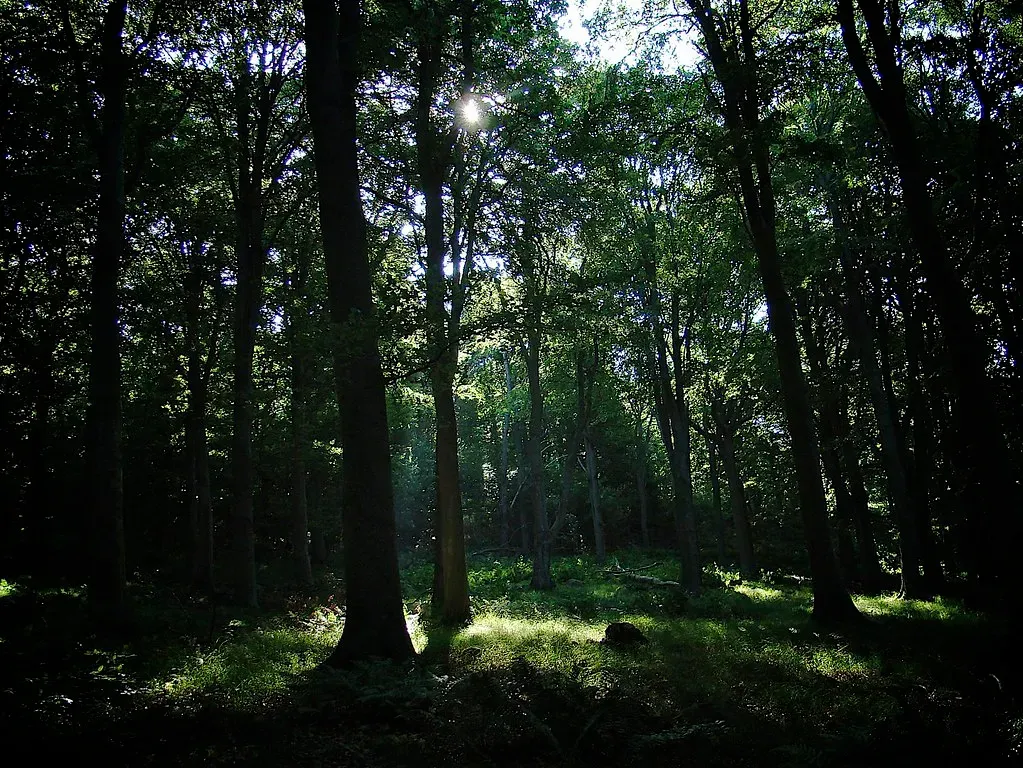
The first thing that shocks most people is the idea that a plant can have anything close to a memory when it doesn’t have a brain or nervous system. But memory, in biology, is really about this: did an experience leave a trace that changes future behavior? By that definition, plants are full of memories, they just store them differently from animals. Instead of neurons firing in your skull, a plant’s memories live in patterns of chemicals, proteins, and changes to their DNA activity.
One of the clearest forms of plant memory is called epigenetic memory. Plants can “mark” certain genes so they turn on or off more easily later, depending on what they’ve gone through before. Think of it like putting sticky notes inside a huge instruction manual, so next time you can flip to the right page faster. The DNA letters don’t change, but the bookmarks do, and those bookmarks can last through seasons and even be passed to seeds, so the next generation already comes with a hint of what to expect.
Learning From Experience: Plants That Stop Overreacting
Plants don’t just respond, they can learn to dial down their reactions when something turns out to be harmless. In some experiments, plants repeatedly exposed to a harmless stimulus, like a touch or brief shaking, eventually stopped responding as strongly, even though they reacted at first. That pattern looks a lot like what animal behavior researchers call habituation, a basic form of learning where you stop jumping at every tiny noise in the night once you realize it’s just the fridge.
What’s wild is that this reduced reaction can persist for days or longer, even after the stimulus stops, suggesting the plant has “remembered” that it doesn’t need to waste energy panicking. It’s similar to how your body stops producing huge amounts of stress hormones for an everyday annoyance once it learns it’s not truly dangerous. For a plant, saving energy instead of constantly sounding the alarm can be the difference between surviving a drought and running out of resources too soon.
Stress Memories: When a Bad Season Leaves a Lasting Mark
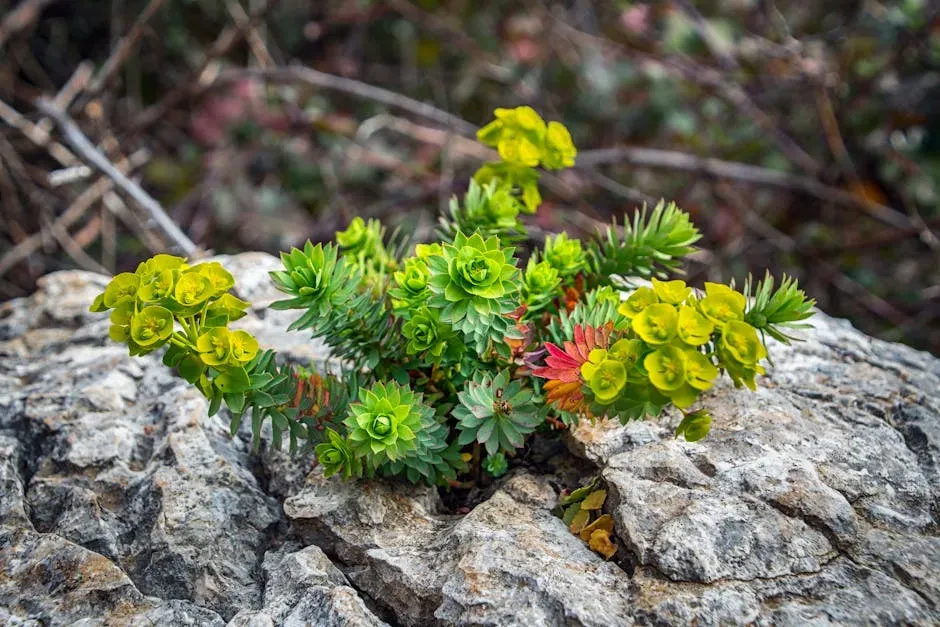
If you’ve ever had a really awful winter or a stressful year and noticed how it shaped you afterward, plants go through a version of the same thing. When they endure heat waves, drought, cold snaps, or insect attacks, many species keep a kind of stress memory that changes how they respond the next time. After a brutal dry spell, for example, some plants will close their leaf pores faster or grow deeper roots when water gets scarce again, as if they’re bracing early for another rough patch.
These memories can last surprising amounts of time, carried through changes in proteins and gene activity related to stress tolerance. In some cases, the effects ripple into seeds, so offspring show more resilience from the start, as though the parent plant is sending a warning note into the future. It’s not emotional trauma the way humans talk about it, but it is a powerful, lingering echo of past hardship embedded into living tissue. Instead of a story, the plant passes on a survival strategy.
Plant Communication: Chemical Messages and Rootside Gossip
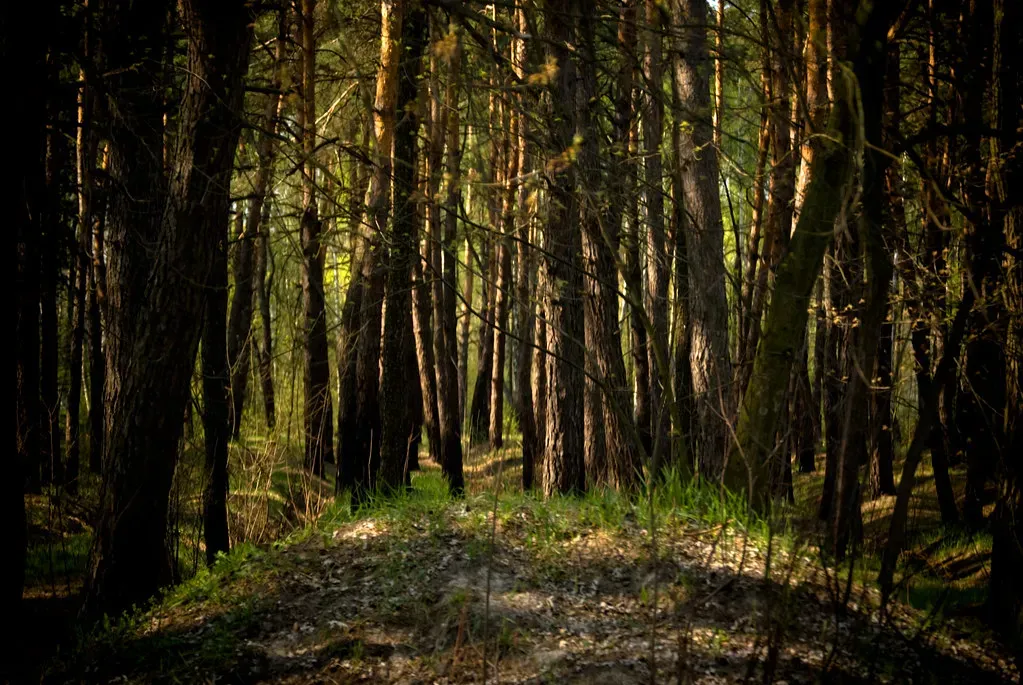
The idea that plants “talk” to each other sounds like the start of a sci-fi movie, but the basic version is well established in biology. When a plant is attacked by insects, it can release specific airborne chemicals that nearby plants detect, prompting them to ramp up their own defenses ahead of time. It’s like one tree yelling, in chemical language, that caterpillars are incoming so the neighbors should start tasting nasty before the attackers arrive.
This chemical chatter isn’t limited to the air. Underground, roots exude compounds that influence nearby plants, microbes, and fungi, shaping who grows where and who helps whom. In crowded patches, some plants shoot out signals that slow down the growth of neighbors, while others release more cooperative compounds that encourage helpful fungi to connect them. It’s a messy, competitive, and sometimes cooperative conversation carried out in molecules instead of words, but it changes how entire communities behave.
The “Wood Wide Web”: Fungi as Nature’s Fiber Optic Cables
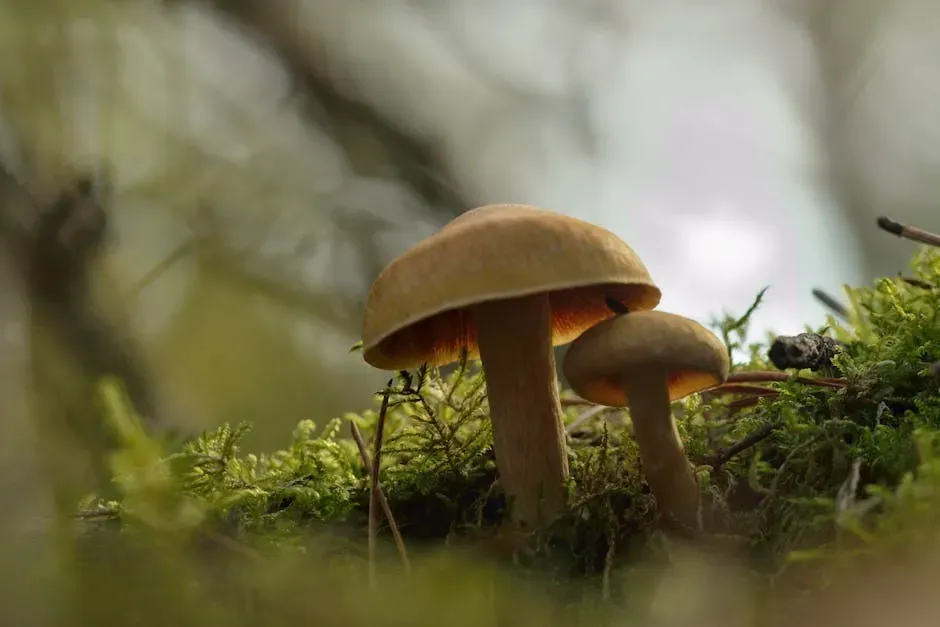
One of the most captivating parts of this story sits underground, where networks of tiny fungi, called mycorrhizae, link the roots of multiple plants. Through these fungal threads, resources like carbon, nitrogen, and water can move from one plant to another, sometimes from big, established trees to younger seedlings in the shade. If you picture it as an ancient forest internet made of living threads instead of glass cables, you’re not far off.
Signals can also travel across these networks, warning distant plants of pests or other threats, and shifting how they grow in response. Some trees seem to send more resources to related seedlings or to struggling neighbors, while others pull hard on the network for themselves when they’re under stress. The details are still being debated and fine-tuned by researchers, but the broad picture is already clear: plants are not isolated loners, they’re nodes in a dynamic underground web that keeps ecosystems functioning.
Cooperation, Competition, and Plant Personalities

Once you accept that plants communicate and remember, it becomes easier to see how different species develop their own “styles” of surviving. Some are ruthless competitors, pumping out chemicals that suppress neighbors or hogging fungal connections to starve others of nutrients. Others lean into cooperation, sharing resources more freely when conditions are harsh, which can keep a community more stable through hard times. In a way, whole forests become a moving balance between sharing and selfishness.
On a smaller scale, even individual plants of the same species can respond differently to stress or crowding. Some shoot up faster and gamble on quick growth, while others invest in thicker roots or sturdier stems, as if they’re naturally cautious. These variation patterns can be shaped by both genetics and past experiences, the plant equivalent of personality traits and life history. Watching a garden over several seasons, you can almost start to feel like you “know” which tomato plant is the go-getter and which one is the quiet, slow-and-steady type.
Rethinking Intelligence: Are Plants Actually Smart?
All of this leads to a tough question most people don’t expect to ask about their potted basil: does this count as intelligence? If intelligence means solving problems, adapting to changing conditions, and using memories of the past to shape the future, then plants absolutely fit a broader, less human-centered version of that word. They sense dozens of cues at once – light, touch, chemicals, gravity, even day length – and integrate that information to make finely tuned decisions about when to grow, flower, or shut down.
At the same time, it’s important not to casually project human thoughts or feelings onto plants. They don’t have brains, they don’t feel happy or sad, and they aren’t secretly planning revenge if you forget to water them. What they do have is a deeply impressive set of distributed systems that can store information, compare options, and change their behavior in ways that look strikingly clever. In a world facing climate change, habitat loss, and unpredictable weather, understanding this quiet, green intelligence might be one of our best tools for protecting both crops and wild ecosystems.
Next time you walk past a tree-lined street or brush your fingers across a houseplant’s leaves, it might be worth pausing for a second and imagining the silent calculations happening inside. Every leaf, stem, and root is part of a living record of storms, droughts, attacks, and narrow escapes, written not in ink but in cells and molecules. Maybe the real surprise isn’t that plants can learn, adapt, and communicate, but that we assumed for so long they couldn’t. What else in the living world have we been underestimating without even realizing it?