Imagine a forest, once filled with the playful leaps of native red squirrels, suddenly overtaken by bold, bushy-tailed invaders. Then, as if summoned by nature’s own sense of justice, another secretive creature slips through the shadows, shifting the balance once again. This is not the plot of a fantasy novel, but a dramatic real-life story unfolding across the woodlands of the United Kingdom and Ireland. The unlikely resurgence of pine martens has sparked a chain reaction, revealing an ecological twist that even seasoned scientists find astonishing. How did a native predator become the unlikely hero in a battle against invasive grey squirrels? Let’s step into the woods and uncover the captivating saga of ecological revenge, where science, survival, and surprises lurk behind every tree.
The Unwelcome Arrival: Grey Squirrels Take Over
It all began in the late 19th century, when grey squirrels were introduced from North America to parks and estates in England. At first, their antics and silvery coats seemed charming, but the consequences soon became disastrous. Grey squirrels quickly outcompeted the native red squirrels for food and territory, thanks to their larger size and aggressive behavior. These newcomers also carried the deadly squirrelpox virus, which barely affected them but proved lethal for reds. Within decades, the vibrant red squirrel populations shrank dramatically, especially across southern England and much of Wales. Forests that once echoed with red chattering grew quieter, signaling a shift in the woodland balance. The greys seemed unstoppable, reshaping entire ecosystems in their wake.
The Red Squirrel’s Struggle for Survival
For red squirrels, the invasion spelled near disaster. Their smaller bodies and timid temperament left them at a disadvantage in the scramble for food. Unlike greys, reds cannot digest acorns efficiently, so their options dwindled as oaks flourished. The arrival of squirrelpox was the final blow in many places, wiping out red colonies in brutal waves. Conservationists tried everything from controlled culling to red squirrel sanctuaries, but nothing seemed to halt the greys’ relentless march. By the early 2000s, red squirrels had retreated to isolated pockets in Scotland, parts of Northern Ireland, and a few protected islands—a shadow of their former range.
Pine Martens: The Woodland Ghosts Return

While red squirrels struggled, another animal lingered on the brink of disappearance: the pine marten. Once widespread, these agile hunters were hunted nearly to extinction across the UK for their luxurious fur and perceived threat to game birds. For decades, pine martens survived only in remote Scottish forests, rarely seen and barely studied. But in recent years, conservation efforts and legal protection have allowed pine marten populations to slowly recover. As these “woodland ghosts” crept back into old territories, few could have predicted the remarkable ripple effect their return would cause.
A Predator’s Unlikely Impact

Pine martens are nimble, cat-sized predators with a taste for small mammals, birds, and, yes—squirrels. When scientists first noticed pine martens returning to woodlands in parts of Scotland and Ireland, a surprising pattern emerged. Red squirrel numbers began to rise, while the once-dominant grey squirrels started to vanish. At first, this seemed counterintuitive. Wouldn’t more predators mean more trouble for the smaller, shyer reds? But as researchers dug deeper, an astonishing story of ecological revenge unfolded.
The Science Behind the Shift

Studies revealed that pine martens preyed far more heavily on grey squirrels than reds. Why? Grey squirrels, having evolved in North America without this particular predator, were clumsy and slow to react to the marten’s stealthy ambushes. In contrast, red squirrels, shaped by centuries of co-existence, had developed swift escape tactics and a knack for navigating the highest tree branches—out of reach for most martens. This subtle difference gave red squirrels a critical edge, allowing them to thrive where pine martens were present, while greys suffered dramatic declines.
Ecological Revenge: Nature’s Balancing Act

This unexpected turn of events is often described as “ecological revenge”—a dramatic rebalancing triggered by the return of a native predator. The pine marten’s resurgence has done what decades of human intervention could not: tip the scales back in favor of red squirrels. In woodlands where martens are now established, red squirrels are making a comeback, reclaiming lost territories and delighting conservationists. The greys, once invincible, are rapidly disappearing from these marten-rich areas, upending more than a century of ecological upheaval.
The Role of Predator-Prey Relationships
This story reminds us how predator-prey relationships shape ecosystems in complex and often unexpected ways. Remove a top predator, and invasive species may run rampant. Reintroduce that predator, and the whole system can shift, sometimes overnight. It’s a powerful illustration of the “trophic cascade” effect, where changes at the top of the food chain ripple all the way down. In this case, the pine marten’s appetite for grey squirrels has created space for native wildlife to flourish, reawakening ancient woodland rhythms.
Why Red Squirrels Outsmart Grey Squirrels
You might wonder why red squirrels survive where their grey rivals don’t. The answer lies in their evolutionary history. Red squirrels are wary, agile, and adept at blending into the forest canopy. They’ve evolved alongside pine martens and know how to avoid becoming lunch. Grey squirrels, lacking these instincts, are easy prey. Like city tourists lost in the wilderness, they make all the wrong moves—staying low, moving slowly, and freezing at the wrong moments. It’s a case of nature favoring the street-smart over the brash newcomer.
Conservationists’ Delight and Dilemma
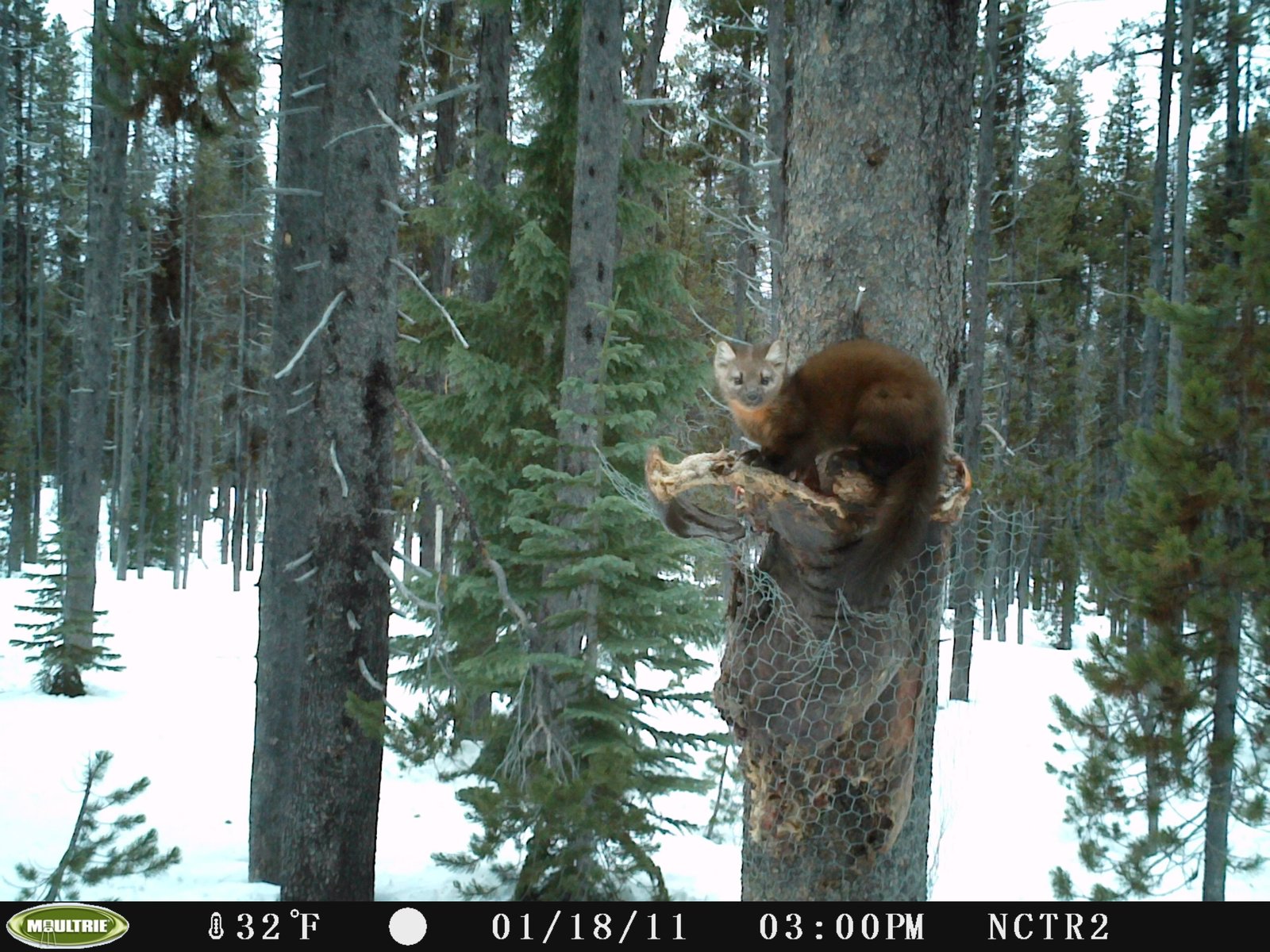
For conservationists, the pine marten’s role as an accidental hero is both thrilling and complicated. On one hand, their return offers hope for red squirrel recovery without endless culling or controversial interventions. On the other, managing this new balance requires careful monitoring. Too many martens could threaten other vulnerable species, while too few might not hold the greys in check. It’s a delicate dance, and each forest tells its own version of the tale.
Pine Martens Beyond the Squirrel Story

The pine marten’s impact stretches far beyond squirrels. As opportunistic hunters, they help control populations of mice, voles, and even small birds. Their presence can indirectly benefit plant life, as fewer rodents means less seed predation. In some places, they even help protect rare bird species by limiting egg-eating mammals. By restoring a sense of balance, pine martens breathe new life into entire ecosystems, their influence felt from the forest floor to the highest branches.
Lessons from Ireland: A Case Study

Ireland offers a fascinating glimpse into this unfolding drama. After pine martens rebounded in parts of the Republic, conservationists noticed grey squirrels disappearing at an astonishing rate. In County Fermanagh, for example, red squirrels are now returning to woodlands they abandoned decades ago. Marten-friendly forests have become sanctuaries for reds, while greys struggle to survive. This natural experiment, playing out in real-time, gives scientists valuable clues for future wildlife management across the UK and beyond.
Challenges Ahead for Pine Martens

Despite their growing numbers, pine martens still face threats from habitat loss, road traffic, and illegal persecution. Expanding their range means navigating fragmented woodlands and human-dominated landscapes. Conservationists are working to create wildlife corridors and educate communities about the marten’s vital role. Their recovery is a fragile success story, easily undone by complacency or misunderstanding.
The Importance of Native Species

This tale highlights the crucial role native species play in maintaining healthy ecosystems. When a key player like the pine marten is removed, the balance tips, often in favor of invasive species. Restoring these connections isn’t just about nostalgia; it’s about ensuring forests remain vibrant, resilient, and full of life. Every animal, from the smallest vole to the sleekest marten, has a part to play in nature’s grand design.
How Science Guides Conservation
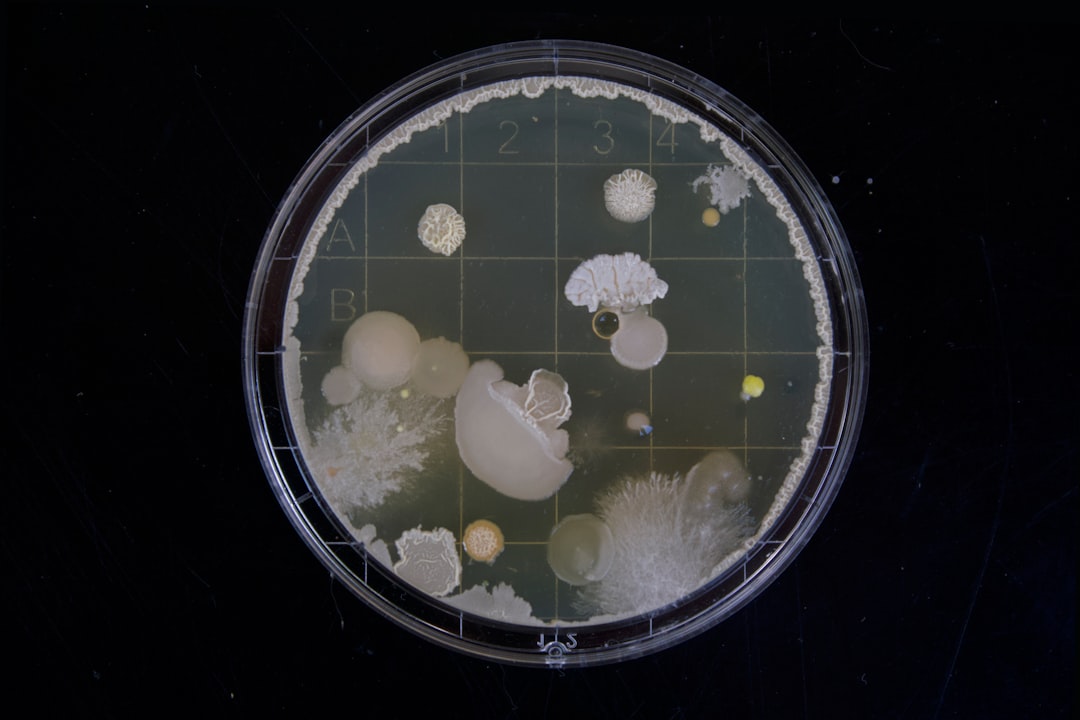
None of this ecological drama would be possible to understand without careful scientific research. Field studies, camera traps, and genetic analysis have all helped unravel the complex web linking martens, squirrels, and the broader woodland community. By grounding decisions in real data, conservationists can adapt their strategies, learning from both successes and setbacks. It’s a vivid reminder that science is not just abstract theory—it’s a toolkit for nurturing the natural world.
What the Future Holds for Woodland Wildlife
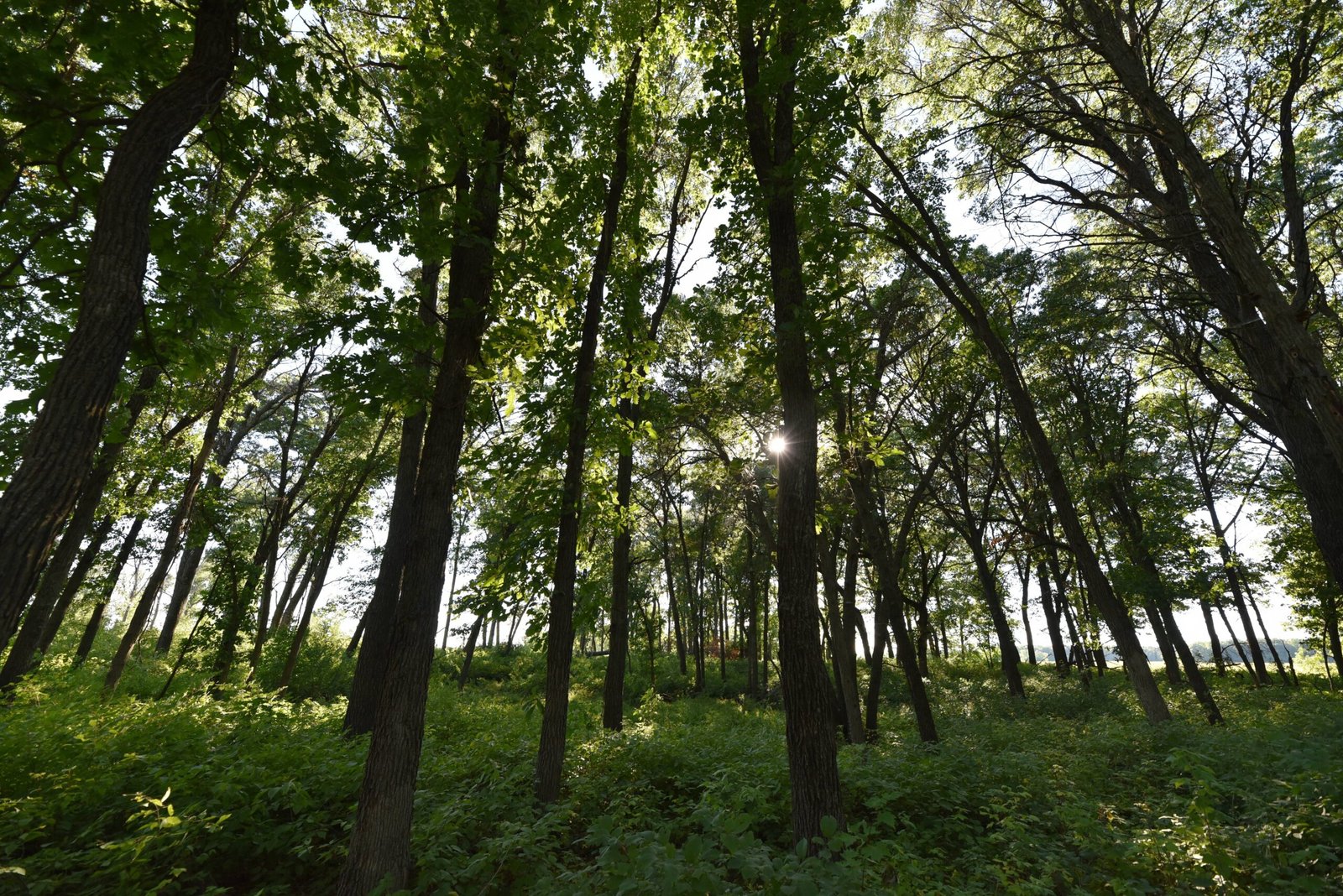
Looking ahead, the future of Britain and Ireland’s woodlands hinges on our ability to support the delicate relationships that make them thrive. The pine marten’s comeback is a beacon of hope, but it also comes with responsibility. Ongoing monitoring, habitat restoration, and public engagement will be key to ensuring that reds, greys, and martens can coexist—or, where necessary, that the right balance is struck. Nature is always changing, but with care, we can help write the next chapter of this remarkable tale.
Reflections from the Forest Floor
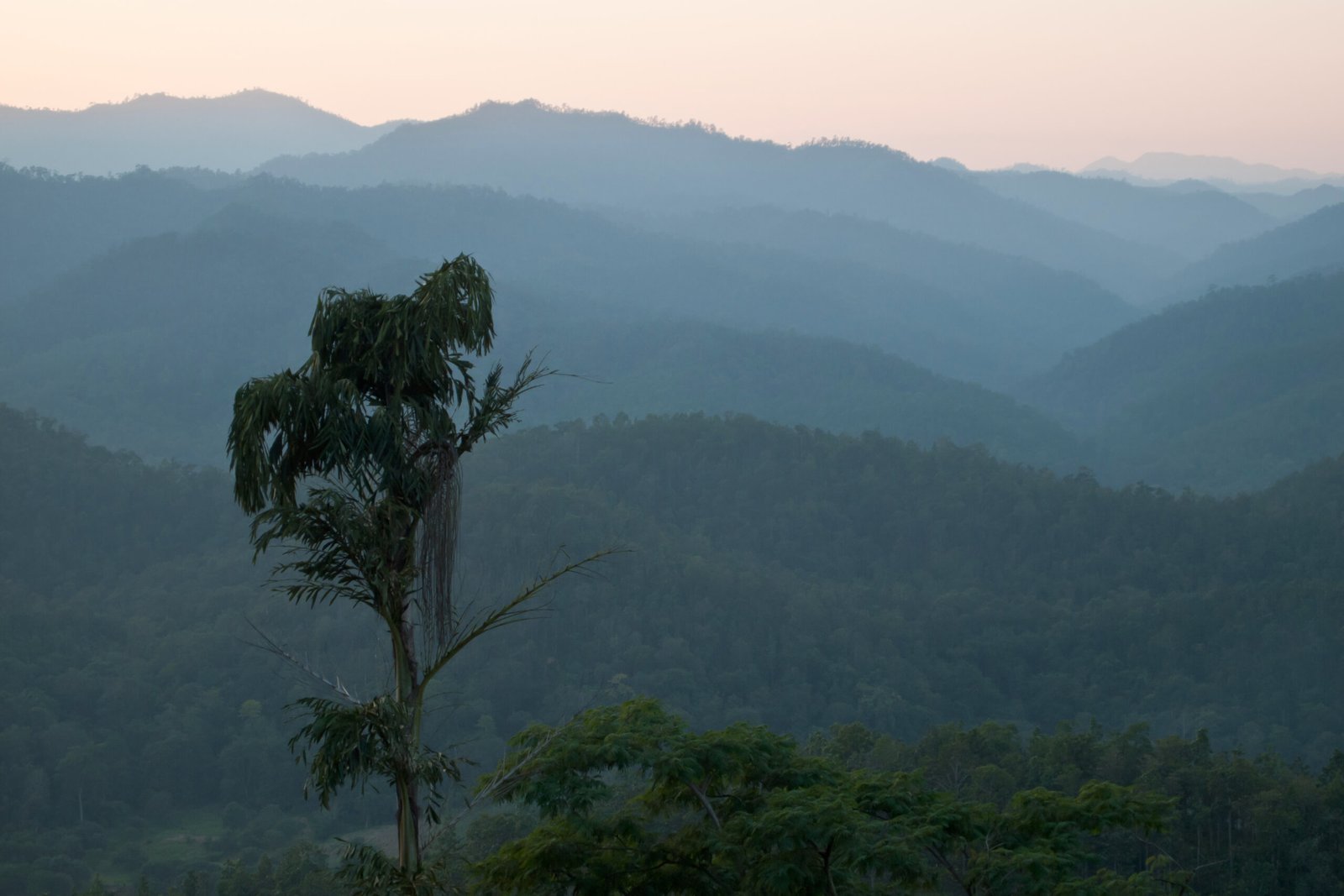
As twilight falls and shadows lengthen among the trees, the story of pine martens and squirrels continues to unfold. What began as a tale of loss and invasion has become one of resilience, adaptation, and unexpected heroes. The lesson is clear: sometimes, the most surprising solutions come not from new inventions, but from letting nature’s own guardians reclaim their place. Isn’t it astonishing how even the quietest creatures can tip the scales of an entire ecosystem?