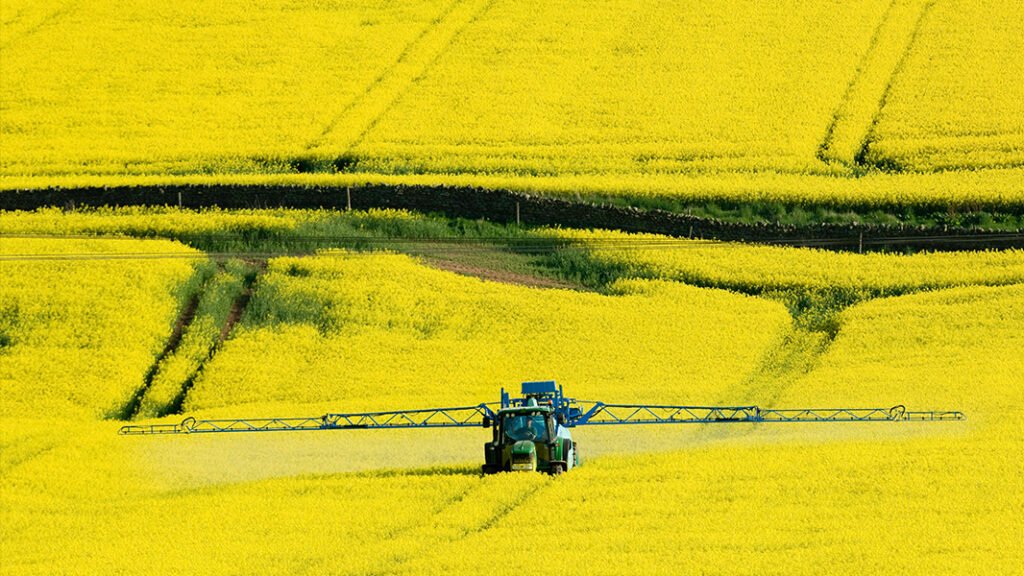

Landmark Survey Spans Continents and Habitats (Image Credits: Images.nature.com)
Europe – A comprehensive study spanning 26 countries exposed pesticide residues in 70 percent of soil samples, underscoring a widespread threat to the microscopic life that sustains agriculture and ecosystems.
Landmark Survey Spans Continents and Habitats
Researchers from 10 European institutions, including the University of Zurich and the University of Vigo, analyzed 373 soil samples collected from fields, forests, and meadows. The team examined residues from 63 common pesticides and their influence on diverse soil inhabitants such as bacteria, fungi, nematodes, protists, and arthropods. They also assessed key functional genes tied to nutrient cycling.
The effort revealed contamination nearly everywhere, with fungicides appearing most often at 54 percent of active ingredients, followed by herbicides at 35 percent and insecticides at 11 percent. Glyphosate emerged as the most prevalent herbicide. Agricultural lands showed the highest levels, though forests and meadows bore traces likely from spray drift.
Cocktails of Chemicals Reshape Soil Communities
Pesticide mixtures proved particularly disruptive, suppressing beneficial organisms while allowing some bacteria to thrive amid reduced competition. Mycorrhizal fungi, vital for helping crops absorb water and nutrients, suffered notable declines. The fungicide bixafen stood out for its broad impact on multiple soil groups.
Taxonomic shifts altered species compositions across archaea, bacteria, fungi, and more. Functional biodiversity changed too, as genes for phosphorus and nitrogen processing diminished. Pesticides ranked as the second strongest driver of these patterns, trailing only soil properties themselves.
Impaired Functions Signal Risks for Farming
Declines in nutrient-related genes suggested soils lose efficiency, potentially forcing farmers to apply extra fertilizers to sustain yields. Long-lasting residues amplified these effects over years, compounding harm to ecosystem services.
“This contamination has a major impact on various beneficial soil organisms, such as mycorrhizal fungi and nematodes, impairing their biodiversity,” stated Marcel van der Heijden of the University of Zurich and Agroscope. First author Julia Köninger added, “This suggests that the natural function of the affected soil is reduced, and additional fertilization is necessary to maintain yields.”
Urgent Implications for Policy and Practice
The findings bolster calls for holistic pesticide regulations that account for mixtures, not just single compounds. Conservation efforts must prioritize soil health to protect aboveground benefits like pollination and crop productivity. Maria J. I. Briones of the University of Vigo emphasized, “Our study shows that pesticides represent a very significant human environmental impact on our soils.”
- 70% of 373 sites across 26 countries contained pesticide residues.
- Fungicides dominated detections, with glyphosate as top herbicide.
- Mycorrhizal fungi and nematodes faced severe suppression.
- Functional genes for nutrient cycling declined markedly.
- Pesticides second to soil properties in driving biodiversity shifts.
- Contamination extended beyond farms to forests and meadows.
Key Takeaways
- Pesticide cocktails alter both species diversity and soil functions continent-wide.
- Agricultural reliance may increase with declining natural nutrient processing.
- Stricter rules on mixtures could safeguard underground ecosystems.
European soils underpin food security and environmental stability, yet pervasive pesticides erode this foundation. Policymakers and farmers now face pressure to balance pest control with biodiversity preservation. What steps should Europe take next to protect its soil life? Share your thoughts in the comments.