Imagine standing on the rugged coastline of Perth, gazing out over the Indian Ocean, and realizing you’re standing on a time machine. The rocks beneath your feet aren’t just ancient—they’re silent witnesses to a world that existed long before dinosaurs roamed the earth. Western Australia, and Perth in particular, holds secrets to one of the greatest geological stories ever told: the rise and fall of the supercontinent Gondwana. It’s a tale of colliding continents, vanished oceans, and lost worlds, hidden in plain sight. As we peel back the layers of stone and time, you’ll discover that this sun-soaked land is more than meets the eye—it’s a living, breathing archive of Earth’s deep past.
The Birth of a Supercontinent: What Was Gondwana?
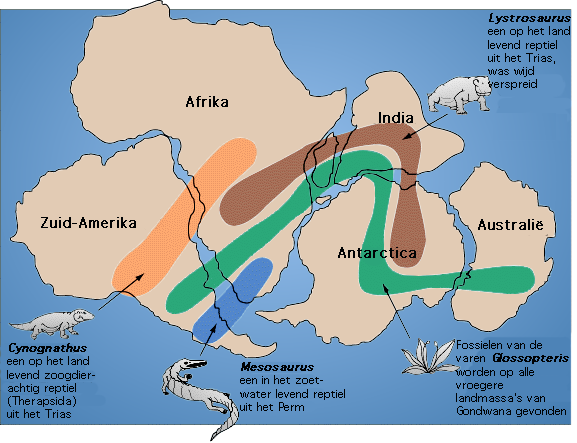
Gondwana wasn’t just another landmass—it was a colossal supercontinent that once united what are now Africa, South America, Antarctica, Australia, the Indian Subcontinent, and the Arabian Peninsula. Formed over 500 million years ago, Gondwana’s story is one of drama and transformation. Imagine a world where Perth’s coastline was joined to icy Antarctica, and rainforests sprawled across what is now desert. Geologists believe Gondwana’s assembly helped shape Earth’s climate, ocean currents, and even the evolution of life. The remnants of this ancient world still ripple through Western Australia’s land, telling stories etched in stone.
Western Australia: A Geological Goldmine
If you want to walk through Earth’s history, Western Australia is the place to start. This region boasts some of the oldest rocks on the planet, with formations that date back more than three billion years. These rocks are so ancient, they predate not just Gondwana, but earlier supercontinents like Rodinia and Pangaea. From the Pilbara craton to the Yilgarn block, Western Australia’s geological puzzle pieces provide critical clues about how continents come together—and break apart. Every hill, gorge, and outcrop is a chapter in Earth’s story, waiting to be read by those who know the language of rocks.
Perth’s Hidden Time Capsules: Rocks Beneath the City
Beneath Perth’s modern skyline lies a foundation of ancient secrets. The city sits atop the Yilgarn Craton, a chunk of continental crust that’s more than 2.5 billion years old. While skyscrapers and suburban homes stand above, deep below are rocks that once lay at the heart of Gondwana. Geologists have found zircons—tiny, nearly indestructible crystals—in these rocks that have survived eons of geological upheaval. Each zircon acts like a time capsule, preserving chemical fingerprints that reveal the conditions of Earth’s crust when Gondwana was coming together.
The Stirling Range: Mountains Forged by Collision
Travel south from Perth, and you’ll encounter the Stirling Range—a striking mountain chain that rises unexpectedly from the flat wheatbelt. These mountains are the battered scars of ancient collisions, formed when the land that would become Western Australia smashed into other parts of Gondwana. The intense heat and pressure folded and twisted the rocks, creating a dramatic landscape that still awes visitors today. The Stirling Range’s quartzite peaks hold clues to the violent geological forces that shaped not only Western Australia, but Gondwana itself.
Fossils Frozen in Time: Life in Gondwana’s Shadow
The story of Gondwana isn’t just about rocks—it’s about life. Fossils found across Western Australia offer a glimpse into the strange and wonderful creatures that once roamed this supercontinent. In places like the Gogo Formation in the Kimberley, paleontologists have uncovered exquisitely preserved fish fossils from the Devonian period, when Australia was part of Gondwana’s lush, swampy margins. These fossils are so detailed, you can see the delicate structure of their fins and scales, offering a window into an ecosystem that’s long vanished.
Glacial Evidence: Ice Ages in the Outback
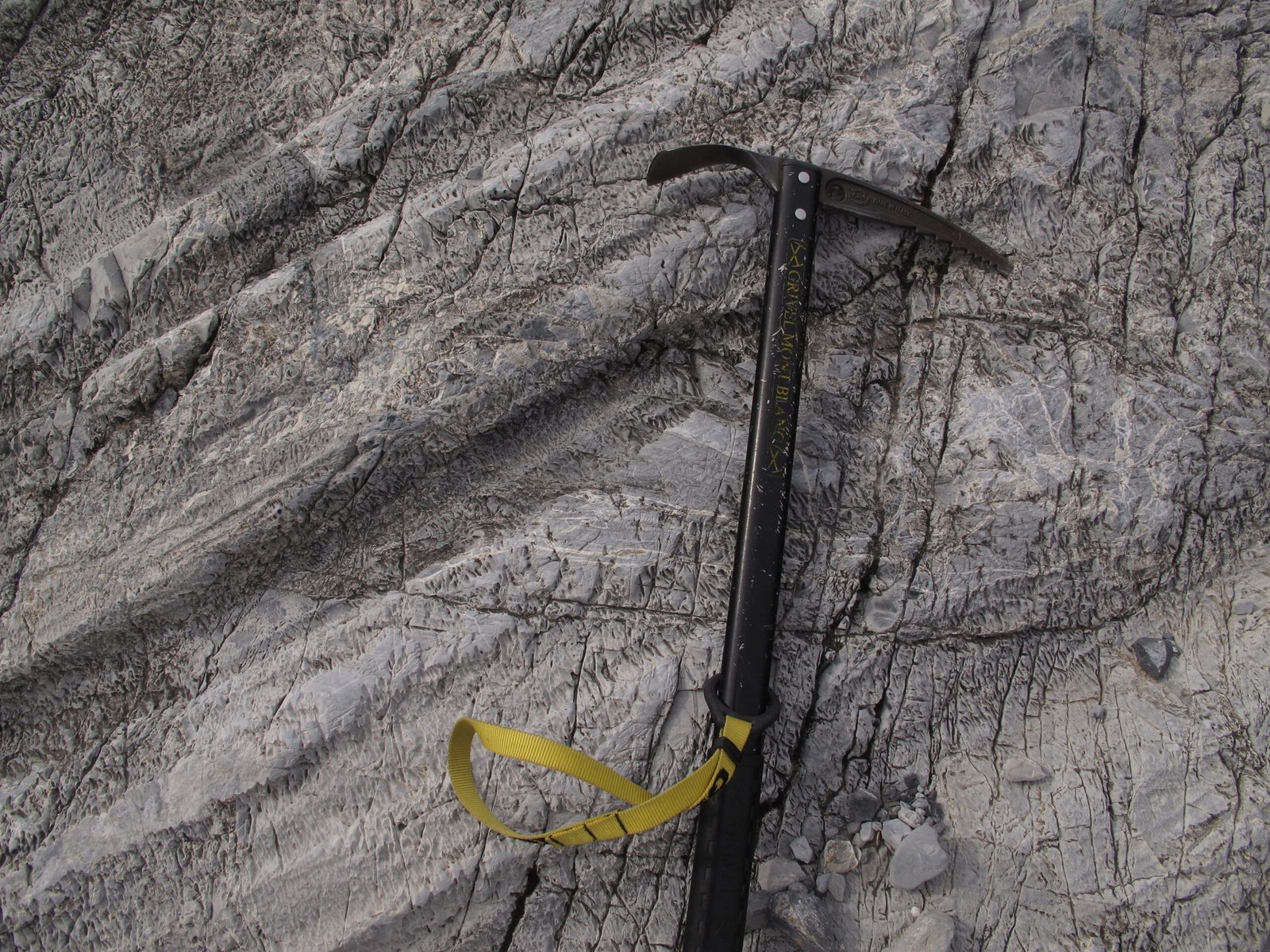
It might be hard to believe, but Western Australia bears the scars of ancient ice ages. During parts of Gondwana’s reign, enormous ice sheets covered much of the continent—including areas that are now sun-baked desert. Geologists have discovered glacial striations, dropstones, and other features in Western Australian rocks that prove this land was once gripped by freezing cold. These icy fingerprints help scientists reconstruct the climate shifts that shaped Gondwana’s fate and the evolution of life across the supercontinent.
Kimberley’s Ancient Landscapes: A Portal to the Past
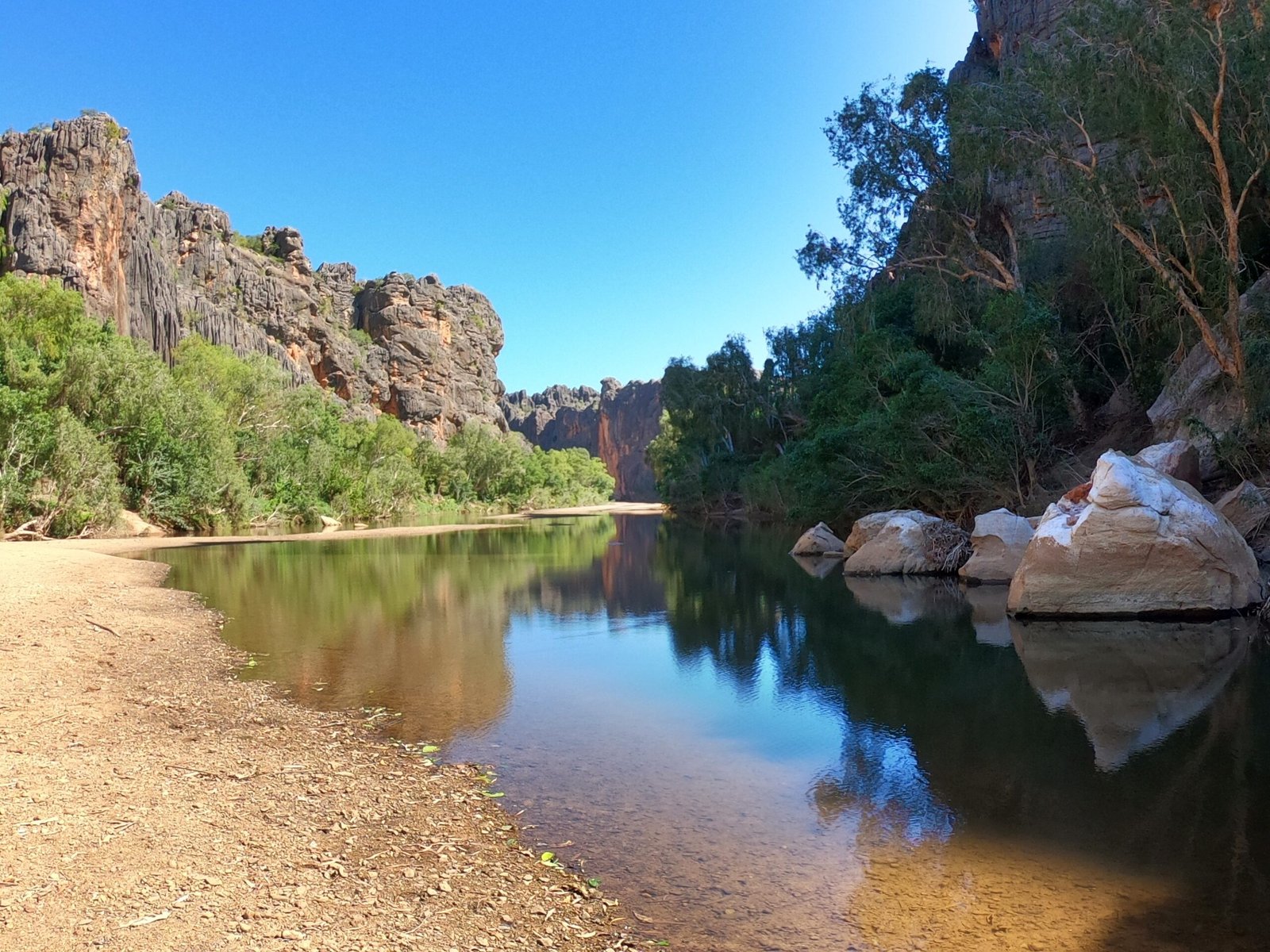
The Kimberley region in the far north of Western Australia is like a geological museum without walls. Its dramatic gorges, waterfalls, and plateaus are carved from rocks that formed while Gondwana was assembling. The region’s famous Bungle Bungle Range, with its beehive-shaped domes, is made of ancient sandstone laid down in river systems that once meandered across the supercontinent. Walking through the Kimberley is like stepping back into a time when dinosaurs and giant ferns flourished, and the land was alive with the pulse of an ancient world.
Deserts Born of Separation: The Legacy of Gondwana’s Breakup
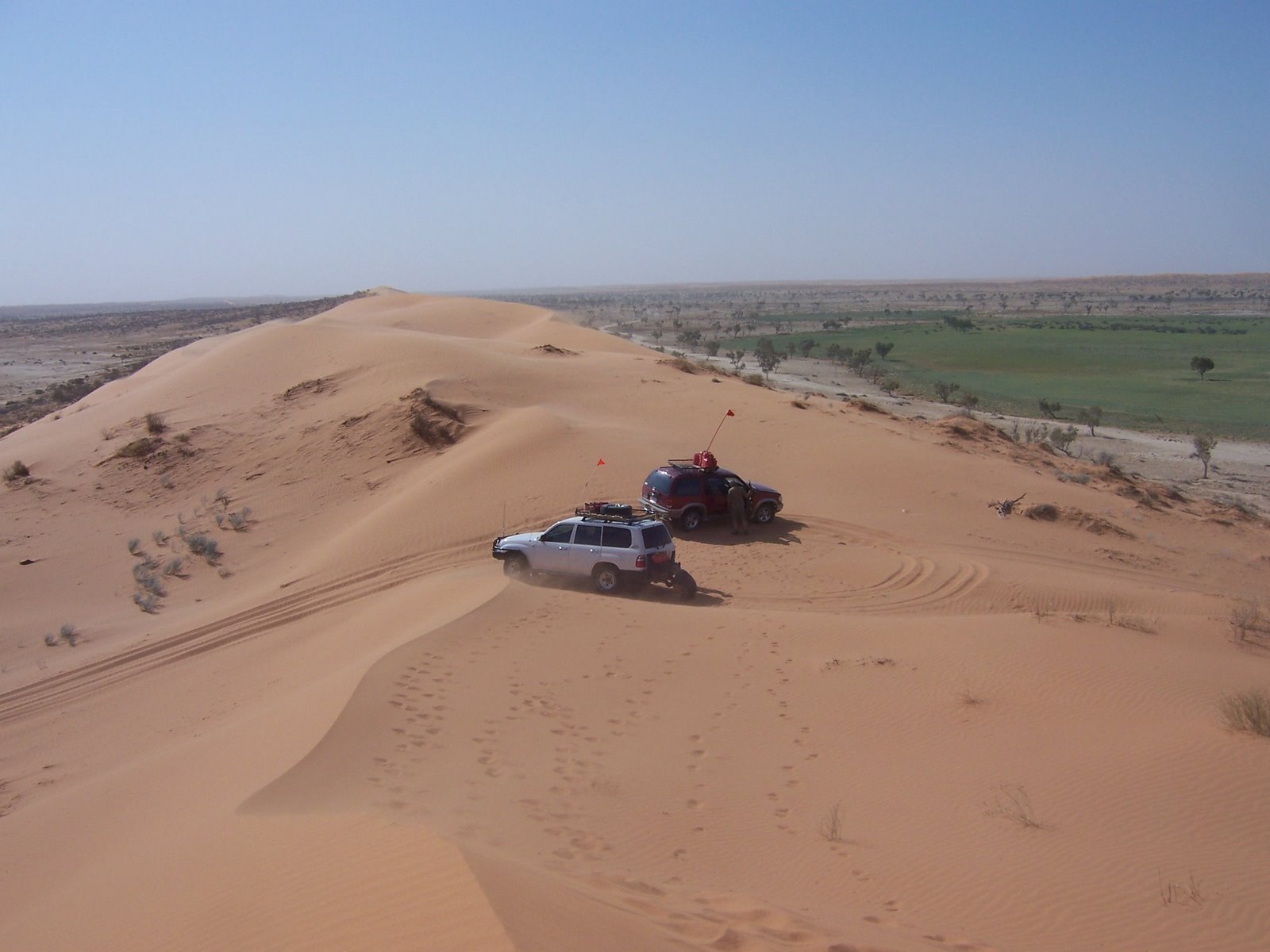
When Gondwana began to break apart around 180 million years ago, it set the stage for the landscapes we see today. As Australia drifted away from Antarctica, the climate changed dramatically. Rainforests gave way to arid outback, and the deserts of Western Australia began to form. The shifting continents changed wind and ocean patterns, drying the land and creating iconic features like the Great Victoria and Simpson deserts. Today, these vast sandy expanses tell the story of a continent’s journey from lush supercontinent to sunburnt country.
Coastal Clues: Perth’s Changing Shorelines
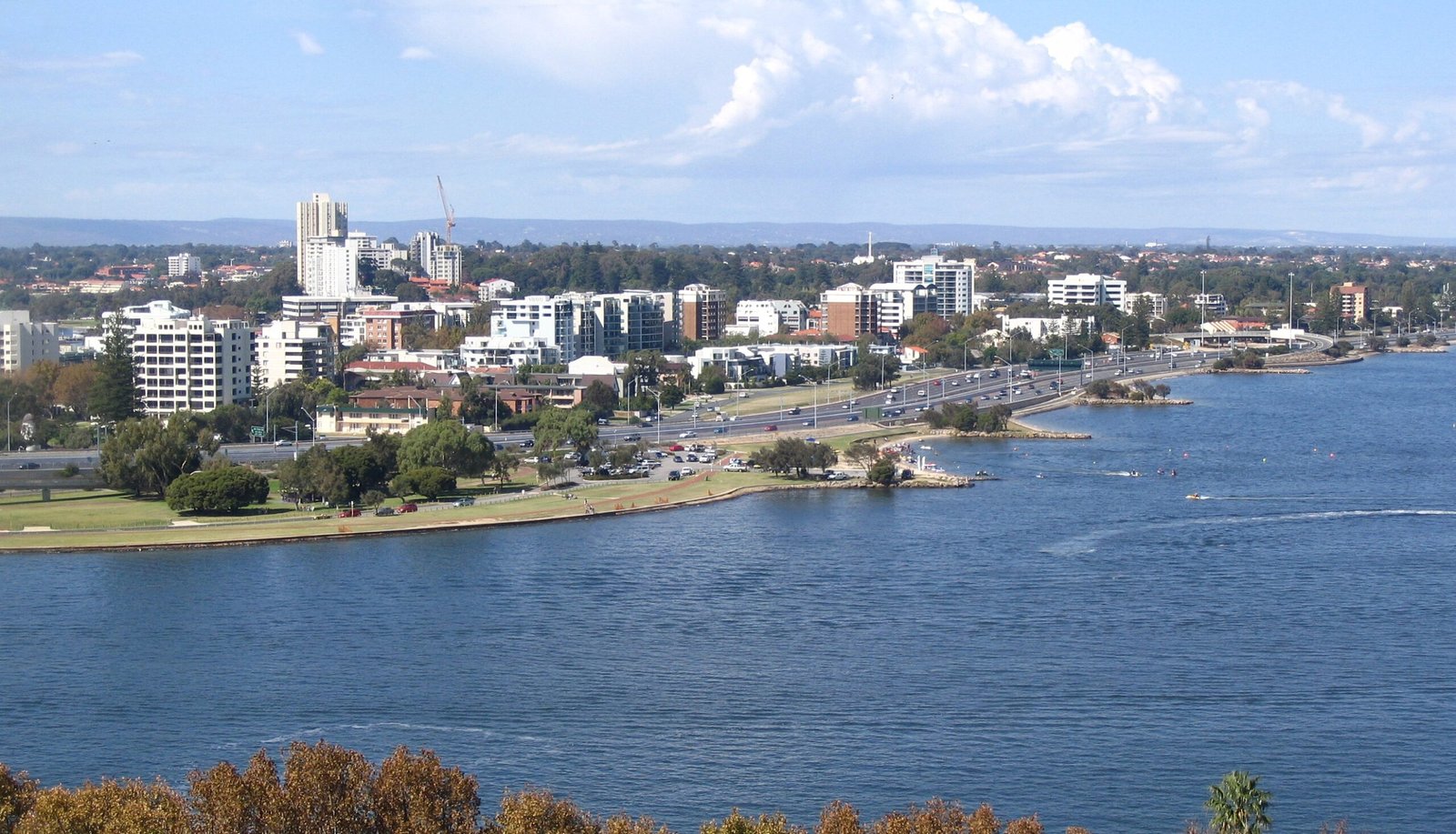
The coastline around Perth holds subtle hints of a supercontinental past. Ancient beach deposits, fossilized dunes, and wave-cut platforms reveal that sea levels have swung wildly over millions of years. In some places, you can find rocks that formed on the floor of vanished oceans, now lifted high above the waves. These clues help geologists piece together how Australia’s western edge shifted as Gondwana broke up, and how life adapted to ever-changing shorelines.
Jarrah Forests: Survivors from Gondwana
Western Australia’s jarrah forests are more than just beautiful woodlands—they’re living relics of Gondwana’s ancient forests. The jarrah tree, along with other species like the karri and marri, evolved millions of years ago when Australia was still connected to Antarctica and South America. Some of the plant families found in these forests have close relatives in far-flung parts of the world, a botanical reminder of the supercontinent’s reach. Walking among these trees, you’re surrounded by ghosts of a time when forests spanned continents.
Precious Minerals: Gifts from a Supercontinent
Gondwana’s slow dance left behind treasures that have shaped Western Australia’s history and economy. The region is rich in minerals like gold, iron ore, nickel, and rare earths—all formed in ancient geological processes linked to the assembly and breakup of supercontinents. Goldfields around Kalgoorlie, for example, are the legacy of volcanoes and hot fluids that once raged beneath Gondwana’s crust. Today, mining these resources connects the people of Perth to events that unfolded hundreds of millions of years ago.
Aboriginal Dreaming: Stories Written in Stone
Long before geologists traced the story of Gondwana, Aboriginal peoples of Western Australia wove their own powerful narratives about the land. Many Dreamtime stories describe the formation of mountains, rivers, and rocks, reflecting a deep understanding of geological change. Sites like Wave Rock and the Bungle Bungles are not just scientific wonders—they’re sacred places, embedded with meaning and history. In many ways, Indigenous knowledge and scientific discovery walk hand in hand, both unlocking the secrets of this ancient land.
The Perth Basin: Rifts and Rivers
The Perth Basin, stretching along the coast, is a geological rift filled with layers of sedimentary rock. Formed as Gondwana began to split, the basin records the drama of continents tearing apart. Rivers flowed across its surface, depositing sands and muds that hardened into stone. Today, the Perth Basin holds important groundwater reserves and even oil and gas, resources that are direct results of its supercontinental heritage. Its rocks are a diary of a world in transition.
Marine Mysteries: Fossils from the Ancient Ocean
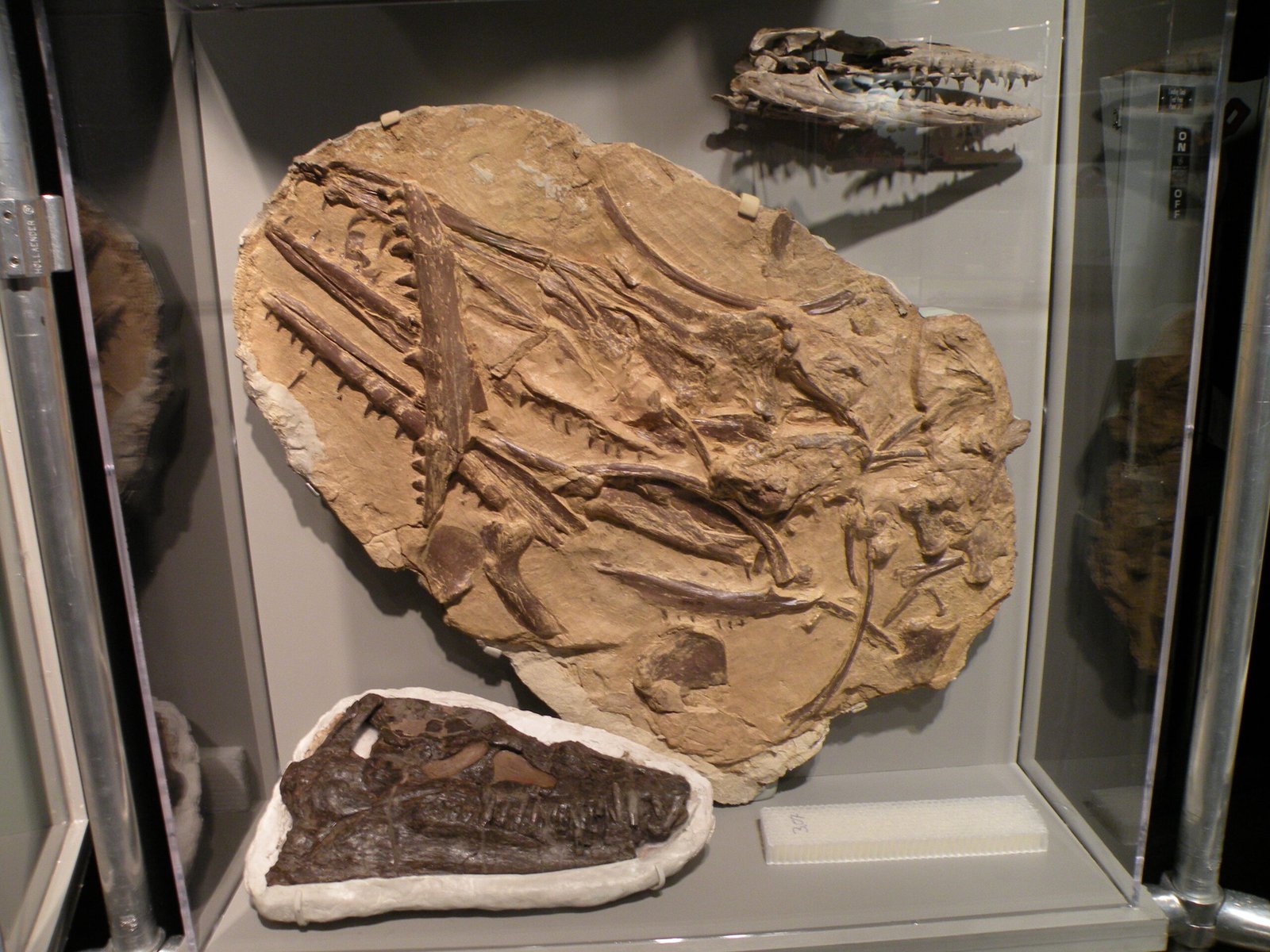
Off Perth’s coast, under the blue waves of the Indian Ocean, lie clues to Gondwana’s watery realms. Limestone cliffs and offshore reefs contain fossils of marine creatures that thrived when Western Australia was submerged beneath warm, shallow seas. These fossils—shells, corals, and even the bones of ancient marine reptiles—tell of oceanic connections that once joined Australia to distant continents. Exploring these marine deposits is like diving into a lost chapter of Earth’s story.
Traces of Fire: Volcanic Activity in Gondwana’s Wake
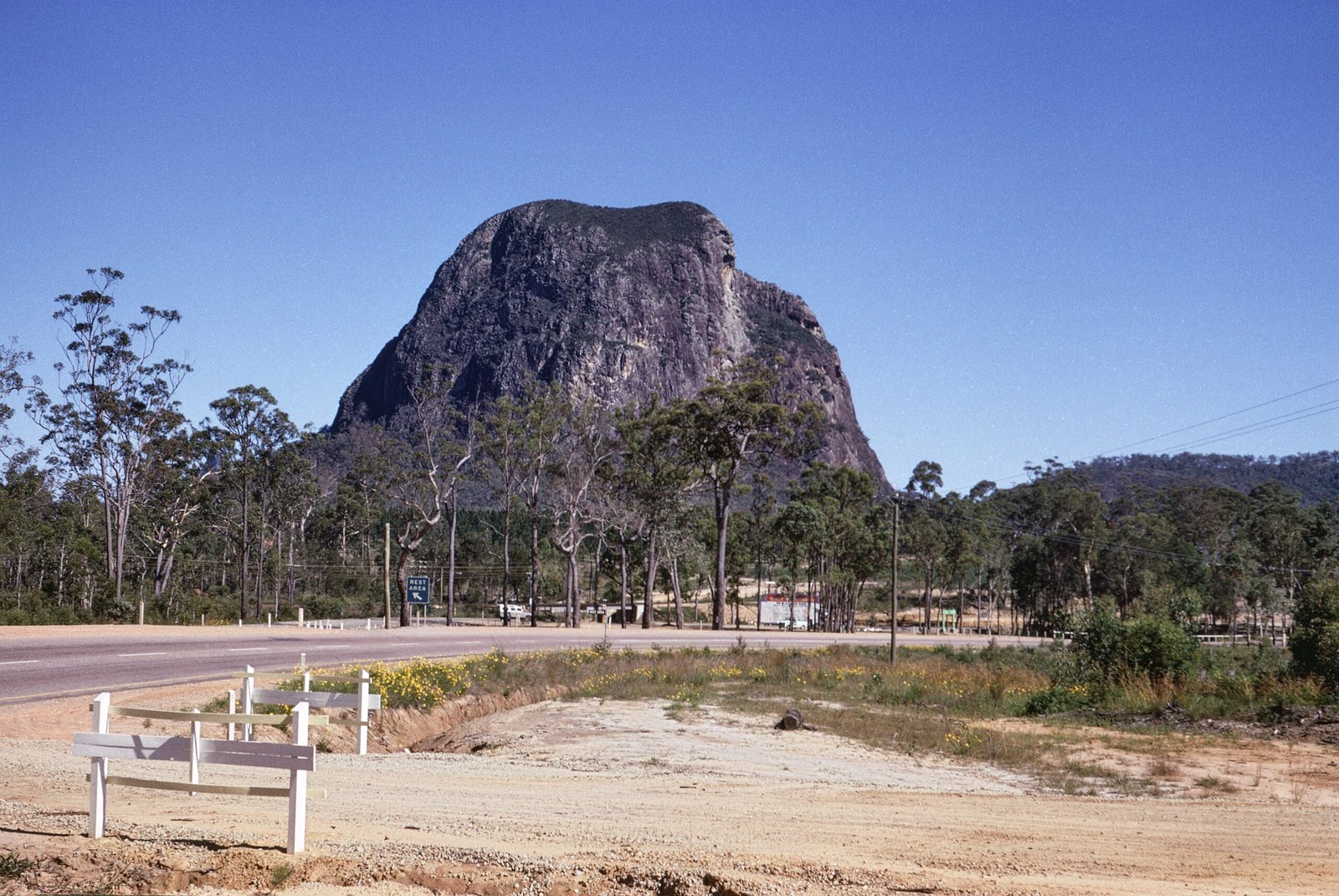
Western Australia’s rocks are scarred by the remnants of ancient volcanoes. During the formation and breakup of Gondwana, volcanic eruptions shaped the land and created mineral-rich deposits. The remnants of these eruptions are scattered across the landscape, from the old lava flows near Bunbury to the volcanic plugs in the Kimberley. Each volcanic relic is a reminder of the fiery forces that reshaped continents and helped plant the seeds for Western Australia’s mineral wealth.
Modern Science, Ancient Clues: High-Tech Sleuthing
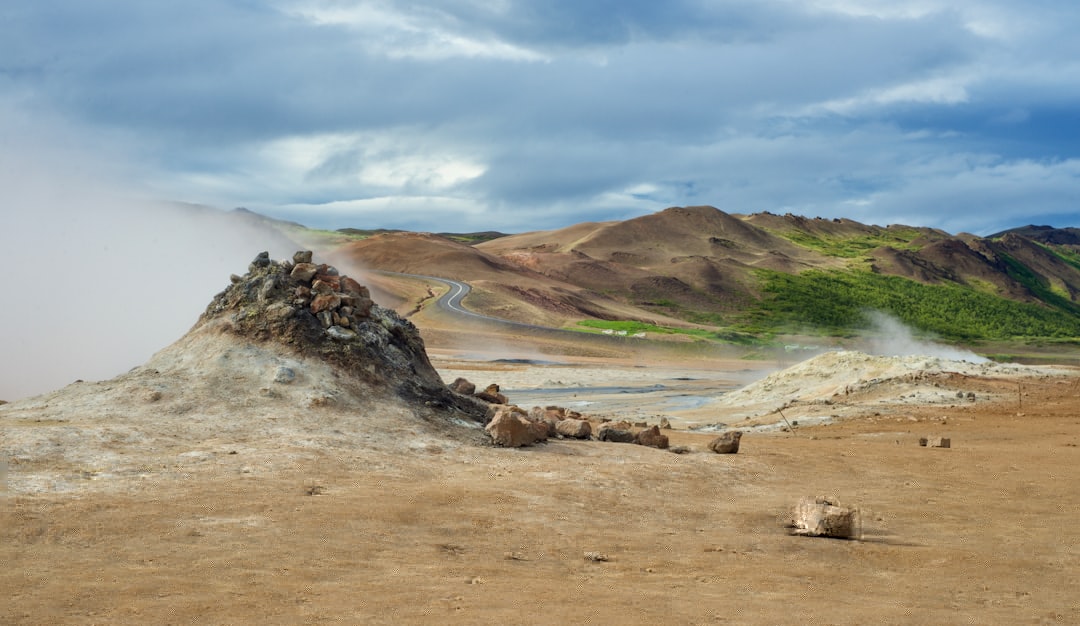
Today’s scientists use cutting-edge technology to unlock Gondwana’s secrets. Satellite imagery, radiometric dating, and geochemical analysis allow geologists to peer deep beneath Perth’s surface and trace the movements of ancient plates. By studying the magnetic patterns in rocks, researchers can even reconstruct the slow drift of continents over hundreds of millions of years. These modern tools are like the keys to a treasure chest, revealing stories hidden in stone and helping us understand our planet’s restless heart.
Paleoclimate Revelations: Reading the Rocks for Ancient Weather
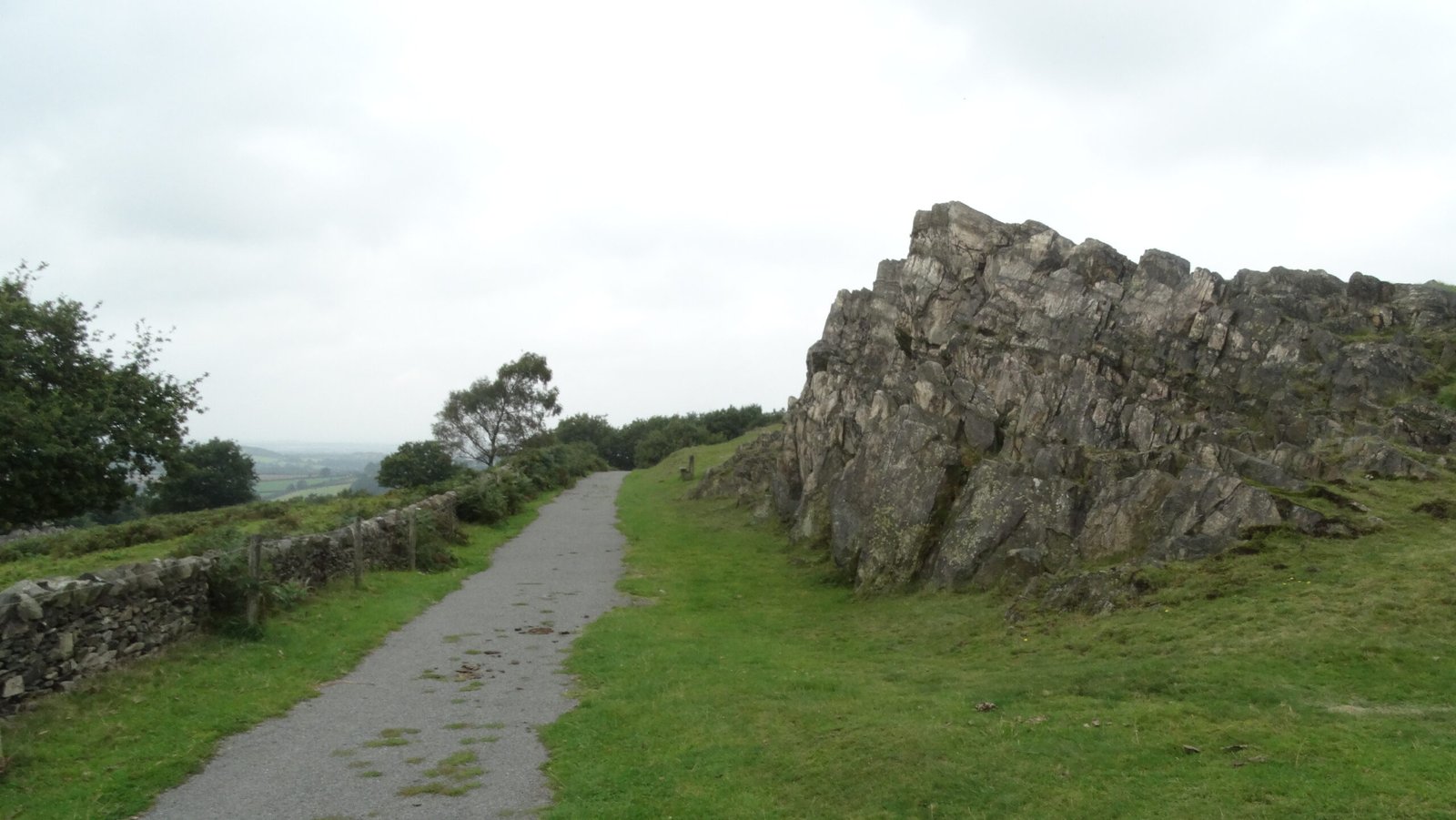
Western Australia’s rocks are more than just solid evidence—they’re climate diaries. Sedimentary layers, fossil soils, and mineral deposits all offer clues about Gondwana’s ancient weather. For example, glacial deposits reveal when ice covered the land, while coal seams hint at lush, swampy forests. By decoding these clues, scientists can reconstruct how climate shaped the evolution of life and the fate of continents—a story with stunning implications for understanding today’s changing world.
Global Connections: Perth’s Place in the Puzzle
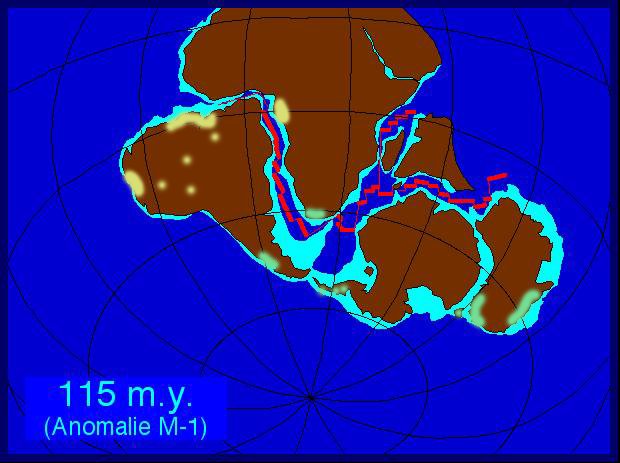
It’s easy to think of Perth as a city at the edge of the world, but in Gondwana’s heyday, it was connected to continents thousands of kilometers away. Rocks in Western Australia match up with counterparts in Antarctica, India, and Africa, creating a global jigsaw puzzle that scientists are still piecing together. Every discovery in Perth—every fossil, rock, and mineral—adds another piece to this worldwide story. It’s a powerful reminder that even the most familiar places are shaped by forces that span the globe.
The Future of the Past: Why Gondwana Still Matters
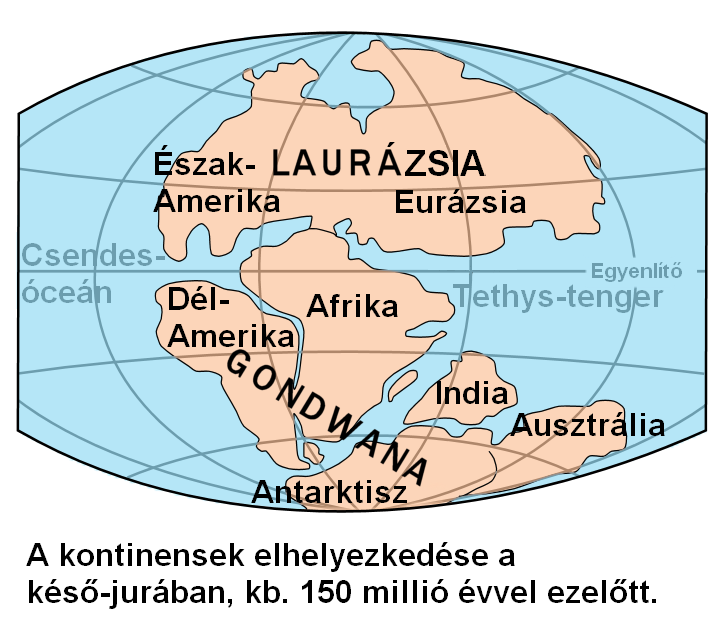
Understanding Gondwana isn’t just an academic exercise—it’s vital for the future. The clues hidden in Western Australia’s rocks guide the search for resources, help us predict natural hazards, and offer insights into climate change. They remind us that continents are always on the move, and that today’s world is just a snapshot in a much longer journey. As Perth grows and changes, the city’s deep connection to Gondwana continues to shape its destiny, just as it has for hundreds of millions of years.