
There’s something almost surreal about the idea that frozen dirt could determine the fate of our climate. Not glaciers. Not rainforests. Dirt. Yet that’s exactly what scientists are telling us, and the numbers behind this story are genuinely alarming in a way that doesn’t get nearly enough attention.
Permafrost, the permanently frozen ground that lies beneath vast stretches of the Northern Hemisphere, has been quietly doing a massive job for thousands of years. Most people have never thought twice about it. That’s about to change. Let’s dive in.
What Exactly Is Permafrost and Why Should You Care
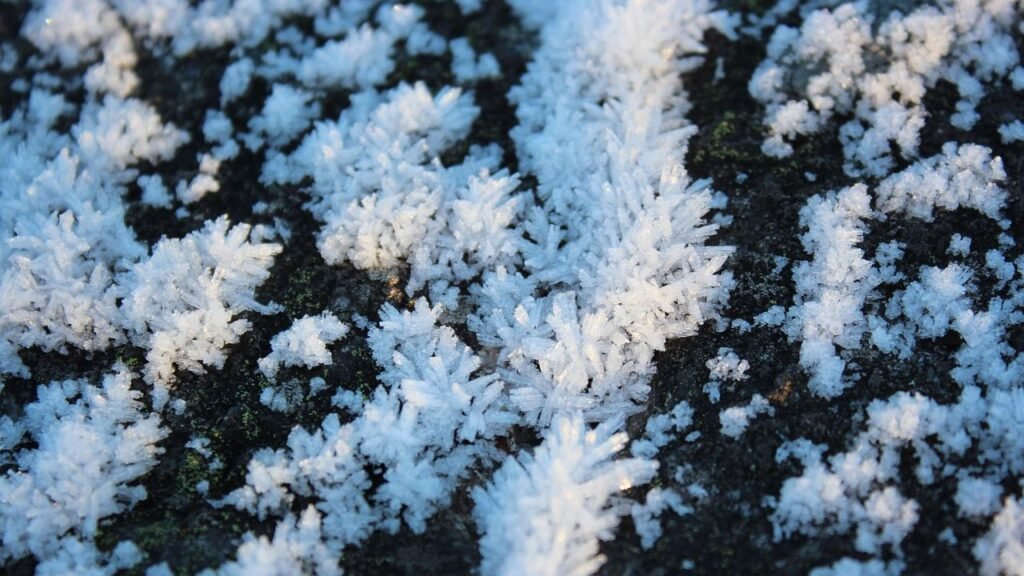
Here’s the thing most people don’t realize: permafrost isn’t just frozen soil. It’s a massive, ancient carbon vault that has been locking away organic matter since the last ice age. Think of it like a giant freezer that’s been running perfectly for millennia, storing everything from decomposed plants to ancient animal remains. When that freezer starts to malfunction, everything inside begins to rot.
Permafrost covers roughly a quarter of the land surface in the Northern Hemisphere, spanning enormous regions across Siberia, Canada, Alaska, and Scandinavia. It stores an almost incomprehensible amount of carbon, far more than what’s currently sitting in Earth’s entire atmosphere. Scientists have been growing increasingly concerned about what happens when this frozen ground thaws, and the answers they’re finding are unsettling to say the least.
The Thawing Has Already Begun and It’s Accelerating
This isn’t a future-tense problem. Permafrost is thawing right now, at rates that are outpacing earlier scientific projections. The Arctic is warming roughly four times faster than the global average, which means the frozen ground that took thousands of years to form is being destabilized within a single human lifetime. That’s a staggering pace when you sit with it for a moment.
As temperatures rise, the active layer, which is the topmost section of soil that naturally freezes and thaws each year, is getting deeper. This means previously stable permafrost below is being exposed to warmth for the first time in ages. Once that organic material starts to decompose, it releases carbon dioxide and methane, both potent greenhouse gases that then further accelerate warming. It’s a feedback loop, and it’s one of the most worrying dynamics in modern climate science.
Carbon Storage Numbers That Are Hard to Wrap Your Head Around
Honestly, the figures involved here are almost too large to process. Northern permafrost regions are estimated to contain somewhere in the range of 1.5 trillion tonnes of organic carbon. To put that in perspective, that’s roughly double the amount of carbon currently present in the atmosphere. Even releasing a fraction of that would have profound consequences for global temperatures.
What makes this especially tricky is that the release doesn’t happen all at once in a dramatic visible event. It’s gradual, distributed, and spread across landscapes so remote that most people will never see them. Researchers rely on satellite data, field measurements, and climate models to track what’s happening. The picture those tools are painting, according to recent findings highlighted by Phys.org, is one of a system that is shifting far more quickly than previously anticipated.
Methane Makes the Story Scarier
Carbon dioxide gets most of the climate headlines, but when it comes to permafrost thaw, methane is the wildcard that researchers are genuinely troubled by. When permafrost thaws in waterlogged areas like wetlands and lake bottoms, the decomposition process happens without oxygen. That anaerobic breakdown produces methane rather than carbon dioxide, and methane is significantly more potent as a greenhouse gas over shorter time horizons.
Thermokarst lakes, those strange, bubbling bodies of water that form as ice-rich permafrost collapses, are among the most active sources of this methane release. Scientists have documented visible bubbling at the surface of these lakes, with methane seeping directly into the atmosphere. It sounds like something from a science fiction film, but it’s a very real and increasingly documented phenomenon. The scale of potential methane release from thawing permafrost remains one of the larger uncertainties in climate projections.
What This Means for Global Climate Targets
The international community has set ambitious targets to limit global warming, but those targets were built on models that may not have fully accounted for permafrost dynamics. I think this is one of the most underappreciated gaps in mainstream climate policy conversations. If permafrost becomes a net emitter of carbon rather than a net store, even aggressive human emissions reductions might not be sufficient to hit the targets we’ve committed to.
This creates a deeply uncomfortable reality. We could do everything right in terms of transitioning away from fossil fuels and still face significant additional warming because of carbon being released from ground that no longer stays frozen. It doesn’t mean those efforts are pointless, they absolutely are not. It does mean that permafrost thaw needs to be baked into climate planning with far more urgency and precision than it currently is.
Scientists Are Pushing for Better Monitoring and Urgent Action
One consistent message emerging from researchers studying permafrost is that we need dramatically better monitoring systems. Much of the Northern Hemisphere’s permafrost is in extremely remote territory, and ground-level observation networks are sparse. Satellite-based remote sensing has improved considerably, but combining that with on-the-ground measurements remains a challenge that requires sustained international investment.
There’s also a push for permafrost dynamics to be integrated more thoroughly into the climate models that inform global policy decisions. Right now, many of those models treat permafrost carbon release as a secondary or uncertain factor rather than a central variable. Researchers argue this is a fundamental oversight. Knowing how much carbon is being released, and where, and how fast, is not a nice-to-have piece of information. It’s essential.
Local Communities on the Front Lines of This Crisis
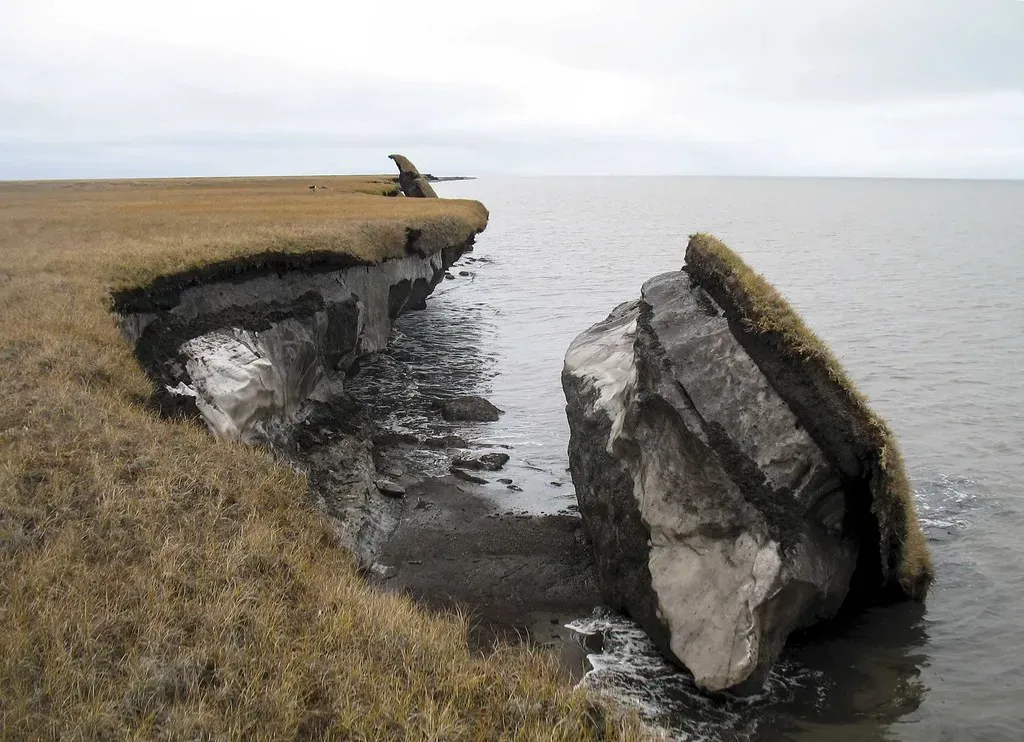
While global policymakers debate emissions targets, Indigenous and northern communities are already living with the consequences of permafrost thaw. Buildings are sinking as the ground beneath them shifts. Roads are buckling and cracking. Coastlines in Arctic regions are collapsing at accelerated rates as frozen bluffs lose their structural integrity. For these communities, this isn’t an abstract future risk. It’s a current, daily disruption.
In places like Alaska and Siberia, entire villages have had to consider relocation because the ground they were built on is no longer stable. Infrastructure that took generations and enormous resources to build is becoming unusable. The human cost of permafrost thaw tends to get overshadowed in the big-picture carbon conversation, but it deserves far more recognition. These communities are sounding an alarm that the rest of the world would do well to finally listen to.
A Wake-Up Call Frozen in Time
Permafrost has been faithfully storing carbon for thousands of years without any help from us. The least we can do is take its thawing seriously. The science is clear, the risks are large, and the window to act with meaningful urgency is narrowing.
What strikes me most about this story is how quietly catastrophic it could be. No single dramatic event to point to, just slow, invisible change happening far from most people’s daily lives. The frozen ground beneath the Northern Hemisphere is sending a signal. The real question is whether enough people are paying attention.
What do you think should be the world’s top priority in addressing permafrost thaw? Drop your thoughts in the comments below.