

Walk into any dog park and you will hear it within seconds: people confidently explaining what their dogs are “saying.” That tail wag means joy, that yawn means boredom, that guilty look proves the dog knows it did wrong. We treat canine emotions like an open book, written in fur and wagging tails. Yet over the past few years, scientists have quietly been dismantling some of our most cherished assumptions about what our dogs really feel – and what we merely project onto them. The result is not a cold, clinical debunking, but a much stranger and more intimate story about two species trying to read each other across an invisible emotional gap.
The Hidden Clues We Keep Getting Wrong
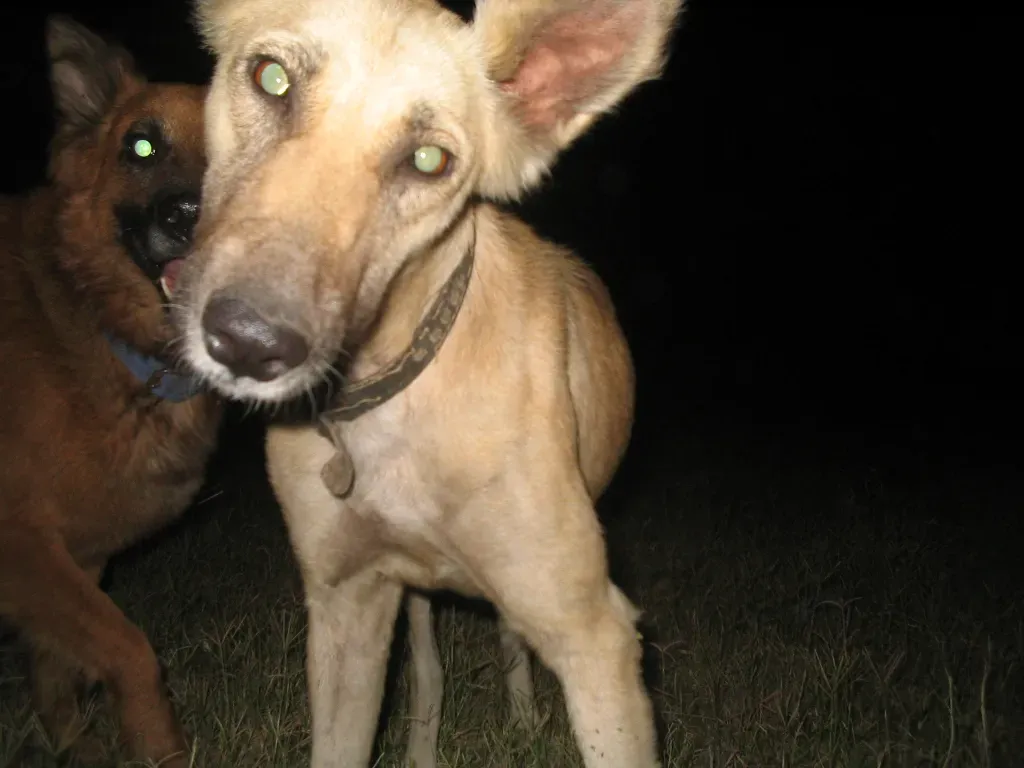
One of the most surprising discoveries in recent dog research is just how often humans misread basic signals. Many people are convinced a wagging tail is a universal sign of happiness, when in reality it is more like a complicated punctuation mark that can express excitement, nervousness, or even the build-up to aggression. Subtle details – such as how high the tail is held, how stiff the body is, or whether the dog’s mouth is softly open or tightly closed – change the meaning entirely. Scientists observing video footage frame by frame often pick up warning signs that owners later admit they never noticed in real time. I remember watching slow-motion clips of dogs “smiling” in family photos and realizing how many of them were actually pleading for space.
Other clues are even more counterintuitive. A dog that turns its head away, licks its lips, or suddenly begins sniffing the ground might not be bored or distracted; it may be trying to calm itself or defuse tension in a social situation. Researchers sometimes call these appeasement or calming signals, and they can appear in moments of quiet stress that humans mistake for cooperation or contentment. In many bite incidents, people later recall the dog as being relaxed just moments before, unaware of these low-level distress cues. When scientists compare expert assessments of body language with owners’ interpretations, they often find that only a small fraction of people spot early signs of fear or discomfort. That gap between what dogs show and what we see is where many preventable problems begin.
Ancient Companions, Modern Misunderstandings
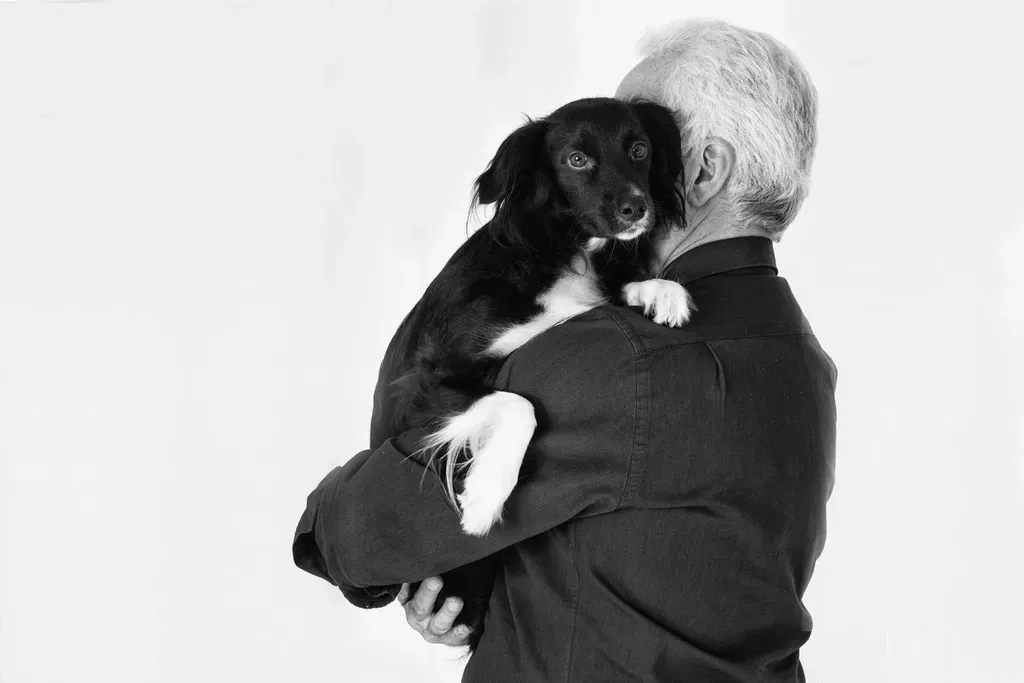
It is tempting to assume that thousands of years of living together have made humans fluent in dog. Archaeological evidence suggests our partnership may go back at least fifteen thousand years, and perhaps even longer, to wolves that lingered near human campsites. Over that deep stretch of time, both species have evolved special skills for reading each other: dogs are unusually good at following human pointing gestures, for example, and people are remarkably attuned to the sound of a dog’s whine or bark. This shared history often feels like proof of perfect mutual understanding. The reality, though, is more like two old friends who still occasionally talk past each other.
Modern life has intensified that confusion. Many people now live with dogs in small apartments, expect them to tolerate constant noise, crowds, and unfamiliar dogs, and then interpret any quiet behavior as proof of happiness. Scientists studying urban dogs have found elevated stress markers, such as higher levels of certain stress hormones, in some animals that appear outwardly calm. At the same time, selective breeding has created dogs whose faces exaggerate certain expressions – like permanently raised brows – that humans instinctively read as sadness or concern, even when the dog is just existing. We have shaped them to look the way we think feelings look, and then we trust those looks more than the actual science of behavior.
What Brain Scans Reveal About Dog Emotions

In the last decade or so, neuroscientists have started asking a bold question: can we peek inside the dog brain while it is awake and interacting with human signals? Using functional MRI scanners, researchers have trained dogs to lie still in noisy machines, a feat that alone should earn them an honorary degree in patience. These scans show that certain regions of the dog brain light up when they hear their owner’s voice, smell their owner’s scent, or anticipate a reward, in patterns that resemble some aspects of human emotional processing. In other words, dogs do not just respond to us as moving food dispensers; their brains encode us as socially significant partners.
At the same time, the scans complicate our easy narratives. While some areas involved in positive emotion and attachment activate in response to familiar humans, other regions respond strongly to changes in tone of voice or unexpected signals, suggesting that dogs may be constantly evaluating our reliability. Some studies hint that dogs may be especially sensitive to human emotional vocalizations, reacting differently to happy versus angry tones even when they do not understand the words. Yet, the presence of brain activity in a particular region does not mean a dog experiences joy, guilt, or jealousy in the same rich, layered way humans do. Neuroscience can show us that dogs feel something; it cannot yet say they feel exactly what we do, even when we desperately want that to be true.
The “Guilty Look” and Other Emotional Myths

Few dog expressions are as iconic – or as misunderstood – as the so-called guilty look. You know the scene: shredded trash, chewed shoe, or stolen sandwich, and a dog hunched with lowered head, wide eyes, and tucked tail. Most owners are sure this is evidence the dog understands it did wrong. But in controlled experiments, scientists have shown that dogs display that submissive posture even when they have not committed the “crime,” especially if the owner appears angry. The behavior seems less like moral remorse and more like an attempt to appease a displeased group member. It is a social survival strategy, not a courtroom confession.
This does not mean dogs are emotionless robots, only that their emotional categories likely differ from our tidy moral labels. When we call a dog spiteful for peeing on the rug after being left alone, for instance, researchers see a mixture of anxiety, separation distress, and perhaps learned associations, not calculated revenge. Mislabeling those emotions can have real consequences, pushing people toward punishment instead of empathy or training. Interestingly, when owners are taught to reinterpret the “guilty look” as a fear or appeasement response, their relationship with the dog often softens; they become more focused on managing the environment and less on assigning blame. It is a humbling reminder that what feels like insight might actually be projection.
Why It Matters: Safety, Welfare, and the Stories We Tell

At first glance, misreading a tail wag or facial expression might seem like a small, almost endearing mistake. But behavior scientists argue that our overconfidence about understanding dog emotions can be risky for both species. Many dog bites occur in homes where people insist the dog “gave no warning,” only to later learn that the animal had been displaying subtle stress signals for weeks. Misinterpretations also shape training practices: if you believe a dog is being stubborn or spiteful, you are more likely to use harsh corrections than if you see fear or confusion. Those patterns ripple outward into shelter surrender rates, bite statistics, and overall public attitudes toward certain breeds.
There is also a deeper ethical dimension. Dogs cannot easily correct our narratives about them; they live inside the stories we tell. If we imagine them as furry children with human-like guilt, complex grudges, or deliberate manipulation, we risk ignoring their actual needs and limitations. Traditional dog training often leaned on dominance ideas that treated many fear-based behaviors as challenges that needed to be crushed. Current research pushes back, emphasizing that behavior is usually a functional response to environment and learning history, not a moral failing. Recognizing that difference is not just semantics – it is the line between empathy and frustration, between support and punishment.
New Tools: From High-Speed Cameras to AI Emotion Decoders

To bridge the gap between what we think dogs feel and what they actually communicate, scientists are turning to an intriguing mix of old-fashioned observation and cutting-edge technology. High-speed cameras allow researchers to break down micro-movements in ears, eyes, and mouths that happen too quickly for the human eye to catch in real time. Some teams use machine-learning algorithms to analyze thousands of video clips, training models to recognize patterns associated with fear, excitement, or social play. These tools do not magically decode emotions, but they reveal subtle consistencies we might otherwise miss. It is a bit like slowing a movie down frame by frame to finally understand a character’s smallest flinch.
Wearable tech is also entering the picture. Collars that track heart rate, activity levels, and even some physiological stress markers give a more objective window into how dogs respond throughout a typical day. Combined with owner logs or video from home cameras, researchers can see, for example, that a dog pacing after the family leaves is not just mildly bored but repeatedly spiking into stress. On the more experimental edge, prototype systems claim to interpret barks or body movements into simple emotional categories, marketed as translation devices for pet owners. Scientists are cautious about these products, warning that oversimplified labels can mislead as much as they inform. Still, the larger trend is clear: we are trying, in increasingly sophisticated ways, to let data challenge our gut feelings.
The Future Landscape: Toward a Shared Emotional Language

Looking ahead, the science of dog emotions is poised to move beyond cute headlines and into something more like a shared emotional protocol between species. As AI systems grow more powerful, they may someday combine video, audio, and biometric data to generate constantly updated “emotional maps” of individual dogs. Imagine a shelter that can quickly flag which animals are quietly overwhelmed even when they appear calm, or a vet clinic that detects rising stress in the waiting room and adjusts handling accordingly. Such tools could transform everyday care, making it more responsive and less traumatic. At the same time, they raise tough questions about privacy, consent, and who controls interpretation.
Global collaboration will matter here. Dogs live in wildly different cultural contexts, from tightly controlled urban pets to village free-roaming populations, and their communication styles may shift accordingly. Future studies that include a broader range of environments and breeds could challenge assumptions built mostly on Western, middle-class pet ownership. There is also growing interest in how insights from dog emotion research might help us better understand cross-species communication in general, from horses to parrots. If we can learn to read one familiar companion more accurately, it may change how we approach the entire animal world. The challenge will be to harness technology and science without turning complex inner lives into simple icons on a screen.
Conclusion: How Ordinary People Can Get Better at Reading Dogs

You do not need a lab or a fancy device to start closing the gap between what you think your dog feels and what it is actually expressing. One of the simplest steps is to watch dogs with the sound off – either your own, recorded on video, or dogs in educational clips – so you are not distracted by your usual assumptions. Pay attention to the whole body, not just the face or tail: where is the weight, how tense are the muscles, what do the ears and mouth do right before and after key moments? Many reputable organizations now offer free or low-cost guides to canine body language that can reset your internal “dictionary.” Treat these like learning a foreign language, where you expect to make mistakes and gradually get better.
Small habit changes also matter. Give dogs more choice in daily interactions – let them approach instead of insisting on hugs, watch whether they lean into touch or subtly pull away, and respect those answers. If you live with children, teach them a few simple signals that mean a dog needs space, like turning away, lip licking in calm contexts, or repeated yawning during play. Consider supporting or following research projects that share updates on dog behavior and welfare, whether through universities, shelters, or science journalism outlets. Every time you pause and ask yourself what evidence you have for your interpretation, you are nudging the relationship away from projection and toward genuine listening. The question quietly hanging in the air is simple: are we willing to learn dog, rather than always expecting dogs to learn us?
Suhail Ahmed is a passionate digital professional and nature enthusiast with over 8 years of experience in content strategy, SEO, web development, and digital operations. Alongside his freelance journey, Suhail actively contributes to nature and wildlife platforms like Discover Wildlife, where he channels his curiosity for the planet into engaging, educational storytelling.
With a strong background in managing digital ecosystems — from ecommerce stores and WordPress websites to social media and automation — Suhail merges technical precision with creative insight. His content reflects a rare balance: SEO-friendly yet deeply human, data-informed yet emotionally resonant.
Driven by a love for discovery and storytelling, Suhail believes in using digital platforms to amplify causes that matter — especially those protecting Earth’s biodiversity and inspiring sustainable living. Whether he’s managing online projects or crafting wildlife content, his goal remains the same: to inform, inspire, and leave a positive digital footprint.