
For decades, astronomers imagined the universe’s first stars as lonely giants, but still within a vaguely familiar range. Now, emerging evidence suggests those primordial suns were not just big – they were extreme, dwarfing almost anything we see today and rewriting the rules of how matter first lit up the cosmos. Instead of modest pioneers, we may be looking at titanic beacons hundreds, or even thousands, of times more massive than our Sun. That realization is forcing scientists to rethink how galaxies formed, how black holes were born, and how the elements in our bodies first appeared. The picture of the early universe is shifting from quiet darkness slowly kindling to a brief, furious blaze that changed everything.
The Hidden Clues in Ancient Light
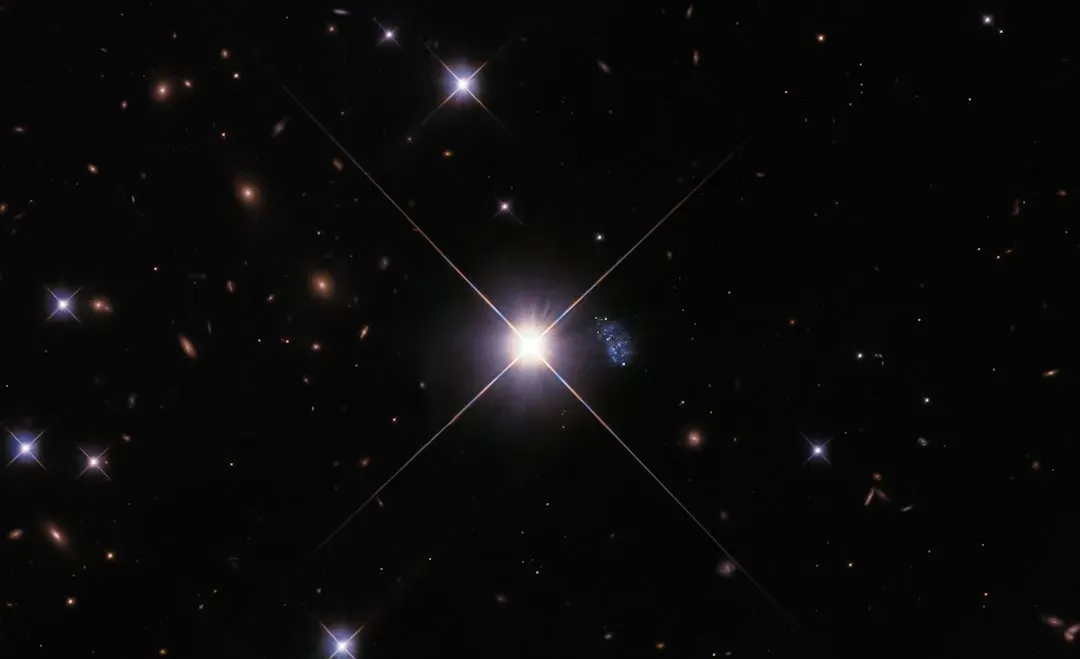
We will never see the first generation of stars directly with our eyes, but their fingerprints are etched into the oldest light and gas in the cosmos. Astronomers study the afterglow of the Big Bang, the cosmic microwave background, and notice subtle patterns in its temperature and polarization that hint at when the universe was reionized by the first stars. Those patterns suggest that something extremely energetic turned on surprisingly early, within the first few hundred million years, faster than many early models predicted. At the same time, observations of ancient, nearly pristine gas clouds along the line of sight to distant quasars reveal a strange chemical recipe. These clouds lack many heavy elements, but the ones they do contain seem to match the explosive deaths of very massive stars rather than a mix of smaller ones.
Put together, these clues act like forensic evidence from a crime scene that has long since vanished. The timing of reionization, the distribution of hydrogen and helium, and the odd mix of elements such as carbon, oxygen, and iron all line up better if the first stars were extremely massive and short-lived. Instead of living for billions of years like our Sun, they would have burned hot and died young, in just a few million years or less. That kind of stellar population dumps enormous energy into its surroundings, carving out ionized bubbles and blasting heavy elements into space. The universe we see today still carries the scars of that first stellar onslaught.
From Simplistic Models to Wildly Massive Stars
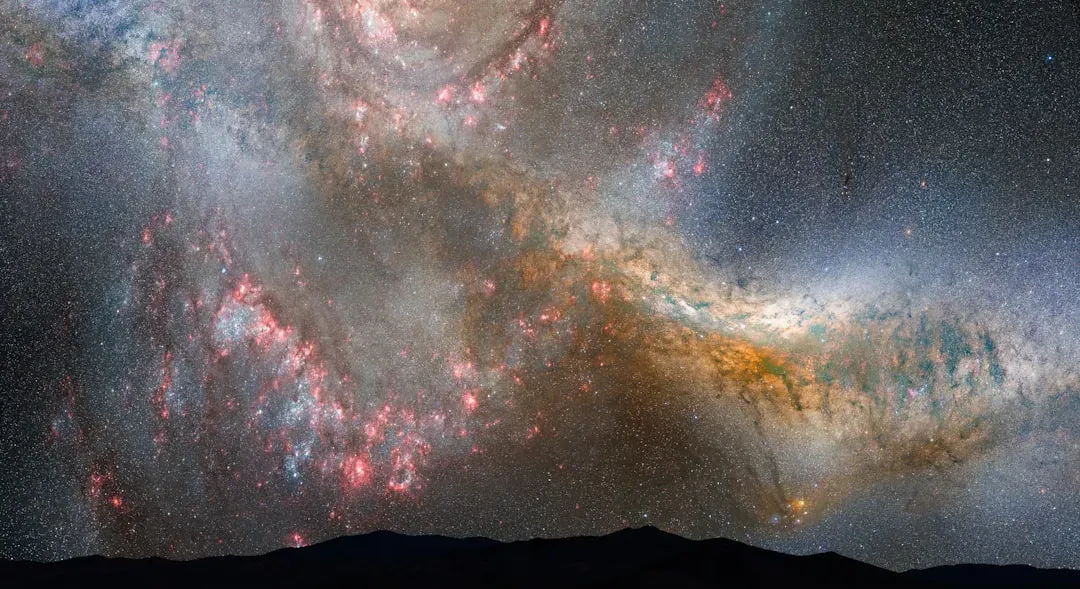
Early theoretical models of so-called Population III stars often focused on masses tens of times that of the Sun, already impressive by modern standards. Those estimates came from relatively simple simulations that had to make big compromises in resolution and physics, treating primordial gas clouds as smooth and well-behaved. As computing power improved, researchers began to track the collapse of gas in much finer detail, following how filaments of hydrogen and helium crumple under gravity and how radiation pushes back. These more advanced simulations revealed that, without heavy elements to cool them efficiently, early gas clouds resisted breaking into many small pieces. Instead, they tended to funnel material onto just a few central objects, inflating their masses to shocking levels.
In some recent models, single stars in the early universe can grow to several hundred solar masses, and in extreme cases, may even tip into the regime of a thousand Suns or more. That kind of growth happens because nothing stops the gas from pouring in quickly – no metals, no dust, and no strong magnetic fields like those in modern star-forming regions. The picture that emerges is less like the calm, scattered nurseries of the Milky Way and more like a cosmic monsoon dumping matter onto newborn stars at breakneck speed. When astronomers compare those simulations with the observed chemical patterns in ancient stars and gas, the match is surprisingly good. The simplest explanation is that many of the first stars were not just bigger, but in an entirely different league.
JWST’s Surprising Glimpse of a Hyperactive Early Cosmos
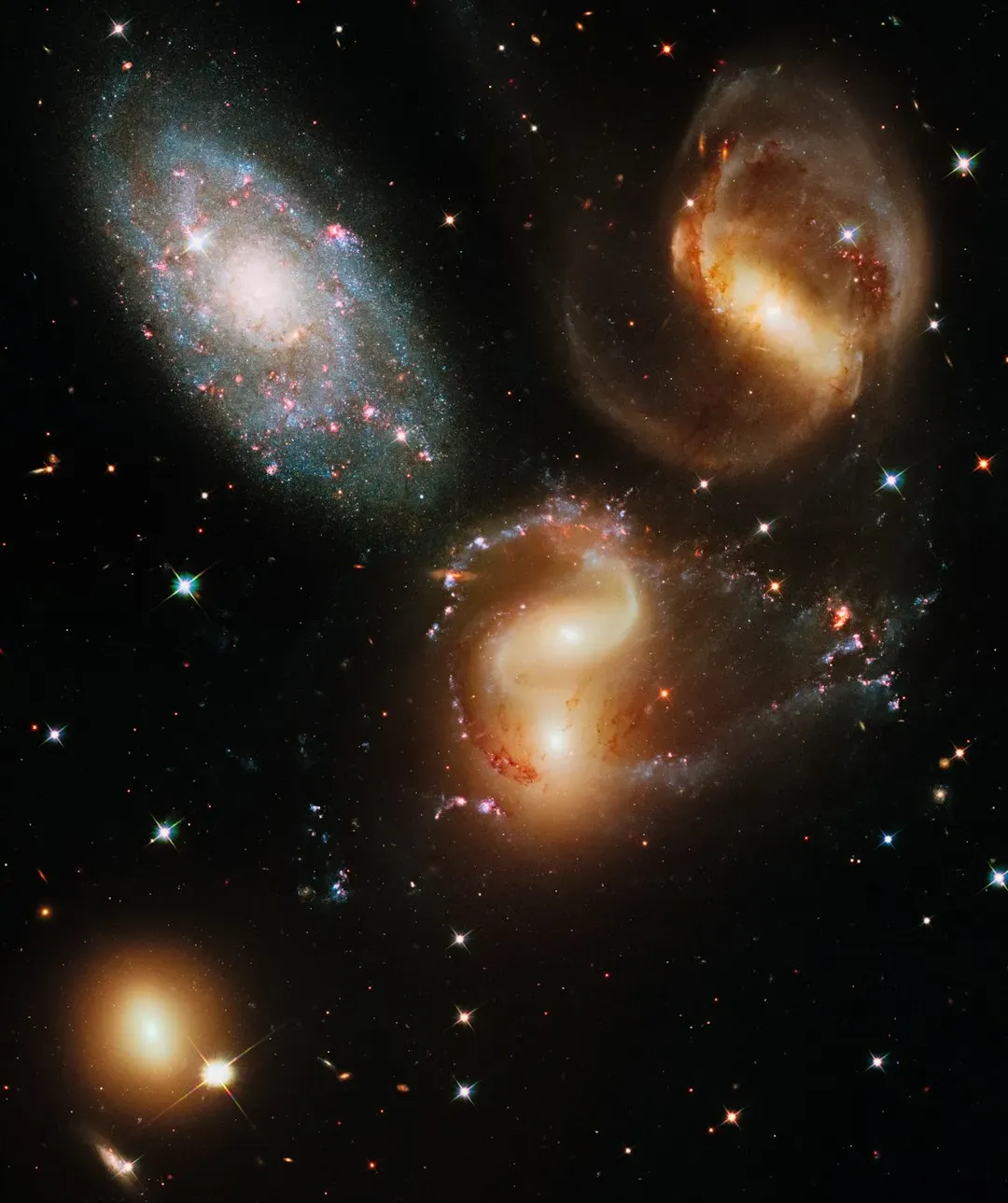
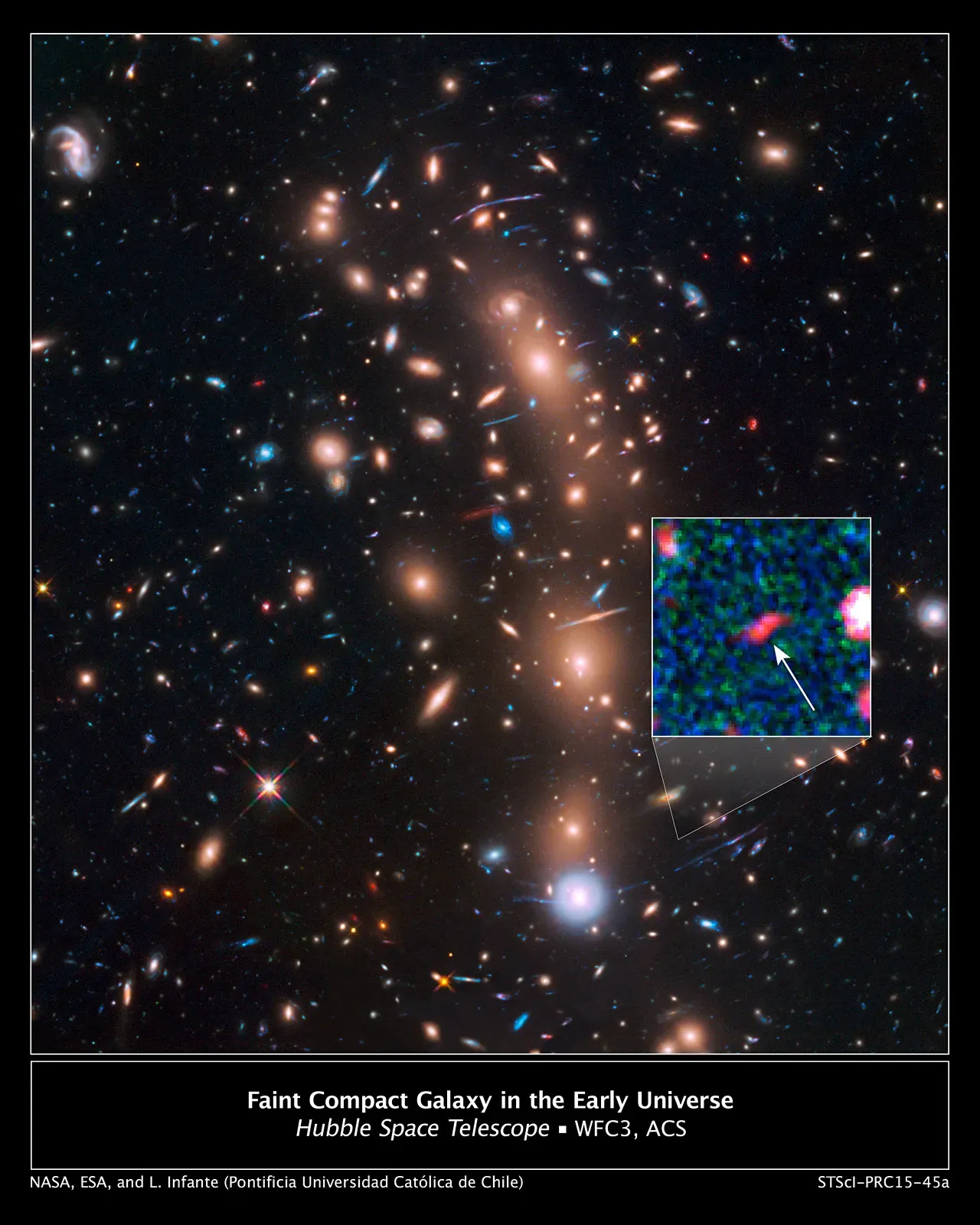
The launch of the James Webb Space Telescope (JWST) has been a shock to the system for cosmology. Almost immediately, it started finding galaxies that appear brighter, more massive, and more chemically evolved at very early times than expected. Some of these galaxies seem to exist just a few hundred million years after the Big Bang, yet they are packed with stars and glowing with intense ultraviolet light. That level of luminosity is easier to explain if their stellar populations are dominated by very massive, hot stars, which pump out far more radiation per unit mass than typical stars like the Sun. In other words, the data nudges us toward a universe where the first galaxies were lit not by modest, Sun-like stars, but by cosmic flamethrowers.
JWST spectra of early galaxies also hint at low metallicities and unusual ionization states, again consistent with extremely hot, massive stars that have not yet enriched their surroundings. Some observations show strong signatures of ionized helium, which requires exceptionally energetic photons that ordinary stellar populations struggle to produce in large numbers. While there is still debate and careful analysis underway – no one wants to jump to conclusions – the trend is hard to ignore. The more we look, the more the early universe resembles a wild, overcaffeinated version of itself, forming stars quickly and at enormous scales. That reality makes the idea of ultra-massive first stars not just plausible, but increasingly hard to avoid.
How Do You Build a Star a Thousand Times the Mass of the Sun?
To understand how the first stars became so massive, you have to strip star formation down to its most basic ingredients. The primordial universe gave you only hydrogen, helium, and a trace of lithium – no carbon, no oxygen, no dust grains to radiate away heat. Without those cooling channels, collapsing gas clouds stay warmer and fatter, which means gravity has to gather larger clumps before they can fragment into individual stars. The result is a higher characteristic mass: instead of many small stars, you tend to get fewer, larger ones. On top of that, the environment was denser overall, so once a seed star formed, it could feed from a rich reservoir of material.
Researchers simulate this process by following the flow of gas into dense knots, watching accretion disks form and spiral matter inward. In modern star-forming regions, radiation pressure from the growing star and feedback from stellar winds eventually shut down that accretion. But in the primordial universe, radiation interacts differently with the pristine gas, and simulations show that inflow can continue longer before being choked off. This allows a protostar to balloon to extraordinary masses before it either explodes, collapses into a black hole, or tears itself apart. It is a bit like trying to grow a snowball in a blizzard instead of on a sunny day: the conditions are simply more favorable for something huge to form. The puzzle now is to understand the upper limits and how often these extreme giants actually appeared.
Why It Matters: Rewriting the Story of Galaxies and Black Holes
The mass of the universe’s first stars is not some obscure detail; it reshapes our understanding of almost everything that came after. Very massive stars live fast and die in spectacular fashion, exploding as powerful supernovae or collapsing directly into black holes. If many of the first stars were hundreds of times the Sun’s mass, their remnants could seed the formation of the supermassive black holes we see at the centers of galaxies today. That helps explain how such enormous black holes already existed less than a billion years after the Big Bang, something that has puzzled astronomers for years. Heavy first stars also inject large amounts of energy, stirring and heating the gas that will later form more ordinary stars and planets.
On the chemical side, these giants forge and then disperse the first significant quantities of elements heavier than helium. The exact mass of the stars determines what elements they release and in what proportions, shaping the building blocks available for future generations. Observations of ancient, metal-poor stars in our own galaxy sometimes show bizarre abundance patterns that match the predicted yields of extremely massive progenitors. Without those early titans, the timeline for creating enough oxygen, carbon, and iron for rocky planets and life as we know it might look very different. When we say the first stars were more massive than we thought, we are really saying that the early universe was more efficient at building the foundations of everything, including us.
Clashing Theories and the Hunt for Indirect Evidence
Not everyone in the field is ready to declare victory for ultra-massive first stars, and that tension is part of what makes this moment exciting. Some researchers argue that what looks like extreme stellar populations could instead be explained by observational biases or uncertainties in how we interpret light from distant galaxies. Others point to alternative explanations for early black hole growth, such as direct collapse of gas clouds without a stellar phase. The community is busy comparing models, testing assumptions, and looking for new kinds of evidence that can distinguish between competing ideas. In science, an uncomfortable result is often exactly what pushes progress forward.
To move beyond debate, astronomers are turning to multiple lines of attack. They study the chemical fingerprints in the oldest known stars in the Milky Way’s halo, looking for the unique imprint of pair-instability supernovae, which occur only in very massive stars. They probe the faint radio signals from neutral hydrogen in the early universe, which can reveal when and how quickly the first light sources turned on. They also refine simulations, adding more realistic physics and tracing larger volumes of space to see whether extreme star formation is rare or common. Each of these approaches is like adding a new camera angle on a distant crime scene that can never be re-created, only reconstructed.
The Future Landscape: Next-Generation Telescopes and Bold Ideas
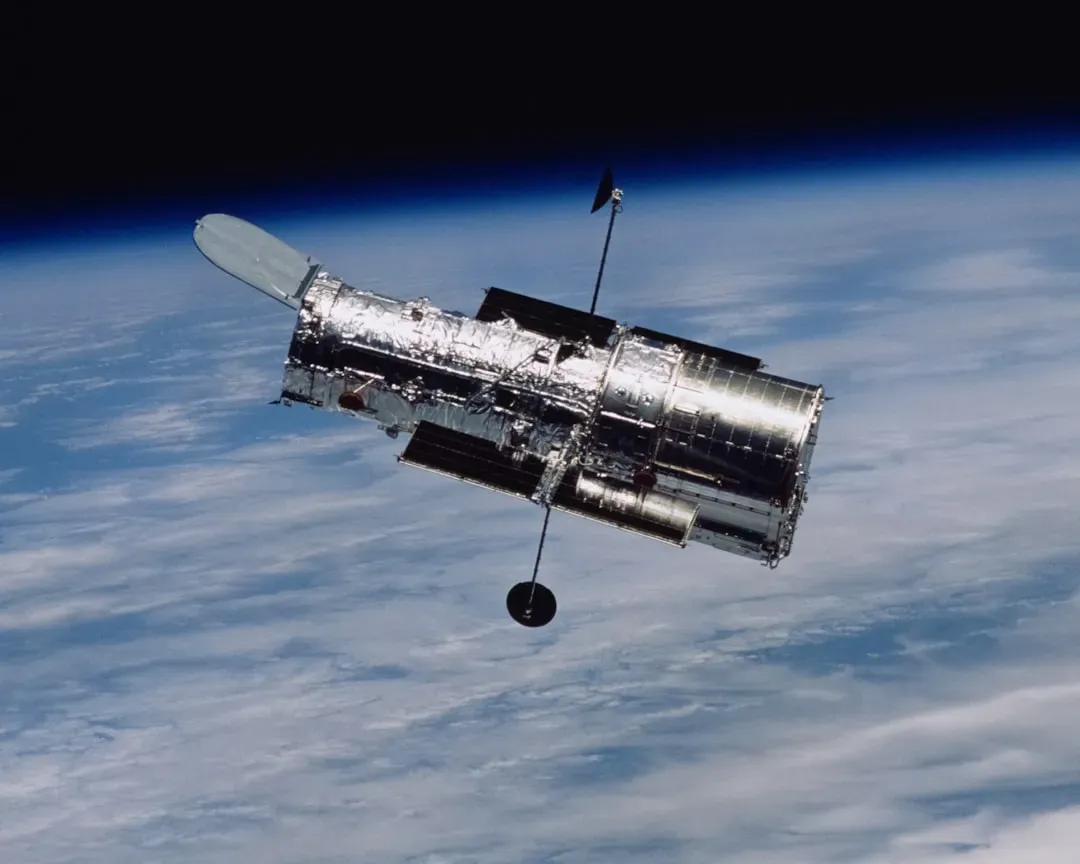
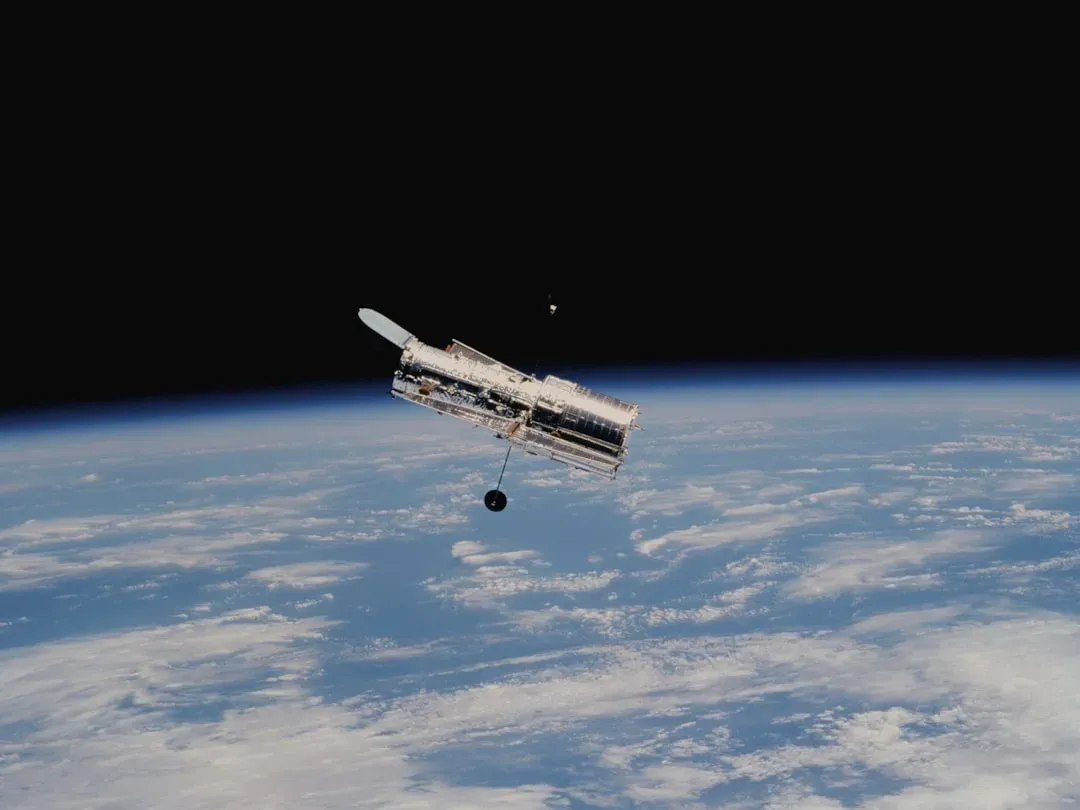
The story of the universe’s first stars is still unfolding, and the next decade of observations and theory promises to be intense. JWST has opened the door, but upcoming missions and facilities will kick it even wider. Planned observatories in the mid-infrared and far-infrared will be able to peer deeper into dusty early galaxies, clarifying how star formation proceeded in those extreme environments. On the ground, giant telescopes with mirrors many tens of meters across will resolve fainter galaxies and measure their spectra with unprecedented precision. These tools will let astronomers test whether the most distant galaxies truly require hyper-massive stars, or whether there are subtler explanations hiding in the details.
At the same time, radio arrays are gearing up to map the so-called cosmic dawn by tracking the whisper of neutral hydrogen across the sky. Those measurements can reveal when the first stars and black holes heated and ionized the universe, putting hard constraints on their properties. Theoretical work will continue in parallel, with simulations running on exascale supercomputers that can model vast cosmic volumes at fine resolution. Challenges remain, from modeling complex radiation physics to bridging the gap between tiny star-forming clouds and galaxy-wide processes. But the payoff is huge: a coherent, testable picture of how the first lights in the cosmos turned on and shaped everything that followed.
How You Can Stay Connected to the First Stars Story
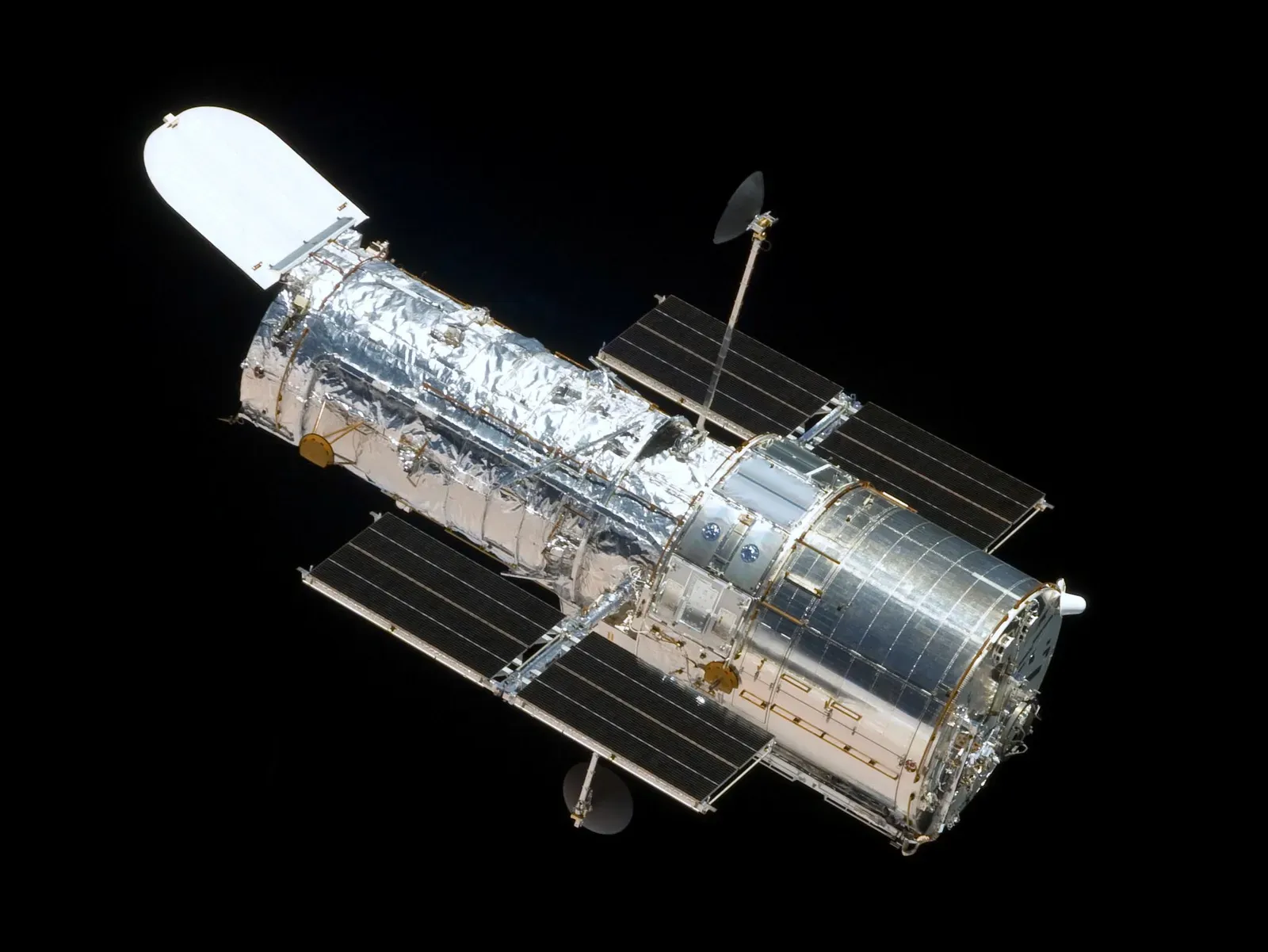
Most of us will never sit at a control desk commanding a space telescope, but there are still meaningful ways to plug into this unfolding cosmic detective story. One simple step is to follow mission updates and data releases from observatories like JWST, along with upcoming telescopes on the ground and in space. Many teams now share images, charts, and plain-language explanations that make cutting-edge research surprisingly accessible. Public data archives also allow citizen scientists and curious enthusiasts to explore real observations, sometimes even helping to spot unusual objects that automated pipelines miss. Staying engaged with science news, podcasts, and outreach events keeps the narrative of the early universe alive and evolving in your daily life.
If you want to go a step further, you can support organizations that fund space missions, basic research, and science education. Local planetariums, science centers, and astronomy clubs often host talks from researchers working directly with early-universe data. Educational platforms provide free courses on cosmology and astrophysics, giving you the tools to understand new discoveries as they happen. Even small actions, like sharing clear explanations or correcting common misconceptions in your social circles, help build a culture that values deep, long-term curiosity. The first stars may be gone forever, but the quest to understand them is something anyone can choose to be part of.
Suhail Ahmed is a passionate digital professional and nature enthusiast with over 8 years of experience in content strategy, SEO, web development, and digital operations. Alongside his freelance journey, Suhail actively contributes to nature and wildlife platforms like Discover Wildlife, where he channels his curiosity for the planet into engaging, educational storytelling.
With a strong background in managing digital ecosystems — from ecommerce stores and WordPress websites to social media and automation — Suhail merges technical precision with creative insight. His content reflects a rare balance: SEO-friendly yet deeply human, data-informed yet emotionally resonant.
Driven by a love for discovery and storytelling, Suhail believes in using digital platforms to amplify causes that matter — especially those protecting Earth’s biodiversity and inspiring sustainable living. Whether he’s managing online projects or crafting wildlife content, his goal remains the same: to inform, inspire, and leave a positive digital footprint.