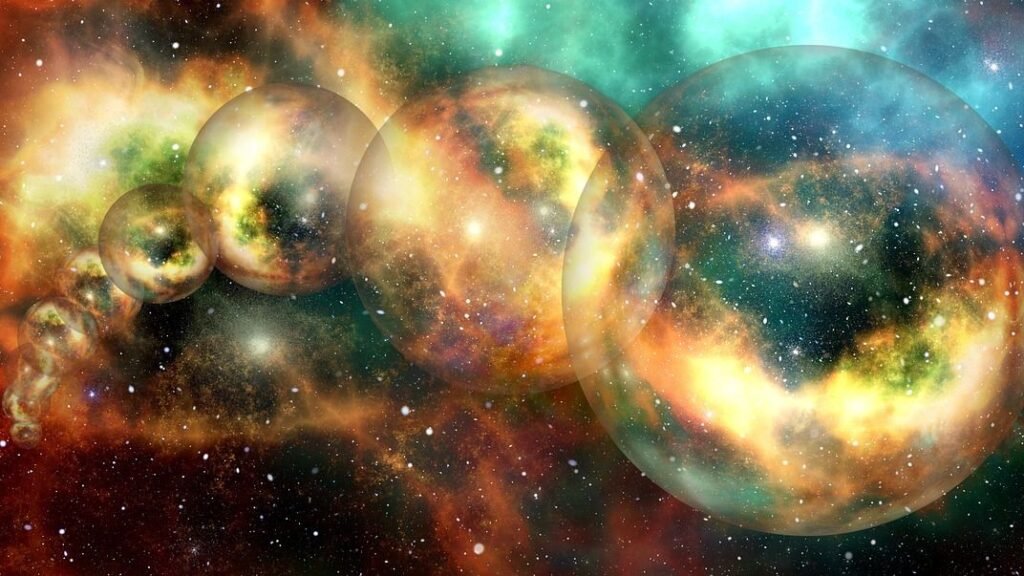

Imagine waking up one morning and realizing that everything you know – our galaxies, our physics, even our idea of reality – might just be one tiny fragment of something far bigger. That’s the unsettling, thrilling idea behind the multiverse: the possibility that our universe is only one bubble in an endless cosmic foam. It sounds like science fiction, but for the past few decades, some of the most serious cosmologists and physicists on the planet have taken it very seriously.
We still don’t know if the multiverse is real, and we might not have a clear answer for a very long time, if ever. But the reasons scientists even dare to talk about it are surprisingly solid: problems in cosmology, strange features of quantum mechanics, and the almost eerie way our universe seems fine‑tuned for life. Once you start following the threads, you end up somewhere wild: a picture of reality that’s bigger, stranger, and far less comforting than the tidy universe most of us grew up with.
The Shocking Idea: Our Universe Might Not Be Unique
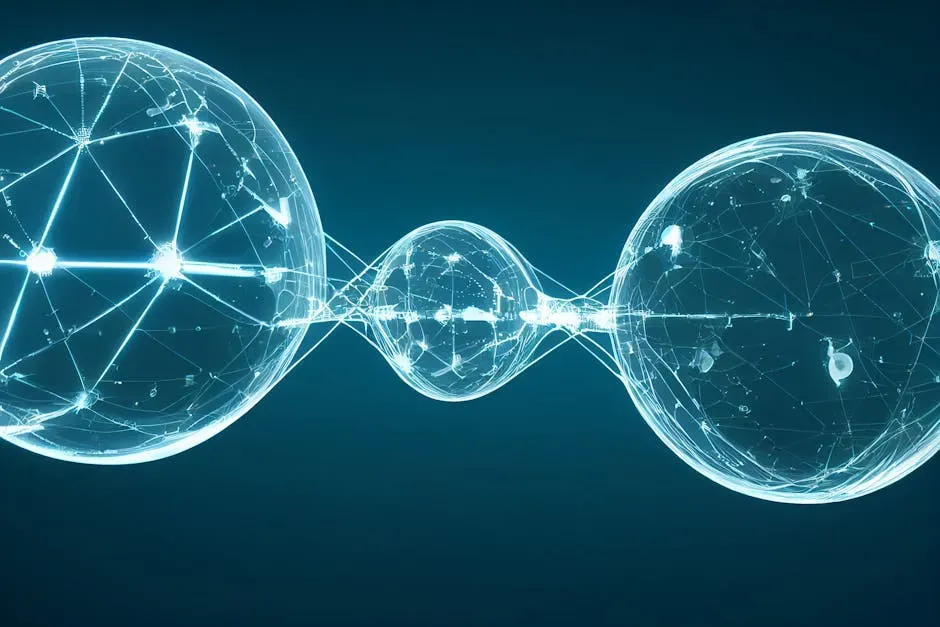
What if the phrase “the universe” is misleading, because there isn’t just one? That’s the core of the multiverse idea: instead of a single, all‑encompassing cosmos, reality might be made up of countless separate universes, each with its own version of space, time, and physical laws. Some of them might be lifeless, dark expanses where stars never form; others could be wildly chaotic, with gravity or electromagnetism set so differently that atoms can’t even hold together.
Our universe, in this view, is just one “pocket” in an unimaginably bigger reality. It doesn’t sit in empty nothingness; it’s one region inside a larger structure that might go on forever, like a tiny soap bubble among an endless sea of bubbles. To me, this is both freeing and slightly terrifying. It suggests that what we call “everything” might be more like “one example,” and that the true canvas of existence is so vast we can barely find the words to talk about it.
Cosmic Inflation: The Universe That Wouldn’t Stop Growing
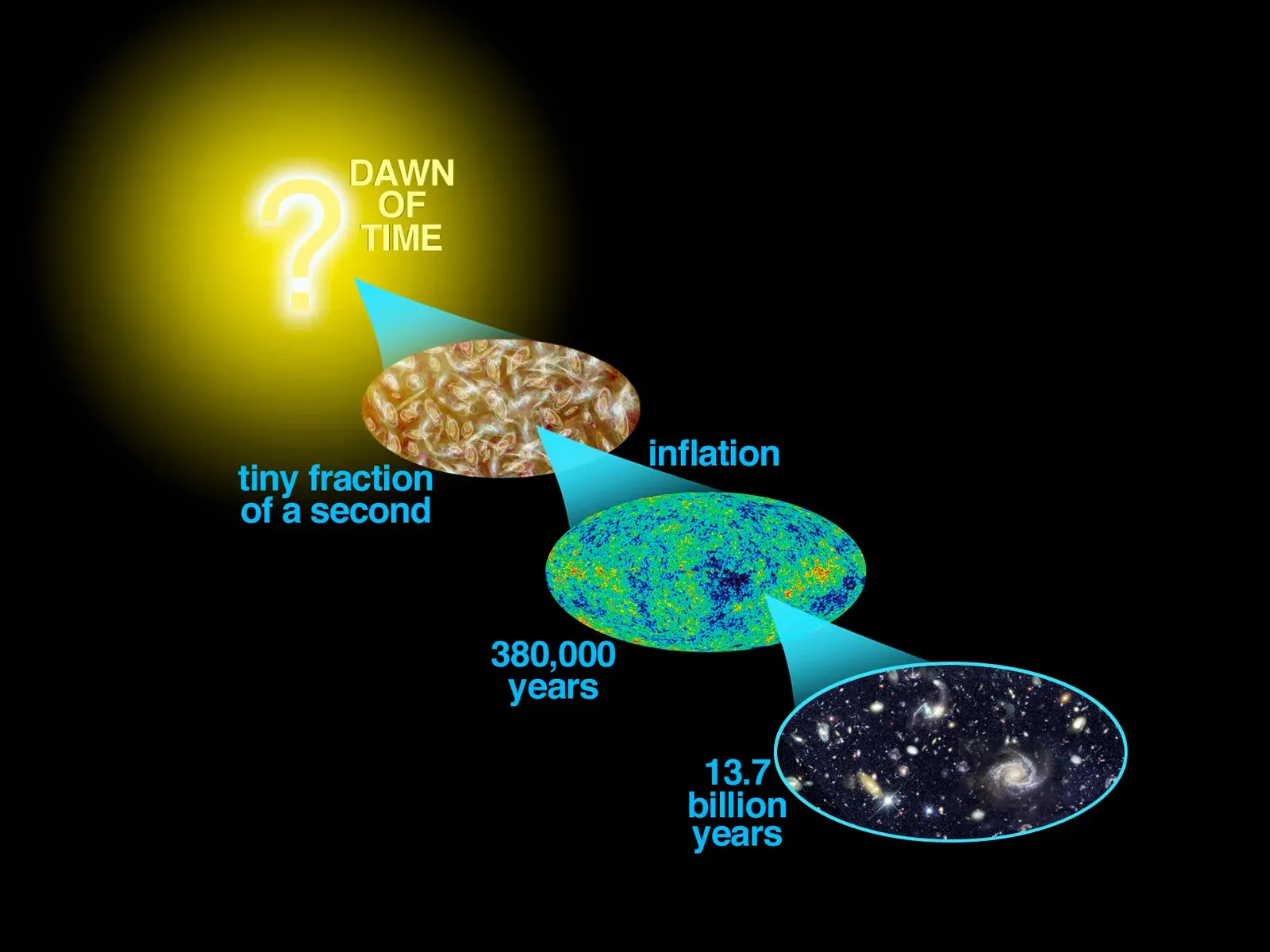
The multiverse first started sounding plausible when physicists tried to solve a very practical problem: why does our universe look so smooth and similar in every direction? To explain that, they proposed cosmic inflation, a burst of extremely rapid expansion a fraction of a second after the Big Bang. During this insanely fast growth, tiny quantum fluctuations were stretched across space, eventually becoming the seeds of galaxies. Inflation explains several puzzles in cosmology remarkably well and matches the patterns we see in the cosmic microwave background – the faint afterglow of the Big Bang.
But there’s a twist: many versions of inflation theory suggest it doesn’t stop everywhere at once. Instead, it might end in some regions while continuing in others, like popcorn kernels randomly popping in hot oil. Each region where inflation stops becomes a separate universe with its own Big Bang, while the larger inflating space keeps spawning more and more of these bubbles. This scenario, called eternal inflation, naturally leads to a multiverse: a never‑ending process of universe creation, where ours is simply one bubble that happened to form early enough for stars, planets, and eventually people to appear.
Bubble Universes: Islands of Reality in a Larger Sea
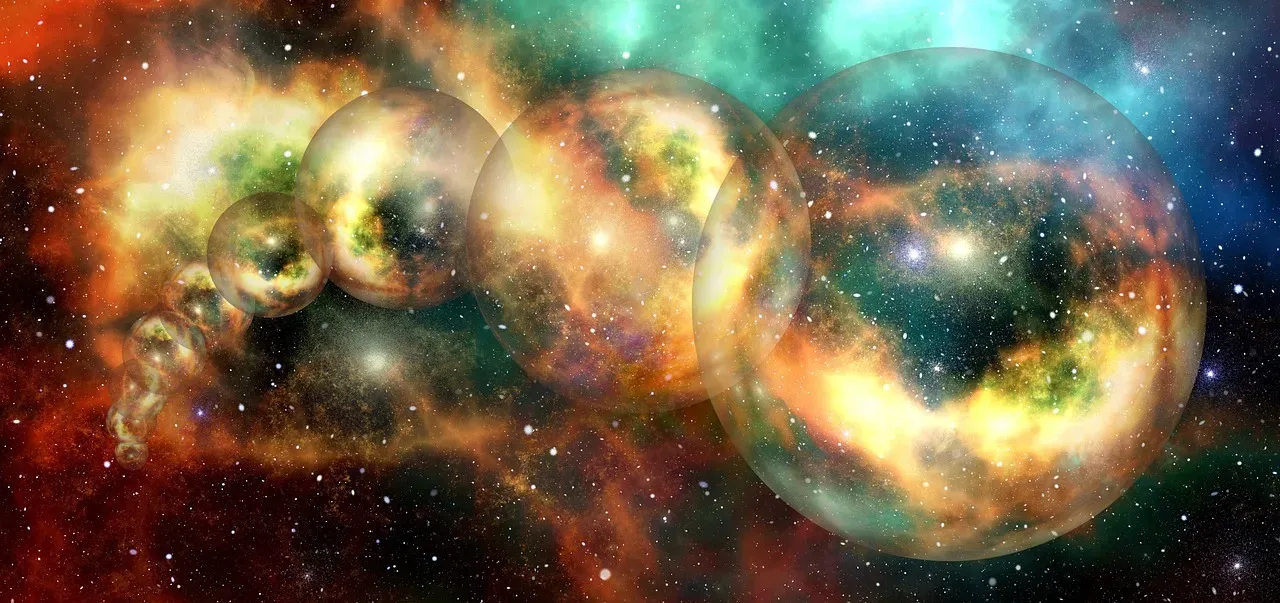
If inflation really is eternal, then you can picture reality as a kind of cosmic foam, with each bubble being its own universe. Inside our bubble, space expands, galaxies form, and physics behaves in the way we’re used to. Inside another bubble, things might be similar – or completely alien, with different constants of nature or even different numbers of dimensions. These bubbles are not sitting inside our space; they are separate regions of a larger inflating space‑time that we can’t directly access.
One unsettling implication is that bubble universes are probably forever out of reach. The space between them keeps expanding faster than light can travel, stretching any possibility of contact beyond hope. In principle, if two bubbles collided very early on, that impact might leave a subtle circular scar in the cosmic microwave background. Some scientists have searched for such signatures in the sky’s oldest light, but so far nothing has been clearly confirmed. Still, the bubble picture stubbornly remains one of the most natural consequences of our best inflation models, like it or not.
Quantum Mechanics and the Many‑Worlds Interpretation
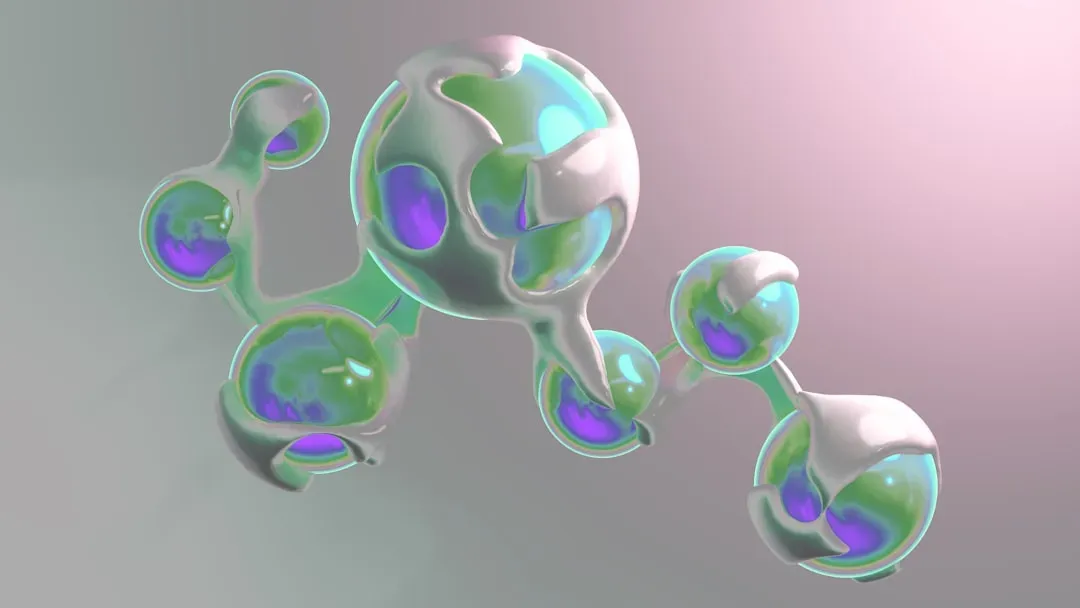
Even if you ignore cosmology, the idea of multiple universes sneaks in through quantum mechanics, the theory governing particles and atoms. At the quantum level, reality behaves less like a solid object and more like a cloud of possibilities. A particle doesn’t have a single definite position or state until it’s measured; instead, it’s described by a wave of probabilities. Traditionally, physics textbooks say the wave “collapses” when we measure it, leaving just one actual outcome that we observe.
The many‑worlds interpretation takes a bolder route: the wave never collapses. Instead, every possible outcome happens, each in its own branch of reality. When you measure a quantum system with two possible results, the universe supposedly “splits,” with a version of you seeing result A and another version seeing result B. In this view, the multiverse is not a cosmic foam of distant bubbles, but an ever‑branching tree of realities, all superimposed in a vast configuration space. It’s a deeply controversial interpretation, but it has one big advantage: it removes the need for a mysterious, special “collapse” rule in quantum theory.
String Theory Landscapes: A Huge Menu of Possible Universes

String theory, one of the leading candidates for a theory of everything, adds yet another layer to the multiverse story. In string theory, the basic building blocks of nature are tiny vibrating strings, and extra dimensions of space – beyond the familiar three – are curled up in complex shapes. The way these extra dimensions are folded determines the physical laws we see: particle types, forces, and fundamental constants. The surprising part is that there isn’t just one way to fold them; there may be a mind‑boggling number of stable configurations.
This collection of possible configurations is often called the string landscape. Each point in this landscape corresponds to a distinct universe with its own laws of physics, like an enormous menu of possible realities. Some estimates suggest there could be an immense number of such possibilities, far more than we could ever hope to explore in detail. If cosmic inflation can sample this landscape by creating bubble universes that land in different configurations, then a multiverse filled with diverse physical realities starts to look less like wild speculation and more like a natural consequence of the theory.
The Fine‑Tuning Puzzle: Why Our Universe Seems Just Right for Life
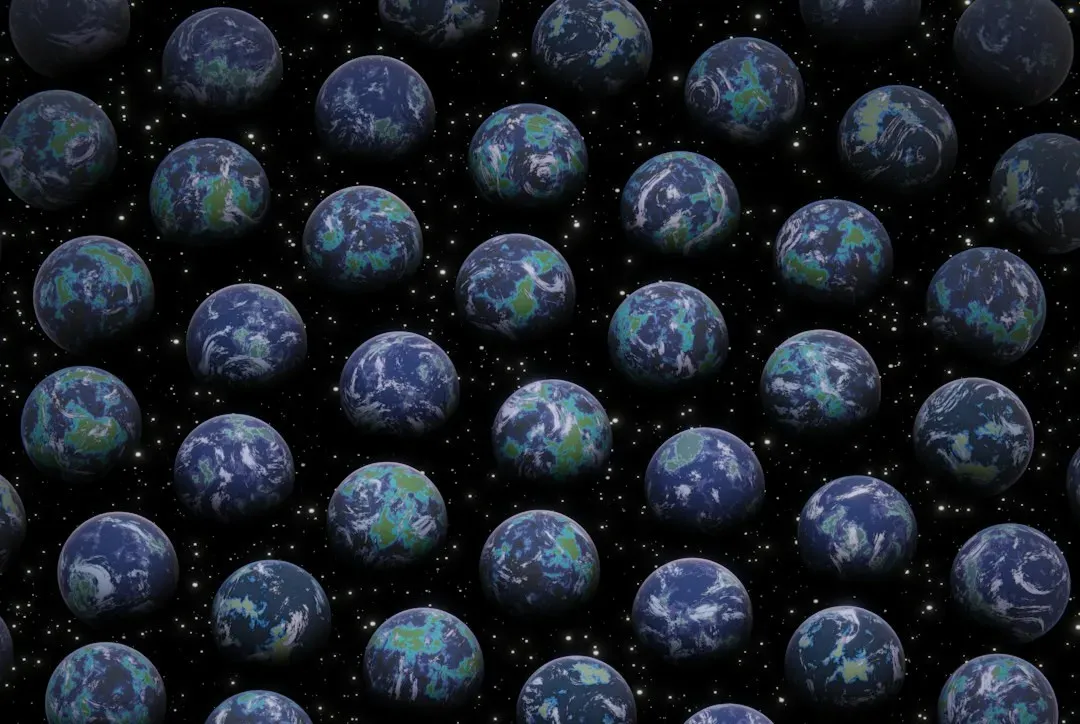
One of the most unsettling facts in modern physics is how delicately balanced our universe appears to be. Many of the fundamental constants – like the strength of gravity, the charge of the electron, or the amount of dark energy – sit in narrow ranges that allow atoms, stars, and stable structures to exist. Nudge some of these values even a little, and you get a universe where stars burn too fast, or never ignite, or where matter never clumps into galaxies at all. It’s as if someone rolled a huge set of cosmic dice and somehow landed on a combination that allows beings like us to wonder about it.
The multiverse offers a blunt, almost rude way to explain this: perhaps the dice were rolled not once, but unimaginably many times across different universes. In nearly all of them, conditions are dead and sterile. In a tiny fraction, the laws line up just right for complexity, chemistry, and life. Naturally, any observers will find themselves in that tiny fraction and be tempted to think the odds are mysterious, when in reality, they just happen to live in one of the rare universes where observers are even possible. This is the anthropic perspective – controversial, unsatisfying to many physicists, but hard to completely dismiss if a multiverse really exists.
Can We Ever Test the Multiverse Idea?
A huge challenge with the multiverse is that, by definition, other universes sit beyond what we can directly see. That makes some scientists deeply skeptical: if we can never observe them, is this even still physics, or just fancy philosophy dressed in equations? The standard demand in science is testability: a good theory should make predictions that can, at least in principle, be proven wrong. The multiverse often seems to dodge that requirement, hiding outside our observable horizon like a permanent mirage.
Still, there are a few possible avenues for testing related ideas. If our universe is part of an eternal inflation multiverse, the details of inflation should leave fingerprints in the cosmic microwave background, such as specific patterns in polarization or signs of those bubble collisions. So far, observations have put tight constraints on many inflation models, nudging theorists toward versions that sometimes favor a multiverse picture. Likewise, if future experiments rule out huge swaths of simpler theories and the remaining viable models almost all predict some kind of multiverse, that indirect support might be the closest thing to “evidence” we can hope for. It’s not a satisfying yes or no, but more like watching the walls close in on alternatives.
Levels of Multiverse: More Ways Reality Could Be Bigger
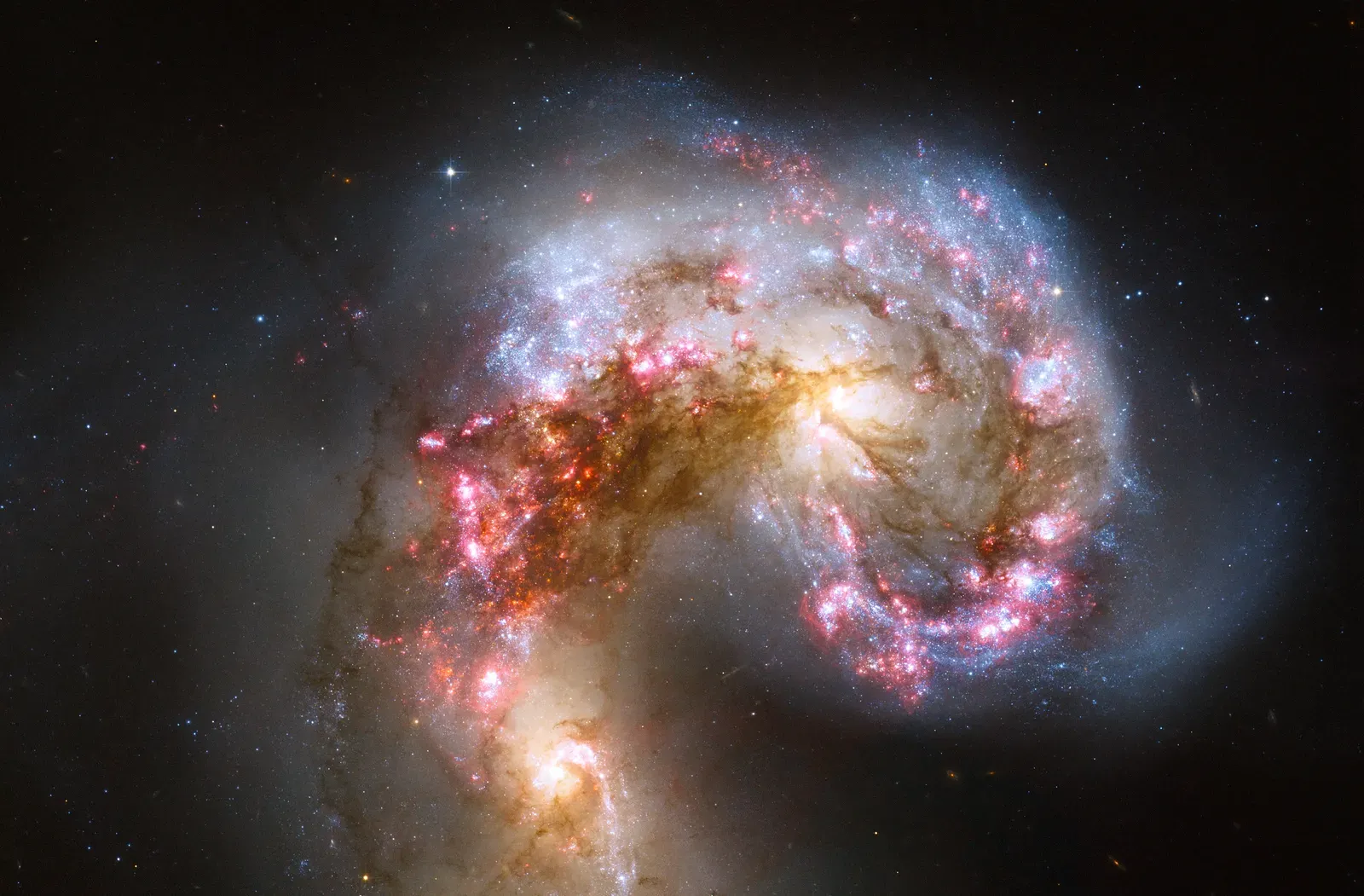
When people say “multiverse,” they often mean very different things. One way to organize the chaos is to talk about different “levels.” At one level, there may simply be regions of space beyond what we can see, with the same basic laws of physics but different initial conditions – galaxies arranged differently, stars born in other patterns, maybe even distant copies of us if space is infinite and matter arrangements repeat. At another level, there are those bubble universes from eternal inflation, where the underlying laws or constants might vary from one bubble to another.
Beyond that, quantum many‑worlds adds branching realities for every quantum event, and theoretical constructions like the string landscape multiply the possibilities even further. These aren’t necessarily competing ideas; they might stack on top of each other, like different layers of a wildly complicated cake. The more you think about it, the more the word “universe” starts to feel too small, like trying to describe an ocean by pointing at a single wave. And yet, for all that grand terminology, we still wake up in the same familiar cosmos every morning, dealing with coffee, emails, and traffic lights.
What the Multiverse Would Mean for Free Will and Identity

If the multiverse is real, it doesn’t just reshape physics textbooks; it pokes at our sense of self. In a quantum many‑worlds picture, every time you make a choice, the universe branches, and there’s a version of you who chose the other option. That raises uncomfortable questions: if every possible decision is realized somewhere, what does it mean to say “I” chose anything? Are you just one thread in a staggering tapestry of selves, each equally real from its own point of view? It’s hard not to feel a bit dizzy thinking about it.
On the other hand, your subjective experience is still anchored in this particular branch, this specific universe. You remember your past, not all the other possible pasts. From your vantage point, choices still matter, because you only live through one path. In some strange way, the multiverse could make your individual story feel both smaller and more precious at the same time: small, because you’re one of many possible versions; precious, because this exact sequence of moments, with these exact people and places, will never repeat in the same way again, even across an infinite sea of realities.
Why the Multiverse Both Fascinates and Frustrates Scientists
The multiverse sits in a strange place in modern physics: too compelling to ignore, too slippery to fully embrace. On one side, it naturally falls out of theories like eternal inflation and string landscapes, and it provides a stark, if unsentimental, explanation for fine‑tuning. On the other side, many researchers are uncomfortable with ideas that stretch or break the usual rules of testability. Some worry that leaning too hard on the multiverse could turn physics into a field where almost anything goes, because every outcome can be blamed on “some other universe.”
Yet the fascination persists, in part because the alternative may be accepting an almost miraculous level of coincidence in our universe’s properties. Personally, I find the whole debate oddly emotional for a supposedly cold, rational field. Beneath the equations is a very human concern: do we live in a cosmos that is, in some sense, meant to be this way, or are we just in one lucky bubble out of countless tries? The multiverse does not answer that question cleanly, but it forces us to stare it in the face instead of quietly sweeping it under the cosmic rug.
Conclusion: Living Small in an Immense Possible Reality
Whether the multiverse exists or not, the fact that serious scientists are even considering it tells you how far our picture of reality has stretched in the last half‑century. From inflation and quantum mechanics to string landscapes and fine‑tuning puzzles, multiple lines of thought keep nudging us toward a view where our universe is not the whole story, just one chapter in an unreadably long book. It’s a humbling thought, and maybe a slightly lonely one, to imagine that even our entire visible cosmos could be just a local neighborhood in something far grander and stranger.
At the same time, nothing about the multiverse changes the immediacy of our lives here: the people we care about, the choices we make, the meaning we carve out in this particular corner of reality. If anything, the possibility of countless other universes can sharpen our appreciation of this one, like realizing you’ve been handed a single, irreproducible edition of a story that could have been written a million different ways. In a reality that might be bigger than we can ever prove or even fully describe, what will you do with the one universe you actually get to experience?