
If you could press pause on the cosmos and watch it in slow motion, you’d see something almost unsettling: everything is drifting away from everything else. Not because galaxies are flying through space like bullets, but because space itself is stretching, quietly and relentlessly. That one fact – the expansion of the universe – is one of the strangest and most important discoveries humans have ever made.
It changes how we think about our past, our future, and even our place in the cosmos. It raises questions that are both scientific and deeply personal: Where did all of this come from? How long will it last? Does everything end in ice, fire, or something even weirder? Once you see the universe as a living, evolving thing, it’s very hard to go back to thinking of the night sky as just a pretty backdrop.
How We Discovered the Expanding Universe
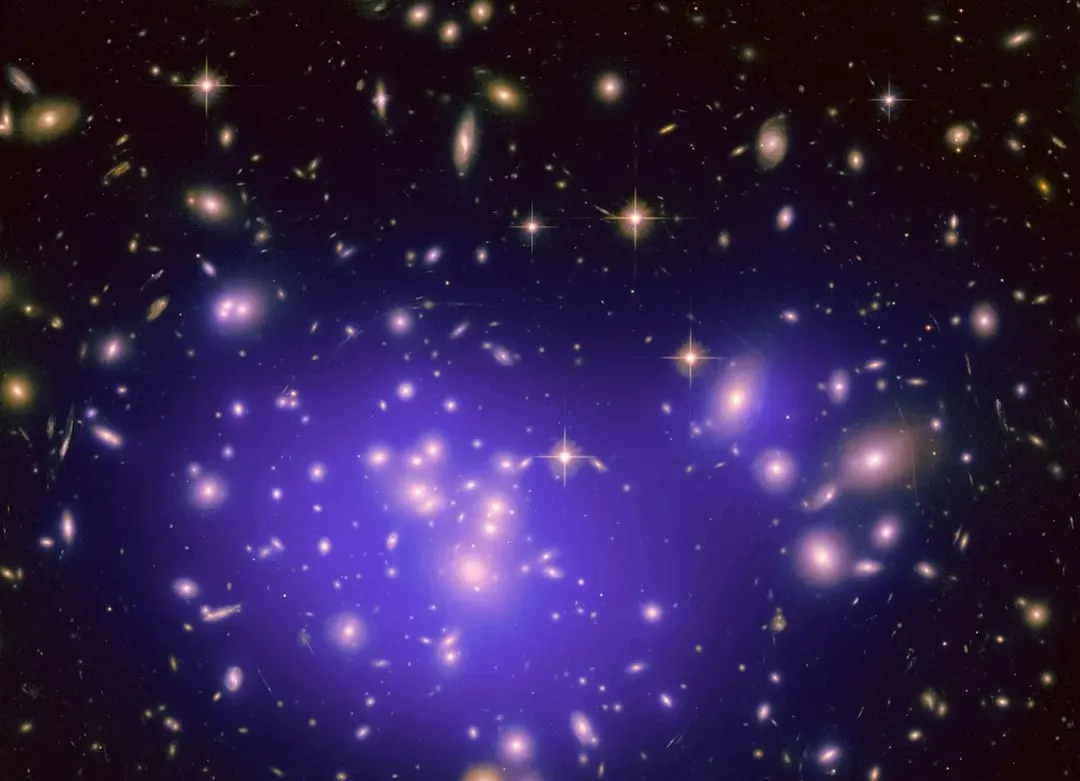
Imagine looking up at the night sky and realizing every galaxy is slowly backing away from you. That’s essentially what astronomers found in the twentieth century when they measured how light from distant galaxies was stretched, a bit like the sound of a siren dropping in pitch as it passes by. The light was shifted toward the red end of the spectrum, which meant the galaxies weren’t just sitting there – the space between us and them was growing. That was a shocking idea at the time, because people had assumed the universe was static and eternal.
Before that discovery, the universe felt like a fixed stage where cosmic events played out but the stage itself didn’t change. The realization that space is expanding flipped that on its head: the universe was not only changing, it had a dynamic history and a future. Suddenly, questions like “How did it start?” and “Will it end?” became scientific questions instead of just philosophical ones. It’s a bit like discovering that the house you live in is quietly, slowly growing new rooms you’ll never get to see.
What Expansion Actually Means (And What It Doesn’t)
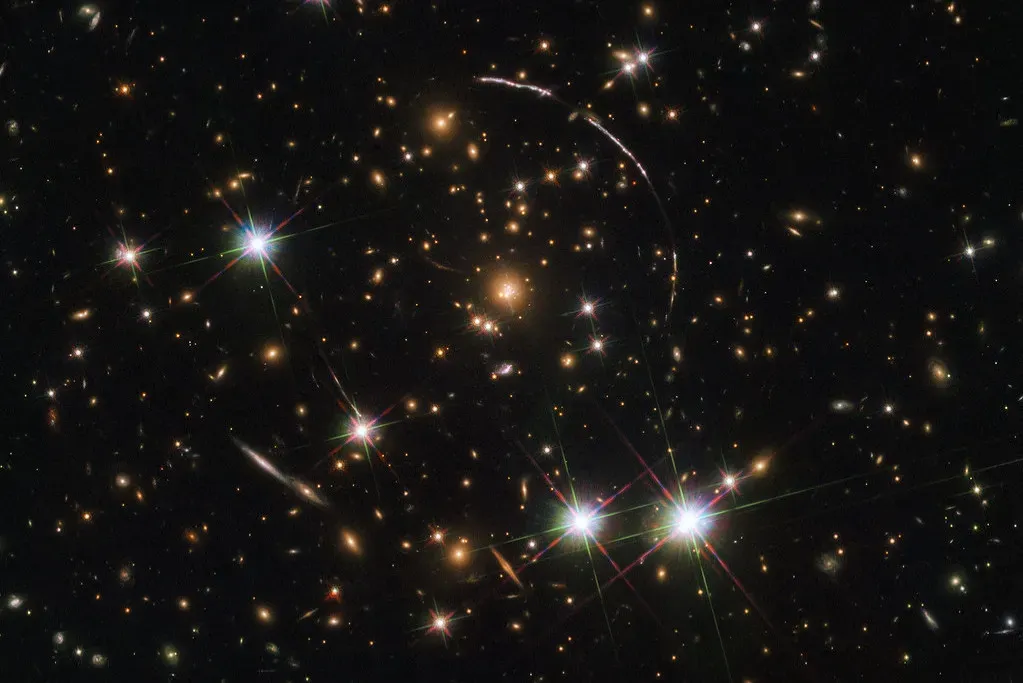
When people hear that the universe is expanding, they often picture galaxies flying away through empty space, like shrapnel from an explosion. But that’s not quite right. The galaxies are mostly staying where they are, gravitationally bound in their own neighborhoods; it’s the fabric of space between galaxy clusters that is stretching. A better mental image is dots on the surface of a balloon: as the balloon inflates, the dots move apart even though they aren’t crawling across the surface.
This also means there is no special center of the universe where the expansion started. From any galaxy’s point of view, everything else seems to be moving away, which is exactly what we see from our own. On human scales, or even Solar System scales, the expansion is so tiny it’s completely irrelevant; gravity, electromagnetism, and other forces dominate. Your coffee cup isn’t getting farther from your laptop because of cosmic expansion. So in a strange way, the universe is both wildly dynamic on the largest scales and totally calm and stable down here in our everyday world.
Will Galaxies Eventually Drift Out of Sight?
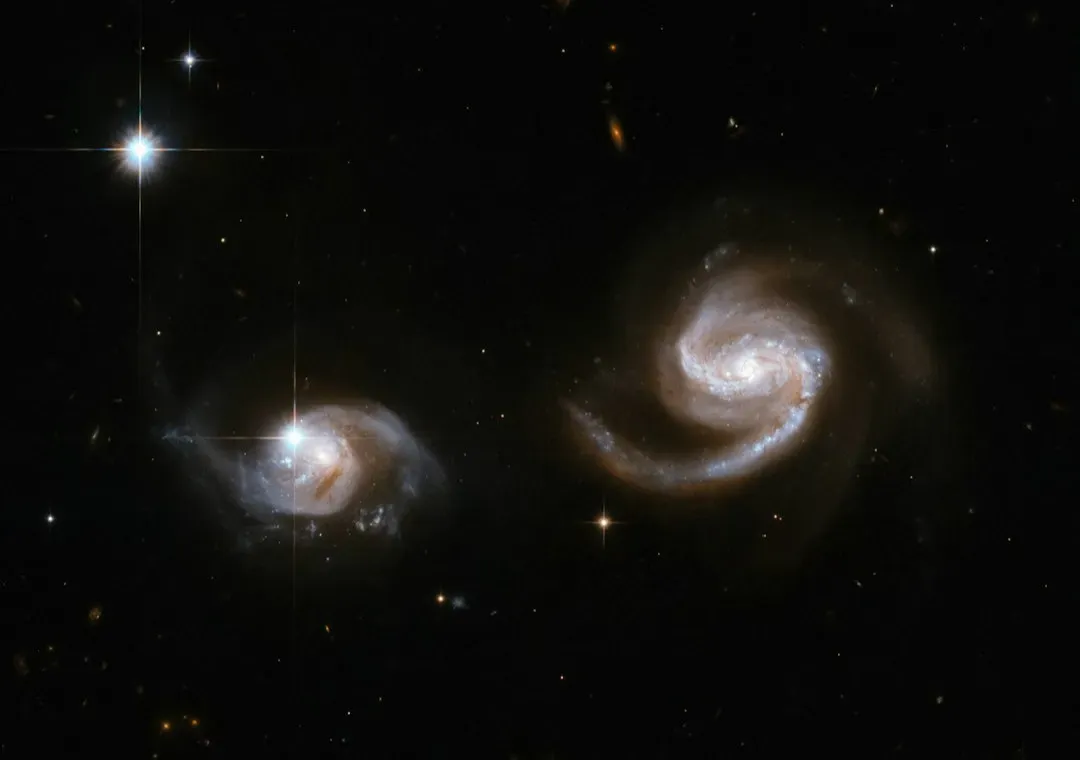
One of the most unsettling consequences of expansion is that some galaxies are already receding from us faster than light, not because they are breaking any rules, but because the space between us and them is expanding so fast. Over incredibly long timescales, more and more distant galaxies will slip beyond what we can see or ever reach, like ship lights vanishing below the horizon. Our observable universe is not a fixed volume; it’s a region that slowly loses members as the expansion accelerates.
For future astronomers, this changes everything. Fast forward many trillions of years and the night sky, at least from our galaxy’s perspective, could look empty of all but the galaxies that are gravitationally bound together with us. The cosmic clues we currently use to figure out that the universe is expanding – like the glow of ancient radiation and the recession of distant galaxies – might be completely inaccessible to distant future civilizations. They could look out and mistakenly conclude the universe is static, while the real history is lost beyond their cosmic horizon.
The Role of Dark Energy in Our Cosmic Future
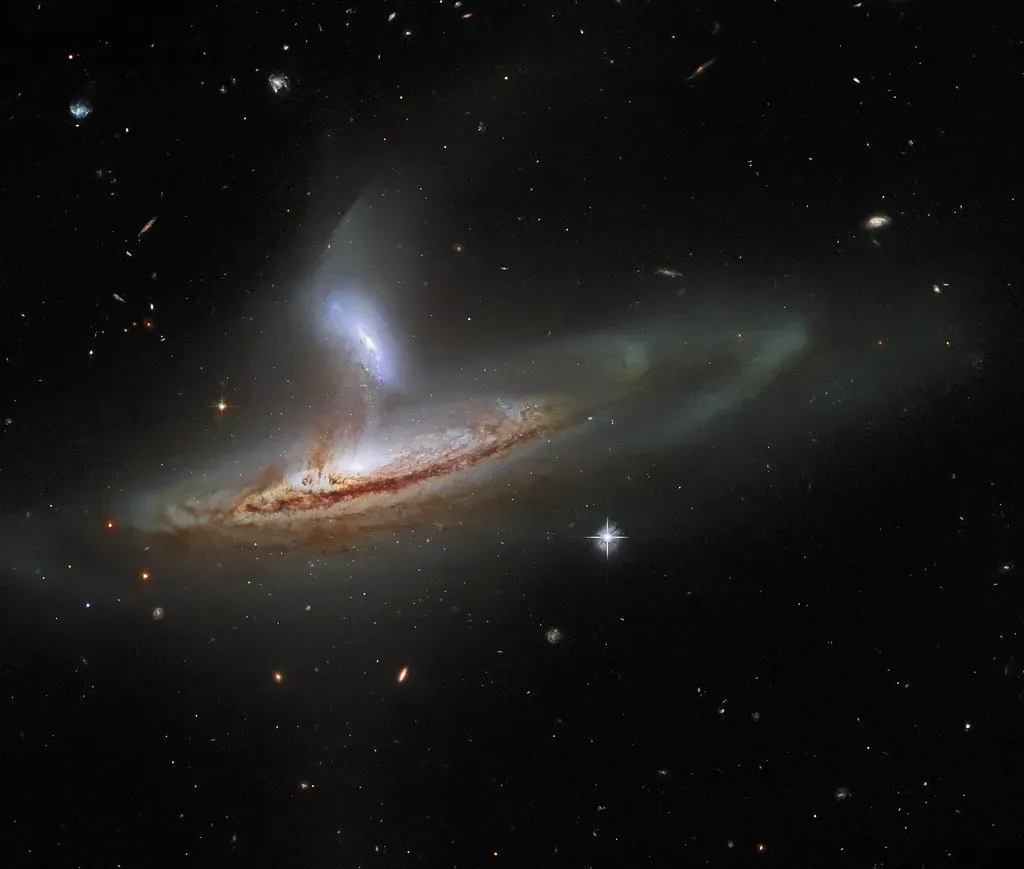
What really twists the plot is that the expansion isn’t just continuing; it’s speeding up. That acceleration is attributed to something we call dark energy, a mysterious form of energy that seems to be built into the fabric of space itself. The more space there is, the more dark energy, which in turn drives even faster expansion. It’s like having an engine that gets stronger the more it runs, and we’re riding inside the car without knowing where the road ends.
Right now, dark energy appears to behave in a relatively steady way, making the universe’s expansion accelerate smoothly. But the details matter, and we still don’t fully understand them. Slight differences in how dark energy behaves could mean very different futures: a slow, gentle stretching forever, a sudden catastrophic tearing apart, or something stranger. The uncomfortable truth is that our entire cosmic fate might hinge on the behavior of something we can’t yet see or directly touch.
The Big Freeze, Heat Death, and Other Possible Endings
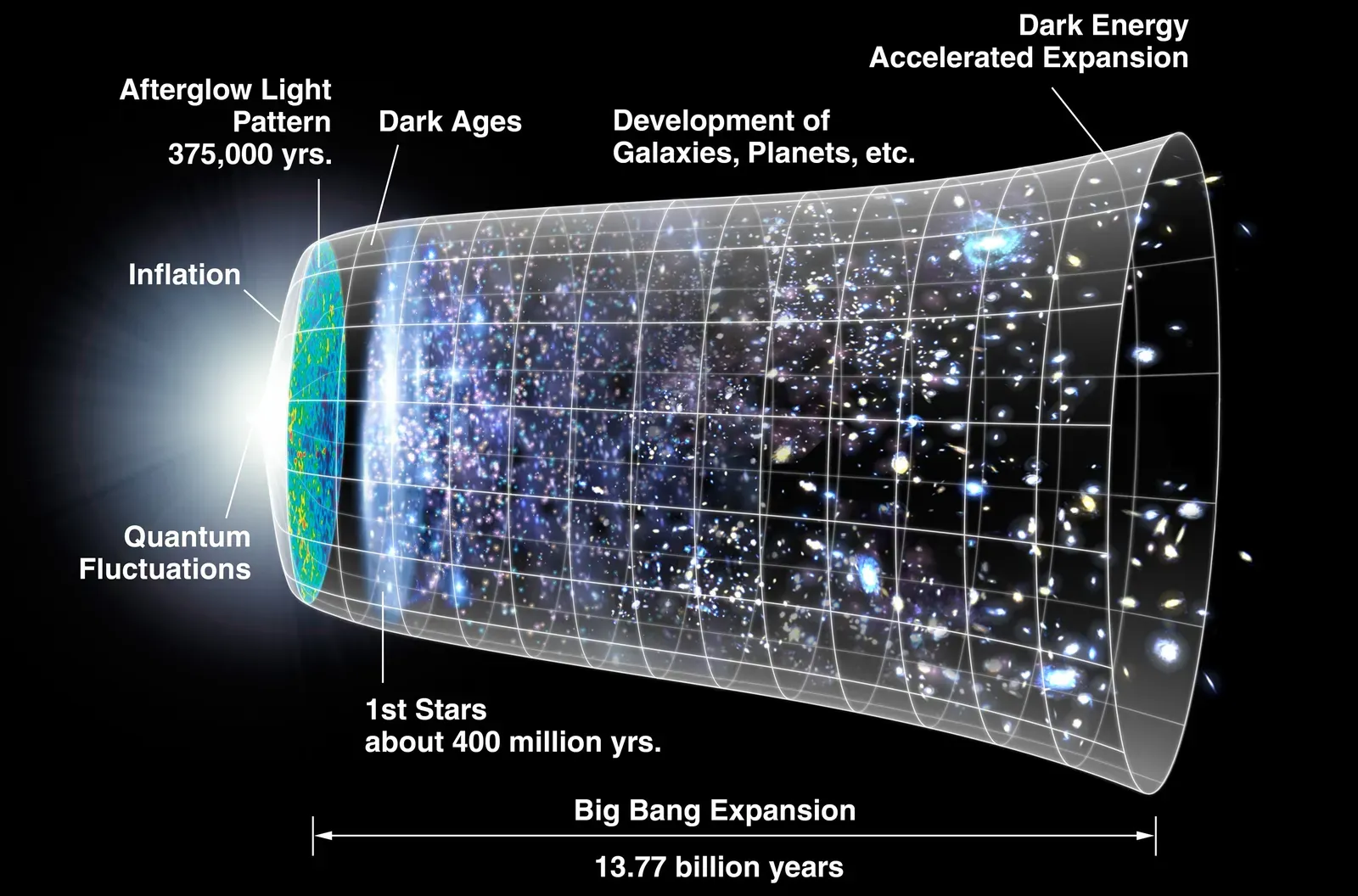
If the expansion keeps accelerating as it seems to be now, the most widely discussed outcome is sometimes called the Big Freeze or heat death. In that scenario, galaxies burn through their last stars over unimaginable timescales, and new stars stop forming because gas is used up or locked away. The universe becomes a thin, cold, dark sea of dead stars, black holes, and stray particles. Energy differences even out so much that nothing much happens anymore; the cosmos becomes a very big, very boring place.
Other possibilities exist, though they currently look less likely based on what we know. There is the Big Crunch idea, where expansion could one day slow, stop, and reverse, leading everything to collapse back into a hot, dense state. There’s also the dramatic Big Rip scenario, where dark energy grows stronger over time and eventually tears apart galaxies, stars, planets, and even atoms. Right now, the data leans toward a slow fading rather than a violent ending, but our certainty is far from absolute. The future of everything we know hangs on a handful of numbers that we’re still trying to measure better.
What Expansion Means for Life, Civilizations, and Travel
On human timescales, the expansion of the universe doesn’t threaten us in any immediate, practical way. Our biggest problems are local: our climate, our resources, our politics, and maybe, on larger scales, the long-term stability of our own Solar System. Still, if you zoom out far enough, expansion acts like an invisible deadline for how connected the universe can remain. Over trillions of years, fewer galaxies are reachable, fewer stars will shine, and the pool of available energy for advanced civilizations shrinks.
Some scientists and thinkers have even wondered if extremely advanced civilizations, far beyond anything we can imagine, might eventually feel compelled to grab as much matter and energy as possible before it drifts out of reach. Cosmic expansion turns the universe into a kind of resource race against time, where the finish line keeps moving away. Whether or not that ever happens, the idea itself is unsettling and oddly motivating: the universe is telling us, loudly and clearly, that wasting time is not a good long-term strategy.
Why an Expanding Universe Changes How We See Ourselves
For me, the most powerful thing about living in an expanding universe isn’t the numbers or the equations; it’s the story it tells about change. The sky above you tonight is not a static painting but a time machine, showing you galaxies as they were when the universe was younger and denser. Everything that exists today – stars, planets, people, even your own body – is part of an evolving cosmic drama that began in an unimaginably hot, tiny state and has been unfolding ever since. You are literally made of atoms forged in stars that only formed because the universe had time and space to grow.
That perspective can be strangely comforting. The fact that the universe is expanding and will one day fade does not make our lives meaningless; if anything, it makes them more precious. Meaning is something we create here and now, on this tiny, temporary island of warmth in a vast, cooling ocean. We are a very small part of a very big story, but we are a real part of it, and that matters.
Living Well in a Growing Universe
Our expanding universe tells us that nothing stays the same forever, not galaxies, not stars, not even the fundamental shape of reality on the largest scales. Space is stretching, distant galaxies are slipping away, and the far future looks cold and quiet. Yet inside that grand, sobering picture, we find a brief, bright window in which stars still burn, planets still form, and conscious beings can look up and wonder how it all works. We just happen to be alive during the rare era when the universe is both old enough to be interesting and young enough to still be visible.
In the end, what expansion really means for our future is that time and opportunity are not infinite, even on cosmic scales. We have a limited era in which the universe is rich in energy, structure, and possibility. What we do with that time – whether we stay small and inward-looking or learn to cooperate, explore, and understand – is up to us. Knowing the sky is slowly slipping away, what kind of future feels worth reaching for?