
Look around your room for a second: the metal in your phone, the calcium in your bones, the gold in your jewelry, even the oxygen in your lungs. Nearly all of it was forged in places you will never visit, in explosions so violent they make nuclear bombs look like matches. It’s not just poetic to say you are made of stardust; it is literal, precise, nuclear physics.
What’s even more mind‑bending is that this cosmic alchemy is still happening right now. Somewhere in our galaxy, as you read this, a massive star is dying, its core collapsing, its outer layers detonating, and brand‑new elements are being hurled into space. Our universe is not a finished project; it’s a live laboratory that keeps cooking up new ingredients for planets, oceans, and life itself.
The Big Bang Made Only a Few Ingredients
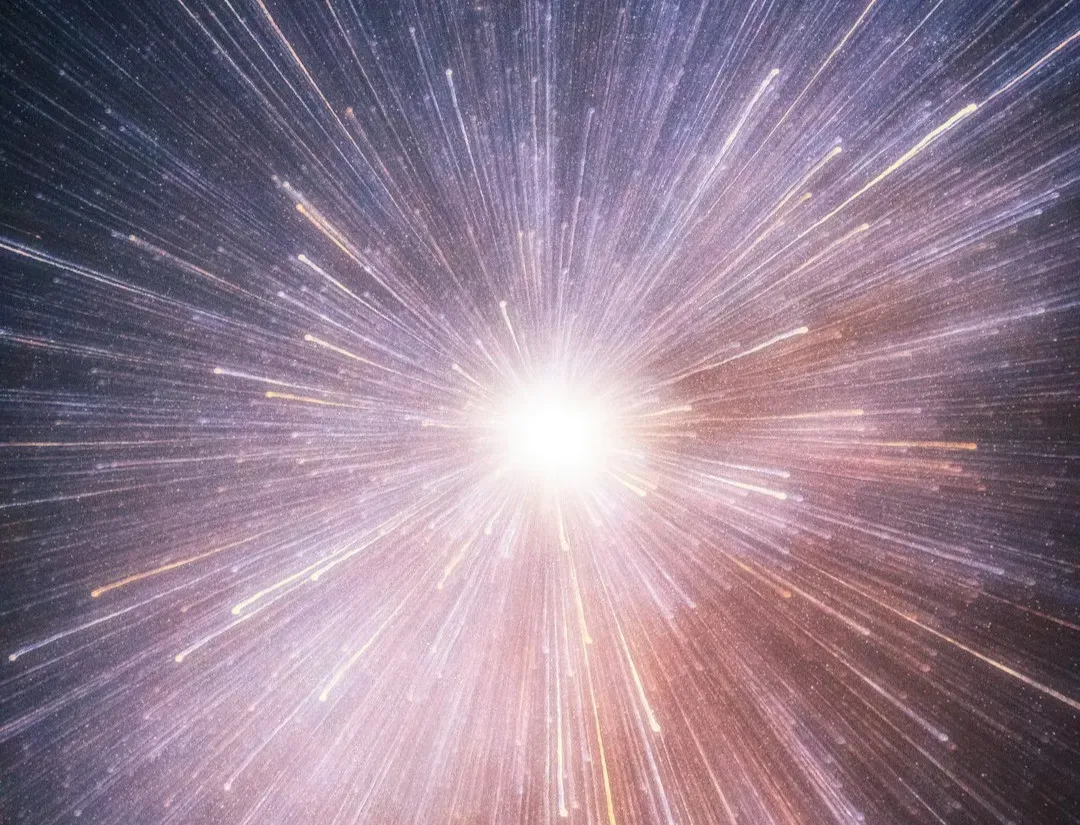
It’s tempting to imagine the Big Bang as a kind of instant universe generator that made everything in one go: stars, galaxies, elements, the whole package. But that’s not how it worked. In the first few minutes after the Big Bang, the universe was incredibly hot and dense, a wild soup of particles slamming into each other at absurd energies, and only the lightest elements could form and survive.
During that brief window, the cosmos managed to make mostly hydrogen, a good amount of helium, and just trace amounts of lithium and maybe a hint of beryllium. That’s it. No carbon for life, no oxygen for water, no iron for planets, no gold, no uranium, nothing you’d recognize as the stuff of worlds. If the universe had stopped evolving right there, it would be a vast, thin cloud of almost pure hydrogen and helium, elegant in a way, but completely lifeless and frankly pretty boring.
Stars Are Element Factories, Not Just Pretty Lights
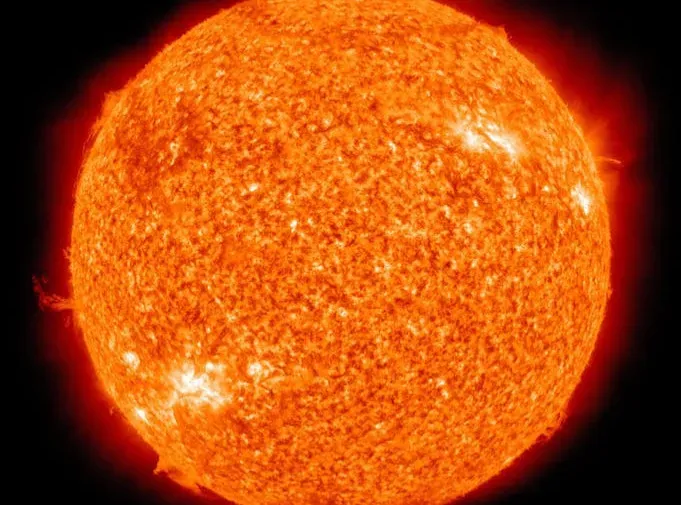
Once gravity started pulling those early clouds of hydrogen and helium together, the real magic began. As these clouds collapsed, their centers heated up until nuclear fusion could ignite, turning ordinary gas into blazing stars. Inside their cores, stars begin fusing hydrogen into helium, releasing light and heat, like cosmic power plants operating at temperatures a million times higher than a blast furnace.
As stars age and run low on hydrogen, the more massive ones switch to burning helium into carbon and oxygen, and then work their way up the periodic table to neon, silicon, and eventually iron. Each new fuel phase is like unlocking a deeper level in a game, with more intense conditions and shorter timescales. But there’s a hard stop: once a star’s core fills with iron, fusion no longer gives energy; it costs it. At that point the star becomes unstable, and for the biggest stars, this is where the quiet factory turns into a bomb.
Supernovae: When Stars Die, New Elements Are Born
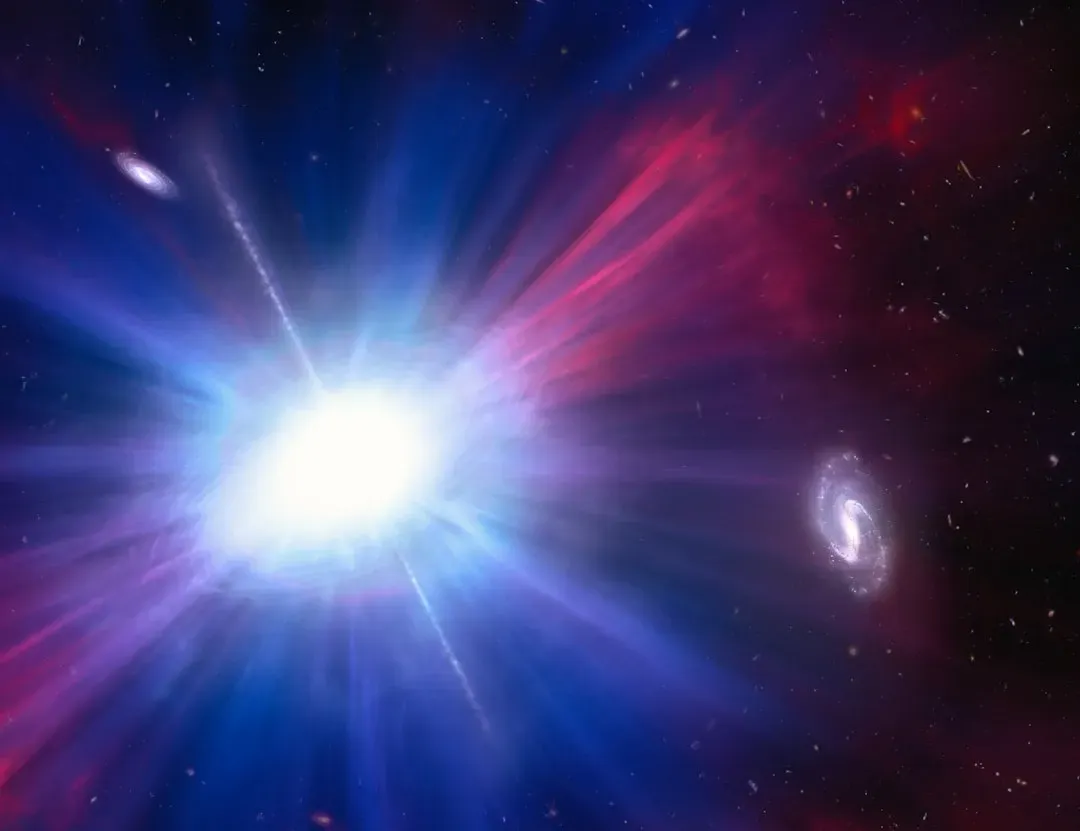
When a massive star’s core collapses, gravity wins in a sudden, catastrophic way. The iron core falls in on itself in less than a second, then rebounds in a shock wave so powerful it rips the star apart in a supernova. For a brief time, one single dying star can outshine an entire galaxy containing hundreds of billions of stars. It’s one of the most extreme events we know of, and it’s not just spectacle; it’s production.
In that violent explosion, temperatures and densities soar, and a storm of particles called neutrons blast through atomic nuclei. Existing elements get slammed with these neutrons, then decay into heavier elements, building up things like nickel, cobalt, and even some of the precious metals. The star’s outer layers, enriched with all the elements it made in life and in its final blast, are thrown out into space. Those ejected layers become raw material for the next generation of stars, planets, and eventually, things like us.
Neutron Star Mergers Forge the Heaviest Treasures
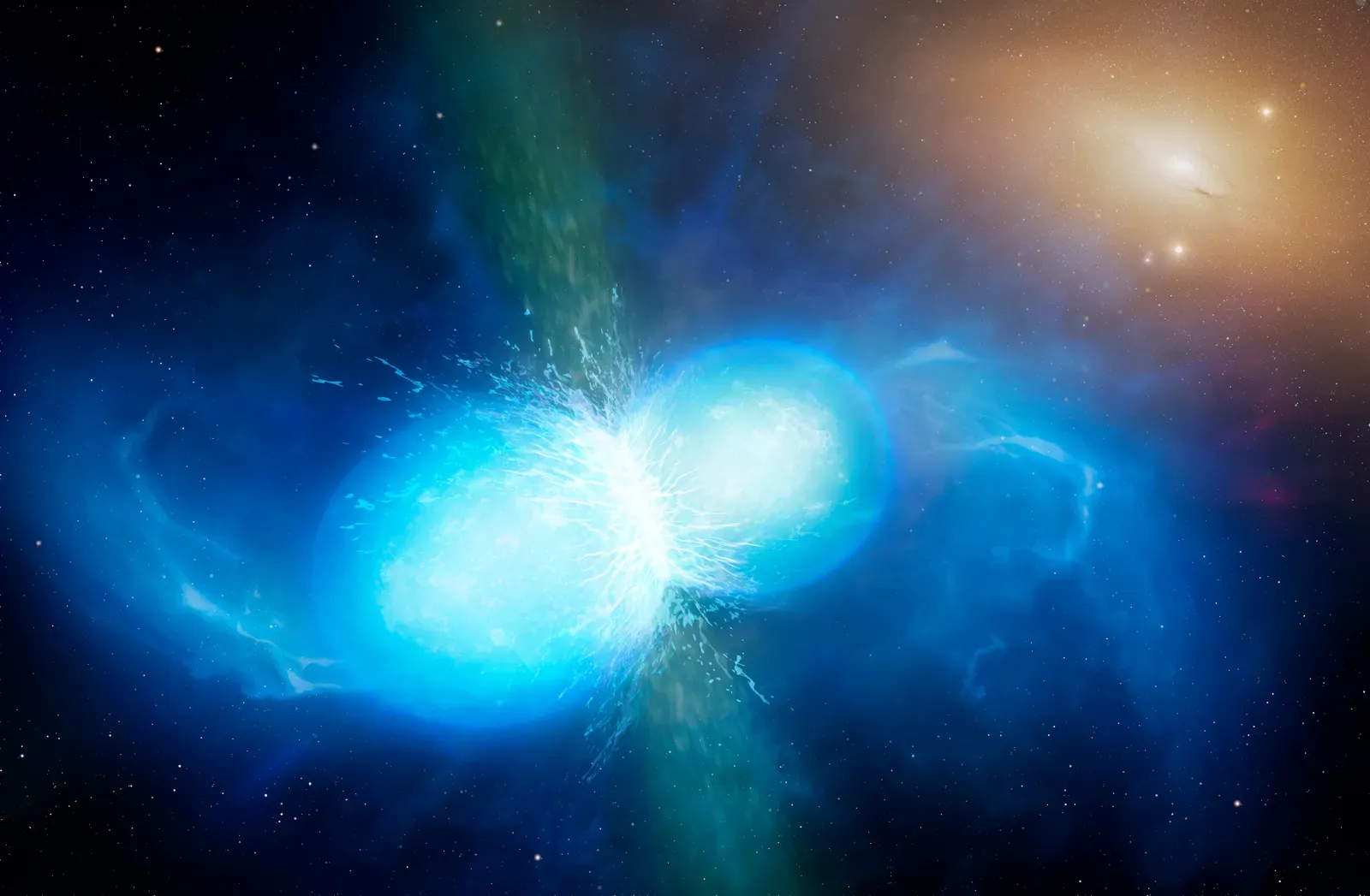
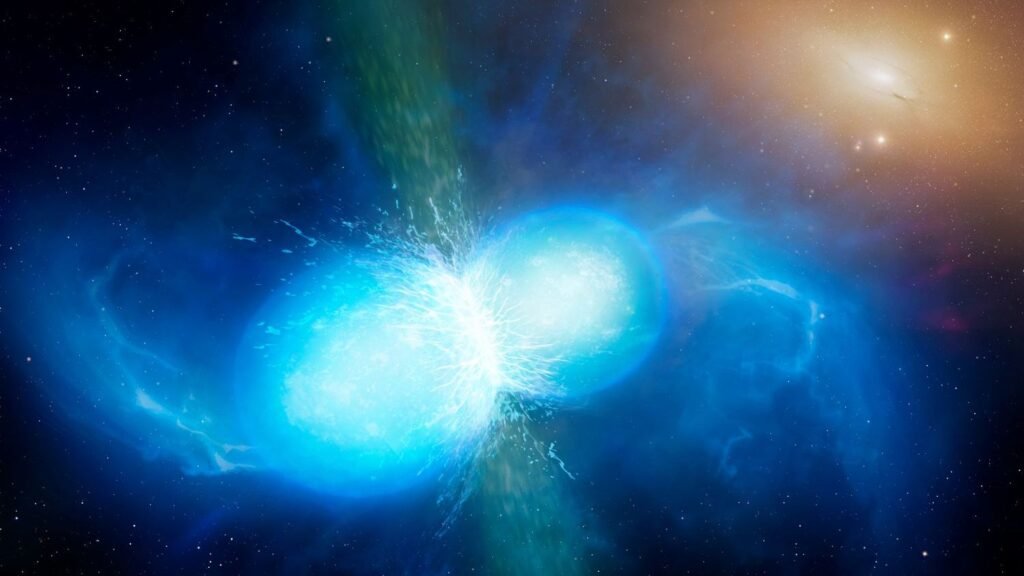
For many years, astronomers suspected that supernovae alone might not be enough to explain the universe’s inventory of the heaviest elements like gold, platinum, and uranium. The numbers just did not quite add up. Then, in 2017, telescopes around the world caught something extraordinary: two neutron stars spiraling into each other and colliding, while gravitational wave detectors recorded the ripples in spacetime from the crash. It was like getting audio and video of the same cosmic car accident.
That single event produced a staggering amount of heavy elements, including an estimated pile of gold and platinum that would dwarf anything humanity has ever mined. In these mergers, matter is squeezed into conditions so extreme that nuclei can grab neutrons incredibly fast, racing up the periodic table. These collisions may be responsible for a large fraction of the universe’s richest, heaviest ingredients, the ones that end up in wedding rings, electronics, and even medical treatments.
Our Solar System Was Built from Stellar Ashes
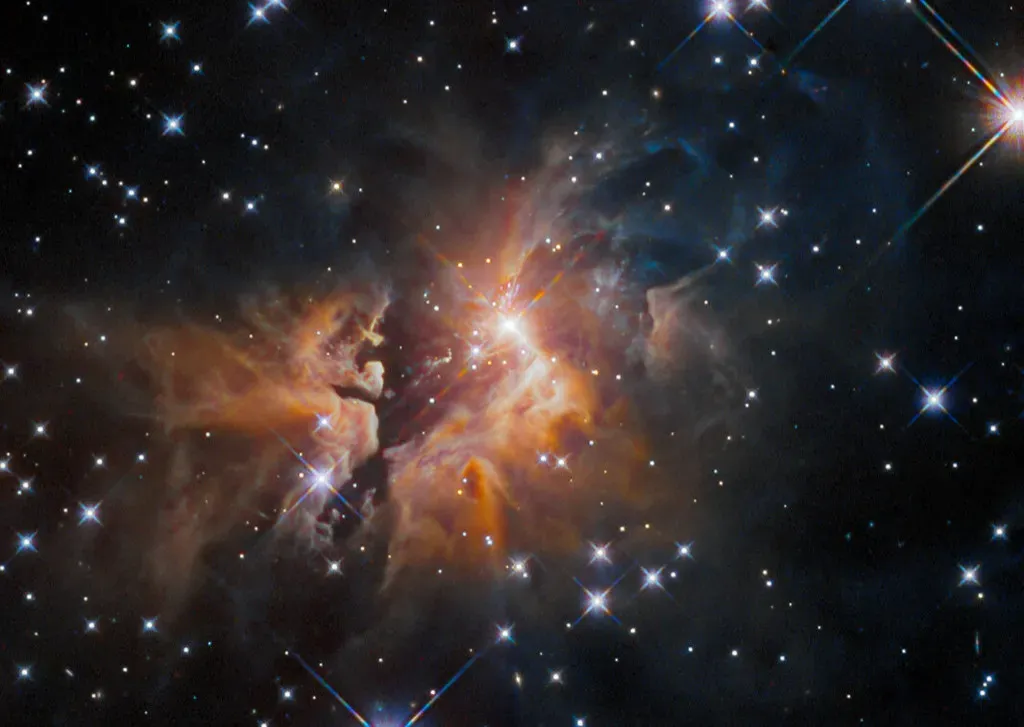
When you hear that we are made of stardust, it can sound like a poetic metaphor, but it’s literally a statement about recycling. Before our Sun was born, there were other stars here first, living, burning, and dying in this patch of the Milky Way. Some of them exploded as supernovae, others may have merged as neutron stars, and all of them sprayed their newly forged elements back into the galactic neighborhood, like cosmic factories dumping out their finished products.
Over time, this debris mixed into giant clouds of gas and dust. About four and a half billion years ago, one of those clouds collapsed to form our Sun, surrounded by a spinning disk of leftover material that clumped into planets, moons, asteroids, and comets. The iron in Earth’s core, the silicon in its rocks, the carbon in your DNA, and the phosphorus in your brain were all once inside long‑dead stars. I still find it a little wild to realize that when you hold a rock or take a breath, you’re literally touching the remains of ancient stellar explosions.
The Universe Is Still Making Elements Right Now
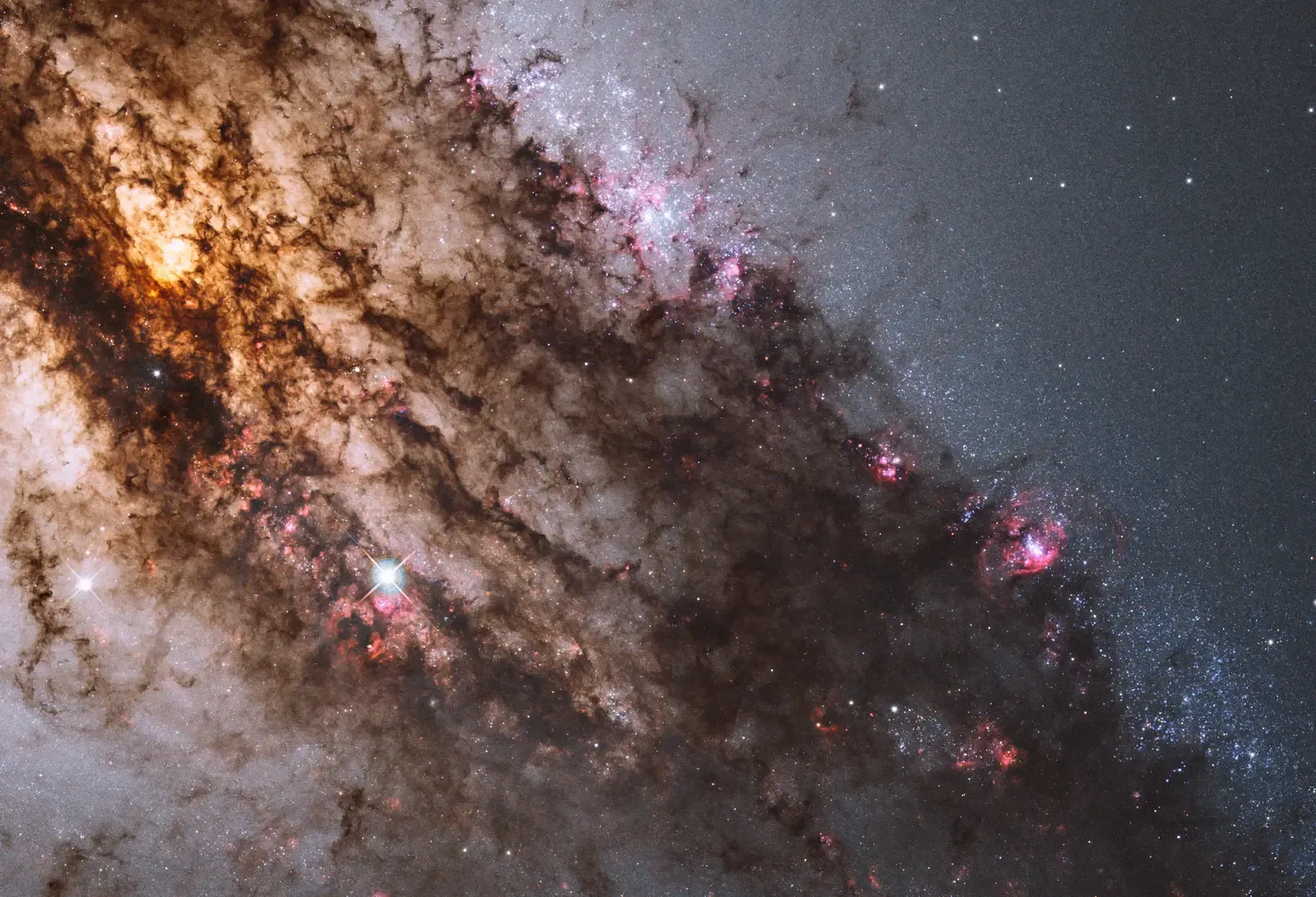
It’s easy to talk about all of this as if it were ancient history, something that happened long ago in a more dramatic universe. But the Milky Way is still very much alive. New stars are forming in giant, cold clouds that we can actually see in telescopes, often as dark, dramatic shapes silhouetted against bright backgrounds. Massive stars being born today will live fast, die young, and explode as supernovae within a few million years, constantly enriching their surroundings with freshly made elements.
Around us, astronomers are watching supernova remnants expand, studying neutron star mergers with gravitational wave observatories, and tracing the chemical fingerprints of elements in distant galaxies. When they analyze starlight, they’re effectively reading a bar code that tells them which elements are present. That bar code changes over cosmic time, showing how the universe has gradually become more chemically rich. The cosmos is not static; it’s slowly thickening its own recipe book, one explosion at a time.
We Can Read the Periodic Table as Cosmic History
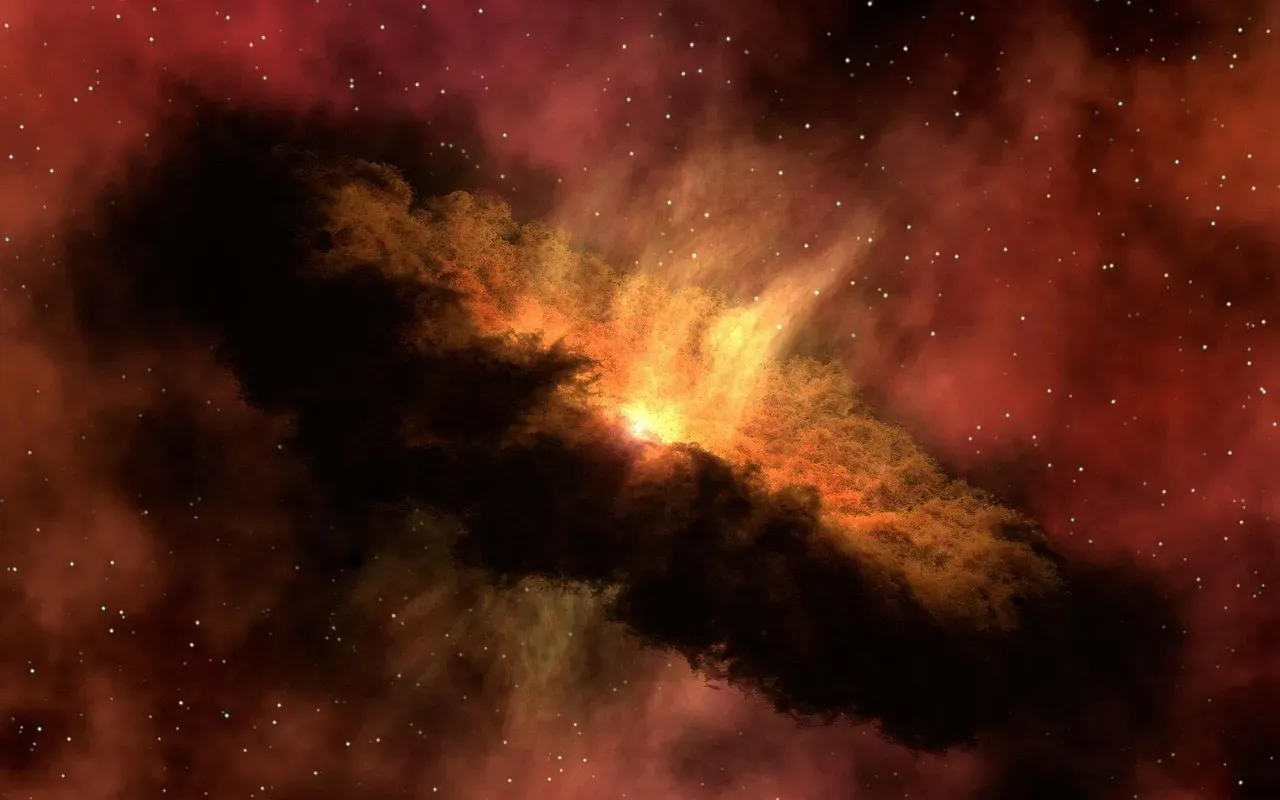
Once you know this story, the periodic table stops being just a classroom chart and starts feeling like a family tree. Hydrogen and helium whisper about the Big Bang. Carbon, nitrogen, and oxygen tell of long‑lived stars steadily fusing in their cores. Silicon, sulfur, and iron carry the mark of massive stars and their fiery deaths. The very heavy elements point to the most extreme events, like neutron star collisions and perhaps rare, exotic types of supernovae.
Astrophysicists now use detailed computer models and observations to match specific elements to specific astrophysical events. When we detect extra iron in ancient stars, or certain ratios of heavy elements in old star clusters, we are effectively eavesdropping on the universe’s past explosions. I like to think of it this way: every element beyond hydrogen and helium is a clue in a cosmic detective story, and we’re slowly piecing together who made what, where, and when.
Living in a Universe That Never Really Stops Creating
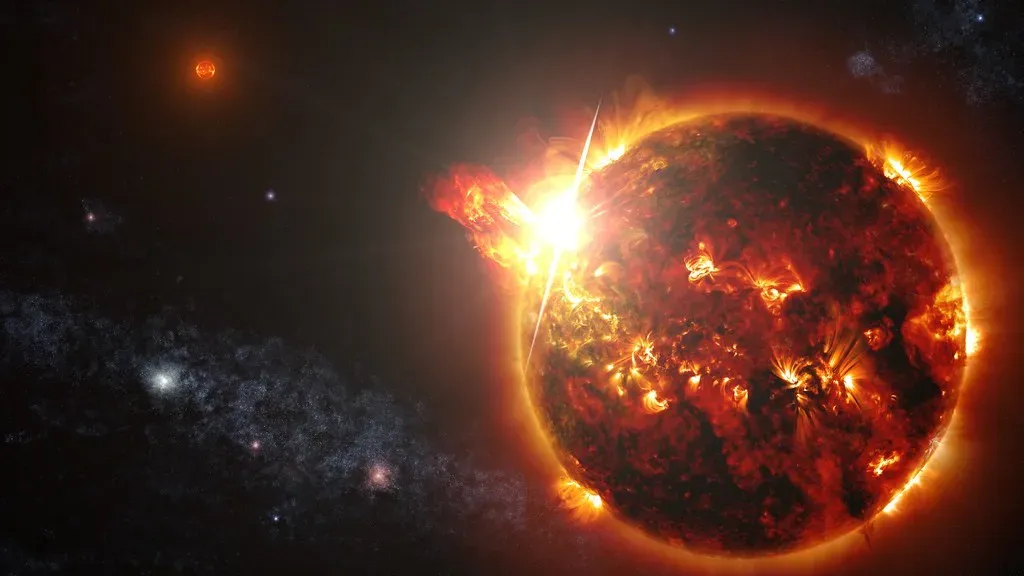
From a nearly featureless beginning of hydrogen and helium, the universe has spent billions of years building complexity through fire and violence. Exploding stars and colliding corpses of stars have relentlessly forged new elements, seeding galaxies with the raw materials for planets, oceans, and life. Our own existence is proof that this long chain of stellar births and deaths actually worked; we are the late‑game results of nuclear reactions in stars we will never see.
Right now, somewhere out there, more elements are being created in new explosions, continuing the story that led to us and will lead to whatever comes after us. Every atom of calcium in your teeth, every atom of iron in your blood, and every atom of oxygen you breathe carries a history that stretches across space and time. When you really let that sink in, it’s hard not to feel both incredibly small and strangely connected to everything. What part of you will you think of differently now that you know where it came from?