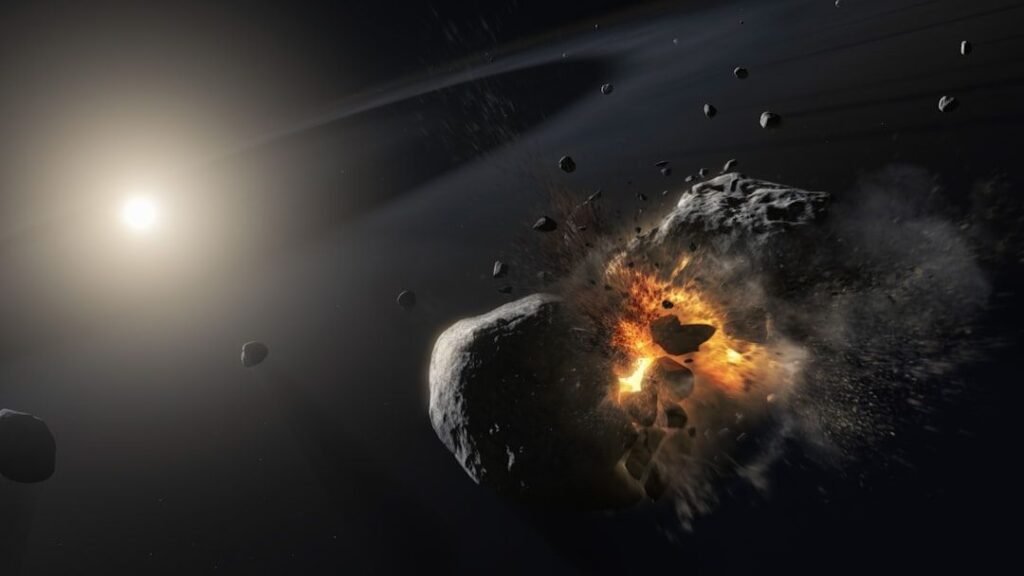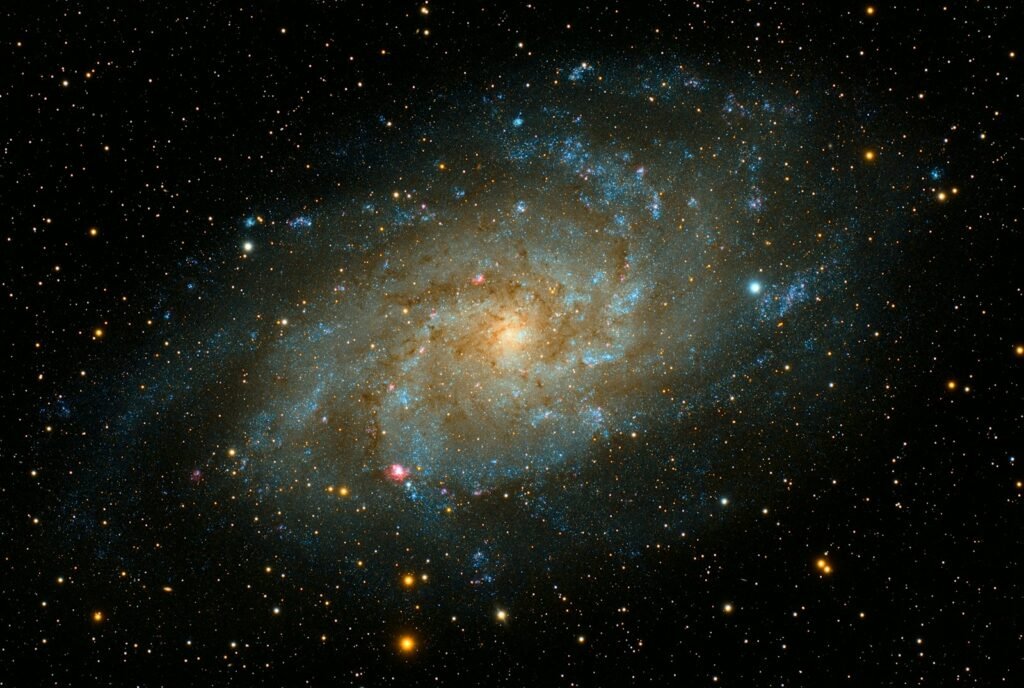

The idea that everything you see, feel, and remember might be running on someone else’s server sounds like it belongs in late-night dorm-room debates, not serious science. Yet over the last two decades, researchers from physics, computer science, and philosophy have started taking the simulation hypothesis seriously enough to model, test, and argue about it in journals and conferences. The mystery is simple but unnerving: if reality is indistinguishable from a perfect simulation, how would we ever know the difference? At the same time, rapid advances in computing, artificial intelligence, and virtual reality are forcing us to rethink what “real” even means. As unsettling as it is, the question is no longer just science fiction; it has become a live scientific and philosophical problem.
The Hidden Clues: Can Physics Reveal the Code?
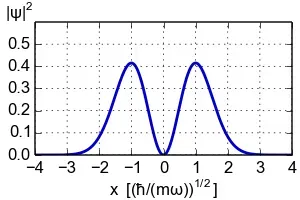
The most obvious place to look for signs that we live in a simulation is in the laws of physics themselves. Some physicists have suggested that if space and time are not continuous but made of tiny, indivisible units – like pixels on a screen – this could hint at an underlying computational grid. Modern experiments probing extremely high energies and tiny distances, such as those conducted at particle accelerators, are effectively stress-testing the resolution of reality. If there were a smallest possible length or time step, it might show up as unexpected limits in how particles behave or how energy is distributed. So far, experiments are consistent with our best theories, but that doesn’t rule out a simulation that is simply so fine-grained we can’t yet see its edges.
Others have proposed that cosmic rays could betray a hidden lattice-like structure if their paths subtly align along a grid, much like characters in an old video game snapping to invisible squares. There is also the strange regularity of physical constants, those deep numbers that govern the universe and seem finely tuned to allow stars, chemistry, and life to exist. To some, that fine-tuning hints at design; to others, it is just selection bias in a possibly vast multiverse. The eerie part is that both a real multiverse and a simulated universe with adjustable parameters could, in principle, produce the same observations. The hidden clues, if they exist, may be buried in data we already have, waiting for someone to ask the right questions.
From Ancient Myths to Modern Simulations
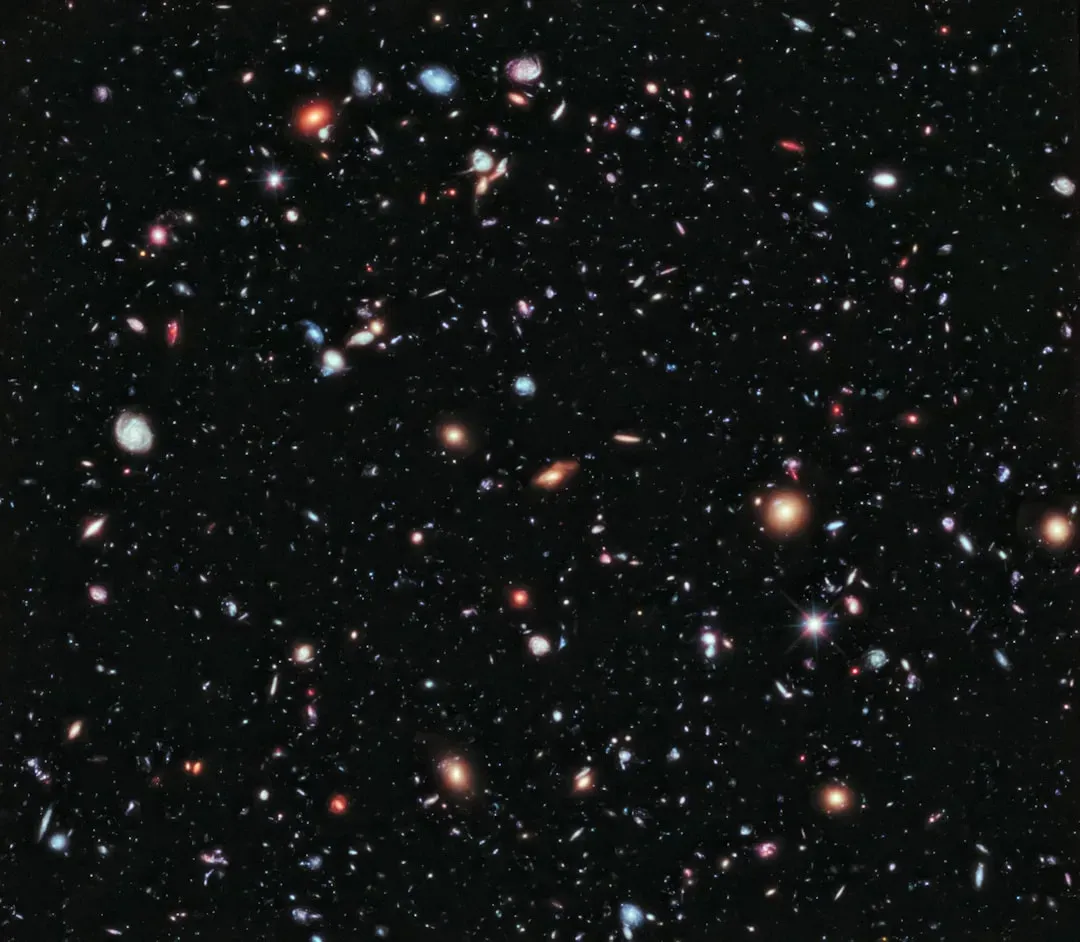
The suspicion that reality is not what it seems is far older than computers. Ancient philosophers in Greece and India wondered whether everyday life was a kind of illusion, a shadow of a deeper truth. Think of stories where the world is a dream of a god, or where human perception is compared to watching flickering images on a wall. These early metaphors were not about code and servers, but they wrestled with the same unease: what if our senses are fundamentally misleading us? In that sense, the simulation hypothesis is a very modern skin on a very old bone.
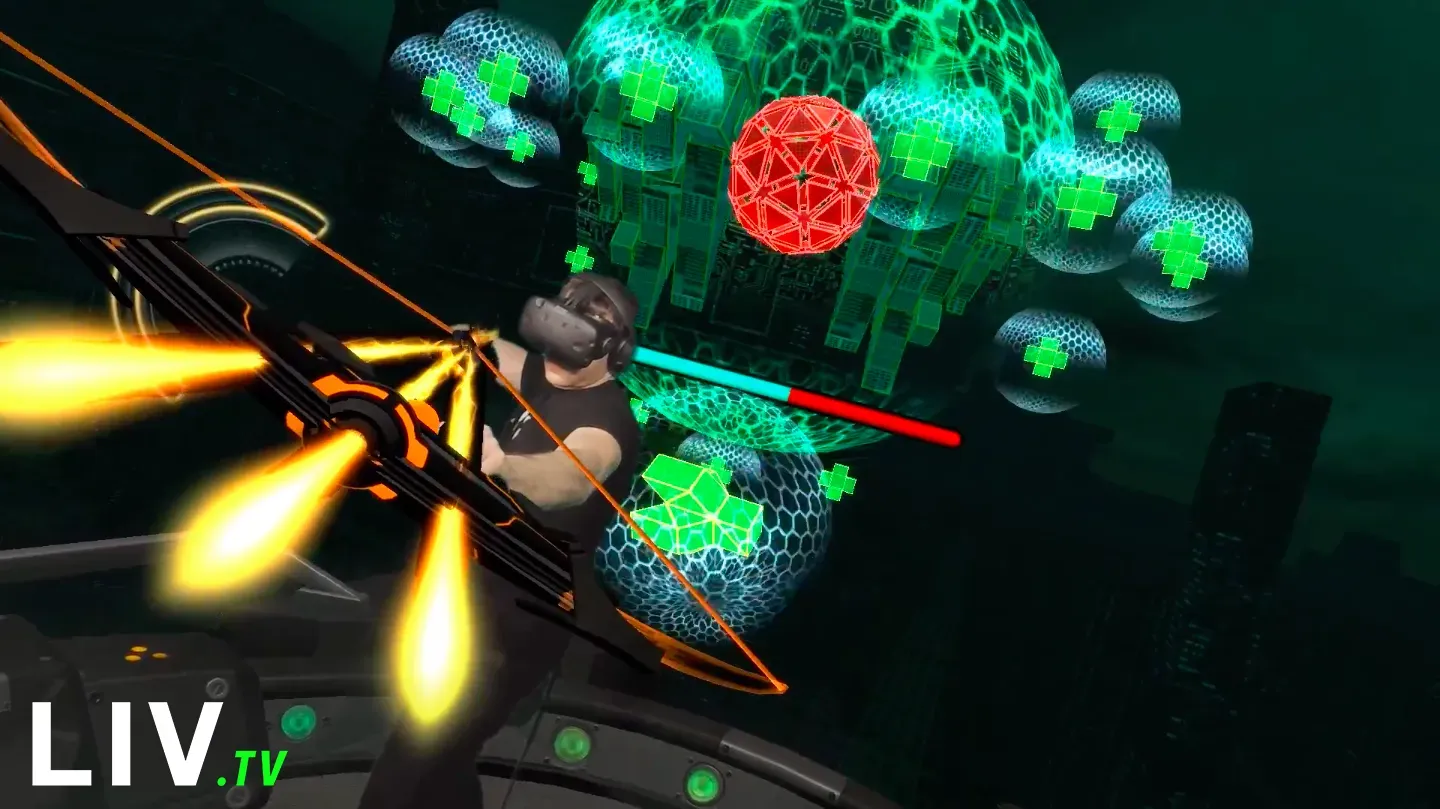
What has changed is that we now build convincing miniature realities ourselves. High-end video games generate cities, weather, and physics in real time for millions of players. Virtual reality headsets can trick your brain so thoroughly that a digital plank over a virtual chasm makes your legs tremble, even when you know you are standing safely on your living room floor. Artificial intelligence models generate realistic faces, voices, and even entire fictional worlds on demand. As our own simulations become richer, the idea that a far more advanced civilization could simulate something as complex as our universe becomes less obviously impossible. The path from myth to math has made the question feel sharper, not softer.
The Simulation Argument: Are We Outnumbered by Virtual Minds?
The most famous modern case for the simulation idea is not a physics experiment but a logical argument. It goes roughly like this: if technological civilizations tend to survive and grow, and if they gain the ability to run realistic simulations of conscious beings, then there could eventually be vast numbers of simulated minds compared to biological ones. In that scenario, a randomly chosen observer is far more likely to be inside a simulation than in an original, physical universe. The argument does not claim we definitely live in a simulation; it says that at least one of its assumptions must be wrong. Either civilizations rarely survive long enough, they never choose or manage to run such simulations, or we really might be virtual.
What makes this line of thinking so unsettling is how hard it is to dismiss on purely logical grounds. You can push back emotionally and say it feels absurd, but that is not much of a counterargument. On the other hand, skeptics point out that we know almost nothing about the behavior of hypothetical super-advanced civilizations, so building probabilities on top of that ignorance may be meaningless. There is also a deep question about whether consciousness can be fully captured in computation, or whether something about being a thinking, feeling organism requires physical stuff in a way that no simulation can duplicate. The argument is less a verdict and more a pressure test on our assumptions about technology, consciousness, and cosmic history.
Why It Matters: Meaning, Ethics, and Everyday Life
At first glance, the simulation question can feel like a clever distraction, the kind of thing you debate at 2 a.m. and forget by breakfast. But dig a bit deeper and it starts to chew at questions of meaning, responsibility, and what it means to be human. If we are living in a constructed reality, does that make our experiences less real, or simply real in a different way? Pain still hurts, love still bonds, grief still breaks us open, whether the underlying substrate is carbon atoms or lines of code. In that sense, your life story matters just as much either way.
The ethical stakes, though, get stranger. If we are simulated, there might be sim-creators watching – or even able to intervene – raising uncomfortable comparisons to old religious ideas of gods and judgment. Would knowing we are simulated change how we treat each other, knowing our actions could be observed or recorded in ways we can barely imagine? And what about the simulations we are already starting to run: detailed models of climate, brains, or societies? If someday we create digital beings who can suffer or feel joy, we will inherit the moral responsibilities of would-be “creators” ourselves. Thinking seriously about whether reality can be simulated forces us to look harder at how we value conscious experience in every form.
The Physics Frontier: Testing Reality’s Limits
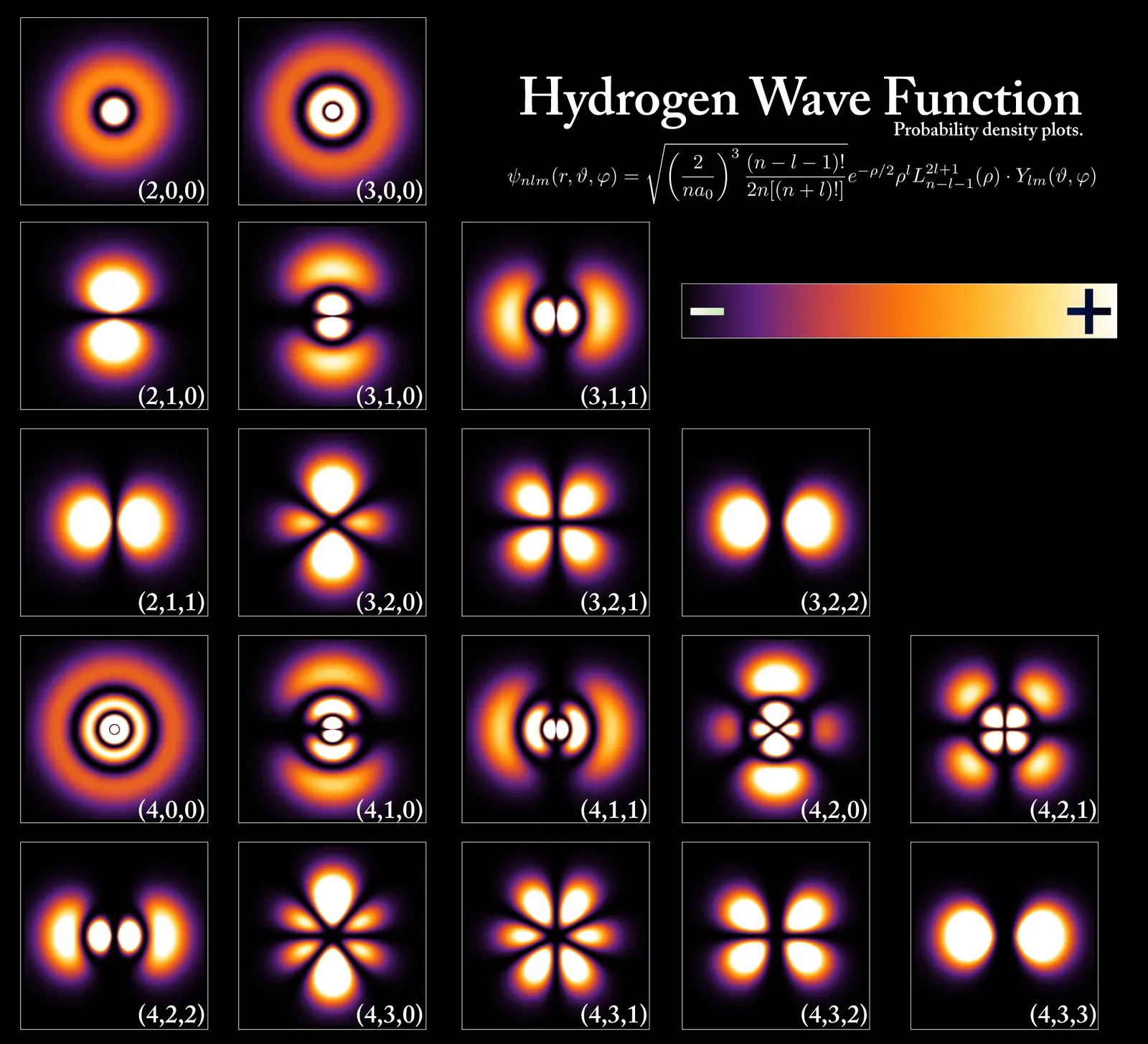
While philosophy wrestles with logic and ethics, physicists are quietly chipping away at the practical question: is there any experiment that could, in principle, expose a simulation? One line of work studies the way information behaves in black holes and quantum systems, searching for signatures that space-time might be encoded like data on a holographic screen. Other researchers analyze noise in extremely sensitive detectors, looking for patterns that might indicate an underlying digital structure. These ideas often sound wild, but they emerge from mainstream attempts to unify quantum mechanics and gravity, not from fringe speculation alone.
There is also a lively debate about whether a truly advanced simulation could always disguise its tracks. If the “hardware” beneath our universe is powerful enough, it could render reality at whatever resolution is needed to pass any test we devise, much like a game engine that sharpens detail where the player is looking. That leads some scientists to argue that the simulation hypothesis is, in practice, untestable and therefore not a scientific theory in the usual sense. Others push back, suggesting that the boundary between science and metaphysics has often shifted when new tools arrived; what once seemed untestable sometimes becomes measurable with better instruments. For now, experiments aimed at probing the deepest scales of nature serve double duty: they may not prove or disprove a simulation, but they do reveal just how strange the foundations of our universe really are.
Mind and Machine: Consciousness Inside a Code
Underneath the simulation debate lies another equally thorny mystery: what is consciousness, and can it run on anything other than a brain? Neuroscientists can now watch patterns of activity sweep through the cortex as people see, decide, or remember, but they still do not fully understand how those electrical storms turn into the feeling of being you. If consciousness is fundamentally tied to specific biological processes, then copying behavior into software might never produce a truly aware mind. In that case, a simulated universe full of apparent people might be more like an animated movie than a world of genuine inner lives.
On the other hand, if consciousness depends mainly on information processing and organization, then in principle it could arise in any system with the right complexity and structure, including silicon-based computers. That possibility fuels both hopes of mind uploading and fears about creating digital beings who can suffer. It also feeds back into the simulation question: if consciousness can live in many substrates, it becomes easier to imagine civilizations running huge numbers of simulated minds. The gap between a physics problem and a personal one shrinks quickly when you ask whether your own sense of self could ever be instantiated in code.
The Future Landscape: Building Our Own Mini-Realities
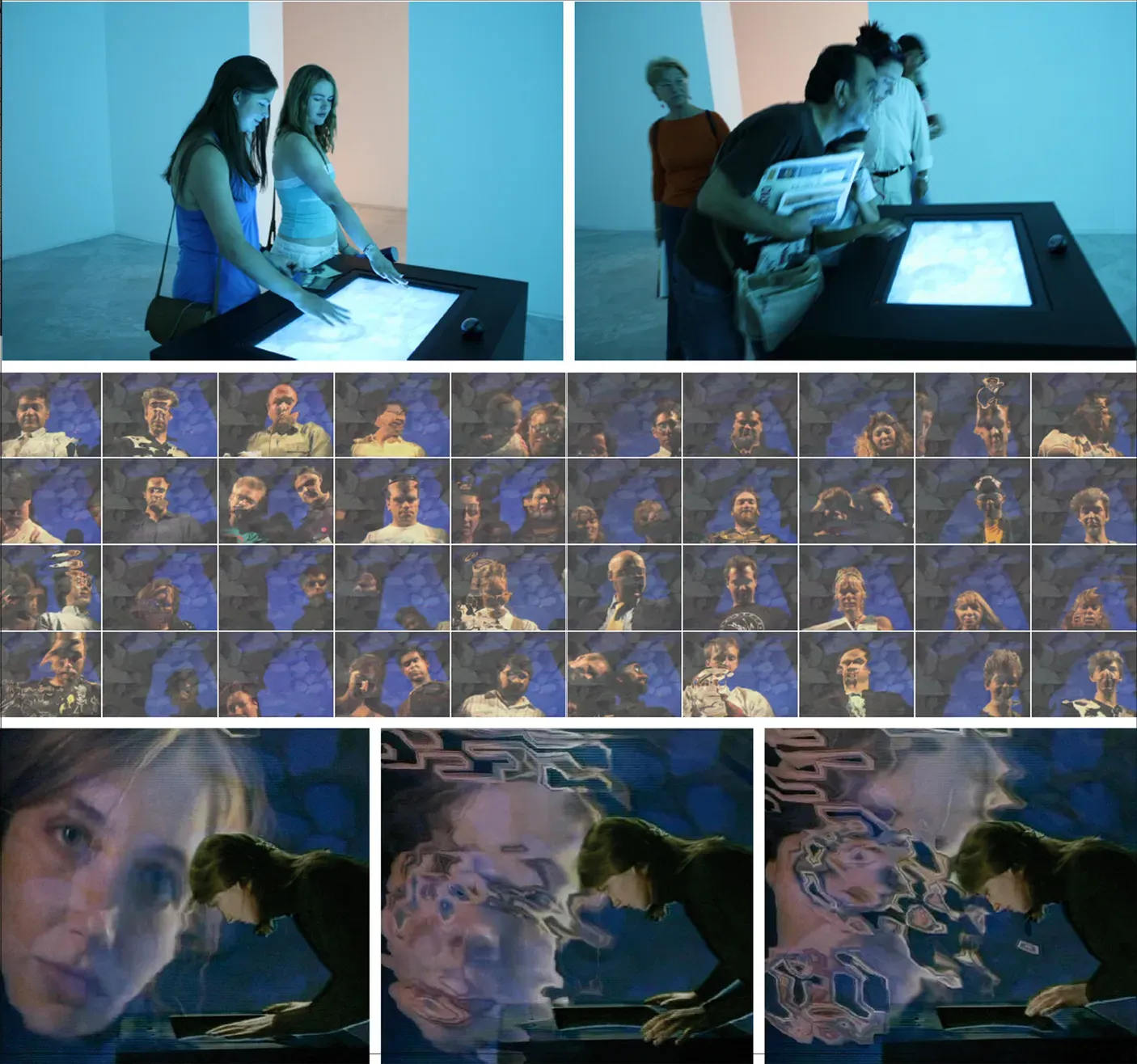
Looking ahead, the most convincing evidence about the plausibility of simulations may come not from telescopes but from our own engineering. Computing power continues to grow, and specialized hardware for graphics, physics, and machine learning is making it cheaper and faster to generate convincing environments in real time. Already, virtual worlds host millions of people who work, play, and build communities that feel emotionally significant, even when everyone involved knows the pixels are ephemeral. As devices become lighter, more immersive, and more seamlessly integrated into daily life, the line between “online” and “offline” reality will blur further.
Future technologies could push this to extremes: neural interfaces that feed signals directly into the brain, planetary-scale simulations of climate and society, or AI-generated worlds tailored for each person. Along the way, we will face tough questions about addiction, escapism, and who controls these new layers of reality. Yet this same trajectory also makes the simulation hypothesis more than an abstract puzzle. By building richer simulations ourselves, we are effectively running an experiment on how far this can go. If someday we can create beings who insist their world is real and meaningful, it will be harder to dismiss the idea that we might be in a similar position.
Why It Matters: A Lens on Science, Humility, and Wonder
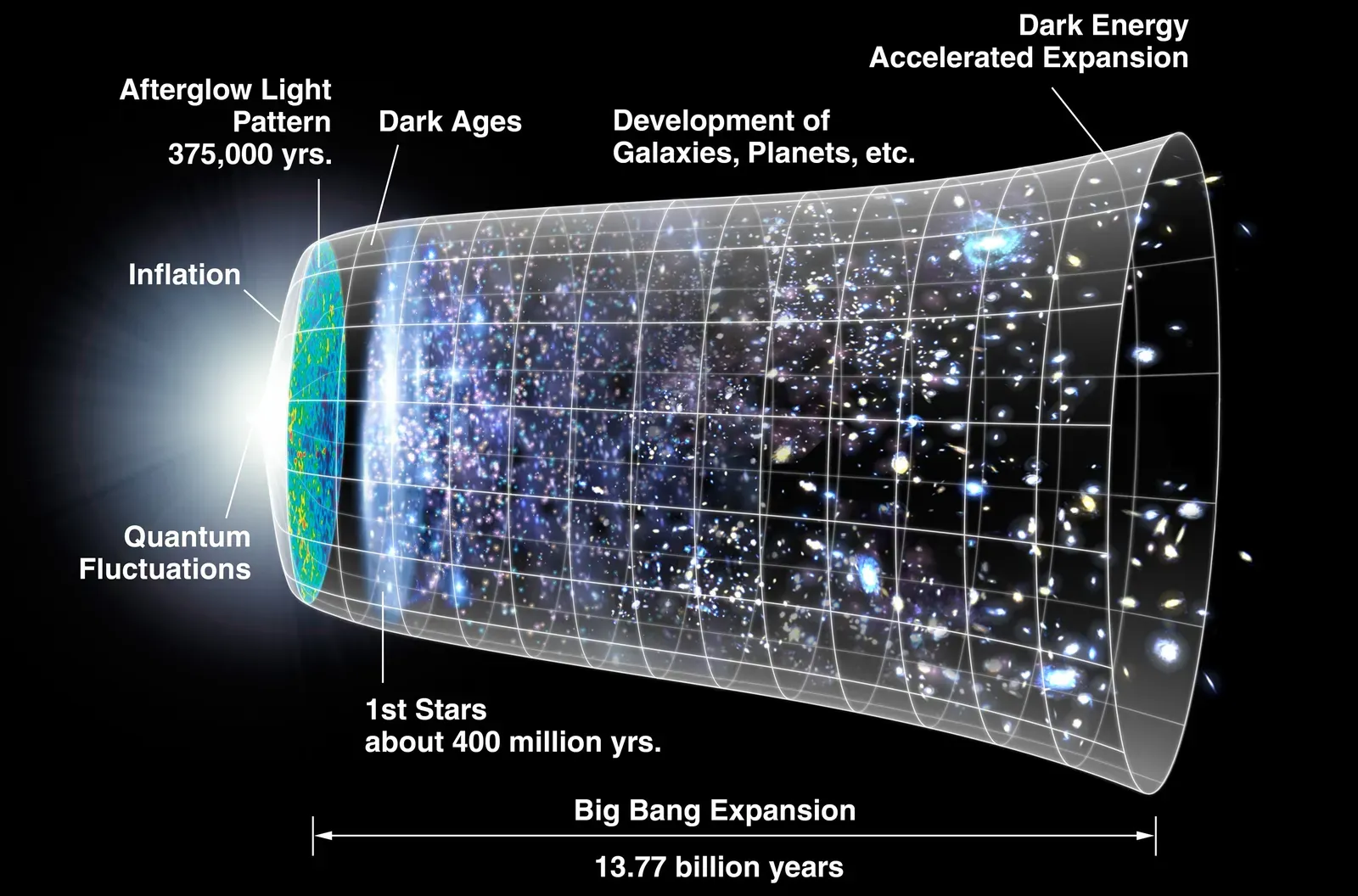
Stepping back, the real power of the simulation question is not that it tells us we definitely live in a cosmic computer, but that it forces us to re-examine what we think we know. It nudges scientists to clarify what makes a theory testable, what counts as evidence, and how comfortable we are living with unanswerable questions. Compared with older debates about reality – like whether space and time are absolute or relative – the simulation hypothesis might seem more speculative, but it sits on a continuum of challenges to common sense. It reminds us that our intuitions, shaped on one small planet with one kind of brain, are not the final word on the structure of the universe.
There is also a kind of productive humility in entertaining the possibility that we are not at the top of the metaphysical food chain. Whether or not there are “creators” above us, the notion encourages empathy downward: for animals, for future AIs, for any minds whose experiences we might be tempted to dismiss. In everyday life, the simulation idea can act like a mental zoom-out button, making traffic jams, office politics, and petty arguments feel oddly small. Paradoxically, that can sharpen appreciation for the small, tangible pleasures of existence: a shared joke, a good meal, a sunrise, all the tiny data points that make up a life. Real or simulated, this is still the only perspective on the universe we have.
How You Can Engage With the Question
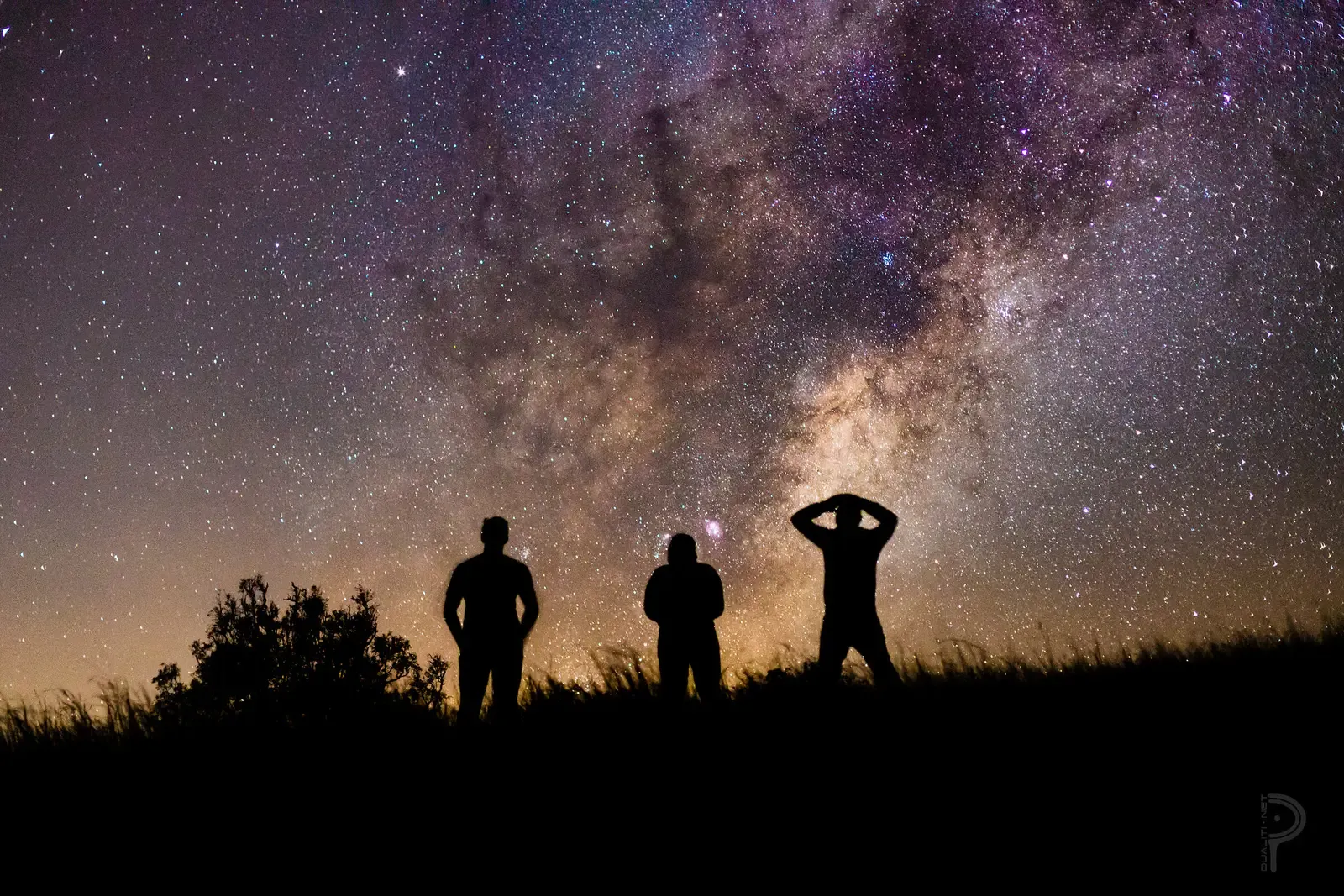
Most of us will never run a cosmology experiment or contribute to the mathematics of quantum gravity, but that does not mean we are locked out of this conversation. You can start by exploring reputable science writing, lectures, and courses that dive into cosmology, computation, and the philosophy of mind; understanding the real science makes the speculation feel richer and less like a party trick. Supporting science education and basic research – through donations, voting for evidence-based policies, or simply amplifying good work – helps ensure that questions like these do not get squeezed out by more immediate concerns. Even casual choices, like which stories you share or which claims you challenge, shape the cultural space in which big ideas can breathe.
On a more personal level, you can treat the simulation hypothesis as a prompt to look harder at how you construct your own reality from limited information. Paying attention to how easily your perceptions can be fooled, how memories shift, and how narratives about the world change over time is its own kind of reality check. You might experiment with keeping a journal, practicing skepticism toward sensational claims, or discussing these questions with friends who see things differently. Whether you are ultimately persuaded that we live in a simulation, a multiverse, or a single, un-simulated cosmos, the act of thinking carefully about it can sharpen your sense of curiosity and awe. In the end, the most important question may not be what runs the universe, but what you choose to do with your brief window of awareness inside it.
Suhail Ahmed is a passionate digital professional and nature enthusiast with over 8 years of experience in content strategy, SEO, web development, and digital operations. Alongside his freelance journey, Suhail actively contributes to nature and wildlife platforms like Discover Wildlife, where he channels his curiosity for the planet into engaging, educational storytelling.
With a strong background in managing digital ecosystems — from ecommerce stores and WordPress websites to social media and automation — Suhail merges technical precision with creative insight. His content reflects a rare balance: SEO-friendly yet deeply human, data-informed yet emotionally resonant.
Driven by a love for discovery and storytelling, Suhail believes in using digital platforms to amplify causes that matter — especially those protecting Earth’s biodiversity and inspiring sustainable living. Whether he’s managing online projects or crafting wildlife content, his goal remains the same: to inform, inspire, and leave a positive digital footprint.