
It’s strangely unsettling to realize that the blazing ball of light we trust every single day is living on borrowed time. The Sun feels permanent, like the sky or the oceans, yet it’s a star with a life cycle, a beginning and an end, just like everything else in the universe. One day, far in the future, those familiar sunrises and sunsets will simply stop.
Thinking about the death of the Sun can feel heavy, but it’s also deeply awe-inspiring. Our star’s final act won’t just be an ending; it will be a transformation, a kind of cosmic recycling that helps seed the galaxy with new material. To understand what really happens when our star dies, we have to zoom out in both space and time, and accept that we’re part of a much bigger story than our tiny human timelines.
The Sun’s Life Story: Where We Are Right Now
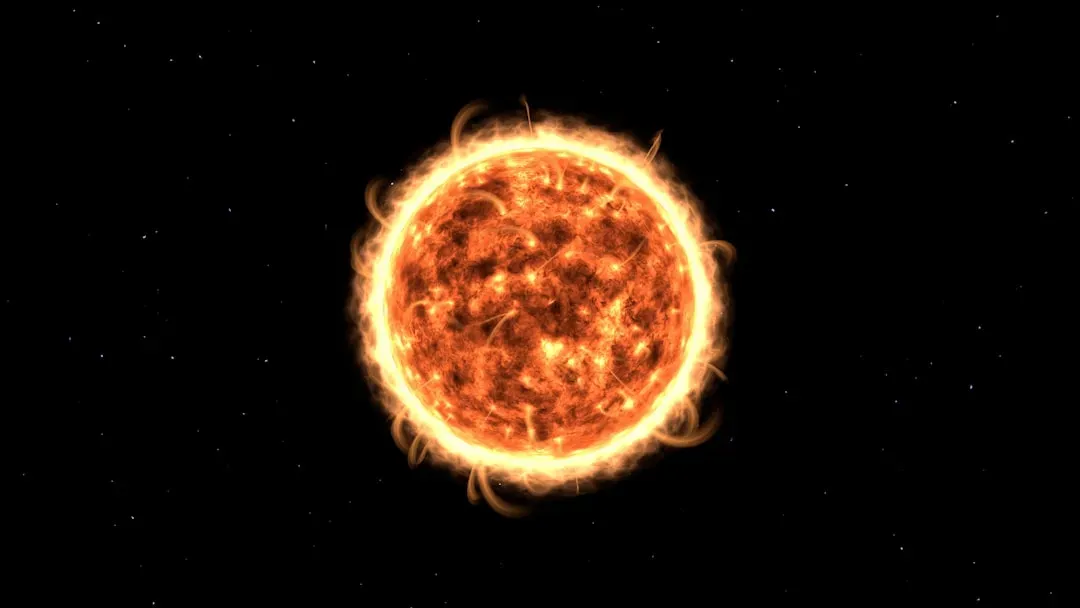
Imagine the Sun as a middle‑aged adult star going through a very long, very slow midlife. It’s been shining steadily for about four and a half billion years, quietly fusing hydrogen into helium in its core, powering everything from ocean currents to tomato plants in your garden. Astronomers call this phase the “main sequence,” and the Sun is comfortably settled in it.
The surprising part is that, for all our worries about the future, the Sun is actually pretty stable at the moment. It has roughly about another four to five billion years of relatively steady burning left before things radically change. That means all of human history so far is just a brief flicker compared with how long the Sun has already been shining. We’re living in what you could call the calm, golden afternoon of our star’s life.
The Hidden Engine: How the Sun Really Works
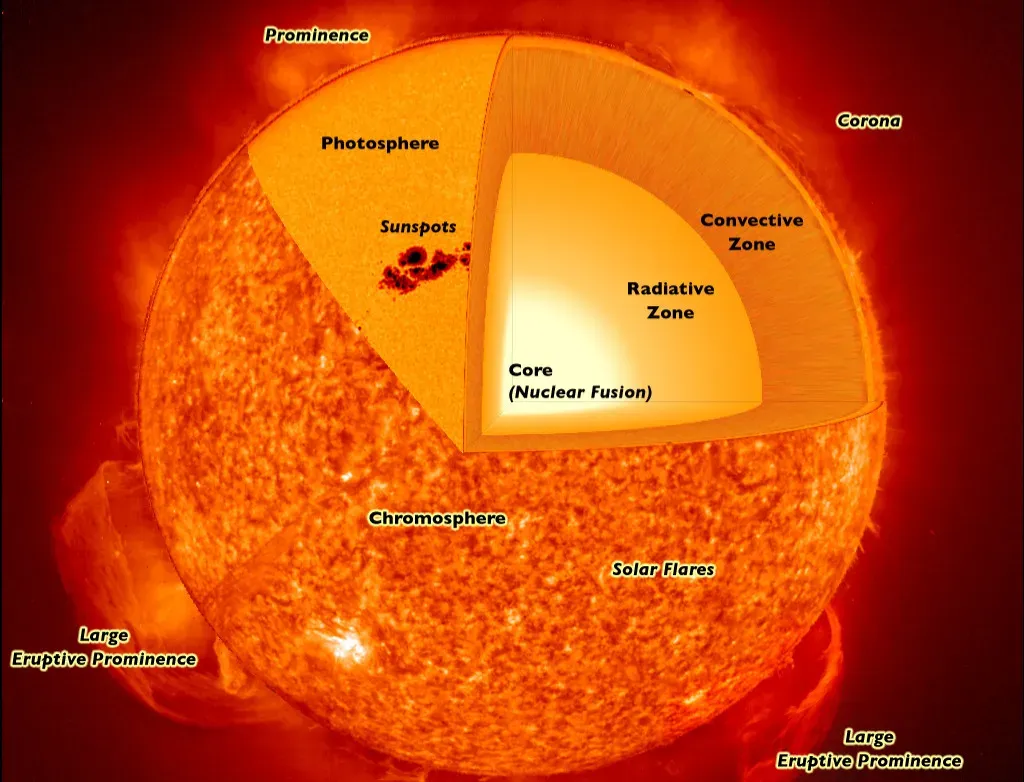
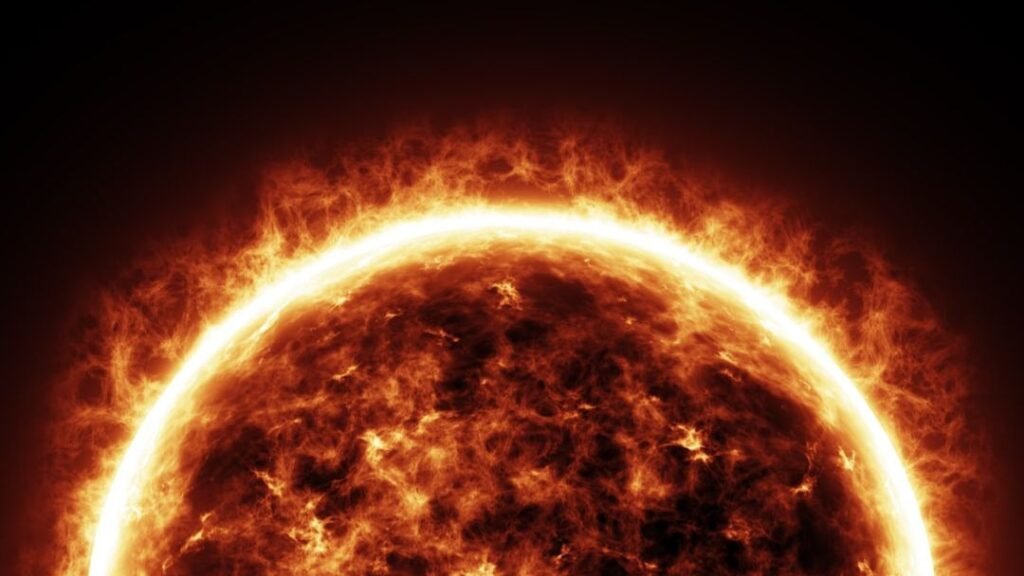
Even though the Sun looks calm and smooth from Earth, under the surface it’s more like a nuclear furnace wrapped in a storm. At its core, temperatures soar to millions of degrees, and hydrogen atoms are smashed together to form helium, releasing enormous amounts of energy. That energy slowly fights its way outward, taking thousands to hundreds of thousands of years to reach the surface before racing to Earth in just over eight minutes.
This delicate balancing act between gravity pulling inward and pressure pushing outward is what keeps the Sun stable. Gravity is constantly trying to crush the Sun, while the energy from fusion pushes back, keeping it puffed up and shining. As long as there’s enough hydrogen in the core, that balance holds. But when the hydrogen starts to run out, the Sun’s inner engine changes, and the real drama begins.
The Red Giant Phase: When the Sun Swells and the Sky Turns Strange
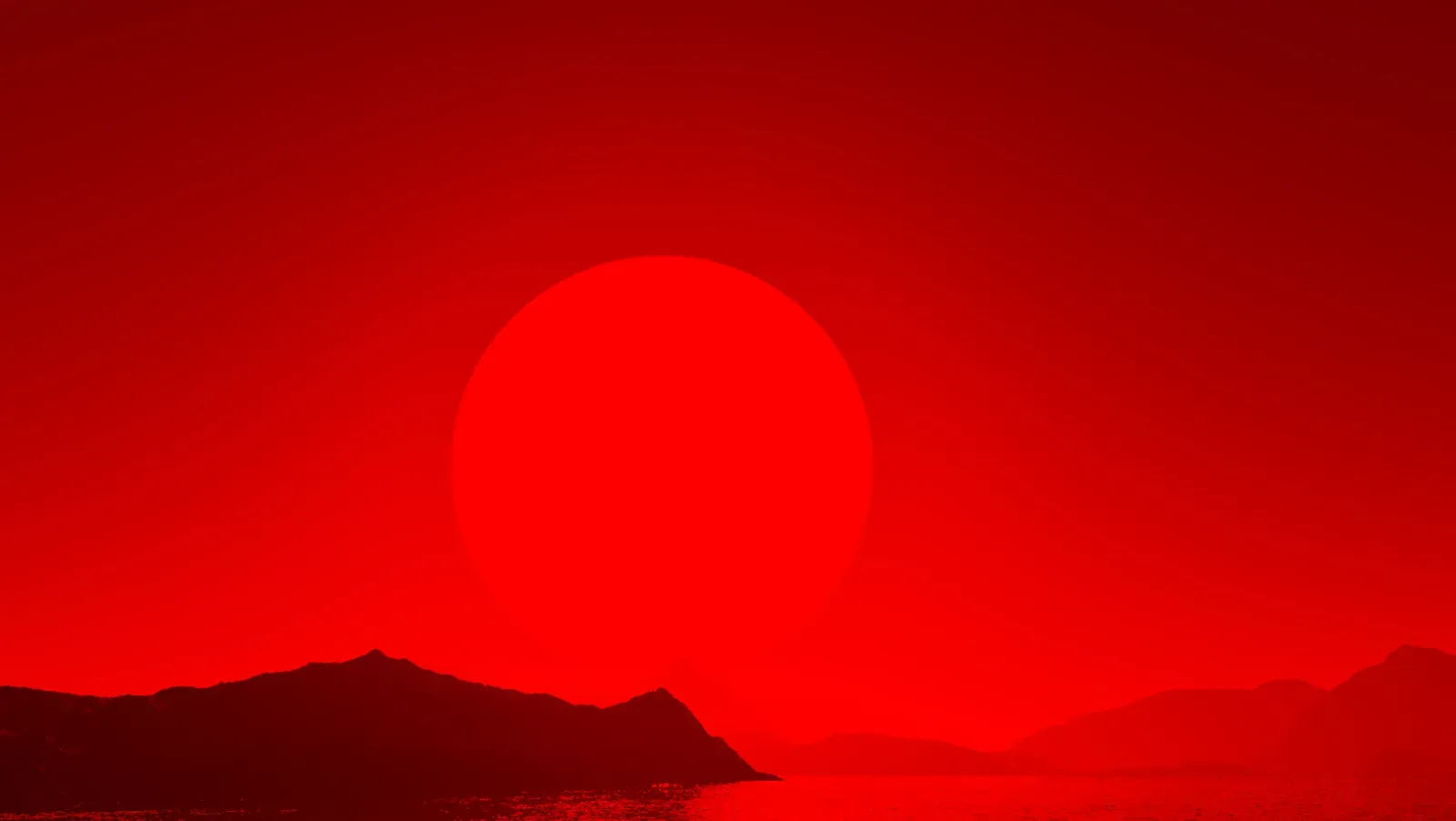
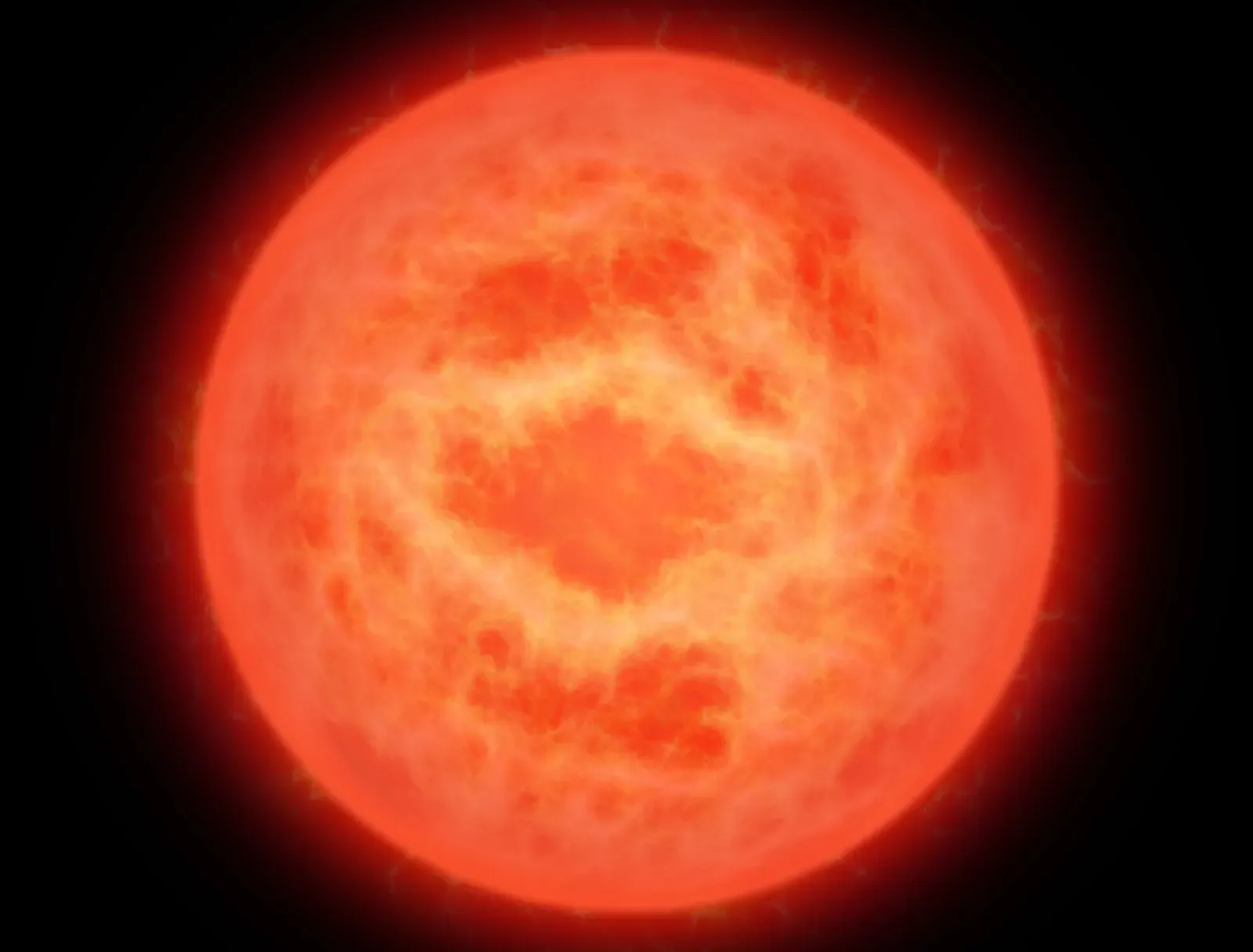
At some point billions of years from now, the Sun’s core will run low on hydrogen, and gravity will finally start to win. The core will contract and heat up, while the outer layers expand and cool, turning the Sun into a red giant. Instead of the small, bright disk we know, it will grow so large that it may engulf Mercury and Venus and potentially scorch Earth beyond recognition.
From the surface of a doomed Earth, if anyone were somehow there to see it, the sky would look unreal. The Sun would appear huge and dark red, flooding the planet with an unbearable heat that boils away the oceans and strips the atmosphere. Rocks would bake, metals would melt, and any trace of life as we know it would be erased. Our warm, familiar star would have become a swollen, terrifying monster.
Will Earth Survive the Sun’s Death Throes?
One of the big questions scientists wrestle with is whether Earth will actually be swallowed by the expanding Sun or just roasted nearby. Some models suggest the Sun’s atmosphere during the red giant phase could reach or even pass Earth’s current orbit. Others point out that as the Sun loses mass, Earth’s orbit will likely drift outward, which might barely save it from being fully consumed but not from being utterly ruined.
Either way, the outcome for our planet isn’t pretty. Long before the Sun reaches its biggest, rising heat will make Earth uninhabitable, probably hundreds of millions of years before the red giant phase peaks. Water will vanish, the atmosphere will thin, and our home world will become a dry, lifeless rock. The comforting idea that Earth is forever is, in the harsh light of physics, just an illusion.
The Planetary Nebula: A Beautiful, Ghostly Shell
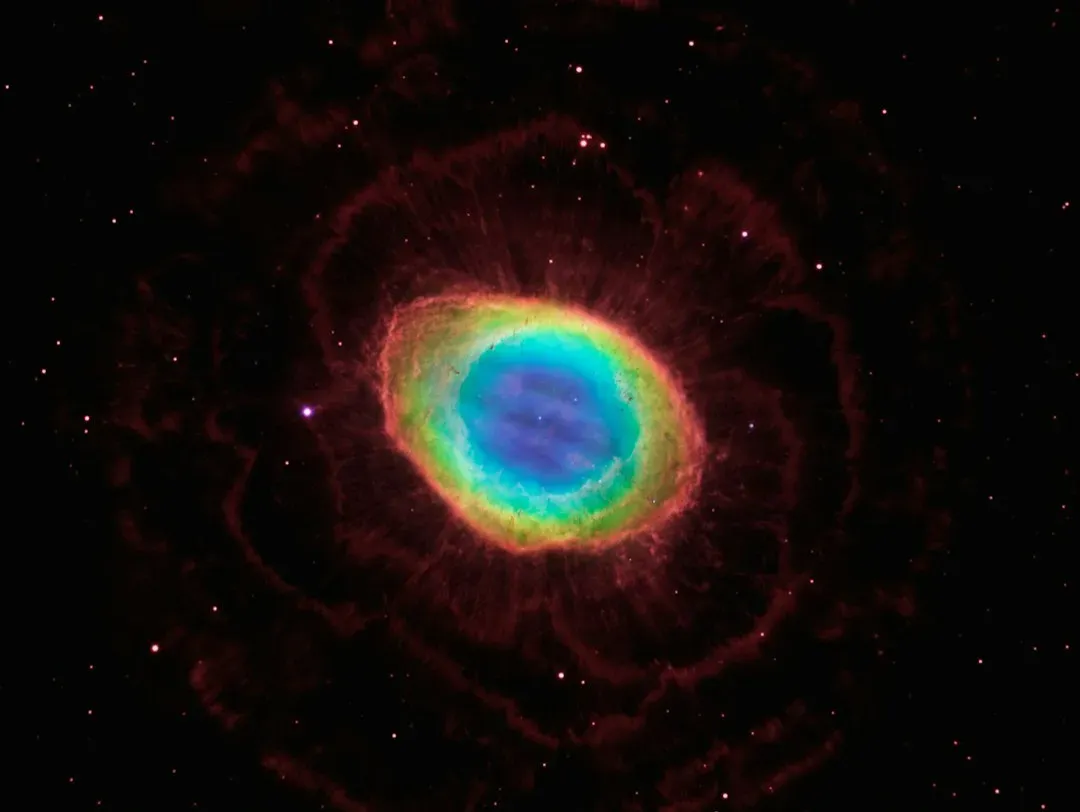
After the red giant phase, the Sun won’t explode dramatically like a massive star in a supernova. Instead, it will slowly shed its outer layers into space, creating a glowing cloud of gas called a planetary nebula. Despite the misleading name, this has nothing to do with planets; early astronomers just thought these fuzzy shells looked vaguely planet‑like through small telescopes.
This nebula will likely be delicate and colorful when seen from afar, lit up by the leftover core of the Sun in the center. That ghostly shell will drift and fade over tens of thousands of years, mixing into the surrounding galaxy. The atoms that once formed our Sun, our oceans, our bodies, will be scattered like dust into space. In a way, the Sun’s death becomes a kind of gift, returning material that can one day help build new stars and planets.
The White Dwarf: Our Sun’s Final, Fading Ember
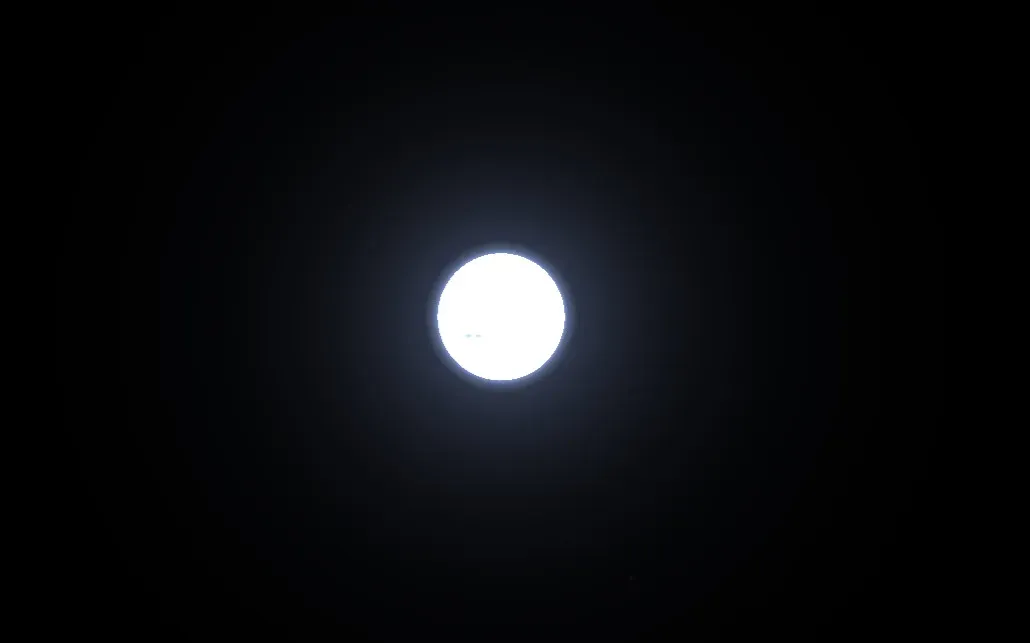
At the heart of that planetary nebula, what’s left of the Sun settles into its final form: a white dwarf. This is a small, incredibly dense stellar ember, packed roughly into a size comparable to Earth but holding about half the Sun’s original mass. It won’t be doing any more fusion; instead, it will just slowly cool and dim over billions upon billions of years.
White dwarfs are quiet, ghostlike reminders that stars don’t just vanish; they linger. Our Sun’s white dwarf remnant will still be there long after any planets are gone, shining weakly in a much older, changed galaxy. Eventually it will cool so much that it becomes dark and invisible, a cold chunk of stellar ash. By then, whatever future civilizations exist in the universe probably won’t even remember that a small yellow star once warmed a little blue planet here.
Life and Humanity in a Universe with an Expiration Date
When you really let it sink in that the Sun will die, it can feel a bit like finding out your house is built on a slowly moving cliff edge. The timeline is so huge that it won’t affect you, your children, or even your entire civilization, yet it still shifts how you see everything. Our species lives in a brief, fortunate window where conditions are stable enough for life to flourish.
Personally, I find that thought less depressing and more grounding. It’s a reminder that meaning is something we create now, in this thin slice of cosmic time, rather than something guaranteed forever. The Sun’s eventual death also nudges us to think beyond Earth – about space travel, about preserving knowledge, about whether life from here might someday light up other corners of the galaxy. In the end, knowing our star isn’t forever makes our present moment under its light feel strangely precious.