
You know that fiery ball in the sky that makes life on Earth possible? Turns out, it’s been keeping secrets from us. For years, scientists predicted that our sun would follow a relatively calm path through its current cycle, but recent observations tell a completely different story. Solar Cycle 25 sunspot activity has slightly exceeded expectations, with observations from 2020 to 2022 significantly exceeding predicted values.
The sun isn’t just breaking records – it’s rewriting what we thought we understood about its behavior. As of December 2025, solar cycle 25 is averaging 31% more spots per day than solar cycle 24 at the same point in the cycle. This revelation is forcing researchers to reconsider long-held theories about solar dynamics, and it has major implications for everything from satellite communications to power grids here on Earth. So let’s dive into what makes our star tick, and why it’s proving to be far more unpredictable than anyone anticipated.
The Sun’s 11-Year Heartbeat Isn’t as Regular as We Thought
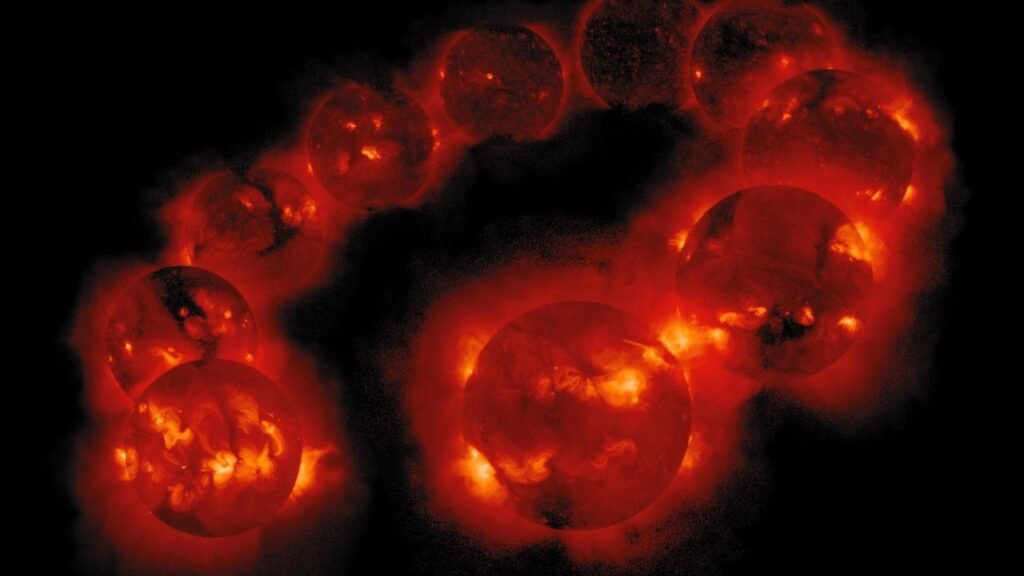
The solar cycle is a periodic 11-year change in the Sun’s activity measured in terms of variations in the number of observed sunspots on the Sun’s surface, with levels of solar radiation, sunspot size, solar flares, and coronal loops all exhibiting synchronized fluctuation from minimum to maximum activity. Here’s the thing though – that 11-year rhythm is more like a jazz improvisation than a metronome. Some cycles stretch out to 13 years while others wrap up in just nine.
Roughly every 11 years, at the height of the solar cycle, the Sun’s magnetic poles flip, and the Sun transitions from being calm to an active and stormy state. Imagine if Earth’s North and South poles swapped places every decade. That’s essentially what happens on the sun, except the consequences are far more explosive. During these peaks, the sun unleashes powerful flares and coronal mass ejections that can travel millions of miles through space.
Why Scientists Got Their Predictions So Wrong This Time
Let’s be real – forecasting solar activity is brutally difficult. Predictions of a future maximum’s timing and strength are very difficult and vary widely. The models that scientists used relied heavily on data from previous solar cycles, assuming patterns would repeat. NASA and NOAA’s models have barely changed in the last 30 years, but the science has, and the models use data from past solar cycles but do not fully account for each cycle’s individual progression.
It is unclear why the prediction panel’s forecast was wrong or why an updated prediction was not released sooner, despite warning signs coming for years, with scientists predicting in 2020 that the solar maximum would be more active and arrive sooner than expected. The sun basically threw a curveball at the experts. By the time researchers realized their initial forecasts were off, the sun had already ramped up its activity far beyond expectations. Sometimes nature just refuses to follow the script we write for it.
The Current Solar Maximum Is Breaking Records Left and Right
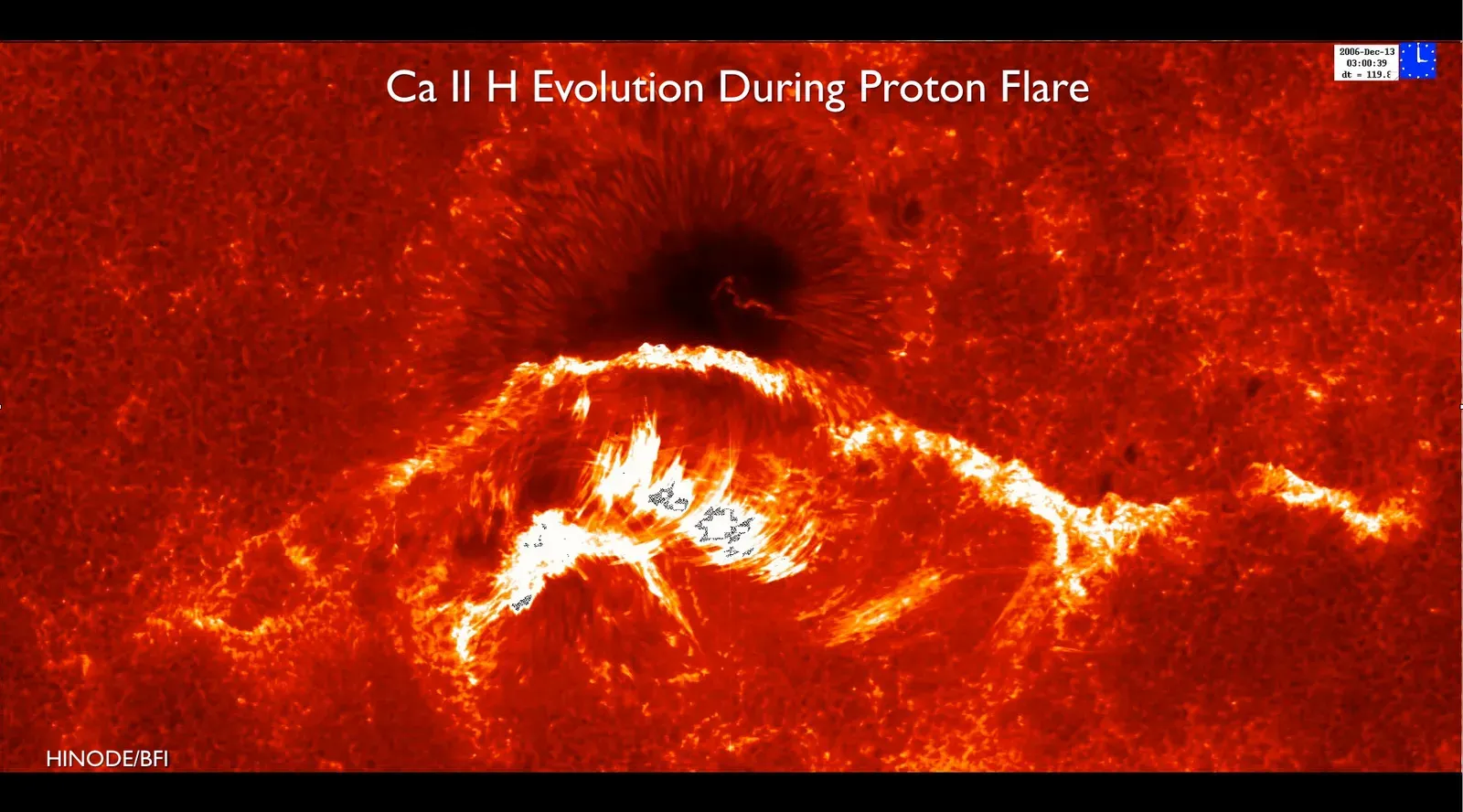
We’re living through solar history right now, whether you realize it or not. Starting in early August 2024, sunspot counts had reached a 23-year high, and on October 3rd, 2024, Solar Cycle 25 released its strongest flare yet, an X9.0. That’s an intensity level that can disrupt radio communications and create radiation hazards for astronauts and airline crews flying polar routes.
Representatives from NASA, NOAA, and the international Solar Cycle Prediction Panel announced that the Sun has reached its solar maximum period, which could continue for the next year. This isn’t just a brief spike in activity either. Solar Cycle 25’s maximum phase should last three to four years, with the NOAA/NASA solar cycle panel predicting around another year before the decreasing phase starts. So buckle up – the fireworks aren’t over yet.
A Mysterious 100-Year Cycle Might Be Awakening
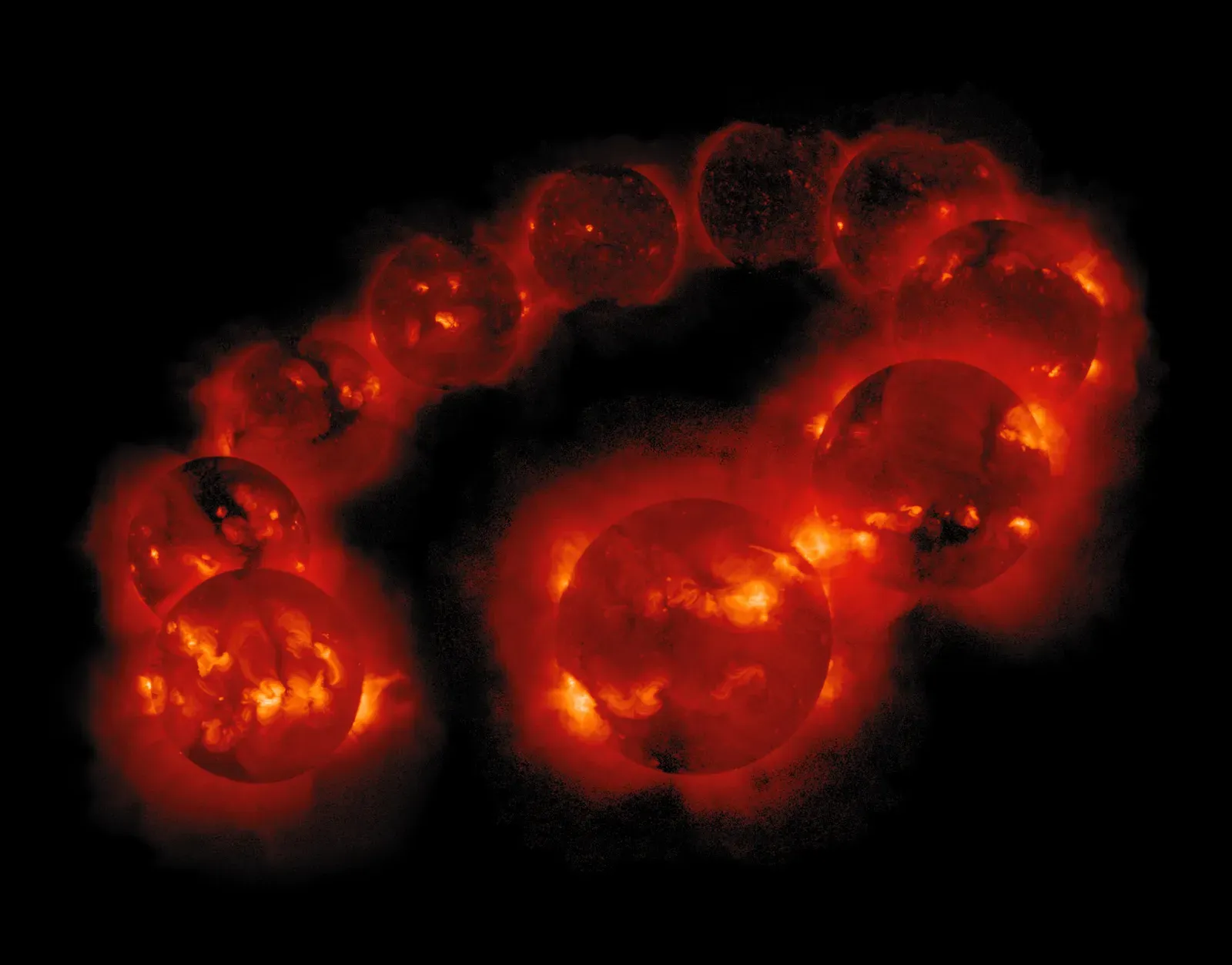
If the standard 11-year cycle wasn’t complicated enough, there’s evidence of an even longer rhythm at play. A new paper suggests that a mysterious 100-year solar cycle, known as the Centennial Gleissberg Cycle, may have just turned over, and the solar maximum may be tied to this lesser-known, 100-year-long cycle that is just beginning to ramp up again. I know it sounds crazy, but imagine there’s a bigger clock ticking behind the scenes that influences the intensity of individual solar cycles.
If that’s true, the next few decades could see further increases in solar activity that may threaten Earth-orbiting spacecraft and continue to trigger vibrant auroras across the globe. Some experts remain skeptical of this theory, which is fair given how difficult solar forecasting already is. Still, the possibility that we’re entering a period of heightened solar activity spanning decades rather than years is both fascinating and slightly unsettling.
What This Means for Our Technology-Dependent World
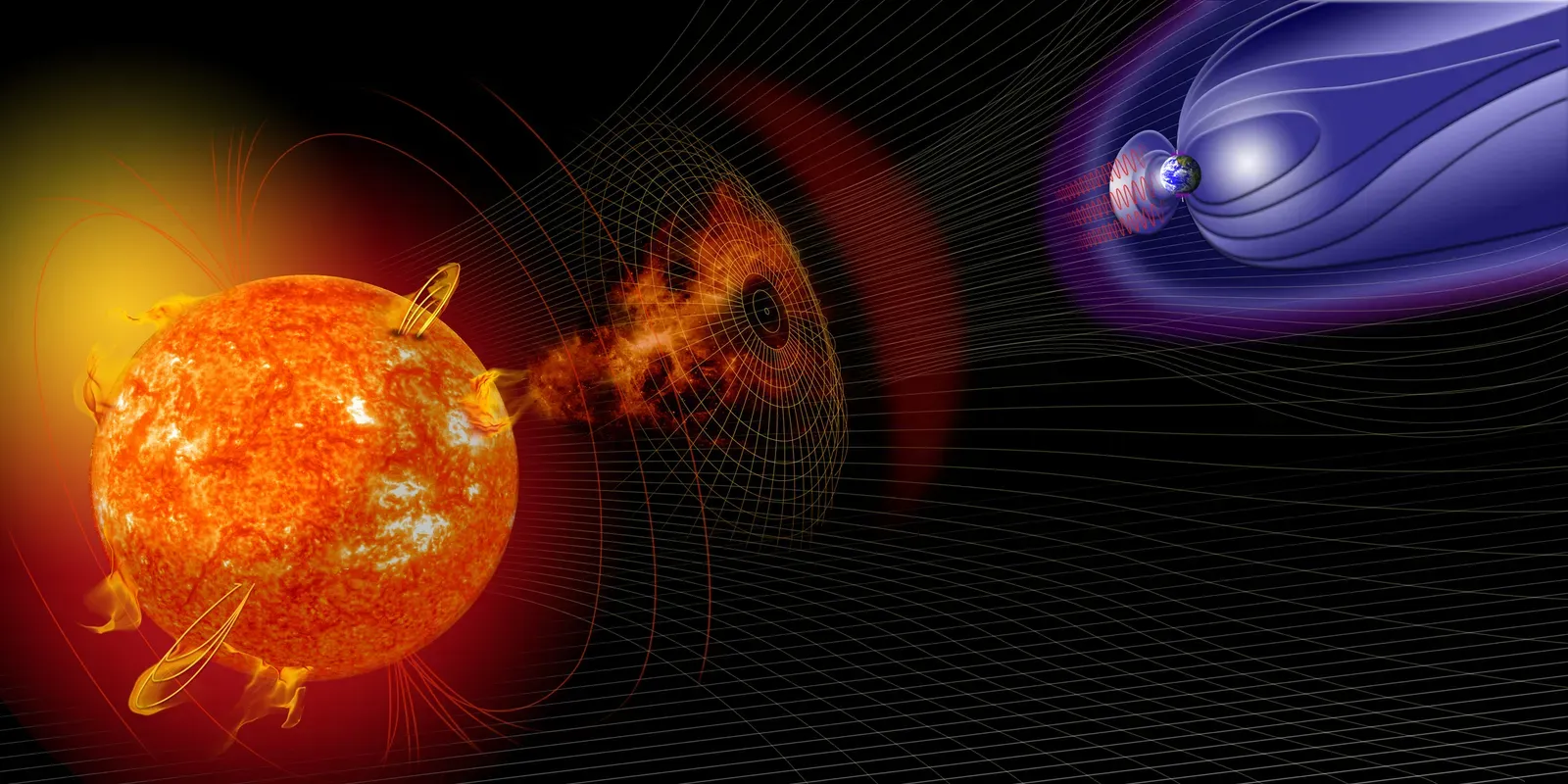
Space weather isn’t just an academic curiosity – it has real consequences for modern civilization. Space weather can affect satellites and astronauts in space, as well as communications systems such as radio and GPS and power grids on Earth. Every time the sun hurls a massive cloud of charged particles toward our planet, there’s a chance it could wreak havoc on the infrastructure we depend on daily.
A more active peak in solar activity could create disruptions on Earth, with large solar storms causing radio blackouts, damaging power infrastructure, irradiating airline passengers and astronauts, and knocking out GPS and internet satellites which could actually fall from the sky. The 1859 Carrington Event showed us what an extreme solar storm can do, frying telegraph systems worldwide. If something similar happened today, the economic damage could run into the trillions. Modern society is far more vulnerable to solar tantrums than our ancestors ever were.
Early Warning Signs That Scientists Initially Missed
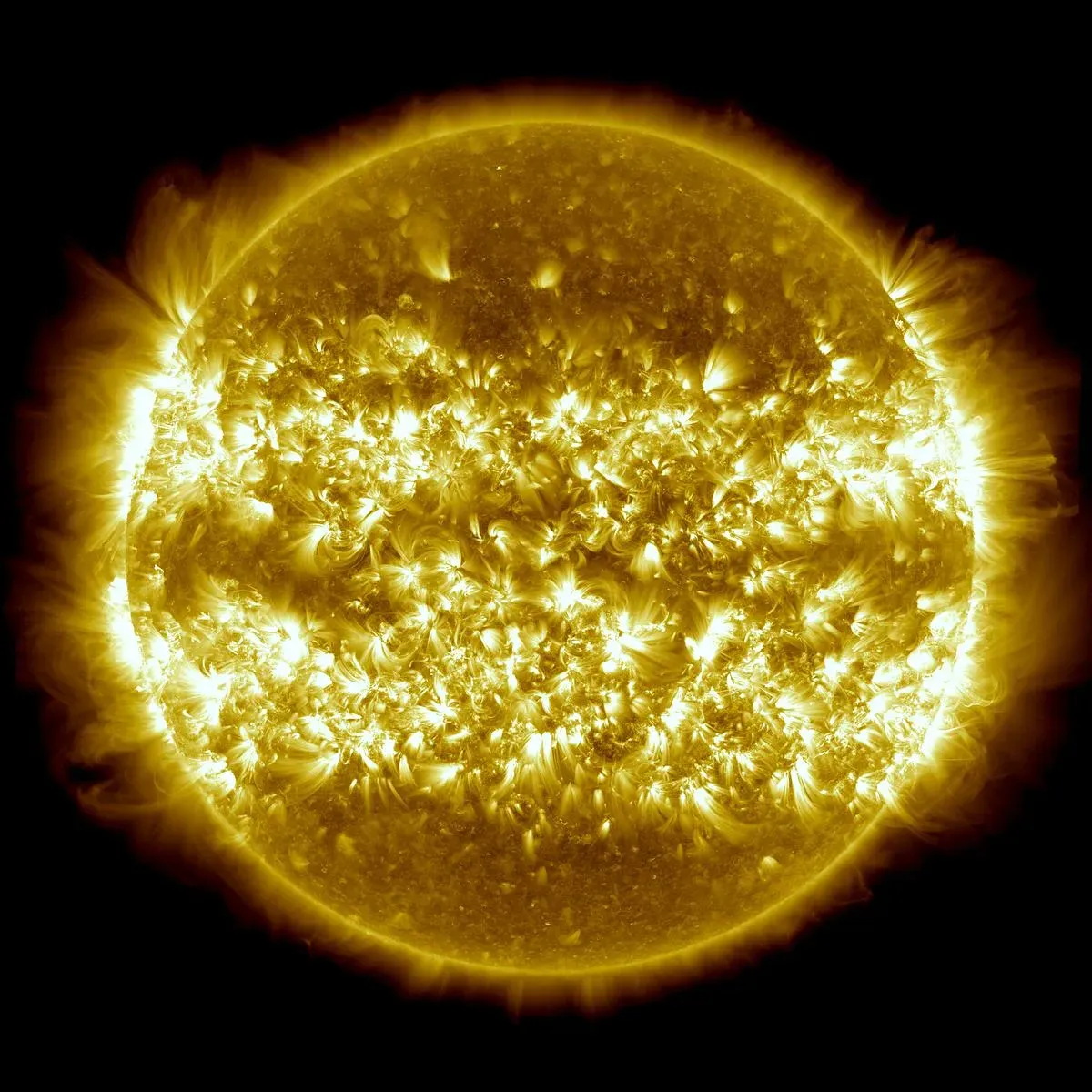
Looking back, there were clues that Solar Cycle 25 would be more intense than predicted. Dr Rachel Howe and her international collaborators discovered a faint indication that the next solar cycle is starting to show up in the data from rotation bands, with traces of Cycle 26 appearing that won’t officially start until about 2030. The sun basically started warming up for its next performance before the current show had even peaked.
A bumper crop of sunspots, solar storms and rare solar phenomena suggest solar maximum could arrive by the end of this year at the earliest, and several experts told Live Science we are poorly prepared. Honestly, it’s hard to say for sure whether we’re better at observing the sun now or just more aware of how little we truly understand. The truth is probably somewhere in between.
The Science of Sunspots and Magnetic Chaos
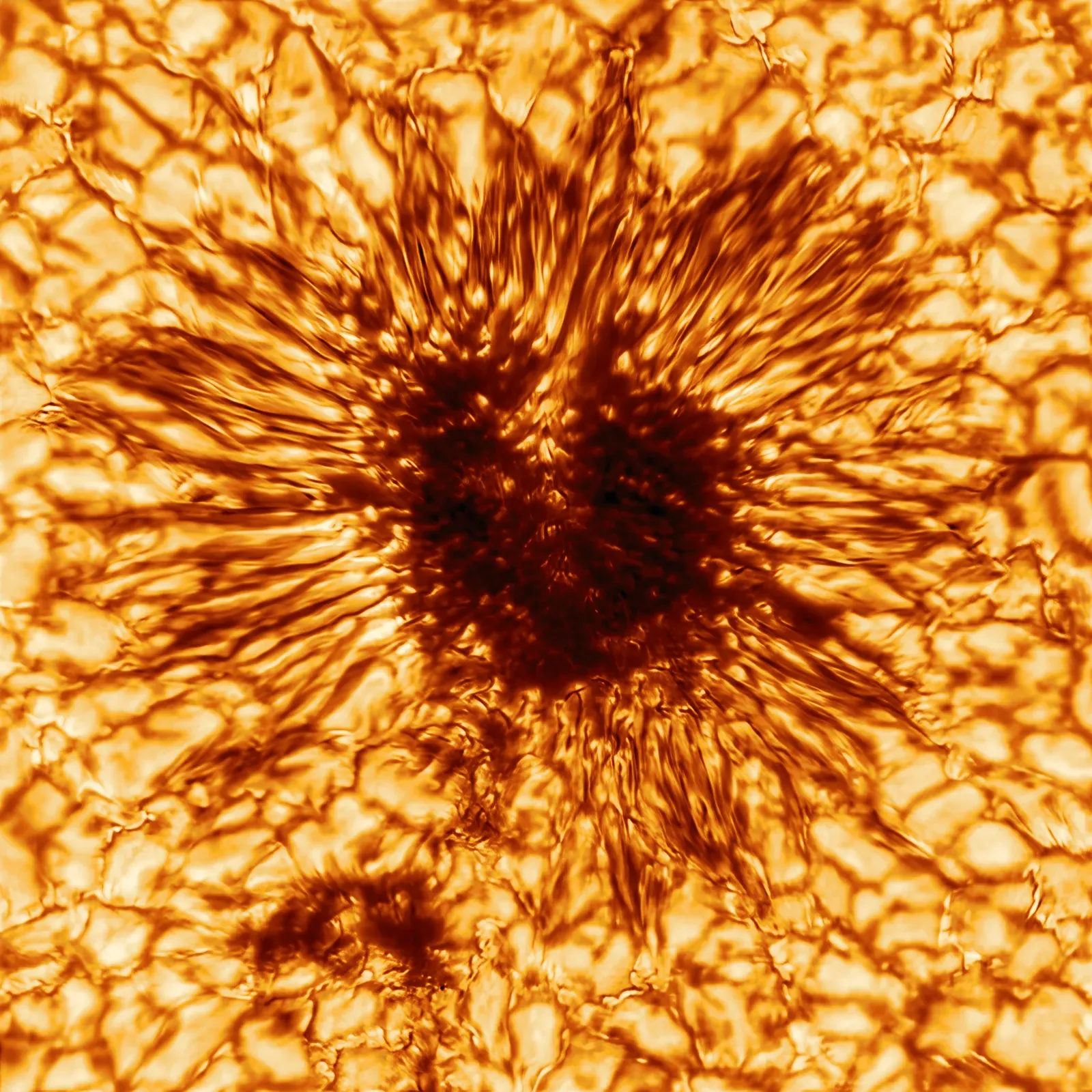
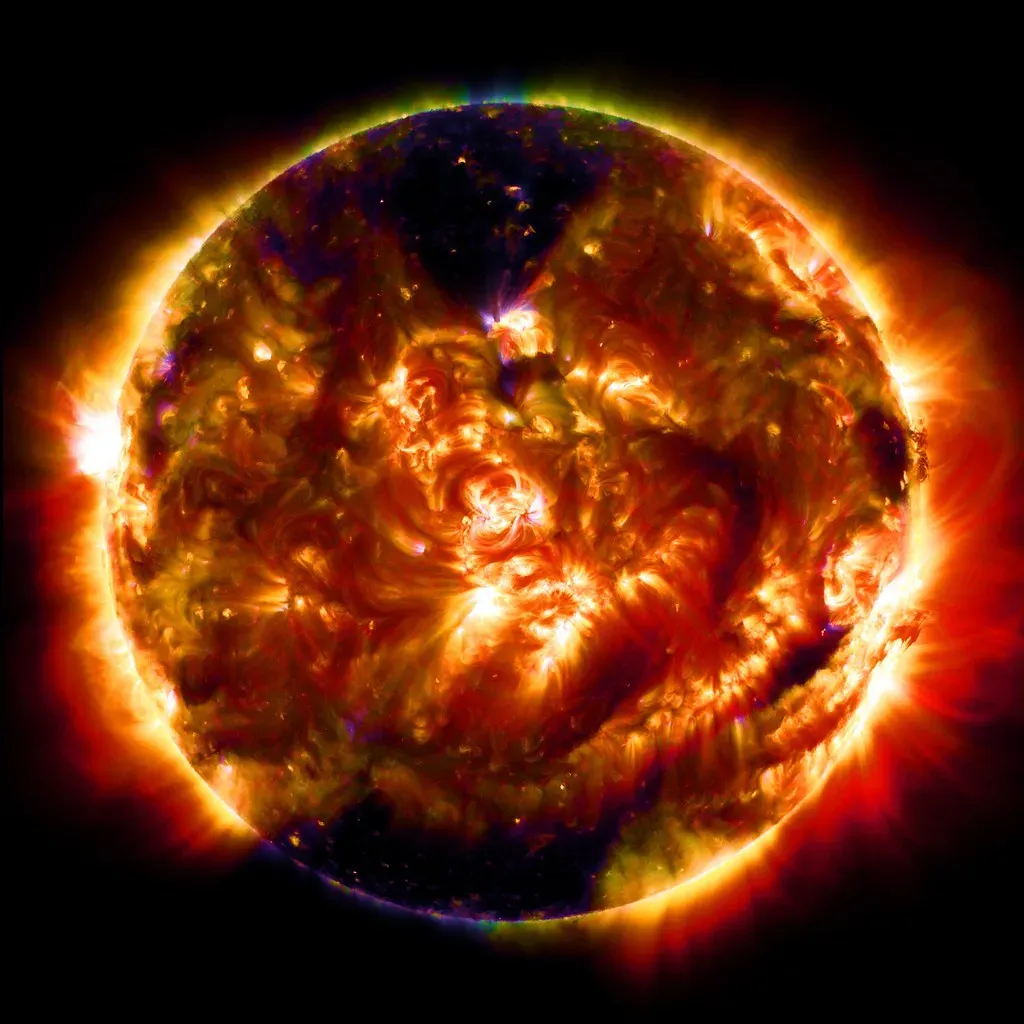
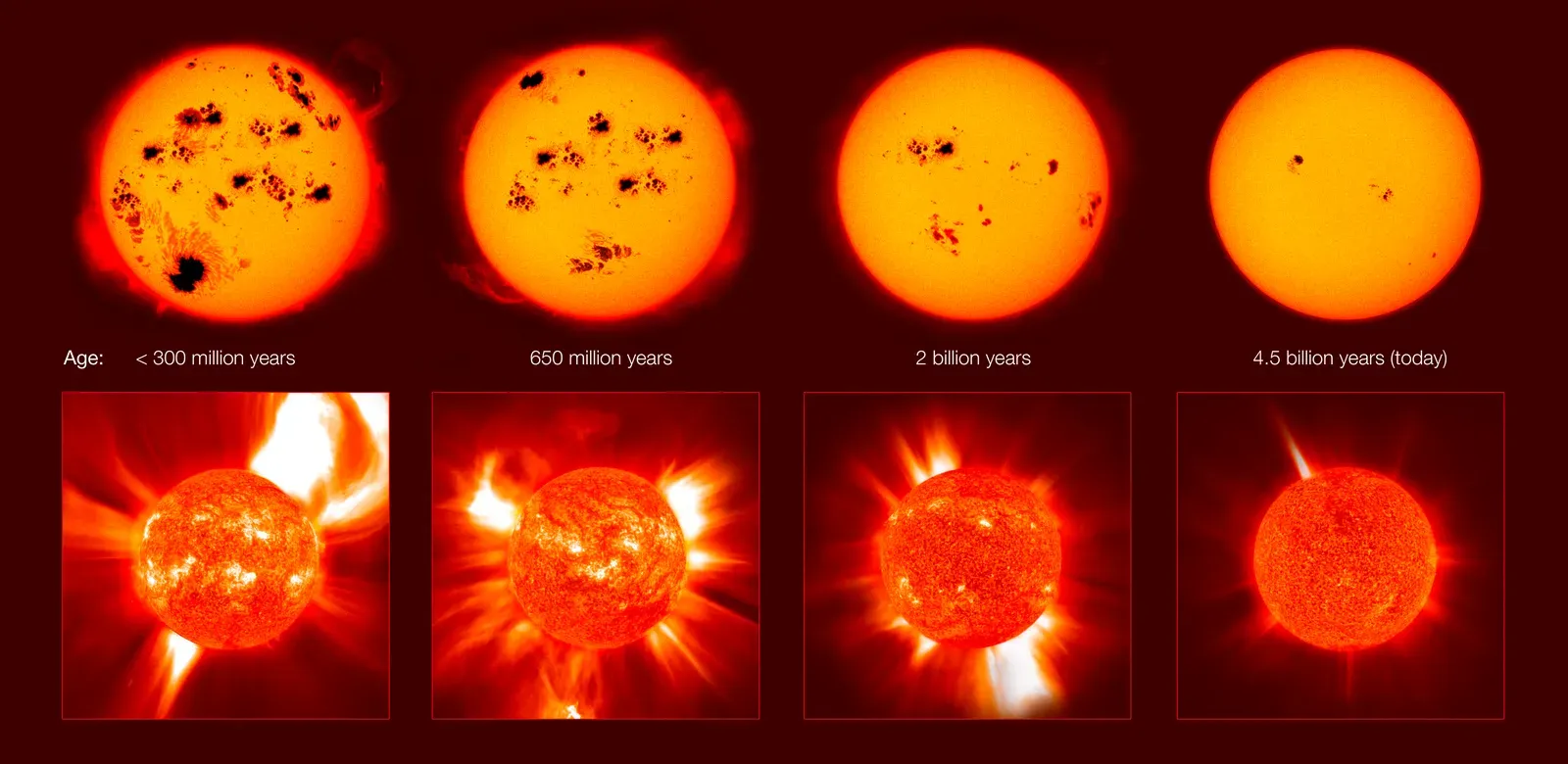
Sunspots aren’t just interesting visual features – they’re windows into the sun’s turbulent magnetic soul. Sunspots are cooler regions on the Sun caused by a concentration of magnetic field lines, and are the visible component of active regions with intense and complex magnetic fields that are the source of solar eruptions. These dark patches appear when magnetic field lines burst through the sun’s surface, cooling that region by a few thousand degrees.
Scientists have discovered that when there are lots of sunspots, the Sun is actually putting out MORE energy than when there are fewer sunspots, with the most sunspots during solar maximum and the fewest during solar minimum. It seems counterintuitive – darker spots mean more energy output – but the surrounding bright regions more than compensate. The sun’s magnetic field becomes increasingly tangled and twisted as it approaches maximum, eventually snapping like overstretched rubber bands and releasing tremendous amounts of energy.
What the Future Holds for Solar Research
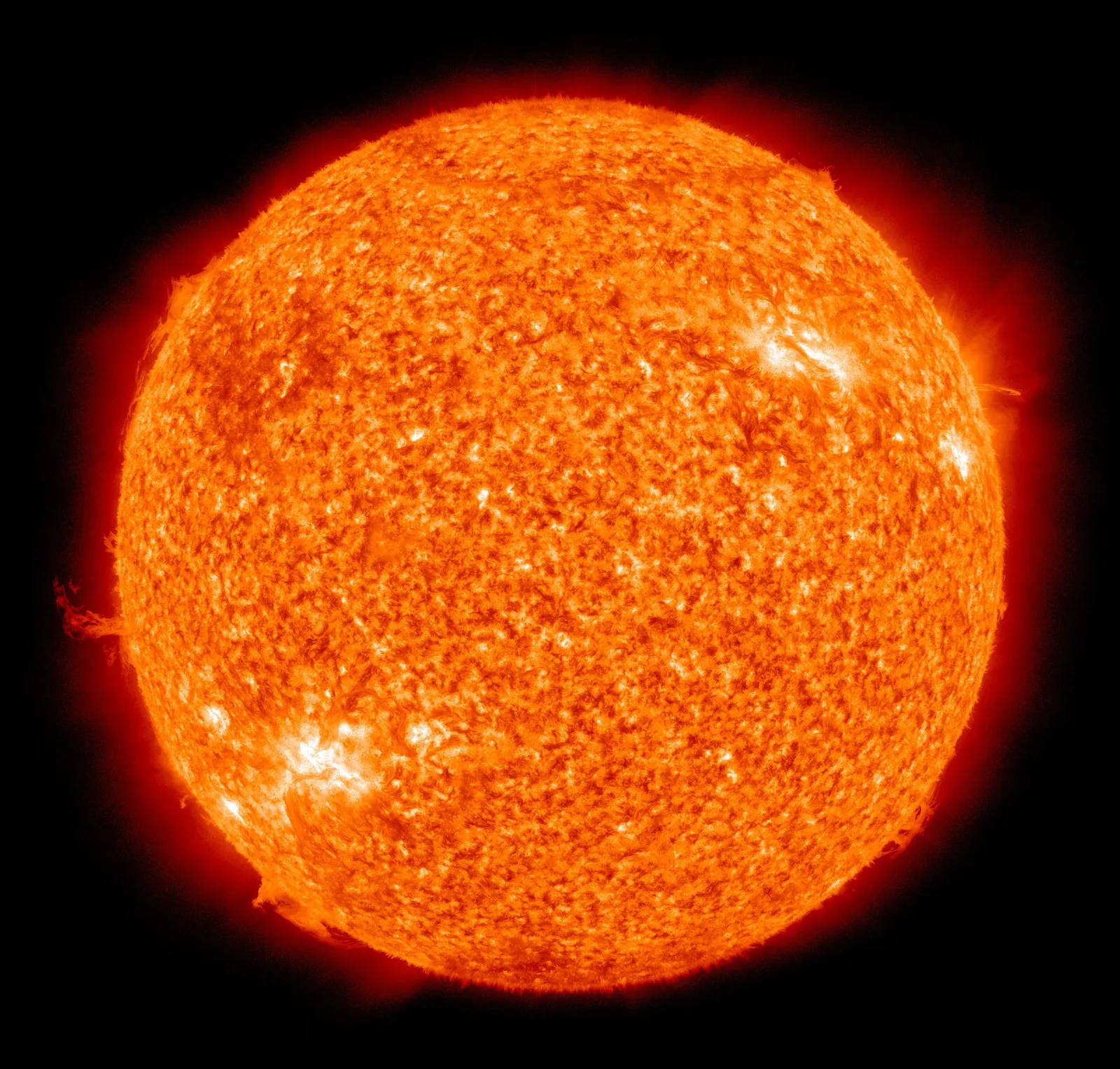
Scientists aren’t sitting idle while the sun surprises them. Astronomers and space weather researchers view solar maximum as a natural laboratory for understanding the Sun’s magnetic engine, monitoring statistics of sunspots, flares, and coronal mass ejections during 2026 to test and refine theories. Every solar cycle teaches us something new, even if the lessons come wrapped in unexpected packages.
The panel expects the cycle maximum could be between 105-125 with the peak occurring between November 2024 and March 2026. The exact timing remains uncertain because identifying the true peak requires months of observation after the fact. We won’t know precisely when we hit maximum until we’re already on the downward slope. Despite all our technology and decades of study, the sun keeps reminding us that nature doesn’t always follow our predictions.
Our star continues to challenge and surprise us, proving that even our closest cosmic neighbor still holds mysteries we’re only beginning to unravel. The heightened activity of Solar Cycle 25 isn’t just a scientific curiosity – it’s a reminder that we live in a dynamic solar system where the sun calls the shots. As we continue monitoring our star’s behavior, one thing becomes increasingly clear: the universe doesn’t care much for our carefully constructed models. So what do you think – are we prepared for what the sun might throw at us next?