
We like to think we’ve got our cosmic backyard all figured out. After all, we’ve mapped the planets, landed probes on comets, and even flown a helicopter on Mars. But the more closely scientists look at our own solar system, the stranger it gets. Beneath the familiar textbook diagrams is a wild, unfinished mystery story that keeps getting new plot twists.
Some of the biggest questions are surprisingly basic: How did this place even form? Why are some worlds hot, some frozen, and some hiding oceans under ice? And is anything – or anyone – else sharing this neighborhood with us? Astronomers are still piecing it together, and honestly, that gap between what we know and what we don’t is where things get truly fascinating.
Why Our Solar System Looks So Weird Compared To Others
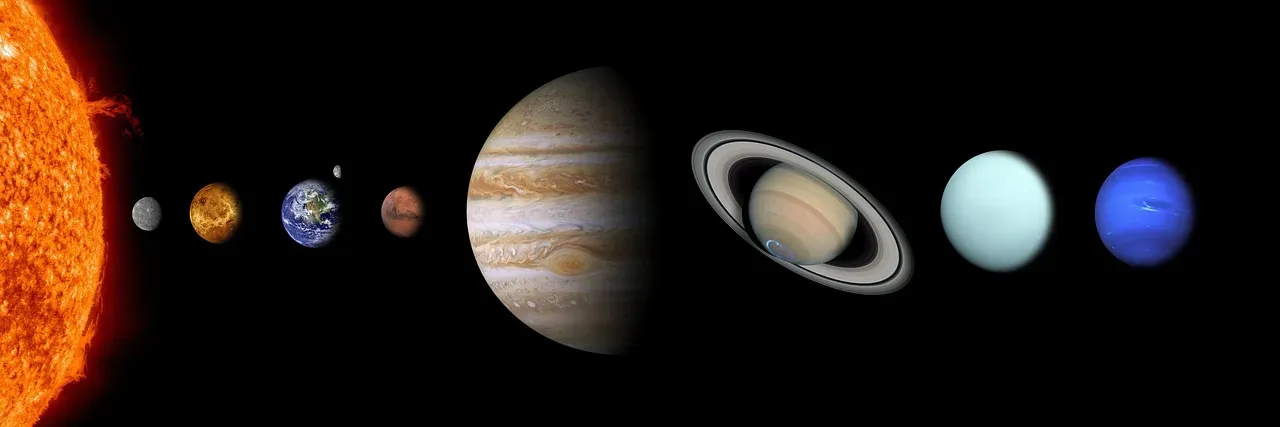
Here’s a surprising twist: as telescopes started finding planets around other stars, astronomers realized our solar system is not the standard model – it’s kind of the oddball. Many other systems have giant planets skimming incredibly close to their stars, the so‑called “hot Jupiters,” or tightly packed chains of rocky planets all huddled in orbits smaller than Mercury’s. By comparison, we’ve got a spread‑out system with small rocky worlds inside and gas giants far away, which doesn’t seem to be the most common layout.
That raises a big question scientists still haven’t cracked: did our system form differently, or are we just not seeing the full picture of other systems yet? Theories suggest that giant planets like Jupiter may have migrated inward and then back out, reshaping the inner region and possibly saving Earth from being swallowed or smashed. But the exact story is messy and hard to simulate. Every new exoplanet discovery is forcing astronomers to rethink which parts of our solar system are “normal” and which are truly one‑of‑a‑kind.
How The Solar System Really Formed (Beyond The Textbook Sketch)
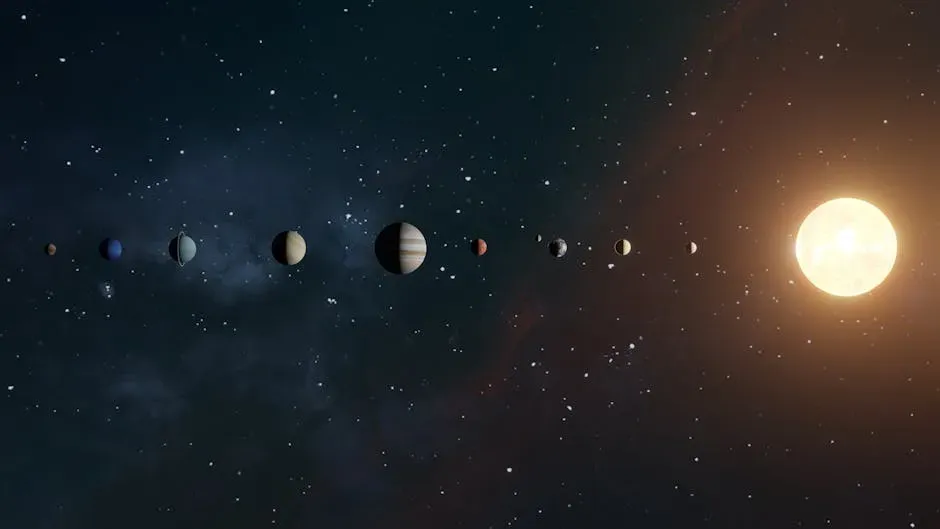
Most of us grew up with the neat story: a spinning cloud of gas collapsed, the Sun lit up in the center, and the planets formed from the leftover debris circling around. That basic picture still holds, but the details are where things get complicated – and where the secrets hide. For example, models struggle to explain why the inner rocky planets remained relatively small while the outer giants ballooned into massive gas worlds.
There’s also an ongoing debate about how chaotic those early days actually were. Evidence from cratered surfaces, asteroid belts, and odd orbital quirks suggests that planets didn’t quietly form and stay put; they likely pushed each other around, collided, and scattered rubble all over the place. Some researchers think there might even have been an extra giant planet that got kicked out entirely. The more we learn, the less our solar system looks like a calm construction project and more like a bar fight that slowly cooled down.
The Mystery Of Planet Nine: Is There A Giant World Hiding In The Dark?
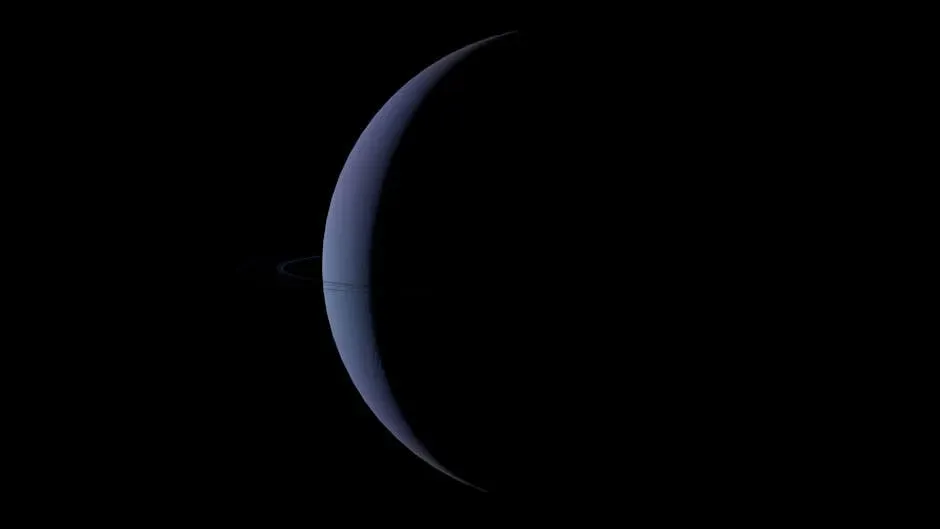
Far beyond Neptune, a handful of icy objects have orbits that seem strangely aligned, as if something massive is tugging on them from the shadows. To explain this, some astronomers have proposed a hidden “Planet Nine,” possibly several times more massive than Earth, following a huge, distant, and elongated orbit. If it exists, it would be one of the biggest discoveries in the history of solar system science.
The problem is, no one has actually seen it. Telescopes have been scanning the sky, and alternative explanations keep being put on the table, like the idea that those odd orbits are just a product of small‑number statistics or biases in where we’ve looked. There’s even the suggestion that a loose swarm of smaller objects, rather than one big planet, could be responsible. For now, Planet Nine sits in that frustrating sweet spot between “too wild to ignore” and “not solid enough to claim,” and astronomers are still chasing it through the data.
Underground Oceans On Frozen Moons: Could Life Be Hiding There?
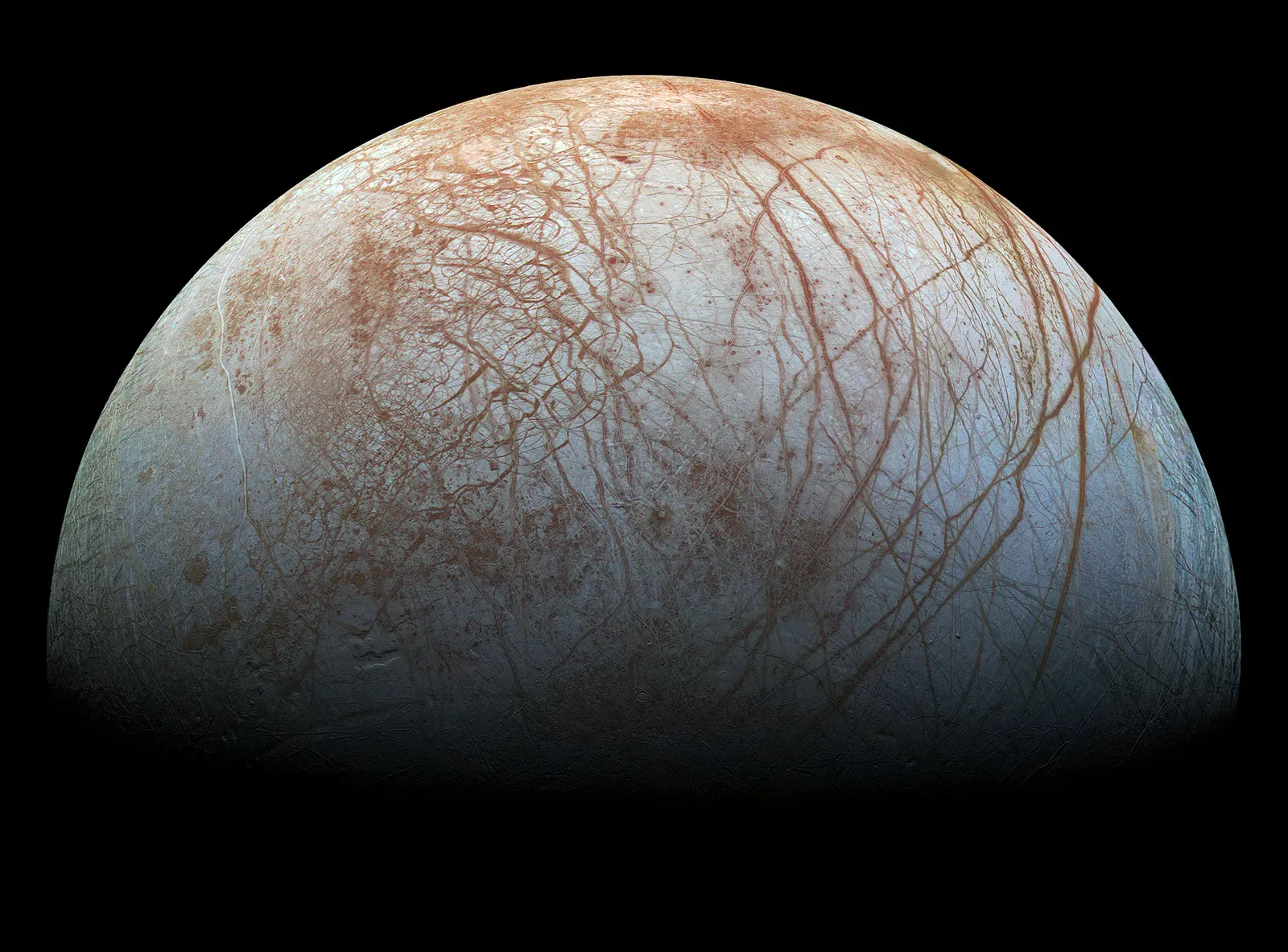
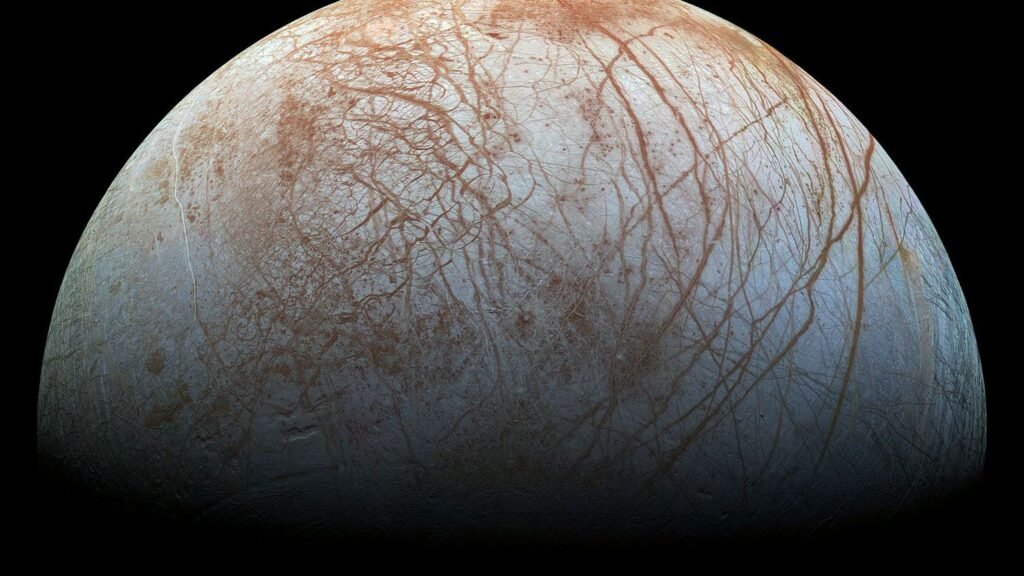
One of the most shocking discoveries of the past few decades is that some of the most promising places to look for life aren’t warm, Earth‑like planets at all – but icy moons. Europa around Jupiter and Enceladus around Saturn both seem to hide global oceans beneath their frozen shells. Geyser‑like plumes shoot water vapor and other material into space, hinting at complex chemistry and maybe even hydrothermal vents on their seafloors.
The big, unresolved question is whether these hidden oceans are just cold, salty water or genuinely habitable environments where life could arise and survive. We know they likely contain key ingredients like water, energy sources, and organic molecules. What we don’t know is how stable they are over time, how deep they go, and whether they’ve had enough time and the right conditions for biology to get started. Missions planned to visit these moons in the coming years could push this mystery from abstract speculation to something far more concrete – and possibly life‑changing.
Mars: A Once‑Blue World That Lost Almost Everything
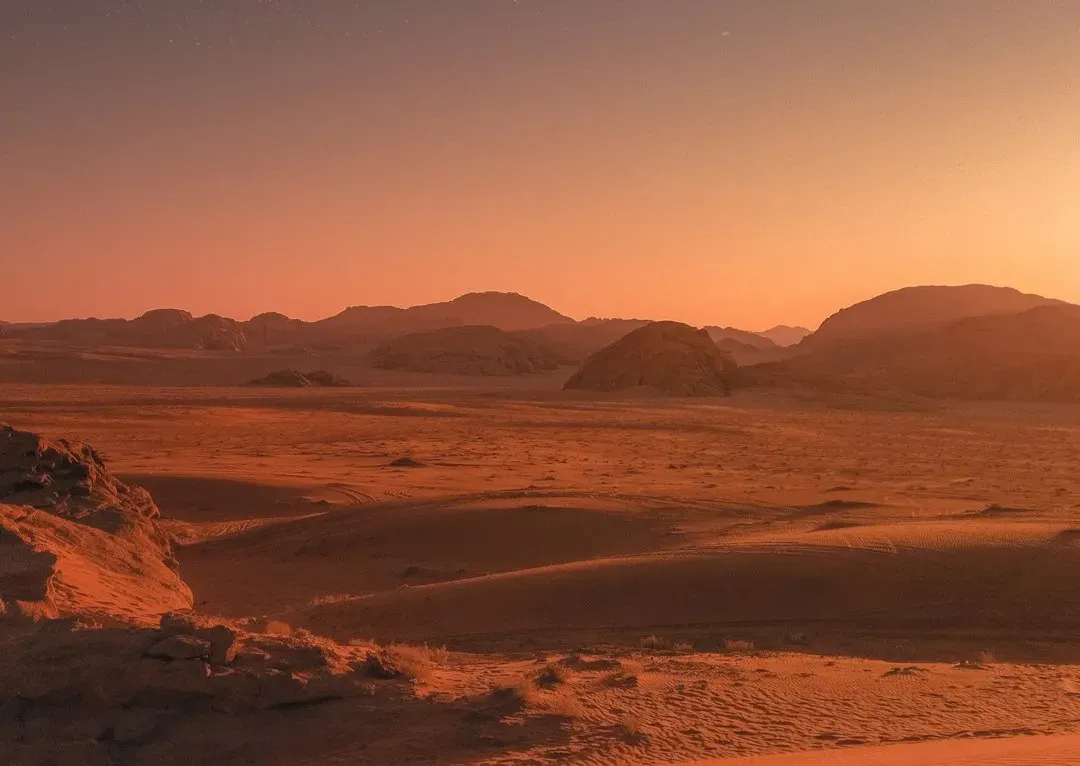
Today’s Mars is dry, cold, and coated in dust, but its ancient landscape tells a different story. Old riverbeds, lake basins, and mineral deposits suggest that long ago, Mars had flowing water on its surface – and probably a thicker atmosphere to hold that water in place. Some climate models even propose that early Mars might have gone through cycles of wetter and drier periods instead of being permanently warm and wet like a smaller Earth.
The lingering mystery is what exactly happened to all that water and air. Some of it is locked up as ice at the poles and possibly in buried underground deposits, and some was stripped away by solar radiation as Mars lost its magnetic field. But the full balance sheet still doesn’t add up cleanly. Even more intriguing is the question of whether life ever got started there while conditions were better, and if so, whether any traces – fossilized or microbial – might still be clinging on in protected niches below the surface.
Venus: Earth’s Hellish Twin And Its Lost Past
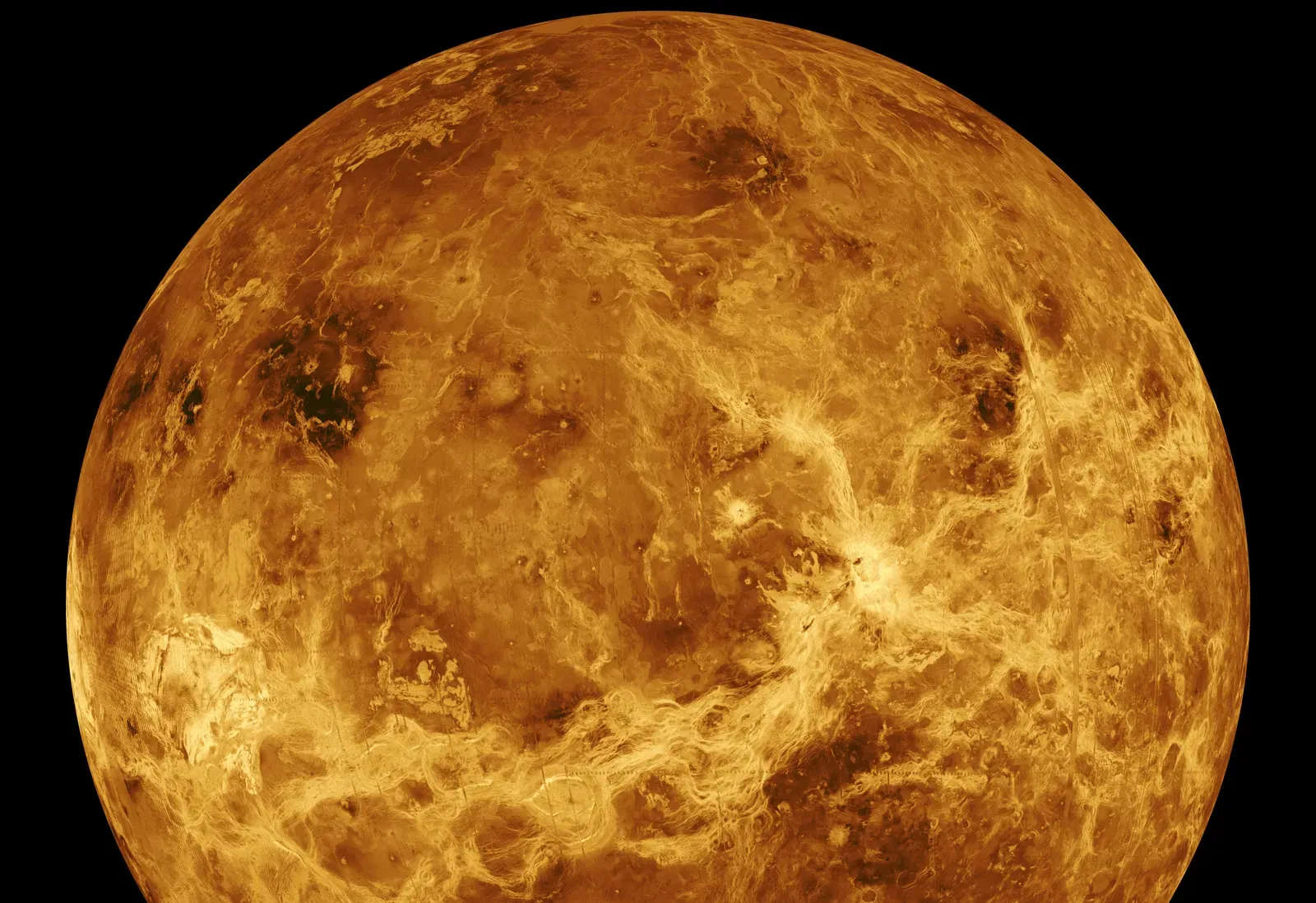
Venus is almost the same size as Earth, made of similar stuff, and orbits not all that much closer to the Sun. Yet its surface is unimaginably hostile, with temperatures hot enough to melt lead and crushing atmospheric pressure. The mystery that keeps haunting planetary scientists is whether Venus always looked like this – or if it might once have had oceans, clouds, and a gentler climate before spiraling into a runaway greenhouse state.
Some studies of its atmosphere suggest that Venus may have lost vast amounts of water over time, possibly hinting at a wetter past. Its surface also looks relatively young in geological terms, which could mean global volcanic resurfacing events wiped out older records. Until we send more capable probes – and survive long enough down there to do detailed science – our picture of Venus’s history will stay frustratingly blurry. It’s eerie to think our closest planetary cousin may be a window into what can go terribly wrong on an Earth‑like world.
The Sun’s Temper Tantrums And Their Hidden Rhythms
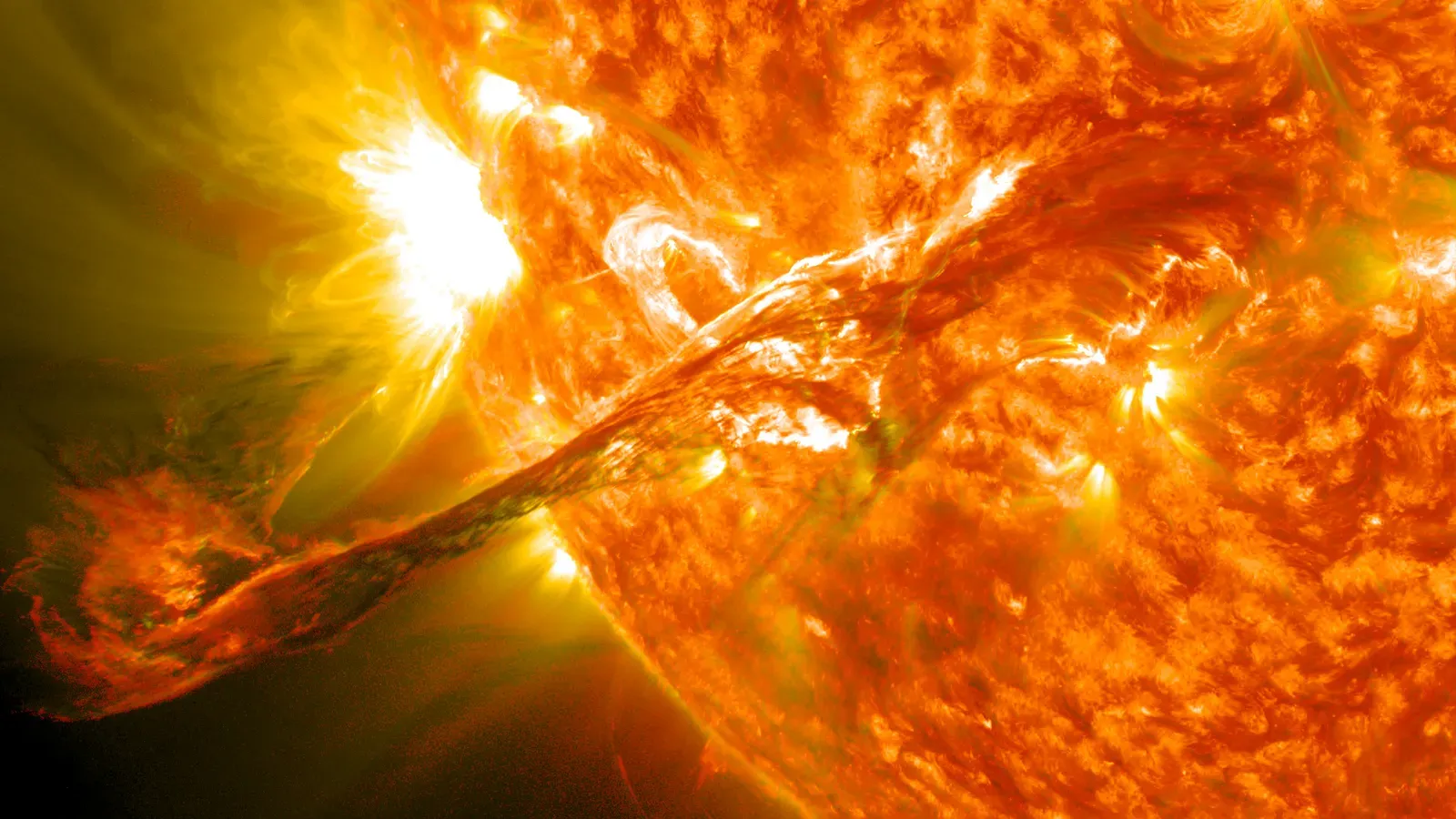
Also available on NASA’s Image and Video Library as GSFC_20171208_Archive_e001662, CC BY 2.0)
We put the Sun on classroom posters as a calm yellow ball, but it’s more like a simmering nuclear engine that occasionally throws tantrums. Solar flares and coronal mass ejections blast charged particles into space, sometimes slamming into Earth and disturbing communications, satellites, and power grids. These events follow a rough eleven‑year cycle tied to the Sun’s changing magnetic field, but those cycles aren’t perfectly predictable, and deep details of how they work remain murky.
Astronomers are still trying to understand why some cycles are relatively weak and quiet, while others are more intense. There are also bigger, long‑term variations and rare “grand” events that could pose serious risks if they hit our increasingly tech‑dependent civilization. Probes like the Parker Solar Probe and Solar Orbiter are diving closer to the Sun than ever before, trying to sample the environment where its magnetic fields twist and snap. Even so, turning that raw data into a solid, reliable space‑weather forecast system is still an unsolved puzzle.
Strange Spins And Tilts: The Odd Behavior Of Planets And Moons
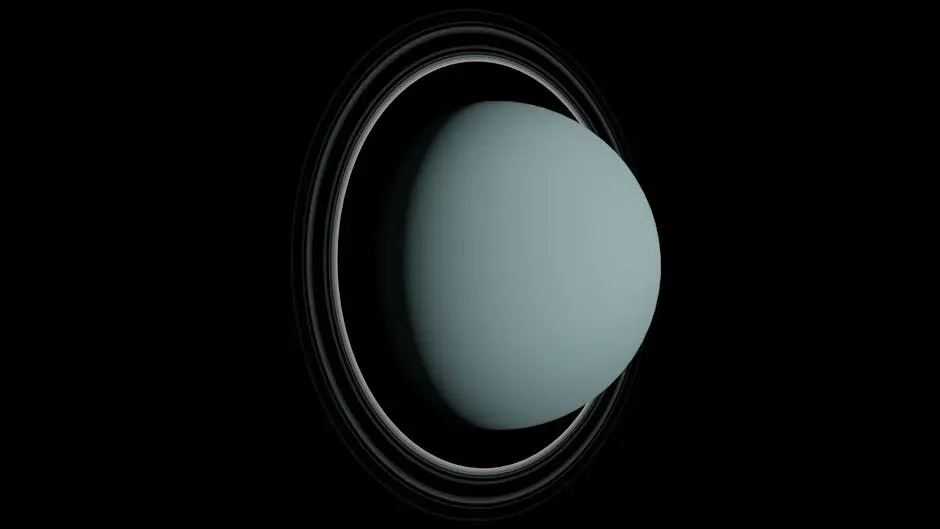
Once you look past the simple, flat diagrams, the solar system’s geometry gets weird fast. Uranus, for example, is tipped almost entirely on its side, rolling around the Sun like a ball rather than spinning like a top. Many moons orbit in strange inclinations or move in the opposite direction of their planet’s rotation, and Mercury’s spin is locked in a quirky resonance with its orbit, rotating three times for every two trips around the Sun.
These odd tilts and spins are probably scars from ancient collisions, gravitational tugs, and long‑term interactions, but the exact histories are incredibly hard to reconstruct. Computer simulations can show how such bizarre setups might arise, yet there’s often more than one path to the same outcome. That leaves scientists trying to read the solar system like a crime scene where most of the evidence has been swept away. Every weird tilt or backwards orbit is a clue that something dramatic happened long ago, but the full sequence of events is still mostly guesswork.
The Kuiper Belt, Oort Cloud, And The Comet Reservoir
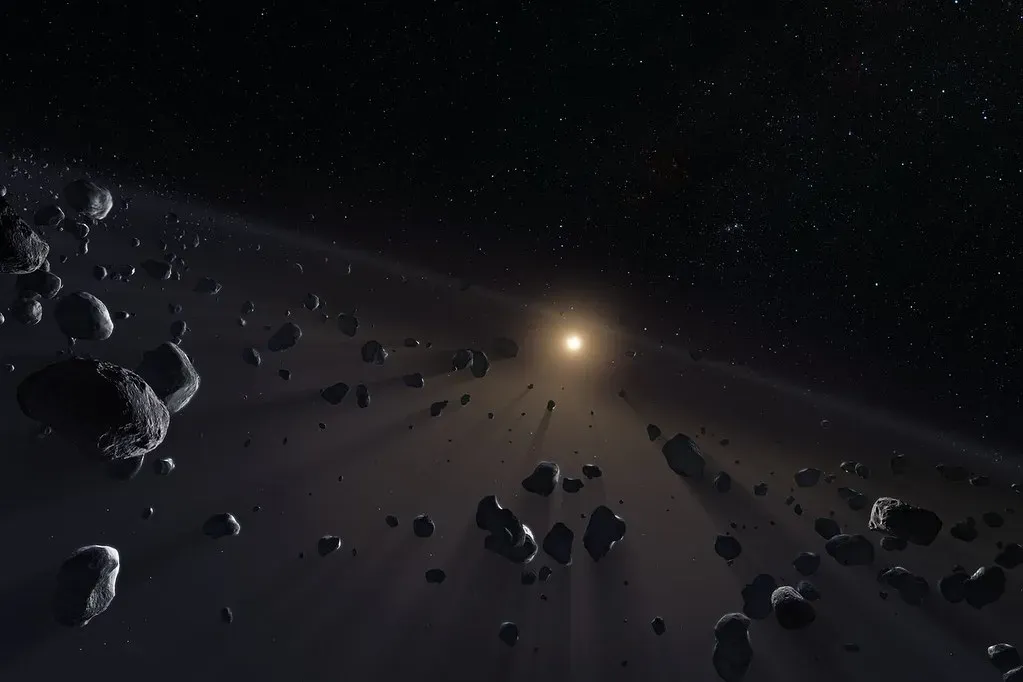
Beyond Neptune lies the Kuiper Belt, a vast region of icy leftovers that includes dwarf planets like Pluto and countless smaller bodies. Even farther out, far beyond what we can easily see, astronomers infer the existence of the Oort Cloud, a huge, spherical shell of frozen objects loosely bound to the Sun. These distant reservoirs are thought to be the source of many comets that occasionally drop into the inner solar system on spectacular, elongated paths.
But our knowledge of these regions is still incredibly limited. We’ve only visited one Kuiper Belt object up close, and the Oort Cloud remains entirely unobserved directly – its presence is deduced from the behavior of long‑period comets. Big questions linger: how massive are these reservoirs, exactly what are they made of, and how many times have they been disturbed by passing stars or the gravity of the Milky Way itself? In a sense, the solar system doesn’t end with Pluto; it just fades into a mysterious, icy fog we’ve barely started to explore.
Are We Really Alone In This Cosmic Neighborhood?
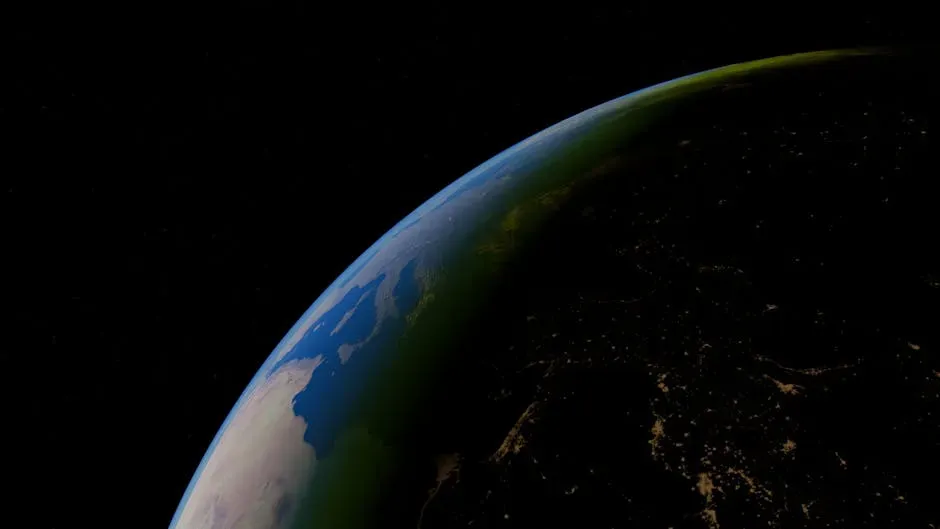
At the heart of almost every solar system mystery is a quieter, more emotional question: is there, or was there ever, life anywhere else around our Sun? Mars, Europa, Enceladus, and maybe even some obscure icy objects all sit on the list of candidates. We’ve found organic molecules, water in various forms, and energy sources that could potentially support biology. But we still have not found a single unambiguous sign of living organisms, past or present, beyond Earth.
What makes this so haunting is that even one confirmed detection, even of the simplest microbe, would transform how we see our place in the universe. It would mean life is not a fluke of one planet but a natural outcome of certain conditions. Right now, though, we’re stuck in suspense – sending rovers, planning sample‑return missions, and designing probes that can sniff for subtle chemical signatures in alien oceans. Until those results come back, the biggest secret of our solar system remains an open question staring us in the face.
Conclusion: Living Inside An Unfinished Story
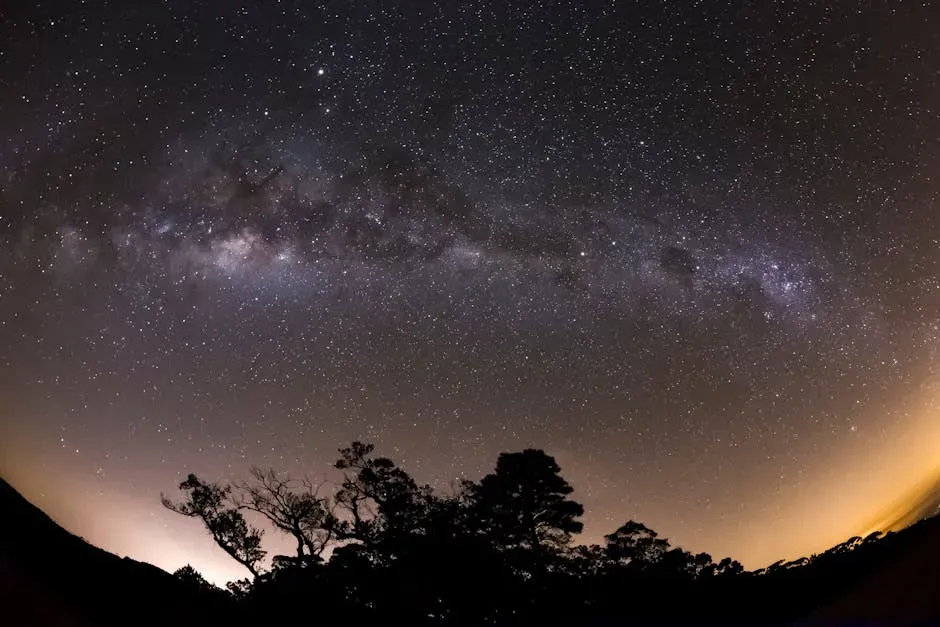
The more closely we study the solar system, the less it feels like a completed model and the more it feels like a draft still covered in question marks. From hidden oceans and possible lost planets to tilted worlds and a tantrum‑prone Sun, our cosmic neighborhood is packed with mysteries that refuse to sit quietly in the margins. What we once saw as a tidy set of orbits is now a tangled, evolving story that stretches from a storm‑burned Venus to the ghostly edge of the Oort Cloud.
Personally, I find that uncertainty oddly comforting – it means there’s still room for genuine discovery, not just for scientists with giant telescopes but for all of us trying to make sense of where we live. Over the next few decades, new missions and better data will almost certainly rewrite big chunks of what we think we know today. Some answers will be satisfying; others will just raise deeper questions. When you look up at the night sky now, can you feel that sense of unfinished mystery hanging over every point of light?