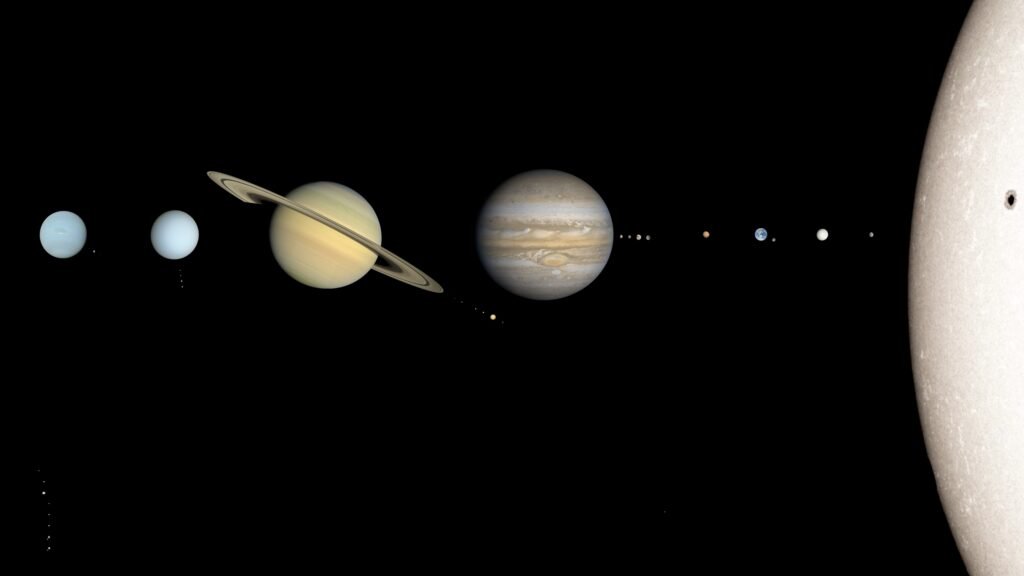

You probably learned about the solar system in school. The planets orbit the Sun in an orderly fashion. Mercury, Venus, Earth, Mars. Then the gas giants farther out. Maybe you even built a model with painted foam balls hanging from wire. It all seemed logical, predictable, almost boring.
Here’s the thing. Our cosmic neighborhood harbors comets, asteroids, dwarf planets, mysterious moons and a host of strange phenomena that defy explanation. The more we explore, the weirder things get. Let’s dive in.
Venus Spins the Wrong Way
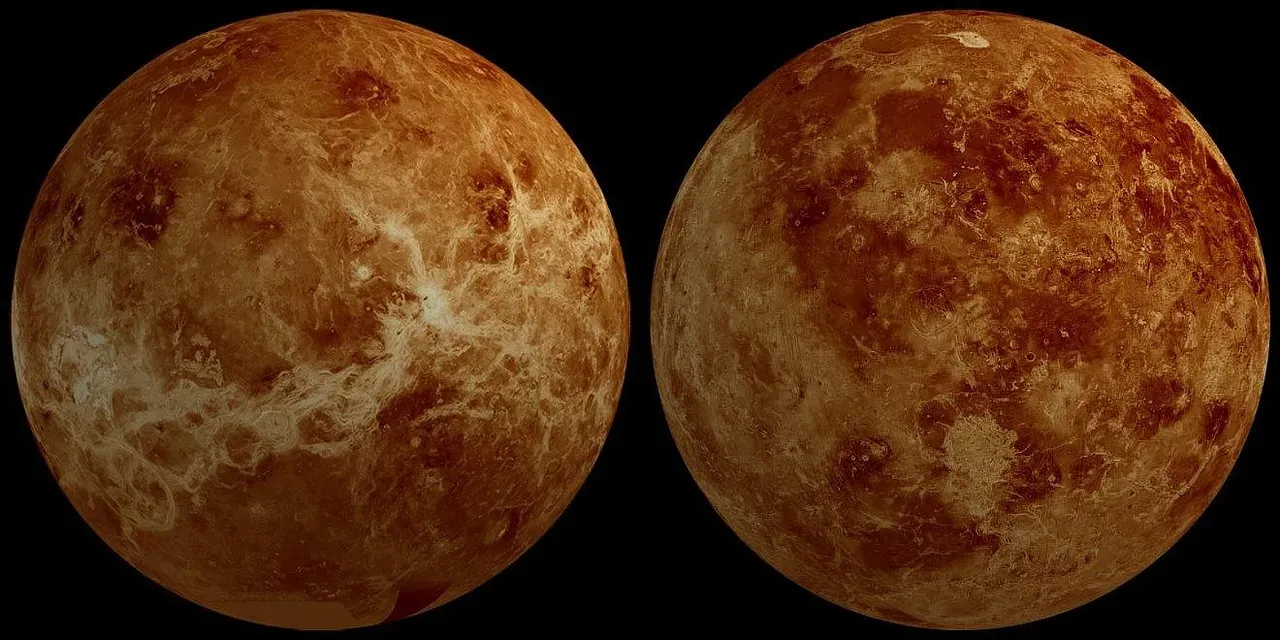
Venus spins in the opposite direction of its orbit, causing the Sun to rise in the west and set in the east. Most planets rotate counterclockwise when viewed from above the solar system. Venus does the exact opposite with a retrograde rotation. Nobody truly knows why.
Perhaps Venus was hit by another object early in the Solar System’s history, but there is no confirmed theory. This planet also has another strange quirk. A single day on Venus takes longer than its year. Think about that for a moment.
Uranus Rolls Like a Barrel
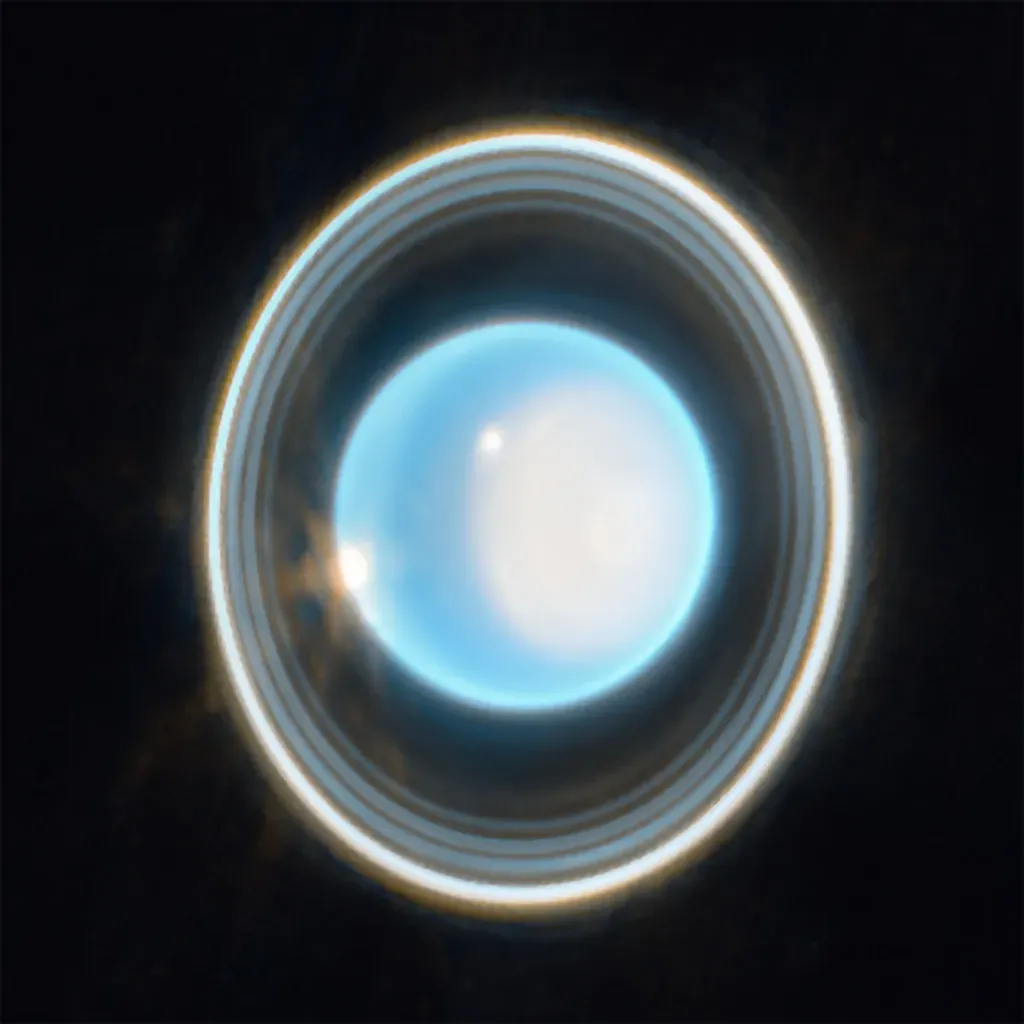
Unlike other planets that whirl around the Sun vertically like spinning tops, Uranus is tipped over 90 degrees so it rolls around the Sun like a barrel. This bizarre orientation means each pole experiences 42 years of continuous sunlight followed by 42 years of darkness. Imagine seasons that last for decades.
The most widely accepted theory suggests that between three and four billion years ago, an Earth-sized object smashed into Uranus, tipping it over. Yet some scientists believe there could be a more elegant explanation. The mystery remains unsolved, and Uranus holds the title of the coldest planet in the solar system despite not being the farthest from the Sun.
Saturn Has a Mysterious Hexagonal Storm
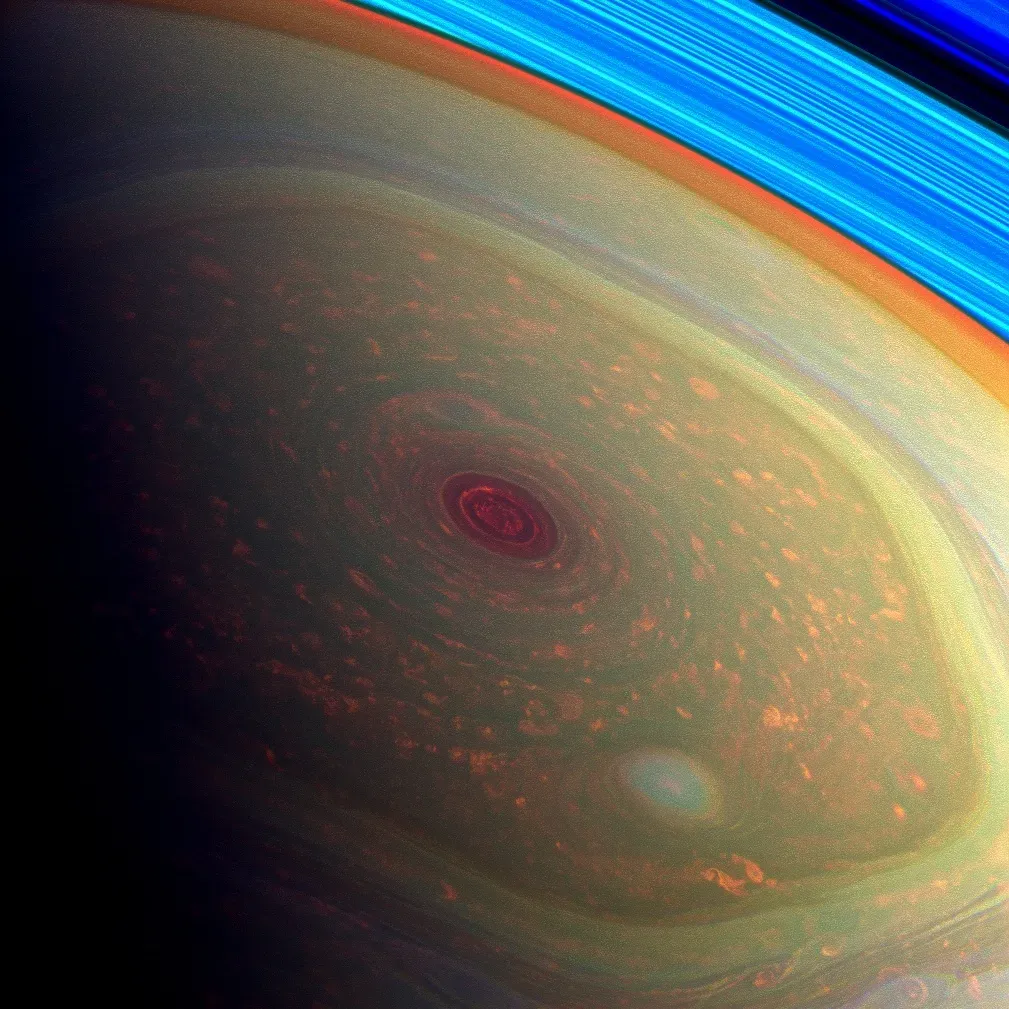
In 1988, scientists discovered a giant hexagonal cyclone on one of Saturn’s poles. Not circular. Not oval. Hexagonal, like a massive cosmic beehive. This geometric storm pattern persists year after year, spinning at Saturn’s north pole with mathematical precision.
Theories have been proposed as to what causes these oddly angular storms, but for the most part, they remain a mystery. It’s hard to say for sure, but the sight of a perfectly six-sided storm defies our understanding of atmospheric dynamics. Neptune might have a similar hexagonal feature too, though we need more data to confirm it.
Jupiter’s Ocean Is Made of Liquid Metal
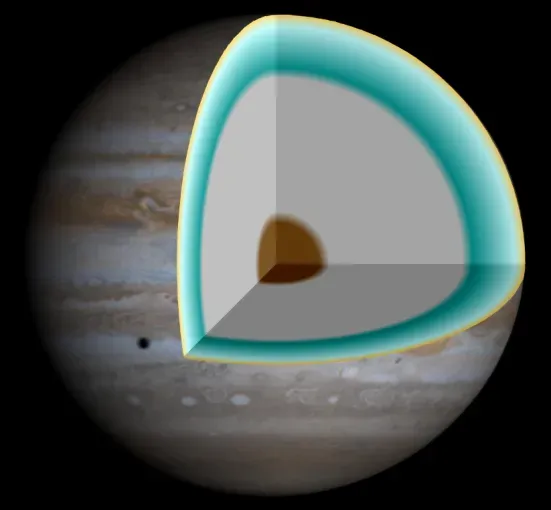
Jupiter looks like a planet, but it’s essentially a massive ball of gas with no solid surface to land on. Deep beneath those swirling cloud tops exists something even stranger. Computer models show Jupiter has the largest ocean known in the solar system, roughly 25,000 miles deep and made of liquid metallic hydrogen.
Given the planet’s mass and chemical composition, physics demands that pressures rise to the point where hydrogen must turn to liquid. This isn’t water. This is hydrogen compressed so intensely it behaves like a metal. Honestly, the sheer scale of Jupiter’s interior ocean exceeds anything we could create on Earth.
Mars Has a Canyon That Dwarfs the Grand Canyon
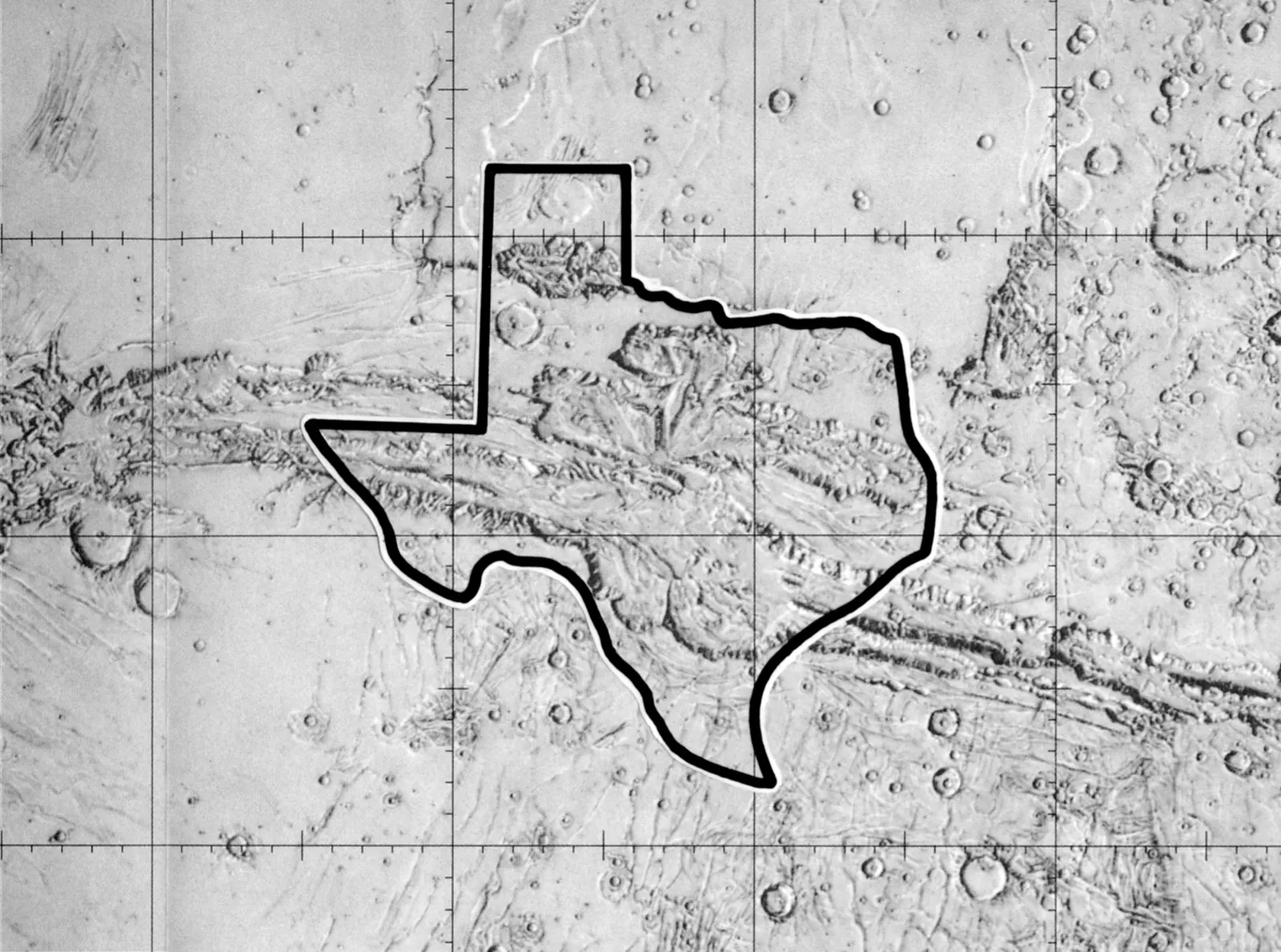
Valles Marineris is a huge system of canyons running along Mars’s equator, more than 4,000 kilometers long, 200 kilometers wide and up to 7 kilometers deep. To put this in perspective, if placed on Earth, it would stretch from London to New York, making our Grand Canyon look pathetic by comparison.
Since there is a scarcity of active plate tectonics, it becomes difficult to understand how the canyon was formed. One theory suggests volcanic activity on the opposite side of Mars may have caused the planet’s crust to crack and split. Whatever created Valles Marineris must have been catastrophic.
Iapetus Has a Ridge That Shouldn’t Exist
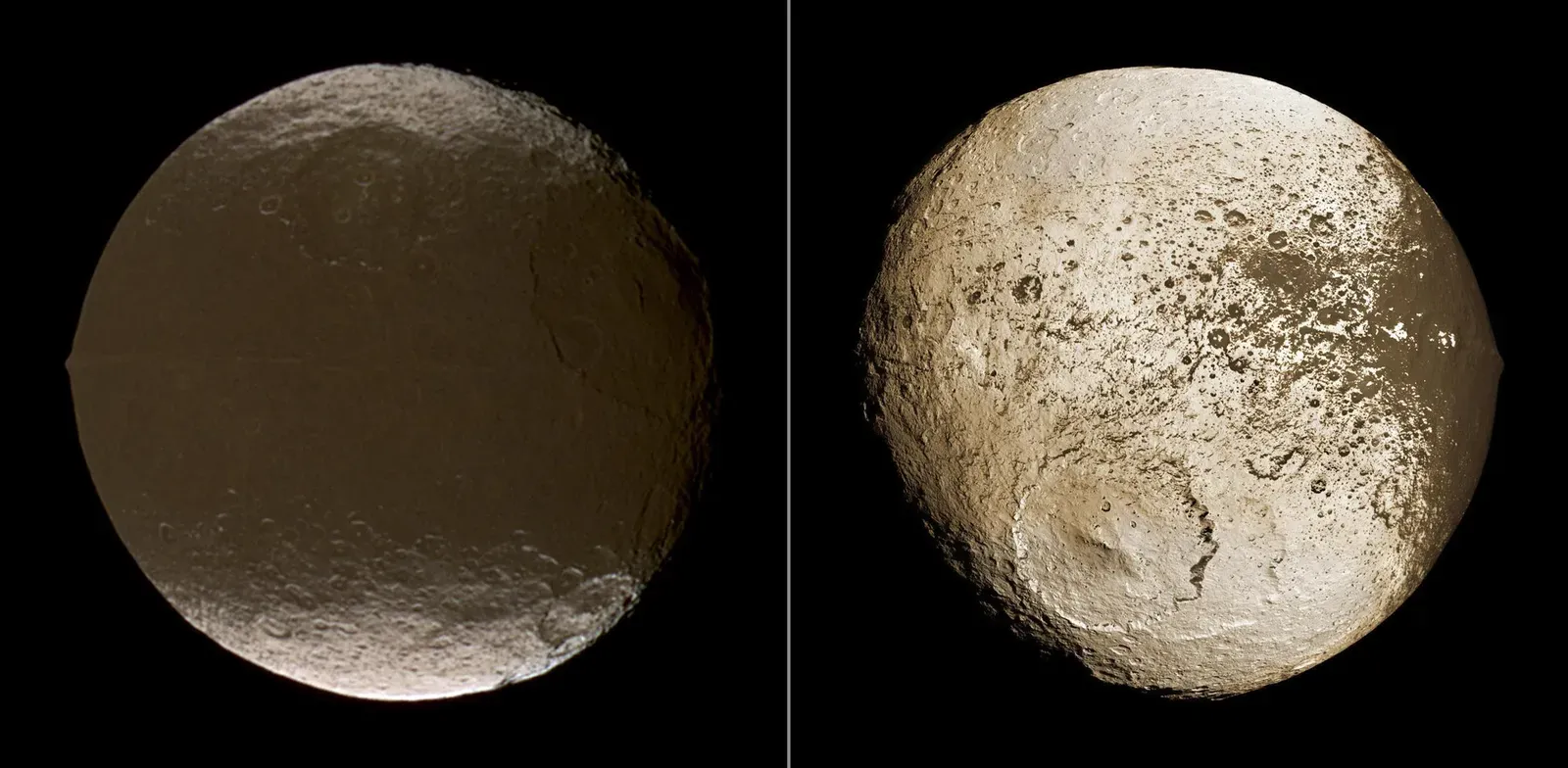
Saturn’s moon Iapetus has an equatorial ridge with tallest peaks rising more than 20 kilometers, like a moon-encircling mountain range. This peak altitude is more than twice that of Mount Everest. The ridge gives the moon its distinctive walnut shape.
Some planetary scientists believe it’s made of material that welled up from beneath the moon’s crust, while others think it’s material from an ancient ring system that fell onto the moon over millions or billions of years. Whatever the origin, this remains one of the most baffling sights in the entire solar system.
Pluto Has Skyscraper-Tall Blades of Ice
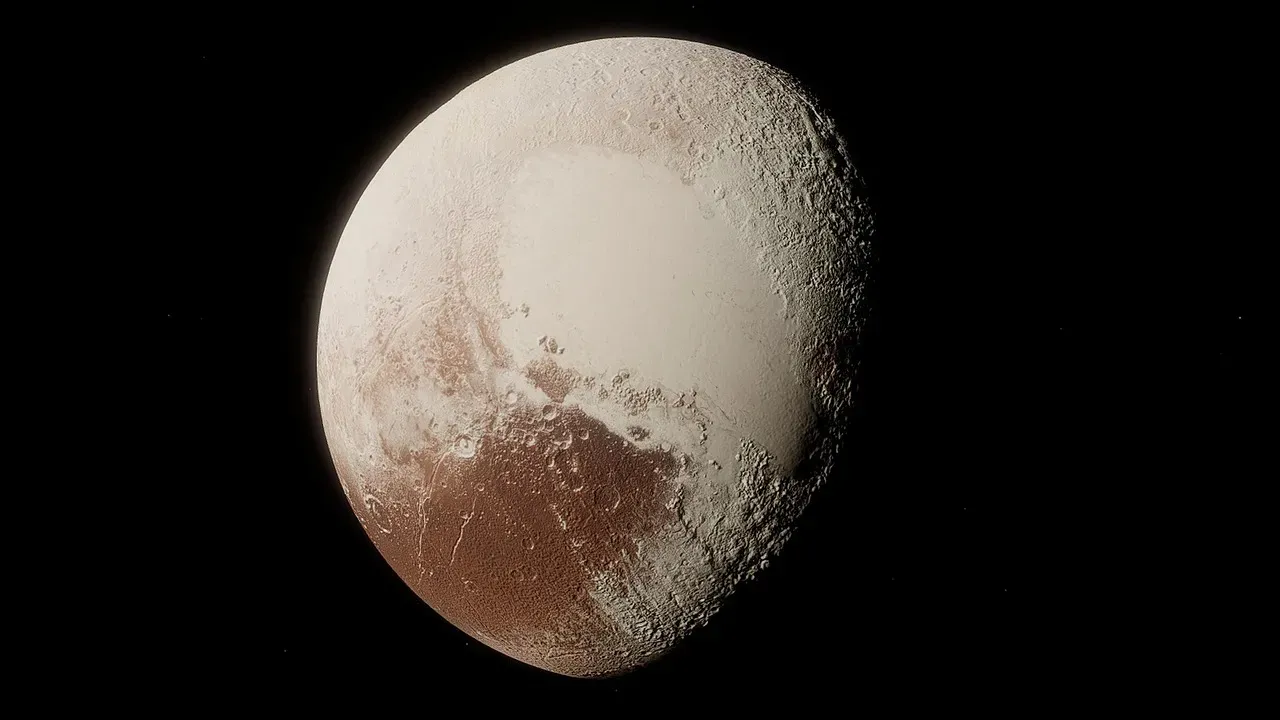
When NASA’s New Horizons spacecraft reached Pluto in 2015, scientists discovered something extraordinary. Fields of razor-sharp blades of ice, some as tall as a skyscraper, cover parts of the dwarf planet’s surface. These aren’t smooth glaciers. They’re jagged, towering spikes.
Scientists found the culprit using spectrometry: frozen methane. Though the sun is at a great distance from Pluto, this doesn’t stop the dwarf planet from becoming geologically active. The methane ice undergoes sublimation, transforming directly from solid to gas and carving these alien formations. Did you expect a frozen world billions of miles from the Sun to be so dynamic?
There Might Be a Massive Hidden Planet
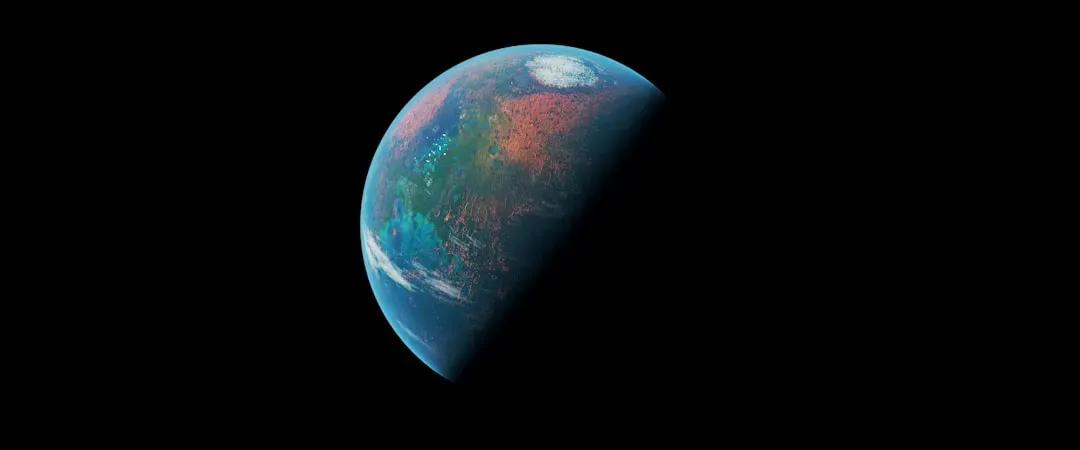
Small icy bodies called Kuiper Belt Objects, which orbit far beyond Neptune, seem to be clustered together in unusual ways with orbits aligned in patterns that shouldn’t exist by chance alone. There may even be a giant, undiscovered planet lurking somewhere beyond Neptune.
Astronomers call it Planet Nine. Caltech researchers have mathematical evidence suggesting a Neptune-sized Planet X may exist deep in the solar system in an orbit far beyond Pluto. Recent research has taken a creative approach, searching for the planet’s heat signature rather than reflected sunlight. Two candidates have been identified, though confirmation requires follow-up observations. The hunt continues.
We Actually Live Inside the Sun
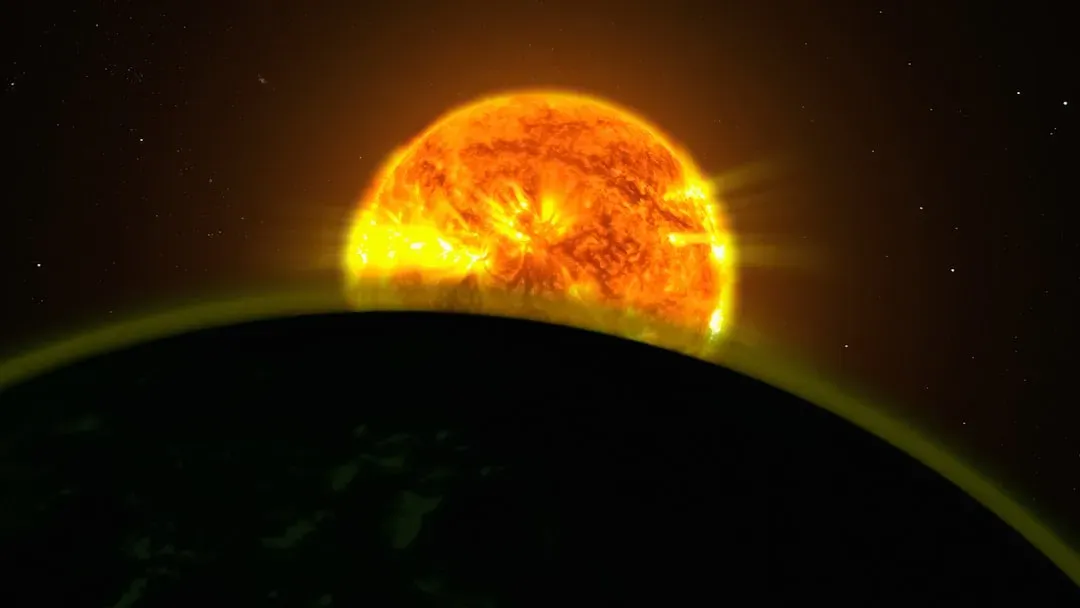
The sun’s outer atmosphere extends far beyond its visible surface, and our planet orbits within this tenuous atmosphere, which we see evidence of when gusts of solar wind generate the Northern and Southern Lights. The outer solar atmosphere, called the heliosphere, is thought to extend at least 100 astronomical units.
Auroras have been observed on Jupiter, Saturn, Uranus, and even distant Neptune. Every planet in our solar system exists within the Sun’s extended atmosphere. So in a very real sense, you’re not just orbiting the Sun. You’re living inside it. Let that sink in.
Our Solar System Might Be the Weird One
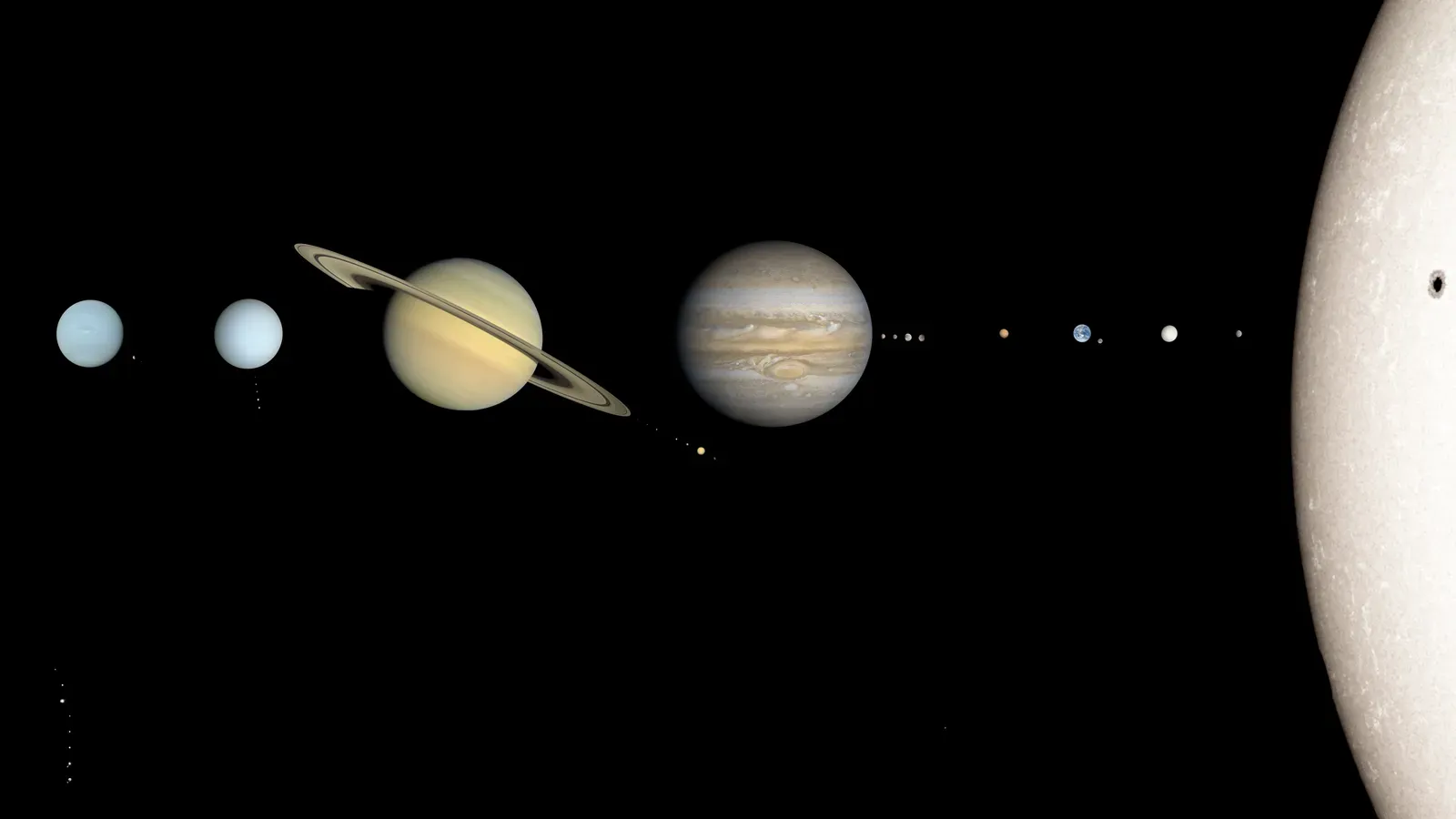
In a word, we are weird, at least among the planetary systems found so far. We’ve seen nothing yet that quite resembles our own setup: a Sun-like star with a retinue of rocky planets close in and more distant gas giants. Most discovered systems feature hot Jupiters hugging their stars or planets unlike anything we have.
Systems with planets larger than Earth and smaller than Neptune are common among exoplanets discovered, yet they’re unlike anything in our solar system. The more we discover about other planetary systems, the more ours appears unusual. Perhaps being strange isn’t such a bad thing after all. What would you have guessed?
Hi, I’m Andrew, and I come from India. Experienced content specialist with a passion for writing. My forte includes health and wellness, Travel, Animals, and Nature. A nature nomad, I am obsessed with mountains and love high-altitude trekking. I have been on several Himalayan treks in India including the Everest Base Camp in Nepal, a profound experience.