
Somewhere on a windswept mountain, in a scrubby desert, or deep in a forgotten forest, a tree older than entire civilizations is still quietly alive. It has outlived empires, watched languages appear and vanish, and survived climate swings that reshaped coastlines and cultures. To us it’s just another gnarled trunk, but locked inside its wood is a record of Earth’s past so precise it can make human history look like a quick scribble on a post‑it note.
In the last few decades, scientists have realized that these ancient trees are not just biological curiosities; they’re living data vaults. Their growth rings, DNA, and chemistry hold clues about climate, volcanoes, solar storms, ecosystems, and even how long complex life can cheat death. When I first learned that one bristlecone pine started growing before the pyramids were built, it felt almost unsettling, like someone had quietly extended the timeline of everything I thought I knew. And the more we look, the more these old giants keep rewriting the story.
The Shocking Ages Hiding in Plain Sight
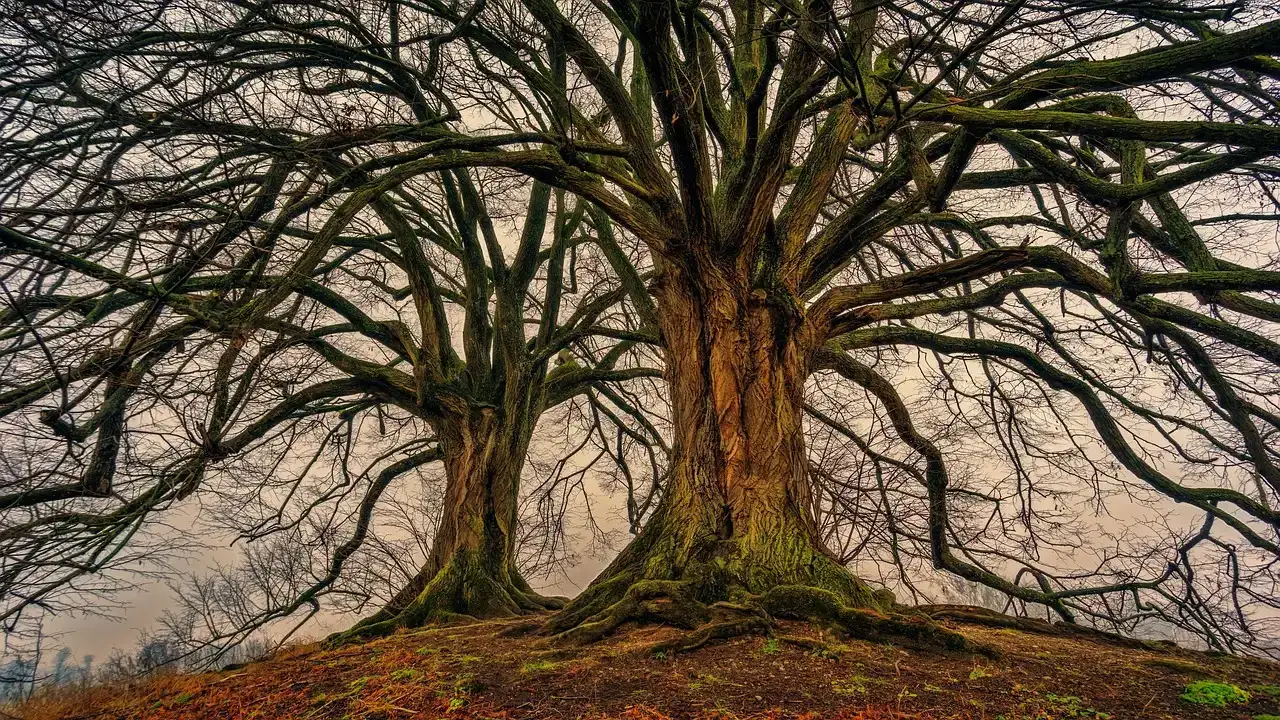
It’s one thing to know a tree is old; it’s another to realize it has been alive for thousands of years longer than your entire family line combined. The oldest known individual trees on Earth, like certain Great Basin bristlecone pines in the western United States, are more than four thousand and even close to five thousand years old. Some researchers suspect that a few unnamed individuals might be older still, growing in remote places where almost no one goes. These are not towering, picture‑perfect trees either; many are twisted, half‑dead, and almost unimpressive to the untrained eye.
Then there are clonal trees, like the aspen colony called Pando in Utah, which spreads from one massive root system and is estimated to be tens of thousands of years old. From above, it looks like a normal grove, but genetically it’s essentially one ancient organism continually sprouting new stems. In Scandinavia and Australia, researchers have found similarly ancient clonal shrubs and trees, some dating back to the tail end of the last ice age. Once you know that, walking through a forest can feel very different: you might suddenly realize that what looks young and ordinary is part of a life form older than written history itself.
Tree Rings: Nature’s Hidden Time Machines
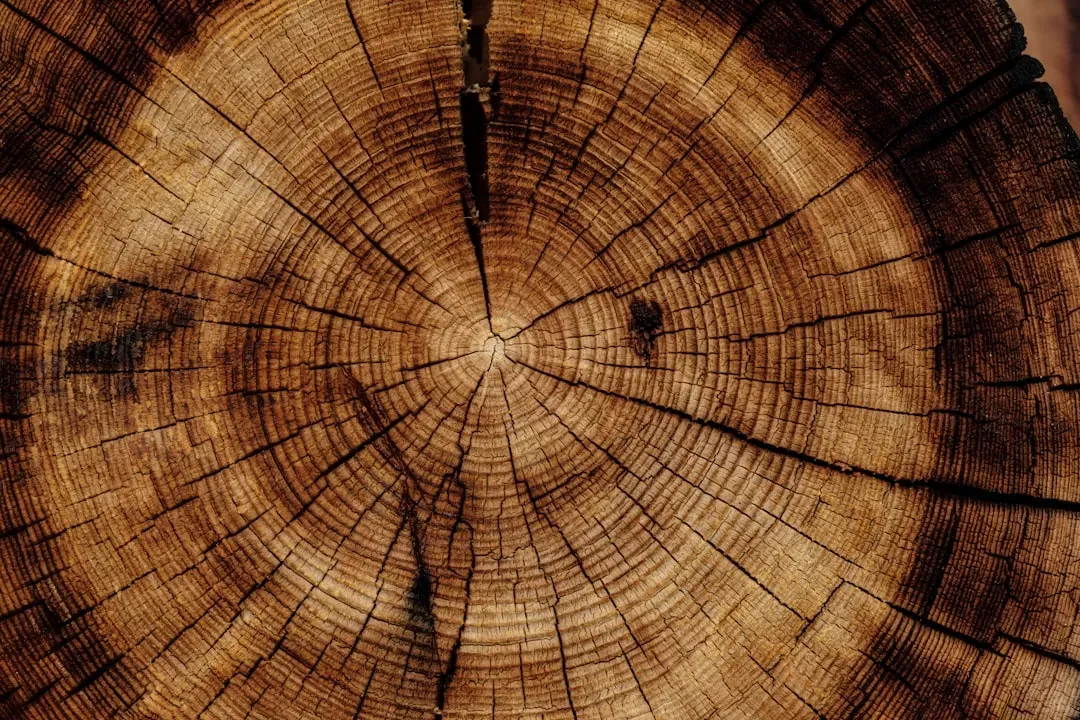
If you slice a tree trunk cleanly across, you see rings: light and dark bands that look decorative but are actually a diary written in wood. Each ring usually marks one year of growth, and the thickness and density of that ring whisper details about temperature, rainfall, drought, fires, and even insect outbreaks during that year. Scientists use an approach called dendrochronology, carefully matching ring patterns from living and dead trees, to build continuous timelines that stretch back thousands of years. In some regions, these ring chronologies are so complete that researchers can date wooden artifacts or fallen logs to the exact year they formed.
These ancient rings have helped reconstruct past climates with astonishing detail, showing, for example, when medieval droughts pushed societies to the brink, or when centuries of cooler temperatures reshaped harvests and migrations. Tree rings have captured evidence of giant volcanic eruptions that dimmed sunlight worldwide and left scars in growth patterns even in distant forests. They’ve also recorded unusual bursts of cosmic radiation from space, possibly linked to solar storms, that left chemical fingerprints in the wood. In other words, every old tree is like a natural hard drive quietly logging the ups and downs of Earth’s systems in high resolution.
How Ancient Trees Are Rewriting Earth’s Climate Story
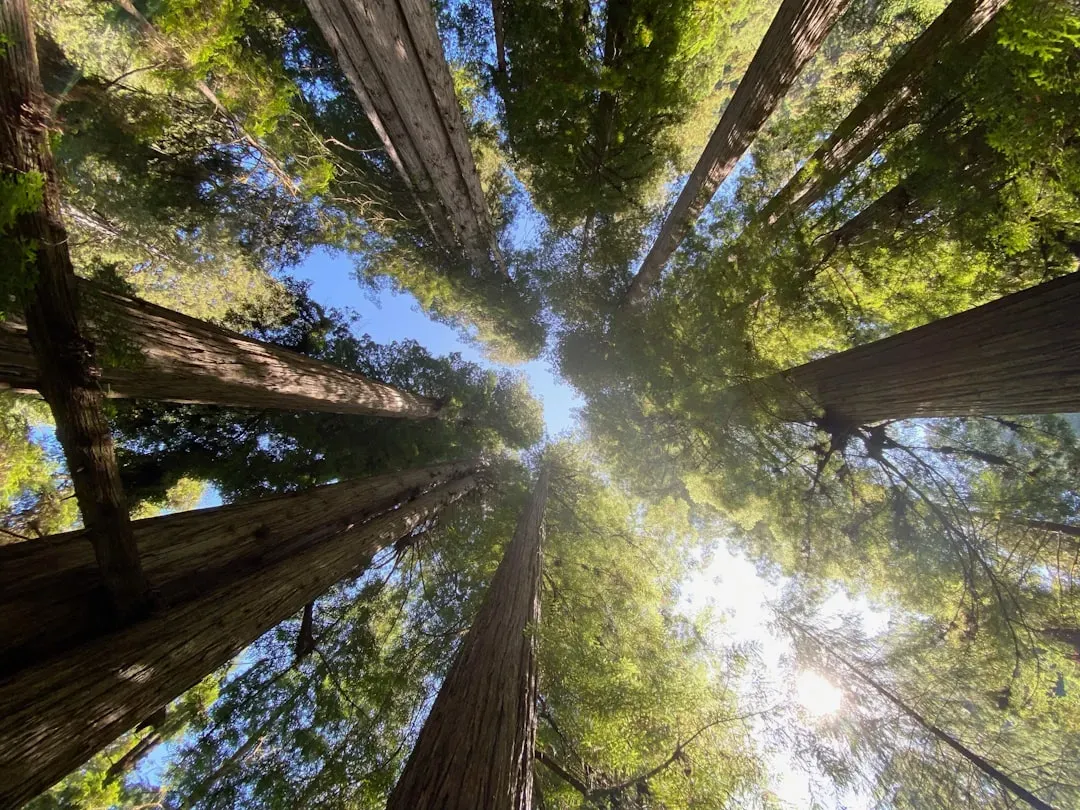
For a long time, our understanding of past climate relied heavily on ice cores, sediments, and written records that only went back a limited distance in time or blurred changes over decades. Ancient trees changed that by offering year‑by‑year snapshots of conditions stretching back thousands of years. When climate models are tested against these precise tree‑ring records, scientists can see where the models match reality and where they miss important details. This has led to sharper reconstructions of periods like the Roman Warm Period, the Little Ice Age, and major droughts that lasted decades instead of just a few bad summers.
These trees have also helped expose how unusual our current warming trend really is. By comparing present‑day growth rings with those from centuries and millennia past, researchers can see that recent increases in temperature and changes in rainfall patterns stand out sharply from natural background variability. At the same time, many ancient trees show stress signals in their newest rings: reduced growth, more frequent drought scars, or sudden dieback in certain regions. It’s a sobering contrast: the trees that calmly recorded natural climate swings for millennia are now revealing that what’s happening in our lifetime is something qualitatively different.
Survival Tricks From Trees Older Than Empires
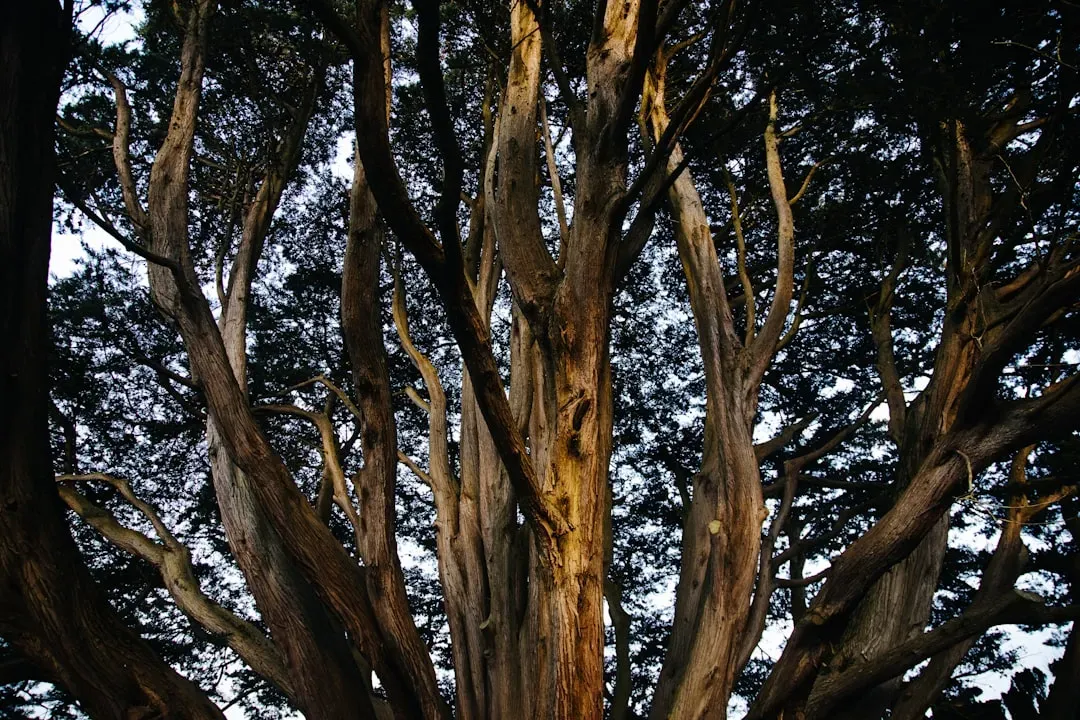
The question that keeps coming up when you stand in front of a four‑thousand‑year‑old tree is simple: how on Earth is this thing still alive? Ancient trees are masters of slow living. They grow in harsh, often marginal environments where competition is low and growth is painfully gradual. Instead of racing for height and fast reproduction, they invest in resilience: dense, rot‑resistant wood, conservative water use, and the ability to shut down or sacrifice parts of themselves during tough times. Some, like bristlecone pines, can survive when most of their trunk is dead, keeping a thin strip of living tissue going around the perimeter like a narrow lifeline.
On the microscopic level, these trees often show surprisingly efficient repair mechanisms and robust defenses against pathogens. They don’t avoid damage; they outlast it. Some species maintain a kind of modular design, where branches and roots can fail without taking the entire organism down with them, almost like having built‑in backups. Researchers studying tree longevity think these strategies might inspire new thinking about how we manage aging in other complex systems, including human infrastructure and maybe even, in the distant future, medicine. The survival logic of an old pine on a windy ridge might not look glamorous, but it has been field‑tested for thousands of years.
Time Capsules for Biodiversity and Lost Ecosystems
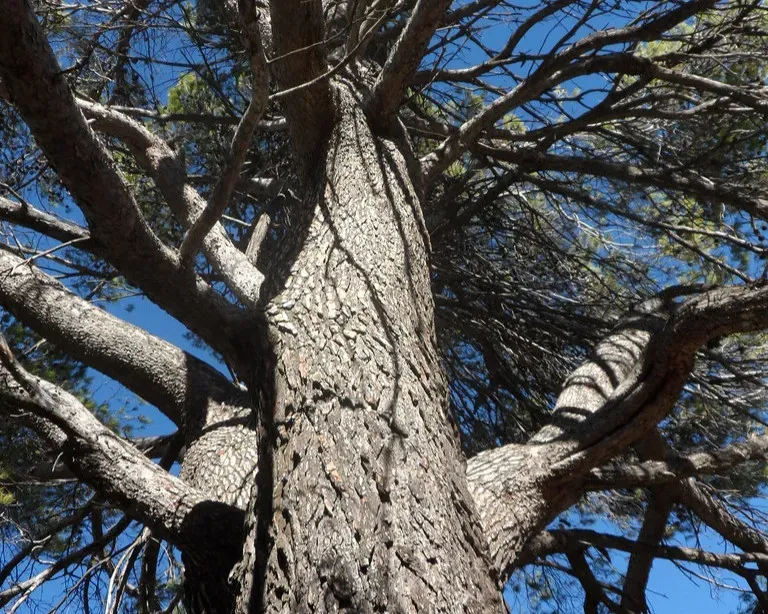
Ancient trees are not just old individuals; they are also entire vertical worlds. Their rough bark, hollow cavities, dead branches, and deep roots create a mosaic of micro‑habitats where fungi, insects, birds, mosses, and microbes can thrive together. Some species are so specialized that they only live on trees of a certain age or in particular decaying hollows. If those old trees vanish, those organisms may simply disappear with them. In that sense, an ancient oak or cedar is like a crowded old apartment building where every crack and corner has a long‑term tenant.
These trees also hold genetic stories about ecosystems that used to exist. Pollen trapped in their rings, fungi entwined in their roots, and DNA inside their seeds offer clues about past forests, migrations, and species interactions. Scientists can compare the genetics of old and young trees to see how populations have adapted to changing conditions over time. In some cases, ancient trees stand as the last survivors of once‑widespread lineages, a bit like an elderly relative who is the only one who still remembers a lost family language. Protecting them is not just about sentiment; it’s about holding on to living archives of biodiversity that we do not yet fully understand.
What These Trees Reveal About Our Future
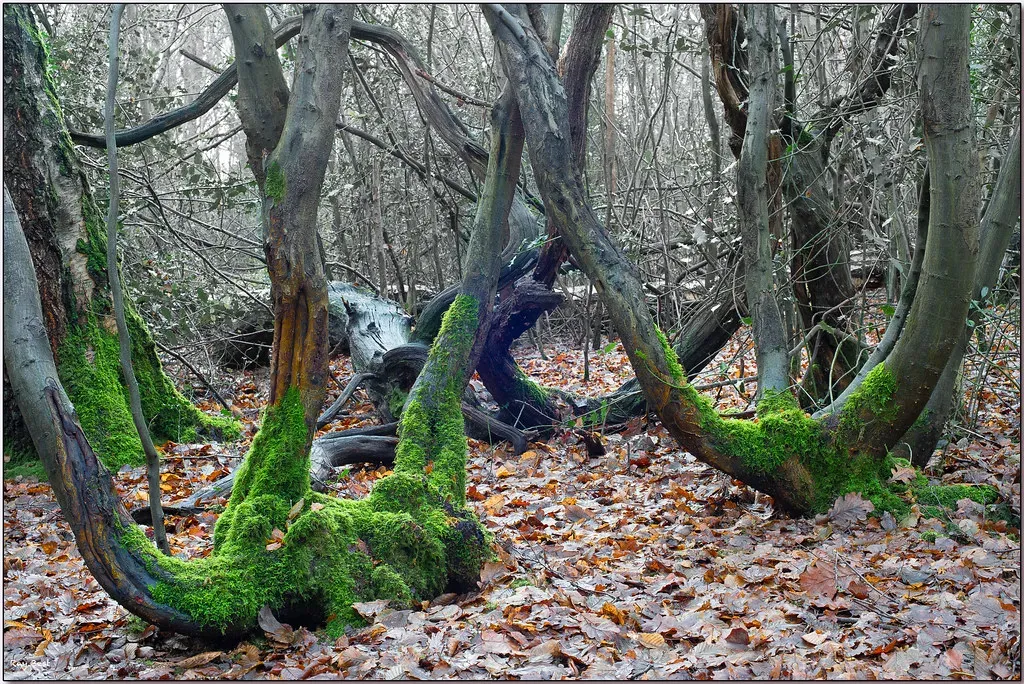
When researchers combine tree‑ring data, genetic studies, and modern climate observations, a pattern emerges that is both hopeful and unsettling. The hopeful part is that life, clearly, can endure a lot: huge eruptions, shifts in rainfall, temperature swings, and gradual changes in atmosphere. The unsettling part is that the pace and direction of current human‑driven changes puts even the toughest survivors under pressure they have never faced before. In certain mountain and Mediterranean regions, for example, old growth trees that have calmly endured many past dry spells are now dying in clusters during intense heatwaves and megadroughts.
At the same time, old trees are invaluable allies in slowing climate change because they store vast amounts of carbon and stabilize local water cycles. They cool nearby areas, buffer floods, and support complex food webs that make ecosystems more resilient as conditions shift. Losing them would be like deleting the most experienced members of a team just as the game gets harder. The records stored in their rings also help fine‑tune the projections we use to plan for future water supplies, agriculture, and disaster risk. In a very real way, they are both warning lights and instruction manuals for what is coming next.
Why Protecting the Oldest Trees Might Change Everything
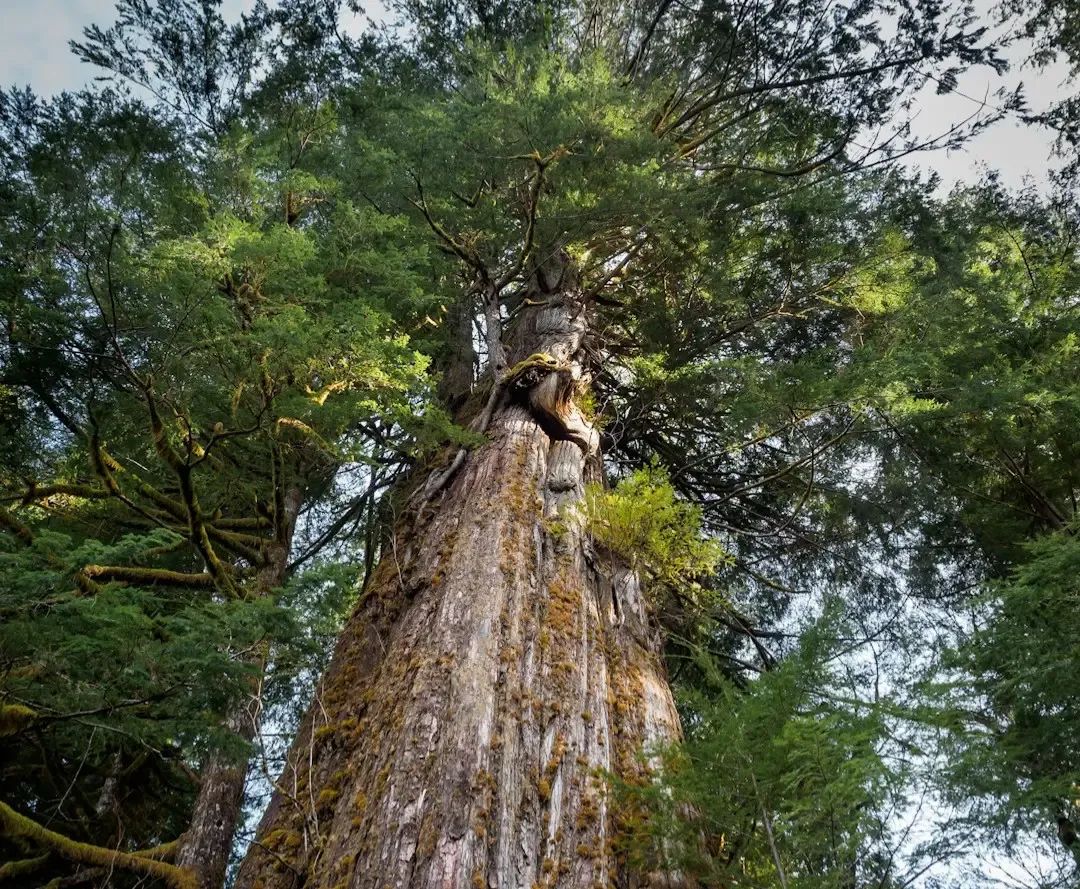
Ancient trees have a strange power to cut through abstraction. You can read reports about climate, extinction, and planetary limits for years, but then you stand in front of a gnarled trunk that started growing before your entire culture existed, and the timeline of your life shrinks in your mind. That emotional jolt matters. It can turn abstract concern into a personal sense of responsibility, much like walking through a historic site can make the past feel real instead of distant. In my case, the first time I placed my hand on the weather‑polished bark of an old cypress, I suddenly felt like a short‑term guest in someone else’s much longer story.
From a practical angle, protecting ancient trees means more than putting fences around a few famous specimens. It means preserving old‑growth forests, stopping unnecessary logging of the last intact stands, planning cities so veteran trees are not casually removed, and rethinking how we value land. It also means listening to Indigenous communities that have long histories of respecting and managing sacred or culturally important trees. The secrets these old beings carry about climate, resilience, and connection are only useful if they are still alive for us to read them. In the end, their greatest lesson might be brutally simple: species that pay attention to time and limits stick around; those that do not, do not.
The oldest trees on our planet are not just silent witnesses; they are active participants in shaping the world we inherited and the one we’ll leave behind. They hold a record of past mistakes and survival strategies that we are only beginning to decode. Looking at them is a bit like looking at a clock that measures time in civilizations instead of seconds, reminding us how short‑sighted our usual plans can be. Standing in their shade, the real question is not how they’ve managed to last so long, but whether we’re willing to learn from that kind of patience and restraint.