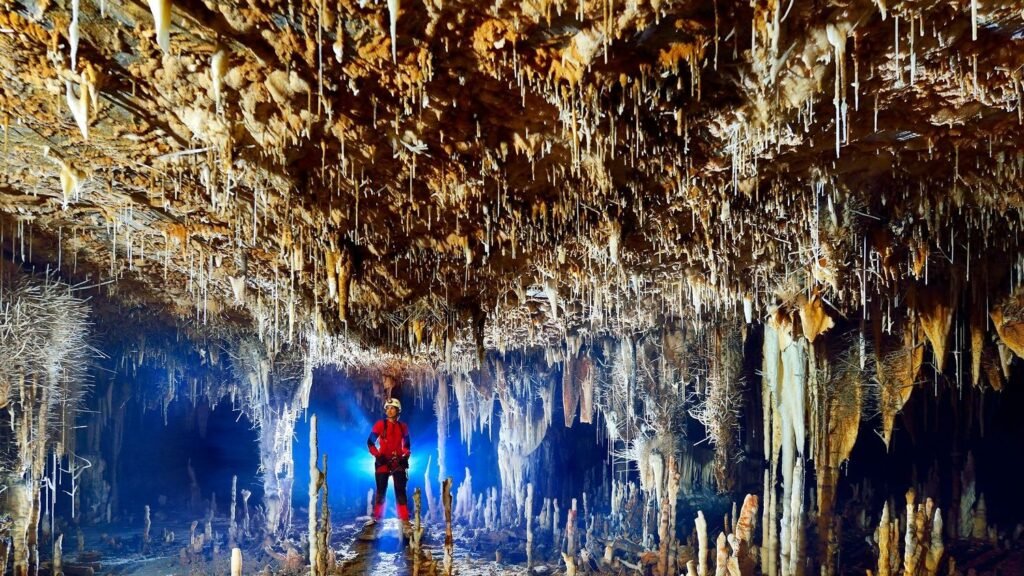

There is something almost primal about caves. Long before we built cities, wrote books, or charted the stars, we crawled into the earth seeking shelter, ritual, and meaning. Yet here we are in 2026, and the underground world remains one of the least understood, least explored, most stubbornly mysterious territories on the entire planet. That’s both humbling and thrilling.
Think about it – you can pull up a satellite image of almost any corner of the globe, yet everything beneath your feet might as well be a different planet. Hidden beneath the surface lies an entire world most people never see: vast caverns dripping with crystal formations, rivers that glow an ethereal blue, and chambers so massive they feel like forgotten cathedrals. This article takes you deep into that world. Hold your breath. Let’s dive in.
How Caves Are Born: The Geology of Earth’s Hidden Chambers
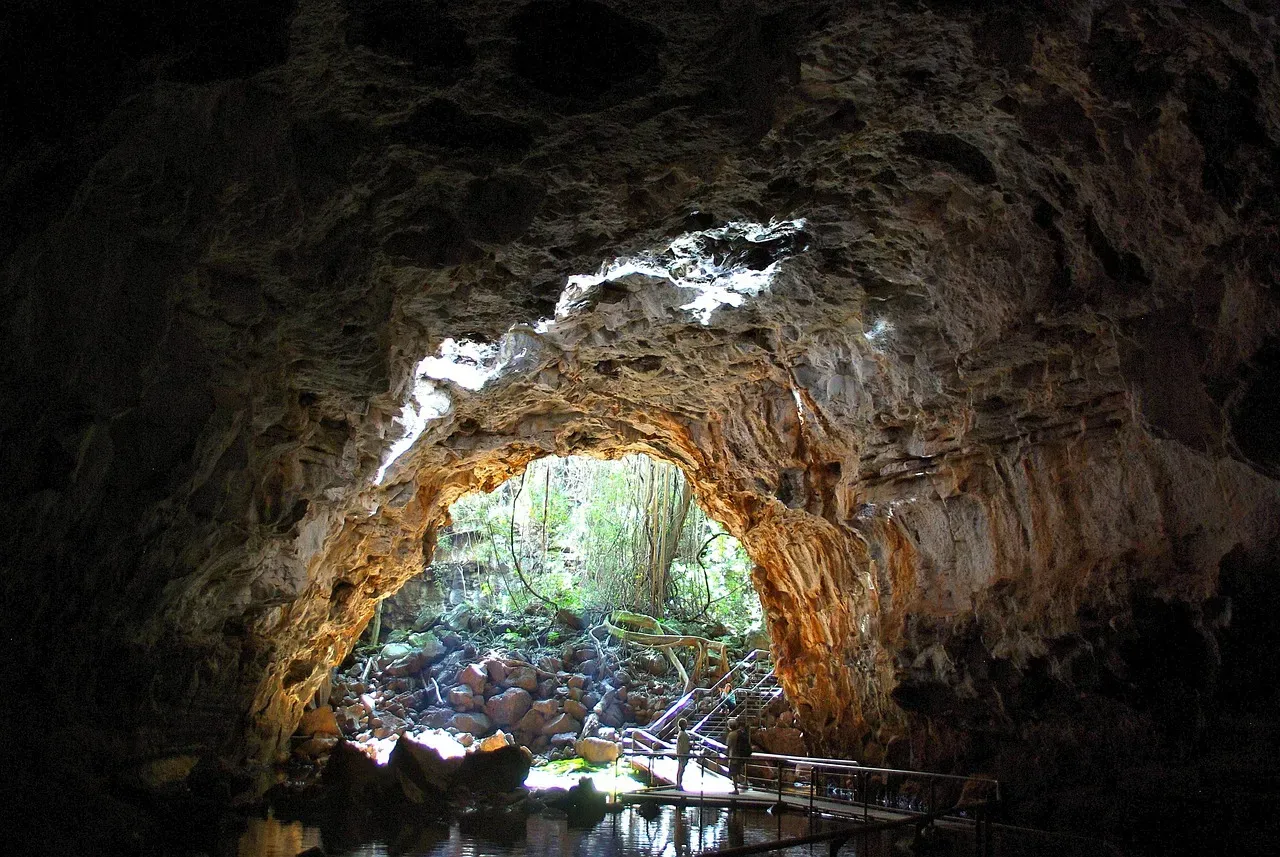
You might picture a cave as simply a big hole in a rock – but honestly, the process of cave formation is closer to quiet, slow-motion sculpture. Most caves are formed through the dissolution of soluble rocks such as limestone, dolomite, and gypsum, with water playing a critical role, slowly carving out vast and intricate cave systems over thousands of years. Water is the patient artist here, never rushing, never stopping.
While limestone caves are the most common type, formed by the gradual dissolution of rock, lava tubes represent an entirely different story – created by flowing lava under the surface of a hardened top layer. Speleology, the scientific study of caves, is a cross-disciplinary field that combines the knowledge of chemistry, biology, geology, physics, meteorology, and cartography to develop portraits of caves as complex, evolving systems. In other words, understanding a cave means understanding the earth itself.
The World’s Most Jaw-Dropping Cave Systems
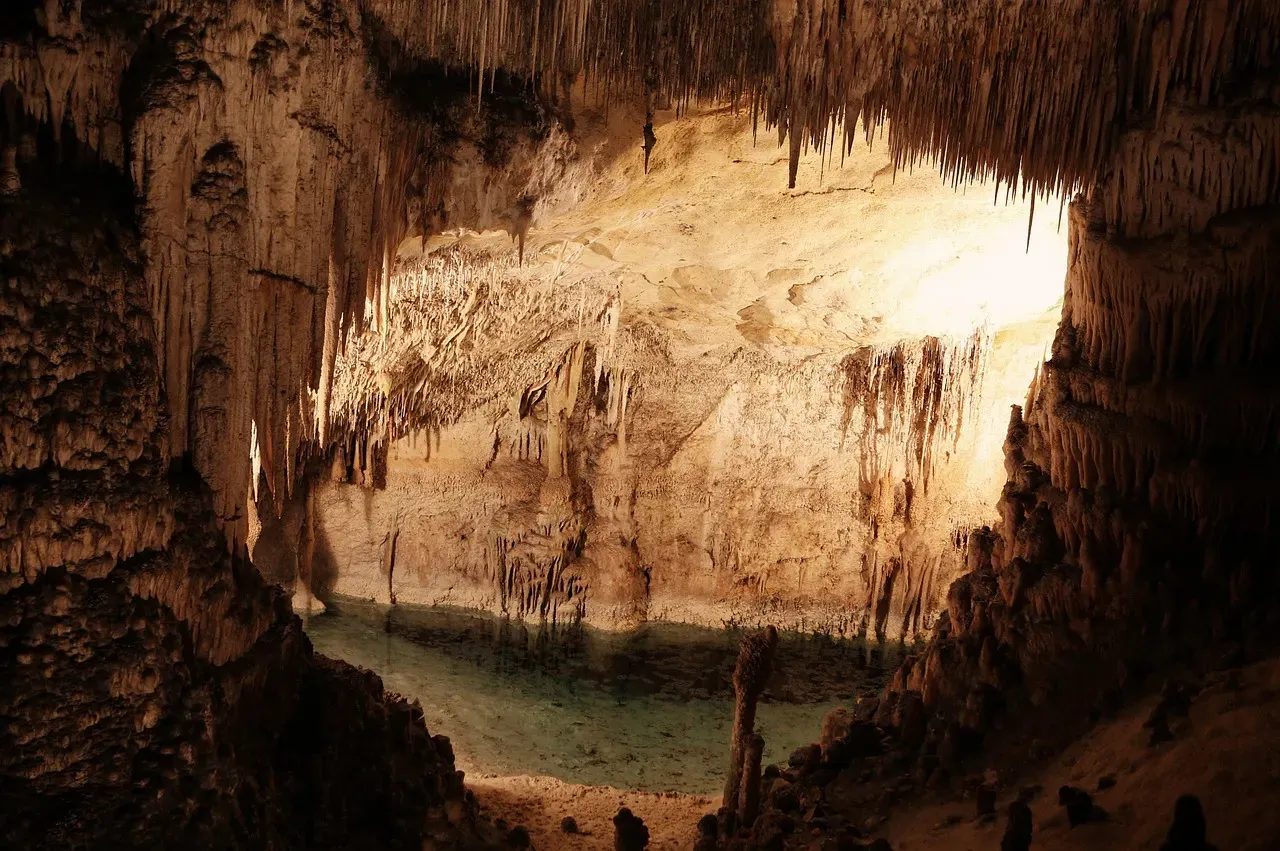
Let’s be real – not all caves are created equal. Some are cozy nooks. Others are so enormous they defy comprehension. Mammoth Cave in Kentucky is the world’s longest known cave system, stretching an incredible 420 miles of subterranean wonder – twice as long as the next longest cave system on earth. That’s roughly the driving distance from New York City to Pittsburgh, entirely underground.
Then there is Son Doong in Vietnam, which operates on a completely different scale of awe. It has many complex and giant stalactites over 80 meters high, primeval rain forests growing inside the cave, its own ecosystem, weather system, and a mysterious underground river that no explorer has yet discovered to the end. Son Doong has wide sections enough for a Boeing to fly through, and with such a huge size, it has its own weather system, with temperatures around 22 to 25 degrees Celsius in summer. I honestly think no photograph truly does it justice.
Strange and Spectacular Crystal Caves
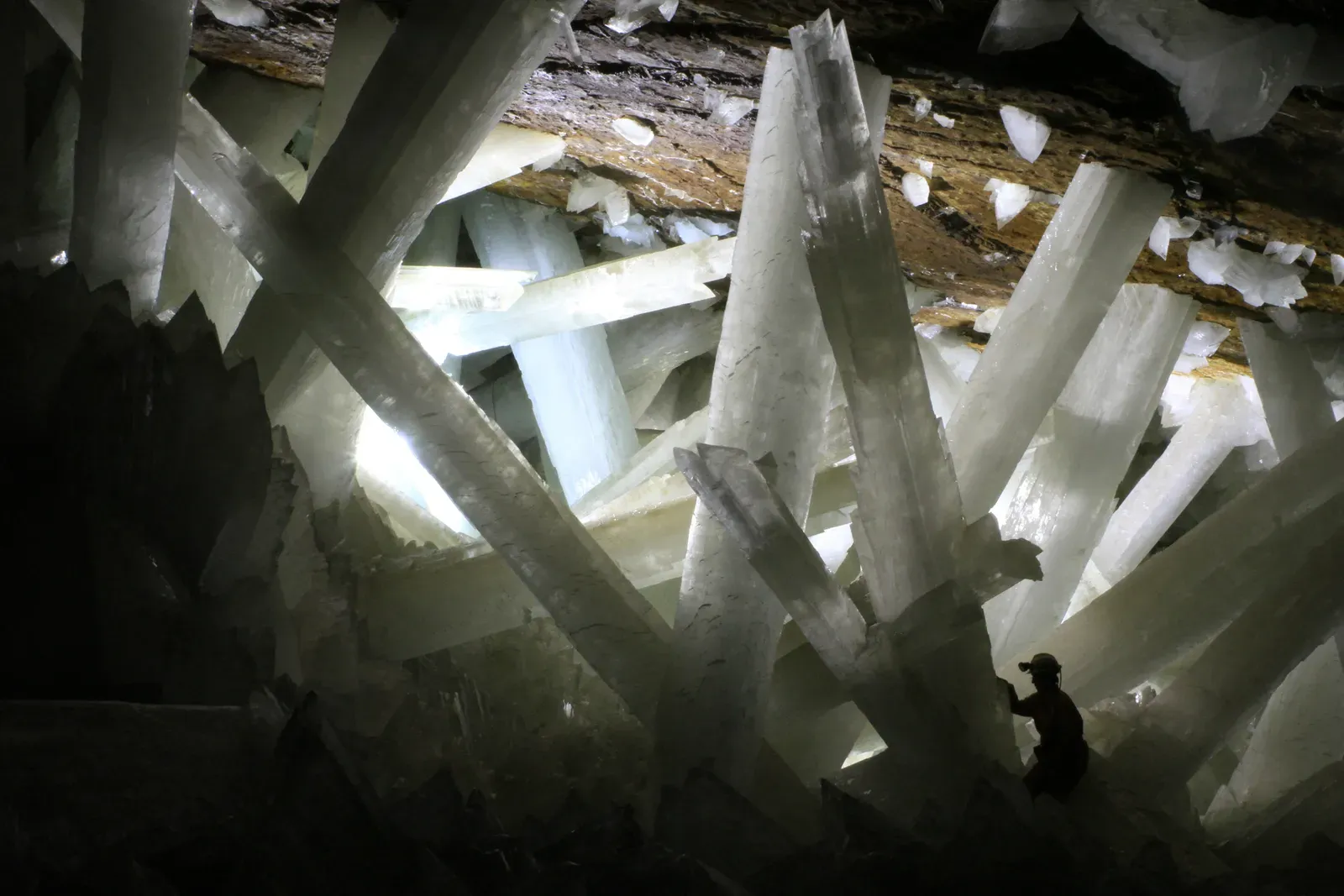
Some caves don’t just impress you with their size. They stop you cold with what grows inside them. The Cave of the Crystals was discovered in 2000 by miners excavating a new tunnel in Mexico’s Naica Mine, and its main chamber contains some of the largest natural crystals ever found in any underground cave, with the largest crystal reaching 11 meters in length, 4 meters in diameter, and weighing 55 tons. Those numbers don’t seem real until you stand next to one.
The crystals became so enormous because of extremely hot temperatures inside the cave, reaching a steamy 58 degrees Celsius, which allowed microscopic crystals to form and grow over immense periods of time. For comparison, that’s hotter than the inside of a car parked in a desert summer. Meanwhile, on the opposite end of the temperature spectrum, the Eisriesenwelt – German for “World of the Ice Giants” – is the largest ice cave in the world, extending more than 42 kilometers inside the Hochkogel mountain in the Austrian Alps. Nature, it seems, loves extremes.
The Astonishing Life That Thrives in Total Darkness
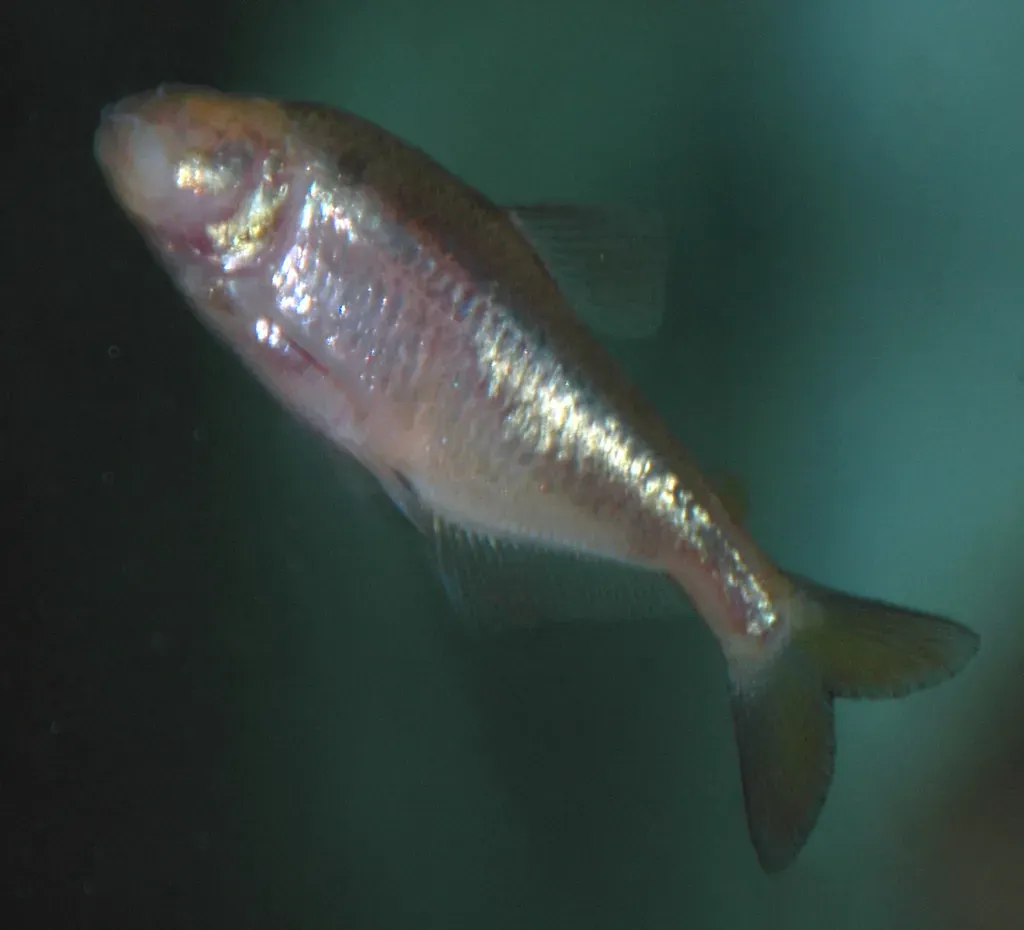
Here’s the thing that truly blows people’s minds: caves are far from lifeless. Far from the austere, sparsely populated ecosystems often conjured in the imagination, caves host some of the most mysterious and biodiverse natural systems in the world. Scientists who study these creatures encounter organisms that look like something drawn by a science fiction writer, not a biologist.
Often blind and pale due to the lack of natural light, cave-dwelling organisms possess extraordinary adaptations such as enhanced sensory organs, improved chemoreception, and elongated appendages. Non-physical adaptations for cave species include decreased metabolism that slows growth, increases lifespan and requires less food, increased lipids for energy storage, altered circadian rhythms not controlled by light, and a better sense of smell. Think of them as evolution’s boldest experiment in living without a single ray of sunlight. In Son Doong Cave alone, biologists have found more than seven new species of animals, including fish, woodlice, millipedes, spiders, and scorpions, all sharing the feature of having no eyes and transparent bodies.
Caves as Canvases: The Ancient Art Left Behind
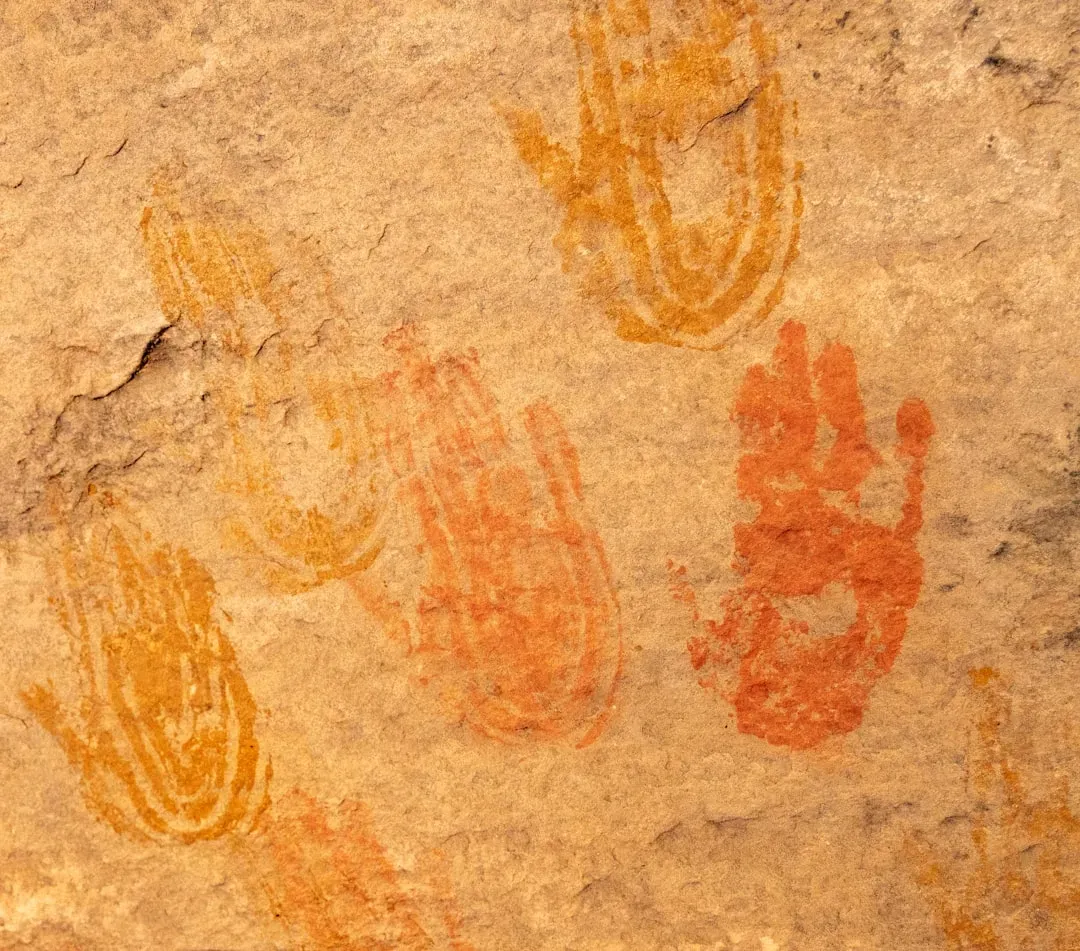
If cave ecosystems are nature’s masterpiece, then ancient cave art is humanity’s. Long before written language, our ancestors went underground and painted. Cave art encompasses the numerous paintings and engravings found in caves and shelters dating back to the Ice Age, roughly between 40,000 and 14,000 years ago. Several groups of scientists suggest that some of the oldest such paintings were created not by Homo sapiens, but by Denisovans and Neanderthals. That changes everything about how we understand human consciousness.
Using charcoal and other natural pigments such as ochre, the early artists of the Paleolithic period transferred drawings onto cave walls by hand, often with the aid of simple brushes made of leaves or by blowing pigment through tubes of reeds. Caves themselves helped to protect and preserve the art on their walls, making them rich historical records for archaeologists to study. It’s a striking thought: the stone walls kept the voices of our ancestors alive for tens of thousands of years, whispering stories we are still learning to read. The exact meanings of the images remain unknown, but some experts think they may have been created within the framework of shamanic beliefs, involving rituals during which a shaman would enter a trance state to contact spirits.
Recent Discoveries: The Underground Frontier Is Still Alive
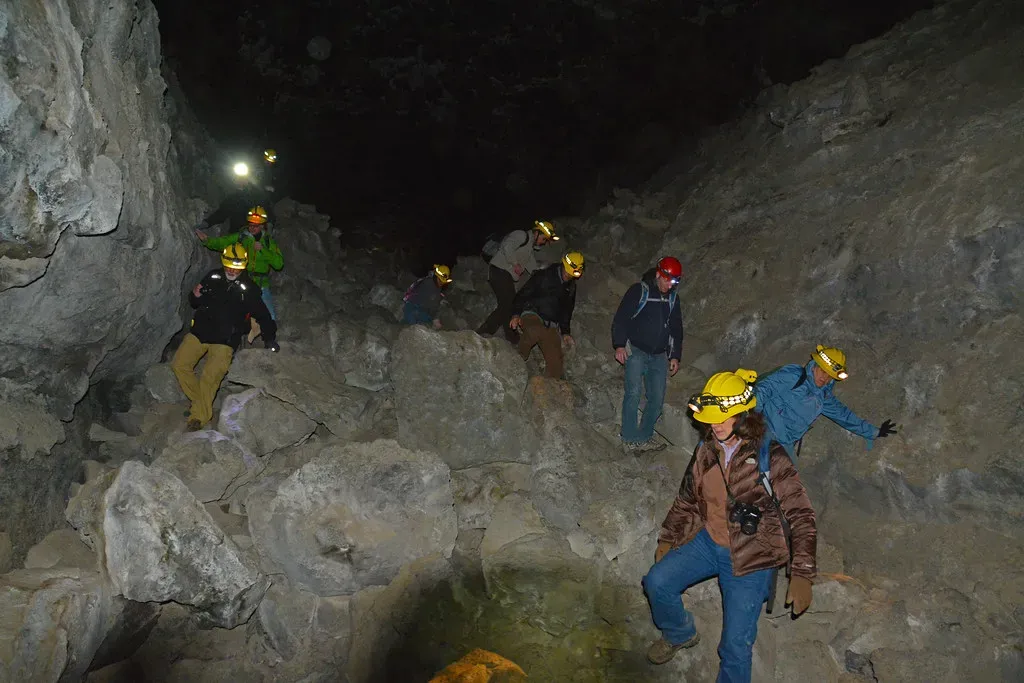
It would be easy to assume that after centuries of exploration, we’ve mapped it all. We absolutely haven’t. In September 2023, Russian speleologist Yekaterina Pavlova and her local guide were mapping the cave system of Tlayócoc in Mexico’s Sierra de Guerrero when they pressed beyond a known endpoint into flooded, uncharted territory and found a secondary chamber holding objects arranged on stalagmites with a precision that did not belong to chance. The objects turned out to be pre-Hispanic ritual artifacts from a civilization with almost no confirmed archaeological record.
In November 2024, through the intricate study of lava tubes – caves formed following volcanic eruptions – an international team of researchers uncovered clues about Earth’s ancient environments that could be significant in the search for signs of life beyond our planet. Caves are indeed amazing time capsules of geological and human history, preserving records of past climate, landscape changes, ancient human activity, and biological evolution. Honestly, the pace of cave discovery right now feels closer to a gold rush than a quiet academic pursuit.
Protecting What Lies Below: The Urgent Case for Cave Conservation
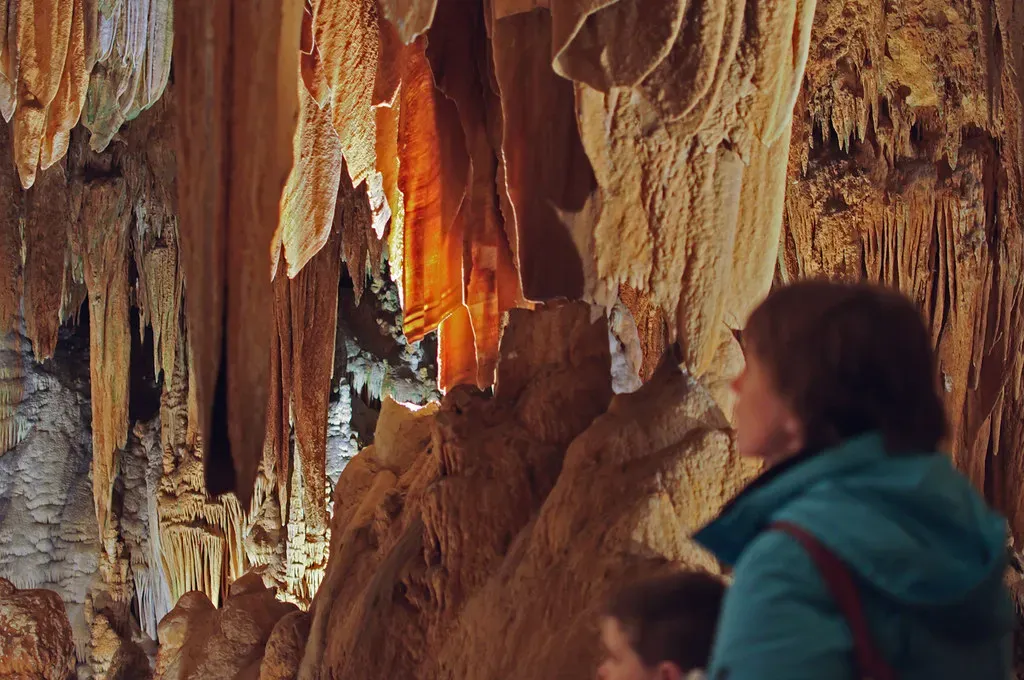
With all this wonder comes a sobering reality. Cave ecosystems are considered fragile habitats that can be significantly impacted by human activities, with even small changes potentially causing irreversible damage to the biodiversity within. You can damage a thousand years of formation with a single careless touch of your hand on a stalactite – the oils from human skin alone are enough to halt mineral growth permanently.
Human activities such as pollution, over-extraction of groundwater, urban development, and tourism can negatively impact subterranean ecosystems by altering their physical environment, introducing pollutants, and spreading invasive species. Climate change can also alter the temperature and moisture regimes of subterranean habitats, disrupt water quality and availability, and affect species interactions within these ecosystems, potentially leading to biodiversity loss. Caves are the world’s most remote and fragile wilderness, providing irreplaceable habitats for rare plants and animals, some of which spend their entire lives in complete darkness. Protecting them isn’t a niche conservation cause. It’s a fundamental responsibility.
Conclusion: The Underground World Still Has Secrets for You
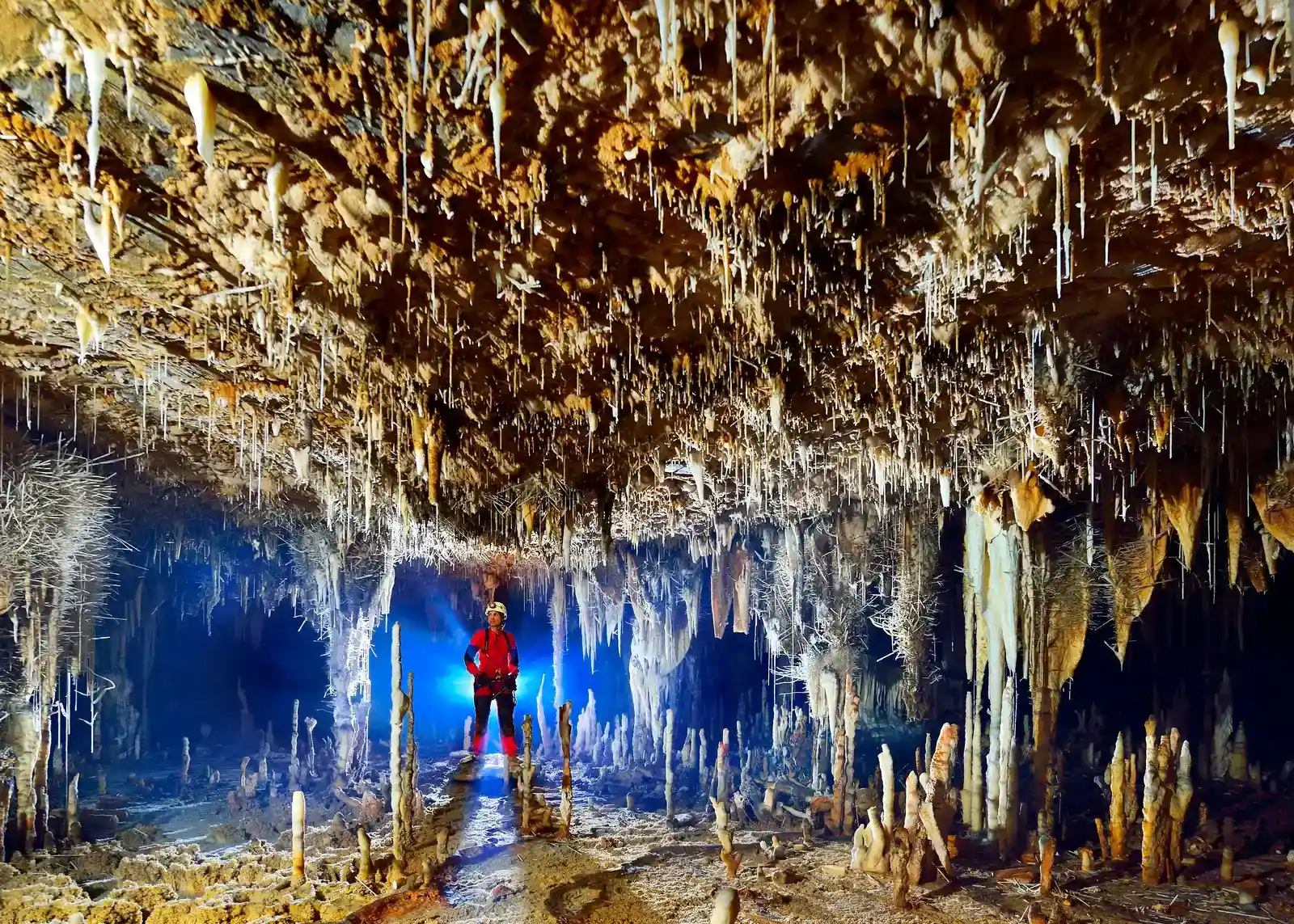
There is something deeply comforting about the fact that in 2026, with all our satellites and sensors and supercomputers, the earth beneath our feet still holds mysteries we haven’t solved. There are secret and hidden caves – big and small – explored and unexplored all around the world, and the stories they contain span geology, biology, archaeology, and human spirituality all at once.
Whether you ever lace up a helmet and descend into the dark yourself or simply marvel from the surface, the underground world deserves your attention and your respect. Every stalactite represents thousands of years of patience. Every blind cave creature is the result of millions of years of evolution. Every painted handprint on a cave wall is a person reaching across time to say: I was here. Maybe the most important question isn’t what lies beneath the surface. It’s whether we’ll take care of it before it’s gone. What would you do if you stumbled into an undiscovered cave tomorrow? Tell us in the comments.