
Think of Earth as the world’s oldest open book. Every rock layer, every ancient ocean sediment, every fossilized shell is a sentence in a story that stretches back four and a half billion years. And here’s the thing that truly astonishes me: that story isn’t just history. It’s a guide, a set of coded instructions for what comes next.
Scientists are increasingly convinced that you don’t need a crystal ball to see Earth’s future. You just need to look down. Way, way down. The geological record is packed with patterns, cycles, and warnings so profound they make the hairs on your neck stand up. Let’s dive in.
The Rock Record: Earth’s Own Time Machine
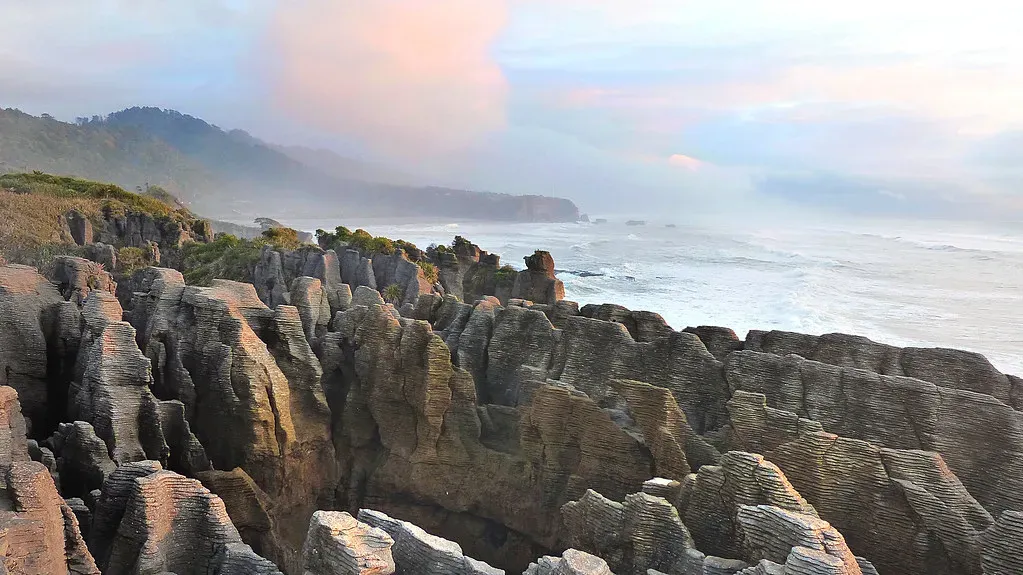
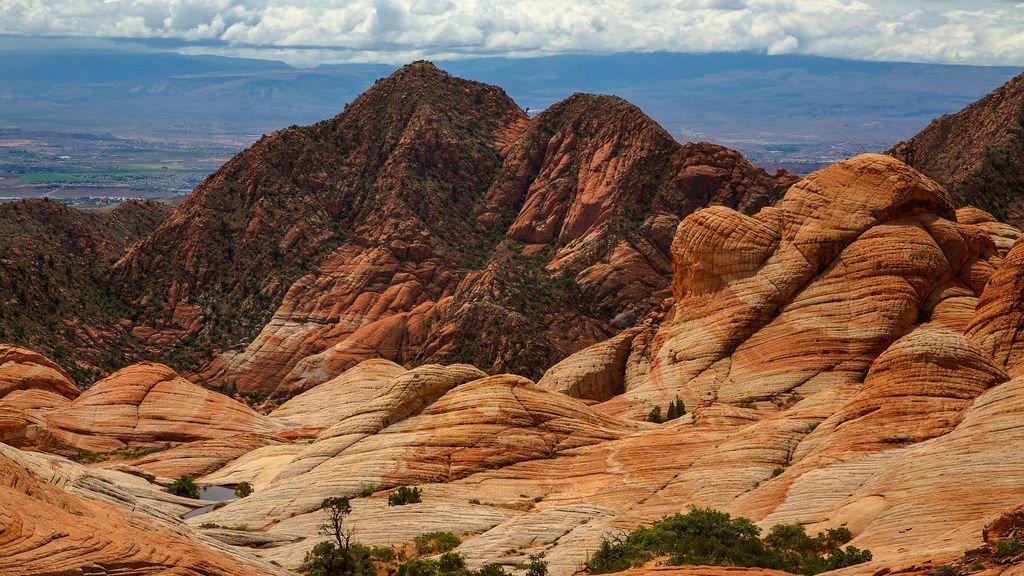
If you’ve ever held a piece of ancient limestone or volcanic basalt in your hand, you’ve technically touched Earth’s autobiography. Geochronology, the science of dating rocks and geological events, allows researchers to piece together the planet’s history, revealing how it formed, how it has changed, and what its past can tell us about its future. It sounds almost impossibly ambitious, and honestly, it still blows my mind every time I think about it.
Understanding Earth’s history isn’t just about looking back – it’s about getting ready for what comes next. Scientists are using geochronology to tackle some of the most pressing global challenges, from climate change and geological hazards to natural resource exploration. Every layer of sediment you encounter is essentially a chapter, a snapshot of ancient conditions that mirror threats we are facing right now.
Tectonic Plates: The Slow-Motion Engine of Change
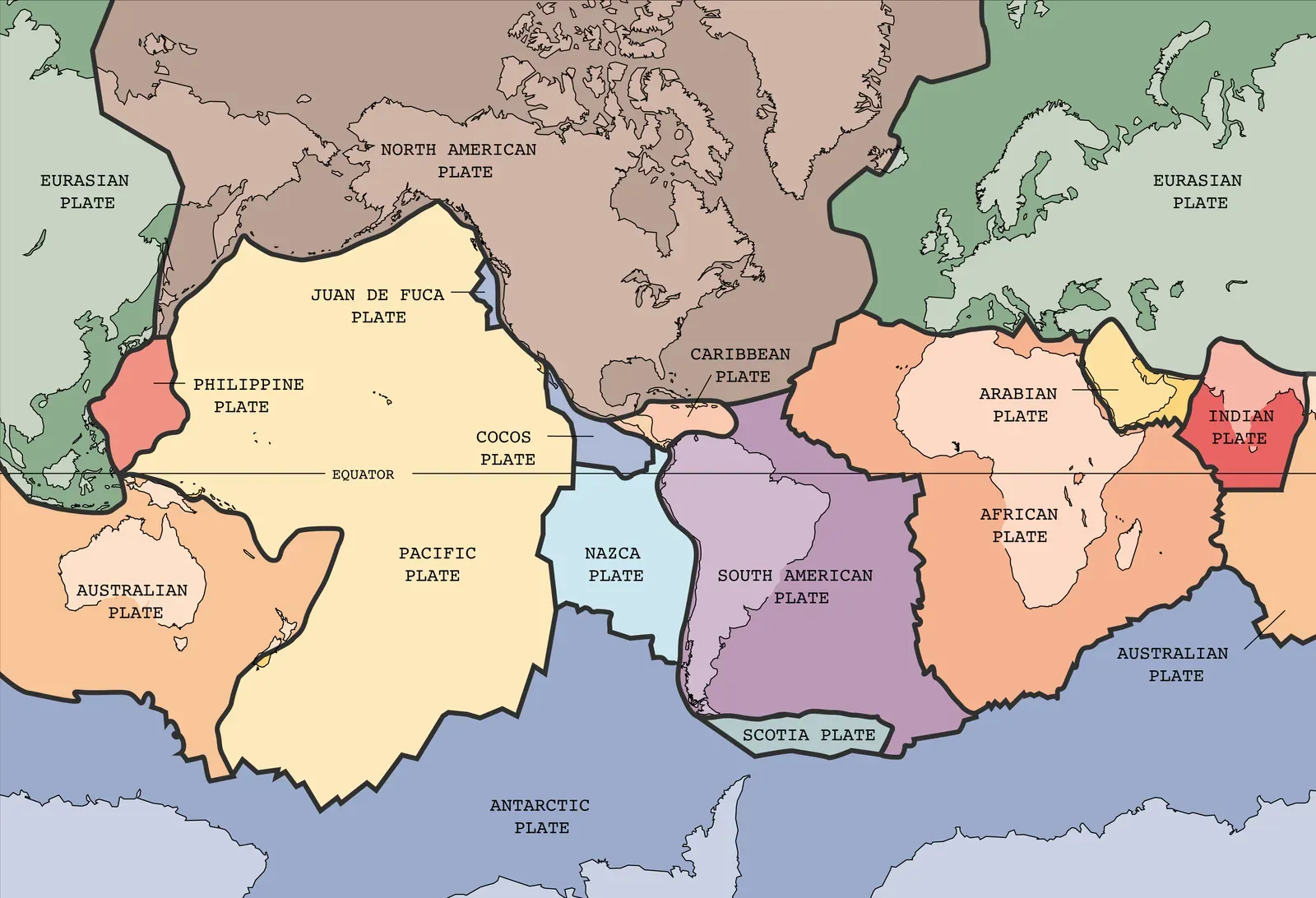
Earth’s tectonic plates continue to move at average rates of 2 to 5 centimeters per year, driven primarily by mantle convection and the pull of subducting slabs. In the medium-term future of thousands to millions of years, this drift will widen the Atlantic Ocean basin via seafloor spreading at the Mid-Atlantic Ridge, potentially expanding its width by 20 to 50 kilometers per million year. That might sound slow, but the cumulative effect is mind-bending, like compound interest on the grandest imaginable scale.
Over millions of years, these motions will intensify continental collisions, such as the ongoing convergence between the Indian and Eurasian Plates, which has elevated the Himalayas by approximately 5 millimeters annually and will continue to deform southern Asia. You are literally standing on a planet in the act of remaking itself, and the geological past reveals exactly how that process has played out before, which helps scientists trace where it’s heading.
The Next Supercontinent: Pangaea All Over Again
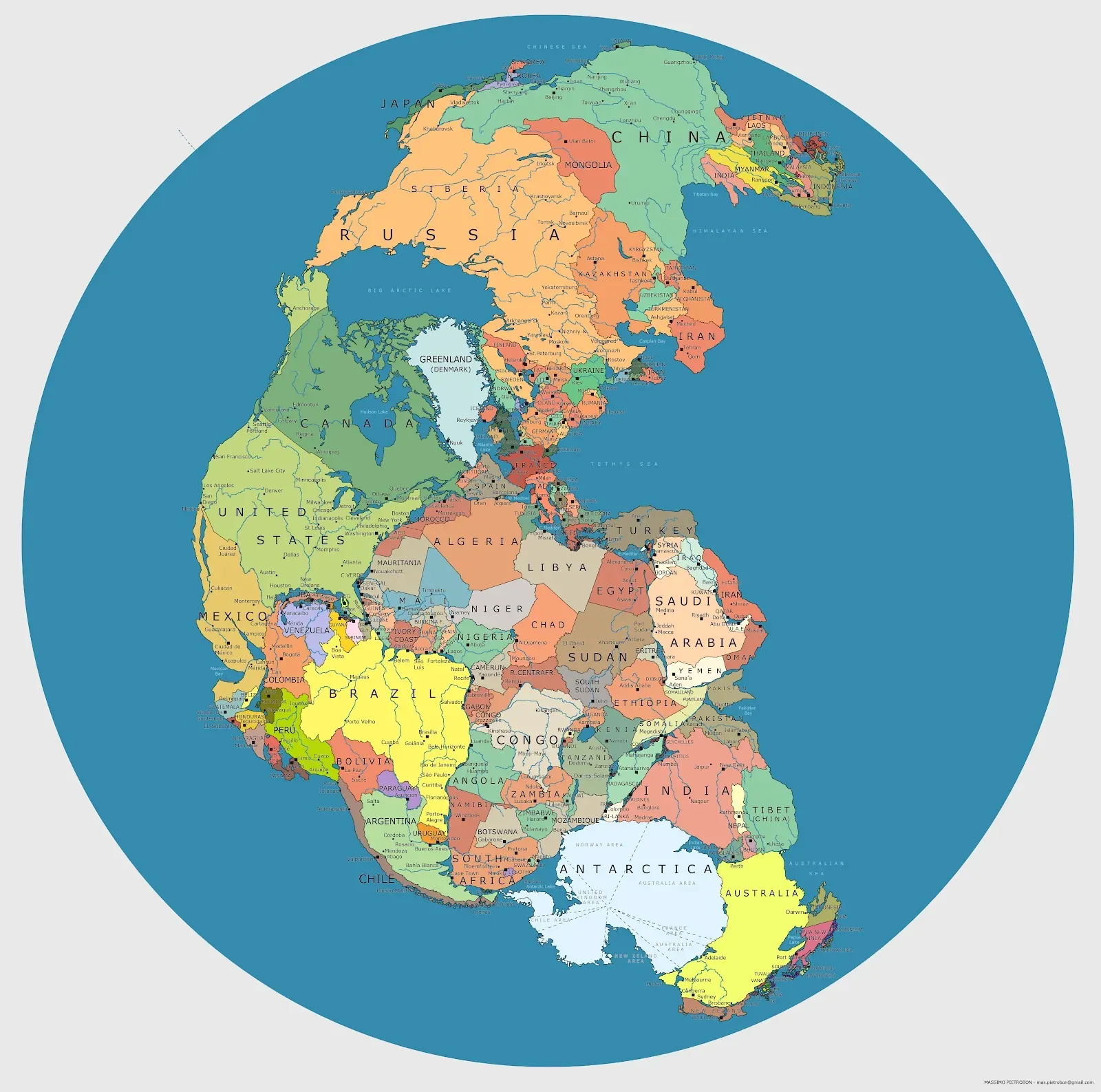
The supercontinent cycle is the quasi-periodic aggregation and dispersal of Earth’s continental crust, and one complete supercontinent cycle is said to take 300 to 500 million years. Incredibly, this cycle has repeated itself across deep time, and we are right in the middle of one of its “scattered” phases. The continents you see on any map today are basically just puzzle pieces that haven’t found each other yet.
The last supercontinent, Pangaea, formed around 310 million years ago and started breaking up around 180 million years ago. It has been suggested that the next supercontinent will form in 200 to 250 million years, so we are currently about halfway through the scattered phase of the current supercontinent cycle. A study published in Nature Geoscience projects that as this new supercontinent forms, a hotter Sun, an absence of ocean coastline, and increased volcanic carbon dioxide emissions mean that temperatures, particularly in landlocked areas, will skyrocket. That’s a sobering thought.
Volcanic Eruptions: Reading Earth’s Fiery Diary
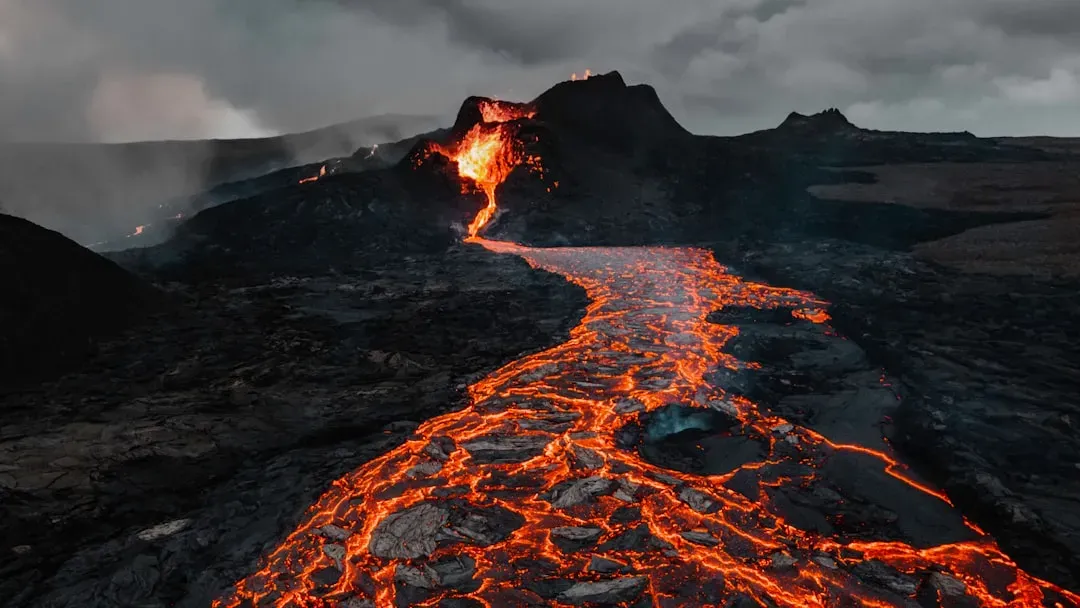
More than roughly four-fifths of the Earth’s surface, above and below sea level, is of volcanic origin. Gaseous emissions from volcanic vents over hundreds of millions of years formed the Earth’s earliest oceans and atmosphere, which supplied the ingredients vital to evolve and sustain life. Volcanoes didn’t just threaten ancient life, they actually created the conditions for it. That’s a plot twist you don’t see coming.
A systematic integration of a detailed knowledge of the eruptive history of a volcano, based on the analysis of the geological and historical records combined with monitoring data on its current state of activity, is the main way to forecast future eruptions. A volcano’s history, including how long since its last eruption and the period between its previous eruptions, is an excellent first step to predicting future events. In other words, every past eruption is a fingerprint scientists can use to anticipate what’s coming next.
Snowball Earth and the Deep Freeze Warning
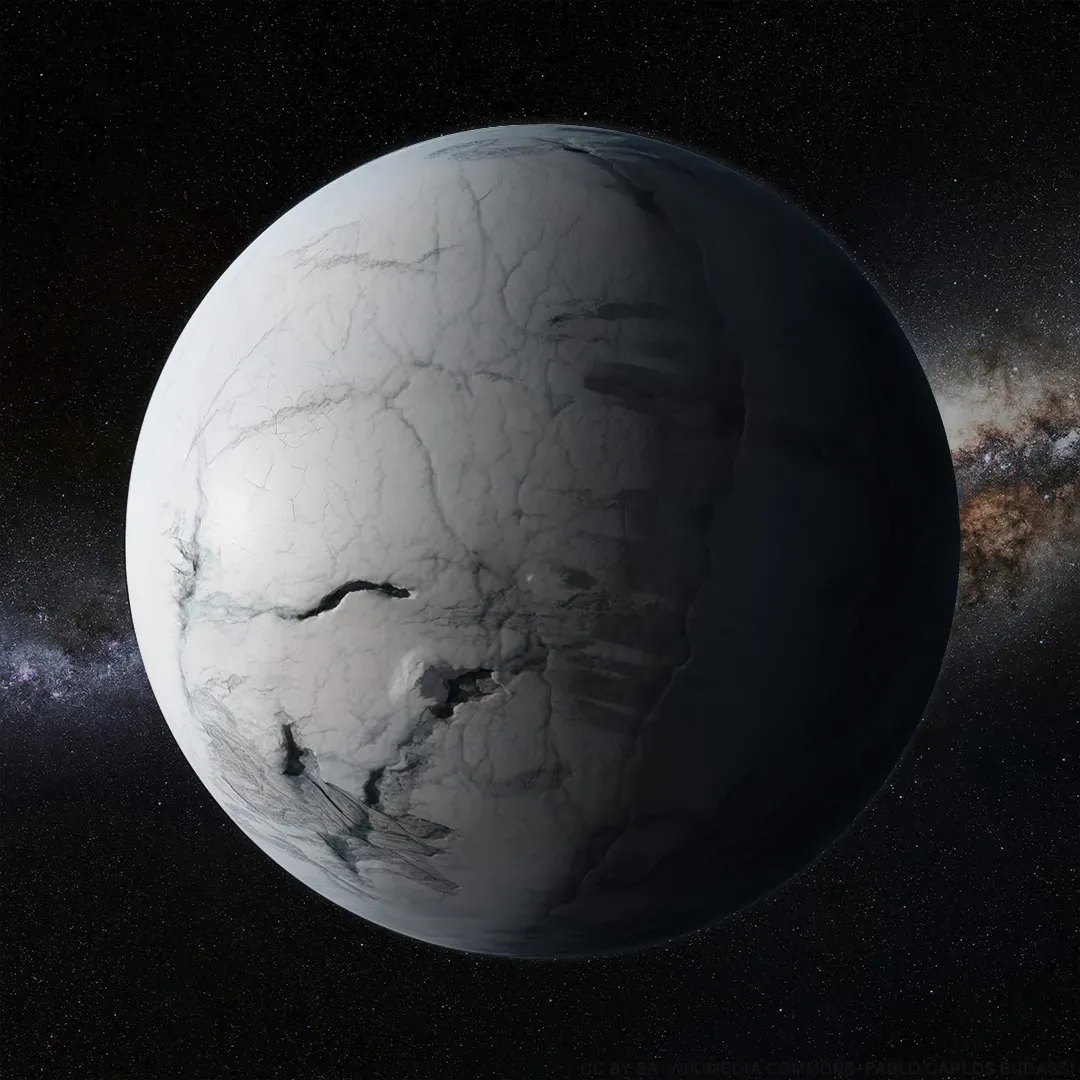
Inspired during field work in South Australia’s Flinders Ranges, geoscientists have proposed that all-time low volcanic carbon dioxide emissions triggered a 57-million-year-long global ‘Sturtian’ ice age. Australian geologists used plate tectonic modelling to determine what most likely caused an extreme ice-age climate in Earth’s history, more than 700 million years ago. Imagine the entire planet wrapped in ice, from the poles to the equator. That actually happened. More than once.
Scientists think the Sturtian ice age kicked in due to a double situation: a plate tectonic reorganization brought volcanic degassing to a minimum, while simultaneously a continental volcanic province in Canada started eroding away, consuming atmospheric CO2. The result was that atmospheric CO2 fell to a level where glaciation kicks in, estimated to be below 200 parts per million. This study helps our understanding of the functioning of the Earth’s built-in thermostat that prevents the Earth from getting stuck in overheating mode, and also shows how sensitive global climate is to atmospheric carbon concentration. Sound familiar? It should.
Mass Extinctions: Geology’s Most Alarming Warning Labels
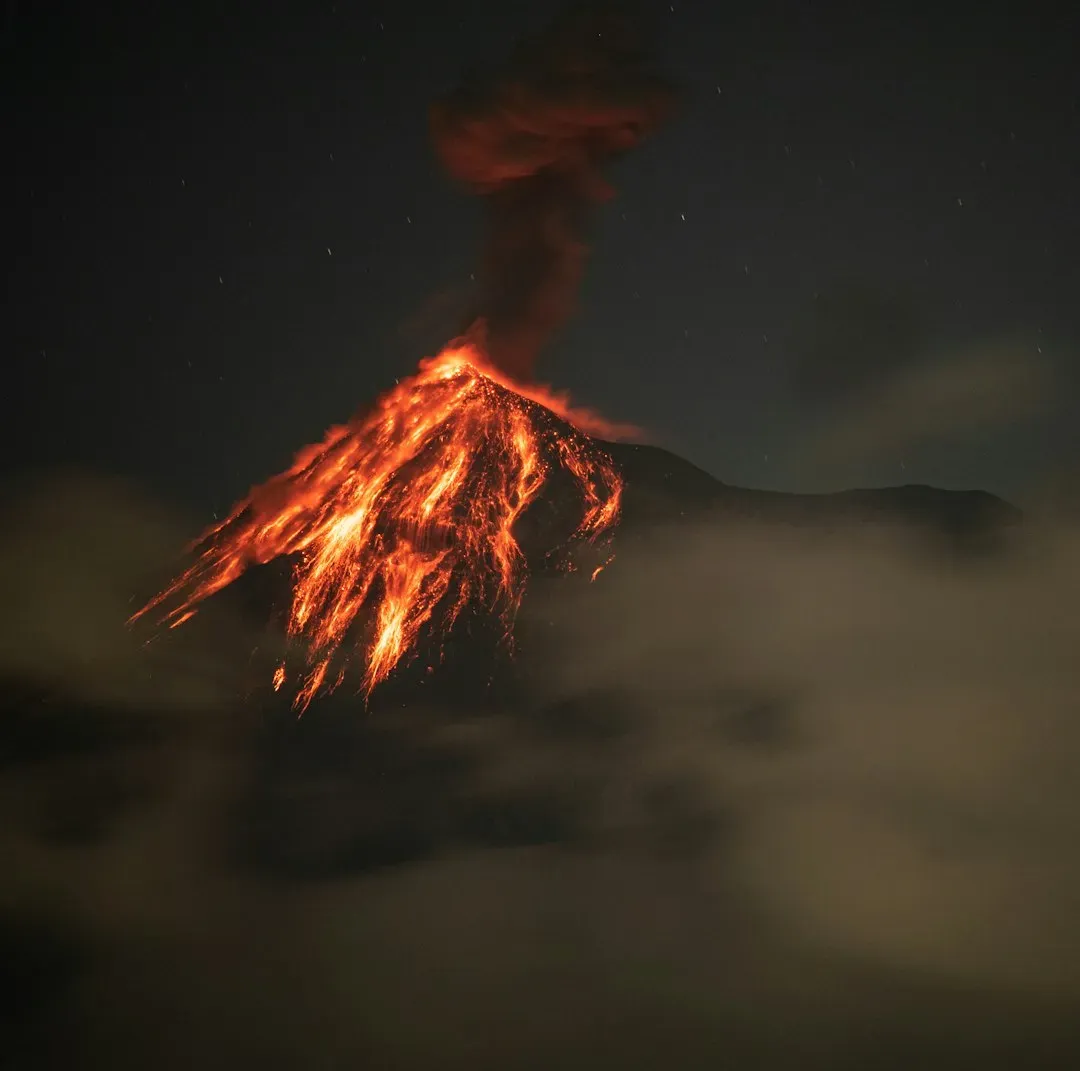
The End-Permian extinction at approximately 251.9 million years ago was the largest extinction event in the history of life, when nearly all species were lost, with great losses of life in both the oceans and on land. Massive volcanic eruptions of flood basalts in Siberia are thought to be the triggering cause of this mass extinction. Volcanic eruptions emit great amounts of gases including carbon dioxide and sulfur dioxide that can lead to climate change and ocean acidification. It was a time of intense climate variability and abrupt sea-level change, and most species could not adapt quickly enough to survive.
Researchers analyzed magnitudes and rates of temperature change and extinction rates of marine fossils through the past 450 million years. The results show that both the rate and magnitude of temperature change are significantly positively correlated with the extinction rate of marine animals. Major mass extinctions in the Phanerozoic can be linked to thresholds in climate change, whether warming or cooling, that equate to significant temperature swings. The geological past is essentially a collection of case studies in what not to let happen again, and right now, researchers are watching those case studies closely.
Rising Seas and the Ancient Blueprint
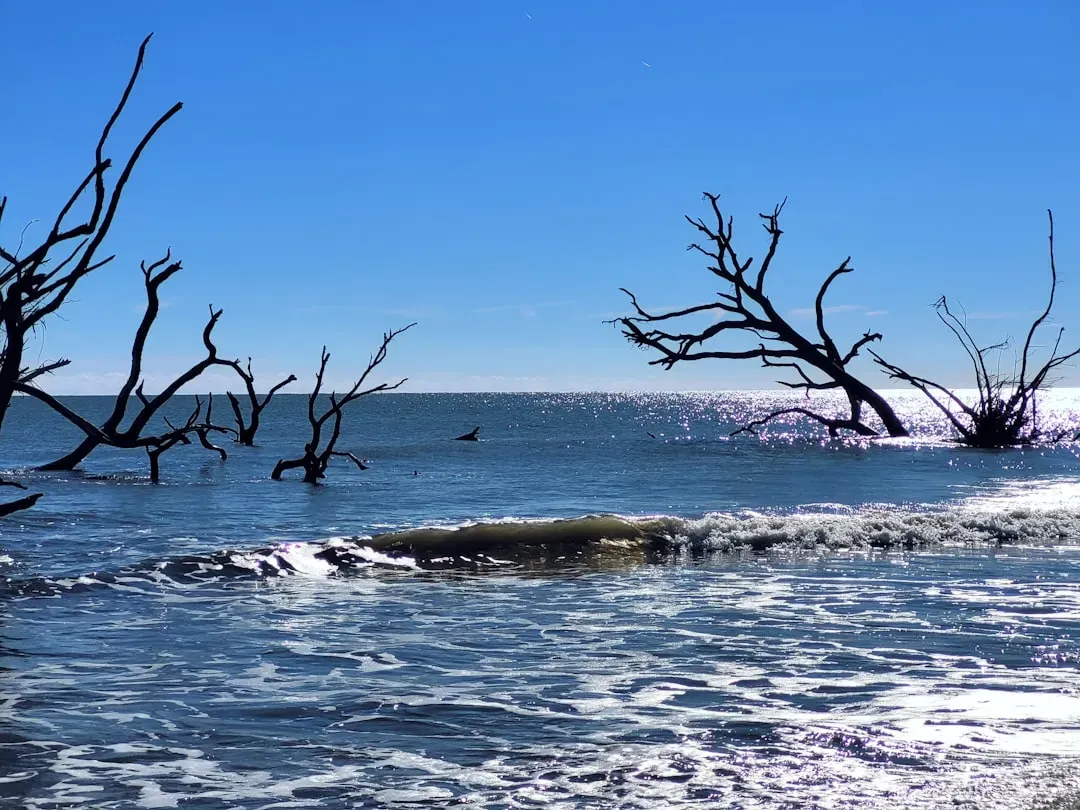
A detailed reconstruction of sea level changes over the past 540 million years reveals that sea levels have fluctuated by up to 200 meters on million-year timescales and by as much as 100 meters on thousand-year timescales, especially during ice ages. That’s a staggering range, enough to drown entire continents or expose vast new land bridges. The North Sea, for example, was once dry land where people walked and animals grazed.
Paleoclimate data shows that the current rate of sea level rise is the fastest it has been over at least the past 3,000 years. A research paper published in October 2025 updated the global sea level curve for the last 11,700 years, finding that global mean sea-level rise since 1900 is faster than in any century over at least the last 4,000 years. Researchers are clear: sea level will continue to rise at an accelerating rate due to climate change, and we must understand past sea level change to know how to prepare for the future. The past is not just prologue here. It is the instruction manual.
Climate Change, Earthquakes, and the Hidden Feedback Loop
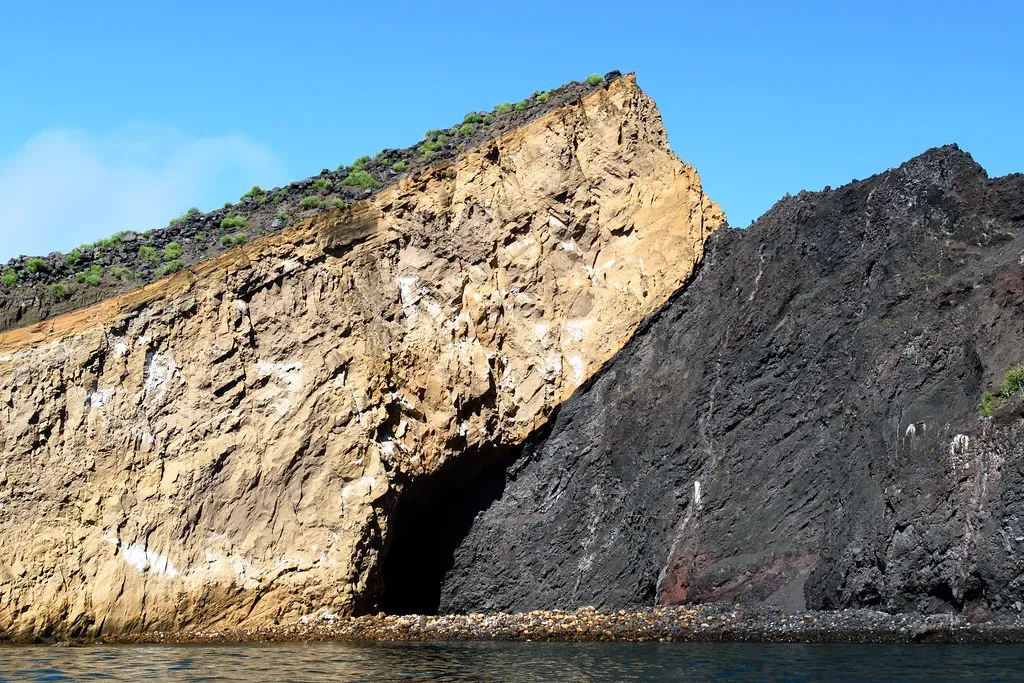
The most solid evidence for climatic influence on geology comes from the end of the last ice age, around 12,000 years ago. Analysis of volcanic deposits has found that this period of rapid climate change, when ice sheets retreated from much of the planet, coincided with a sudden outburst of geological activity. The incidence of volcanic eruptions in Iceland increased dramatically for about 1,500 years, before settling back to previous levels. Most people never make that connection: a warming planet doesn’t just mean rising seas and stronger storms. It can literally wake up volcanoes.
Global warming will lead to more and in some cases even stronger earthquakes worldwide. This is the assessment made by researchers from the GFZ German Research Centre for Geosciences and the University of Southern California. The researchers state that the cause for this development is the progressive rise of global sea levels and more frequent strong storms due to man-made climate change. The concern is that the continued melting of glacial ice today could result in similar effects elsewhere. Honestly, the more you learn about how Earth’s systems talk to each other, the more urgent the whole picture becomes.
Conclusion: The Planet Is Talking. Are You Listening?
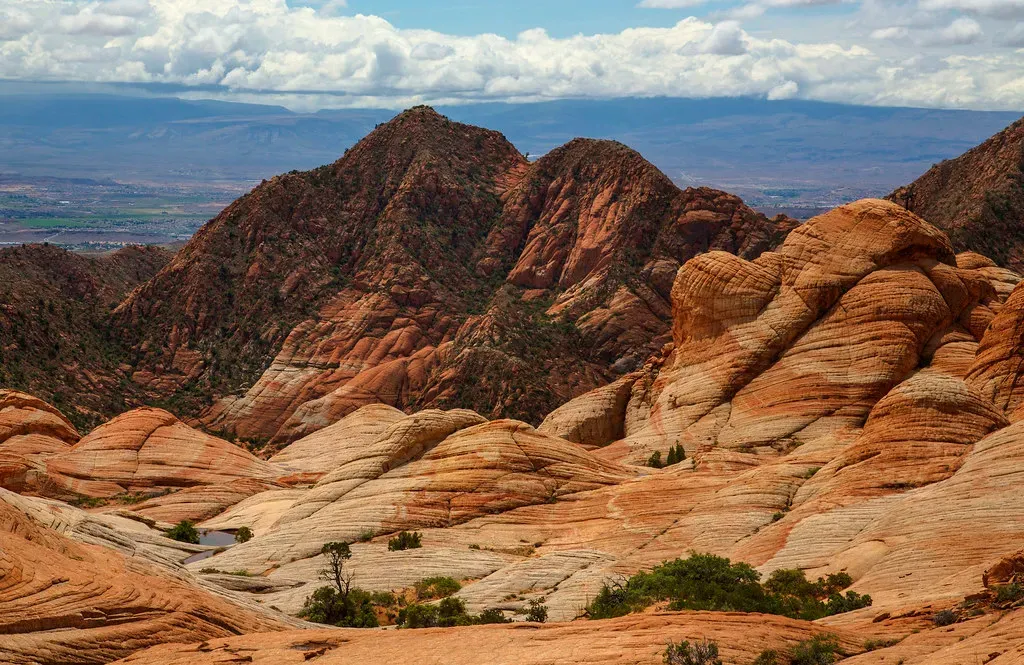
Earth has been through volcanic apocalypses, icy deep freezes, continental collisions, and catastrophic extinctions. Every single one of those events left a record in the rocks, and every single one of those records is now being decoded by scientists who understand that geology isn’t just ancient history. It is active intelligence about the future. The patterns are repeating. The signals are there.
Despite advances in climate modeling, planetary science, and geology, our understanding of Earth’s deep future remains fraught with uncertainties. Predictions that span hundreds of millions or billions of years rely on assumptions about solar evolution, tectonic behavior, atmospheric chemistry, water cycles, and more. Even small deviations in model parameters can lead to wildly different outcomes. That uncertainty is not a reason for complacency, though. If anything, it is an argument for paying closer attention to what the geological past is telling us.
The ground beneath your feet has survived everything. The real question is whether we are smart enough to read its warnings before the next chapter writes itself. What do you think – is humanity listening closely enough to what our ancient planet is trying to tell us? Drop your thoughts in the comments.