
Stand back far enough in time, and Earth stops looking like a stable blue marble and starts to resemble a long-running disaster movie with a strangely hopeful ending. Our continents have been smashed together and ripped apart, oceans have vanished, and entire forms of life have flourished only to be erased in moments of planetary crisis. Yet out of each catastrophe, new ecologies, new possibilities, and ultimately our own existence emerged. This article dives into some of the most dramatic turns in Earth’s geological story and what they reveal about the delicate, dangerous conditions that make a living planet possible. In the violence of our planet’s past, we can see not just destruction, but a kind of fierce, ongoing creativity.
When the Sky Fell: The Birth of a Planet from Violent Collisions
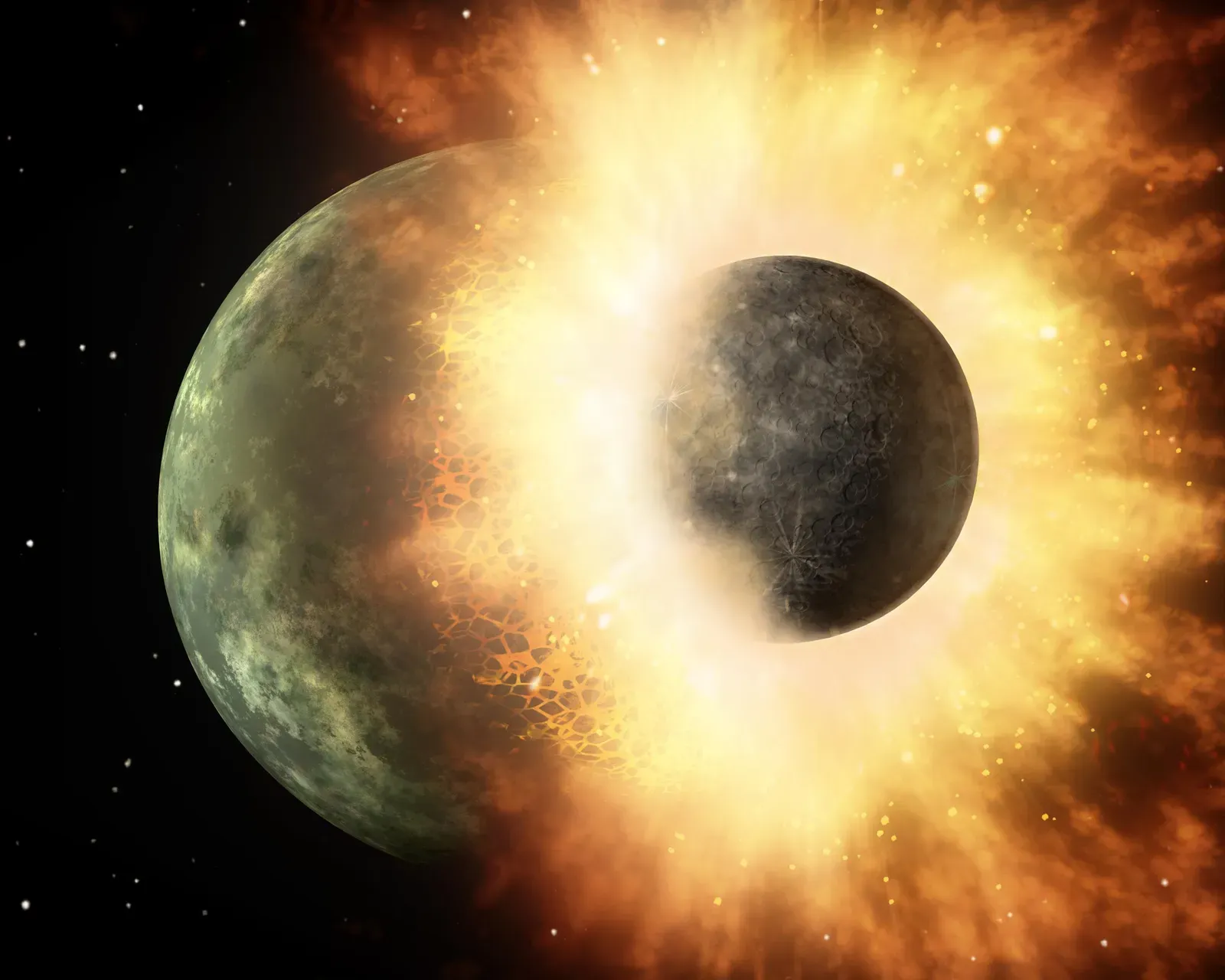
It is hard to emotionally grasp that Earth began as dust and rock slamming together at cosmic speeds in the early solar system, but that is the brutal truth. Roughly four and a half billion years ago, the space around our young Sun was a demolition derby of planetesimals repeatedly colliding, melting, and reassembling. One especially catastrophic impact, likely with a Mars-sized body often called Theia, probably blasted molten rock into orbit that eventually coalesced into the Moon. For a time, Earth’s surface would have glowed like a furnace, its crust a thin, unstable skin over an ocean of magma.
This phase of relentless bombardment could easily be cast as pure destruction, yet it set crucial conditions for everything that followed. Those impacts helped mix and redistribute elements, concentrating heavier ones like iron in the core and lighter silicates in the mantle and crust. They may also have delivered water-rich material from farther out in the solar system, seeding our future oceans. The Moon-forming collision stabilized Earth’s axial tilt, which in turn damped wild climate swings and created a more predictable, life-friendly environment. Out of shattering violence, a stable world slowly took shape.
Oceans from Fire and Stone: The First Crust and the Long Rain
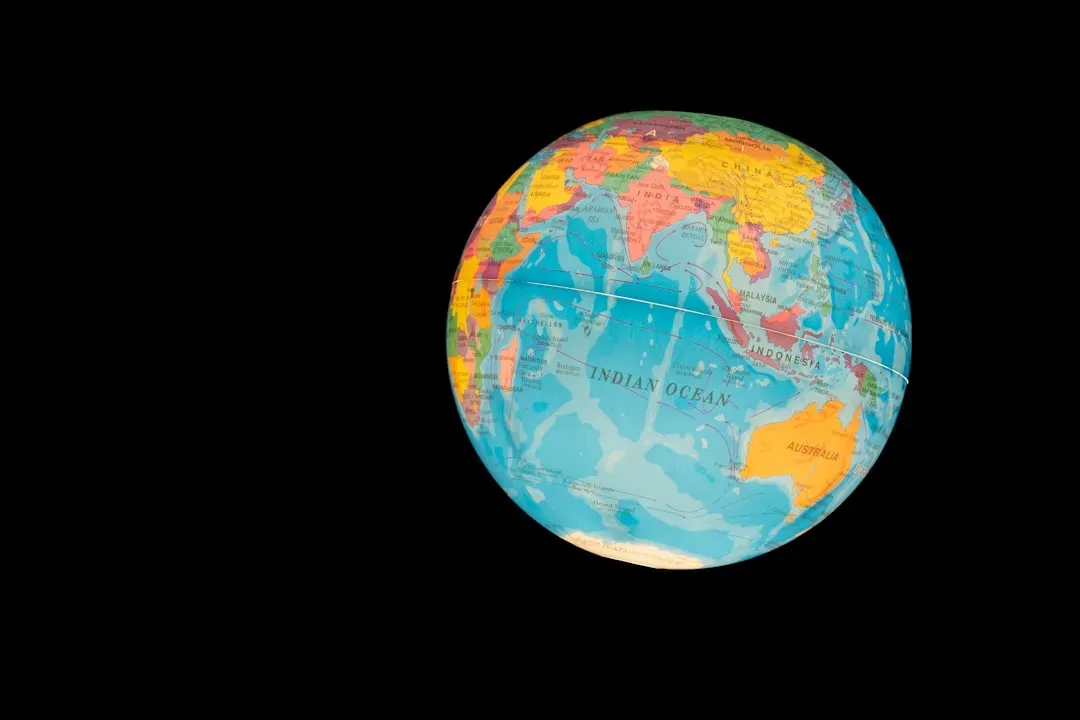
Once the magma oceans began to cool, Earth performed its first great act of self-restraint: it grew a crust. Early crust likely formed and was recycled rapidly, subducted back into the still-hot mantle in a kind of geological churn that would put modern plate tectonics to shame. Volcanic eruptions were constant and enormous, belching gases such as water vapor, carbon dioxide, and sulfur compounds into a thick, hazy atmosphere. The planet would have been almost unrecognizable, with no true continents as we know them and a sun dimmer than today.
As the surface cooled, that volcanic water vapor condensed and fell back as rain, and it did not stop for an unimaginably long time. Over tens of millions of years, this sustained deluge pooled into the first long-lived oceans on a solidifying crust. These oceans were probably hot, mineral-rich, and bombarded by ultraviolet radiation and meteorites, but they also provided a chemical playground where simple molecules could be concentrated, mixed, and energized. The same processes that built the oceans also regulated greenhouse gases, preventing Earth from freezing under a fainter young Sun and setting the scene for life to take hold. Out of a world of steam and fire came the first calm, stable basins that would cradle biology.
Invisible Architects: Microbes That Painted the Planet Blue
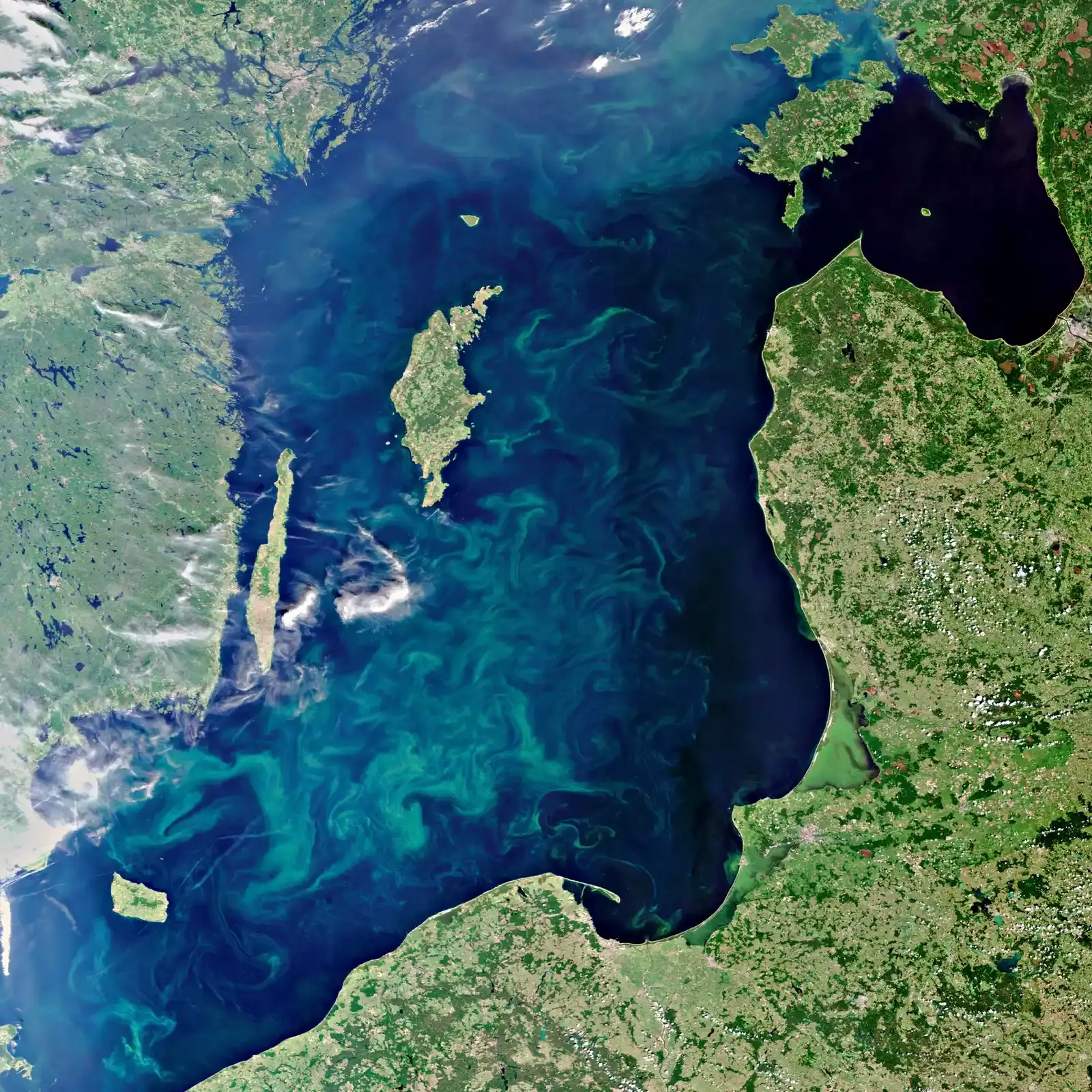
When life finally appeared, likely more than three and a half billion years ago, it did not announce itself with forests or fish but with microscopic cells etched into rocks and chemical signatures in ancient sediments. These early microbes were astonishingly tough, thriving around hydrothermal vents, in shallow lagoons, and in environments that would kill most complex organisms today. Among the most transformative were cyanobacteria, simple cells that learned to harvest sunlight and split water to drive photosynthesis. In doing so, they began releasing oxygen as a waste product into the oceans and, eventually, into the air.
The buildup of oxygen in the oceans led to the formation of banded iron formations, striking rocks striped with iron-rich layers that are still mined today. Over time, once most of the dissolved iron had rusted and settled, oxygen began to accumulate in the atmosphere. This Great Oxidation Event, roughly two billion years ago, was both a mass poisoning event for many anaerobic organisms and a profound upgrade in the planet’s energy economy. Oxygen allowed for far more efficient metabolism and laid the groundwork for complex, multicellular life. The world literally changed color, from a haze-dominated sky to a clearer, bluer one, because of countless unseen microbial architects.
Snowball Earth: When the World Almost Froze Solid
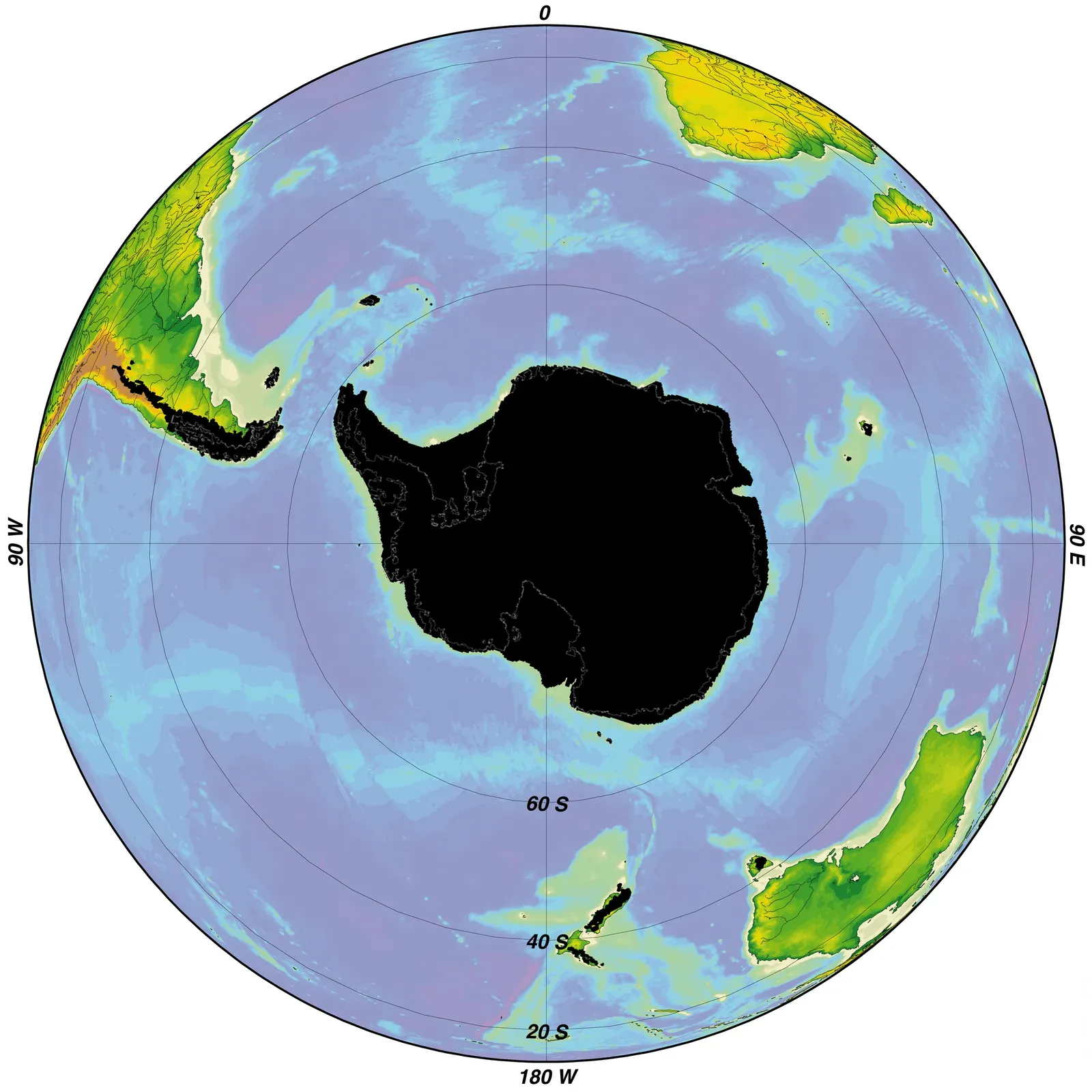
At least twice in the deep past, Earth appears to have gone to a terrifying climatic extreme: glaciers advancing to the equator and oceans sealed under ice hundreds of meters thick. These so-called Snowball Earth episodes likely occurred more than six hundred million years ago, triggered by complex feedbacks involving continental positions, volcanic outgassing, weathering, and sunlight. As ice expanded, it reflected more solar radiation back into space, which cooled the planet further, causing even more ice growth in a runaway loop. For a time, the idea that the entire planet froze was controversial, but geological evidence from tropical regions now shows ancient glacial deposits where they do not belong in a warm world.
Life did not disappear during these deep freezes; it retreated to refuges such as cracks in the ice, hydrothermal vents, and meltwater pools where conditions remained marginally tolerable. Meanwhile, volcanoes kept emitting carbon dioxide, but with much of the surface locked under ice, weathering processes that normally draw down that gas were greatly reduced. Carbon dioxide slowly built up to enormous levels, turning the atmosphere into a powerful greenhouse blanket. When the freeze finally broke, it may have done so catastrophically, with rapid warming, intense storms, and extreme erosion. In the aftermath of this global crisis, multicellular organisms diversified dramatically, setting the stage for the famous Cambrian explosion of animal life.
Continents in Collision: Mountains, Supercontinents, and Planetary Remodeling
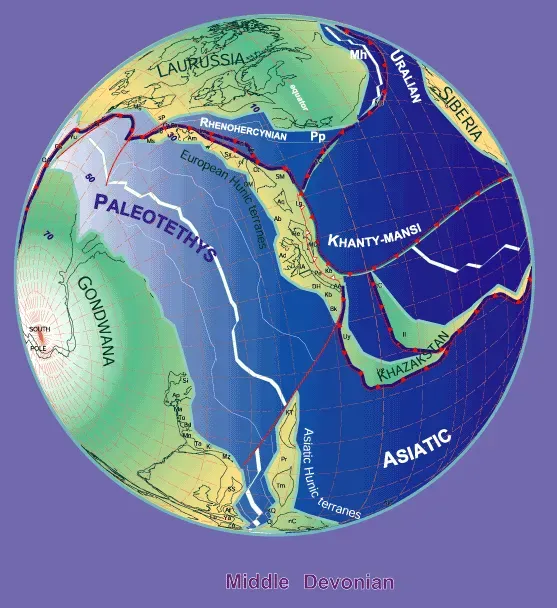
One of the planet’s most underappreciated sources of drama is the slow, relentless rearrangement of continents over hundreds of millions of years. Through plate tectonics, rigid plates of crust slide, collide, and sink, recycling material between the surface and the deep interior. At times, these plates have gathered into supercontinents such as Rodinia and later Pangaea, only to rift apart again. Continental collisions have raised mountain ranges like the Himalayas and the ancient Appalachians, while spreading seafloors have opened vast new ocean basins. The map of Earth that feels permanent to us is just one snapshot in a long geological flipbook.
These tectonic motions are far more than a cartographic curiosity; they control climate, sea level, and the distribution of life. The uplift of mountains increases rock weathering, which can draw down carbon dioxide and cool the climate, while broad shallow seas across low-lying continents can create warm, biodiverse marine habitats. The breakup of Pangaea in the Mesozoic era fragmented ecosystems and isolated populations, promoting evolution and diversification. Volcanic eruptions associated with rifting and mantle plumes have at times been so immense that they darkened skies and altered the carbon cycle on a global scale. The continents are not passive platforms for life, but active participants in the story of catastrophe and renewal.
Apocalypse from Above and Below: Mass Extinctions That Reset the Biosphere
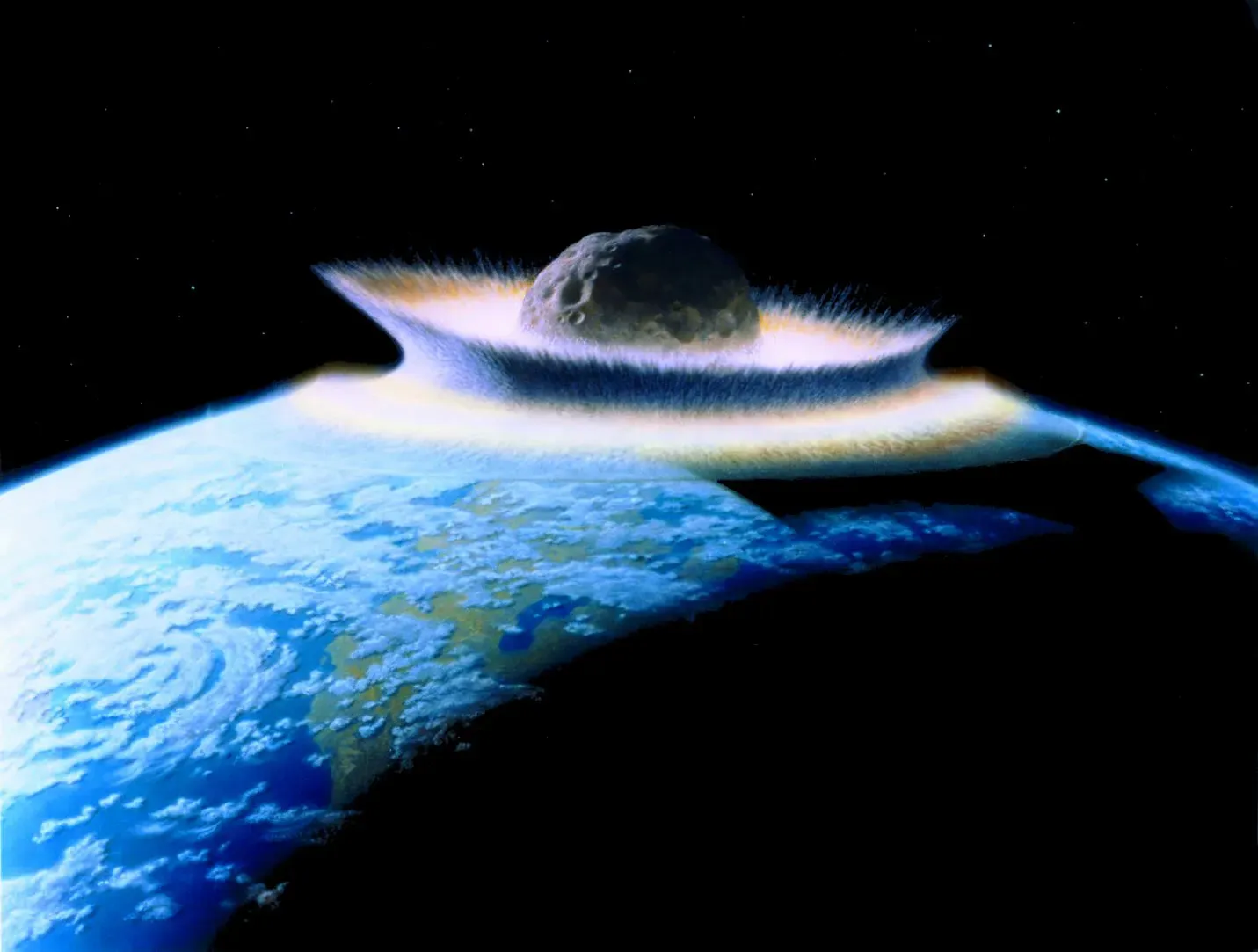
The fossil record reads like a rhythm chart of life’s rise and fall, punctuated by a handful of particularly brutal downbeats: the mass extinctions. The most famous is the end-Cretaceous event about sixty-six million years ago, when an asteroid roughly ten kilometers across slammed into what is now the Yucatán Peninsula. The impact blasted debris into the atmosphere, triggered wildfires, and plunged the world into darkness, collapsing food chains and ending the age of non-avian dinosaurs. Yet even that catastrophe was not unique; the end-Permian extinction more than two hundred and fifty million years ago wiped out the vast majority of marine species and many land dwellers, likely driven by massive volcanism in Siberia that destabilized climate and oceans.
These moments of biospheric collapse are horrifying in scale, but they also reshaped evolutionary possibilities in profound ways. The demise of many dinosaur lineages opened ecological niches that mammals eventually filled, leading, in time, to primates and humans. After the end-Permian disaster, new groups of marine animals radiated into emptied ecosystems, experimenting with novel body plans and ecologies. Each mass extinction simplified complex communities, then left behind a planet full of open space for survivors and newcomers. In that sense, Earth’s history is not just a tale of gradual adaptation, but of repeated, sharp resets that forced life to reinvent itself.
Reading Catastrophe in Stone: What Rocks Really Tell Us
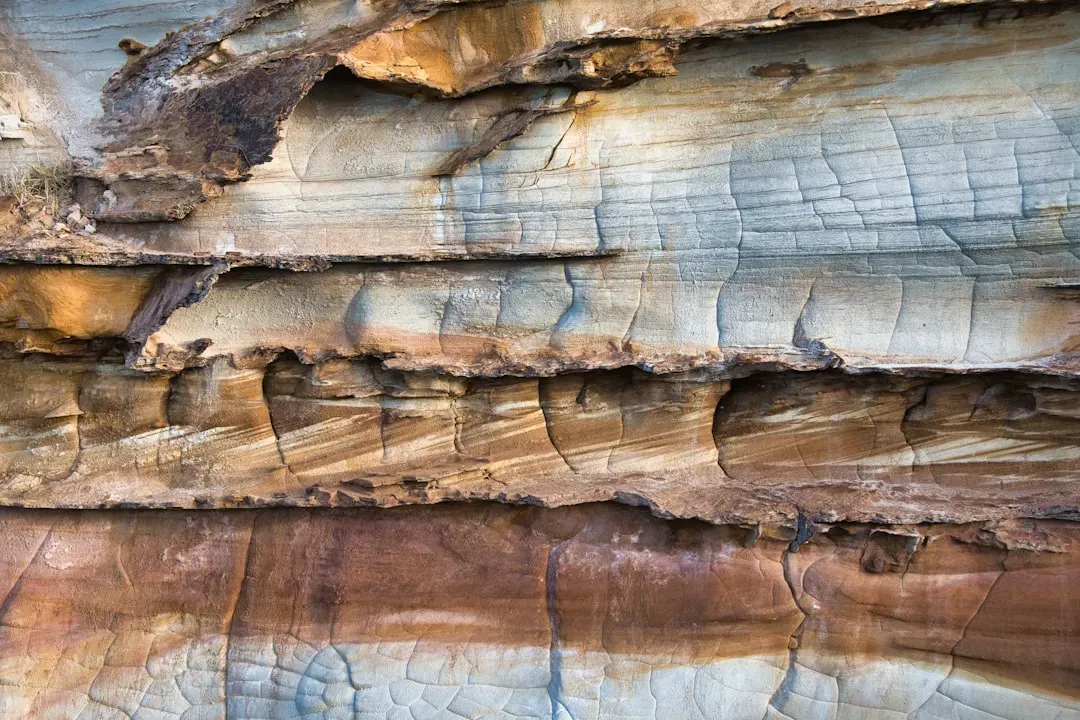
On the surface, an outcrop of rock looks static and silent, but with the right training it becomes a detailed archive of ancient upheavals. Thin layers of clay enriched in rare metals can signal asteroid impacts, while sudden changes in fossil content track extinctions and explosive diversifications. Ripple marks, cross-bedding, and mud cracks record vanished rivers and shorelines, and the orientation of magnetic minerals preserves how continents have drifted over time. Laboratory techniques that measure isotopes of elements such as carbon, oxygen, and strontium can reveal past temperatures, ice volumes, and shifts in the global carbon cycle. Taken together, these clues allow geologists to reconstruct not just what happened, but how fast, how often, and with what consequences.
What is striking from this record is how often apparently stable systems have tipped into chaos once key thresholds were crossed. The tempo of change matters: slow volcanic outgassing can be absorbed by weathering and biology, while rapid carbon releases can push oceans toward acidification and hypoxia. Comparing older episodes to modern data lets scientists see where today’s trends fit on this deep-time backdrop. For example, some current changes in ocean chemistry and climate are unfolding at rates that match or exceed those of past crises, a deeply sobering realization. Rocks become less like dusty artifacts and more like warning letters sent from earlier worlds that survived, but never unscathed.
Deep Meaning in Deep Time: Why These Catastrophes Still Shape Us
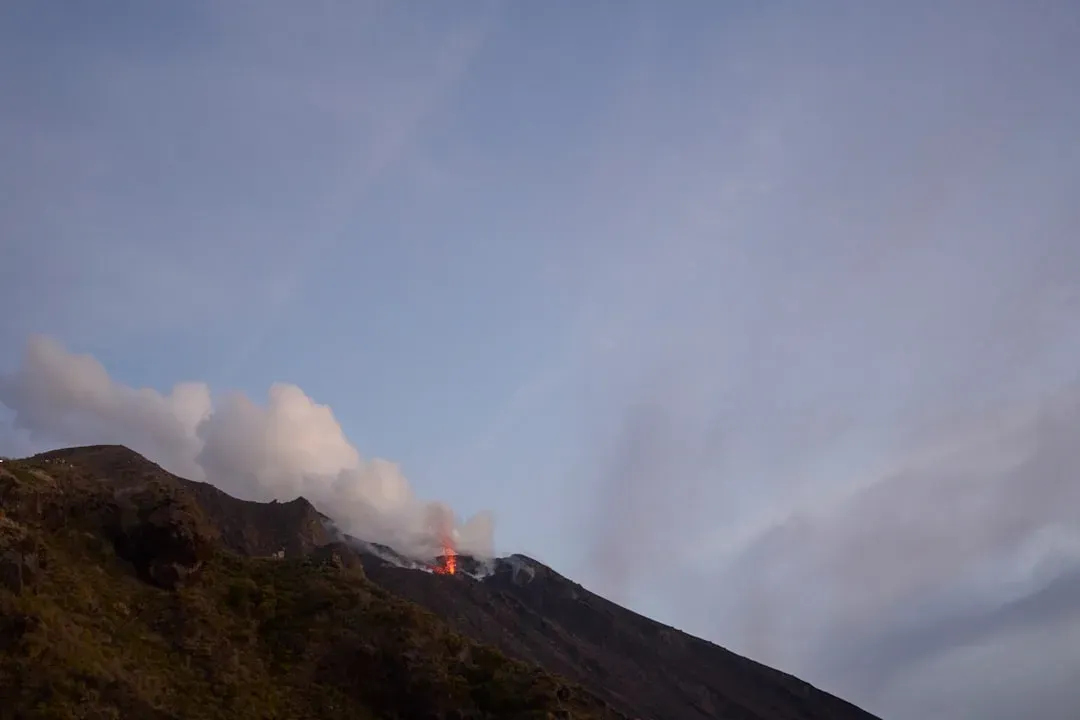
Stepping back, Earth’s geological history forces a reassessment of what stability really means on a living planet. The long calm intervals we associate with normal conditions are bracketed by upheavals that reset climate, landscapes, and life itself. Earlier generations often imagined Earth as a steady backdrop and humanity as the main source of sudden change, but the rock record shows a world that has repeatedly gone off the rails all by itself. What is different now is that one species has acquired the power to alter atmospheric composition, erode mountains, and rearrange ecosystems on timescales that rival some ancient catastrophes. That comparison is not metaphorical; it is grounded in measurable rates and magnitudes.
Understanding this context does not minimize the importance of current environmental change; it amplifies it. When researchers compare modern carbon emissions to events like the end-Permian or other rapid warming episodes, they see disturbing parallels in how oceans respond and how stress cascades through food webs. The lesson is that once certain thresholds are crossed, feedbacks can take over, making it far harder to steer conditions back to safety. Deep time, in this light, becomes a kind of manual of failure modes for a habitable planet. Knowing that our world has danced on the edge before should sharpen, not dull, our sense of responsibility.
Listening to a Restless Planet: How Readers Can Join the Story
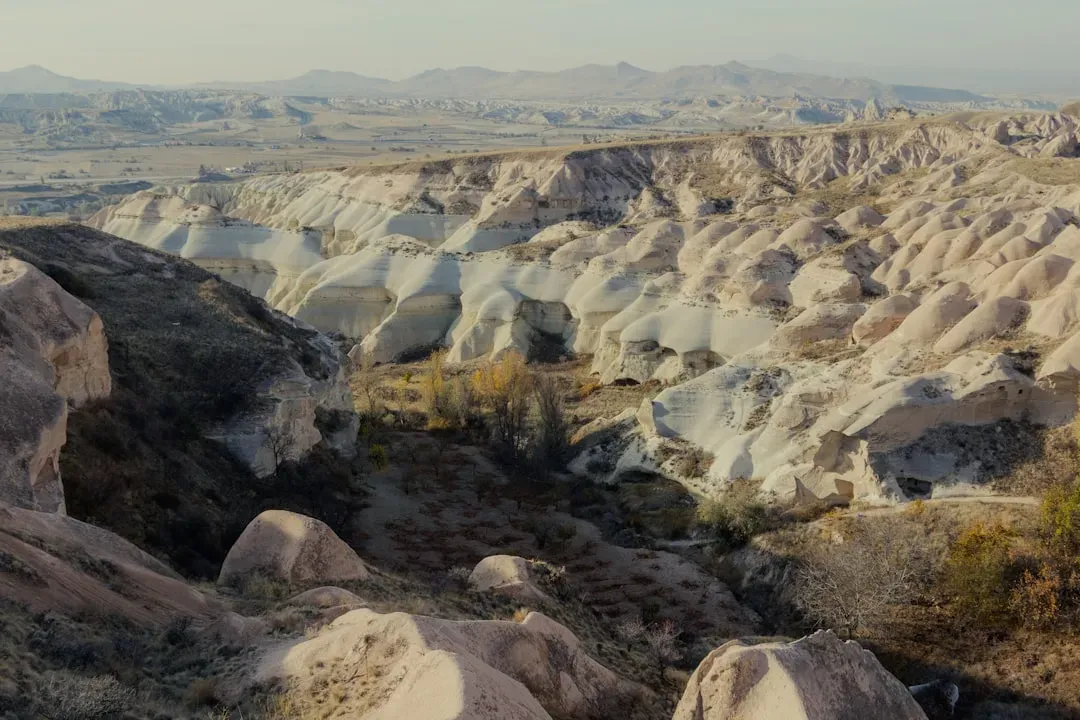
Engaging with this tale of catastrophic beauty does not require a geology degree, only curiosity and a willingness to look at familiar places with new eyes. A coastal cliff, a roadcut on a highway, or a trail through eroded hills can become a portal into vanished oceans, buried forests, and long-extinct creatures. Visiting natural history museums, national parks, or local geological sites connects abstract ideas like mass extinctions and Snowball Earth to real specimens and landscapes. Citizen science projects, from fossil hunts with supervised groups to online efforts cataloging rock formations, allow non-specialists to contribute data and observations. Even following reputable research updates can transform distant-sounding terms like plate tectonics or banded iron formations into parts of your own mental map of home.
There is also a quieter, more personal way to engage: by letting deep time recalibrate how we think about change, risk, and care for the planet. Recognizing that Earth has survived asteroid impacts and global freezes does not give us permission to be reckless; it reminds us that recovery often takes millions of years and leaves behind a very different world. Our civilizations are fragile threads woven into a tapestry that has been torn and rewoven many times, though never before by the deliberate actions of a single species. Paying attention to geology is a way of choosing not to be ignorant passengers on a restless world, but informed participants in its next chapter. In the end, the question is simple and unsettling: now that we know how the story has gone so far, what kind of chapter do we want to write next?
Suhail Ahmed is a passionate digital professional and nature enthusiast with over 8 years of experience in content strategy, SEO, web development, and digital operations. Alongside his freelance journey, Suhail actively contributes to nature and wildlife platforms like Discover Wildlife, where he channels his curiosity for the planet into engaging, educational storytelling.
With a strong background in managing digital ecosystems — from ecommerce stores and WordPress websites to social media and automation — Suhail merges technical precision with creative insight. His content reflects a rare balance: SEO-friendly yet deeply human, data-informed yet emotionally resonant.
Driven by a love for discovery and storytelling, Suhail believes in using digital platforms to amplify causes that matter — especially those protecting Earth’s biodiversity and inspiring sustainable living. Whether he’s managing online projects or crafting wildlife content, his goal remains the same: to inform, inspire, and leave a positive digital footprint.