
If you think the wildest places on Earth are on mountaintops or in jungles, you’re only seeing half the story. Some of the most extreme, otherworldly landscapes are hidden far below our feet, in caverns so deep you could stack skyscrapers inside and still have room to spare. Down there, sunlight never arrives, gravity feels heavier, and the air itself can be dangerous to breathe.
I still remember the first time I crawled into a tiny cave entrance as a teenager, feeling the rock press in around me and the light from outside shrink to a faint glow. Even in that shallow little system, it felt like stepping off the map. Now, when I read what scientists and cavers are discovering in the deepest pits on Earth, it honestly makes that first cave feel like a toy model. These underground worlds are not just holes in the ground – they’re ecosystems, time capsules, and extreme laboratories all rolled into one.
The Abyss of Krubera: A Vertical Journey Into the Earth
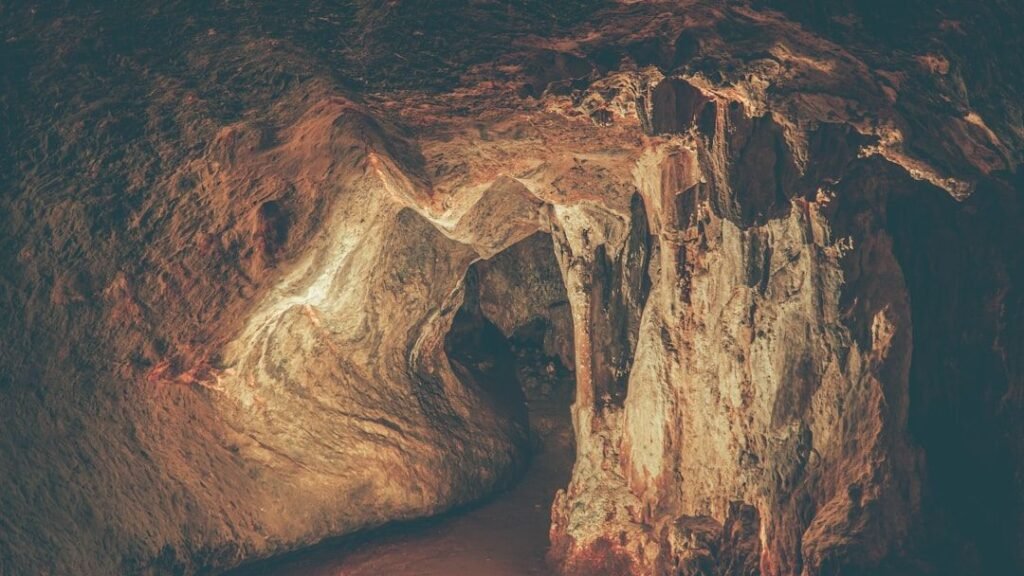
Hidden in the Arabika Massif of Georgia’s Western Caucasus, Krubera (also called Voronya Cave) plunges more than two kilometers straight into the Earth, making it one of the very deepest known caves on the planet. Imagine dropping the Empire State Building into a crack in the ground and still having a long way to go before you hit bottom – that’s the kind of scale we’re talking about. Cavers who descend into Krubera face a brutal vertical maze of shafts, icy pools, tight squeezes, and underground camps that feel more like lunar bases than anything on the surface.
At those depths, conditions are extreme but surprisingly stable: constant chill, permanent darkness, and air that can feel heavy and stale. Expeditions must carry food, climbing gear, inflatable boats for flooded tunnels, and medical supplies for days or even weeks underground. One wrong move in a flooded passage or on a rope over a yawning drop can be fatal, and rescue is incredibly difficult at such depths. Yet despite the danger, Krubera keeps drawing humans back because every few meters of new passage might reveal life-forms and rock formations that have been sealed off from the sunlit world for unimaginable stretches of time.
Cave Life That Shouldn’t Exist (But Somehow Thrives)
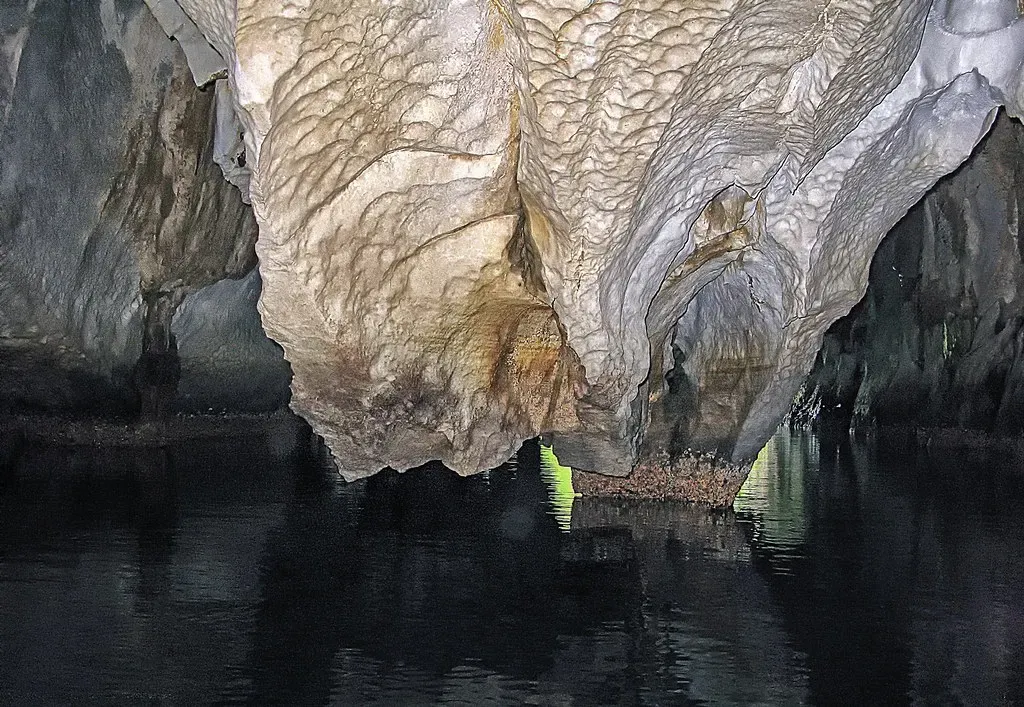
Maybe the most shocking part of these deep caves is that they’re not empty. They’re alive. In places where there’s no sunlight, no plants, and almost no nutrients, scientists keep finding tiny creatures that have evolved to survive on the edge of what life can handle. Many are small crustaceans, translucent insects, blind fish, worms, and microbes that look unremarkable at first glance – but their biology is anything but ordinary. Some see without eyes, some feed on chemical reactions instead of plants, and some can survive in waters that would kill us in minutes.
These organisms have adapted to conditions that seem more like another planet than Earth: total darkness, strange chemical stews, and intense isolation. Instead of energy from the sun, deep cave microbes may rely on minerals and gases in the rock, or on tiny traces of organic matter trickling down over centuries. For researchers searching for clues about life on Mars or on icy moons like Europa, these hidden ecosystems are like cheat sheets. If life can manage to exist in such harsh, sealed-off pockets beneath our feet, it suddenly feels less crazy to imagine it huddled beneath alien ice or within Martian rock.
Subterranean Rivers, Sapphire Lakes, and Stone “Clouds”
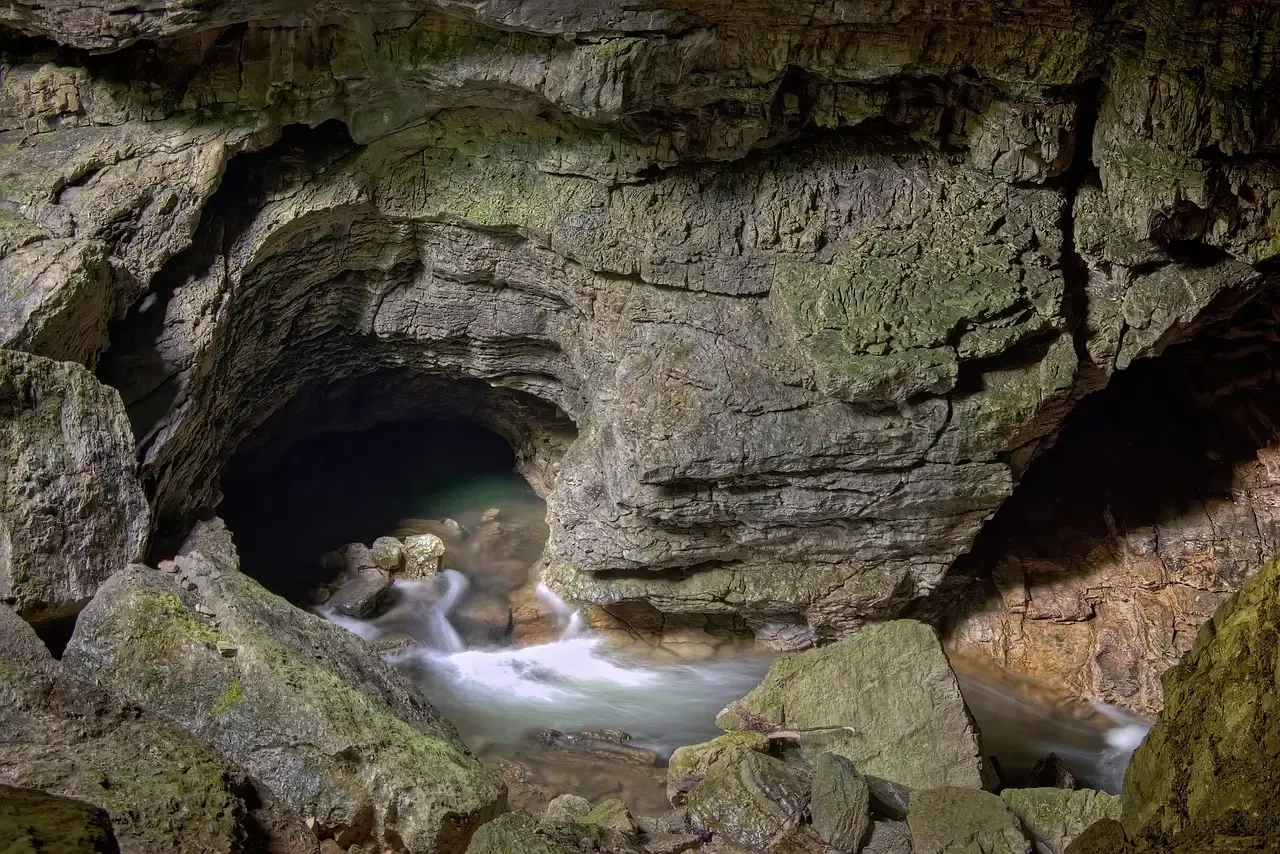
When people picture caves, they usually imagine a dusty tunnel with a few stalactites. Deep caves shatter that cliché. Many of them hold roaring underground rivers that echo like thunder, silent black lakes that disappear into the dark, and crystal-clear pools that look almost unreal in headlamp beams. Some flooded passages are so long and deep that cave divers compare them to underwater mountain ranges – only you’re navigating them in total darkness with a limited supply of air strapped to your back.
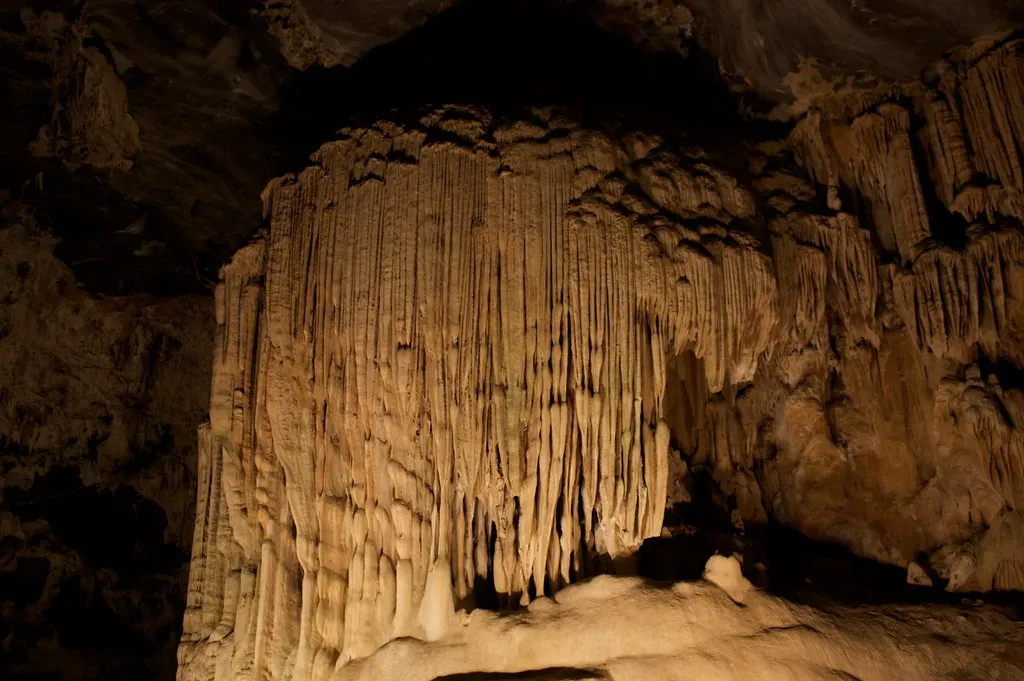
Then there are the formations. Over thousands to millions of years, dripping water charged with dissolved minerals builds more than just the classic hanging stalactites and rising stalagmites. You get delicate stone “curtains” that ripple like frozen fabric, helictites that twist sideways as if gravity forgot the rules, and flowstone that looks like a waterfall permanently turned to stone. In some deep caves, the ceilings are covered in pale formations that resemble clouds or snowbanks, turning entire chambers into something that feels less like geology and more like a dreamscape.
Poisonous Air, Crushing Silence, and the Psychology of Depth
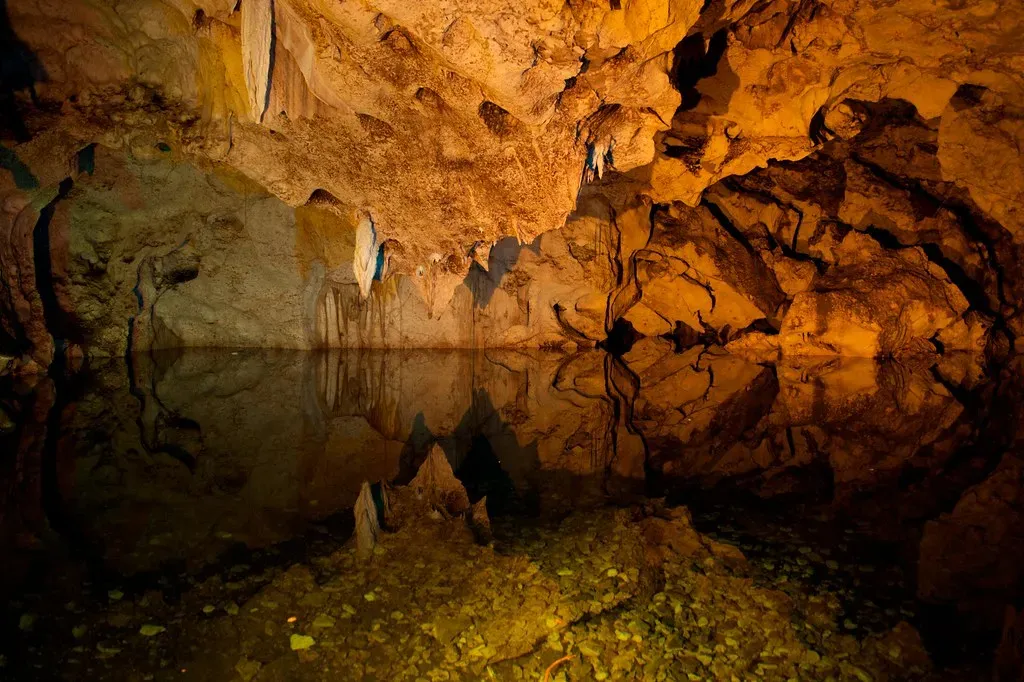
Deep caves aren’t just physically dangerous – they mess with your mind. Far from open air and sunlight, your sense of time begins to blur, especially on long expeditions. Without day and night to guide you, an hour feels like ten minutes, or a whole day can seem to vanish in what feels like a blink. The silence is so thick that a single drip of water can sound like a drumbeat, and conversations echo in ways that make spaces feel bigger or smaller than they really are.
Then there’s the air itself. In low points and poorly ventilated chambers, heavier gases like carbon dioxide can build up, slowly displacing oxygen. People can start to feel light-headed, nauseous, or strangely drowsy without realizing the danger. Some caves contain pockets of hydrogen sulfide or other toxic gases that smell rotten and burn the lungs, especially near geothermal features or decaying organic matter. Cavers must constantly watch for warning signs in themselves and their teammates, because down there, your brain can trick you into pushing on when you should be turning back.
Time Capsules of Lost Climates, Animals, and Humans
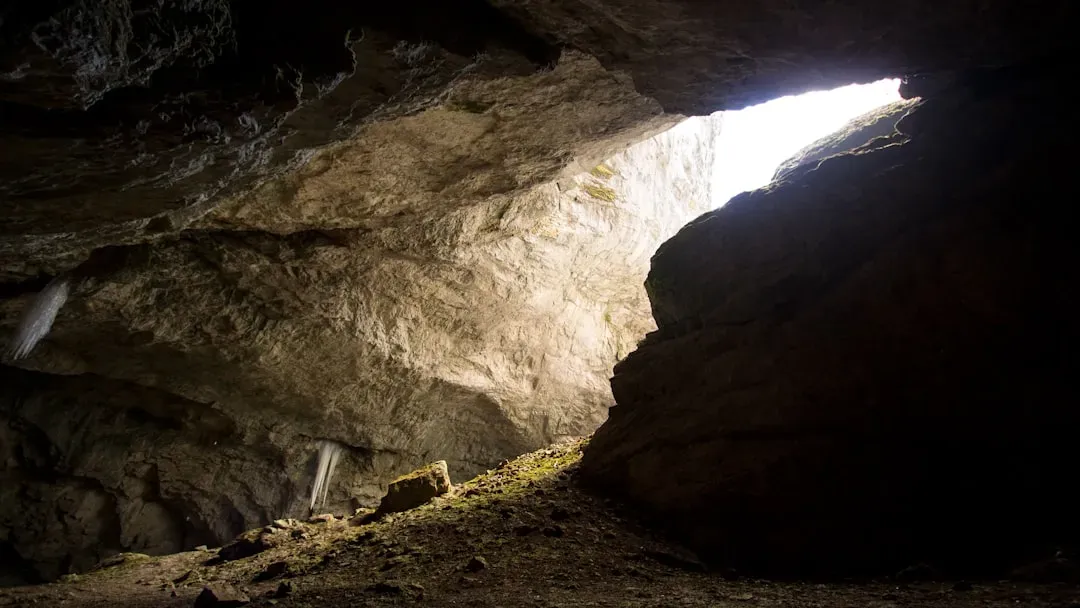
One of the most powerful reasons scientists keep returning to these deep, difficult places is that caves are incredible natural archives. Mineral formations grow like extremely slow-motion tree rings, recording subtle shifts in temperature, rainfall, and even atmospheric composition across tens of thousands of years. By carefully sampling and analyzing those layers, climate scientists can reconstruct ancient droughts, monsoon patterns, and glacial cycles that shaped human history long before anyone was writing it down.
Deep cave chambers have also preserved bones, footprints, and artifacts from animals and humans who ventured inside long ago. In many regions, the stable temperature and protection from weather mean that fragile remains can survive when they would have crumbled away on the surface. Skulls of extinct animals, charcoal from ancient fires, handprints on walls, and stone tools have turned up far underground, sometimes in spots that require serious climbing to reach. It’s humbling to realize that thousands of years ago, people with nothing but firelight and simple tools were squeezing into places that modern explorers still find terrifying.
Why We Risk Everything to Explore the Underworld
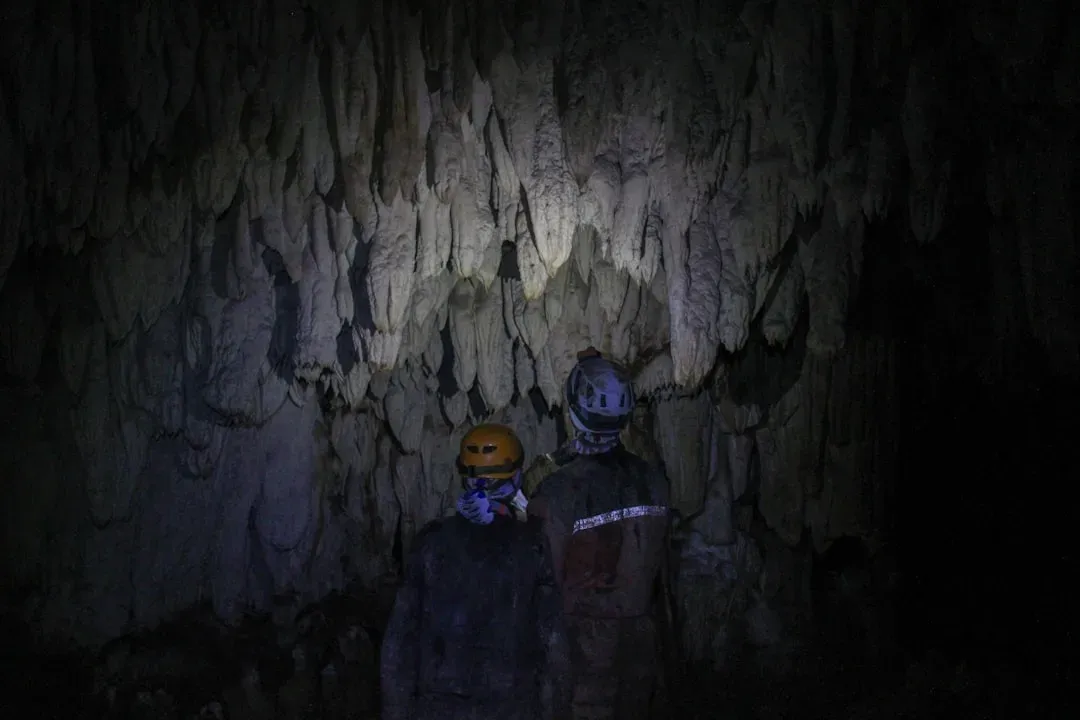
From the outside, it can be hard to understand why anyone would voluntarily dangle on a rope over a bottomless shaft, squeeze through a passage the width of a backpack, or dive into a flooded tunnel where one wrong move could mean never seeing the surface again. But for many cavers and cave scientists, the pull of the unknown is stronger than the fear. There’s a particular kind of thrill in mapping a passage no one has ever seen, sketching a chamber that was sealed off for eons, or discovering a new species in a pool the size of a bathtub.
I’ve talked with people who say that deep caving is the closest thing on Earth to exploring space, and that comparison makes a lot of sense. You rely on life-support systems, specialized suits, strict safety routines, and a tightly coordinated team. You’re cut off from the outside world, moving slowly through an environment your body was never meant for. But you also get something that almost no other experience can offer: the feeling of expanding the known world in real time, one meter of rope or one careful step at a time.
The Future of Underground Discovery
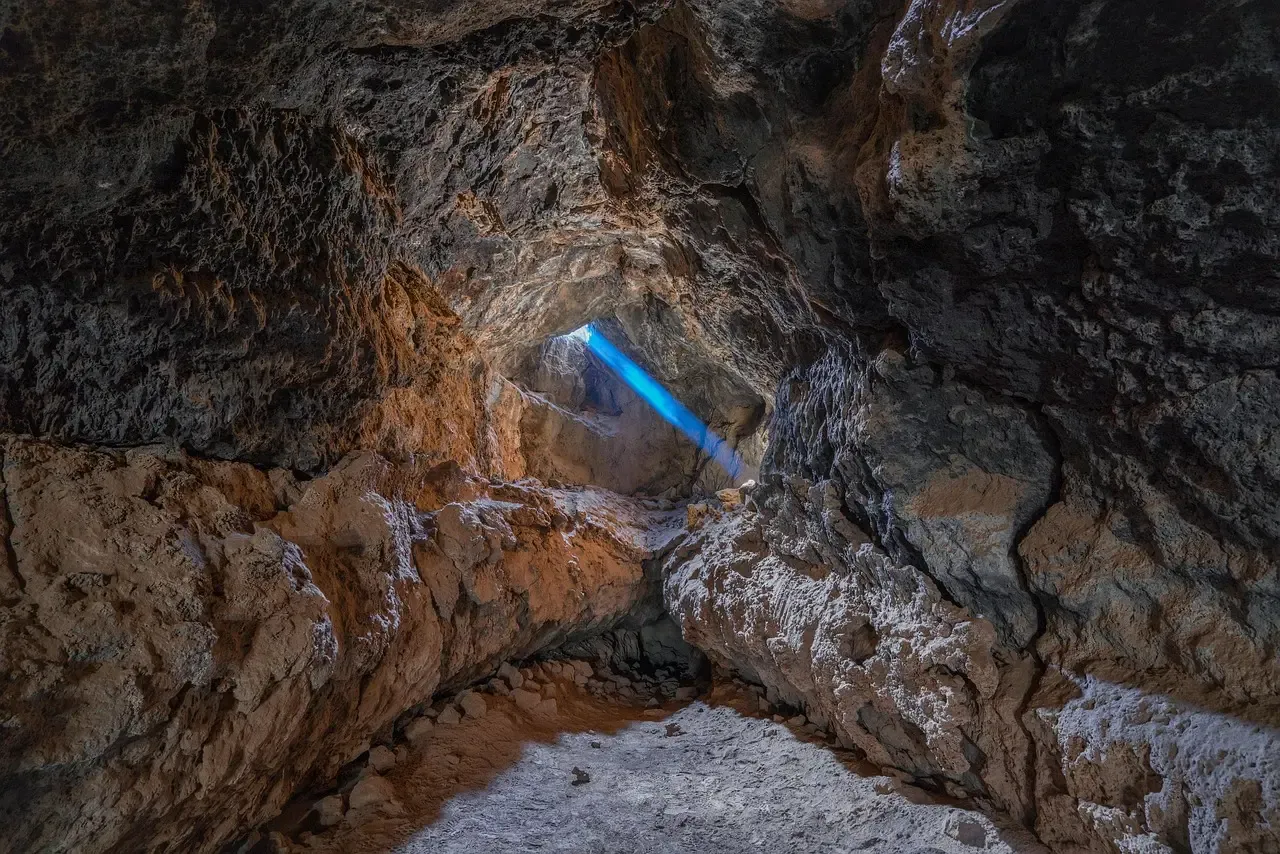
Even with all the expeditions and surveys that have been done, the vast majority of our planet’s caves are still unmapped, and many of the deepest systems almost certainly remain undiscovered. New technologies are slowly changing that. Cave explorers are starting to use laser scanning to create detailed three-dimensional maps, autonomous robots to probe dangerous or flooded sections, and more advanced sensors to monitor air quality and water chemistry in real time. These tools help reduce the risk to humans while revealing hidden side passages and chambers that earlier explorers simply could not reach.
On the scientific side, improvements in DNA analysis and microbiology are allowing researchers to detect and study life in tiny water samples scraped from cave walls or pools, uncovering invisible networks of microbes that shape underground ecosystems. Climate data from cave formations is being merged with satellite records and ice cores to build clearer pictures of how Earth’s systems work together. All of this points to a sobering truth: for all our maps and satellites, the world beneath our feet is still one of the least understood frontiers we have.
The Dark Heart of Our Living Planet
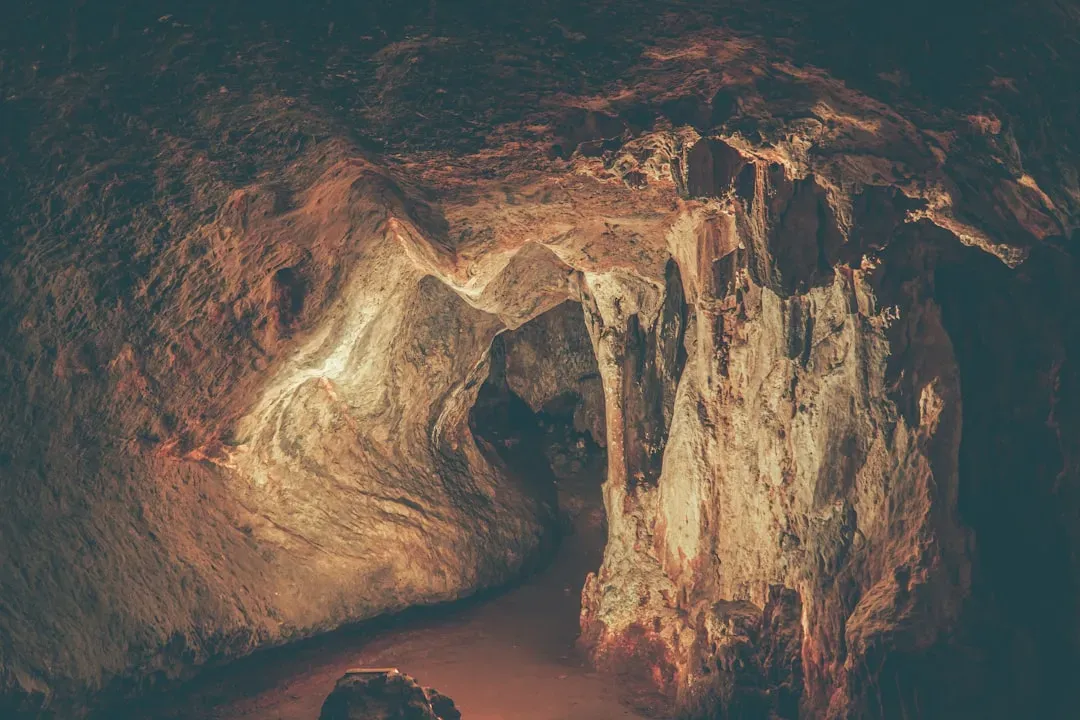
Deep caves are not just dramatic backdrops for adventure stories; they’re proof that our planet is far stranger and more layered than it looks from the surface. Beneath cities, forests, and oceans lie worlds of perpetual night, silent rivers, and creatures that have rewritten the rules of survival. Every new descent chips away at our old assumptions about where life can exist, how climates have shifted, and how far humans are willing to go in search of answers.
Standing at the mouth of a cave, it’s easy to see only a dark hole in the rock. But somewhere far below, unseen, there might be a chamber the size of a cathedral, a crystal pool feeding an unknown river, or a colony of life that has never known the sun. Our planet’s deepest caves remind us that mystery is not a thing of the past; it’s literally underneath our feet, waiting in the dark. What do you think might still be hiding down there, beyond the edge of our lights?