
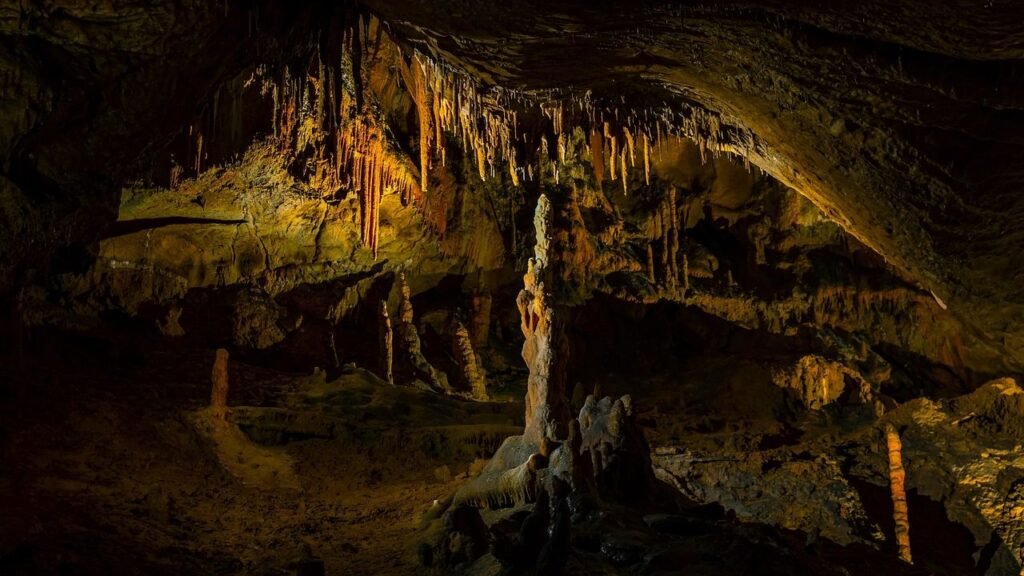

Somewhere beneath your feet, far deeper than any mine shaft or subway tunnel, there are worlds that have been sealed off from sunlight for millions of years. No photosynthesis, no seasons, no oxygen-rich air. Just darkness, chemical reactions, and, astonishingly, life. Thriving, evolving, competing life.
It sounds like science fiction. Honestly, the first time you really sit with that idea, it is genuinely difficult to process. Yet cave scientists, microbiologists, and astrobiologists keep descending into these underground realms and coming back up with discoveries that flip our understanding of what life actually needs. Let’s dive in.
A World Without Sunlight: How Cave Life Powers Itself
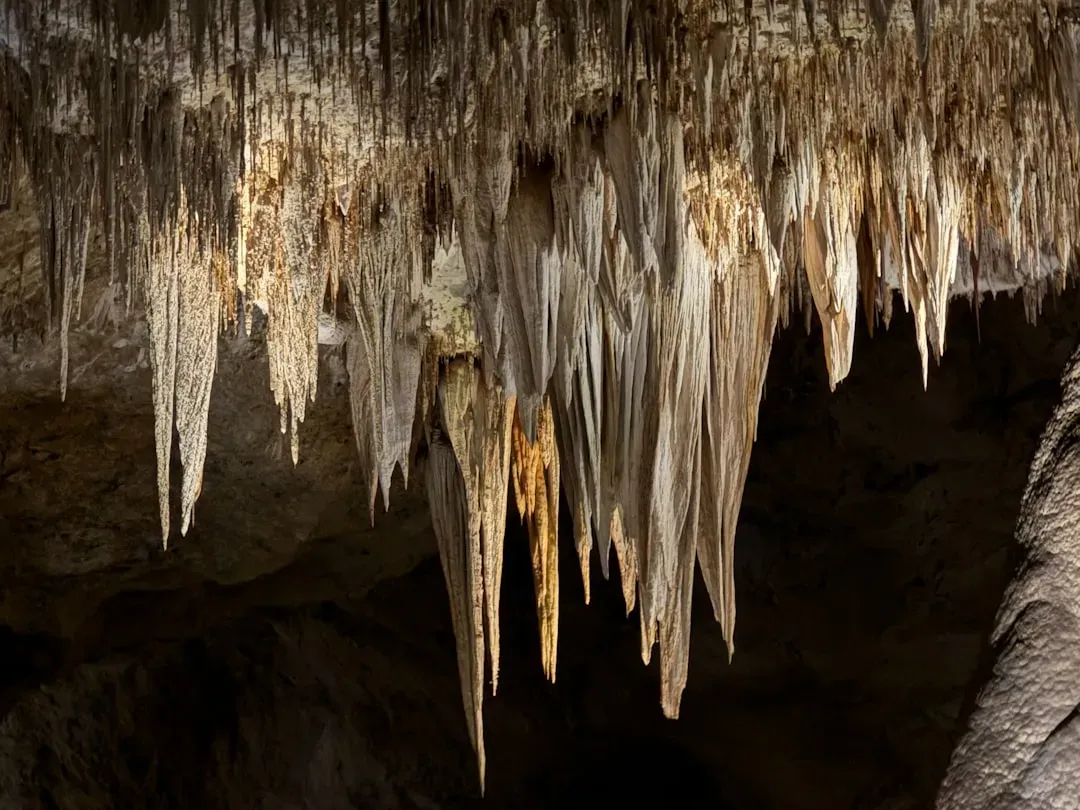
Here’s the thing about most life on Earth – it runs on sunlight, either directly or indirectly. Plants capture it, animals eat the plants, and everything is ultimately powered by that golden glow from above. Caves break that rule entirely. Caves have a unique environment – they normally lack many of the elements commonly thought of as essential building blocks of life, and in general caves have no light, so photosynthesis is not an option for microbiological life.
So how does cave life survive? Most microbes get their nutrients and energy from dissolving inorganic material – these are called chemolithoautotrophs. Think of it like swapping out the sun for a battery made of rock and chemical reactions. Instead of harvesting light, these organisms harvest energy from minerals. It is one of the most radical reinventions of metabolism on our planet.
Movile Cave: Earth’s Most Alien Ecosystem
If you had to pick one cave that best captures just how bizarre underground life can get, Movile Cave in Romania would win that contest without much competition. Movile Cave is a cave near Mangalia, Constanța County, Romania, discovered in 1986 during construction work a few kilometers from the Black Sea coast. It is notable for its unique subterranean groundwater ecosystem abundant in hydrogen sulfide and carbon dioxide, but low in oxygen. Life in the cave has been separated from the outside for the past 5.5 million years and is based completely on chemosynthesis.
The level of oxygen in the cave is only a third to half of the concentration found in open air, and the cave atmosphere contains about 100 times more carbon dioxide than normal air. It also contains methane, and both the air and waters of the cave carry high concentrations of hydrogen sulfide and ammonia. You would not survive five minutes breathing that air. Yet inside, Movile Cave hosts one of the world’s most diverse subsurface invertebrate communities. In the absence of matter and energy input from the surface, this ecosystem relies entirely on in situ primary productivity by chemoautotrophic microorganisms. The energy source for these microorganisms is the oxidation of hydrogen sulfide provided continuously from the deep thermomineral aquifer, alongside methane and ammonium.
Creatures That Evolution Forgot to Tell Anyone About
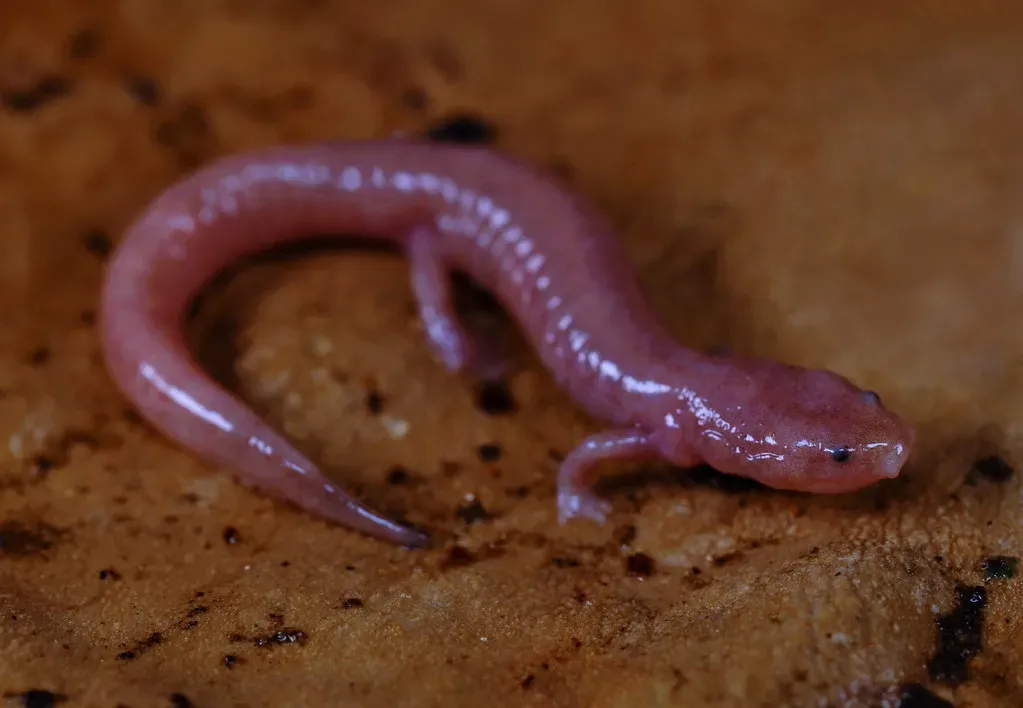
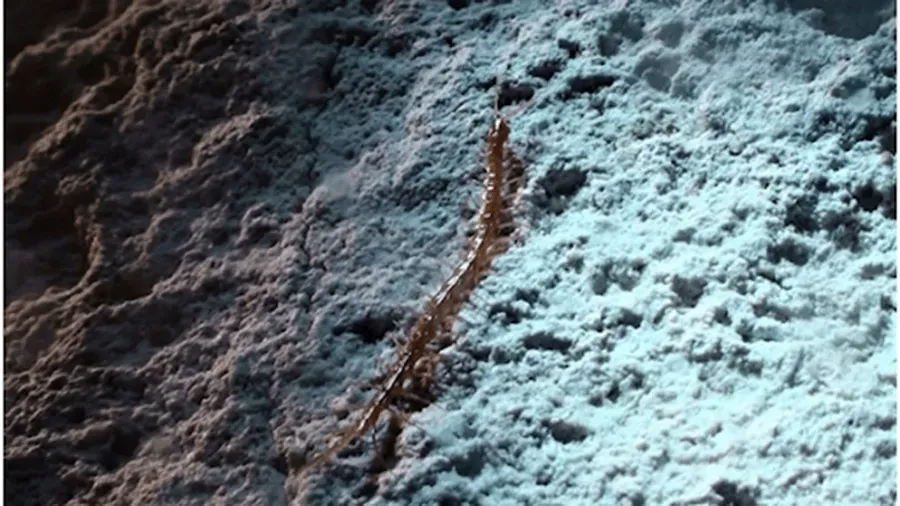
When scientists first catalogued the animals living inside Movile Cave, they were genuinely stunned. More than 50 species of cave-adapted invertebrates, among them leeches, spiders, and water scorpions, have been found inside the cave, of which 37 are endemic and found nowhere else. They evolved separately from the outside world since the cave was sealed off during the Quaternary. Let that sink in – nearly four dozen species that exist absolutely nowhere else on Earth. These are not minor variations on familiar animals. These are entirely distinct evolutionary paths.
Troglobites are animals adapted to living their entire lives beyond the daylight zone of caves. Eyeless spiders, translucent millipedes, cave crickets, and 175-year-old crayfish are examples of troglobites. Many have improved senses of smell, taste, temperature, hearing, and vibration detection. Often dramatically amplified nerve centers for these senses make up for the lack of sight. It is evolution doing what it always does – stripping away what is not needed and building up what is. In total darkness, eyes are dead weight. But extraordinary hearing? Now that is currency.
Lechuguilla Cave and the Secret History of Antibiotic Resistance
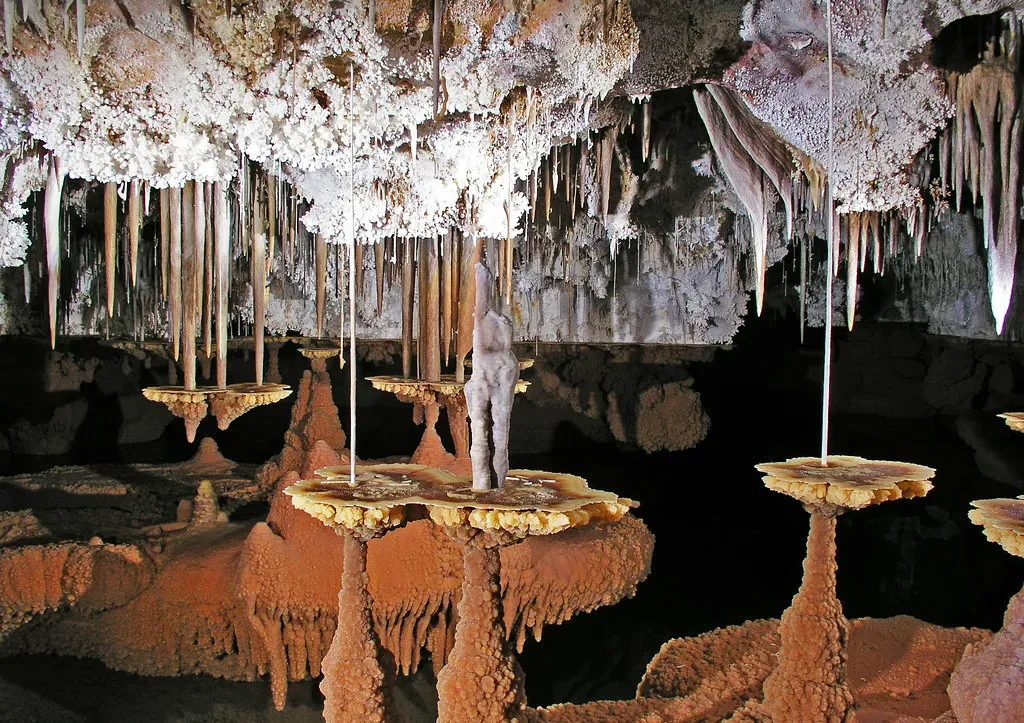
Deep beneath New Mexico, Lechuguilla Cave has been sealed from the surface for an almost incomprehensible span of time. Researchers discovered a remarkable prevalence of antibiotic-resistant bacteria isolated from Lechuguilla Cave in New Mexico, one of the deepest and largest caves in the world and a place isolated from human contact for more than four million years. This is the part that genuinely shocks people when they first hear it. Bacteria that have never, not once, encountered a human, a hospital, or a prescription drug are still resistant to our best medicines.
A screen of the culturable microbiome of Lechuguilla Cave, in a region isolated for over 4 million years, found that, like surface microbes, these bacteria were highly resistant to antibiotics. Some strains were resistant to 14 different commercially available antibiotics. Resistance was detected to a wide range of structurally different antibiotics including daptomycin, an antibiotic of last resort in the treatment of drug-resistant Gram-positive pathogens. The implication is staggering – antibiotic resistance is not something humans created. It is ancient, and it evolved in the dark long before medicine existed.
Ice Caves and a Jaw-Dropping Discovery in 2026
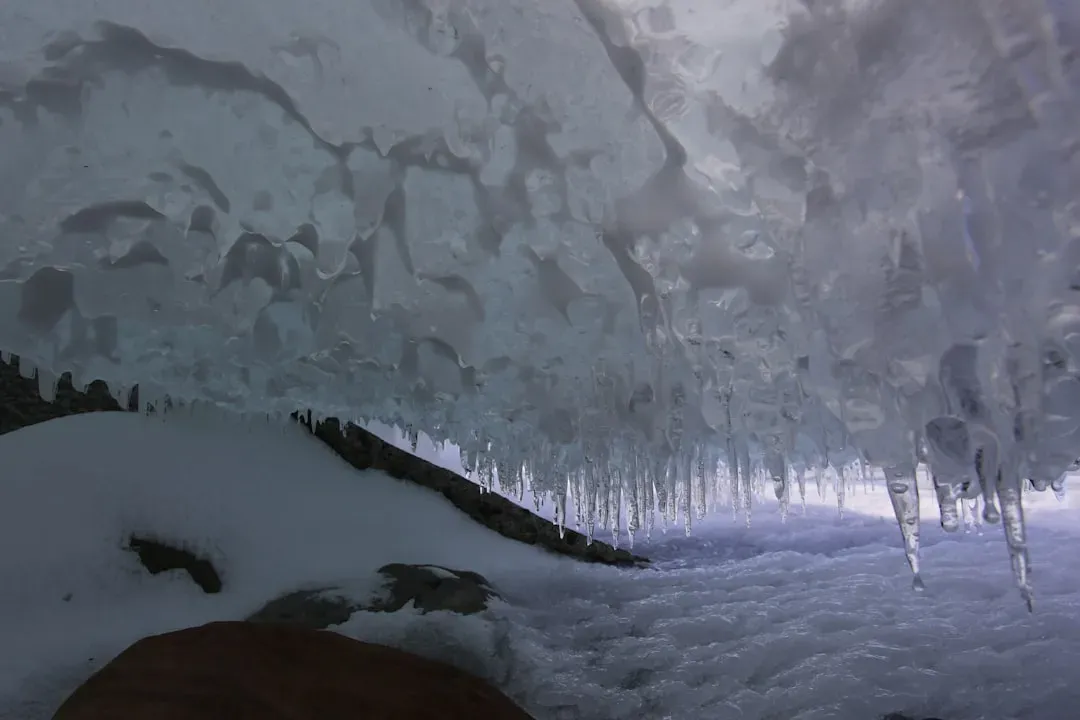
Just this month, a finding emerged from another deep cave system that made headlines across the scientific world. In the depths of Scărișoara Cave, one of Romania’s largest ice caves, preserved under a 5,000-year-old layer of ice, scientists discovered a strain of Psychrobacter SC65A.3, bacteria resistant to modern antibiotics. The discovery is equal parts alarming and fascinating. These microbes have been frozen and immobile for five millennia, yet their resistance mechanisms are anything but primitive.
When researchers examined the bacterial strain discovered in 5,000-year-old layers of cave ice, they found it resistant to 10 modern antibiotics and harboring even more genes related to resistance. Analysis revealed that Psychrobacter SC65A.3 could be a blessing and a curse – it could provide leads for new antibiotic drugs, but if it is allowed to reemerge and spread, it could also share its drug-resistant genes with other bacteria. It’s hard to say whether this is a breakthrough or a warning – probably it is both, simultaneously.
Cave Microbes as a Potential Gold Mine for Medicine
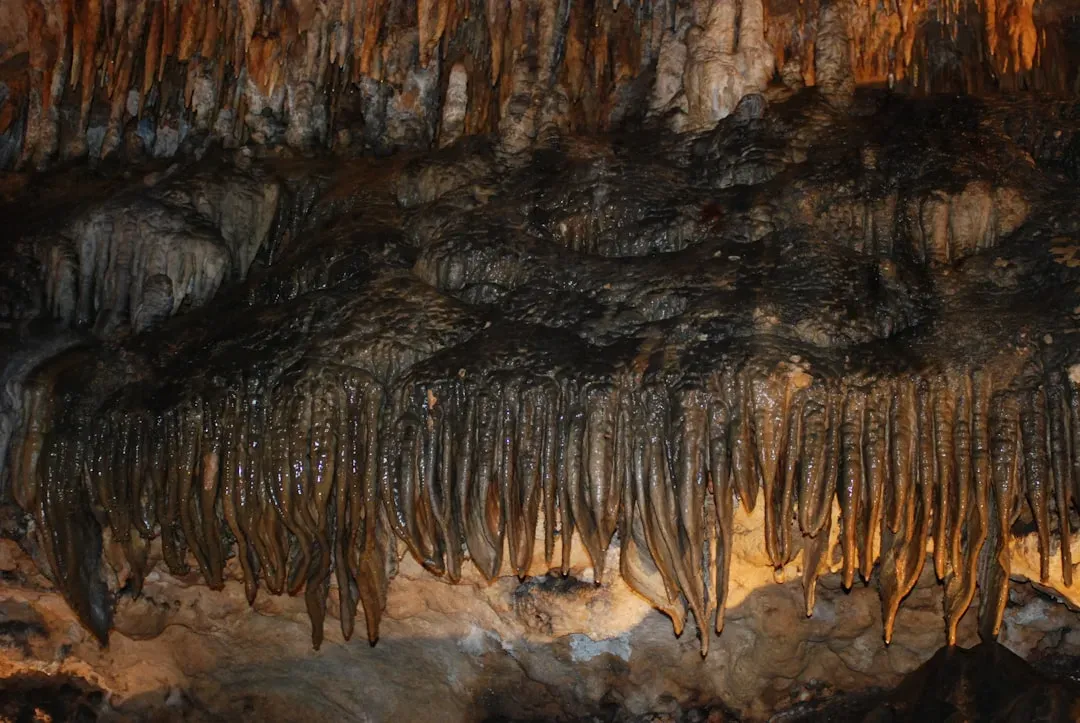
Here is where things get genuinely exciting from a human health perspective. The ancient and pristine ecosystems of caves contain a unique microbial world and could provide a possible source of antimicrobial metabolites. The association between humans and caves is as old as human history itself. Historically, cave environments have been used to treat patients with respiratory tract infections, which is referred to as speleotherapy. Today, the pristine environment of caves comprises a poorly explored microbial world that is a potential source of antimicrobial and anticancer drugs.
The adaptations of cave-dwelling organisms applied to their survival are complex, and some of their properties show potential for use in various areas of human life. Secondary metabolites produced by cave bacteria show strong antimicrobial, anti-inflammatory, or anticancer properties. Furthermore, bacteria that can induce mineral precipitation could be used in the construction industry and for neutralization of radioisotopes. Think of it this way – the cave is essentially a laboratory that evolution has been running for millions of years, and we are only just starting to read the results.
What Deep Caves Tell Us About the Possibility of Life Beyond Earth
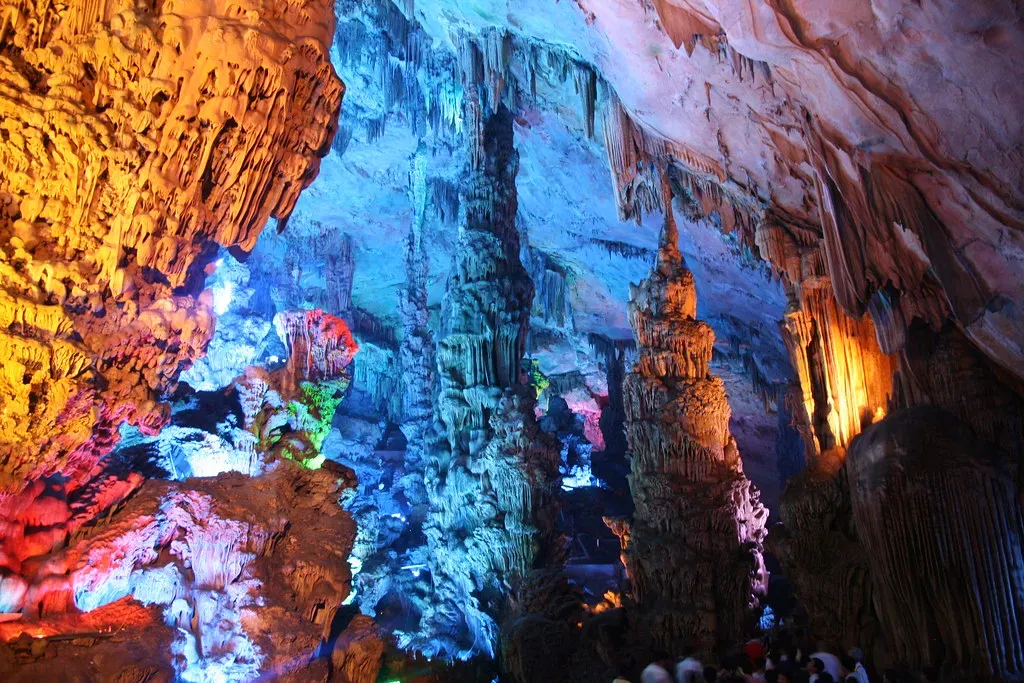
This might be the most mind-expanding dimension of all this research. If life can thrive in the pitch-dark, chemical-rich, oxygen-deprived depths of Earth’s caves, then the question of life elsewhere in the solar system becomes a very different conversation. Movile Cave serves as a model system for studying microbial ecology in extreme environments, providing insights into life’s adaptability. It also raises intriguing questions about the potential for life in similarly isolated and chemically unique habitats beyond Earth.
If caves existed 3.5 billion years ago when Mars had liquid water, they could have provided refuges where microbial life survived as the planet dried out and froze. Earth’s caves support this possibility. Results from cave research can help scientists learn about other extreme environments, and NASA scientists can use this information to develop models of low-energy environments, which can help them look for life on other planets. In a very real sense, the caves beneath your feet may hold the blueprint for life on other worlds.
Conclusion: The Darkness Beneath Us Is Anything But Empty
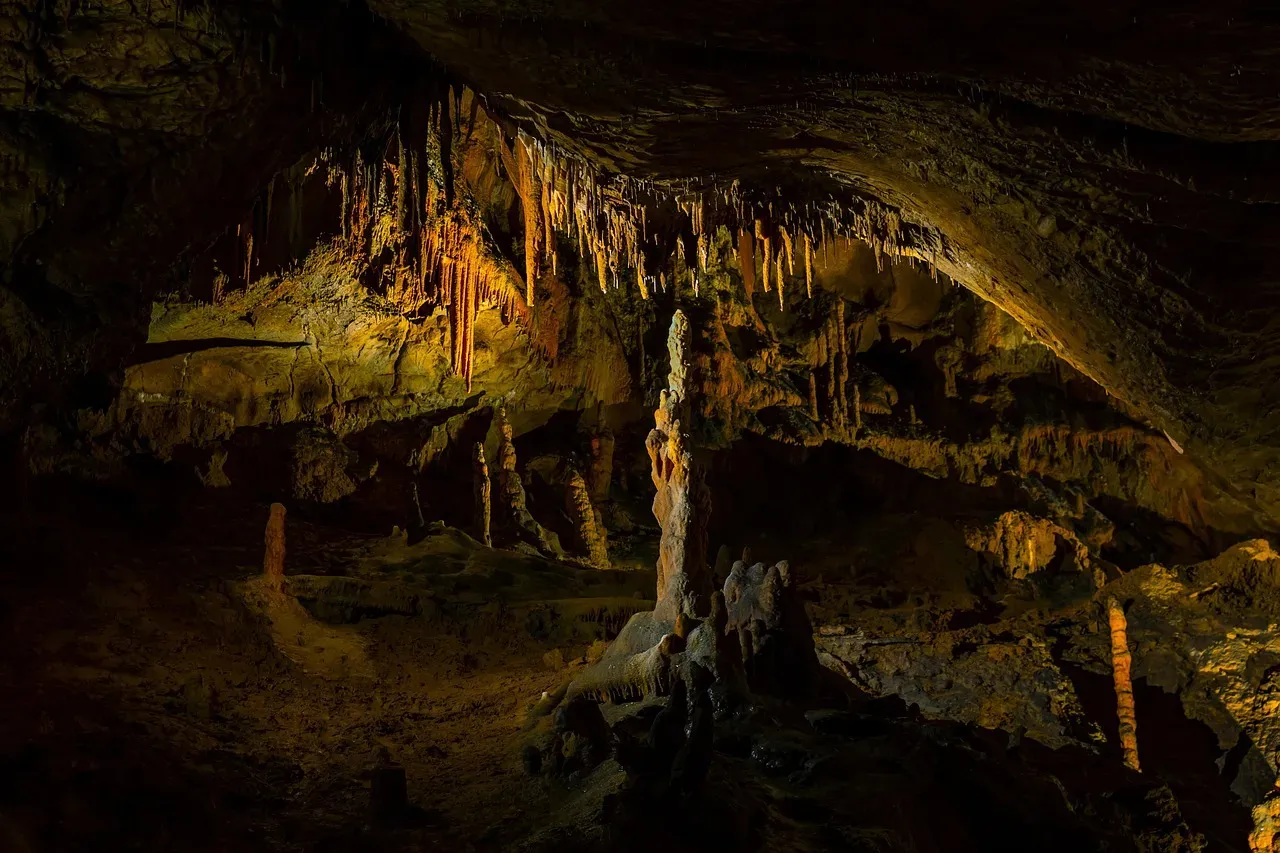
It is genuinely humbling to realize that some of the most extraordinary ecosystems on our planet have been evolving in total isolation, unbothered and undiscovered, for millions of years. Beyond pure exploration, caves are increasingly valued for scientific research. These isolated environments provide opportunities to study extremophile organisms with potential applications in medicine and biotechnology. Some cave-dwelling microbes have already yielded compounds with antibiotic properties.
Extremophiles, organisms adapted to survive and thrive under extreme conditions, have fascinated scientists for decades, providing valuable insights into life’s resilience and offering untapped potential for technological innovation. These extraordinary organisms inhabit some of the harshest environments on Earth, from Antarctic ice to deep-sea hydrothermal vents. Their ability to overcome environmental extremes has made them models for studying evolution, adaptation, and the biochemical basis of life. The deeper we go, the more we realize that life is not fragile. It is stubborn, creative, and surprisingly at home in the dark.
We tend to think of life as something that needs warmth, sunlight, and clean air. But the caves say otherwise. Every time a scientist rappels down into one of these ancient underground systems, they come back with something that changes the story. What do you think will be discovered next time someone descends into one of these forgotten worlds? Drop your thoughts in the comments.


