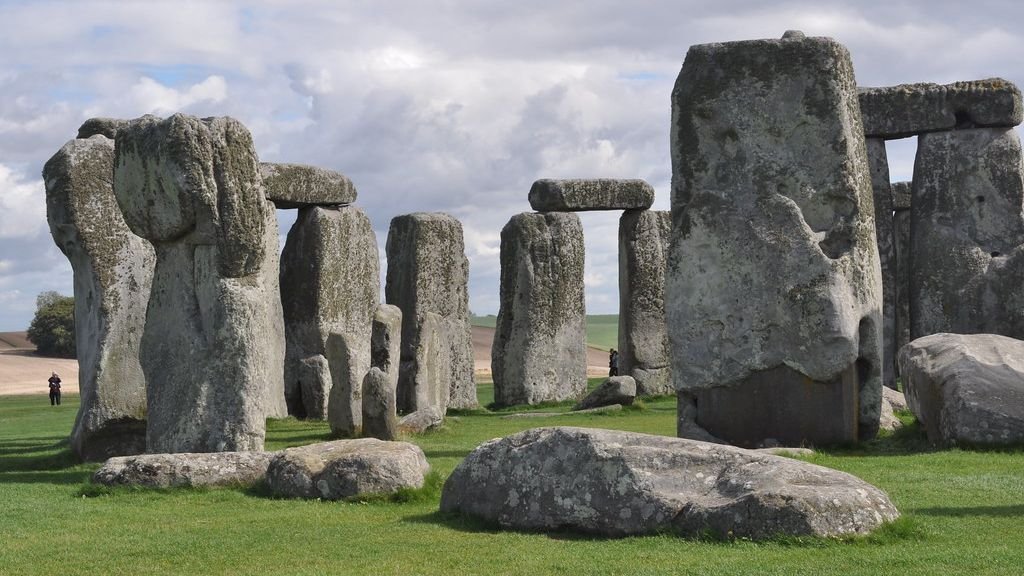

Stand in front of Stonehenge, the Great Pyramids, or the moai of Easter Island, and one thought hits you like a punch: how on earth did people move and raise these gigantic stones without cranes, engines, or steel? These monuments feel almost defiant, like the earth itself deciding to stand up and speak. For centuries, people filled the gaps in our knowledge with myths about giants, lost civilizations, and mysterious forces, because the reality seemed too unbelievable.
Yet the more archaeologists dig, test, and experiment, the clearer one thing becomes: ancient builders were not primitive at all. They were brilliant engineers working with stone, wood, rope, water, and human muscle in ways that still surprise modern experts. In a strange way, it’s almost more awe‑inspiring to realize they did all this with nothing but practical physics, insane determination, and clever teamwork. Let’s walk through how our ancestors pulled off these impossible feats.
Moving Mountains: How They Transported Multi-Ton Stones
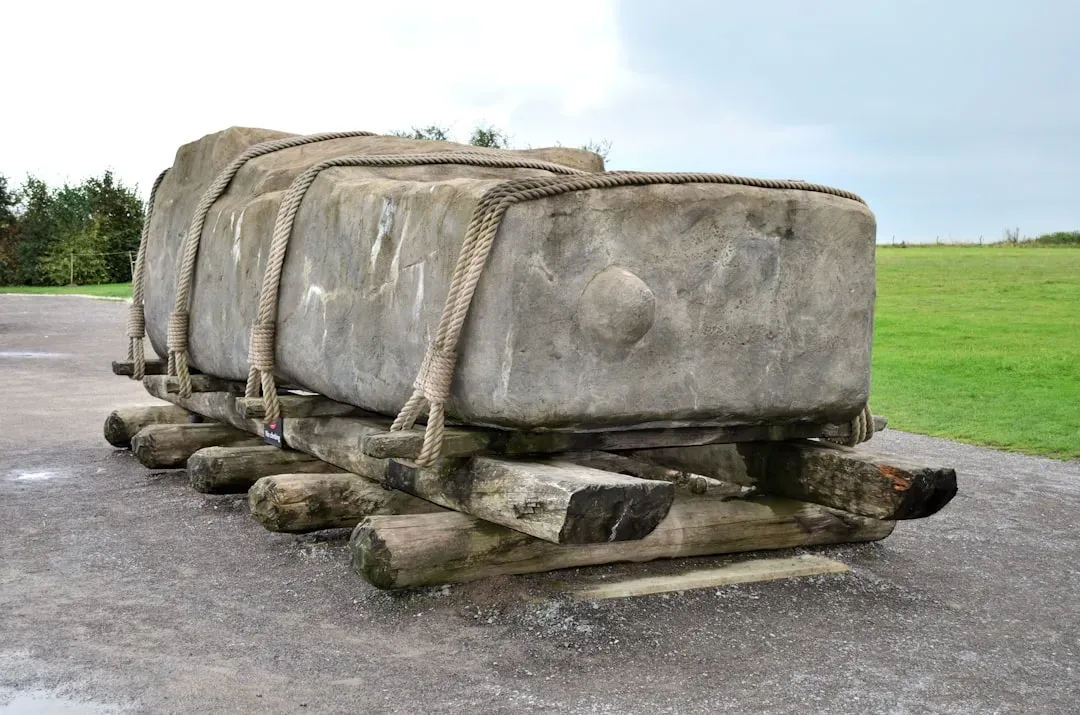
The first big question is brutally simple: how do you move a stone that weighs as much as a loaded truck? Across many ancient sites, from Egypt to Europe to Asia, a core method appears again and again: dragging stones over the ground using sledges, rollers, and prepared tracks. Workers likely placed logs under heavy blocks to act as rolling cylinders, or pulled sledges over paths lubricated with water or animal fat to reduce friction dramatically, allowing a coordinated crew to shift tons of rock with steady effort.
In Egypt, there’s artwork that actually shows workers pulling statues on sledges while someone pours liquid in front of the runners. Modern experiments have confirmed that wetting the sand at the right moisture level can make hauling huge loads significantly easier, turning an impossible task into a hard but realistic one. In other places, like on Easter Island, some researchers argue the statues were walked upright using ropes and teams on either side rocking them forward like a refrigerator being inched across a floor. None of these methods are magic; they’re just smart uses of physics scaled up to a terrifying size.
Simple Machines, Big Results: Ramps, Levers, and Rollers
If there’s a quiet hero in the story of megalithic building, it’s the humble simple machine. Ancient builders didn’t have engines, but they did have ramps, levers, pulleys, and winches. A ramp turns a vertical lift into a longer, gentler slope, spreading the effort over distance. With earthen or stone ramps, workers could gradually raise massive blocks to impressive heights, hauling them up slope by slope instead of hoisting them straight into the air.
Levers added another layer of power. A long wooden beam under a stone, braced on a small fulcrum, could lift one side of a block just a few centimeters at a time. By placing small stones or wooden shims under each lift, builders slowly inched blocks into precisely the right position. It’s the same basic idea as prying up a car with a crowbar, just scaled up and done repeatedly with disciplined patience. Even rollers made from tree trunks turned a dragging nightmare into a rolling problem, exchanging brute force for repeatable motion.
Stones That Fit Like Puzzles: Cutting, Shaping, and Polishing
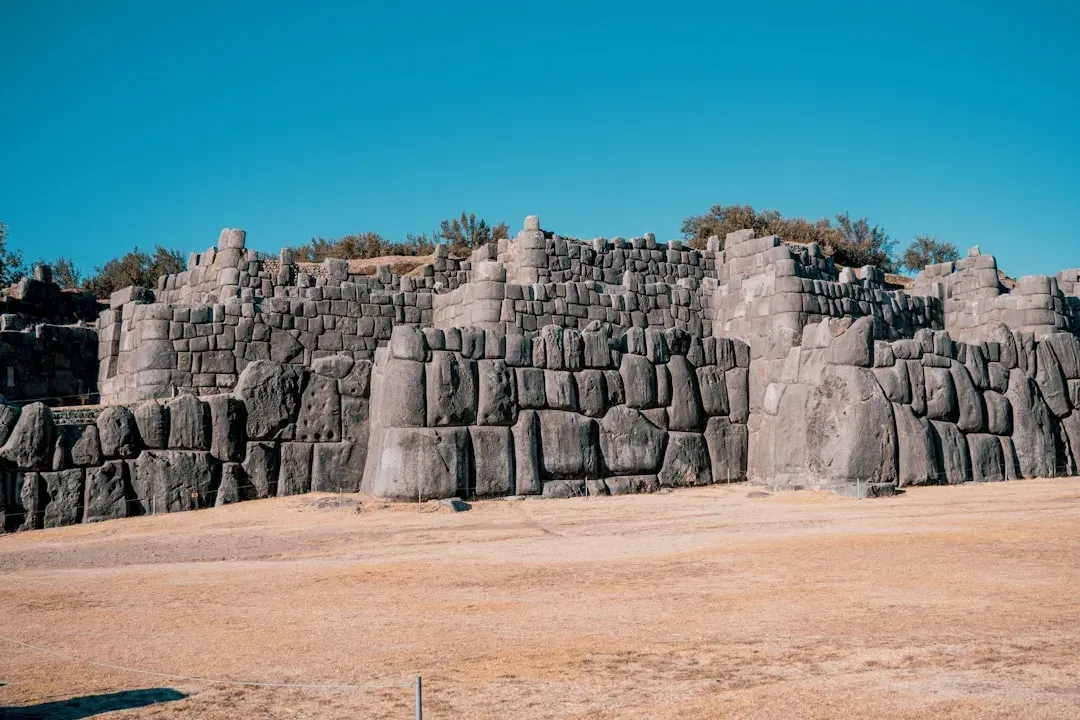
We often focus on how stones were moved, but how they were shaped is just as mind-blowing. Visit places like Machu Picchu or the walls of Sacsayhuamán in Peru and you’ll see stones that fit together so tightly a knife blade can barely slide between them. This wasn’t done with laser cutters or diamond saws, but with stone hammers, harder rocks, sand, water, and endless hours of labor. Workers chipped, pounded, and pecked the surface, gradually refining the shape until one block matched its neighbors with incredible precision.
For harder stones like granite, ancient builders often used pounding stones, abrasion, and even controlled heating and cooling to fracture rock. In some cultures, sand and water were used as a gritty slurry to slowly grind surfaces smoother, the same way modern sandpaper works but on a colossal scale. It sounds tedious, and it was, but when you multiply thousands of workers by many years, the result is the kind of tight-fitting, earthquake-resistant walls that still stand centuries or even millennia later. These were not random piles; they were carefully engineered stone puzzles.
Human Power and Coordination: Labor, Teams, and Social Will
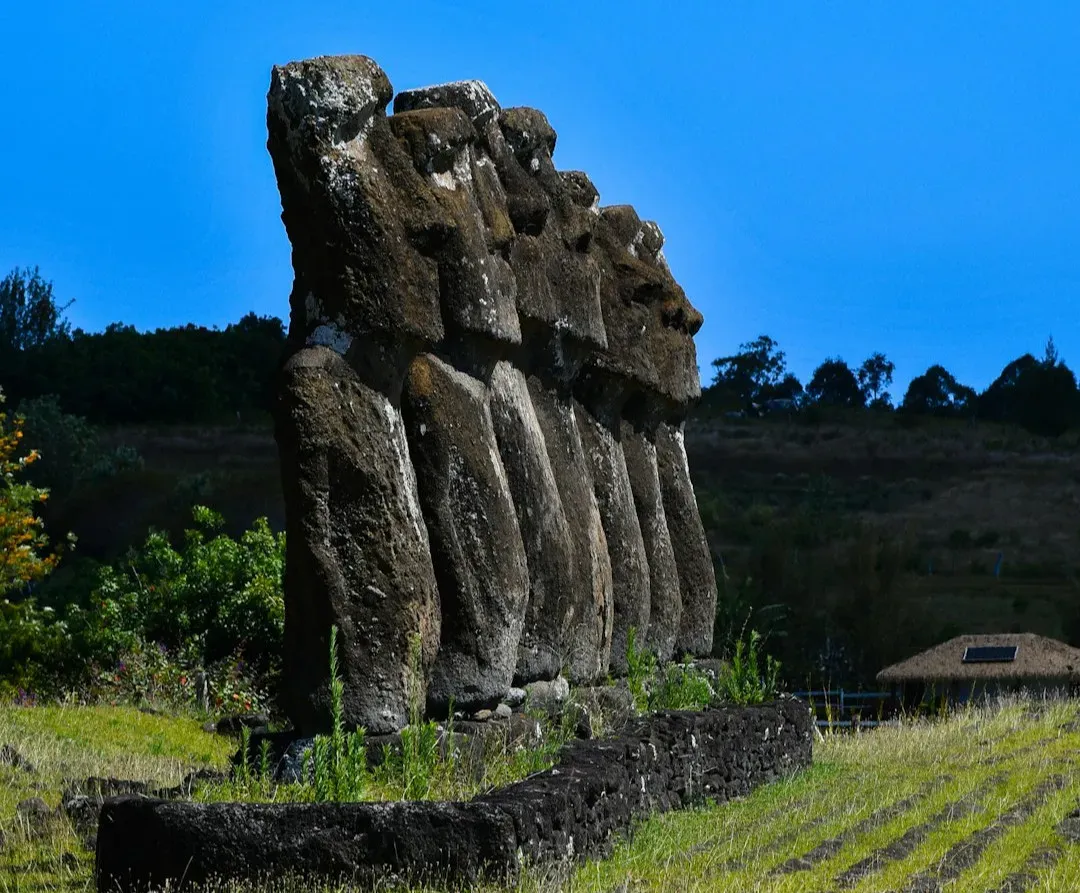
Another piece of the puzzle that often gets ignored is the sheer social organization required to build megaliths. You need planners who understand the sequence of steps, leaders who coordinate teams, workers who specialize in quarrying, hauling, carving, and setting, and support systems to feed, shelter, and motivate everyone. It’s less like a casual construction project and more like organizing a long-term festival of labor that can last for decades or even generations.
Some ancient societies seem to have tied this work to ritual, belief, and identity, turning construction into a sacred duty rather than just a job. When people believe they’re building something that connects them to their gods, ancestors, or the cosmos, they will endure terrifyingly hard work. There’s also evidence in some places that seasonal labor was used, with farmers working on monuments during times when fields required less attention. Instead of imagining slaves whipped into building everything, it’s often more accurate to picture massive public works driven by complex mixes of power, faith, pride, and community.
Cosmic Blueprints: Alignments With Sun, Moon, and Stars
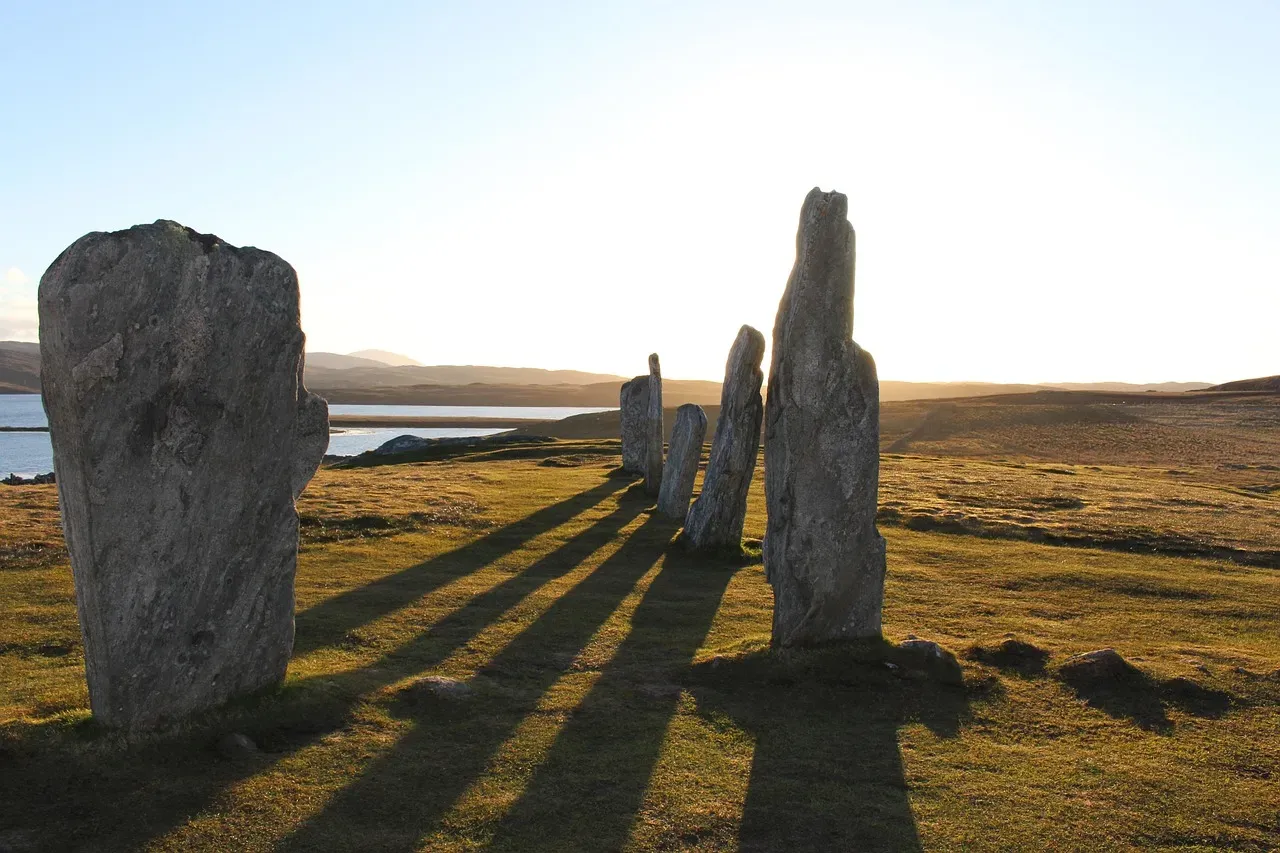
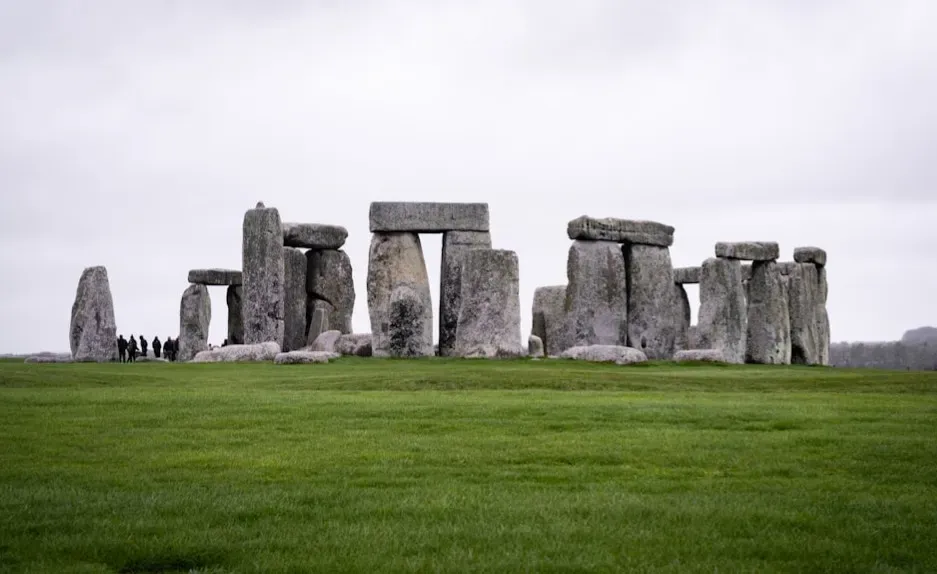
One of the most surprising aspects of many megalithic structures is how astronomically precise they are. Stonehenge’s stones align with solstice sunrise and sunset. Newgrange in Ireland channels the winter solstice sun into its inner chamber. Across the world, temples and pyramids are oriented in ways that clearly respond to the paths of the sun and moon, and sometimes to prominent stars or constellations. Achieving that accuracy without GPS, digital maps, or modern instruments required careful observation over long periods.
Ancient builders likely used simple tools like sighting poles, cords, plumb lines, and horizon markers. By repeatedly watching where the sun rose or set on key days of the year and marking those points with stakes or smaller stones, they locked in reference lines. Over time, these alignments became the skeleton around which the rest of the monument was built. It’s not that every megalith is a perfect observatory, but many clearly reflect a deep interest in tracking time, seasons, and celestial patterns that mattered for agriculture, ritual, and social order.
Trial, Error, and Experimental Archaeology: Testing Ancient Methods
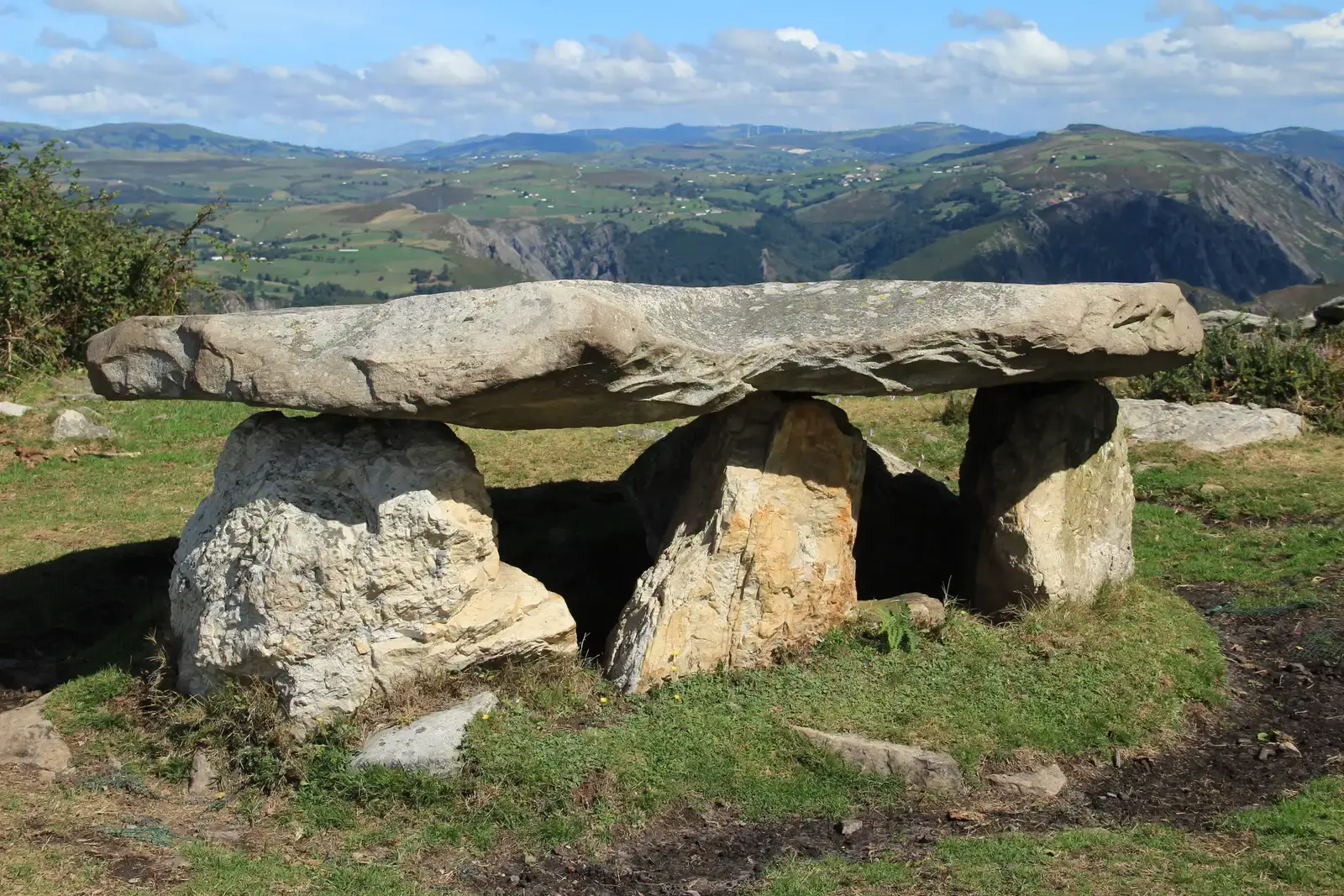
One powerful way we’ve started to understand ancient construction is by trying to copy it. Experimental archaeology groups, local communities, and researchers have moved multi-ton stones using only materials available to ancient people. They’ve dragged blocks on sledges, rolled them on logs, levered them into position, and even raised vertical standing stones with timber frames and counterweights. Every time a stone goes up using these methods, it chips away at the idea that these monuments are impossible without modern machines.
These experiments don’t always work on the first try, and that’s part of the point. Failure forces new ideas, variations, and refinements, mirroring the trial and error ancient builders themselves must have gone through. What emerges is a picture of people who learned by doing, improving their techniques over generations. The solutions turn out to be less about hidden secrets and more about persistence, teamwork, and pushing basic physics as far as humanly possible. When I watched video of a small team raising a huge stone using wood and rope alone, it felt less like a magic trick and more like watching a forgotten language being spoken again.
Rethinking “Primitive”: What These Giants Say About Us
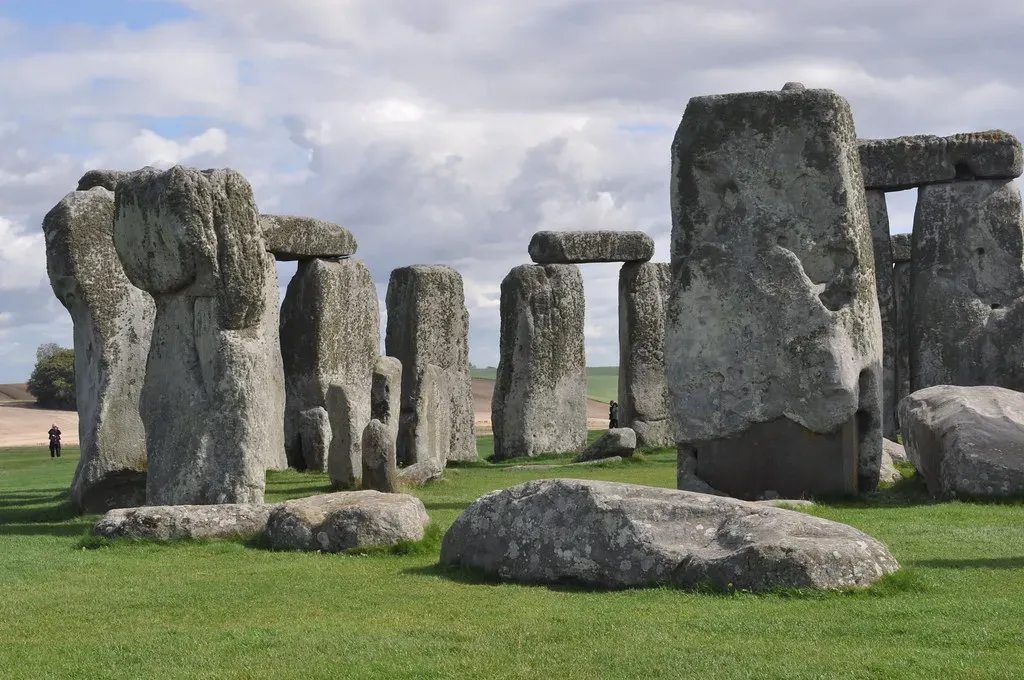
Once you understand even a little of how these projects were done, the word “primitive” starts to feel almost insulting. These structures aren’t accidents or flukes; they’re deliberate, ambitious, carefully planned statements carved into the earth. They tell us that people thousands of years ago were just as intelligent, curious, and stubborn as we are today, working with the tools and knowledge they had to solve problems that would intimidate many modern crews. Even with drones and computer models, we still argue about the best ways to replicate some of their feats.
There’s something humbling in realizing that what looked like the work of giants was really the work of ordinary humans acting together in extraordinary ways. No hidden laser tech, no lost super-civilization, just a long, patient conversation between human minds and heavy stone. The next time you see a photograph of a massive standing stone or an ancient wall running like a spine over a hill, it’s worth pausing and asking: if they could do that with rope and rock, what’s our excuse for thinking some problems today are impossible?