
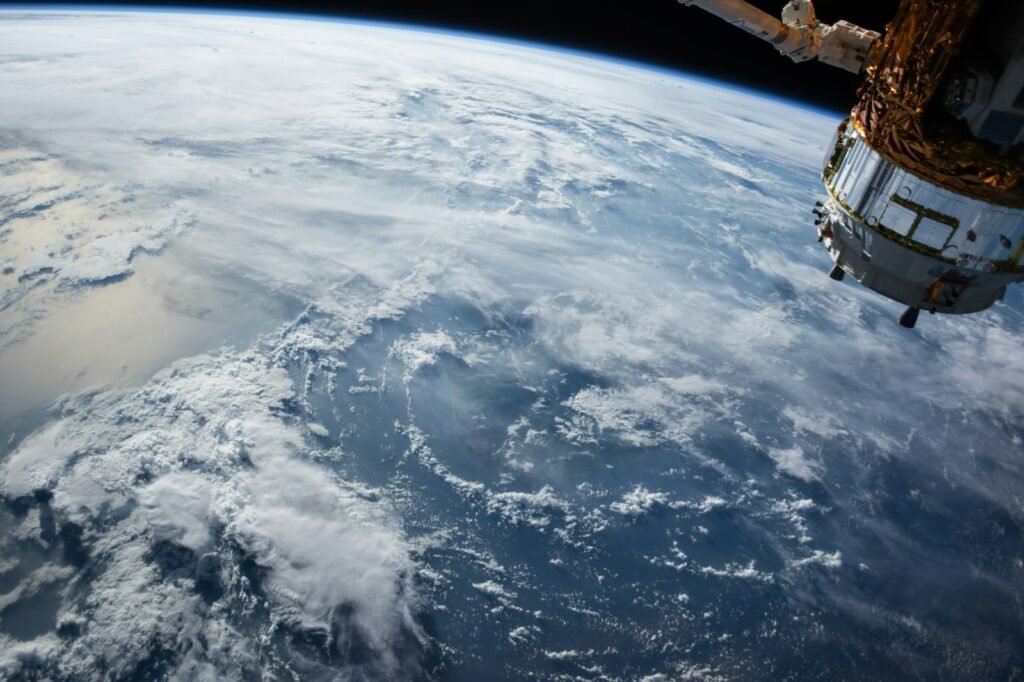

For most of human history, Earth was treated like a backdrop: a passive stage where life unfolded, not a restless character in its own story. Yet the closer scientists listen, the more they hear something startling – our planet thrums with regular, measurable rhythms, from deep-sea pressure waves that circle the globe to subtle pulses in gravity itself. These are not metaphors but physical signals, tracked by satellites, seismometers, and ocean buoys. They hint at a world that behaves less like an inert rock and more like a complex organism with cycles, feedbacks, and surprising internal conversations. Understanding those pulses is not just poetic; it is rapidly becoming essential for forecasting hazards, tracking climate change, and even planning for life beyond Earth.
The Hidden Clues: A Planet That Never Truly Sleeps
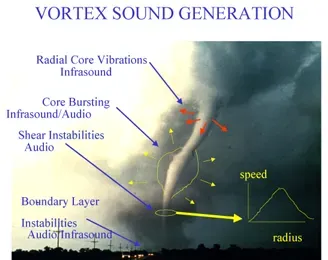
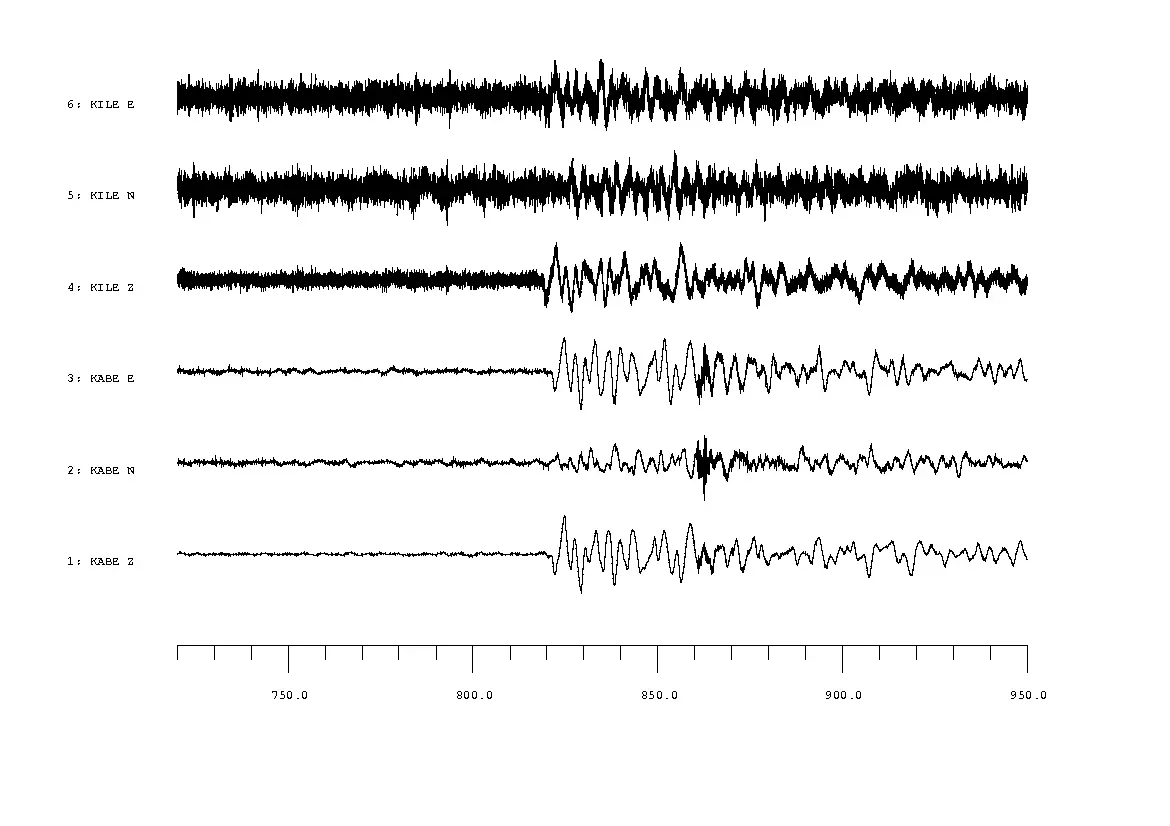
If you could turn off every earthquake, storm, and human machine, Earth would still hum. Seismologists have long known about a phenomenon nicknamed the “Earth’s hum,” a persistent, low-frequency vibration that continues even on seismically quiet days. These waves, too slow for human ears but detectable by sensitive instruments, ripple through the crust and mantle like the background breathing of the planet. Many are generated by interactions between ocean waves and the seafloor, producing micro-seisms that ring through the solid Earth. At times, the signal strengthens or weakens in sync with changes in global weather and ocean conditions.
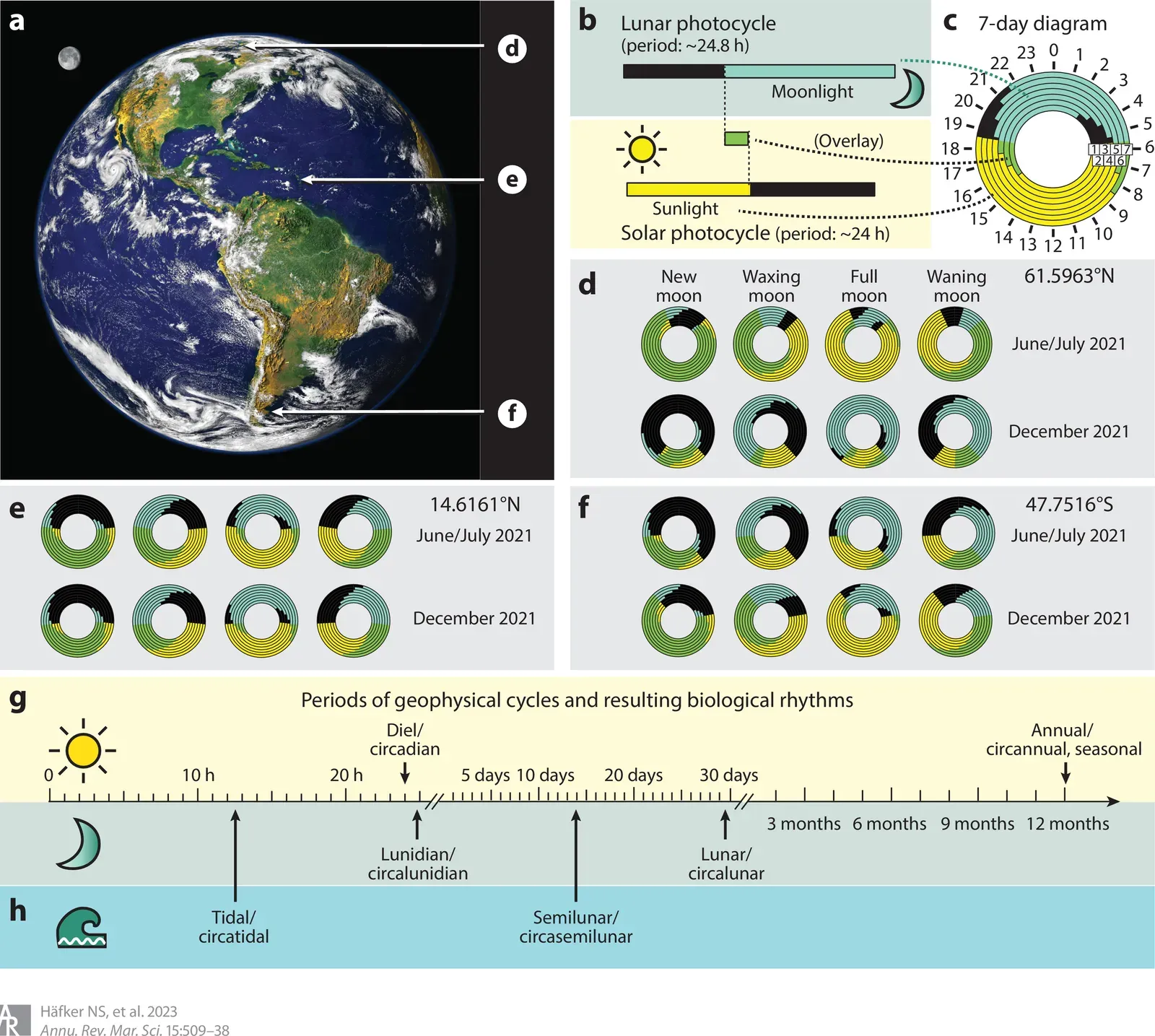
On top of that background hum, other rhythms stack like overlapping heartbeats. There are daily flexes as the solid Earth responds to the pull of the Moon and Sun, subtle enough that most of us never feel them yet clear in geophysical data. Over longer timescales, scientists see seasonal pulses as snow loads, groundwater, and vegetation growth redistribute mass around the globe. The result is a planet that is never perfectly still, its crust bowing, rebounding, and vibrating in a complex choreography that bridges land, ocean, and atmosphere. Once you see the data, the surprising thing is not that Earth is alive with motion, but that we ever imagined it was quiet.
From Ancient Observers to Precision Instruments: How We Learned to Hear Earth’s Beat
People have watched the skies and seas for patterns for thousands of years, but the precise language of Earth’s pulses is a recent discovery. Early seismographs in the late nineteenth and early twentieth centuries were built to track big, obvious earthquakes, not the faint, continuous quiver of the planet. Only as instruments became more sensitive and global networks more interconnected did researchers notice that their machines were never reading zero. This constant vibration was initially treated as an annoyance, noise to be filtered out, until scientists realized the so‑called noise contained its own valuable story.
In the past few decades, the toolkit for listening to Earth has exploded. Space agencies now fly satellites that detect millimeter-scale changes in the height of the ocean surface and shifts in Earth’s gravity field, tracing how water and ice move over time. Dense seismic arrays, sometimes with thousands of sensors, capture how tiny waves move through the subsurface, revealing structures deep below our feet. Ocean-bottom seismometers extend this listening network into the deep sea, where much of the action driving the global hum originates. The picture that’s emerging is not of a static world occasionally jolted by disasters, but of a restless body with layered, interlocking cycles.
Ocean Drums and Atmospheric Chimes: The Rhythms Shaping Our Daily World
Many of Earth’s most persistent pulses start where air meets water. When storm-driven waves collide and interact, especially in the roaring mid-latitudes, they pump energy down into the seafloor and generate micro-seismic waves that can be detected thousands of kilometers away. This means a storm raging in the Southern Ocean can subtly rattle instruments in Europe or North America days later. The ocean, in other words, does more than move water; it beats out a constant tempo that echoes through the lithosphere. That signal strengthens during stormy seasons and weakens during calmer periods, providing a kind of indirect, physical record of global weather.
The atmosphere adds its own rhythms, from daily heating and cooling cycles to planetary-scale waves that wrap around the globe. These waves, driven by uneven solar heating and the rotation of Earth, can nudge the jet stream and shift storm tracks, sometimes in repeating patterns that last weeks. Atmospheric pressure changes also push on the crust, contributing to subtle vertical motions measured by GPS stations. Put together, these processes create something like a complex percussion ensemble: waves in the ocean, pulses in the air, and vibrations in the ground, all influencing one another in real time.
Pulses in the Deep: Slow Earthquakes, Tectonic Tremors, and Mantle Rhythms
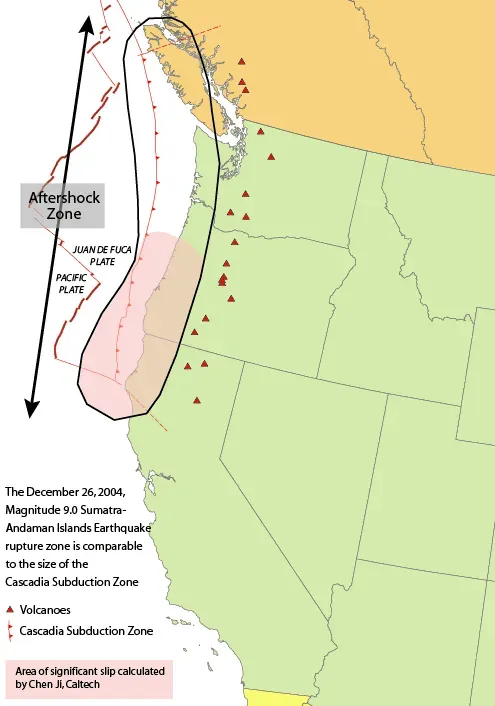
Beneath continents and seafloors, the solid Earth has its own secret tempos. Over the past two decades, geophysicists have identified “slow earthquakes” and episodic tremor events, particularly along subduction zones where one tectonic plate dives beneath another. Unlike classic quakes that rupture in seconds, these slow slip events can unfold over days or weeks, releasing energy in a drawn‑out, rhythmic fashion. In some places, such as regions around the Pacific “Ring of Fire,” these slow pulses appear on surprisingly regular schedules, like the ticking of an underground clock. They do not always trigger damaging quakes, but they reshape how we think about fault behavior between major events.
Deeper still, convection in the mantle – the slow, hot churning of rock over millions of years – generates its own long-period cycles. Mantle plumes, subducting slabs, and phase transitions at great depth create large-scale structures that guide seismic waves, much like organs in a body shape its blood flow. Changes in the distribution of mass inside Earth, from glacial rebound to mantle flow, subtly alter the length of the day and the wobble of the planet’s axis. These are slow pulses, measured not in minutes but in millennia, yet they underscore the same idea: Earth is not a rigid sphere but a deformable, evolving system, constantly in motion from its metallic core to its icy caps.
Why It Matters: From Planetary Health Checks to Everyday Risk
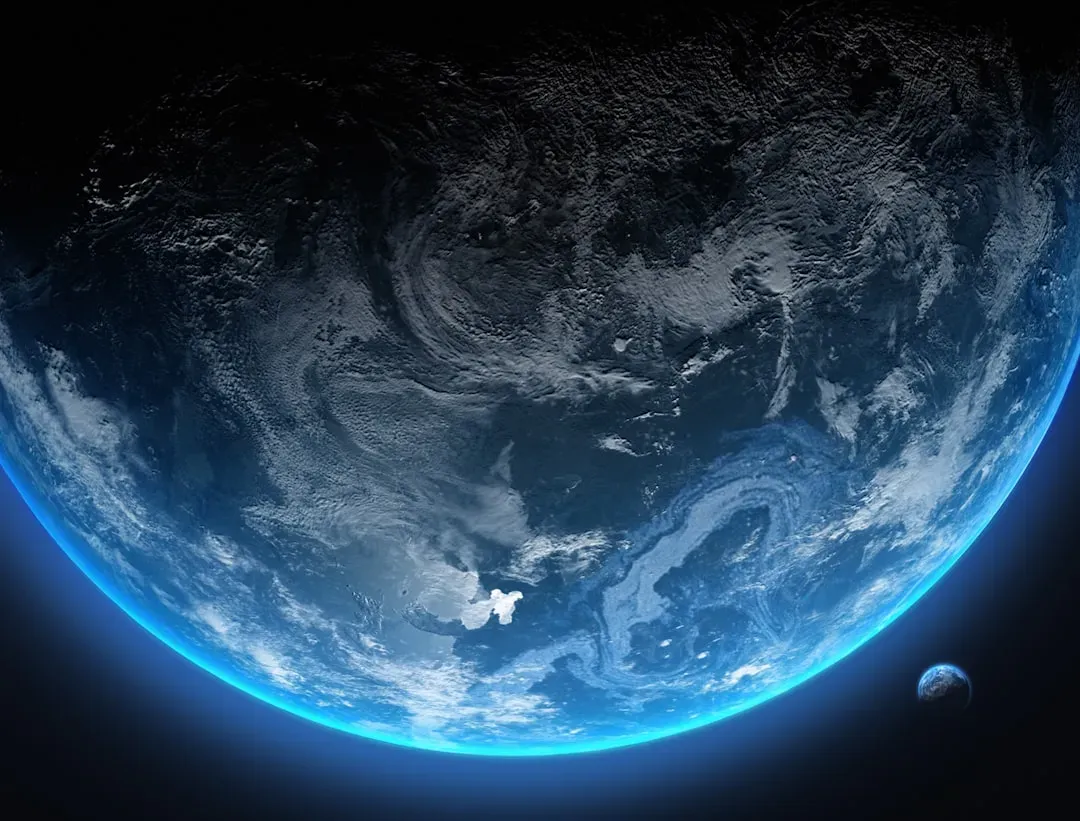
Thinking of Earth as a living, pulsing system is more than poetic framing; it is a practical shift with real consequences. When scientists map and monitor these rhythms, they gain a baseline for what “normal” looks like at many different scales. That baseline, in turn, helps them spot emerging anomalies more quickly, whether it is unusual seismic noise before a volcanic eruption or changes in groundwater mass before a drought. Comparing present-day pulses to past records can reveal how climate change is altering the tempo of storms, ice melt, and ocean circulation. In a way, we are learning to read Earth’s vital signs, from its pulse rate to its blood pressure.
This matters at ground level, too. Coastal communities depend on accurate forecasts of storm surges and wave conditions, which are linked to the same processes that drive the micro-seismic hum. Cities built near fault lines increasingly rely on dense sensor networks to capture subtle shifts in stress and slow slip events that might precede damaging earthquakes. Even infrastructure like bridges, dams, and pipelines can be designed or retrofitted using insights from these natural rhythms, so they resonate less dangerously with the environment around them. The better we understand Earth’s patterns, the less surprised we are when the ground literally shifts under our feet.
Reading the Planet’s Pulse: New Tools and Surprising Applications
One of the more surprising developments of the last decade is how scientists have begun using ambient noise not as background clutter, but as a free probing signal. By cross‑correlating tiny, random vibrations recorded at different stations, researchers can reconstruct how waves move between them, effectively turning Earth’s own hum into a natural ultrasound. This approach has been used to monitor changes in volcanic systems, track the softening or hardening of the subsurface, and even watch how urban construction alters local seismic properties. It is a bit like diagnosing a patient without having to bang on their chest or shine lights in their eyes – just listening carefully to what is already there.
Beyond seismology, satellite-based gravity measurements have revealed seasonal and long-term pulses in water storage on continents. These data capture how snowpacks build and melt, how aquifers are depleted or recharged, and how ice sheets thin under warming air and ocean temperatures. In some regions, scientists have used these signals to warn that groundwater is being pumped faster than it is replenished, setting up future crises. Others have combined gravity data with sea-level measurements to map where climate-driven changes are accelerating. For policymakers and local communities, these planetary pulses become tangible guides to what is happening, right now, in places they may never see directly.
Global Perspectives: One Planet, Many Rhythms
Every region experiences Earth’s pulses differently, and that diversity has become a scientific asset. In the Pacific, the regular drumbeat of slow slip events has turned certain subduction zones into natural laboratories for studying fault mechanics. Around the Arctic, seasonal pulses driven by freezing and thawing permafrost are reshaping landscapes and feeding back into climate processes like greenhouse gas release. In densely populated parts of Asia and Europe, human activities add their own rhythms to the mix, from traffic vibrations to groundwater pumping, which instruments can now clearly distinguish from purely natural signals. Together, these varied patterns form a kind of global score, with each region playing a distinct part.
I remember talking with a researcher who described comparing seismic noise records from a sprawling, noisy megacity to those from a remote ocean island, and being startled by how different yet equally rich the data looked. In one, you could see rush-hour patterns and weekend lulls; in the other, the steady beat of ocean waves and the occasional burst from a distant storm. Both were windows into how Earth and its inhabitants interact, sometimes in harmony, sometimes in tension. Recognizing this variety forces us to think beyond a single, monolithic “Earth system” and instead appreciate a mosaic of local planetary experiences, all tied together by shared physics.
The Future Landscape: Monitoring a Living World in Real Time
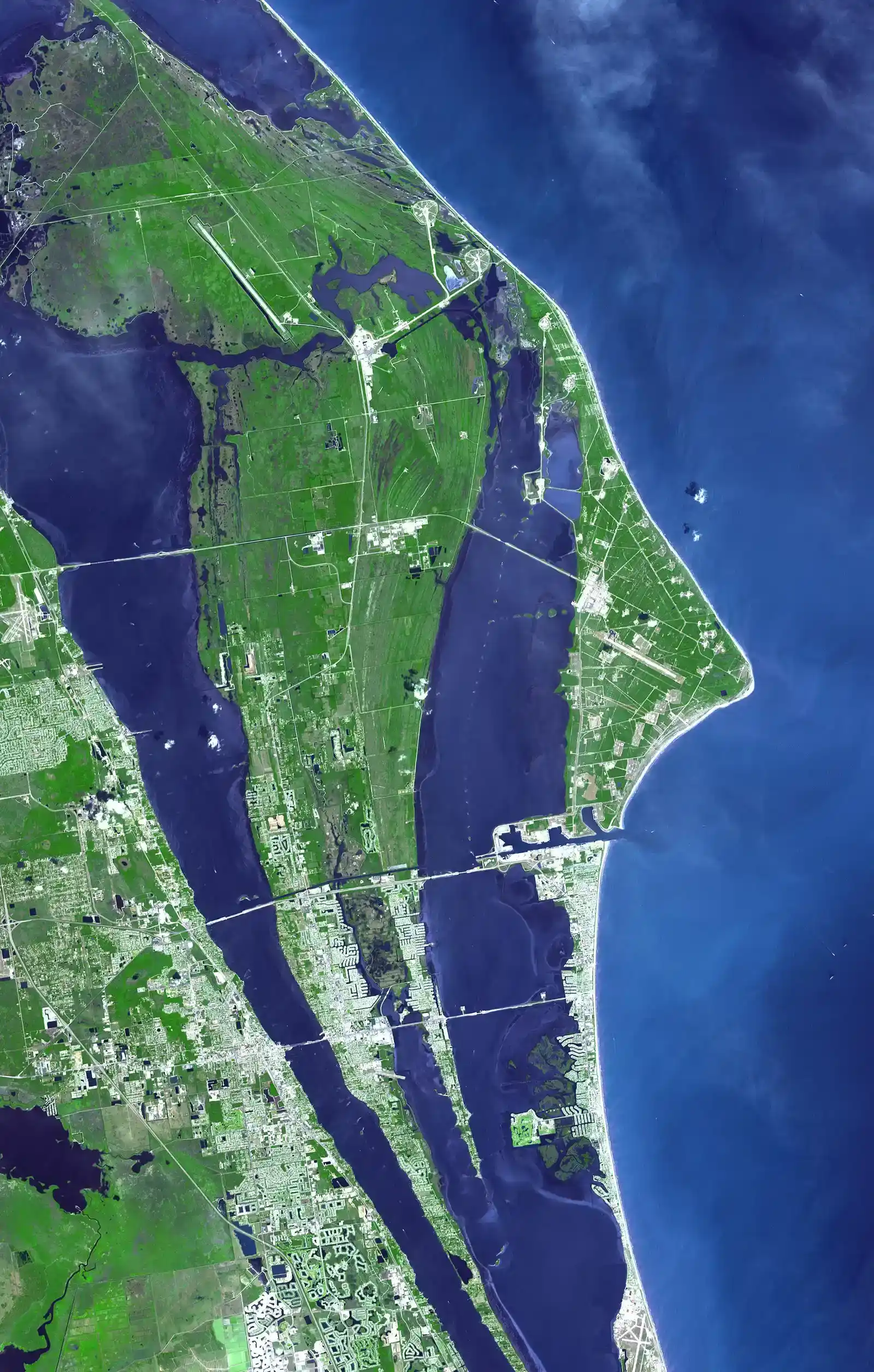
As sensing technologies advance, our ability to monitor Earth’s pulses in real time is moving from aspiration to routine practice. Next-generation satellites promise sharper views of gravity changes, surface deformation, and sea-level rise, updating more frequently and at finer scales. Swarms of cheaper, easier-to-deploy seismometers and ocean instruments are filling in gaps between traditional observatories, turning once-blank regions into dense networks. Machine-learning tools are increasingly used to sift through torrents of data, teasing out patterns that human eyes might miss, including subtle, recurring pulses that could refine hazard forecasts. The goal is not to predict every event, but to better understand the evolving context in which they occur.
This future is not without challenges. Continuous monitoring at global scale raises issues of data sharing, funding stability, and unequal access between wealthy and resource-limited countries. There are also tricky questions about how to communicate probabilities and pulses to the public without causing fatigue or false alarms. At the same time, the payoff could be profound: a world where we track Earth’s health as routinely as we track the weather, and where early-warning systems draw directly on the planet’s own rhythms. In the long run, the same tools might even help us interpret subtle signals from other planets and moons, asking whether they too have active, pulsing interiors – or whether our restless world is truly unique.
What You Can Do: Paying Attention to a Breathing Planet
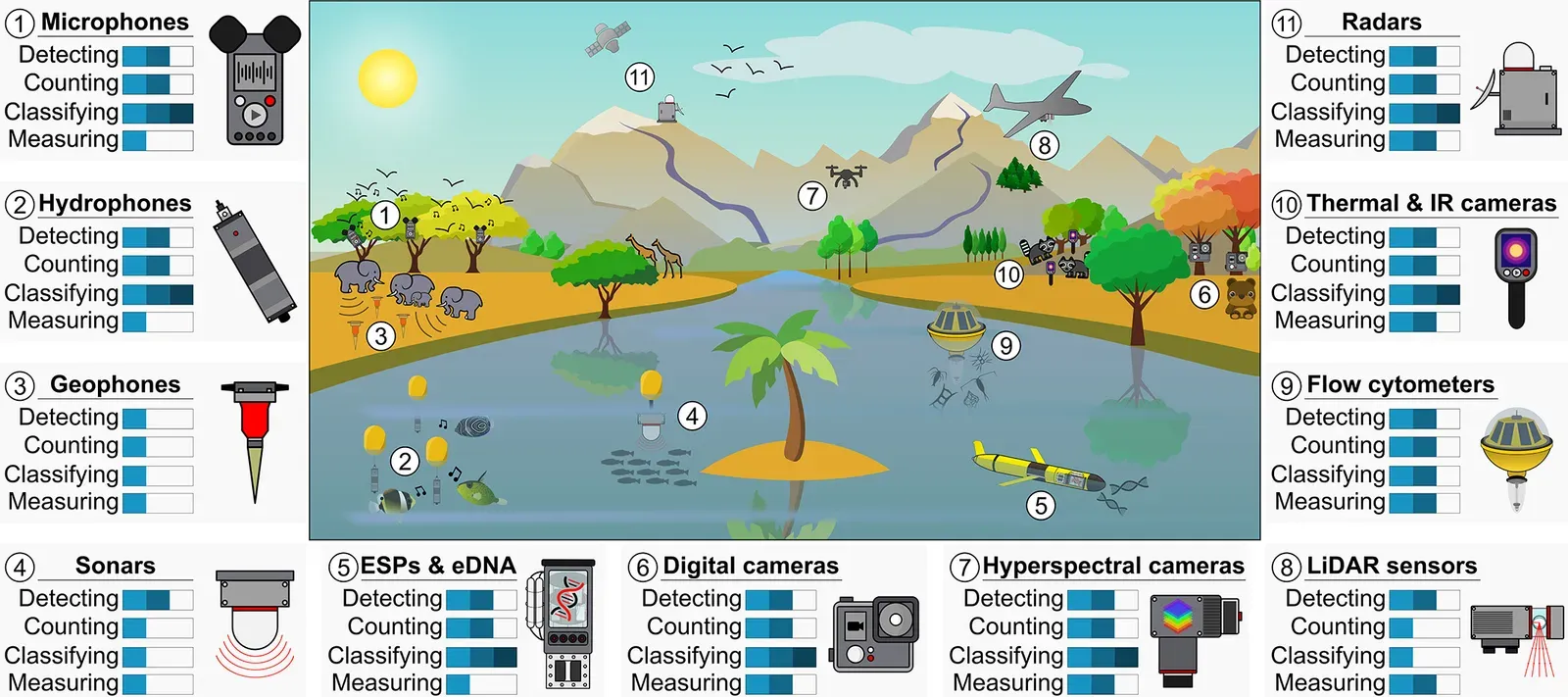
Most of us will never install a seismometer or analyze satellite gravity data, but that does not mean we are cut off from Earth’s rhythms. Simple acts, like following local earthquake or volcano observatories, paying attention to official hazard maps, and learning the basics of your region’s geology, help ground those abstract pulses in your daily life. Supporting public funding for Earth-observing satellites, national geological surveys, and open data initiatives ensures that scientists can keep listening to the planet and sharing what they find. On a more personal level, paying close attention to seasonal changes – the timing of snowmelt, shifts in river levels, the arrival of storms – builds an intuitive sense of the cycles around you.
If you are looking for a tangible step, consider: • Backing community science projects that deploy low-cost sensors or share local observations. • Encouraging schools to incorporate Earth systems science, not just isolated geology or weather units, into their curricula. • Supporting conservation efforts that protect wetlands, forests, and coastlines, which are integral parts of the planet’s physical and ecological rhythms. In the end, recognizing that our planet is alive with pulses is an invitation, not a verdict. It asks us to see Earth not as a silent stage, but as a companion with its own complex heartbeat – one we are only just learning to hear clearly.
Suhail Ahmed is a passionate digital professional and nature enthusiast with over 8 years of experience in content strategy, SEO, web development, and digital operations. Alongside his freelance journey, Suhail actively contributes to nature and wildlife platforms like Discover Wildlife, where he channels his curiosity for the planet into engaging, educational storytelling.
With a strong background in managing digital ecosystems — from ecommerce stores and WordPress websites to social media and automation — Suhail merges technical precision with creative insight. His content reflects a rare balance: SEO-friendly yet deeply human, data-informed yet emotionally resonant.
Driven by a love for discovery and storytelling, Suhail believes in using digital platforms to amplify causes that matter — especially those protecting Earth’s biodiversity and inspiring sustainable living. Whether he’s managing online projects or crafting wildlife content, his goal remains the same: to inform, inspire, and leave a positive digital footprint.


