
Most of the life on our planet is living in a place we can barely see and hardly reach. Beneath the glittering surface of the sea, in darkness and crushing pressure, whole worlds exist that we haven’t even named yet, let alone understood. Scientists like to remind us that we’ve mapped the surface of Mars and the Moon in more detail than the seafloor of our own planet, and that gap in knowledge is not just a fun fact – it’s a quiet, urgent mystery.
In the last few years, deep-sea missions, autonomous underwater vehicles, and clever new sensors have revealed one humbling truth: every time we look more closely, we find something startlingly new. Whole forests of coral in the deep, strange glowing organisms, and hidden oases of life around vents and seeps are rewriting how we think ecosystems work. If you imagine Earth as a house, the ocean is like a locked basement that we’ve only peered into through a keyhole – and what we’ve seen so far hints that the rooms we haven’t opened might change the story of life on this planet.
The Deep Sea: Earth’s Largest, Least Known Habitat
Here’s the shocking part: most of Earth’s habitable space, by volume, is in the deep ocean, and we’ve directly explored only a tiny sliver of it. Everything below the sunlit surface – the vast, cold, high-pressure depths known as the deep sea – covers roughly about two thirds of our planet, yet human eyes have seen only a fraction of that alien landscape. We tend to picture the ocean as a blue surface with the occasional whale and ship, but that’s like judging a forest by its treetops while ignoring the roots, soil, and creatures that live below.
In the deep, there’s no sunlight, temperatures hover close to freezing, and pressures are so intense they’d crush a car like a soda can. For most of history, that made this realm feel almost mythical, more legend than reality, because we simply couldn’t get down there safely or affordably. Now, with modern submersibles and robotic explorers, we’re finally starting to roam those pitch-black plains and cliffs. And almost everywhere we go, we find life where textbooks once predicted there would be almost nothing.
Hidden Mountain Ranges and Deep-Sea Reefs
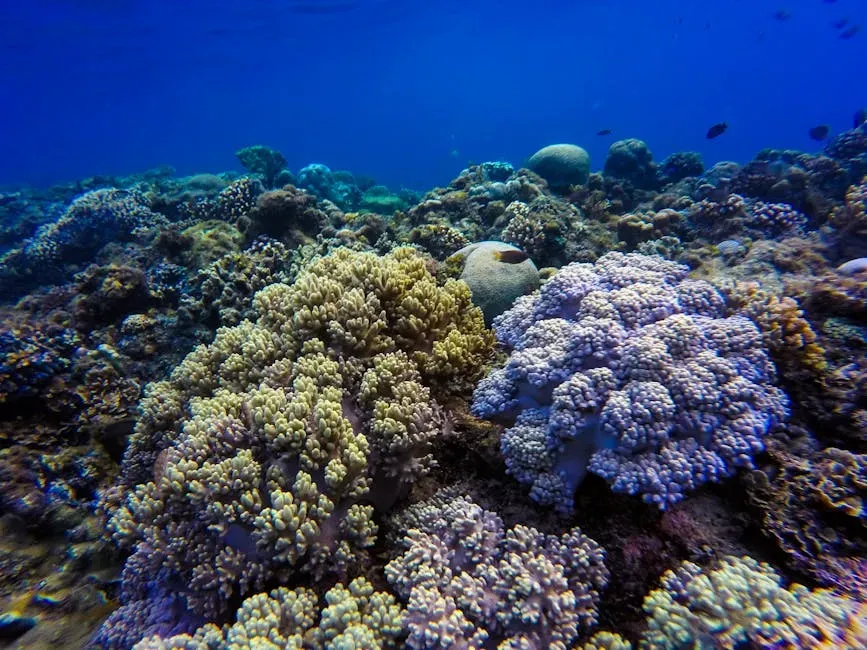
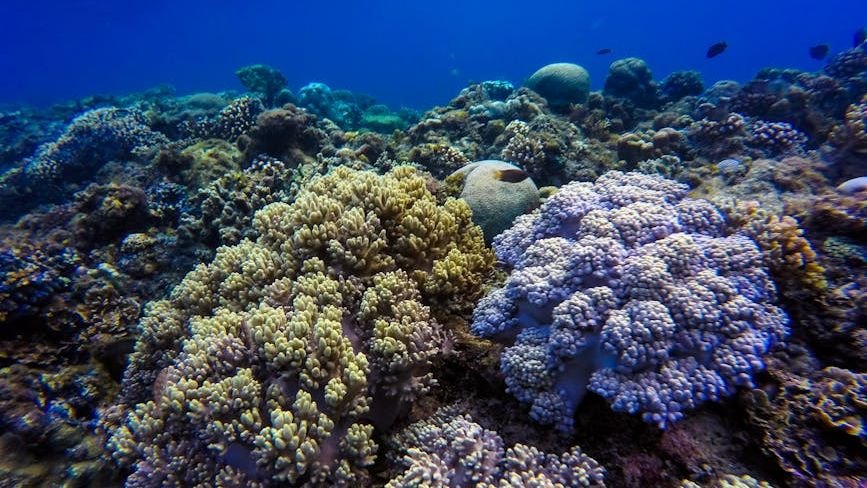
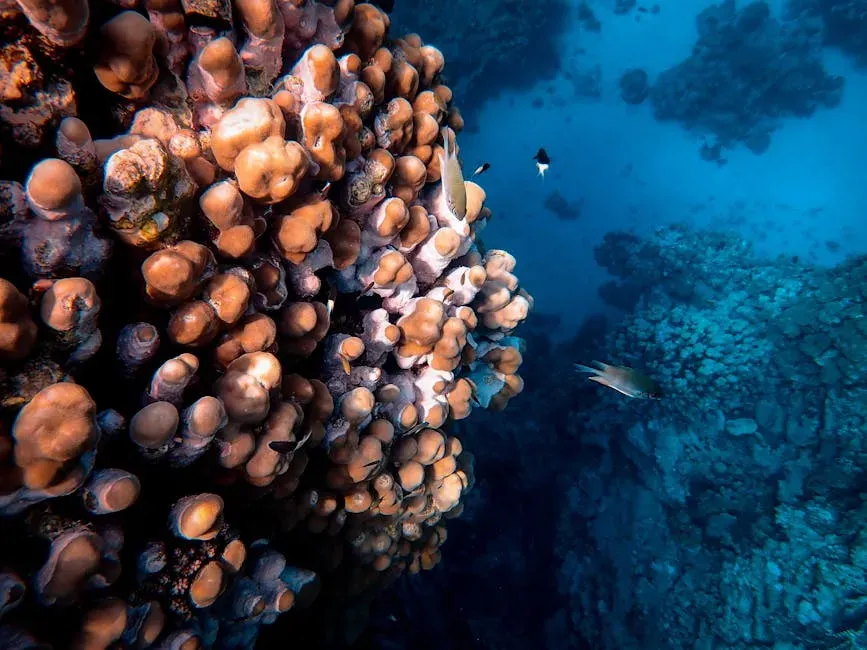
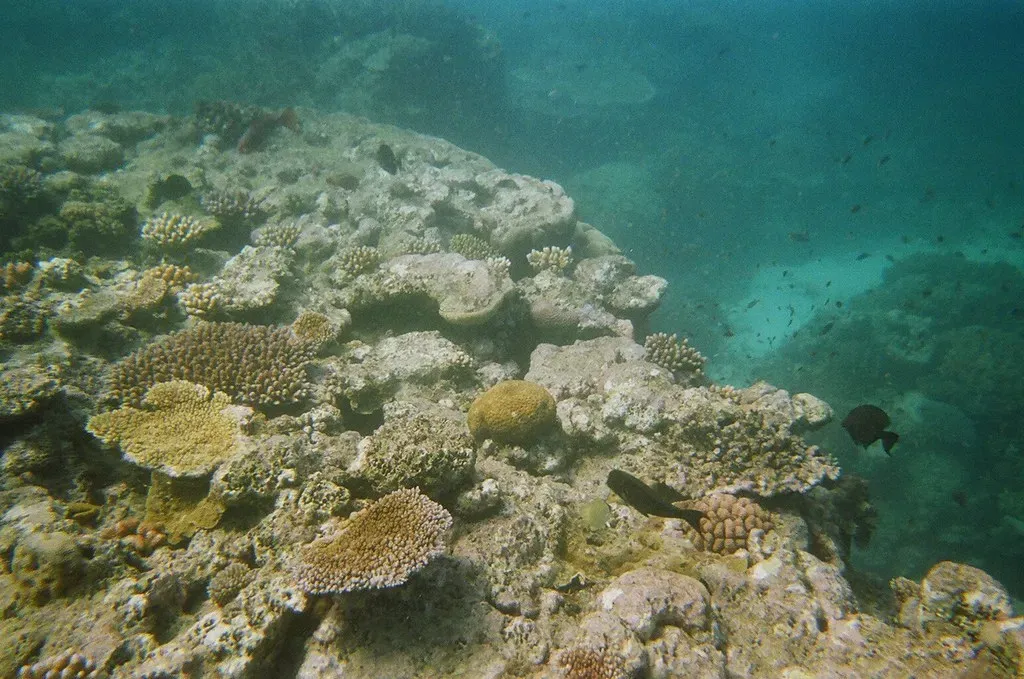
If you could drain the oceans like a bathtub, the seafloor would look more dramatic than any land map you’ve ever seen. There are mountain ranges longer than the Himalayas, canyons deeper than the Grand Canyon, and volcano chains that stretch for thousands of kilometers, all mostly out of sight. Along many of these undersea mountains – called seamounts – scientists are discovering reef systems built by cold-water corals and sponges, forming complex, towering structures that host an explosion of life.
These deep-sea reefs don’t need sunlight like the tropical corals we know from postcards; they rely instead on particles of organic matter raining down from above, like slow-motion snow. Researchers who drop cameras or submersibles onto previously unmapped seamounts often find dense communities of fish, crustaceans, and invertebrates clinging to coral frameworks that can be centuries old. In some cases, a single expedition has turned up dozens of species likely new to science in a small area. It’s as if every new undersea “mountain” we scan reveals its own hidden city, bustling with residents we never knew existed.
Hydrothermal Vents: Alien Worlds On Our Own Planet
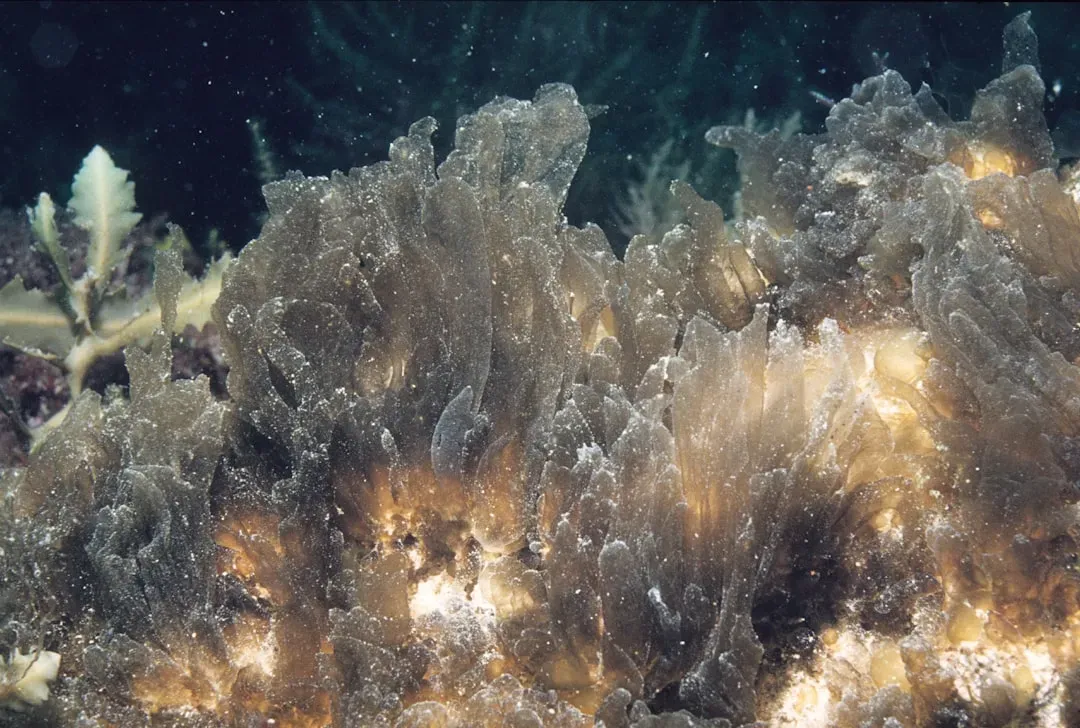
One of the most mind-bending discoveries of the last few decades is the ecosystem that thrives around hydrothermal vents – places where superheated, mineral-rich water gushes from cracks in the seafloor. These vents can reach temperatures hot enough to melt lead just centimeters from water that’s near freezing, creating a harsh, almost surreal boundary of extremes. In this environment, life has found a completely different way to survive, one that doesn’t depend on sunlight at all.
Instead of plants using light, microbes use chemicals from the vent fluids as their energy source, powering a whole food web built on chemistry rather than photosynthesis. Around these black smokers and shimmering seeps, scientists have found giant tube worms, blind shrimp, unusual clams, and bacteria-filled mats that look almost like underwater carpets. Many of the species in these communities live nowhere else, adapted beautifully to conditions that would kill most other life. It’s no exaggeration to say these ecosystems changed how we think about where and how life can exist, and they remain one of the strongest hints that life on other worlds – like icy moons with hidden oceans – might be possible.
“Marine Snow” and the Secret Life of the Midwater Zone
Between the surface and the deep seafloor lies a strange twilight region known as the midwater or mesopelagic zone, where sunlight fades to darkness. For a long time, this layer was treated as a kind of empty in-between, a dark column of water you pass through on the way to somewhere more interesting. Now we know it’s more like a busy, vertical highway stuffed with creatures that migrate up and down each day following food and avoiding predators.
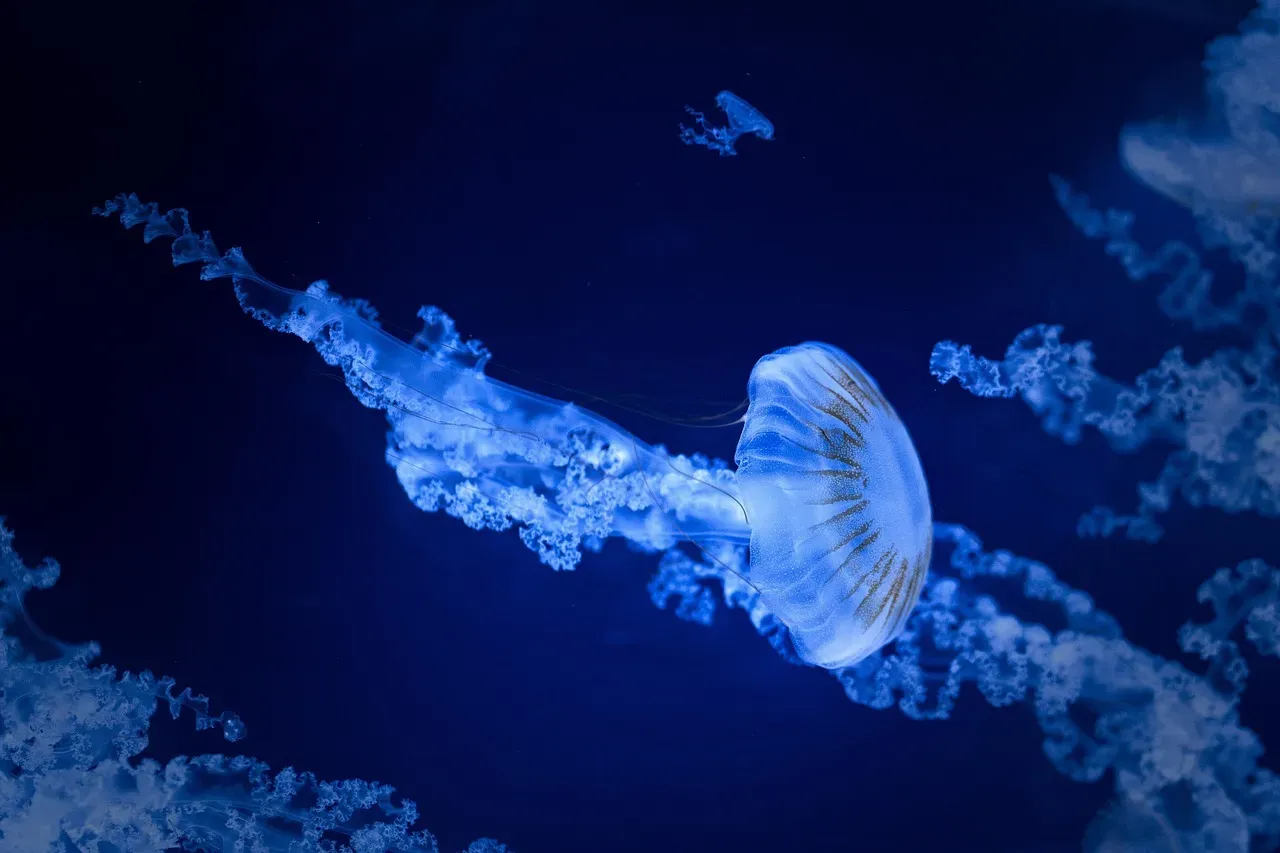
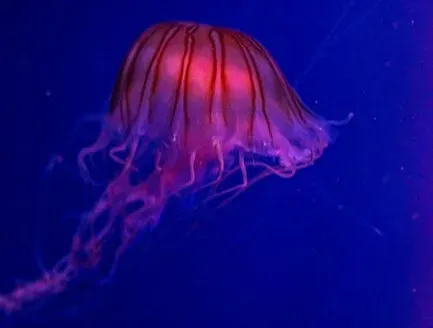
In this zone, a constant drizzle of tiny particles – dead plankton, waste pellets, bits of organic material – falls through the water like slow-motion snow. This “marine snow” feeds an entire community of jellyfish, squid, small fish, and bizarre gelatinous animals that look more like living glass sculptures than anything familiar. Some of the largest daily migrations on Earth happen here, as countless animals swim from the deep to the surface at night to feed, then back down again at dawn. The sheer biomass packed into this dim layer is turning out to be enormous, possibly rivaling or even exceeding what we see in all the coastal fisheries humans depend on.
Gigantic Microbial Worlds Beneath the Seafloor

It sounds like science fiction, but a vast “deep biosphere” of microbes lives not just in the water, but inside the seafloor itself – kilometers below the bottom, tucked into sediments and rocks. These microscopic communities survive with barely any energy, sometimes on chemical reactions so slow that individual cells might live for decades or even centuries. When scientists drill into these sediments and rocks, they keep finding life in places that used to be considered completely dead.
Although these hidden microbes are tiny, the total number of them is staggering, adding up to a significant fraction of all life on Earth. They help drive global cycles of carbon, nitrogen, and other elements, quietly shaping the chemistry of the ocean and atmosphere above them. Some of these organisms breathe things like sulfate or methane instead of oxygen, pushing the boundaries of what we thought metabolism could look like. Understanding how they function could change how we model climate, and maybe even help us think differently about how life began on this planet in the first place.
Technology Is Finally Catching Up To The Mystery
For most of human history, the deep ocean was simply out of reach; sending people down was dangerous, expensive, and technically daunting. That’s starting to change, thanks to remotely operated vehicles, autonomous underwater drones, and clever sensors that can endure high pressure, darkness, and long deployments. Much like how space telescopes opened up the universe, new ocean tech is opening the deep sea, letting us map, film, and sample areas that would’ve been impossible to reach only a couple of decades ago.
Ships can now tow sonar arrays that build detailed three-dimensional maps of the seafloor as they move, revealing hidden ridges, canyons, and seamounts in near real time. Swarms of small robotic gliders can roam for months, listening, measuring, and even following chemical trails, like mechanical bloodhounds sniffing out new vents or seeps. Each of these tools helps fill in another part of the puzzle, and the pattern is clear: the more we look, the more undiscovered ecosystems we find, often in places we never expected to matter.
Why Undiscovered Ecosystems Matter For Our Future
It might be tempting to think of these hidden ecosystems as remote curiosities, too far away to affect our daily lives, but that would be a serious mistake. Deep-ocean communities help regulate climate by locking away carbon, cycling nutrients, and influencing how heat and gases move through the global ocean. Many species we’re just now discovering could hold biochemical tricks and compounds with potential uses in medicine, materials science, or clean energy, even if we have no idea what those are yet.
At the same time, pressure is mounting to exploit the deep sea for minerals, energy, and fishing, often faster than we’re learning what actually lives there. It’s like planning to bulldoze a forest before we’ve even walked its trails or named its trees. Once a deep-sea habitat is damaged, recovery – if it happens at all – could take centuries, because many of the animals grow incredibly slowly and live long lives. The reality that isn’t just fascinating; it’s a warning that we’re still operating in the dark, making choices that could permanently reshape worlds we barely understand.