

Think back to a powerful moment from your childhood. You can almost feel the air on your skin, hear the sounds around you, see the colors as if they were still there. It feels solid, like a video clip stored in your brain. But here’s the unsettling truth: that memory isn’t a recording; it’s a story you’re rewriting, over and over, every time you recall it.
Neuroscience over the past few decades has challenged one of our most comforting illusions: that our memories are reliable snapshots of the past. Instead, memory behaves more like a creative editor than a careful archivist, merging facts, feelings, suggestions, and present-day beliefs into something that feels real. Once you understand that, you may never fully trust your own memory in the same way again – and that can be both terrifying and strangely liberating.
The Shocking Idea: Memory Is Not a Recording, It’s a Reconstruction

Most of us grow up assuming that our brains work like a hard drive: we store an event, and later we simply “open” the file and replay it. But research going back to the twentieth century has shown that memory works much more like a storyteller than a camera, filling in missing gaps and subtly reshaping events. When you recall a conversation from last week, you’re not pressing play on a saved video; you’re rebuilding a mental scene from bits and pieces scattered across your brain.
This reconstruction feels completely real, which is why we’re so convinced we’re right – and so shocked when someone remembers things differently. A classic example is how siblings can argue for years over how a family incident “really” happened, with everyone utterly certain their version is correct. They’re not necessarily lying; their brains have simply built different versions of the same original event, influenced by their emotions, roles, and later experiences. Memory is less like a courtroom transcript and more like a personal myth we keep revising.
How the Brain Stores and Rebuilds Our Past
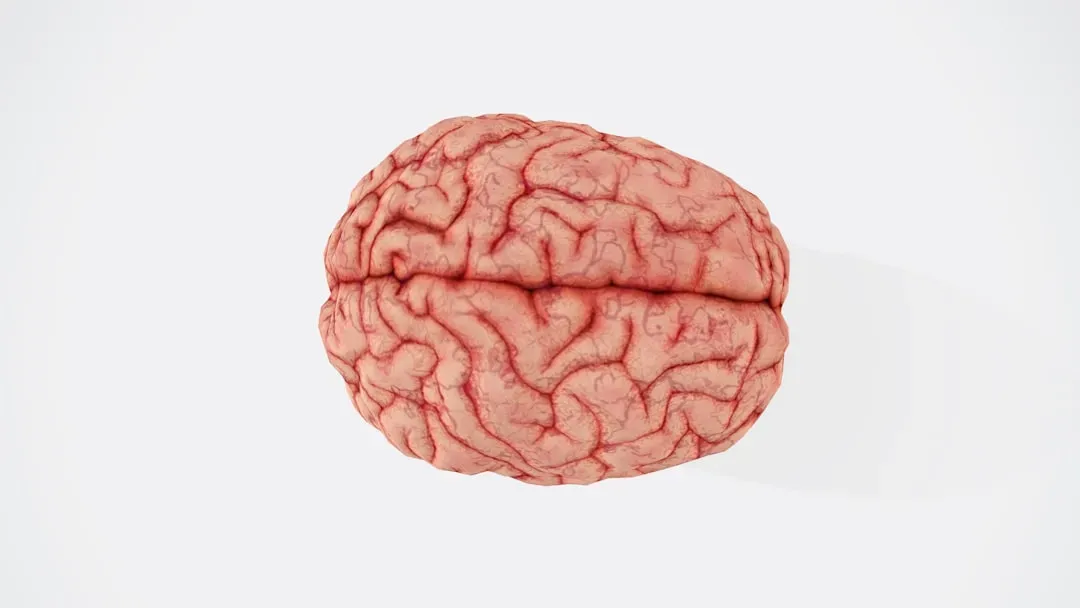
When something happens to you, your brain doesn’t tuck it away as one neat package. Instead, different features are stored in different regions: sights in visual areas, sounds elsewhere, emotional tone in structures involved with feeling, and context in networks that handle time and place. The hippocampus, a seahorse-shaped structure deep in the brain, acts like a coordinator, linking those scattered fragments into a loose network that can later be reactivated.
Later, when you “remember,” your brain essentially reassembles the experience from these fragments, like rebuilding a puzzle with some pieces missing. Other experiences that feel similar can bleed in and blend with that memory. This is why you may swear that your friend was at a party where they never actually showed up – your brain grabbed them from a different event that felt similar and dropped them into the wrong story. It’s not malicious; it’s just your brain doing its best with imperfect information.
Memory Reconsolidation: Every Recall Changes the Story

One of the most surprising discoveries is that when you remember something, you temporarily make that memory unstable again. Scientists call this process reconsolidation: a stable memory is pulled out, becomes flexible and modifiable, and then gets stored again, slightly changed. That means every time you replay an event in your mind, you’re not just watching it – you’re editing it, even if you don’t realize it.
This is powerful and a little scary. Talk about a painful breakup over and over, and you may sharpen certain details while letting others fade, strengthening the emotional charge. Retell a happy vacation with a funny twist you added once to make someone laugh, and over time that exaggerated detail can feel as real as what actually happened. The more often you recall something, the more chances your brain has to tweak it – like opening a document, making invisible edits, then hitting save again.
Emotion, Trauma, and Why Some Memories Feel Too Real

Emotion is one of the main forces that shapes how memories are stored and reshaped. Highly emotional events – like accidents, losses, or intense joy – can feel burned into the brain with searing clarity. People often describe “flashbulb memories,” such as where they were during a shocking piece of news, as crystal clear. Yet studies have repeatedly shown that even these supposedly vivid memories can drift over time, while our confidence in them typically remains sky-high.
Traumatic memories are more complex. Some aspects can become fragmented, while certain intense details feel inescapably real, replaying with frightening force. Because of reconsolidation, each time a traumatic memory is triggered, it can be reinforced – or, under the right conditions, slightly reshaped in less distressing ways. That’s one reason some modern therapies for trauma focus on safely reactivating painful memories and then pairing them with new emotional experiences, helping the brain to store a version that hurts less and feels less overwhelming.
False Memories: When the Brain Fills in the Blanks
If memory is a reconstruction, that means it’s vulnerable to suggestions, expectations, and social pressure. Experiments have shown that people can become convinced they saw details that were never there, simply because someone confidently mentioned them afterward. Over time, these suggested details can blend with genuine fragments and form a memory that feels absolutely authentic. The person isn’t pretending; their brain has woven a convincing narrative from both real and suggested elements.
In everyday life, this might look like “remembering” a friend’s exaggerated story as if you witnessed it personally, or recalling a childhood event that actually came from a photograph or something your parents repeatedly described. Our brains hate empty spaces, so they quietly patch the holes with whatever fits: an assumption, a story, or a detail borrowed from somewhere else. The result can be a memory that is emotionally meaningful yet factually inaccurate, and we rarely notice the difference.
Why This Matters in Everyday Life, Law, and Relationships

Once you accept that memory is reconstructed, everyday conflicts look very different. Two people can both be honest and sincere – and still remember a shared argument or event in incompatible ways. Instead of assuming bad faith, it can help to recognize that each person’s brain has been quietly editing their version of the story for years. That shift alone can soften blame and open the door to more curious, less defensive conversations.
The legal system has wrestled with these issues for decades. Eyewitness testimony once carried enormous weight, but research has shown that confident witnesses can be wrong in crucial details, such as the face they saw or the order of events. In some tragic cases, people have been convicted based largely on memories that later turned out to be inaccurate. Knowing this, many legal processes now take more care with how questions are asked, how lineups are conducted, and how much weight is placed on human recollection without supporting evidence.
Can We Use This Knowledge to Heal and Grow?

The reconstructive nature of memory isn’t all bad news. It also means that our stories about the past are not completely fixed. Therapies that focus on revisiting difficult memories in safe contexts, or rewriting personal narratives, are essentially working with the brain’s natural tendency to revise. You can’t erase an event, but you can gradually change what it means to you, how it feels in your body, and how often it intrudes into your present.
Even outside formal therapy, being aware that your memory is a living, changing thing can be strangely empowering. You might keep a journal, not because it’s perfect, but because it captures thoughts before they’re heavily edited by time. You might listen more carefully when someone remembers things differently, instead of instantly insisting you’re right. And you might hold your personal history a little more lightly – still precious, still meaningful, but understood as a story you and your brain are constantly rewriting.
Conclusion: Living with a Past That Keeps Changing

Knowing that our memories are reconstructed rather than fixed can feel deeply unsettling at first, like discovering the foundation of your house is quietly shifting. But it also explains so much: family disputes over “what really happened,” friendships strained by mismatched recollections, your own embarrassment when a detail you were sure about turns out to be wrong. The past, in a very real sense, is not only what happened – it’s what your brain keeps building from the scattered pieces it still holds.
At the same time, this constant reconstruction gives us a strange kind of freedom. We are not locked into a single, rigid version of our lives; we are always, in small ways, reinterpreting, reframing, and re-understanding where we came from. That doesn’t mean anything goes – facts still matter – but it does mean our inner autobiography is more flexible than we might think. If your memories are stories being rewritten every time you revisit them, which ones are you choosing to tell yourself most often, and how might those stories be shaping the person you are right now?