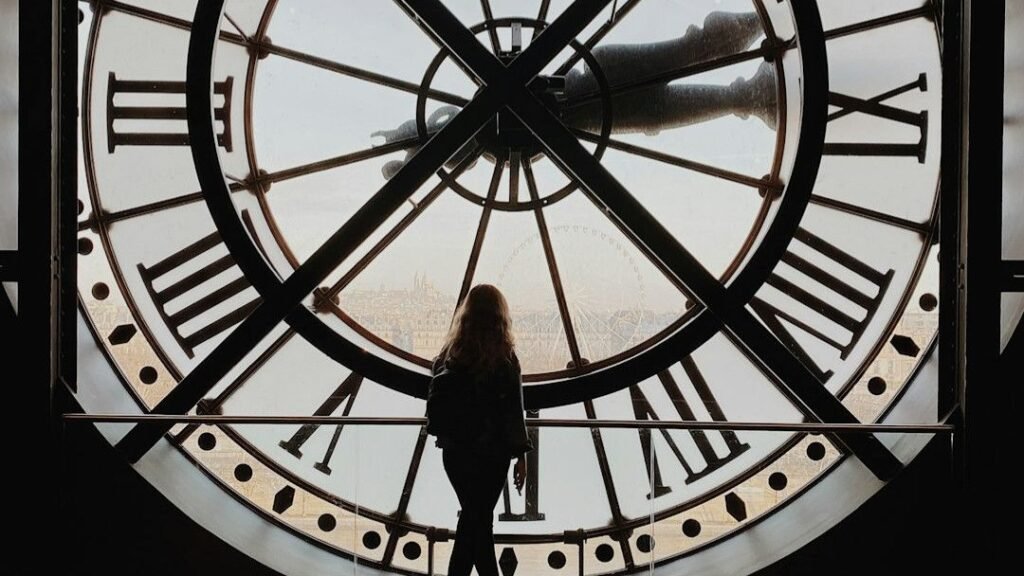

If you’ve ever felt wide awake at midnight but like a zombie at 7 a.m., that’s not a character flaw – it’s your inner clock talking. Deep inside your brain, there’s a tiny timing system quietly running your life, from when you feel hungry to how clearly you think and even how your body fights disease.
I still remember the first time I flew overseas and woke up at 3 a.m., starving and weirdly energized, in a dark hotel room. That buzzing, misplaced energy wasn’t “just jet lag”; it was my circadian rhythm completely out of sync with the world around me. Once you understand how this system works, a lot of those “why do I feel like this?” moments suddenly make sense.
The Master Clock In Your Brain

Here’s the surprising part: your entire 24-hour rhythm is coordinated by a cluster of about twenty thousand neurons in your brain, roughly the size of a grain of rice. This region, called the suprachiasmatic nucleus, sits above where your optic nerves cross, perfectly positioned to sense light. It acts like the conductor of an orchestra, keeping all your body’s clocks playing in sync so you don’t end up with your heart, liver, and brain each on different time zones.
These clock cells run on a genetic feedback loop that naturally cycles a little over 24 hours, and they need daily light signals to stay locked to the outside world. When light hits your eyes in the morning, even through a cloudy sky, it tells this master clock: “Daytime has started, reset now.” Without that daily reset, your internal rhythm starts to drift, like a watch that loses a minute every day until it’s completely off.
Light, Darkness, And Why Screens Keep You Wired
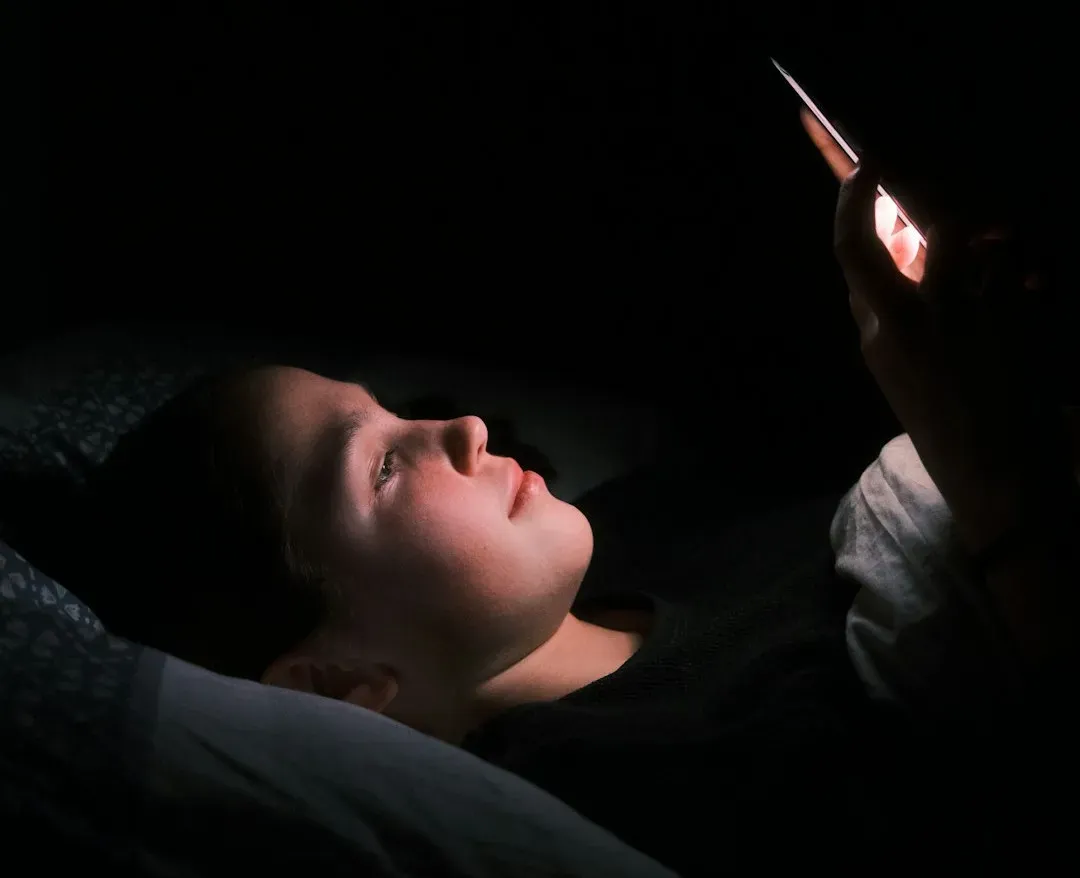
Light is the most powerful tool your body uses to decide what time it is, especially bright light in the blue spectrum. Morning light tells your brain to ramp up alertness hormones, turn down melatonin, and get your metabolism moving. In contrast, darkness is the signal for your brain to start producing melatonin, the hormone that nudges your body toward sleep, repair, and recovery.
Late-night screen use can confuse that system because phones, tablets, and laptops emit strong blue light directly into your eyes. Your brain interprets that as daytime, delaying melatonin and making it harder to fall asleep even when you feel exhausted. You might notice that staying on your phone in bed feels harmless in the moment but wrecks your energy the next day. Limiting bright screens for an hour before bed or using warmer, dimmer light in the evening gives your inner clock a clearer message: the day is done.
Sleep Timing, Quality, And Your Circadian Rhythm
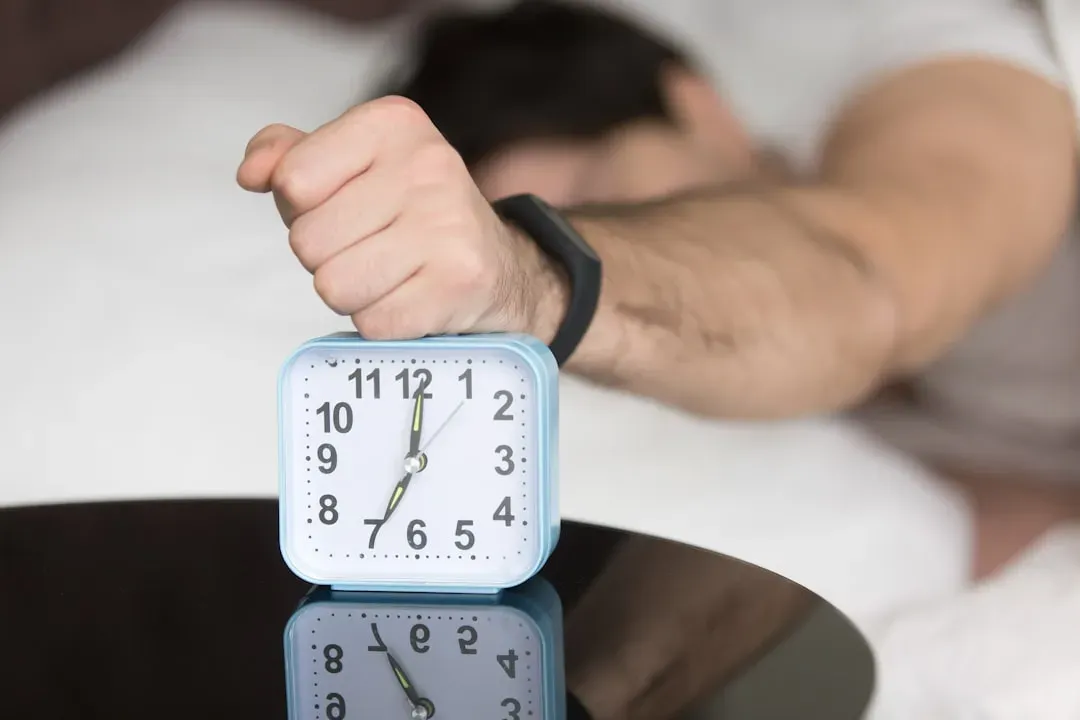
Your circadian rhythm doesn’t just decide when you sleep; it shapes how good that sleep actually is. Sleeping in line with your natural rhythm – roughly the same bedtime and wake time every day – helps your brain move smoothly through deep and dream sleep cycles. When you sleep at wildly different times, even if the total hours add up, your sleep can feel shallow, choppy, and less refreshing.
Many people notice that going to bed very late and sleeping in never feels quite as good as getting solid sleep during the night. That’s because your inner clock times certain types of deep sleep and hormone release to the night period, especially the early part. Shift workers, new parents, and people who regularly push through their natural tiredness window often pay the price in foggy thinking, mood swings, and a body that feels out of tune, even if they technically “got enough hours.”
Chronotypes: Why Some People Are Night Owls And Others Are Larks

Not everyone’s inner clock is set to the same schedule, and that’s where chronotypes come in. Some people are naturally early types and feel best waking up at dawn and fading early in the evening. Others truly feel more alive at night and hit their mental stride when most people are done for the day. These preferences are partly genetic and partly shaped by age, environment, and lifestyle.
As a teenager, I remember lying awake late into the night, wondering why I just couldn’t fall asleep at the “reasonable” time my parents wanted. Looking back, it wasn’t laziness; my circadian rhythm had shifted later, which is extremely common in adolescence. Over time, most people tend to drift earlier as they age, which is why older adults often wake up at dawn without an alarm. Understanding your own chronotype can help you stop judging yourself and start organizing your day around when your brain and body actually work best, as far as real life allows.
Hormones, Metabolism, And The Daily Rhythm Of Your Body

Your inner clock also quietly orchestrates a whole parade of hormones across the day. Cortisol, often called a stress hormone but also a key wake-up signal, naturally peaks in the morning and gradually declines as the day goes on. Insulin sensitivity, which affects how your body handles sugar, tends to be higher earlier in the day and lower at night. That means the exact same meal can be handled very differently by your body depending on when you eat it.
Staying up late and snacking at night can push your metabolism to work against its preferred schedule. Over the long term, repeatedly eating when your inner clock expects you to be resting has been linked to weight gain and blood sugar problems. Even your gut bacteria follow daily rhythms, shifting in composition and activity depending on feeding and fasting times. Aligning most of your calories with your active hours, and leaving a clear overnight break from food, supports the way your body naturally wants to operate.
Mood, Mental Health, And A Clock Out Of Sync

Anyone who’s missed a night of sleep knows how brutally it can affect your mood, but the connection goes far deeper than just feeling tired and cranky. Your circadian rhythm interacts with brain regions involved in emotion, reward, and decision-making. When your sleep-wake cycle is chronically out of sync with your environment, it can increase the risk of anxiety, depressive symptoms, and emotional volatility.
Seasonal mood shifts, where people feel lower in darker months, also appear closely tied to light and circadian timing. In these cases, carefully timed bright light exposure early in the day can help nudge the inner clock earlier and improve how people feel and function. Regular routines – consistent wake times, daytime light, movement, and winding down at night – may sound boring on the surface, but they give your brain a reliable structure. That structure often makes it easier to cope with stress, think clearly, and feel more emotionally steady.
Practical Ways To Reset And Support Your Inner Clock

Bringing your circadian rhythm back into balance doesn’t require perfection, just a few steady habits. Getting outside for natural light within the first hour or two after waking, even for a short walk, is one of the most powerful cues you can give your inner clock. Keeping your wake-up time fairly consistent, even on weekends, prevents that “social jet lag” feeling where Monday hits like a wall because your body thinks it’s still in a different time zone.
In the evening, dimming the lights, reducing screen brightness, and doing calmer activities tell your brain it’s time to shift gears. Eating your last substantial meal a few hours before bed, and saving intense exercise for earlier in the day or early evening, leaves your body freer to focus on recovery overnight. If you ever need to adjust your schedule – after travel, a new job, or a big life change – shifting your sleep and wake times gradually, by about fifteen to thirty minutes at a time, usually feels kinder to your system than trying to flip your life in one night.
Living In Step With Your Inner Timekeeper
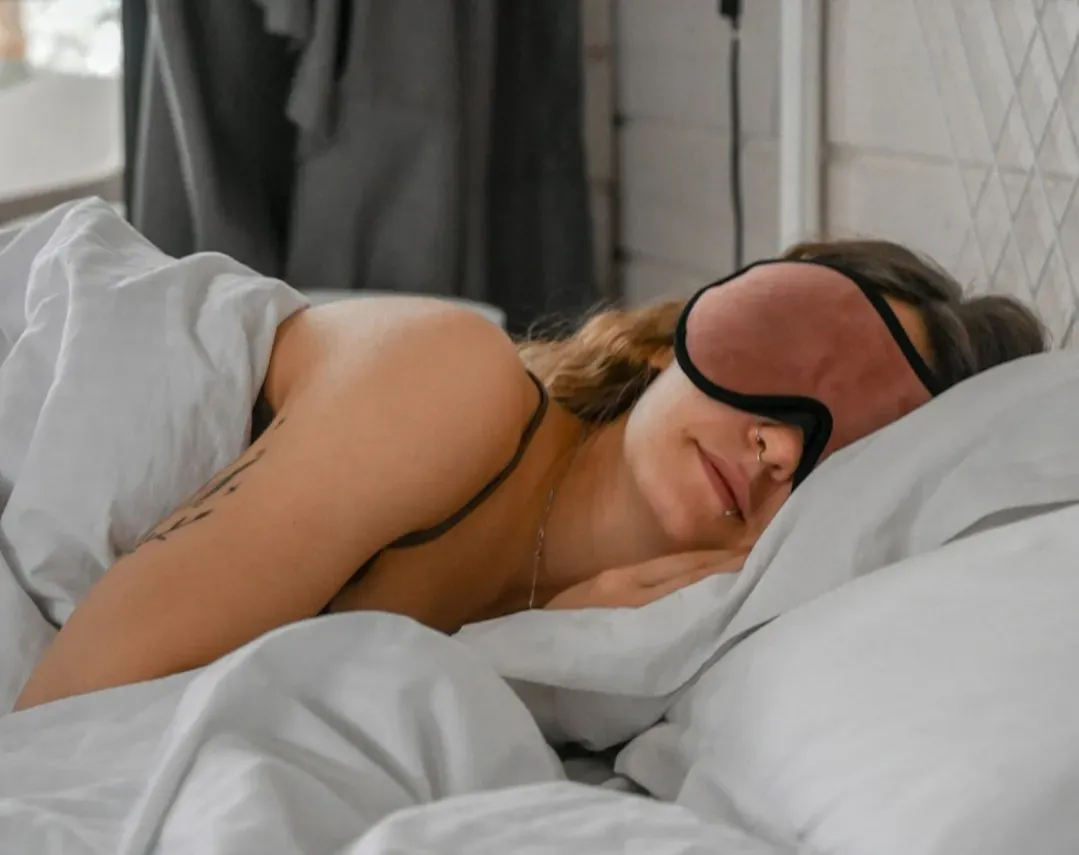
Once you start to see your body as a finely tuned timekeeper instead of a machine that should run the same way at any hour, a lot of everyday struggles begin to look different. Fatigue, brain fog, sugar cravings, and late-night wiredness often have less to do with willpower and more to do with timing. Working with your inner clock – through light, sleep, food, and routine – turns daily life into more of a partnership with your biology instead of a constant fight against it.
You don’t have to live like a monk or follow a perfect schedule to feel the difference; even small, consistent changes can bring your rhythm closer to where it wants to be. Paying attention to when you naturally feel alert, hungry, or sleepy is like learning the language of your own body. The more fluent you become in that language, the easier it is to make choices that leave you feeling clear, stable, and genuinely awake to your life. How in sync with your inner clock do you think you really are right now?