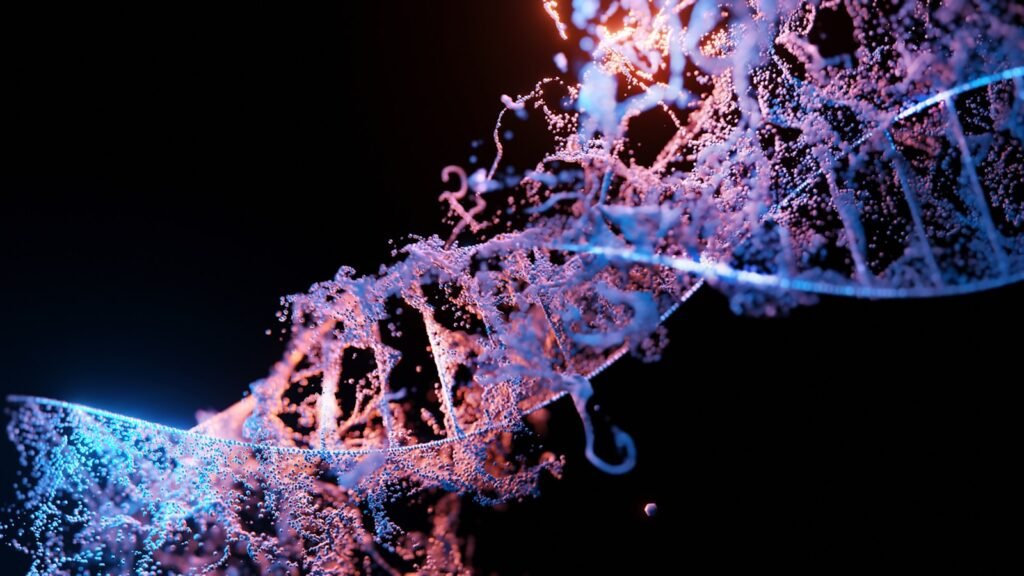

Every cell in your body carries a story that began long before you were born, long before your family existed, and even before humans walked upright. Hidden in the spiraled ladder of your DNA are molecular footnotes from ancient epidemics, vanished species, and long-lost migrations across an Earth that looked nothing like today’s world. For decades, scientists could only speculate about these deep histories, piecing together bones and stone tools like detectives working from a half-burned file. Now, powerful genetic tools are reopening that case file in astonishing detail, exposing secrets that challenge what we thought we knew about our own origins. As researchers read these molecular archives, they are discovering that our bodies are not just products of the present – they are living museums of our distant past.
The Hidden Clues Written Into Our Cells
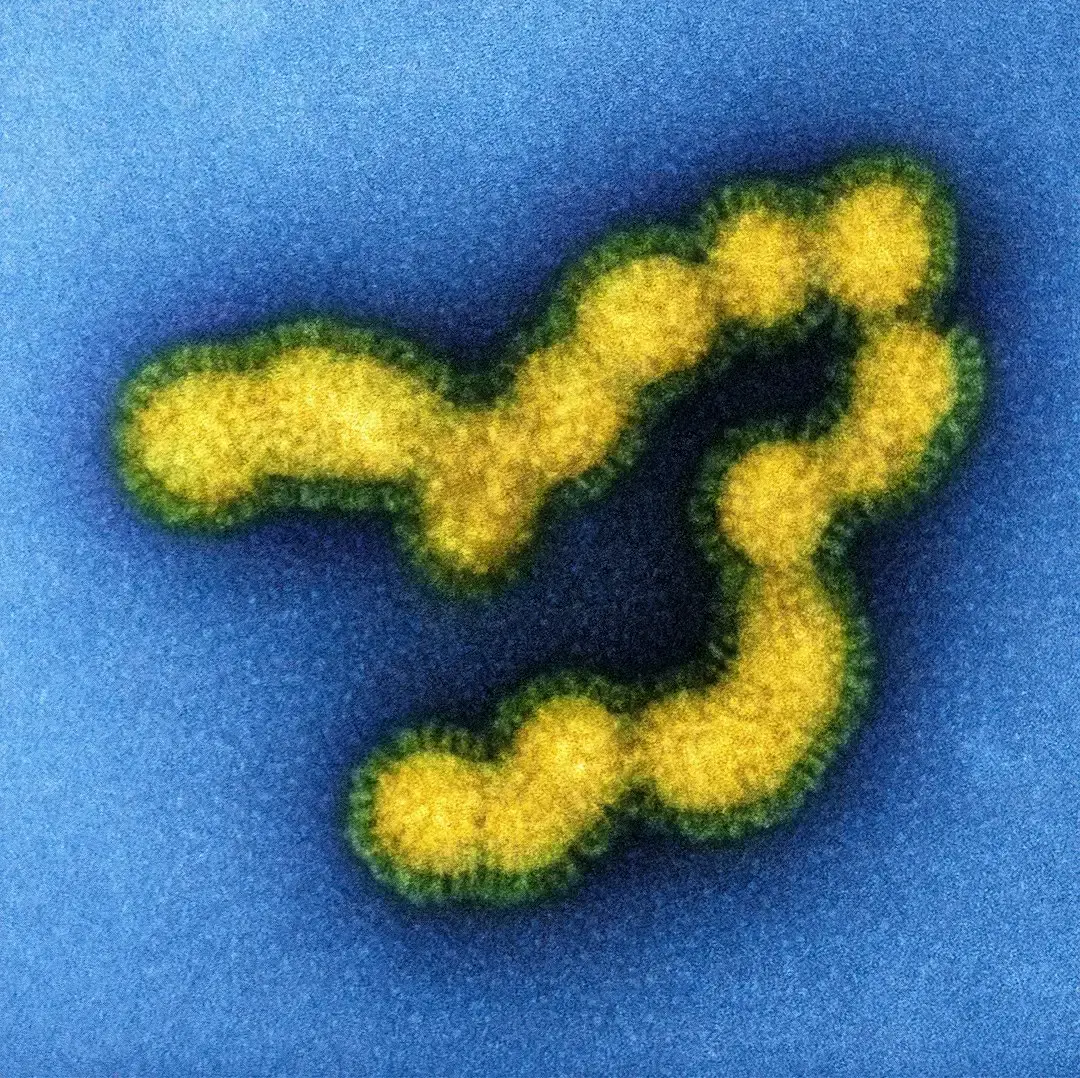
It is easy to think of DNA as a static barcode, a fixed identifier that says who you are, but in reality it is more like a palimpsest – an ancient manuscript written over again and again, never quite erasing what came before. When geneticists look closely, they find long stretches of viral DNA tucked inside our genomes, the fossilized remains of infections that struck our ancestors hundreds of thousands or even millions of years ago. These sequences, called endogenous retroviruses, can make up a surprisingly large fraction of our genetic code, like faded graffiti left by microscopic invaders. Some of these viral remnants are broken and inert, but others have been repurposed by evolution, co‑opted into crucial roles in development and immunity. In a twist that almost sounds like science fiction, parts of our ability to form a placenta – key to mammal reproduction – appear to come from viral genes that fused with early mammalian DNA deep in time.
Our genes also hold clues to ancient famines, plagues, and environmental extremes that shaped who survived and who did not. Patterns of variation in certain genes involved in immunity or metabolism suggest that, long ago, people who carried particular versions were more likely to withstand deadly infections or make it through lean years. Over generations, those surviving lineages left a stronger imprint in the present-day gene pool, like a genetic echo of crises no one remembers but everyone still carries. When scientists compare genetic patterns across populations, they can often pinpoint signatures of these selective events, noticing where a beneficial variant spread rapidly or where diversity was sharply reduced. It is as if our DNA still bears the scars of battles our ancestors fought, long after the enemies themselves disappeared.
From Ancient Bones to Ancient Genomes
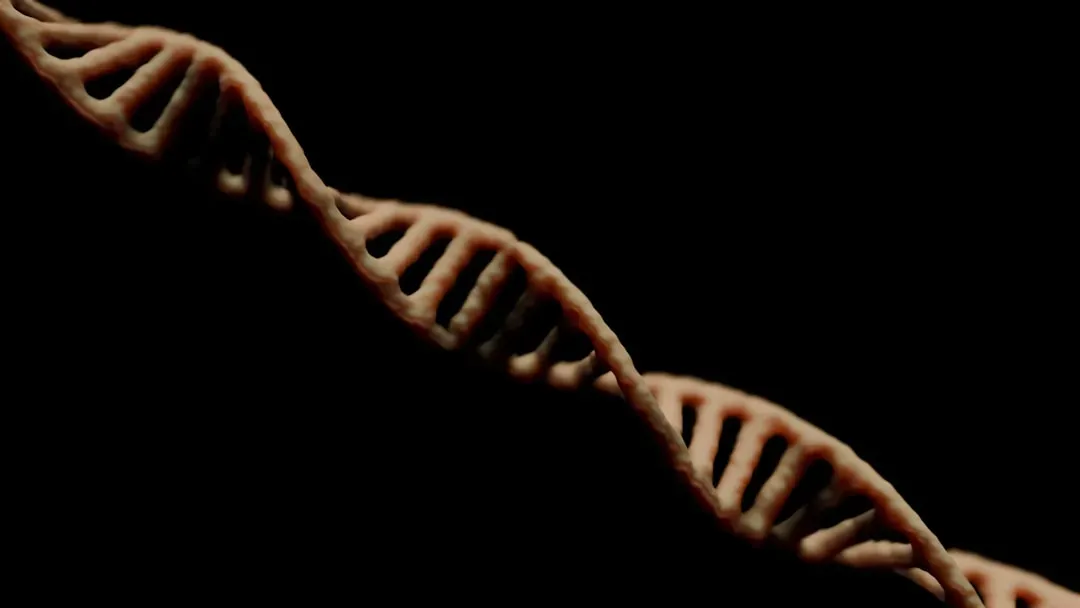
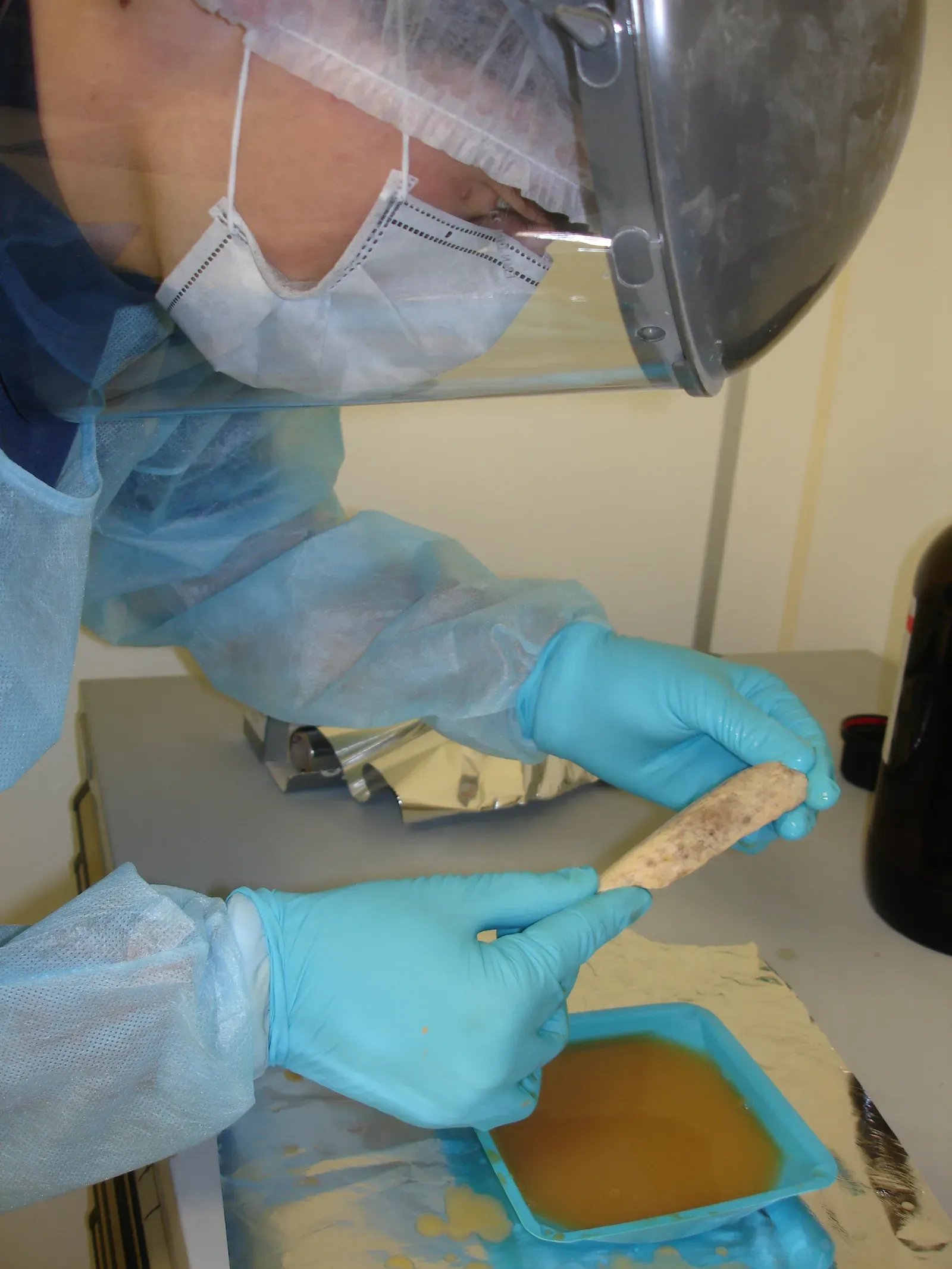
For most of the twentieth century, the story of human origins rested almost entirely on what could be pulled from the ground: skulls, teeth, stone tools, and the occasional scrap of preserved tissue. These artifacts were powerful, but fragmentary; arguments over a single jawbone could drag on for decades because there was simply no way to extract more information from it. That changed dramatically with the rise of ancient DNA – methods that allow scientists to recover and sequence genetic material from long-dead organisms, sometimes tens of thousands of years old. Even heavily degraded remains, such as Neanderthal bones from European caves or Denisovan fragments from a Siberian cave, have now yielded readable DNA sequences. Suddenly, researchers were not just guessing about relationships between ancient humans; they were comparing their genetic code letter by letter.
The results were shocking in their intimacy. Rather than neat, branching trees where separate human lineages split and never met again, the genetic picture looks more like a braided river with channels constantly separating and rejoining. Analysis of ancient DNA has shown that early Homo sapiens interbred with Neanderthals and with the mysterious Denisovans, leaving detectable traces in modern genomes across Europe, Asia, and Oceania. In some people today, a few percent of their DNA still comes from these long-extinct cousins, influencing everything from immune responses to how the body handles altitude. This kind of evidence could never have come from bones alone; it required reading the molecular signatures still stashed inside. Ancient genomes are, in a real sense, the missing pages that turn a scattered fossil record into a fuller, more continuous narrative.
Genetic Echoes of Ice Ages and Lost Landscapes
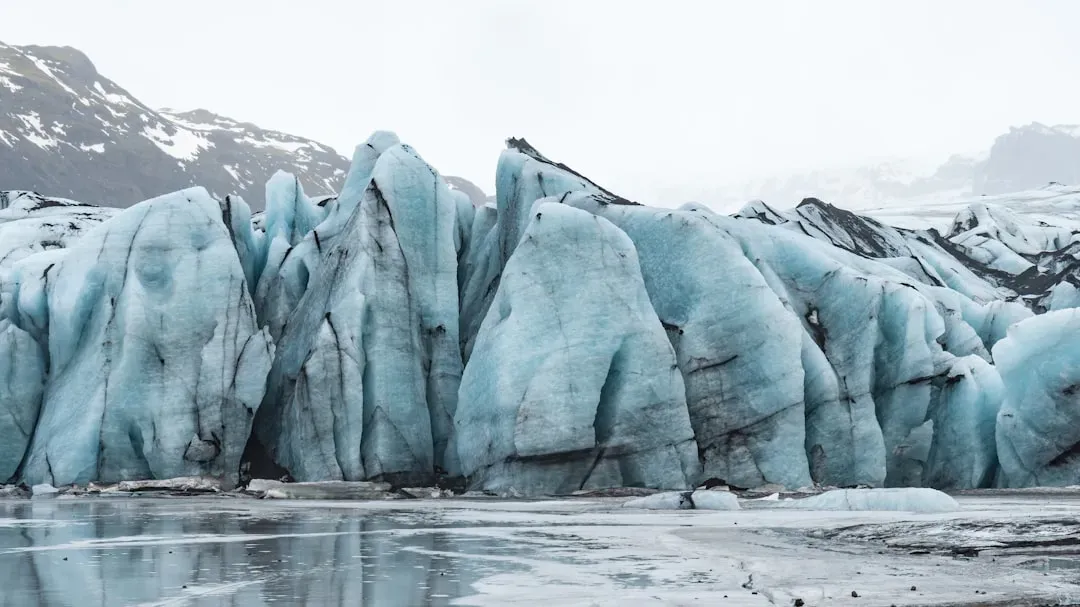
Our genes do not just remember other hominin species; they also remember the changing world those ancestors moved through. When populations were squeezed by advancing ice sheets or drawn along new coastlines revealed by falling sea levels, their genetic diversity waxed and waned in distinct patterns. Genetic bottlenecks – periods when only a relatively small number of individuals contributed to future generations – show up today as stretches of reduced variation in our DNA, like narrowed passages in an otherwise branching road map. Researchers can match these patterns with climate reconstructions and archaeological finds to infer when and where human populations shrank, migrated, or rebounded. It is a bit like reconstructing ancient traffic jams simply by looking at tire tracks left behind.
These reconstructions reveal that our species has repeatedly faced environmental extremes and habitat shifts on a planetary scale. During the last Ice Age, long before cities, agriculture, or writing, small groups of humans navigated expanding deserts, retreating forests, and corridors of habitable land that opened and closed over millennia. Their choices – to stay, to move, to adapt – left measurable marks in contemporary genomes on different continents. In some regions, the vast majority of people today descend from relatively small founding groups that passed through narrow geographic gateways or survived in isolated refuges. In others, like parts of Africa, genetic diversity remains especially rich, reflecting complex, overlapping histories in a long-standing homeland of humankind. The landscapes are gone, but the genetic footprints of those journeys remain.
The Ancient Strangers Living On Inside Us
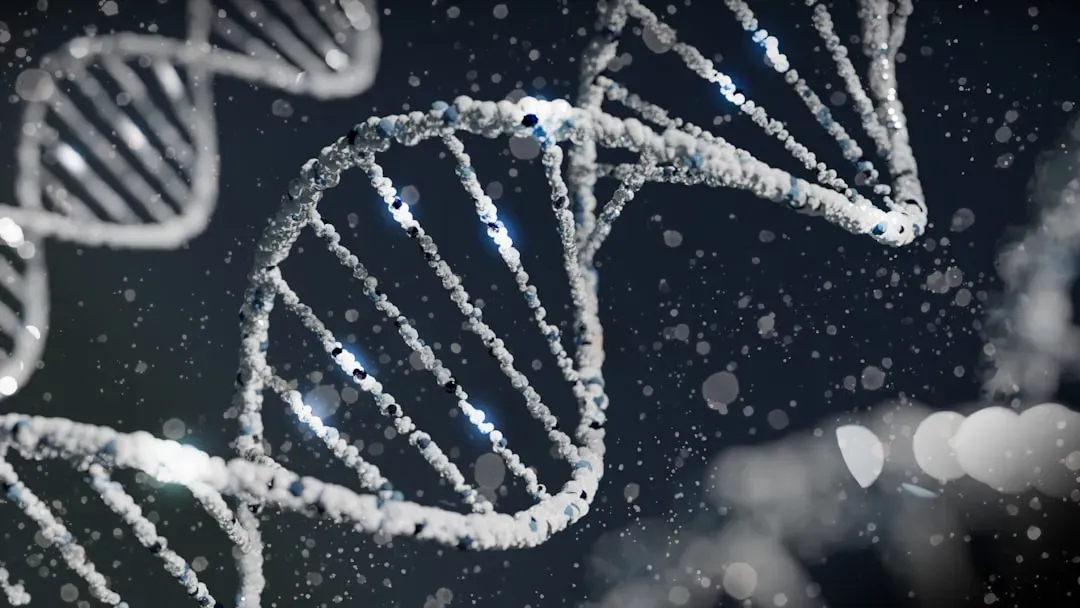
One of the most startling insights from genetic research is just how literally we carry ancient strangers within our own bodies. Segments of Neanderthal DNA, for example, can still be found in people whose ancestors lived outside Africa, influencing traits like skin biology, hair, and immune responses. Some of these inherited segments appear to have offered advantages against pathogens in Eurasia, while others are linked to higher risks of modern conditions such as certain autoimmune disorders or even mood-related traits. Similarly, people with ancestry in parts of Oceania carry substantial contributions from Denisovans, with genetic variants that seem to help with high-altitude adaptation and other physiological challenges. These are not ghost stories built from myth; they are measurable molecular traces of encounters that happened tens of thousands of years ago.
Beyond archaic humans, there are even deeper layers of strangeness in our DNA. The viral sequences embedded in our genome, along with other mobile genetic elements, have jumped, duplicated, and mutated across evolutionary time, sometimes reshaping gene regulation in ways that are only now becoming apparent. In a sense, our genome is not a single, unified script but a patchwork document assembled from many contributors – some human, some viral, some long extinct. This mosaic nature challenges simplistic ideas of a pure or static human essence and instead emphasizes how thoroughly entangled our biology is with past life-forms and past environments. The familiar body you see in the mirror is, on closer inspection, a living archive of ancient collaborations and conflicts.
How Our Physiology Still Carries the Past
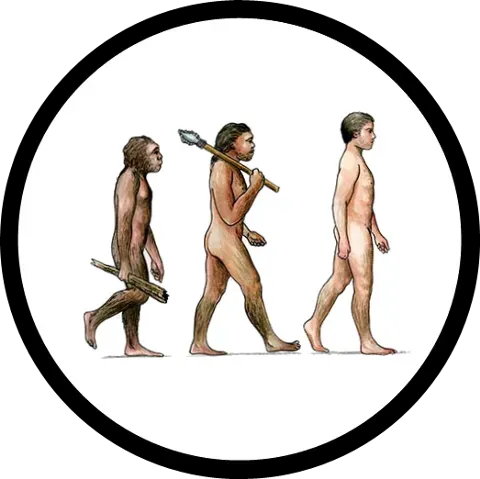
The secrets hidden in our DNA are not just historical curiosities; they actively shape how our bodies function today. Many physiological quirks that seem mysterious at first glance begin to make sense when seen through an evolutionary lens. Genes that once helped store energy efficiently during cycles of feast and famine may now contribute to higher risks of obesity and metabolic disease in societies with constant access to calorie-dense food. Similarly, variants that once offered an edge against ancient parasites and infections can sometimes push modern immune systems into overdrive, raising susceptibility to allergies or autoimmune conditions. Our physiology, in other words, is tuned to environments and lifestyles that no longer exist, like a machine calibrated for a different factory floor.
Understanding this evolutionary mismatch can help explain why certain health problems cluster in particular populations or explode when lifestyles change rapidly. When people move from traditional diets and activity patterns to highly urbanized, sedentary lives within a single generation or two, their ancient genetic wiring does not have time to adjust. Epidemiologists and geneticists increasingly work together to tease apart how inherited variants interact with modern environments to produce disease risks. That kind of insight is not just intellectually satisfying; it can guide more targeted prevention strategies and personalized treatments. In a very real way, recognizing the ancient logic built into our bodies can help us make better decisions about how to live in the present.
Why It Matters: Reading the Past to Protect Our Future
The deep-time stories written in our genes are not just academic trivia; they are practical tools for navigating the future. Knowing how our ancestors responded to past climate shifts, pandemics, and famines can sharpen our predictions about how current populations might cope with global warming, emerging diseases, or food insecurity. Traditional methods in anthropology and history rely on artifacts, written records, and oral traditions, which are powerful but inevitably incomplete. Genomics adds an entirely new layer of evidence, one that captures both the winners and the losers of evolutionary gambles, including people who left no monuments and societies that vanished without chronicles. That breadth gives scientists a broader sample of human experience to draw from when building models and policies.
Compared with older approaches that often treated populations as static or neatly separated, genetic data reveals a world of constant mixing, adaptation, and movement. This dynamic view challenges simplistic narratives about fixed racial categories or pure bloodlines, undermining ideas that have fueled discrimination and division. Instead, it emphasizes our shared origins and the surprising amount of genetic overlap across communities that might appear very different on the surface. At the same time, it highlights real, medically important differences in inherited risk that need to be understood without stigma. Balancing those insights – using genetic knowledge to improve health and resilience while rejecting harmful misinterpretations – is one of the central ethical tasks of our age.
The Future Landscape of Reading Ancient DNA
The technologies used to decode genetic secrets have advanced at a breathtaking pace, and the next two decades promise even deeper dives into our ancestral archives. Sequencing costs have fallen from the level of national research budgets to the price of a vacation, making large-scale projects that would have been unthinkable in the early 2000s now entirely feasible. Researchers are beginning to assemble dense time series of ancient genomes from single regions, tracking how specific communities changed genetically over only a few hundred years. Combined with high-resolution climate models and archaeological data, these sequences can reveal how societies reorganized themselves in response to droughts, volcanic eruptions, or shifting trade routes. In effect, we are beginning to watch human history unfold in slow motion at the molecular level.
But the future of this field is not just about technical feats; it is also about difficult questions of consent, ownership, and justice. Many of the remains used for ancient DNA studies belong to Indigenous or marginalized communities whose ancestors were excavated during eras of unequal power and sometimes outright exploitation. As sequencing spreads, scientists, governments, and communities are wrestling with who should decide how ancestral DNA is used, who benefits from the findings, and how to respect cultural values around the dead. Emerging guidelines emphasize partnership, transparency, and shared decision-making, but there is no single solution that fits every context. At the same time, new tools for reconstructing ancient pathogens from genetic traces are raising biosecurity concerns, forcing careful debate about how to share data without enabling misuse. The promise of unlocking our genetic history comes tightly intertwined with responsibilities we can no longer afford to ignore.
How You Can Engage With Your Genetic Past
Engaging with the ancient stories inside your genes does not require a lab coat or a research grant; it often starts with curiosity and a willingness to look at your own body and family in a new light. Consumer genetic tests have made it easy to obtain ancestry estimates and health-related insights, but they should be approached with a clear-eyed understanding of their limitations and privacy implications. Before sending off a saliva sample, it is worth reading how your data will be stored, who can access it, and whether you are comfortable with potential uses in research or law enforcement. Talking with relatives about family histories, migrations, and medical conditions can provide valuable context that no genetic report alone can fully capture. Combining those personal stories with what science reveals at the population level can make the distant past feel surprisingly immediate.
There are also broader ways to support the responsible exploration of our genetic heritage. You can follow and share work from scientists and journalists who explain human evolution and genetics clearly, helping counter misinformation and oversimplified claims. Supporting museums, public science programs, or local talks on human origins keeps these topics accessible beyond universities and private labs. If you belong to a community whose ancestors are part of ongoing genetic research, you can advocate for transparent collaborations that respect cultural values and ensure local voices are heard. Even simple acts, like questioning racist narratives that misuse genetics or amplifying nuanced explanations, contribute to a healthier public conversation. In the end, the ancient secrets in our DNA are part of a shared human story – how we choose to read and use that story is up to all of us.
Suhail Ahmed is a passionate digital professional and nature enthusiast with over 8 years of experience in content strategy, SEO, web development, and digital operations. Alongside his freelance journey, Suhail actively contributes to nature and wildlife platforms like Discover Wildlife, where he channels his curiosity for the planet into engaging, educational storytelling.
With a strong background in managing digital ecosystems — from ecommerce stores and WordPress websites to social media and automation — Suhail merges technical precision with creative insight. His content reflects a rare balance: SEO-friendly yet deeply human, data-informed yet emotionally resonant.
Driven by a love for discovery and storytelling, Suhail believes in using digital platforms to amplify causes that matter — especially those protecting Earth’s biodiversity and inspiring sustainable living. Whether he’s managing online projects or crafting wildlife content, his goal remains the same: to inform, inspire, and leave a positive digital footprint.